
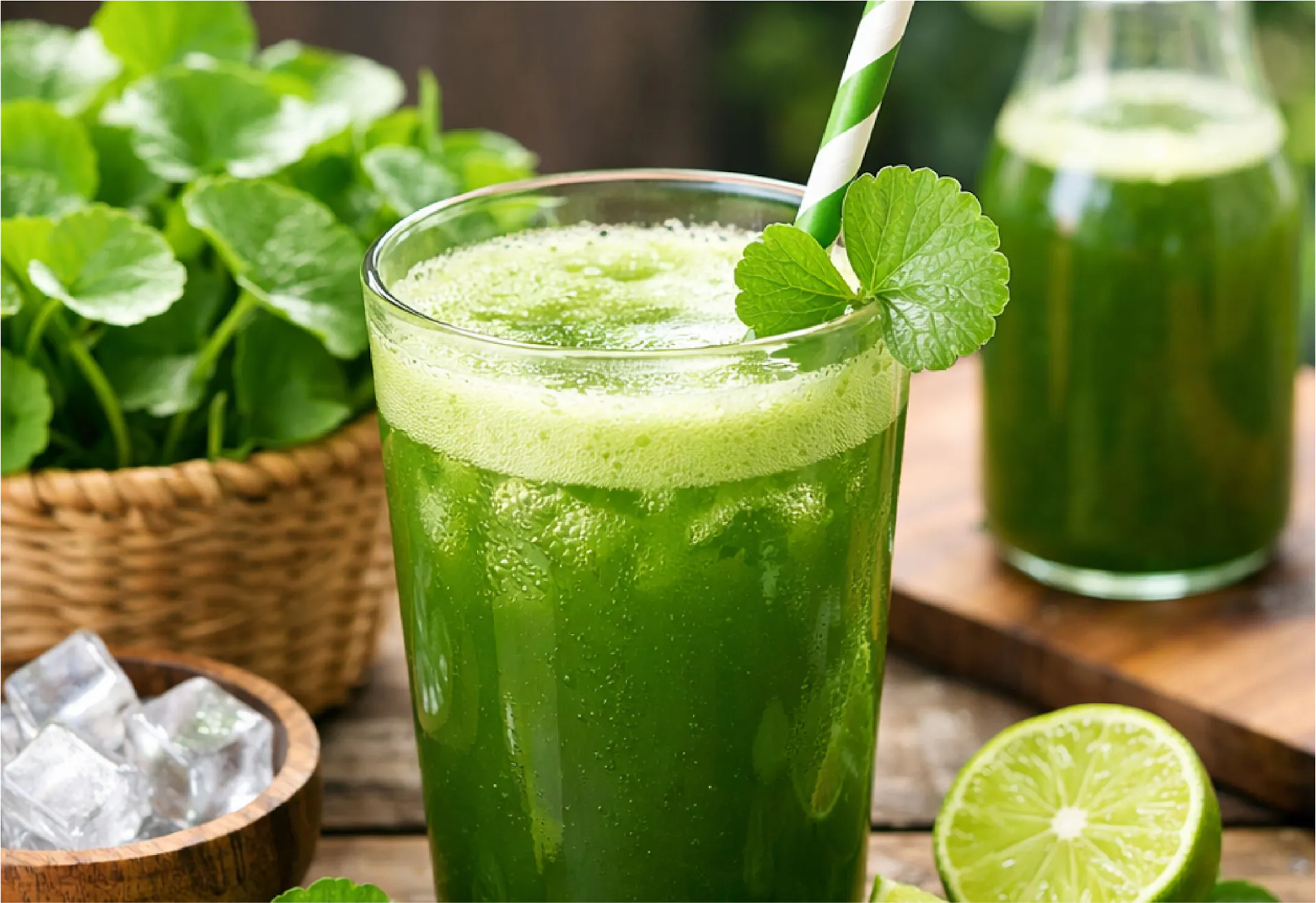
Nước Rau Má: Vietnam's Fresh Pennywort Juice Drink
Nước Rau Má is a refreshing Vietnamese drink made by blending fresh pennywort, also known as gotu kola, with water and often sugar or ice. Popular at street drink stalls, local markets, and casual juice shops, it has a distinctive green color and a fresh, mildly grassy flavor. Some versions are combined with coconut water, mung beans, or other ingredients for extra sweetness and texture. Widely enjoyed across Vietnam, Nước Rau Má is a simple introduction to the country's diverse tradition of fresh herbal and plant-based beverages.
About Nước Rau Má
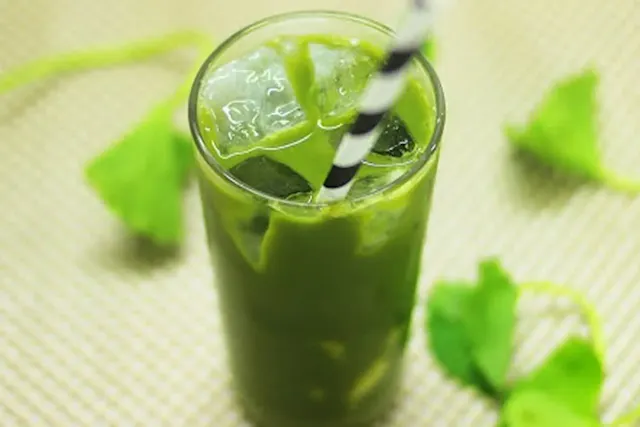
Nước Rau Má is a popular Vietnamese herbal drink made from fresh pennywort, a leafy green plant also known as gotu kola. The drink has a distinctive green color, a fresh vegetal aroma, and a mildly grassy flavor. It is commonly served chilled and can be found at street drink stalls, local markets, juice shops, and casual eateries throughout Vietnam.
The Vietnamese name “nước rau má” literally refers to a drink made from rau má, with “nước” meaning liquid or drink and “rau má” referring to pennywort. Unlike many packaged beverages, it is often prepared fresh by blending or crushing the leaves shortly before serving.
What Is Nước Rau Má?
Nước Rau Má is essentially fresh pennywort juice prepared from cleaned rau má leaves and stems. The plant is blended or crushed with water, then strained or served with some of the fine plant pulp depending on the preparation.
The basic drink can be enjoyed on its own, but sugar is often added to make the flavor more approachable. Ice is also commonly used, especially during Vietnam's hot weather.
Fresh rau má has a mildly grassy and earthy taste. Because the flavor can be stronger than fruit juices, Vietnamese vendors often adjust the sweetness according to customer preference.
What Does Nước Rau Má Taste Like?
Nước Rau Má has a fresh, vegetal flavor that is different from typical fruit-based drinks. It can taste slightly grassy, earthy, and mildly bitter, particularly when made with a high concentration of fresh pennywort.
Adding sugar creates a sweeter and more balanced drink, while ice makes it lighter and more refreshing. Some variations combine pennywort with coconut water or other ingredients to create a smoother and sweeter flavor.
For first-time visitors, the taste may initially seem unusual, but it is a familiar everyday beverage for many Vietnamese people.
How Is Vietnamese Pennywort Juice Made?
Preparing Nước Rau Má usually starts with fresh pennywort leaves and stems. The plant is thoroughly washed to remove dirt and impurities before being blended with clean water.
The mixture can then be strained to remove larger pieces of plant material. Some vendors leave a small amount of fine pulp in the drink, creating a slightly thicker texture.
Sugar, ice, or other ingredients may be added before serving. Because the drink is usually prepared fresh, customers can often watch the vendor blend the green leaves and prepare the beverage directly in front of them.
Popular Nước Rau Má Variations
Although traditional pennywort juice is simple, Vietnamese drink stalls offer several variations.
One popular combination is rau má đậu xanh, which combines pennywort juice with mung bean. Cooked mung beans add natural sweetness, creaminess, and a thicker texture while softening the grassy flavor of rau má.
Another variation combines pennywort with coconut water. The coconut adds natural sweetness and a lighter tropical character, making the drink particularly refreshing.
Some modern juice shops may also combine rau má with other fruits, seeds, or plant-based ingredients. These variations show how Vietnamese street beverages continue to adapt to changing tastes while maintaining traditional ingredients.
Nước Rau Má in Vietnamese Food Culture
Nước Rau Má is closely connected to Vietnam's everyday street beverage culture. It is not usually considered a special-occasion drink; instead, it is an affordable and accessible beverage enjoyed by locals as part of daily life.
Small rau má stalls can be found in neighborhoods, markets, busy streets, and food areas throughout the country. In larger cities such as Ho Chi Minh City and Hanoi, specialized drink shops may offer several versions of pennywort juice alongside other Vietnamese beverages.
The bright green color also makes Nước Rau Má visually distinctive. Seeing a vendor blend fresh leaves into a green drink is part of the experience of exploring Vietnamese street food and drink culture.
Where Can You Try Nước Rau Má?
Travelers can find Nước Rau Má in many parts of Vietnam, particularly in local markets and street food areas. Ho Chi Minh City is known for its wide variety of street drinks, while smaller cities and towns also have local vendors serving freshly prepared rau má.
For an authentic experience, look for stalls where the drink is prepared to order using fresh pennywort. This allows you to see the preparation process and experience the drink in the same casual setting where locals commonly enjoy it.
Why Try Nước Rau Má?
Nước Rau Má offers a different perspective on Vietnamese beverages. Instead of relying primarily on fruit, milk, or coffee, it highlights a fresh leafy green ingredient that has long been part of Vietnamese food culture.
Its distinctive color, vegetal flavor, and simple preparation make it an interesting drink for travelers exploring local cuisine. Whether enjoyed plain, sweetened with sugar, mixed with mung beans, or combined with coconut water, Nước Rau Má provides a refreshing way to experience Vietnam's diverse street drink culture.
Featured Ingredients of Nước Rau Má
Nước Rau Má is a simple Vietnamese herbal drink built around fresh pennywort. Depending on the recipe, sugar, water, ice, and other local ingredients can be added to balance its naturally grassy flavor and create a refreshing everyday beverage.
Fresh Pennywort↗
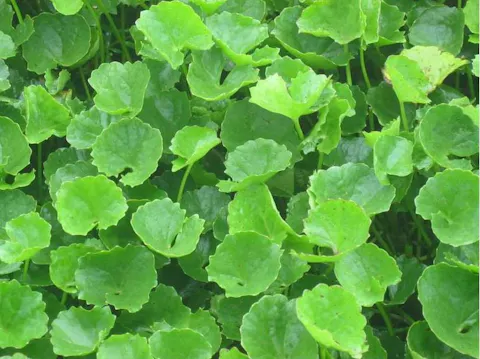
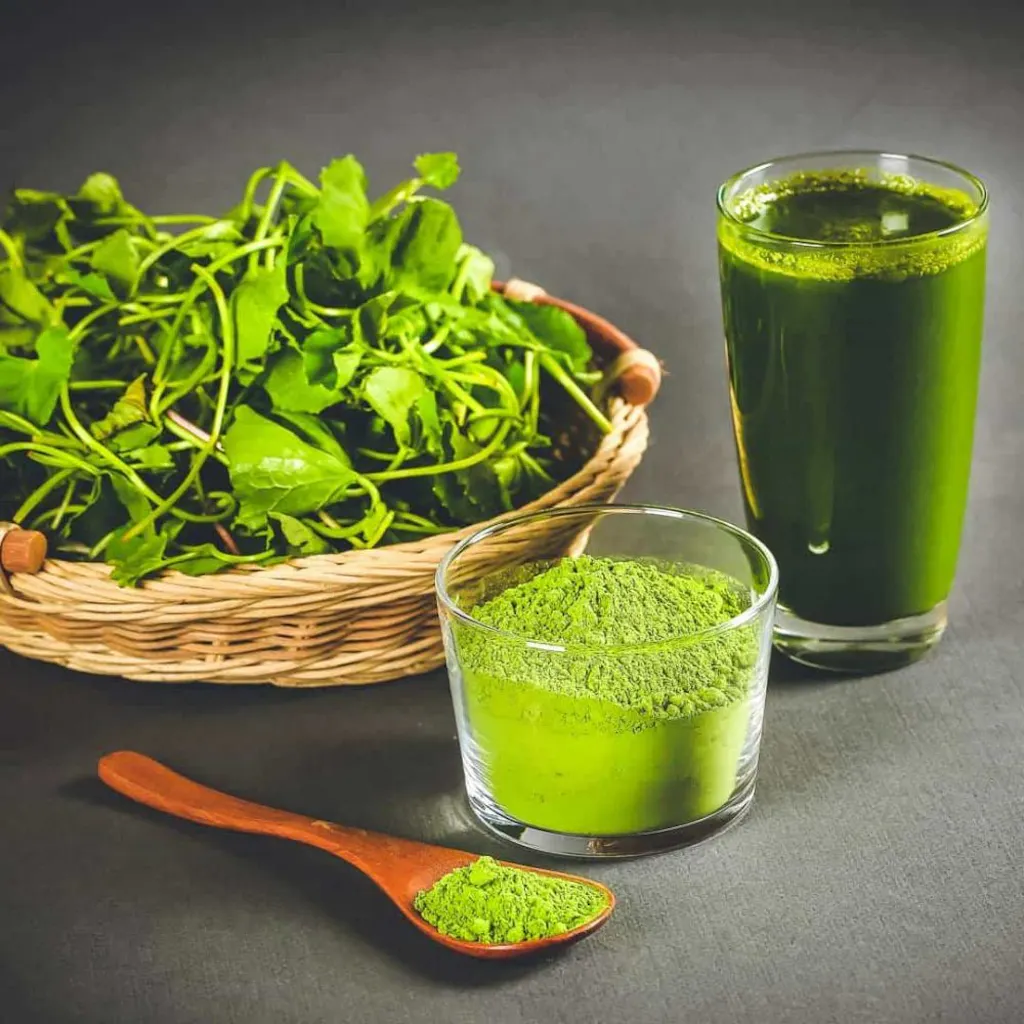
Fresh pennywort, known locally as rau má, is the essential ingredient in Nước Rau Má. The leaves and tender stems are thoroughly washed before being blended or crushed with water. They give the drink its distinctive green color, fresh vegetal aroma, and mildly grassy, earthy flavor.
Sugar or Mung Bean↗
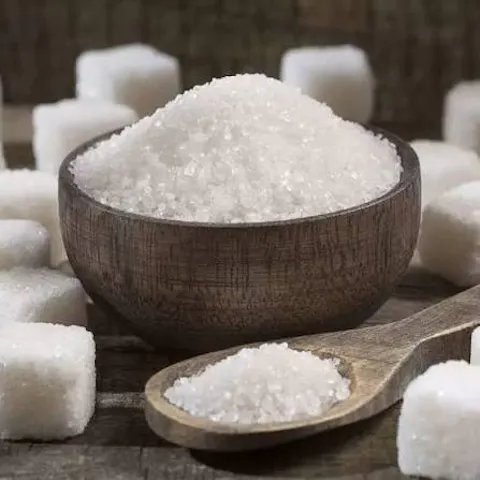
Sugar is commonly added to balance the naturally grassy and slightly bitter taste of pennywort. Another popular variation, known as rau má đậu xanh, combines pennywort juice with cooked mung beans. The mung beans add sweetness, creaminess, and a thicker texture to the drink.
Water & Ice↗
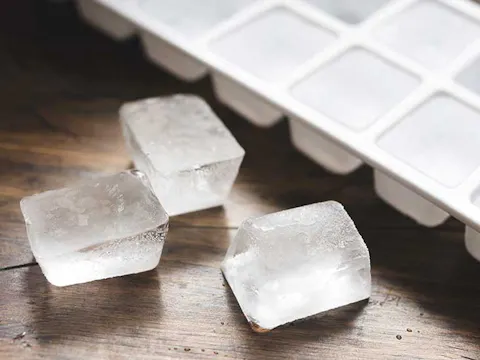
Clean water is used to blend the fresh pennywort and create the drink's desired consistency. Ice is usually added before serving, especially in Vietnam's warm climate. The combination of fresh pennywort, chilled water, and ice creates a light and refreshing beverage that is easy to enjoy throughout the day.
Related Pennywort Juice Articles
Explore more articles about pennywort juice (rau ma), traditional Vietnamese drinks, local ingredients, and street beverage culture. Discover the flavors, serving styles, and popular drinks you can try while exploring Vietnam's food and drink scene.

What Is Pennywort Juice? A Guide to Vietnam’s Rau Má Drink↗
Pennywort juice is a traditional Vietnamese drink made from fresh rau má, the Vietnamese name for Centella asiatica, also known as gotu kola. Naturally green with a fresh, grassy and slightly bitter flavor, it is commonly blended with water and served over ice. Vietnamese vendors may add sugar, coconut water, or mung bean to create different variations. Popular at street drink stalls and local juice shops, rau má offers travelers a refreshing way to discover an everyday part of Vietnam’s food and drink culture.

Pennywort Juice Recipe: How to Make Vietnamese Rau Má↗
Learn how to make refreshing Vietnamese pennywort juice (rau má) at home with this easy recipe. Made with fresh pennywort leaves, cold water, and a touch of sugar, this vibrant green drink has a naturally earthy, grassy flavor and is commonly served over ice in Vietnam. This guide explains how to prepare and blend rau má, strain the juice, balance its flavor, and make the popular rau má đậu xanh variation with mung beans for a creamy, richer Vietnamese drink.
Frequently Asked Questions About Nước Rau Má
What is Nước Rau Má?
Nước Rau Má is a Vietnamese pennywort juice made by blending or crushing fresh rau má leaves and stems with water. The mixture is usually strained and served chilled with ice. Sugar may be added to balance its naturally grassy and slightly earthy flavor. It is a common drink at Vietnamese street stalls and local juice shops.
What does Nước Rau Má taste like?
Nước Rau Má has a fresh, vegetal flavor with mildly grassy and earthy notes. Fresh pennywort can have a slightly bitter taste, so sugar is often added to make the drink sweeter and more approachable. Serving it cold with ice gives the beverage a refreshing character.
What ingredients are in Nước Rau Má?
The main ingredient is fresh pennywort, or rau má, combined with clean water. Sugar and ice are commonly added when serving. Some popular versions include mung beans, coconut water, or other ingredients to add sweetness, creaminess, or a different flavor profile.
How is Nước Rau Má made?
Fresh pennywort leaves and stems are thoroughly washed before being blended or crushed with water. The mixture can be strained to remove larger pieces of plant material. Sugar and ice are then added according to preference. Many Vietnamese vendors prepare the drink fresh to order.
What is Rau Má Đậu Xanh?
Rau Má Đậu Xanh is a popular variation of Nước Rau Má that combines fresh pennywort juice with mung bean. The cooked mung beans add natural sweetness, creaminess, and a thicker texture, helping balance the grassy flavor of pennywort. It is commonly sold at Vietnamese juice stalls and drink shops.
Advertising box
Discover Vietnam's Local Drinks
Explore Vietnam's rich beverage culture through traditional coffee, fragrant teas, tropical fruit juices, herbal drinks, rice wine, and refreshing regional specialties. Discover the unique flavors, local traditions, and must-try drinks that accompany every unforgettable journey across Vietnam.
Nước Mía: Vietnam's Fresh Sugarcane Juice
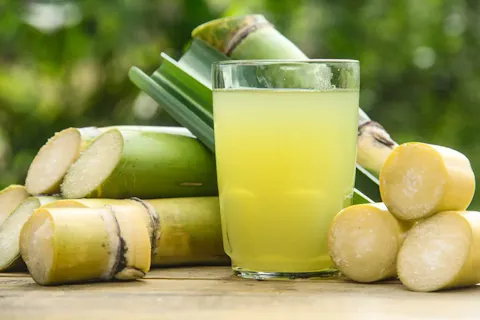
Nước Mía is Vietnam's popular fresh sugarcane juice, made by pressing sugarcane stalks through a specialized machine to extract a naturally sweet and refreshing drink. It is commonly served chilled over ice, sometimes with a splash of lime or kumquat juice to add a bright citrus flavor. Widely available at street stalls, markets, and casual drink shops across Vietnam, Nước Mía is an affordable way to cool down in the tropical climate. Discover its ingredients, preparation, flavor, cultural popularity, and where to try it.
Fresh Coconut Water: A Refreshing Local Drink
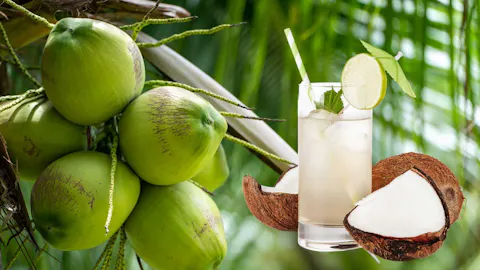
Fresh coconut water is one of the simplest and most refreshing drinks to enjoy in Vietnam. Served directly from young green coconuts, it offers a naturally sweet, mildly floral flavor and is especially popular in hot weather. Travelers can find fresh coconut water at local markets, street stalls, restaurants, beaches, and roadside vendors across the country. Discover how coconut water is served in Vietnam, where to try it, what it tastes like, and why it is a favorite tropical drink.
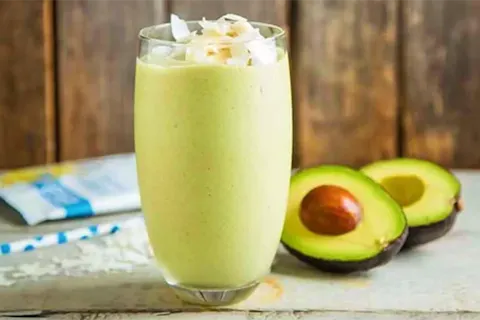
Sinh Tố Bơ: Vietnam's Creamy Avocado Smoothie
Sinh Tố Bơ is a popular Vietnamese avocado smoothie made by blending ripe avocado with milk, sweetened condensed milk, and ice. Rich, creamy, and naturally buttery, this refreshing drink combines the mild flavor of avocado with a touch of sweetness. Found at street drink stalls, local cafés, juice shops, and dessert shops throughout Vietnam, Sinh Tố Bơ is a favorite tropical beverage among locals and visitors. Discover its ingredients, preparation, flavor, popular variations, and why this creamy avocado smoothie is a must-try Vietnamese drink.
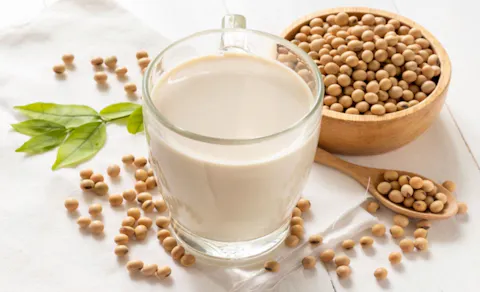
Sữa Đậu Nành: Vietnam's Traditional Fresh Soy Milk Drink
Sữa Đậu Nành is a popular Vietnamese soy milk drink made from freshly prepared soybeans, water, and often sugar. It is commonly served warm or chilled at local markets, street stalls, breakfast shops, and casual drink vendors throughout Vietnam. Smooth, creamy, and mildly nutty, Vietnamese soy milk is enjoyed as an affordable everyday beverage and can be paired with traditional snacks or breakfast foods. Some vendors offer variations flavored with pandan, sesame, or other ingredients, adding new aromas and textures to this familiar Vietnamese drink.