
What Is Pennywort Juice? A Guide to Vietnam’s Rau Má Drink
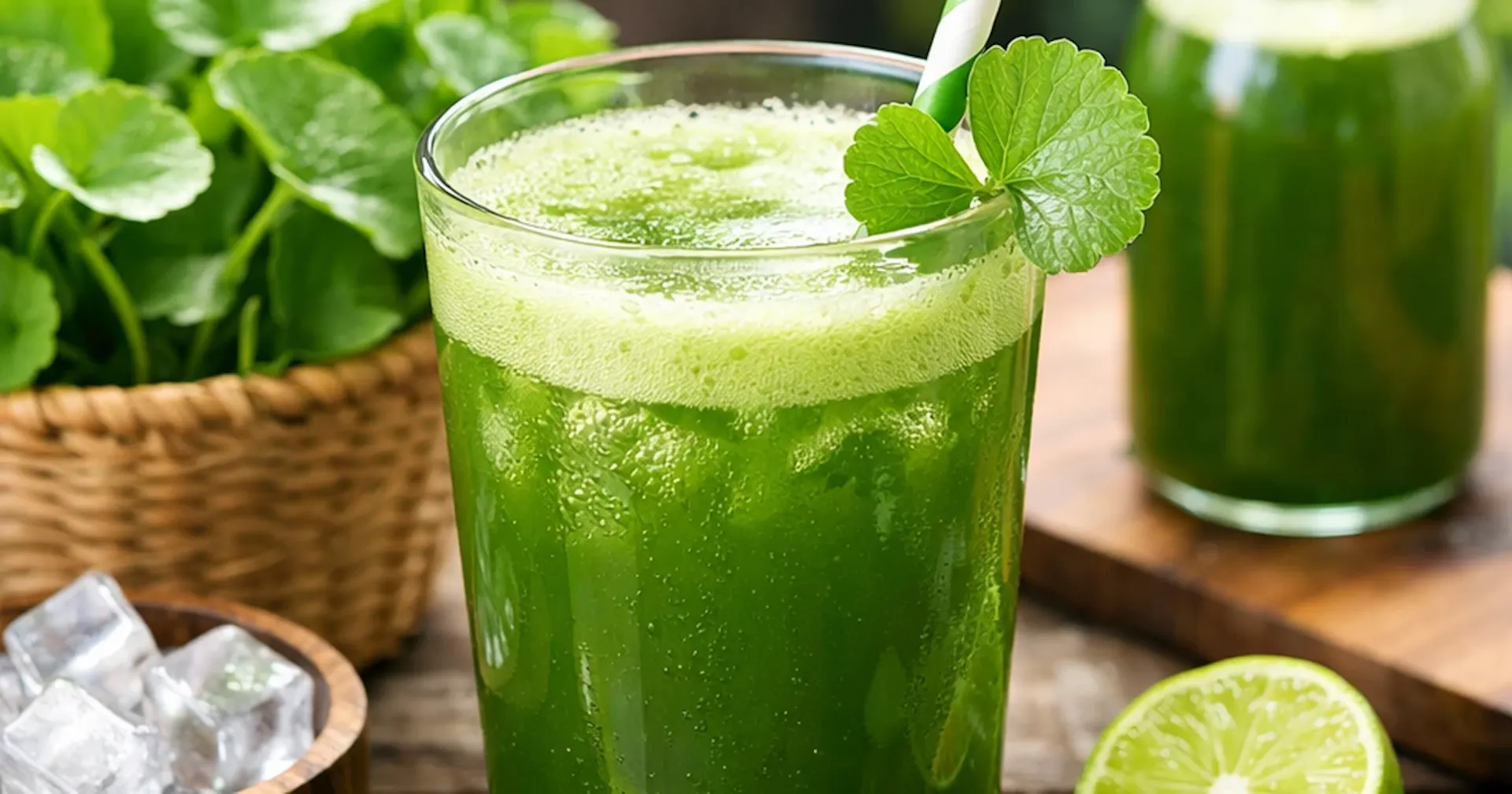
Pennywort juice is a traditional Vietnamese drink made from fresh rau má, the Vietnamese name for Centella asiatica, also known as gotu kola. Naturally green with a fresh, grassy and slightly bitter flavor, it is commonly blended with water and served over ice. Vietnamese vendors may add sugar, coconut water, or mung bean to create different variations. Popular at street drink stalls and local juice shops, rau má offers travelers a refreshing way to discover an everyday part of Vietnam’s food and drink culture.
On this page
- What Is Pennywort Juice?
- What Does Pennywort Juice Taste Like?
- What Is Rau Má?
- How Is Vietnamese Pennywort Juice Made?
- Popular Types of Pennywort Juice in Vietnam
- Why Is Pennywort Juice Popular in Vietnam?
- Is Pennywort Juice Healthy?
- How to Order Rau Má in Vietnam
- Where Can You Try Pennywort Juice in Vietnam?
- How to Enjoy Pennywort Juice Like a Local
- Pennywort Juice vs. Other Vietnamese Drinks
- Final Thoughts
If you’re exploring Vietnamese street drinks, pennywort juice is one of the most distinctive drinks you can try. Known locally as rau má, it is made by blending fresh pennywort leaves with water and serving the green juice over ice. Its flavor is grassy, earthy, and slightly bitter, so vendors often add sugar, coconut water, or mung bean to make it sweeter and creamier.
For travelers, rau má is more than a refreshing drink. It is an everyday part of Vietnamese food culture, commonly found at local juice stalls, markets, and casual drink shops.
What Is Pennywort Juice?
Pennywort juice is a Vietnamese drink made from fresh pennywort leaves, known locally as rau má. The plant is scientifically known as Centella asiatica and is also commonly called gotu kola or Asiatic pennywort.
The fresh leaves are washed, blended with water, and strained to produce a vivid green drink. It is usually served cold with ice and can be sweetened to taste.
A basic glass of rau má typically contains:
- Fresh pennywort leaves
- Filtered water
- Sugar or sugar syrup
- Ice
Some versions include additional ingredients such as coconut water, mung bean paste, or condensed milk.
Unlike fruit juices, pennywort juice has a distinctly herbal character. Its natural flavor is more earthy and grassy than sweet, making it an interesting choice for travelers who want to try something beyond Vietnam's familiar coffee and fruit drinks.

What Does Pennywort Juice Taste Like?
Pennywort juice has a fresh, grassy, earthy, and slightly bitter taste.
If you've never tried it before, the flavor can be surprising. It may remind you of fresh green herbs, wheatgrass, or lightly brewed green tea. The natural bitterness becomes more noticeable when the drink is served without sugar.
Vietnamese vendors often balance this flavor with sweetness.
A typical glass may taste:
- Pure rau má: Earthy, grassy, and slightly bitter
- Sweetened rau má: Herbal with a mild sugary finish
- Rau má nước dừa: Lighter, sweeter, and more refreshing
- Rau má đậu xanh: Creamy, nutty, and much sweeter
If you're trying pennywort juice for the first time, a lightly sweetened version is an easy introduction.
What Is Rau Má?
Rau má is the Vietnamese name for pennywort, or Centella asiatica.
It is a small, low-growing green plant that thrives in warm and humid environments. The rounded leaves are commonly used in Vietnamese food and traditional herbal practices.
The plant has a long history across Southeast Asia and is particularly familiar in Vietnam. Fresh rau má can be found in local markets and is commonly turned into drinks.
Although rau má is sometimes described as a medicinal herb, travelers should think of pennywort juice primarily as a traditional Vietnamese beverage, rather than a medical treatment.
Its popularity comes from its fresh flavor, availability, and long-standing place in Vietnamese food culture.
How Is Vietnamese Pennywort Juice Made?
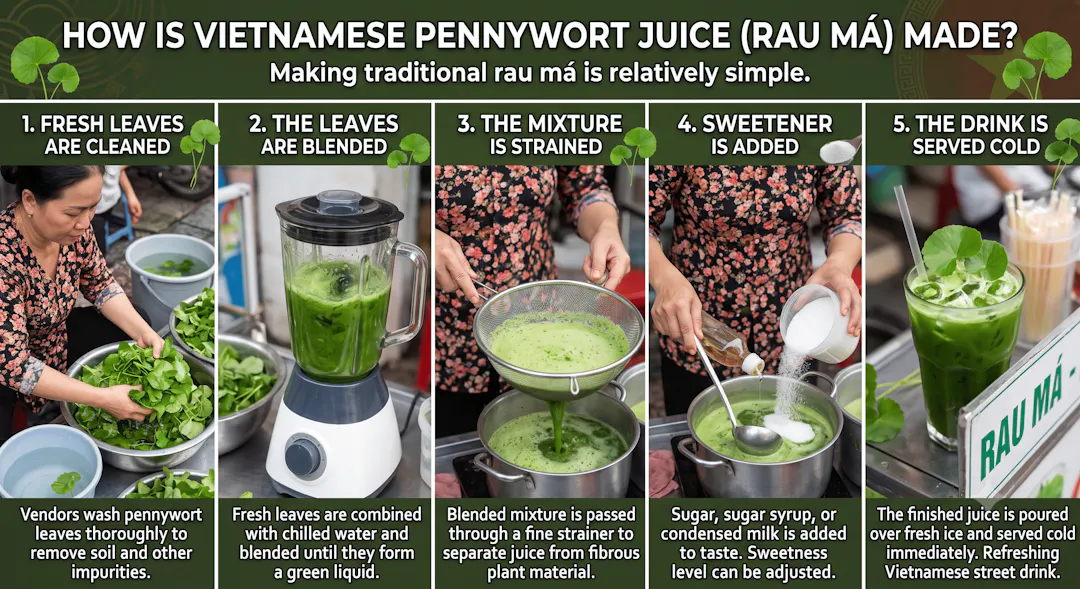
Making traditional rau má is relatively simple.
1. Fresh leaves are cleaned
Vendors wash the pennywort leaves thoroughly to remove soil and other impurities.
2. The leaves are blended
The fresh leaves are combined with chilled water and blended until they form a green liquid.
3. The mixture is strained
The blended leaves are passed through a strainer to separate the juice from the fibrous plant material.
4. Sweetener is added
Depending on the vendor and customer's preference, sugar or sugar syrup can be added.
5. The drink is served cold
The finished juice is poured over ice and served immediately.
Some modern drink shops use blenders and standardized recipes, while traditional stalls may prepare the drink in a much simpler way.
Popular Types of Pennywort Juice in Vietnam
One of the fun parts of trying rau má in Vietnam is discovering the different versions available.
Rau Má Nguyên Chất
Rau má nguyên chất means pure pennywort juice.
This is the simplest version, usually made from fresh leaves, water, and sometimes a small amount of sugar.
It has the strongest herbal flavor and is a good choice if you want to experience the natural taste of rau má.
Rau Má Đậu Xanh
Rau má đậu xanh combines pennywort juice with mung bean.
Cooked mung beans are blended into the drink, creating a thicker and creamier texture. Sugar or condensed milk may also be added.
The mung bean softens the bitterness of the pennywort, making this version particularly approachable for first-time drinkers.
Rau Má Nước Dừa
Rau má nước dừa combines pennywort with coconut water.
The naturally sweet and refreshing coconut water creates a lighter drink and works especially well in Vietnam's hot weather.
For travelers looking for something refreshing rather than dessert-like, this is a good option to try.

Why Is Pennywort Juice Popular in Vietnam?
Vietnam's tropical climate makes cold drinks an important part of everyday life.
Walk through a Vietnamese neighborhood on a hot afternoon and you'll find numerous drinks available from small street stalls, cafés, markets, and juice shops. Rau má fits naturally into this culture because the drink is made from fresh local ingredients and is easy to serve chilled.
Its popularity also comes from familiarity.
For many Vietnamese people, rau má is not an exotic wellness drink. It is simply a familiar beverage that has been enjoyed across generations.
You may see it served alongside other popular Vietnamese drinks such as:
- Vietnamese iced coffee
- Sugarcane juice
- Coconut water
- Fresh fruit smoothies
- Soy milk
- Lotus tea
- Artichoke tea
This makes rau má an interesting part of Vietnam's broader street-drink culture.
Is Pennywort Juice Healthy?
Rau má has traditionally been used in Vietnamese and other Southeast Asian herbal practices, where the plant is valued for its refreshing and cooling qualities.
Fresh pennywort also contains naturally occurring plant compounds and nutrients. However, the nutritional value of a glass varies depending on how it is prepared.
For example, a glass made primarily from fresh leaves and water is very different from one containing large amounts of sugar, condensed milk, or mung bean.
It is best to enjoy pennywort juice as a traditional beverage, rather than relying on it as a treatment for a health condition.
If you have a medical condition, take medication, or are considering concentrated pennywort supplements, speak with a qualified healthcare professional.
How to Order Rau Má in Vietnam
Ordering rau má is easy once you know a few Vietnamese phrases.
“Rau má”
Simply saying rau má will usually get you the basic pennywort drink.
“Rau má đậu xanh”
Ask for rau má đậu xanh if you want pennywort with mung bean.
“Rau má nước dừa”
Choose rau má nước dừa for a version made with coconut water.
You can also customize your drink:
- Ít đường — less sugar
- Không đường — no sugar
- Ít đá — less ice
- Không đá — no ice
If you're new to rau má, try ít đường first. This lets you taste the herbal flavor without making the drink overly sweet.

Where Can You Try Pennywort Juice in Vietnam?
Rau má is widely available throughout Vietnam, especially in larger cities and local neighborhoods.
You can often find it at:
- Local juice stalls
- Traditional markets
- Street drink carts
- Small cafés
- Smoothie shops
- Specialty rau má shops
Ho Chi Minh City
Ho Chi Minh City is one of the easiest places to discover Vietnamese street drinks. Small beverage stalls and local drink shops can be found throughout residential neighborhoods and busy streets.
Look for signs featuring rau má, rau má đậu xanh, or nước rau má.
Hanoi
In Hanoi, rau má is available at local beverage shops, markets, and casual cafés. It can be an interesting alternative to the city's famous Vietnamese coffee and tea culture.
Da Nang and Central Vietnam
Rau má is also popular in central Vietnam, where you can find it alongside fresh fruit drinks and other local beverages.
For the most authentic experience, choose a busy local stall where the leaves are visibly blended fresh to order.
How to Enjoy Pennywort Juice Like a Local
For the best experience, order the drink fresh and cold.
If it's your first time, try this progression:
First: Start with lightly sweetened rau má.
Next: Try rau má nước dừa if you prefer a lighter, naturally sweet drink.
Then: Try rau má đậu xanh if you enjoy creamy dessert-style drinks.
The differences between these versions make it easy to understand why the humble pennywort leaf has become such a versatile Vietnamese beverage ingredient.
Pennywort Juice vs. Other Vietnamese Drinks
Vietnam has an enormous variety of traditional drinks, and each offers a different experience.
Pennywort juice is herbal and grassy.
Sugarcane juice is intensely sweet and refreshing.
Vietnamese iced coffee is rich, strong, and often sweetened with condensed milk.
Coconut water is light, naturally sweet, and refreshing.
Fruit smoothies are generally sweeter and more familiar to international visitors.
If you want to explore Vietnamese drinks beyond the usual coffee and coconut water, rau má is one of the most distinctive options to add to your list.
Final Thoughts
Pennywort juice, or rau má, is one of Vietnam's simplest yet most distinctive traditional drinks. Made from fresh pennywort leaves and usually served over ice, it offers a refreshing combination of grassy, earthy, and slightly bitter flavors.
Try the pure version to experience the natural taste, rau má nước dừa for a lighter drink, or rau má đậu xanh for a creamy and sweeter variation.
For travelers exploring Vietnam's food culture, ordering a cold glass of rau má from a local drink stall is a simple way to experience an everyday Vietnamese tradition beyond the country's better-known pho, banh mi, and coffee.
Read more: Nước Rau Má: Vietnam's Fresh Pennywort Juice Drink

By Roy Trinh
Editor
Roy Trinh is a travel writer and destination expert at Go Visit Vietnam, dedicated to helping travelers discover the beauty, culture, and diversity of Vietnam. Through well-researched travel guides, practical itineraries, local insights, and authentic recommendations, Roy shares valuable information to inspire memorable journeys across the country. From vibrant cities and breathtaking landscapes to regional cuisine and cultural heritage, every guide is created to help visitors experience Vietnam with confidence and curiosity.
Frequently Asked Questions
What is pennywort juice?
Pennywort juice is a Vietnamese beverage made by blending fresh pennywort leaves, known locally as rau má, with water. It is usually strained, sweetened, chilled, and served over ice.
Is pennywort the same as gotu kola?
Yes. Pennywort, gotu kola, and Centella asiatica are commonly used names for the same plant. In Vietnam, it is known as rau má.
What does pennywort juice taste like?
It has a fresh, grassy, earthy flavor with a noticeable herbal bitterness. Sugar, coconut water, or mung bean can be added to make it sweeter and smoother.
What is rau má đậu xanh?
Rau má đậu xanh is a popular Vietnamese variation combining pennywort juice with mung bean. It has a thicker, creamier texture and a sweeter, nutty flavor than plain rau má.
Is pennywort juice sweet?
It depends on how it is prepared. Pure pennywort juice can be quite bitter, while street vendors often add sugar. You can usually request less sugar or no sugar.
Is pennywort juice a Vietnamese drink?
Yes. Rau má is a traditional and widely consumed beverage in Vietnam and is particularly common at local juice stalls and street drink shops.
Where can I buy pennywort juice in Vietnam?
You can find rau má at local markets, street beverage stalls, juice shops, cafés, and specialty drink stores in cities such as Ho Chi Minh City, Hanoi, and Da Nang.
Should I try pennywort juice when visiting Vietnam?
Yes, especially if you enjoy discovering local food and drinks. Its distinctive green color, herbal flavor, and different variations make it a memorable part of Vietnam's everyday street-drink culture.
Advertising box