
Bun Mam: Vietnam's Bold Fermented Fish Noodle Soup
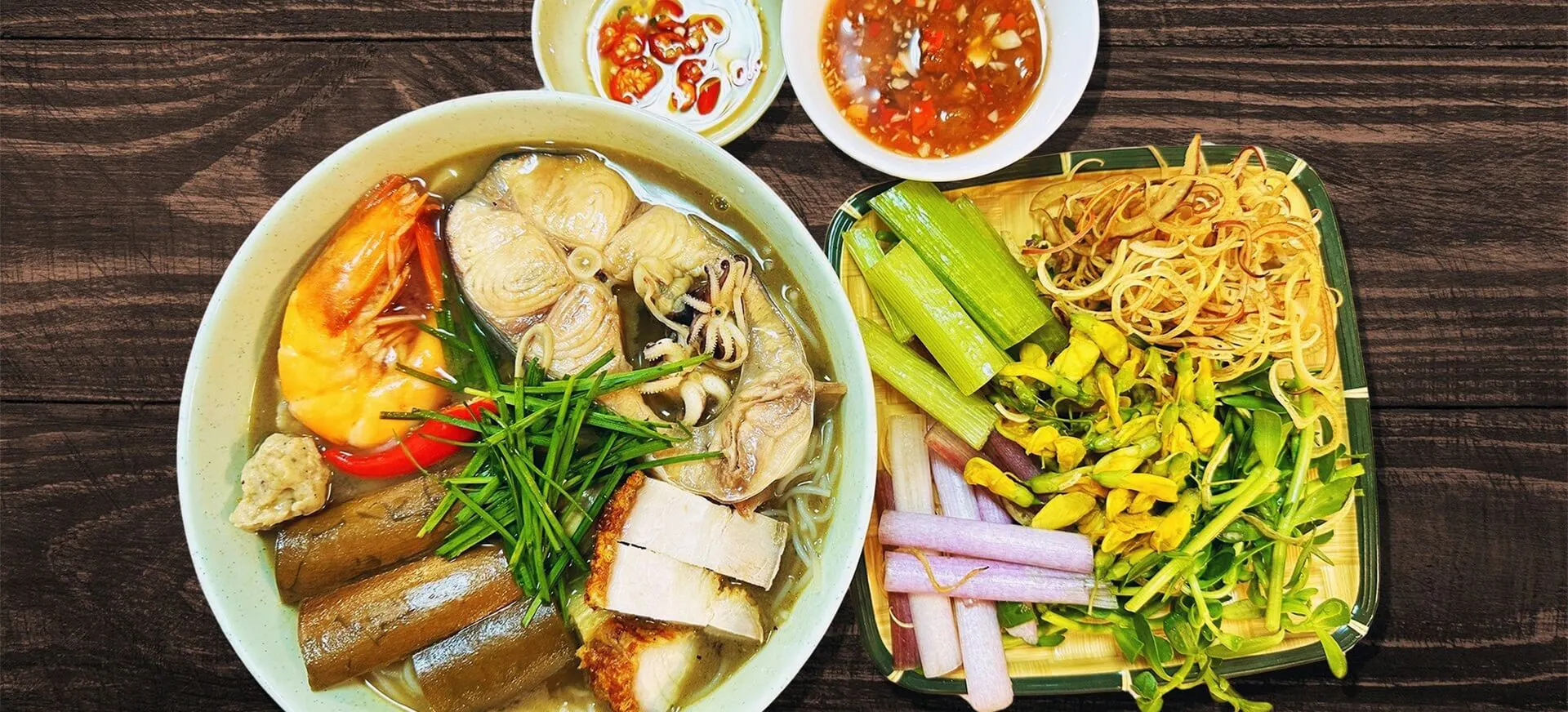
Bun Mam is a distinctive Vietnamese noodle soup from the Mekong Delta, known for its rich, savory broth made with fermented fish sauce. Often served with rice noodles, shrimp, squid, fish, pork, eggplant, and an abundance of fresh herbs and vegetables, the dish offers layers of salty, savory, and aromatic flavors. Its bold fermented-fish aroma may be unfamiliar to first-time visitors, but it is an important part of southern Vietnamese food culture. Discover Bun Mam's ingredients, origins, regional variations, and traditional way of serving.
About Bun Mam
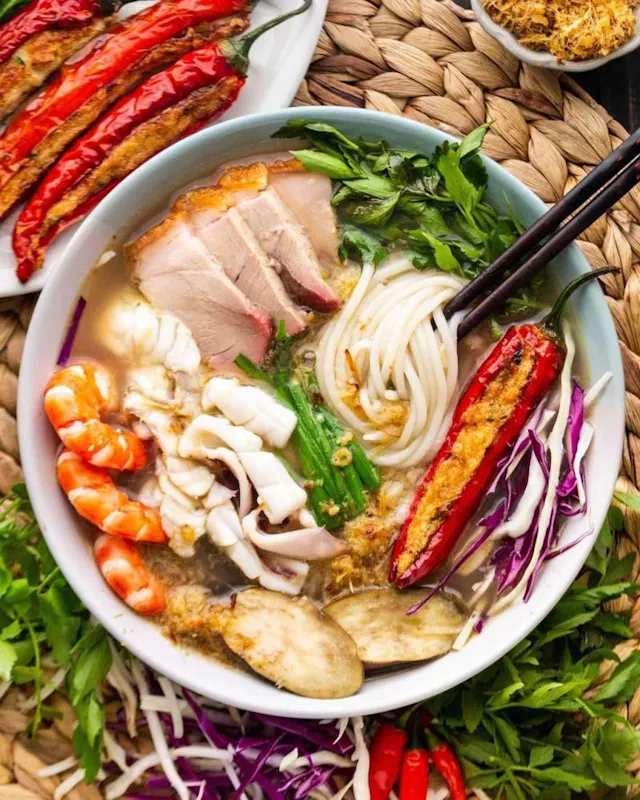
Bun Mam is a distinctive Vietnamese noodle soup closely associated with the Mekong Delta and the culinary traditions of Southern Vietnam. Known for its deeply savory broth and characteristic fermented fish aroma, Bun Mam offers a bold combination of flavors that reflects the region's rivers, waterways, seafood, fresh herbs, and agricultural abundance.
The name Bun Mam comes from two key components: bun, meaning rice vermicelli, and mam, referring to fermented fish products commonly used in Southern Vietnamese cooking. The fermented fish base gives the broth its signature aroma and umami-rich flavor. While the smell can be strong for first-time visitors, it is precisely this fermented ingredient that gives Bun Mam its distinctive character.
A Dish Rooted in the Mekong Delta
Bun Mam is particularly associated with the Mekong Delta, where rivers and canals have shaped both local livelihoods and food traditions. The region provides an abundance of freshwater fish, seafood, vegetables, herbs, and tropical produce, many of which can appear in a bowl of Bun Mam.
The dish is closely connected with southern Vietnamese cooking, where fermented ingredients are often used to add depth and complexity to everyday meals. Different communities and restaurants may prepare Bun Mam slightly differently, resulting in variations in the broth, toppings, vegetables, and seasoning.
What Is in Bun Mam?
A typical bowl begins with soft rice vermicelli served in a richly seasoned fermented-fish broth.
Common toppings can include shrimp, squid, fish, pork, and eggplant. Depending on the location, other seafood or locally available ingredients may also be added.
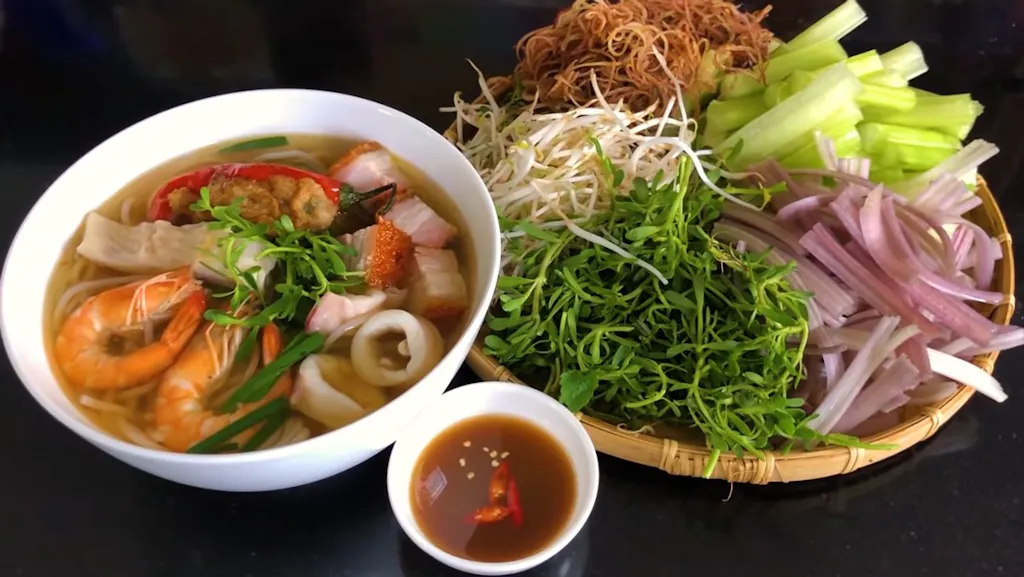
Fresh herbs and vegetables are an essential part of the experience. Vietnamese mint, bean sprouts, cucumber, leafy greens, and other herbs can provide freshness and crunch that balance the richness of the broth.
Chili and lime may also be offered at the table, allowing diners to adjust the flavor according to their preference.
What Does Bun Mam Taste Like?
Bun Mam is known for its bold and complex flavor.
The broth is typically savory, salty, aromatic, and rich in umami, with a subtle sweetness in some regional preparations. The fermented fish creates the dish's defining aroma and depth.
The combination of seafood, meat, vegetables, herbs, and rice noodles creates several contrasting textures in the same bowl.
For travelers who have never tried fermented fish-based dishes, the aroma may initially be surprising. However, the flavor becomes more balanced when eaten with fresh herbs, vegetables, and noodles.
Bun Mam and Southern Vietnamese Food Culture
Bun Mam reflects several important characteristics of Southern Vietnamese cuisine.
The region is known for using fresh seafood, freshwater fish, herbs, tropical vegetables, and fermented ingredients. Instead of relying on a single dominant flavor, many southern dishes combine salty, sweet, sour, spicy, and savory elements.
Bun Mam demonstrates this balance particularly well.
The dish also reflects the practical nature of Mekong Delta cooking. Ingredients from rivers, farms, gardens, and local markets can be combined in one hearty meal, creating a dish that is filling while showcasing the area's natural resources.
Where to Try Bun Mam
Travelers can find Bun Mam throughout Southern Vietnam, especially in Mekong Delta destinations.
Can Tho, Soc Trang, and other cities and provinces in the region are good places to look for local versions.
Small family-run restaurants, traditional markets, and neighborhood eateries can provide opportunities to experience the dish in an everyday setting.
Recipes can vary considerably, so trying Bun Mam in more than one destination can reveal differences in broth, toppings, and serving styles.
How to Enjoy Bun Mam
Bun Mam is typically served hot with the rice vermicelli and toppings arranged in a bowl before the broth is added.
Fresh herbs and vegetables are usually served alongside the bowl or placed directly into it. Diners can add chili, lime, or other condiments to adjust the flavor.
The best way to experience the dish is to combine a little of everything in each bite: noodles, seafood or meat, vegetables, herbs, and broth.
This creates the contrast between the rich fermented broth and the fresh ingredients that makes Bun Mam distinctive.
Discover Bun Mam in Vietnam
For travelers interested in Vietnamese cuisine, Bun Mam offers an opportunity to explore flavors beyond internationally familiar dishes such as Pho and Bun Cha.
Its fermented fish broth, fresh seafood, rice noodles, herbs, and Mekong Delta ingredients tell a story about Southern Vietnam's environment and food traditions.
Trying Bun Mam in the region where it is deeply rooted provides more than a culinary experience. It offers a glimpse into the everyday food culture of the Mekong Delta and the long-standing Vietnamese tradition of transforming local ingredients into flavorful, communal meals.
Featured Ingredients in Bun Mam
Bun Mam gets its distinctive character from a combination of fermented fish, rice noodles, and fresh local ingredients. These three components form the foundation of this bold Southern Vietnamese noodle soup.
Fermented Fish↗
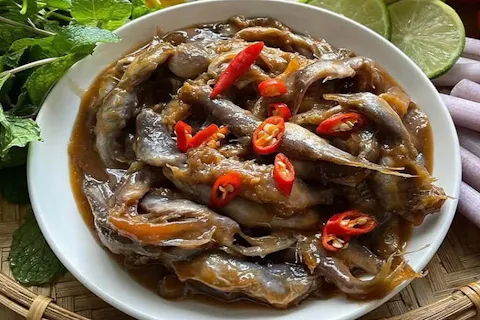
Fermented fish is the defining ingredient of Bun Mam, providing the broth with its characteristic aroma and deep umami flavor. The fermented fish is typically cooked and strained before being incorporated into the broth, creating a rich base that distinguishes Bun Mam from other Vietnamese noodle soups.
Rice Vermicelli↗
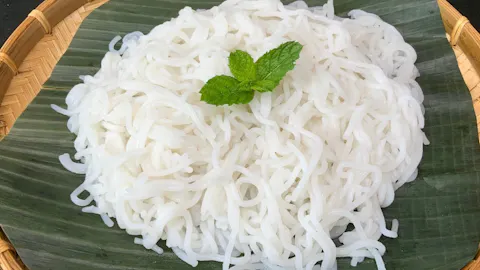
Rice vermicelli, or bun, provides the foundation of the dish. Soft, thin noodles absorb the flavorful broth while offering a mild taste that balances the intensity of the fermented fish. Their delicate texture also works well with seafood, pork, herbs, and vegetables.
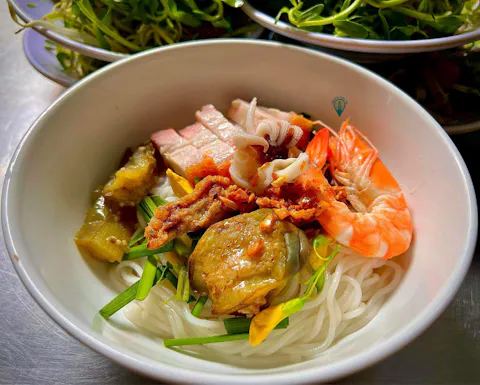
Fresh Seafood & Herbs↗
Shrimp, squid, fish, and fresh herbs are commonly used to add variety to Bun Mam. Vietnamese mint, bean sprouts, leafy greens, cucumber, and other vegetables provide freshness and crunch, balancing the rich broth and creating a more complex combination of flavors and textures.
Frequently Asked Questions About Bun Mam
What is Bun Mam?
Bun Mam (Bún Mắm) is a traditional Vietnamese noodle soup associated with Southern Vietnam and the Mekong Delta. It is made with rice vermicelli served in a savory broth flavored with fermented fish. The bowl is commonly topped with seafood, pork, eggplant, fresh herbs, and vegetables.
What does Bun Mam taste like?
Bun Mam has a bold, savory, and umami-rich flavor with a distinctive fermented fish aroma. Depending on the recipe, the broth can also have salty, sweet, spicy, and slightly sour notes. Fresh herbs and vegetables help balance the intensity of the broth and add freshness and texture.
What ingredients are commonly used in Bun Mam?
Common ingredients include rice vermicelli, fermented fish, shrimp, squid, fish, pork, and eggplant. Fresh herbs and vegetables such as Vietnamese mint, bean sprouts, cucumber, and leafy greens are also commonly served alongside the noodles. Ingredients can vary depending on the region and restaurant.
Where can I try Bun Mam in Vietnam?
Bun Mam is particularly associated with Southern Vietnam and the Mekong Delta. Travelers can look for local versions in destinations such as Can Tho, Soc Trang, and other cities and provinces throughout the region. Local markets, family-run restaurants, and neighborhood eateries can be good places to experience the dish.
Is Bun Mam suitable for first-time visitors to Vietnamese cuisine?
Bun Mam can be a great choice for adventurous travelers, but its fermented fish aroma and flavor can be strong for people unfamiliar with fermented seafood. If you enjoy bold savory flavors, it is worth trying. Start with a small portion and add fresh herbs, vegetables, lime, or chili to adjust the flavor to your preference.
Advertising box
Discover Vietnam's Regional Cuisine
Explore the rich diversity of Vietnamese food through regional specialties from north to south. Discover authentic local dishes, traditional recipes, street food favorites, fresh seafood, mountain delicacies, and iconic flavors that showcase the unique culinary heritage of every region across Vietnam.
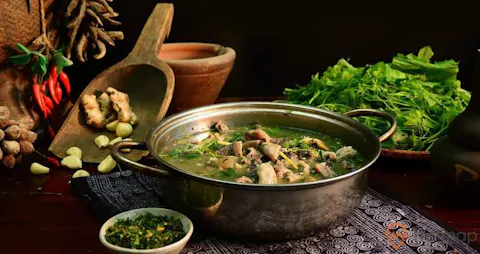
Thang Co: Vietnam's Traditional Hmong Horse Meat Stew
Thang Co is a traditional dish associated with the Hmong communities of northern Vietnam, particularly in mountainous destinations such as Ha Giang and Sapa. Traditionally prepared as a hearty stew using horse meat, offal, bones, aromatic herbs, and local spices, the dish has long been connected with communal meals and mountain markets. Its rich flavor and distinctive ingredients offer travelers an opportunity to explore the culinary traditions of Vietnam's ethnic communities. Discover the history, ingredients, preparation, regional variations, and cultural significance of Thang Co.
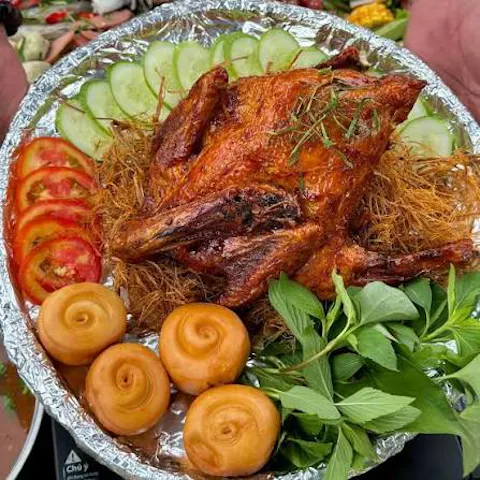
Gà Đốt Ô Thum (O Thum Burnt Chicken): A Rustic Culinary Gem of An Giang
Gà Đốt Ô Thum (O Thum Burnt Chicken) is one of An Giang's most distinctive culinary specialties, originating from the rural O Thum area in Tri Ton District. Prepared using free-range chicken roasted over high heat until the skin becomes beautifully charred and crispy, this rustic dish is celebrated for its smoky aroma, juicy meat, and rich flavor. Often served with fresh herbs, sticky rice, and flavorful dipping sauces, Gà Đốt Ô Thum offers visitors an authentic taste of the Mekong Delta's traditional countryside cuisine.
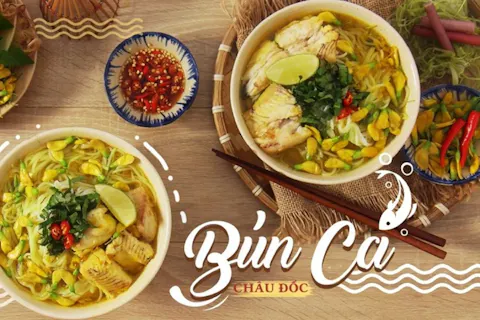
Bún Cá Châu Đốc (Chau Doc Fish Noodle Soup): An Giang's Iconic Mekong Delta Specialty
Bún Cá Châu Đốc (Chau Doc Fish Noodle Soup) is one of An Giang's most iconic culinary specialties, celebrated for its fragrant turmeric-infused broth, tender freshwater fish, fresh herbs, and authentic Mekong Delta flavors. Influenced by Vietnamese, Khmer, and Cham culinary traditions, this beloved dish offers a unique taste of southern Vietnam. Whether you're exploring Chau Doc or planning a food-focused journey through An Giang, Bún Cá Châu Đốc is a must-try local delicacy that showcases the region's rich cultural and culinary heritage.
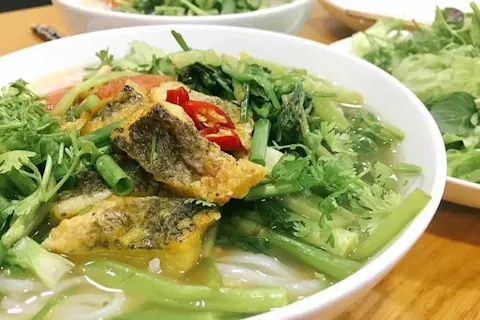
Bún Cá Rô Đồng: Vietnamese Freshwater Fish Noodle Soup
Bún Cá Rô Đồng is a traditional Vietnamese noodle soup featuring freshwater climbing perch, known locally as cá rô đồng, served with rice vermicelli and a flavorful broth. The fish is often prepared to create tender pieces with a naturally delicate flavor, while fresh herbs and vegetables add freshness and texture. Popular in northern and northern-central Vietnam, this rustic dish reflects the country's tradition of using locally sourced freshwater ingredients. Discover the ingredients, preparation, regional character, flavors, and cultural background of Bún Cá Rô Đồng.