
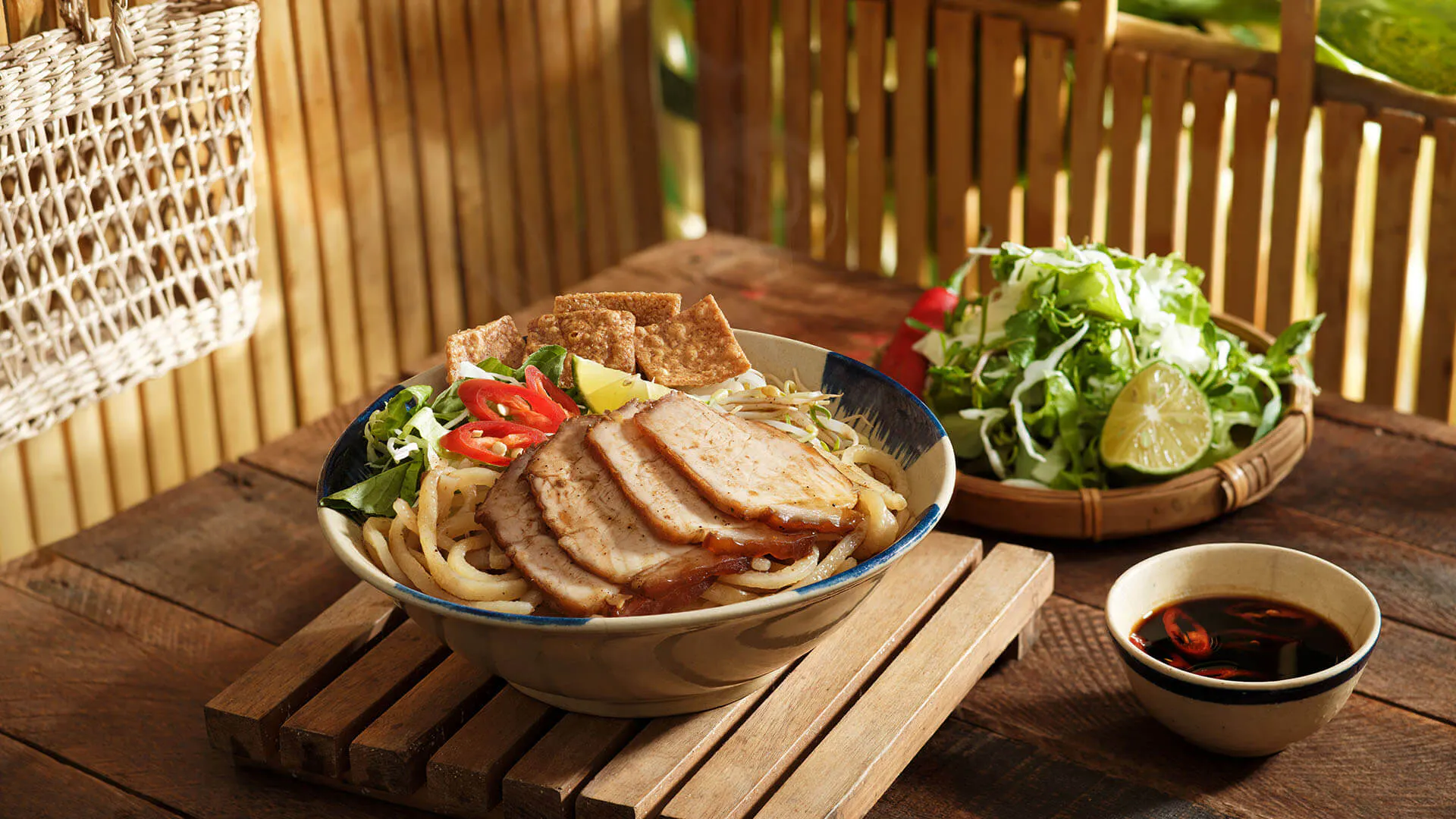
Cao Lầu: Hoi An's Famous Noodle Dish
Cao Lầu is a distinctive noodle dish closely associated with Hội An in Central Vietnam. It features thick, chewy rice noodles topped with slices of seasoned pork, fresh herbs, bean sprouts, and crispy pork cracklings, served with a small amount of savory broth or sauce. Known for its unique texture and strong connection to Hội An's culinary heritage, Cao Lầu is unlike other Vietnamese noodle dishes. Discover its ingredients, preparation, history, distinctive flavors, and why this regional specialty is essential to try in Hội An.
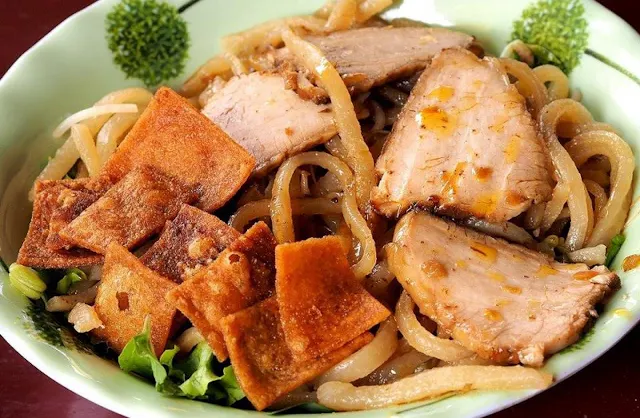
About Cao Lau
Cao Lau is a distinctive Vietnamese noodle dish closely associated with Hoi An, Quang Nam Province. Known for its thick chewy noodles, tender slices of pork, fresh herbs, bean sprouts, and crispy pork skin, Cao Lau is one of the most recognizable specialties of Central Vietnam.
Unlike many Vietnamese noodle dishes, Cao Lau is not served as a traditional soup. Instead, the noodles are combined with a small amount of rich savory sauce or broth and topped with fresh herbs and crunchy ingredients. Its unique texture, preparation, and strong connection to Hoi An make Cao Lau an essential food experience for travelers visiting the ancient town.
What Is Cao Lau?
Cao Lau is a noodle dish traditionally made with thick rice noodles, sliced pork, fresh herbs, bean sprouts, and crispy toppings.
The noodles are the most distinctive part of the dish. They are thicker and chewier than many other Vietnamese rice noodles and have a characteristic golden-brown color.
The dish is usually served with only a small amount of flavorful liquid rather than being submerged in broth.
Cao Lau Noodles
Cao Lau noodles have a texture that sets them apart from other Vietnamese noodles.
Traditionally, the noodles are prepared using rice flour and a special process that gives them their firm, chewy texture and darker color. Local culinary tradition connects their preparation with water and ingredients associated with Hoi An.
The noodles are cut into thick strips and cooked before being combined with the other ingredients.
Their firm texture allows them to hold up well when mixed with sauce and toppings.
Pork
Sliced pork is one of the main toppings in Cao Lau.
The pork is typically cooked until tender and flavorful before being sliced into thin pieces. It provides richness and savory depth that balances the fresh herbs and noodles.
Some versions may also include pieces of crispy pork skin, adding another layer of texture.
Fresh Herbs and Vegetables
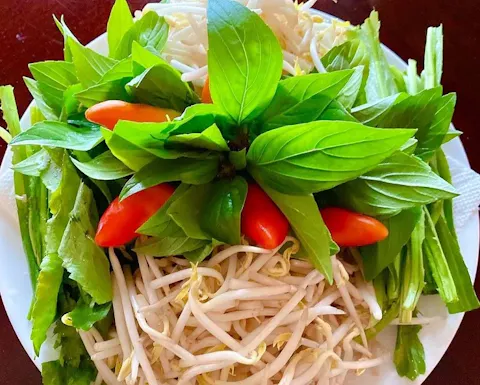
Fresh herbs are an essential component of Cao Lau.
Local greens, Vietnamese herbs, lettuce, and bean sprouts provide freshness and crunch. These ingredients balance the richness of the pork and noodles while adding fragrance.
The combination of warm noodles, tender meat, cool herbs, and crisp vegetables creates a contrast that makes the dish especially enjoyable.
Crispy Pork Skin
Crispy pork skin or fried noodles are often used as toppings.
Their crunchy texture contrasts with the chewy Cao Lau noodles and soft pork. This combination of textures is one of the most appealing characteristics of the dish.
The crispy elements also add richness and a lightly roasted flavor.
The Sauce
Cao Lau uses a relatively small amount of concentrated sauce rather than a large quantity of broth.
The sauce provides savory flavor and helps coat the noodles. Depending on the recipe, it may contain pork cooking juices, soy sauce, or other seasonings.
Because there is less liquid than in traditional noodle soups, the individual ingredients remain clearly defined.
What Does Cao Lau Taste Like?
Cao Lau has a savory, slightly sweet, and aromatic flavor.
The noodles are chewy and mildly earthy, while the pork adds richness. Fresh herbs and vegetables provide brightness, and crispy toppings introduce roasted and crunchy notes.
The overall flavor is balanced rather than overwhelmingly heavy, making the dish suitable for a satisfying lunch or casual meal.
Cao Lau and Hoi An
Cao Lau is deeply connected to Hoi An Ancient Town.
The dish has been served in the region for generations and has become an important symbol of Hoi An's food culture.
Its distinctive preparation reflects the historical character of the city, which was once an important trading port influenced by Vietnamese, Chinese, Japanese, and other cultures.
Today, Cao Lau can be found throughout Hoi An, from traditional family-run restaurants to local markets and casual food stalls.
Why Is Cao Lau Special?
Cao Lau stands out because of its strong connection to place.
The preparation of the noodles, the combination of ingredients, and the traditional cooking methods are closely associated with Hoi An.
For travelers, eating Cao Lau in Hoi An provides a direct connection between the city's culinary traditions and its historic identity.
Where to Try Cao Lau
Hoi An is the best place to try authentic Cao Lau.
Local markets, traditional restaurants, family-run eateries, and small food stalls throughout the Old Town serve the dish.
For a more local experience, travelers can explore smaller eateries away from the busiest tourist streets, where Cao Lau is often served as an everyday meal.
How to Eat Cao Lau
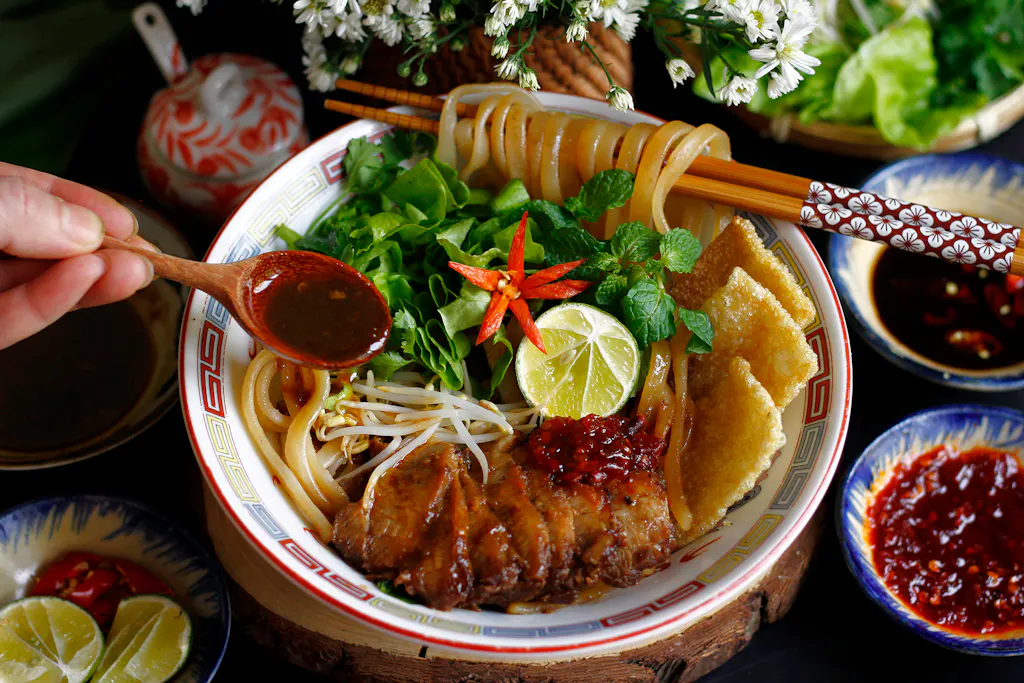
Cao Lau is usually served with the noodles at the bottom and pork, herbs, bean sprouts, and crispy toppings arranged on top.
Before eating, diners can mix the ingredients together so that the sauce coats the noodles and combines with the fresh herbs and toppings.
Chili, lime, or additional seasonings may be added according to personal taste.
Discover Cao Lau
Cao Lau is more than a traditional noodle dish. It is one of the clearest examples of how Vietnamese food can be deeply connected to a particular place.
Chewy noodles, tender pork, fresh herbs, crunchy vegetables, and crispy toppings come together with a small amount of savory sauce to create a distinctive Hoi An specialty.
For travelers visiting Hoi An, tasting Cao Lau is an essential culinary experience. It offers a delicious way to discover the flavors, traditions, and cultural heritage of one of Central Vietnam's most famous destinations.
Signature Ingredients of Cao Lầu
Cao Lầu stands apart from every other Vietnamese noodle dish thanks to its unique local ingredients and traditional preparation. Each component contributes to the dish’s unmistakable flavor, texture, and cultural identity that can only truly be experienced in Hoi An.
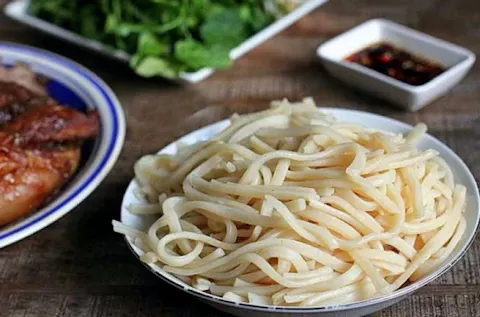
Traditional Cao Lầu Noodles↗
The thick, chewy rice noodles are the heart of the dish. Traditionally made using rice soaked with lye water derived from local wood ash and prepared with water associated with Hoi An’s historic Ba Le Well, they offer a texture unlike any other Vietnamese noodle.
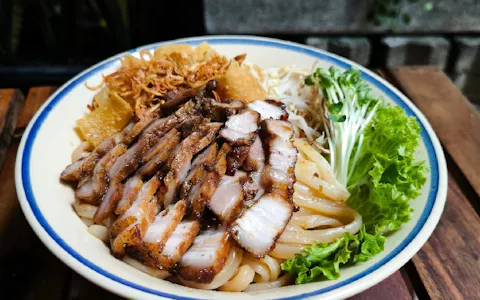
Roasted Pork & Savory Broth↗
Slices of marinated roasted pork provide rich, smoky flavor, while a small amount of concentrated pork-based broth lightly coats the noodles instead of filling the bowl. This signature serving style gives Cao Lầu its distinctive character.
Fresh Herbs & Crispy Rice Crackers↗
Fresh herbs, bean sprouts, and leafy greens—often sourced from nearby Tra Que Vegetable Village—bring brightness and freshness to the dish. Crispy fried rice crackers add a satisfying crunch, creating the perfect contrast to the chewy noodles and tender pork.
Frequently Asked Questions About Cao Lầu
What is Cao Lầu?
Cao Lầu is a traditional noodle dish from Hoi An featuring thick chewy rice noodles, slices of roasted pork, fresh herbs, crispy rice crackers, and a small amount of rich broth. It is considered one of the signature dishes of Central Vietnam.
How is Cao Lầu different from Phở or Mì Quảng?
Unlike Phở, Cao Lầu is not served as a soup. It contains only a small amount of concentrated broth that lightly coats the noodles. Its thick, chewy noodles and crispy rice crackers also create a texture unlike any other Vietnamese noodle dish.
Why is authentic Cao Lầu closely associated with Hoi An?
Traditional Cao Lầu noodles are believed to be made using local techniques involving rice, wood ash, and water from the historic Ba Le Well. Combined with fresh herbs from nearby Tra Que Vegetable Village, these local ingredients have made Hoi An the only place where many believe authentic Cao Lầu can truly be experienced.
What ingredients are commonly used in Cao Lầu?
A classic bowl includes chewy rice noodles, roasted pork, fresh herbs, bean sprouts, crispy rice crackers, fried shallots, and a small amount of savory pork broth. Some restaurants also offer versions with chicken, seafood, or vegetarian ingredients.
Where can I eat the best Cao Lầu in Vietnam?
The most authentic Cao Lầu is found in Hoi An, where family-run restaurants, local markets, and long-established eateries continue to prepare the dish using traditional recipes. Visiting Hoi An is the best way to experience its original flavor and cultural heritage.
Advertising box
Discover Vietnam's Regional Cuisine
Explore the rich diversity of Vietnamese food through regional specialties from north to south. Discover authentic local dishes, traditional recipes, street food favorites, fresh seafood, mountain delicacies, and iconic flavors that showcase the unique culinary heritage of every region across Vietnam.
Cơm Hến (Baby Basket Clams Rice)
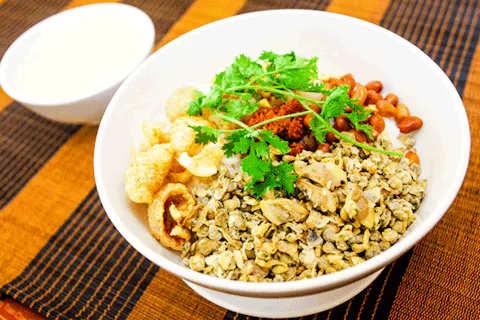
Cơm Hến, or Baby Basket Clams Rice, is one of Hue’s most distinctive traditional dishes. Made with steamed rice topped with tiny freshwater basket clams, fresh herbs, shredded vegetables, roasted peanuts, crispy pork cracklings, and spicy seasonings, it delivers an unforgettable balance of textures and flavors. Often served with a bowl of hot clam broth on the side, Cơm Hến represents the bold, refined character of Central Vietnamese cuisine. Go Visit Vietnam explores everything you need to know about this authentic Hue specialty.
Mì Quảng: Vietnam's Turmeric Rice Noodle Dish
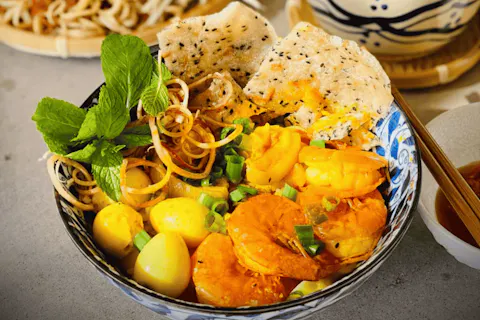
Mì Quảng is a distinctive noodle dish from Central Vietnam, especially associated with Quảng Nam and Đà Nẵng. It features wide rice noodles colored with turmeric and served with a small amount of rich, savory broth, shrimp, pork, chicken, or other toppings. Fresh herbs, peanuts, crispy rice crackers, and lime add contrasting textures and flavors. Unlike a typical noodle soup, Mì Quảng is served with just enough broth to coat the noodles, creating a balanced and flavorful dish that reflects the culinary traditions of Central Vietnam.
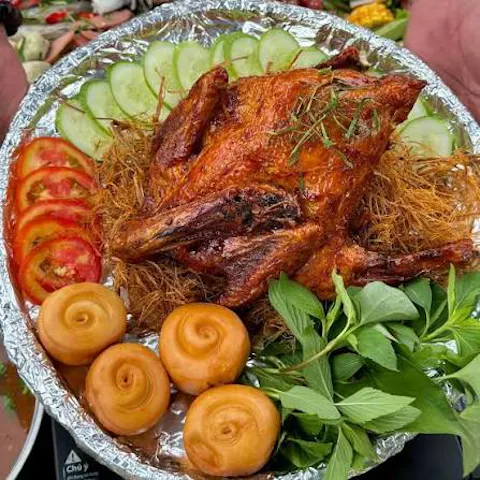
Gà Đốt Ô Thum (O Thum Burnt Chicken): A Rustic Culinary Gem of An Giang
Gà Đốt Ô Thum (O Thum Burnt Chicken) is one of An Giang's most distinctive culinary specialties, originating from the rural O Thum area in Tri Ton District. Prepared using free-range chicken roasted over high heat until the skin becomes beautifully charred and crispy, this rustic dish is celebrated for its smoky aroma, juicy meat, and rich flavor. Often served with fresh herbs, sticky rice, and flavorful dipping sauces, Gà Đốt Ô Thum offers visitors an authentic taste of the Mekong Delta's traditional countryside cuisine.
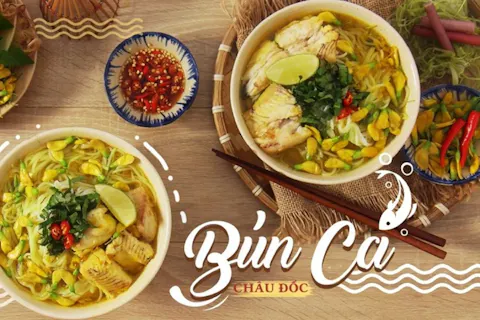
Bún Cá Châu Đốc (Chau Doc Fish Noodle Soup): An Giang's Iconic Mekong Delta Specialty
Bún Cá Châu Đốc (Chau Doc Fish Noodle Soup) is one of An Giang's most iconic culinary specialties, celebrated for its fragrant turmeric-infused broth, tender freshwater fish, fresh herbs, and authentic Mekong Delta flavors. Influenced by Vietnamese, Khmer, and Cham culinary traditions, this beloved dish offers a unique taste of southern Vietnam. Whether you're exploring Chau Doc or planning a food-focused journey through An Giang, Bún Cá Châu Đốc is a must-try local delicacy that showcases the region's rich cultural and culinary heritage.