
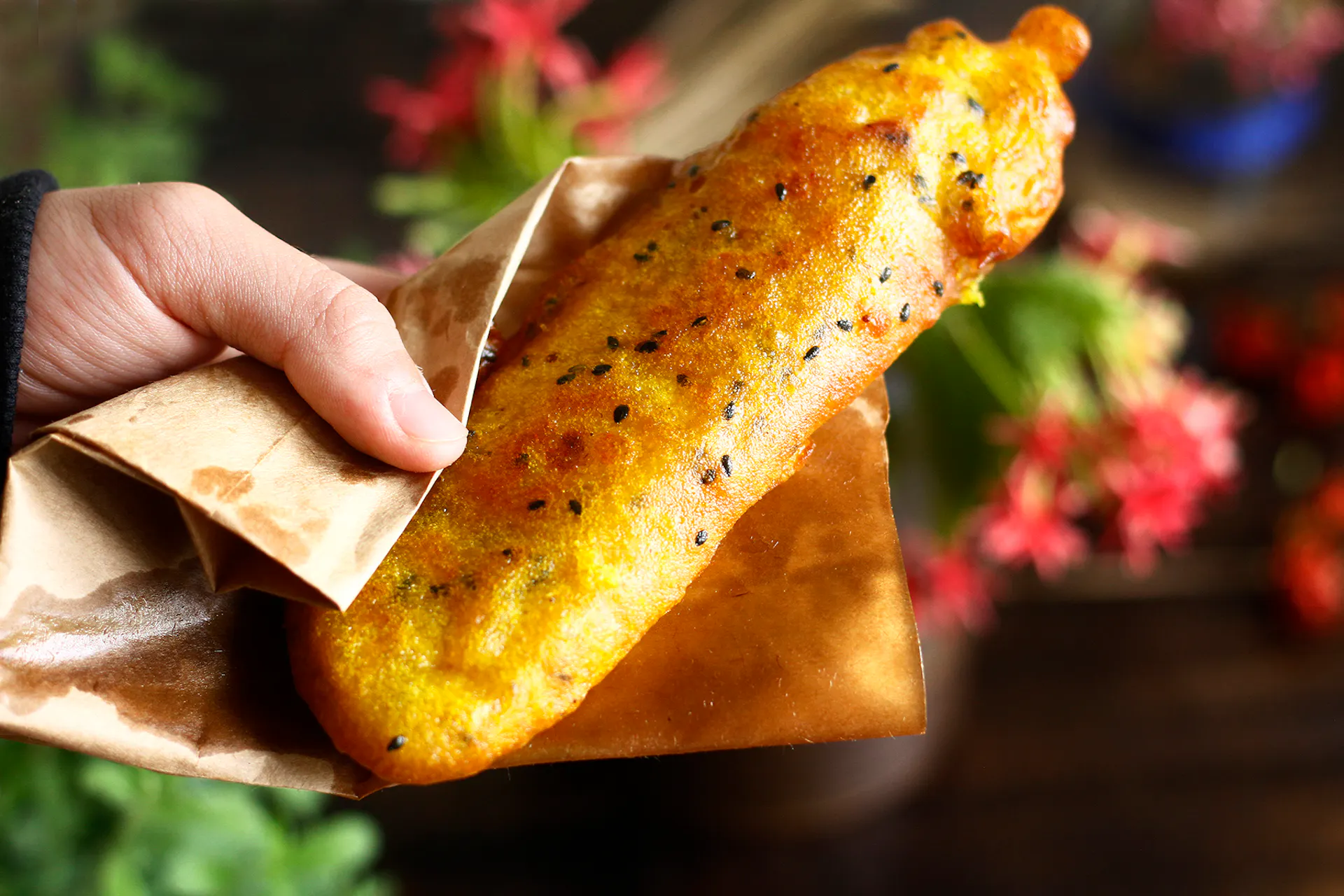
Fried Banana: Vietnam's Crispy Banana Street Food
Fried Banana, known as Chuoi Chien in Vietnamese, is a popular street snack made by coating ripe bananas in a light batter and frying them until golden and crispy. The contrast between the crunchy exterior and soft, naturally sweet banana makes it a simple yet satisfying Vietnamese treat. Often sold by street vendors and small food stalls, Fried Banana is especially popular as an afternoon snack. Discover how this beloved Vietnamese street food is prepared, what it tastes like, its key ingredients, and where to try it in Vietnam.
About Fried Banana
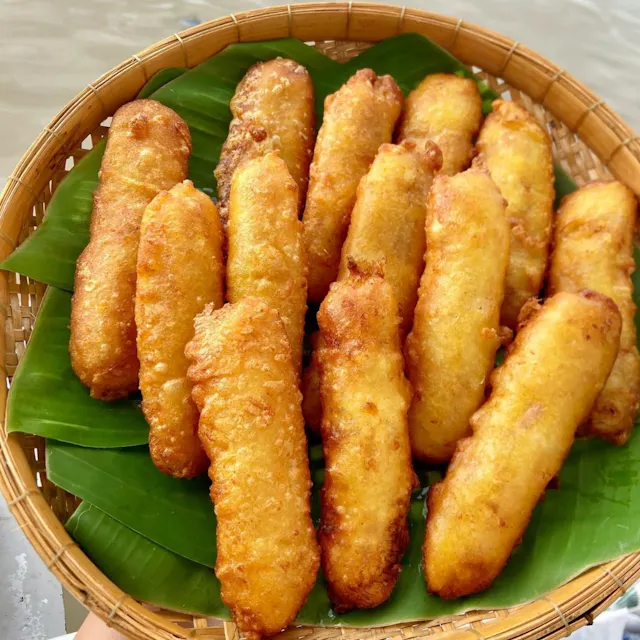
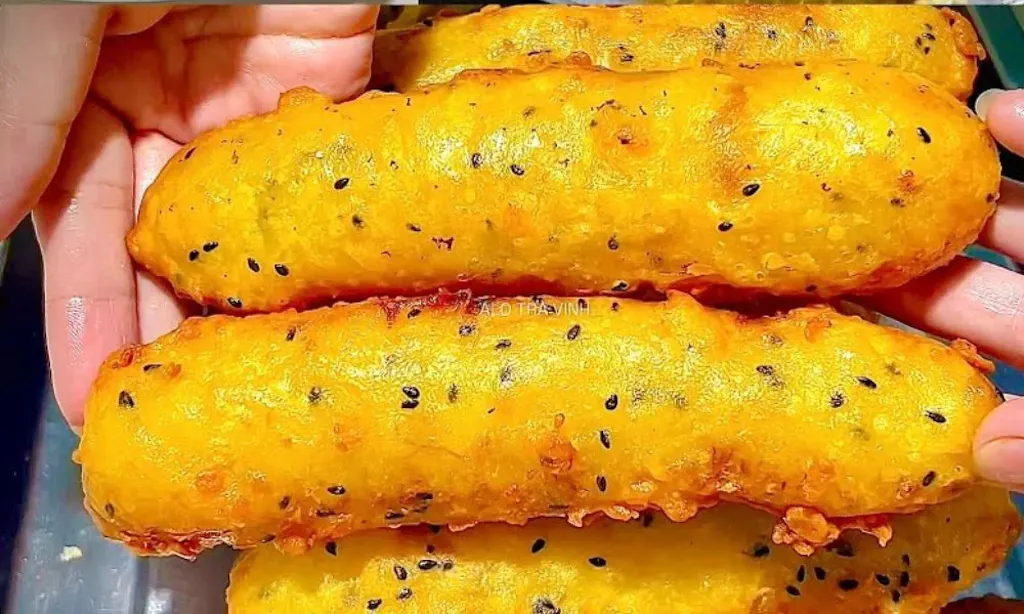
Fried Banana, known as Chuoi Chien or Chuối Chiên in Vietnamese, is a popular street snack made by coating ripe bananas in batter and frying them until golden and crispy. Simple, affordable, and widely available, it is a familiar treat found at street food stalls, local markets, and small neighborhood vendors throughout Vietnam.
The appeal of Chuoi Chien comes from its contrasting textures. The outside becomes crisp and lightly crunchy during frying, while the banana inside becomes warm, soft, and naturally sweet. This combination makes Fried Banana a satisfying snack that can be enjoyed at almost any time of day.
What Is Fried Banana?
Vietnamese Fried Banana is traditionally made with ripe bananas that are dipped in a simple batter before being fried in hot oil. The batter creates a protective coating around the fruit, allowing the banana to soften and caramelize inside while the exterior develops a golden crust.
Different vendors may prepare the batter in slightly different ways. Some versions are thin and delicate, while others have a thicker, crunchier coating. The exact texture can also depend on the type and ripeness of the bananas used.
The Bananas
Bananas are the central ingredient in Chuoi Chien. Vendors generally choose bananas that are ripe enough to provide sweetness but still firm enough to hold their shape during frying.
As the banana cooks, its natural sugars become warmer and more concentrated, creating a soft and fragrant interior. The contrast between the sweet fruit and savory fried batter gives the snack its distinctive character.
The Crispy Batter
The batter is responsible for the signature crunch of Fried Banana.
It is commonly made from flour combined with water and may include additional ingredients such as rice flour, sugar, salt, or coconut milk depending on the recipe. Some vendors use a combination of flours to create a lighter and crispier coating.
The banana is coated with batter before being carefully placed into hot oil. Proper frying creates an exterior that is crisp without becoming excessively heavy.
What Does Chuoi Chien Taste Like?
Freshly fried Chuoi Chien is typically sweet, warm, crispy, and aromatic.
The exterior provides a crunchy texture, while the banana inside is soft and naturally sweet. Depending on the batter, there may also be subtle salty or lightly sweet notes that balance the fruit.
Some versions may have a particularly crisp shell, while others are softer and more cake-like.
For many Vietnamese people, the aroma of bananas frying in hot oil is closely associated with casual street food and afternoon snacks.
Fried Banana as Vietnamese Street Food
Chuoi Chien is a good example of Vietnam's everyday street food culture.
Rather than being served primarily in restaurants, it is often prepared and sold by small vendors using simple cooking equipment. A vendor may fry bananas continuously throughout the day, serving them hot and fresh to passing customers.
The snack is relatively inexpensive and easy to eat, making it popular with students, workers, families, and travelers.
When Do Vietnamese People Eat Fried Banana?
Fried Banana can be enjoyed throughout the day, but it is especially common as an afternoon snack.
It can be eaten on its own while walking through a market or neighborhood, or enjoyed with a drink at home.
Because it is best when freshly fried, many customers prefer to buy Chuoi Chien directly from vendors while the coating is still warm and crisp.
Regional and Vendor Variations
There is no single recipe for Vietnamese Fried Banana.
Different vendors may use different banana varieties, batter mixtures, frying techniques, and levels of sweetness. Some versions have a very thin crispy coating, while others have a thicker exterior.
In some places, vendors may also prepare related fried snacks using sweet potatoes, cassava, or other fruits and vegetables alongside Chuoi Chien.
These variations reflect the flexible and creative nature of Vietnamese street food.
Where to Try Fried Banana in Vietnam
Travelers can find Chuoi Chien in many parts of Vietnam, particularly around local markets, busy streets, school areas, and neighborhood food stalls.
It is more commonly encountered at informal street food vendors than at tourist-oriented restaurants.
Look for stalls where bananas are being fried continuously in front of customers. Freshly fried pieces are usually the most enjoyable because the exterior is at its crispest.
How to Enjoy Chuoi Chien
The simplest way to enjoy Fried Banana is to eat it while it is still warm.
No complicated preparation is required. Pick up a freshly fried banana and enjoy the contrast between its crispy coating and soft interior.
Some vendors may offer additional toppings or sauces, but traditional Chuoi Chien is often appreciated on its own.
For travelers exploring Vietnamese street food, trying a freshly fried banana from a local vendor can be a simple and memorable culinary experience.
Discover Fried Banana in Vietnam
Chuoi Chien may be made from only a few basic ingredients, but it represents an important part of Vietnam's everyday food culture.
Its combination of ripe bananas, crispy batter, hot oil, and natural sweetness demonstrates how Vietnamese street vendors transform simple ingredients into affordable and satisfying snacks.
Whether discovered at a busy market, a neighborhood street stall, or a local food market, Fried Banana offers travelers an easy introduction to Vietnam's casual snack culture and the simple pleasures of freshly prepared street food.
Featured Ingredients in Fried Banana
Vietnamese Fried Banana uses a few simple ingredients to create its signature combination of a crispy exterior and naturally sweet, soft banana center. These three ingredients form the foundation of this popular street snack.
Ripe Bananas↗
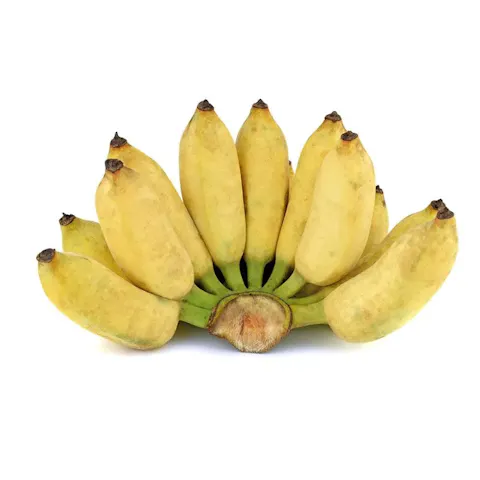
Ripe but firm bananas provide the sweet, soft center of Chuoi Chien. As they cook, their natural sugars become warmer and more concentrated, creating a fragrant and tender texture. Choosing bananas that are ripe without being overly soft helps them maintain their shape during frying.
Flour↗
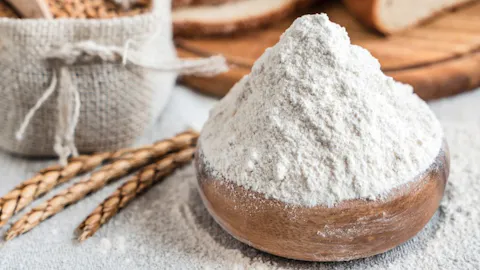
Flour forms the main structure of the crispy coating. Depending on the recipe, vendors may use wheat flour, rice flour, or a combination of flours. The batter is mixed with water and other seasonings before the bananas are coated and fried, creating the characteristic golden crust.
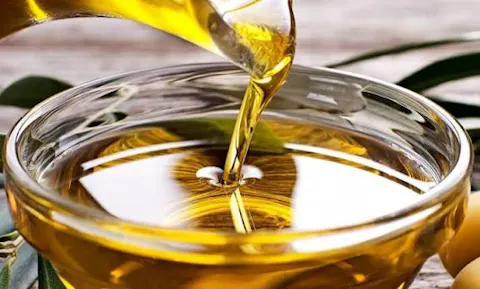
Cooking Oil↗
Cooking oil allows the battered bananas to fry evenly at high temperature, producing a crisp and golden exterior. Fresh, properly heated oil helps create a lighter coating while allowing the banana inside to become warm and soft without absorbing excessive oil.
Frequently Asked Questions About Fried Banana
What is Fried Banana in Vietnam?
Fried Banana, known as Chuoi Chien (Chuối Chiên), is a popular Vietnamese street food made by coating ripe bananas in batter and frying them until golden and crispy. The result is a crunchy exterior surrounding a warm, soft, and naturally sweet banana.
What does Vietnamese Fried Banana taste like?
Chuoi Chien has a combination of crispy, sweet, and warm flavors. The fried batter provides a lightly crunchy exterior, while the banana inside becomes soft and fragrant. Depending on the recipe, the batter may have subtle sweet or savory notes that complement the natural sweetness of the fruit
What ingredients are used to make Fried Banana?
The main ingredients are ripe bananas, flour, and cooking oil. Depending on the vendor or recipe, the batter may also contain rice flour, sugar, salt, water, or coconut milk. Different combinations of flour can create thinner, lighter, or crunchier coatings.
Where can I try Fried Banana in Vietnam?
Fried Banana can be found throughout Vietnam at local markets, street food stalls, neighborhood vendors, and areas near schools or busy streets. Look for vendors frying bananas to order, as freshly fried Chuoi Chien is usually crispier and more enjoyable when served warm.
Is Fried Banana a dessert or a snack?
Chuoi Chien can be considered both a snack and a simple Vietnamese dessert. It is commonly enjoyed as an afternoon street snack, but its naturally sweet flavor also makes it a satisfying treat after a meal. It is often eaten on its own without additional toppings or sauces.
Advertising box
Related Street Food in Vietnam
Discover more of Vietnam's vibrant street food culture through iconic local dishes, from savory noodle bowls and crispy snacks to fresh rolls and regional specialties. Explore the flavors, ingredients, cooking traditions, and stories behind popular Vietnamese street foods, and find new dishes to try as you travel across the country.
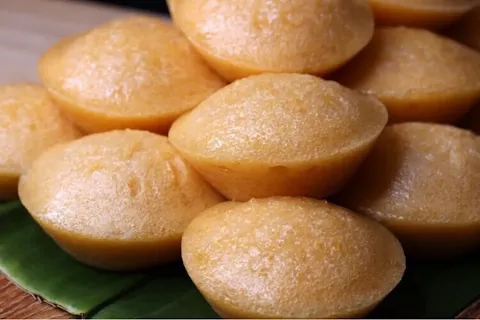
Bánh Bò Thốt Nốt: Vietnam's Palm Sugar Honeycomb Cake
Bánh Bò Thốt Nốt (Palmyra Sponge Cake) is one of An Giang's most iconic traditional desserts, renowned for its soft, airy texture and naturally sweet flavor from locally harvested palmyra palm sugar. Crafted using simple ingredients and time-honored techniques, this beloved cake reflects the culinary heritage of the Mekong Delta. Whether enjoyed as a snack, dessert, or local gift, Bánh Bò Thốt Nốt offers visitors an authentic taste of An Giang's rich food culture and the region's famous palmyra palms.
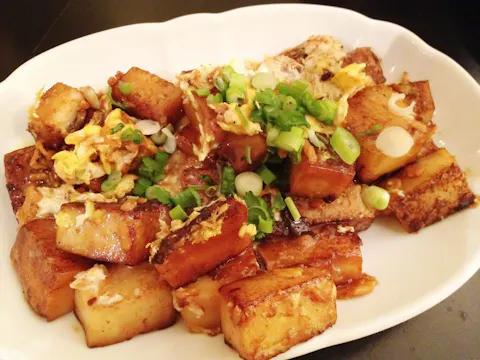
Bột Chiên: Vietnam's Crispy Fried Rice Cake
Bột Chiên is a popular Vietnamese street food made from cubes of rice flour cake fried until crisp on the outside while remaining soft and chewy inside. The golden pieces are usually cooked with eggs, green onions, and savory seasonings, then served with a sweet and tangy dipping sauce and shredded green papaya. Especially popular in Southern Vietnam, Bột Chiên is an affordable and satisfying snack enjoyed at street stalls and local eateries. Discover its ingredients, preparation, flavors, history, and traditional ways to enjoy it.
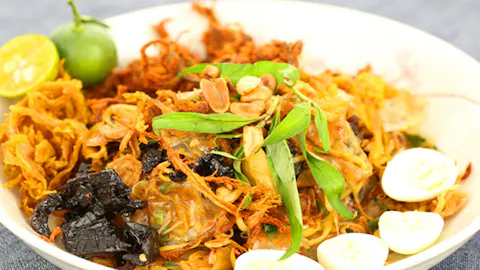
Bánh Tráng Nướng: Vietnam's Grilled Rice Paper
Bánh Tráng Nướng is a popular Vietnamese street food made by grilling thin rice paper over charcoal or heat until crisp, then adding toppings such as egg, scallions, dried shrimp, Vietnamese sausage, and savory sauces. Often nicknamed “Vietnamese pizza” because of its round shape and layered toppings, it combines a crispy base with rich, savory, and aromatic flavors. Particularly popular in Da Lat and other Vietnamese cities, Bánh Tráng Nướng is an affordable street snack and a must-try for travelers exploring Vietnam's vibrant food culture.
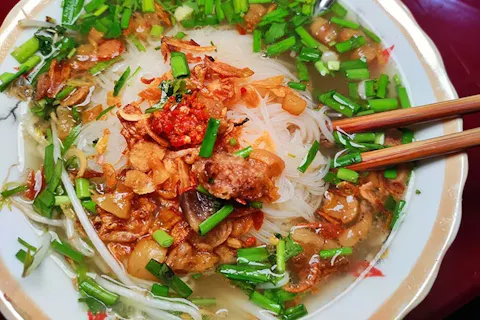
Hủ TiếuHủ Tiếu: Vietnam's Southern Noodle Soup
Hủ Tiếu is a popular noodle dish from southern Vietnam, known for its light yet flavorful broth, chewy noodles, fresh herbs, vegetables, pork, shrimp, and seafood. Depending on the region and preparation, Hủ Tiếu can be served as a comforting noodle soup or as dry noodles tossed with savory sauce. Popular varieties include Hủ Tiếu Nam Vang and Hủ Tiếu Mỹ Tho, each with distinctive ingredients and flavors. Discover the history, ingredients, regional variations, and traditional ways to enjoy this beloved Southern Vietnamese specialty.