
- Destinations
Northern Vietnam
Central Vietnam
- Attractions
Categories
World Heritage
Historical & Cultural
- Things To Do
Categories
Outdoor Adventures
- Food & Drink
Categories
Vietnamese Dishes
- Travel & Planning
Categories
- Inspiration
Categories
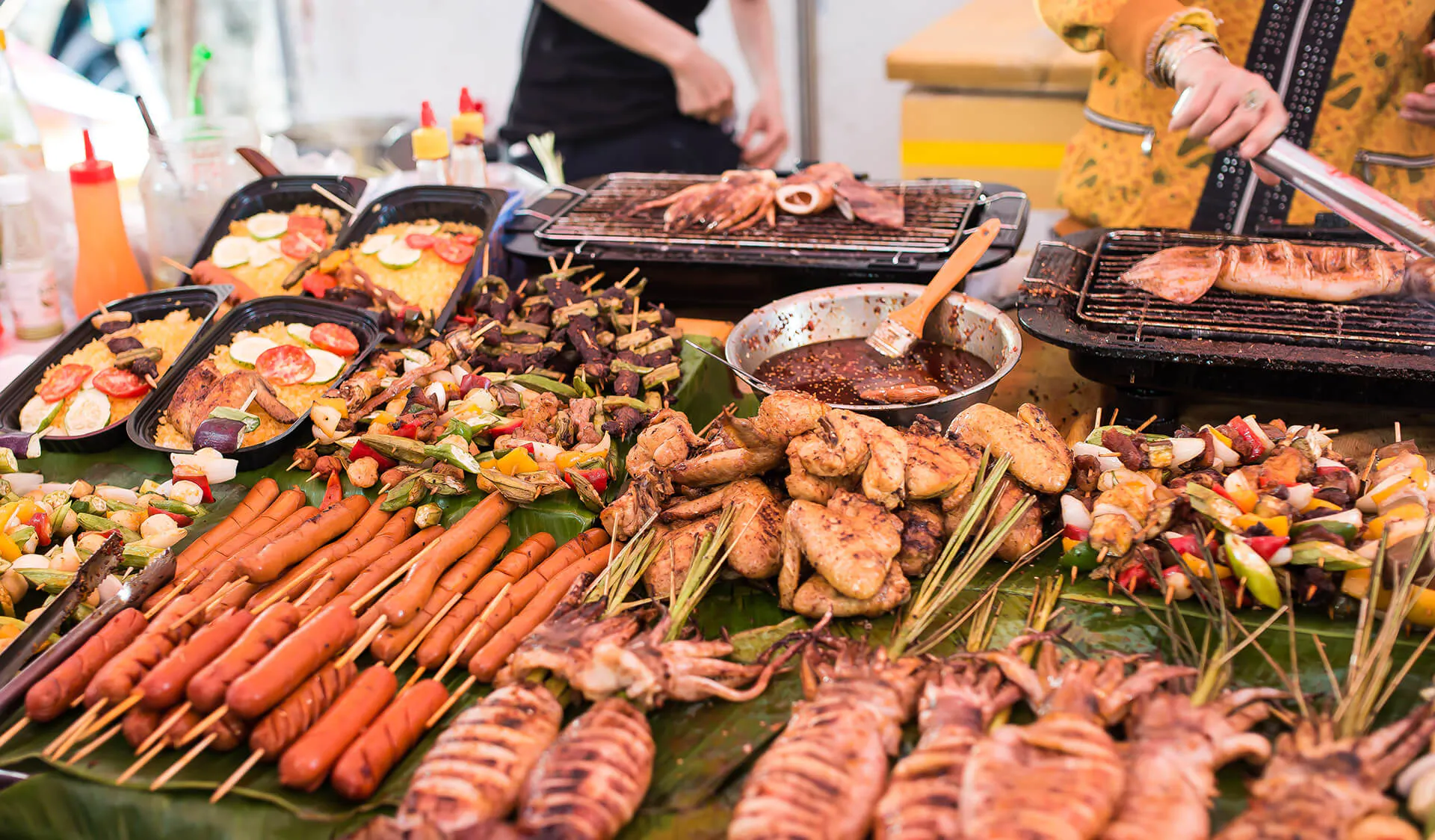
Vietnamese street food is an essential part of experiencing the country’s everyday culture, from steaming bowls of pho and bun bo Hue to crispy banh xeo, banh mi, com tam, and regional specialties. This guide introduces the best street food in Vietnam, explains how dishes differ across the North, Central, and South, and highlights where travelers can find them. Learn what to try, how to order, typical prices, food safety basics, and practical tips for enjoying Vietnam’s vibrant street-food culture.
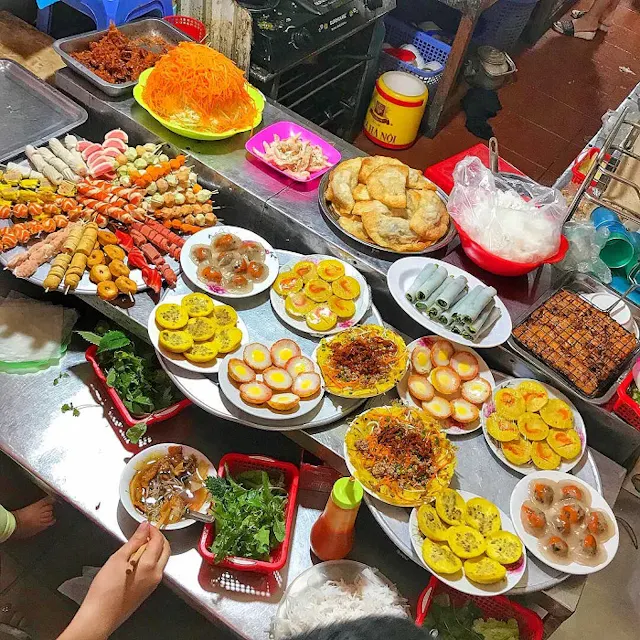
Vietnamese street food is one of the best ways to experience the country's everyday culture, regional traditions, and diverse culinary heritage. From busy morning markets and narrow neighborhood alleys to small sidewalk stalls and lively night markets, street food is deeply connected to daily life in Vietnam. Meals are often prepared quickly in front of customers, using fresh ingredients and recipes that have been passed down through generations.
One of the defining features of Vietnamese street food is its variety. Travelers can find aromatic noodle soups such as phở, bún bò Huế, and hủ tiếu, along with grilled meats, rice dishes, savory pancakes, fresh rolls, sandwiches, snacks, desserts, and local drinks. Many dishes combine contrasting flavors and textures, bringing together fresh herbs, vegetables, rice noodles, meat or seafood, sweet, salty, sour, and spicy elements.
Vietnamese street food also changes significantly from one region to another. Northern cuisine is often associated with balanced and subtle flavors, while Central Vietnam is known for more complex seasonings and spicy dishes. Southern Vietnamese food frequently features sweeter flavors and a generous use of fresh herbs and tropical ingredients. These are broad regional tendencies rather than strict rules, and individual dishes can vary considerably between cities and vendors.
For travelers, street food is also an accessible way to explore local neighborhoods without spending much money. Busy stalls with a steady flow of local customers can be useful places to discover popular dishes and observe how Vietnamese people eat. Some vendors specialize in only one dish, preparing it repeatedly throughout the day.
Eating street food does require basic awareness. Travelers should check prices when they are not displayed, choose food that is freshly prepared, and use bottled or filtered water when appropriate. It is also helpful to carry smaller Vietnamese đồng notes for quick purchases.
Whether you are exploring Hanoi, Hue, Da Nang, Hoi An, Ho Chi Minh City, or the Mekong Delta, Vietnamese street food offers more than a meal. It provides an authentic window into local life, regional identity, and the everyday rhythm of Vietnam.
Explore Vietnam’s vibrant street food culture through a gallery of the country’s most iconic dishes. From steaming bowls of Phở and crispy Bánh Tráng Nướng to refreshing Gỏi Cuốn, flavorful Bánh Mì, Hủ Tiếu Gõ, Bánh Bèo, and countless regional specialties, each image captures the colors, textures, and traditions that define Vietnamese cuisine. Discover the lively markets, roadside stalls, and night food streets where these authentic dishes are freshly prepared, offering an unforgettable taste of Vietnam’s rich culinary heritage.
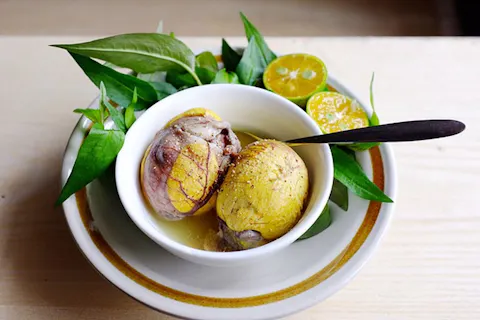
Balut, known locally as Hột Vịt Lộn, is one of Vietnam’s most iconic and adventurous street foods. Made from a fertilized duck egg that is carefully incubated before being boiled, it is enjoyed by locals as a nutritious snack or light meal. Served with Vietnamese coriander, salt, pepper, lime, and sometimes ginger, Balut offers a rich flavor and deep cultural significance. Go Visit Vietnam introduces everything you need to know before trying this unforgettable Vietnamese delicacy.
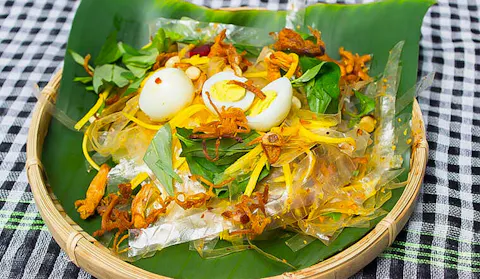
Rice Paper Salad, known as Bánh Tráng Trộn, is one of Vietnam’s most beloved street food snacks. Originating in southern Vietnam, this colorful dish combines shredded rice paper with herbs, dried beef, quail eggs, green mango, peanuts, fried shallots, and a tangy, spicy dressing. Packed with bold flavors and contrasting textures, it has become a favorite among locals and travelers alike. Go Visit Vietnam introduces everything you need to know about this iconic Vietnamese street food experience.
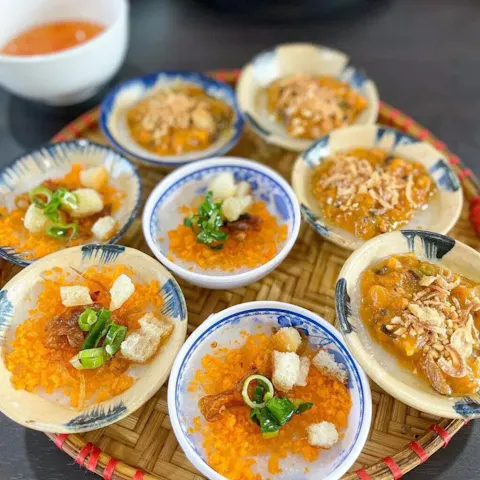
Bánh Bèo is a beloved traditional Vietnamese dish consisting of small steamed rice cakes served in individual ceramic dishes and topped with savory ingredients such as dried shrimp, crispy pork cracklings, scallion oil, and toasted shallots. Originating in Central Vietnam, especially the ancient city of Hue, this elegant specialty is known for its soft texture and balanced flavors. Go Visit Vietnam introduces everything you need to know about Bánh Bèo, from its history and ingredients to the best places to enjoy this authentic Vietnamese delicacy.
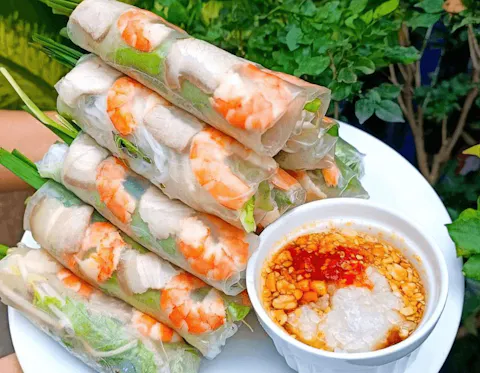
Fresh Spring Rolls, known in Vietnam as Gỏi Cuốn, are among the country’s most refreshing and healthy traditional dishes. Made with soft rice paper wrapped around fresh herbs, rice vermicelli, shrimp, pork, and crisp vegetables, they are served with flavorful dipping sauces that perfectly complement every bite. Popular throughout Vietnam, Gỏi Cuốn is enjoyed as a light meal, appetizer, or street food snack. Go Visit Vietnam introduces everything you need to know about this iconic Vietnamese culinary favorite.
From morning markets to lively night streets, Vietnam is a paradise for food lovers. Discover the street food dishes every traveler should experience, including fragrant noodle soups, crispy rice paper snacks, fresh spring rolls, savory pancakes, grilled seafood, sweet desserts, and regional specialties from north to south. This collection showcases the incredible variety of flavors, fresh ingredients, and local traditions that make Vietnamese street food one of the world's most celebrated culinary experiences. Whether you're visiting Hanoi, Hue, Da Nang, Ho Chi Minh City, or beyond, these must-try dishes belong on every Vietnam food itinerary.
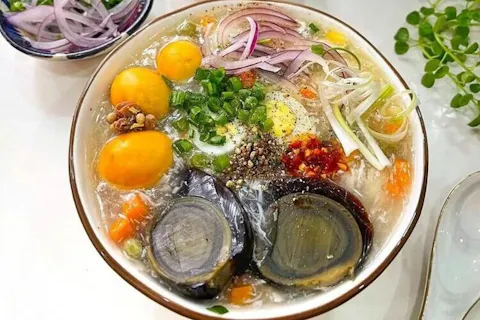
Súp Cua is a popular Vietnamese crab soup known for its thick, silky texture and savory combination of crab meat, eggs, mushrooms, corn, and flavorful broth. Often finished with black pepper, cilantro, and other Vietnamese seasonings, the soup offers a comforting balance of delicate seafood flavor and rich umami. Commonly served as a quick snack, appetizer, or light meal, Súp Cua is especially popular at street food stalls and casual eateries in southern Vietnam. Discover its ingredients, flavors, preparation, and place in Vietnamese food culture.
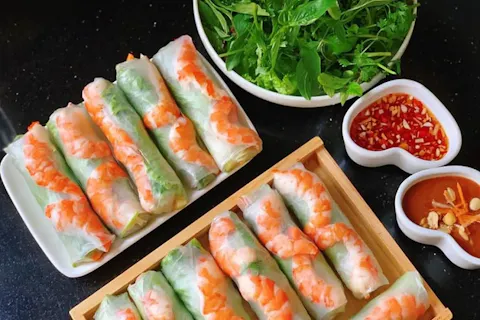
Gỏi Cuốn is a popular Vietnamese dish made by wrapping fresh shrimp, pork, rice vermicelli, herbs, and vegetables in soft rice paper. Unlike fried spring rolls, these fresh rolls are served without deep-frying, allowing the natural flavors and textures of the ingredients to stand out. They are commonly paired with hoisin-peanut sauce or a savory Vietnamese dipping sauce. Light, fresh, and easy to eat, Gỏi Cuốn is enjoyed throughout Vietnam and is a popular introduction to Vietnamese cuisine for travelers seeking a refreshing local dish.
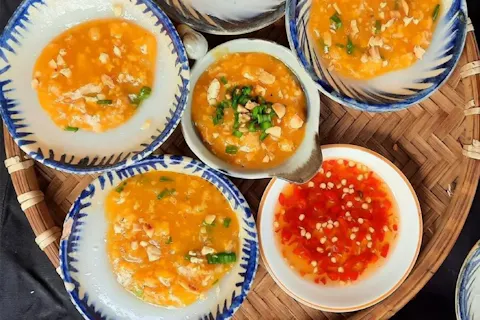
Bánh Bèo is a traditional Vietnamese dish closely associated with Hue and Central Vietnam. These small steamed rice cakes are served in individual dishes and topped with savory dried shrimp, scallion oil, crispy garnishes, and fish sauce. Soft, slightly chewy, and full of umami flavor, Bánh Bèo is a popular way to experience Hue's distinctive food culture. This guide explains what Bánh Bèo is, its ingredients, flavor, how it is traditionally served and eaten, dietary considerations, and where travelers can try it in Vietnam.
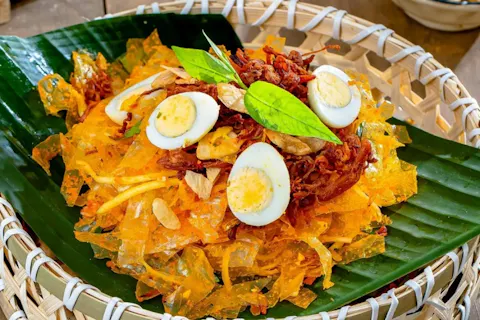
Bánh Tráng Trộn is a popular Vietnamese street food made with strips of soft rice paper mixed with dried shrimp, shredded green mango, quail eggs, Vietnamese herbs, chili, peanuts, and savory seasonings. Often finished with kumquat juice and chili oil, the snack combines chewy, crunchy, sour, spicy, salty, and savory flavors in every bite. Especially popular among young people and street food lovers, Bánh Tráng Trộn is commonly sold at roadside stalls and casual snack shops throughout Vietnam, particularly in Ho Chi Minh City.
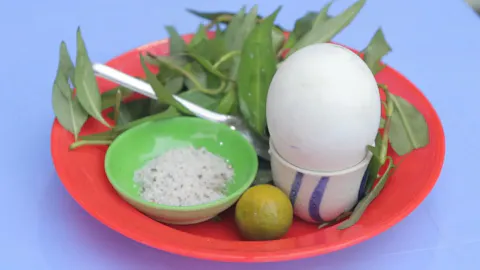
Balut, known locally as Hột Vịt Lộn, is one of Vietnam’s most iconic and adventurous street foods. Made from a fertilized duck egg that is carefully incubated before being boiled, it is enjoyed by locals as a nutritious snack or light meal. Served with Vietnamese coriander, salt, pepper, lime, and sometimes ginger, Balut offers a rich flavor and deep cultural significance. Go Visit Vietnam introduces everything you need to know before trying this unforgettable Vietnamese delicacy.
Vietnamese street food refers to affordable meals, snacks, drinks, and desserts prepared and sold at local markets, sidewalk stalls, small food carts, street-side restaurants, and neighborhood eateries. Popular examples include phở, bánh mì, bún chả, bánh xèo, cơm tấm, and gỏi cuốn.
Phở and bánh mì are among the most internationally recognized Vietnamese foods, but popularity varies by region. Other widely enjoyed street foods include bún chả, bánh xèo, cơm tấm, bún bò Huế, hủ tiếu, and bánh cuốn.
First-time visitors can start with familiar and widely available dishes such as bánh mì, phở, bún chả, gỏi cuốn, bánh xèo, and cơm tấm. Trying a few regional specialties is also a good way to understand the differences between Northern, Central, and Southern Vietnamese cuisine.
Vietnamese street food can generally be enjoyed safely when travelers take basic food-hygiene precautions. Choose busy vendors with high customer turnover, prefer food cooked thoroughly and served hot, check how ingredients are handled, and drink bottled or properly filtered water when appropriate.
Street-food prices vary depending on the dish, city, ingredients, and location. Local neighborhood stalls are often inexpensive, while food sold in major tourist areas or specialty markets may cost more. Travelers should check the price before ordering when it is not clearly displayed.
There is no single best location. Hanoi is known for dishes such as phở and bún chả, Ho Chi Minh City has a wide range of Southern street foods, while Hue, Da Nang, and Hoi An offer distinctive Central Vietnamese specialties. Local markets, food alleys, and busy neighborhood stalls are good places to explore.
At many stalls, you can watch what other customers order and point to the dish you want. If the price is not displayed, ask “Bao nhiêu tiền?” (“How much is it?”) before ordering. Simple phrases, gestures, or translation apps can also make communication easier.
Many small street-food vendors primarily accept cash, although some modern stalls and businesses accept local digital payments or cards. Carrying smaller Vietnamese đồng banknotes is recommended for everyday street-food purchases.
Yes. Vietnam has many vegetarian dishes, and some street-food vendors offer vegetarian versions of noodles, rice dishes, bánh mì, rolls, and snacks. However, travelers should clearly explain their dietary requirements because fish sauce, meat broth, shrimp paste, or other animal-based ingredients may be included in seemingly vegetable-based dishes.
There is no universal list of foods to avoid, but travelers should use common-sense hygiene. Be cautious with food that has been sitting unrefrigerated for long periods, poorly stored ingredients, or stalls with visibly low hygiene standards. Freshly cooked food from busy vendors is often a better choice.
Advertising box