
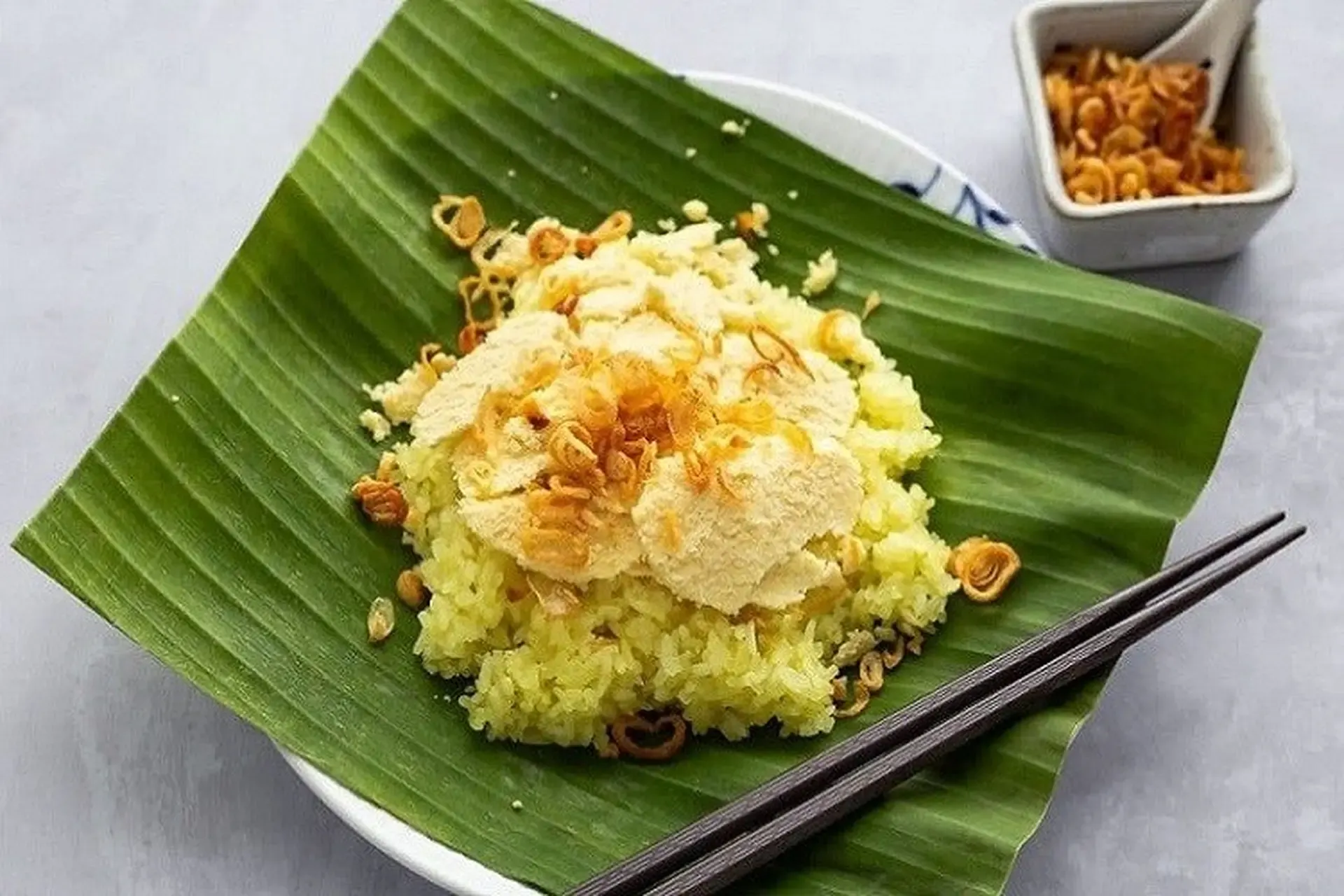
Xôi: Vietnam's Traditional Sticky Rice
Xôi is a traditional Vietnamese sticky rice dish enjoyed across the country as a breakfast, snack, dessert, and part of special occasions. Made from glutinous rice, Xôi comes in many varieties, ranging from savory versions topped with chicken, pork, mung beans, or fried shallots to sweet preparations with coconut, corn, peanuts, or beans. Affordable, filling, and deeply connected to Vietnamese food culture, Xôi is an essential dish to discover when exploring local cuisine, markets, and everyday life in Vietnam.
About Xoi
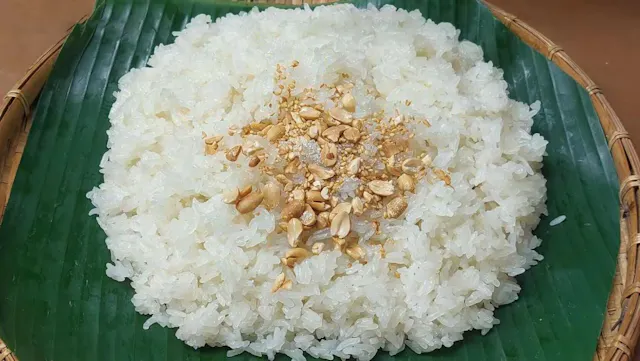
Xoi is a traditional Vietnamese sticky rice dish made from glutinous rice and enjoyed in many different forms across Vietnam. It can be served as a simple breakfast, a savory main meal, a sweet dessert, or a popular street food snack. With its soft, chewy texture and wide variety of toppings, Xoi is an important part of Vietnamese everyday food culture.
From simple steamed sticky rice topped with mung beans and sesame salt to elaborate versions served with grilled pork, chicken, sausage, or shredded meat, Xoi reflects the diversity of Vietnamese cuisine. It is especially popular for breakfast and is often sold at local markets, street stalls, and small neighborhood eateries.
What Is Xoi?
Xoi is made primarily from glutinous rice, also known as sticky rice.
Unlike ordinary rice, glutinous rice becomes soft, sticky, and chewy when steamed. The grains remain relatively intact while developing a rich and satisfying texture.
The rice can be prepared with sweet or savory ingredients, creating many different varieties of Xoi throughout Vietnam.
Sticky Rice
Glutinous rice is the foundation of every Xoi dish.
The rice is usually soaked in water before being steamed. This allows the grains to absorb enough moisture to become tender while maintaining their characteristic chewy texture.
Depending on the recipe, the rice may also be mixed with ingredients such as mung beans, corn, pandan, coconut milk, or natural coloring ingredients.
Savory Xoi
Savory Xoi is commonly eaten as breakfast or a quick meal.
Popular toppings include Vietnamese pork sausage, shredded chicken, grilled pork, shredded pork, fried shallots, mung beans, and Vietnamese pork floss.
One popular version is Xoi Man, or savory sticky rice, which combines sticky rice with several savory toppings and sauces.
The combination creates a filling meal with a satisfying balance of soft rice, savory meat, and crunchy toppings.
Sweet Xoi
Sweet Xoi is often enjoyed as a dessert or snack.
It can be prepared with mung beans, black beans, corn, coconut, bananas, or other sweet ingredients. Sugar, sesame seeds, and coconut milk may be added to enhance the flavor.
Sweet varieties are particularly popular at traditional markets and during festivals or special occasions.
Mung Beans
Mung beans are one of the most common ingredients used with Xoi.
They can be cooked separately and mashed into a smooth paste or steamed alongside the sticky rice. Their mild, slightly nutty flavor complements both sweet and savory preparations.
Mung bean toppings also provide additional texture and make the dish more filling.
Fried Shallots
Crispy fried shallots are a popular topping for savory Xoi.
They provide a fragrant aroma and crunchy texture that contrasts with the soft sticky rice. Their slightly sweet and savory flavor works particularly well with pork, chicken, and other savory toppings.
Pork and Other Toppings
Savory Xoi can feature a wide variety of meats.
Vietnamese pork sausage, shredded pork, grilled pork, chicken, and pork floss are common choices. Some versions also include Chinese-style sausage, pâté, eggs, or other local ingredients.
Each combination creates a different flavor profile while keeping sticky rice as the central ingredient.
What Does Xoi Taste Like?
The flavor of Xoi depends heavily on the variety.
Plain sticky rice has a mild, slightly sweet and nutty flavor with a soft and chewy texture. Savory versions become richer with pork, chicken, sausage, and sauces, while sweet versions can have creamy coconut, earthy mung bean, or fruity flavors.
Crispy shallots, sesame, and other toppings add additional texture and aroma.
Xoi in Vietnamese Food Culture
Xoi has a long-standing role in Vietnamese everyday and traditional food culture.
It is commonly served during breakfast and can be purchased from street vendors carrying large baskets of freshly steamed sticky rice. Families also prepare different varieties of Xoi during festivals, ceremonies, holidays, and special occasions.
Sticky rice is particularly important in Vietnamese celebrations because it is associated with abundance and togetherness.
Xoi for Breakfast
Xoi is one of Vietnam's popular breakfast foods.
Street vendors often serve warm sticky rice early in the morning, adding toppings according to customers' preferences.
Because glutinous rice is filling and energy-dense, a small portion can provide a satisfying start to the day.
Travelers can often find Xoi near traditional markets, bus stations, schools, and residential neighborhoods.
Where to Try Xoi
Xoi can be found throughout Vietnam, with Hanoi particularly well known for its variety of sticky rice dishes.
Local markets, street food stalls, and small breakfast restaurants are excellent places to try it.
Different regions offer their own combinations of toppings and preparation methods, so travelers may discover new versions as they move from Northern to Central and Southern Vietnam.
How to Eat Xoi
Xoi is usually served warm and can be eaten with a spoon or chopsticks.
For savory versions, diners can mix the sticky rice with meat, mung beans, fried shallots, and sauces. Sweet versions may be eaten with coconut milk, sesame, sugar, or other toppings.
Because the rice is naturally sticky, it is easy to combine with toppings in each bite.
Discover Xoi
Xoi is a simple but incredibly versatile part of Vietnamese cuisine. Soft glutinous rice can be transformed into countless sweet and savory dishes by combining it with mung beans, coconut, pork, chicken, sausage, sesame, fried shallots, and other local ingredients.
For travelers exploring Vietnam, trying Xoi at a local market or street food stall is an excellent way to experience everyday Vietnamese food culture. Whether enjoyed as a savory breakfast or a sweet snack, Xoi offers a comforting taste of Vietnam's traditional culinary heritage.
Featured Ingredients of Xôi
Xôi is built around glutinous rice and can be transformed with a wide range of traditional Vietnamese ingredients. From creamy mung beans to fragrant coconut and savory toppings, these ingredients give different varieties of Xôi their distinctive textures, flavors, and colors.
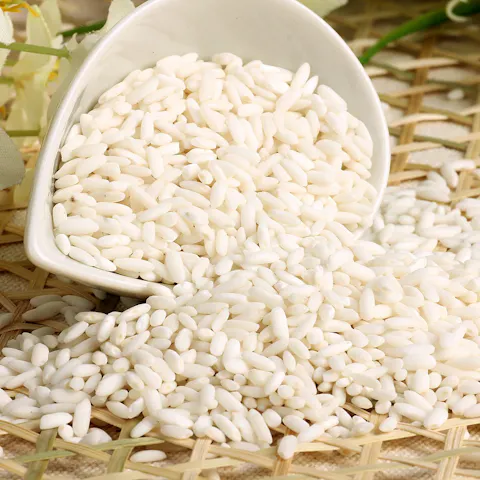
Glutinous Rice↗
Glutinous rice, known as gạo nếp in Vietnamese, is the essential ingredient in every type of Xôi. The rice is usually soaked before being steamed, producing the soft, chewy, and naturally sticky texture that defines Vietnamese sticky rice. Its mild flavor makes it an ideal base for both sweet and savory toppings.
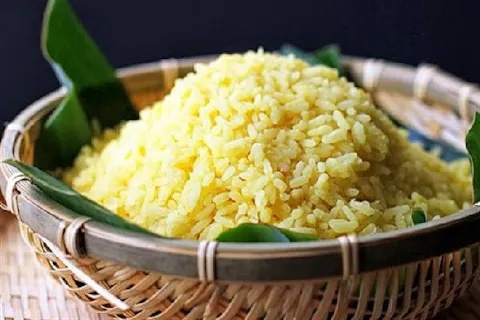
Mung Beans↗
Mung beans, or đậu xanh, are commonly used in both traditional and modern varieties of Xôi. Cooked mung beans can be mashed into a smooth, creamy layer or mixed with the sticky rice. They add a naturally nutty flavor and soft texture and are especially important in dishes such as Xôi Xéo and other sweet sticky rice preparations.
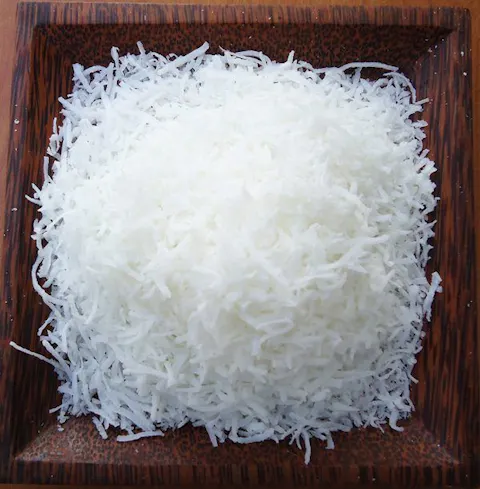
Coconut & Traditional Toppings↗
Coconut and other toppings add richness, aroma, and variety to Xôi. Sweet versions may use coconut milk, shredded coconut, sugar, corn, peanuts, or sesame, while savory versions can include chicken, pork, Vietnamese sausage, fried shallots, and other toppings. These ingredients allow Xôi to range from a simple breakfast dish to a festive specialty.
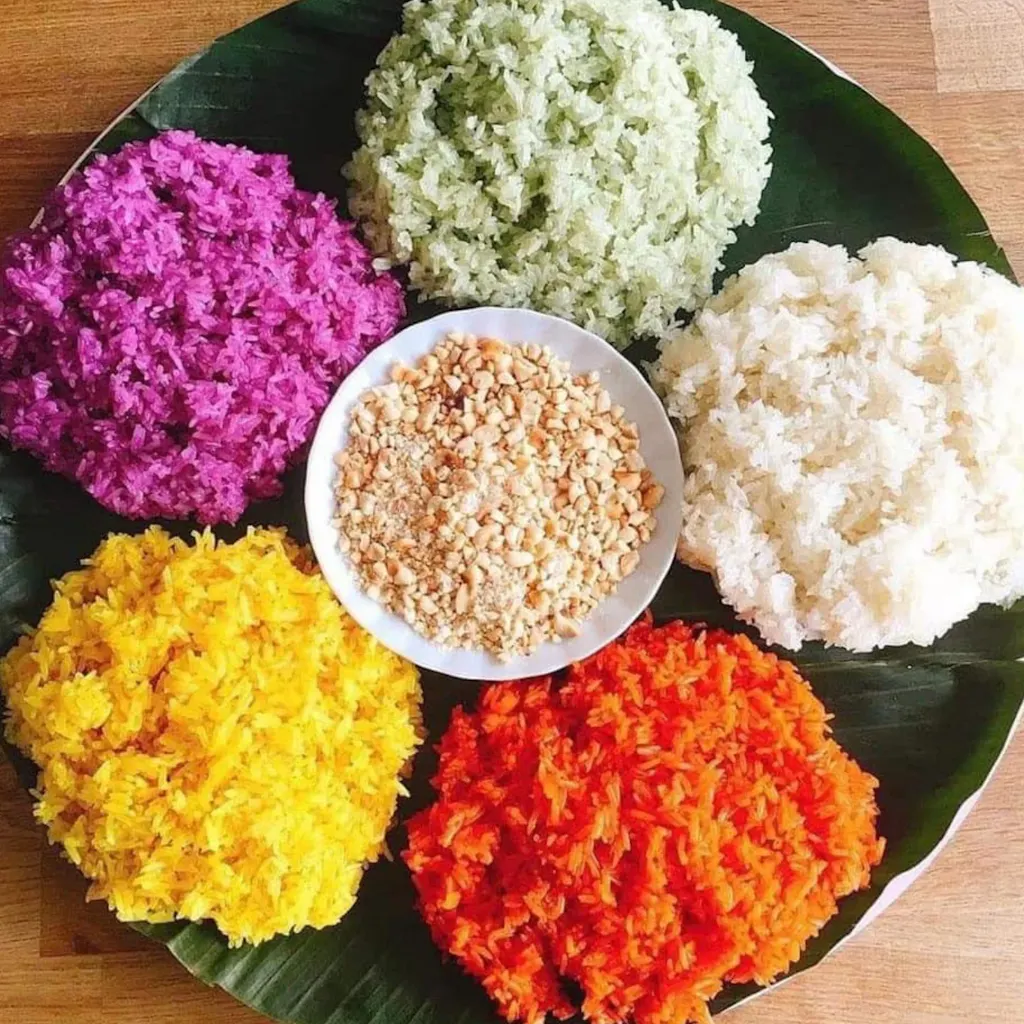
Frequently Asked Questions About Xôi
What is Xôi?
Xôi is a traditional Vietnamese sticky rice dish made from glutinous rice, known as gạo nếp. The rice is usually soaked and steamed until soft, chewy, and sticky. It can be served with sweet ingredients such as mung beans, coconut, corn, and peanuts, or savory toppings such as chicken, pork, Vietnamese sausage, and fried shallots.
What is Xôi made of?
The main ingredient in Xôi is glutinous rice. Depending on the variety, it may be combined with mung beans, corn, peanuts, coconut, sesame, pandan, or other ingredients. Savory versions can include chicken, pork, Vietnamese sausage, eggs, pâté, and fried shallots. Different regions and recipes use different combinations of ingredients.
What are the most popular types of Xôi in Vietnam?
Popular varieties include Xôi Xéo with mung beans and fried shallots, Xôi Gà with chicken, Xôi Gấc made with gac fruit, Xôi Bắp with corn, and Xôi Lạc with peanuts. Vietnam also has many sweet sticky rice varieties made with beans, coconut, sesame, or fruit. The toppings and preparation methods vary between regions.
Is Xôi sweet or savory?
Xôi can be either sweet or savory. Xôi mặn, or savory sticky rice, is commonly eaten as breakfast or a filling meal and may be topped with chicken, pork, sausage, or fried shallots. Xôi ngọt, or sweet sticky rice, is often served as a snack or dessert with ingredients such as coconut, mung beans, corn, peanuts, and sugar.
How do you eat Xôi?
Xôi is usually eaten warm and can be served on a plate, in a bowl, or wrapped in banana leaves or paper for takeaway. Savory Xôi can be eaten with its toppings mixed into the sticky rice, while sweet varieties are enjoyed with ingredients such as coconut, sugar, beans, or sesame. It is commonly eaten for breakfast, as a snack, or during traditional celebrations.
Advertising box
Related Vietnamese Dishes
Explore more of Vietnam's rich culinary heritage with these delicious regional specialties. From comforting noodle soups and fresh seafood dishes to iconic street food favorites, discover authentic flavors that perfectly complement your journey beyond.
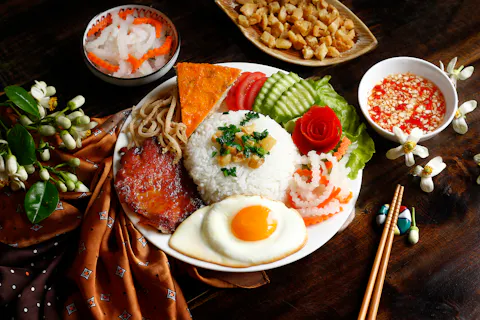
Cơm Tấm: Vietnam's Broken Rice Dish
Cơm Tấm, often called Vietnamese broken rice, is one of southern Vietnam's most beloved everyday dishes. Traditionally associated with Saigon, it features steamed broken rice served with grilled pork, savory fish sauce, pickled vegetables, cucumber, and toppings such as pork skin or steamed egg meatloaf. The smoky aroma of grilled pork combined with soft rice and sweet-and-savory nước mắm creates a distinctly Vietnamese flavor. This guide explores what Cơm Tấm is, its ingredients, history, regional variations, and how to enjoy it in Vietnam.
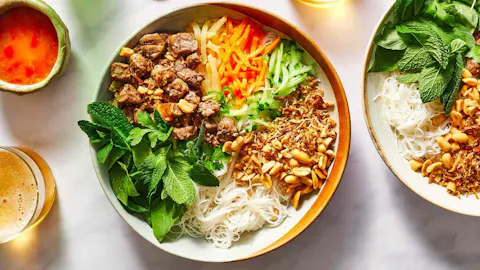
Bun Thit Nuong: Vietnam's Grilled Pork Noodle Bowl
Bun Thit Nuong is a popular Vietnamese grilled pork noodle bowl that combines smoky charcoal-grilled pork with rice vermicelli, fresh herbs, crunchy vegetables, pickled carrots and daikon, crushed peanuts, and a flavorful fish sauce dressing. Found throughout Vietnam, the dish offers a refreshing balance of savory, sweet, sour, salty, and spicy flavors. This guide explores what Bún Thịt Nướng is, its ingredients, regional variations, how it is traditionally served, and where travelers can try this classic Vietnamese street food.
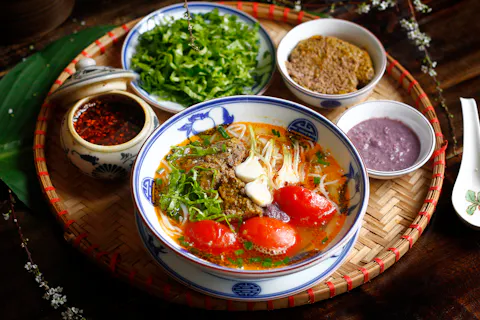
Bun Rieu
Bun Rieu is a beloved Vietnamese noodle soup famous for its flavorful crab-based broth, tomato richness, and refreshing combination of herbs and toppings. Originating from Northern Vietnam, this traditional dish features soft rice vermicelli, crab paste, tofu, pork, and fresh vegetables. With its unique balance of sweet, savory, and slightly tangy flavors, Bun Rieu represents the diversity and creativity of Vietnamese cuisine. Discover the ingredients, traditions, and local experiences behind one of Vietnam’s most iconic comfort foods.
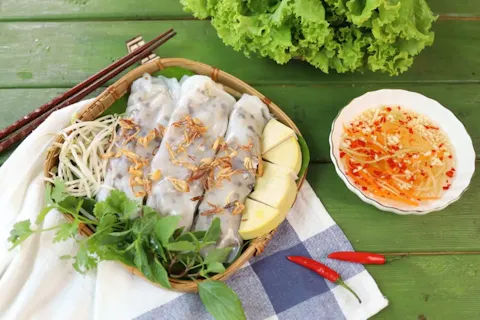
Banh Cuon
Banh Cuon is a popular Vietnamese dish known for its delicate steamed rice sheets, savory fillings, and light yet flavorful taste. Originating from Northern Vietnam, this traditional specialty is made by steaming thin rice batter and filling it with minced pork, mushrooms, and herbs. Served with Vietnamese fish sauce, fried shallots, and fresh herbs, Banh Cuon offers a perfect balance of softness, aroma, and freshness. Discover the story, ingredients, and cultural charm behind one of Vietnam’s favorite breakfast dishes.