
Best Places to Visit in Dong Thap
Dong Thap is a peaceful Mekong Delta destination renowned for its endless lotus fields, vibrant flower villages, and rich natural heritage. Visitors can explore the famous Tram Chim National Park, wander through the colorful Sa Dec Flower Village, discover historic temples and cultural landmarks, and enjoy authentic countryside experiences along scenic waterways. Whether you're passionate about wildlife, photography, eco-tourism, or local culture, this guide highlights the best places to visit in Dong Thap for an unforgettable journey through Southern Vietnam.
On this page
- Ecological Treasures: The Wild Heart of Đồng Tháp Mười Among the Best Places to Visit in Dong Thap
- Sa Dec: The City of Flowers and History in the Best Places to Visit in Dong Thap
- Immersion: Culinary and Craft Traditions Defining the Best Places to Visit in Dong Thap
- Practical Field Logistics for Exploring the Best Places to Visit in Dong Thap
- Conclusion: Defining the Best Places to Visit in Dong Thap
To venture deeply into the heart of the Mekong Delta is to leave behind the relentless, mechanical hum of modern urban existence and surrender completely to a landscape dictated entirely by the ancient rhythms of water, earth, and sky. Here, the vast, serene alluvial plains stretch endlessly toward the hazy horizon, punctuated only by the vibrant, startling flash of pink blossoms emerging triumphantly from the dark, nutrient-dense muddy waters. For the discerning ethnographic researcher, the professional photographer, and the culturally curious traveler seeking an authentic, slow-paced exploration of Southern Vietnam, identifying the best places to visit in dong thap is a profound exercise in historical and ecological immersion. This is not a province of manufactured, high-gloss tourist attractions designed for rapid consumption; rather, it is a deeply poetic, unvarnished destination meant entirely for the soul. Visitors journey to this specific stretch of the river to reconnect with raw, untamed nature and to step back into a romanticized, heavily textured agricultural past. By navigating its deeply rooted farming traditions, its complex colonial history, and its staggering biodiversity, you will uncover a region that proudly and fiercely identifies itself as the undisputed land of the sen hồng (pink lotus). From the sprawling, primeval melaleuca wetlands that harbor endangered avian species to the colonial-era architectural masterpieces that still whisper tales of tragic, cross-cultural romance, this comprehensive Dong Thap travel guide will serve as your definitive field manual. It is an invitation to explore a province where the gentle, deliberate pace of traditional riverine life remains beautifully uninterrupted by the aggressive march of modernity.
Ecological Treasures: The Wild Heart of Đồng Tháp Mười Among the Best Places to Visit in Dong Thap
The geographical, historical, and spiritual core of the province is undeniably the vast, untamed expanse known locally and affectionately as Đồng Tháp Mười (the Plain of Reeds). This massive, sprawling inland wetland ecosystem stands as a vital, living testament to the primeval, deeply flooded state of the Mekong Delta long before the era of widespread human agricultural cultivation and canal dredging. Engaging directly with these deep, mysterious alluvial wetlands forms the absolute, non-negotiable foundation of all authentic Dong Thap eco-tourism, requiring visitors to embrace the rich mud, the heavy equatorial humidity, and the profound, meditative silence of the deeply flooded forests.
Tram Chim National Park
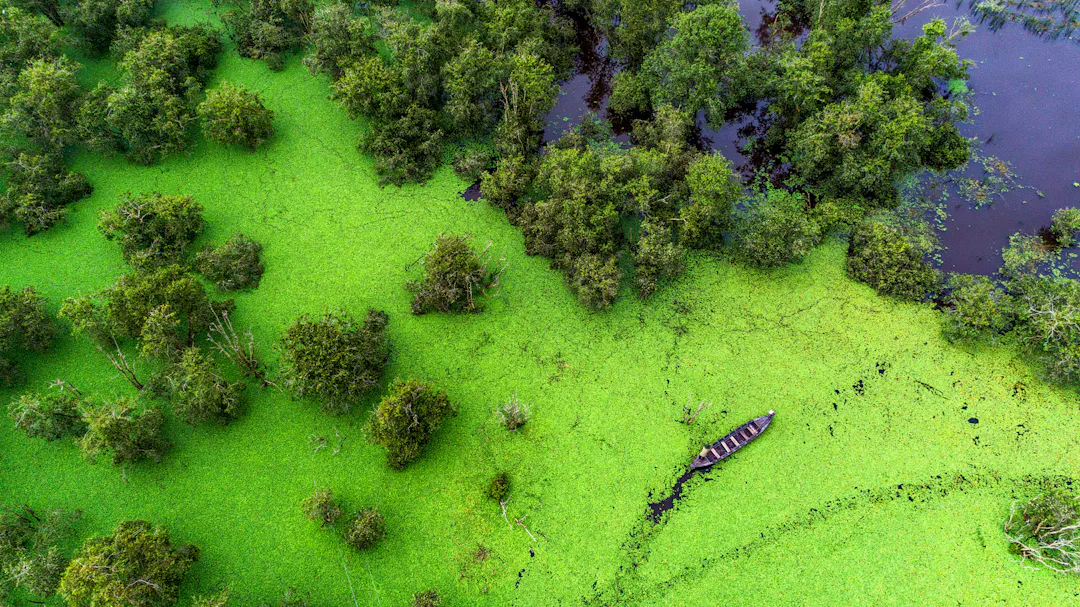
Recognized globally as a designated Ramsar wetland of supreme international ecological importance, Tram Chim National Park offers what is arguably the most profound, untouched wildlife encounter in all of Southeast Asia. The sensory journey truly begins the moment you board a small, motorized wooden boat to navigate the dense, intertwining waterways, particularly if you time your arrival during the peak flooding season spanning from late September to November. As the immense volume of the Mekong floodwaters rises, the entire landscape violently transforms into a hyper-saturated, brilliant emerald sea of floating vegetation and submerged tree trunks. The true, unparalleled prize of these Tram Chim National Park experiences, however, is the incredibly rare opportunity to observe the majestic Sarus Crane in its natural habitat. These towering, crimson-headed birds migrate across continents to this specific park to feed extensively on the indigenous water chestnuts hidden in the mud. The local conservation efforts implemented here are both fierce and meticulous, ensuring that the raw, fragile beauty of the habitat remains untainted by commercial exploitation. Navigating these silent, flooded plains just before dawn, watching the thick morning mist slowly burn off the glassy water as thousands of distinct waterbirds simultaneously take flight into the glowing sky, provides an unparalleled, breathtaking masterclass in advanced wetland ecology.
> Read more: Tram Chim National Park
The Lotus Kingdom
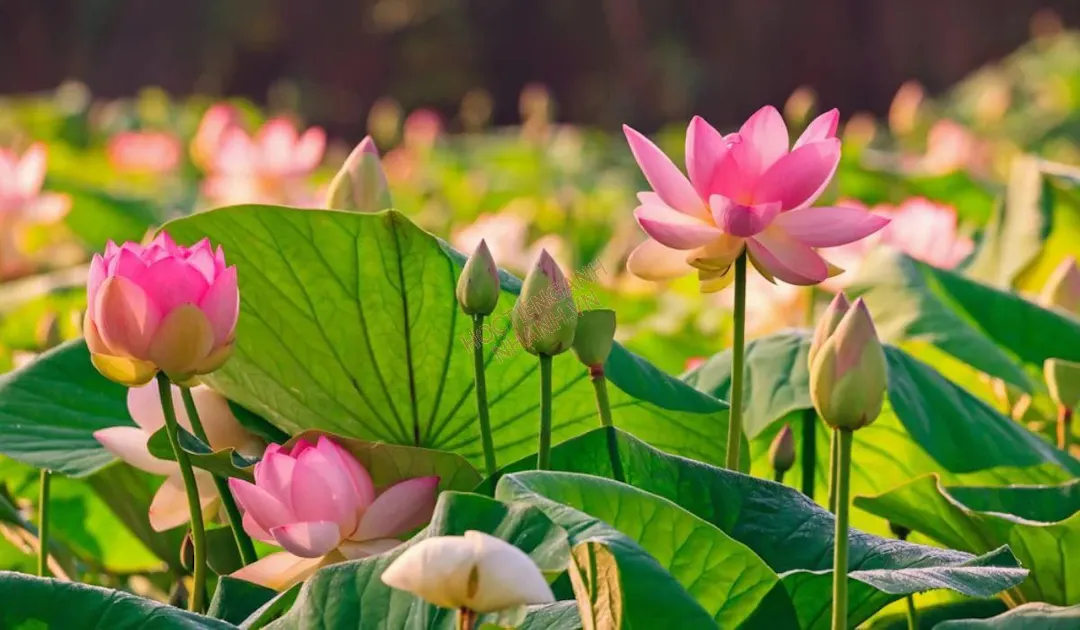
To truly understand the complex cultural and spiritual identity of Vietnam, one must first deeply understand the lotus, and there is absolutely nowhere in the country where this flower is more revered than within the sprawling cánh đồng sen (lotus fields) of the rural Thap Muoi district. The lotus serves as a powerful, ubiquitous national symbol of purity, strength, and resilience, famously rising flawlessly clean and structurally perfect from the darkest, thickest, and most anaerobic delta mud. Visiting these massive, expansive aquatic farms during their absolute blooming peak in the blistering summer months is a staggering, overwhelming visual experience. The endless, unbroken sea of sen hồng (pink lotus) stretches as far as the human eye can see, releasing a deeply floral, intoxicating, and subtly sweet fragrance directly into the heavy, stagnant equatorial air. For those dedicated to capturing the definitive, professional-grade landscape photograph of this phenomenon, relying on advanced, highly capable mobile hardware is utterly crucial. Utilizing the highly sophisticated, physical two-stage manual exposure controls and precise pressure sensors of a device like the Japanese market variant of the Sony Xperia 1 Mark VI allows a photographer to flawlessly freeze the subtle, hypnotic sway of the tall lotus stalks in the wind, while simultaneously perfectly exposing the delicate, translucent pink veins of the massive petals against the harsh, unforgiving glare of the midday sun.
Xeo Quyt Relic Site
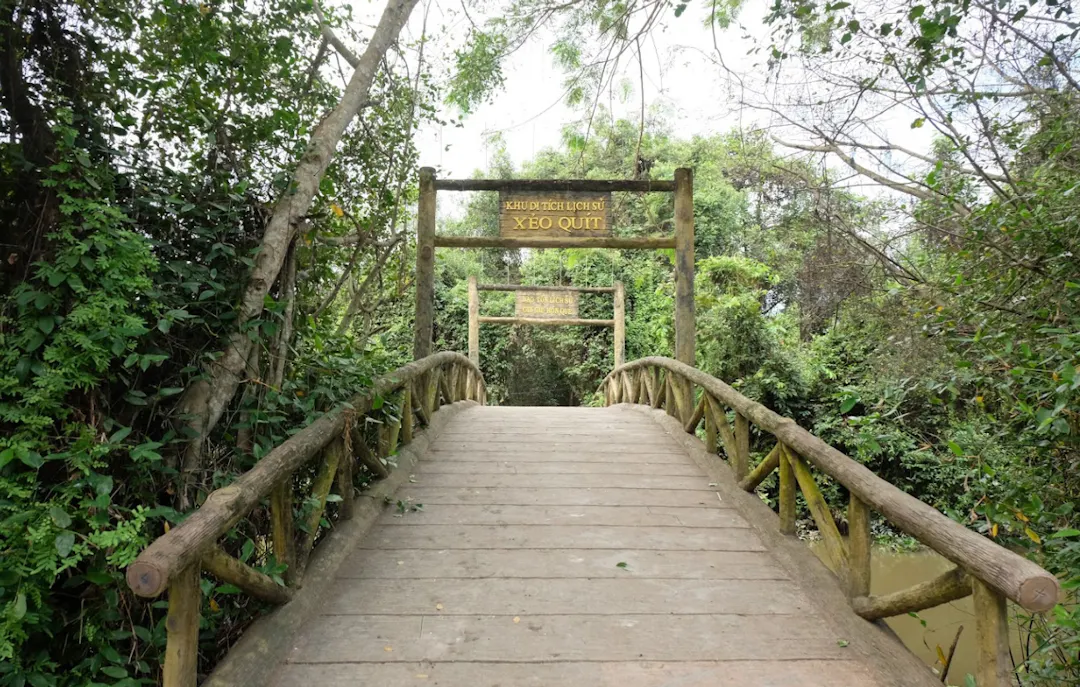
Moving beyond the open, sun-drenched plains, the dense, suffocatingly thick melaleuca canopy of the Xeo Quyt Relic Site offers a completely different, deeply somber historical immersion. This flooded, tangled forest once served as a highly secretive, nearly impenetrable revolutionary military base during the height of the Vietnam War. Today, safely navigating the dark waters of Xeo Quyt is a profound "history-meets-nature" experience that leaves a lasting psychological impact. Visitors can choose to slowly walk the elevated, damp, moss-covered concrete pathways that weave endlessly through the dark, fragrant forest, or hire a highly skilled local guide to paddle them silently through the absolute narrowest, vine-choked canals in a traditional, incredibly unstable wooden rowboat. The architectural and structural ingenuity of the wartime bunkers, which were built directly into the wet, flooded earth and heavily camouflaged by the dense, aggressive vegetation, is a fascinating, sobering display of early, utilitarian organic modernism. In this environment, human survival structures completely abandoned aesthetic vanity and bowed entirely to the harsh dictates of the natural topography. The seamless, almost eerie blending of rusted historical military artifacts with the aggressive, unstoppable reclamation of the jungle makes Xeo Quyt an absolutely vital historical detour.
Sa Dec: The City of Flowers and History in the Best Places to Visit in Dong Thap
Leaving the wild, unkempt wetlands behind, the journey further south leads directly to Sa Dec, a deeply romantic, surprisingly cosmopolitan, and historically wealthy riverine city that completely redefines the visual landscape of the province. Often unjustly overshadowed by the larger, more heavily trafficked delta transit hubs, Sa Dec is an undisputed architectural and horticultural haven that consistently and rightfully ranks among the best places to visit in dong thap for anyone with a passing interest in French colonial history and intense, generational botanical cultivation.
Sa Dec Flower Village
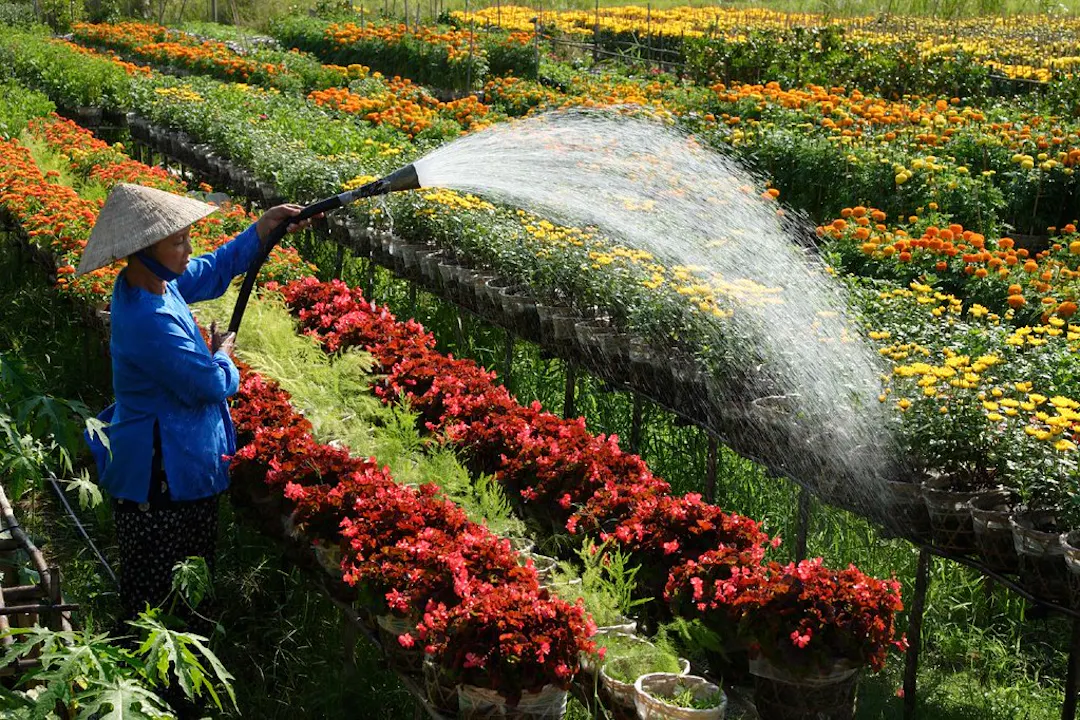
The undisputed economic engine and vibrant visual heart of the city is the legendary Làng hoa Sa Đéc (Sa Dec flower village). Unlike standard, terrestrial flower farms found in temperate climates, the highly specialized cultivation techniques utilized here have been meticulously, painstakingly adapted over centuries to survive the relentless, destructive flooding cycles of the Mekong River. To combat the rising tides, local farmers construct massive, elevated bamboo trellises directly over the flooded fields. This ingenious system forces them to tend to and meticulously harvest the massive, heavily potted chrysanthemums, bright marigolds, and delicate roses while standing waist-deep in the murky water, or by expertly navigating incredibly narrow wooden rowboats through the fragrant, floating aisles. This highly specialized, generations-old agrarian expertise results in a staggering, blinding visual explosion of color that literally supplies the entire southern region of Vietnam with fresh blooms for the all-important Lunar New Year festival. Walking slowly through the bustling village is a highly tactile, intense sensory overload, where the hot air is perpetually thick with the heavy scent of wet alluvial earth and millions of blooming, sun-baked petals.
The Huynh Thuy Le Ancient House
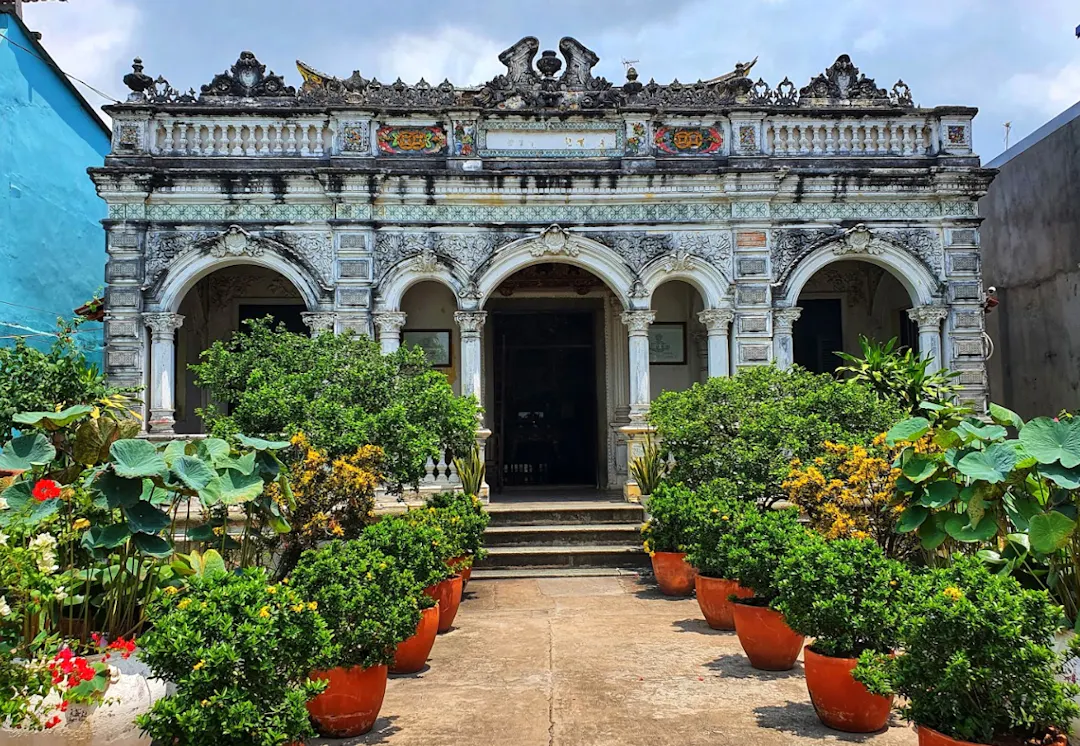
Nestled quietly along the bustling, chaotic urban riverfront stands the Huynh Thuy Le ancient house, an iconic structure immortalized globally by the French author Marguerite Duras in her semi-autobiographical, deeply melancholic novel, The Lover. However, looking far beyond its undeniable literary fame, the house itself is a staggering, meticulously preserved architectural masterpiece that demands intense, focused structural observation. The exterior facade is a brilliant, flawless execution of French Neo-classical design, prominently featuring imposing Romanesque arches, heavy, cooling masonry, and intricate, European Renaissance-style bas-reliefs. Yet, the moment you step through the heavy, intricately carved wooden front doors, the structure reveals a deeply traditional, heavily ornamented Chinese interior, complete with spectacular mother-of-pearl inlay work, massive lacquered timber columns, and a central ancestral altar steeped in generations of worship. This brilliant, highly successful fusion of East and West serves as a prime, historical example of early tropical architectural adaptation. The original builders brilliantly utilized soaring, cavernous ceiling heights and deeply shaded, open-air interior courtyards to naturally cross-ventilate and cool the heavy, humid interior. The melancholic, lingering romance of the famous novel seems to hang palpably in the cool, shadowed halls, making it an essential, unmissable pilgrimage for architectural purists and romantic literature enthusiasts alike.
Kien An Cung Pagoda
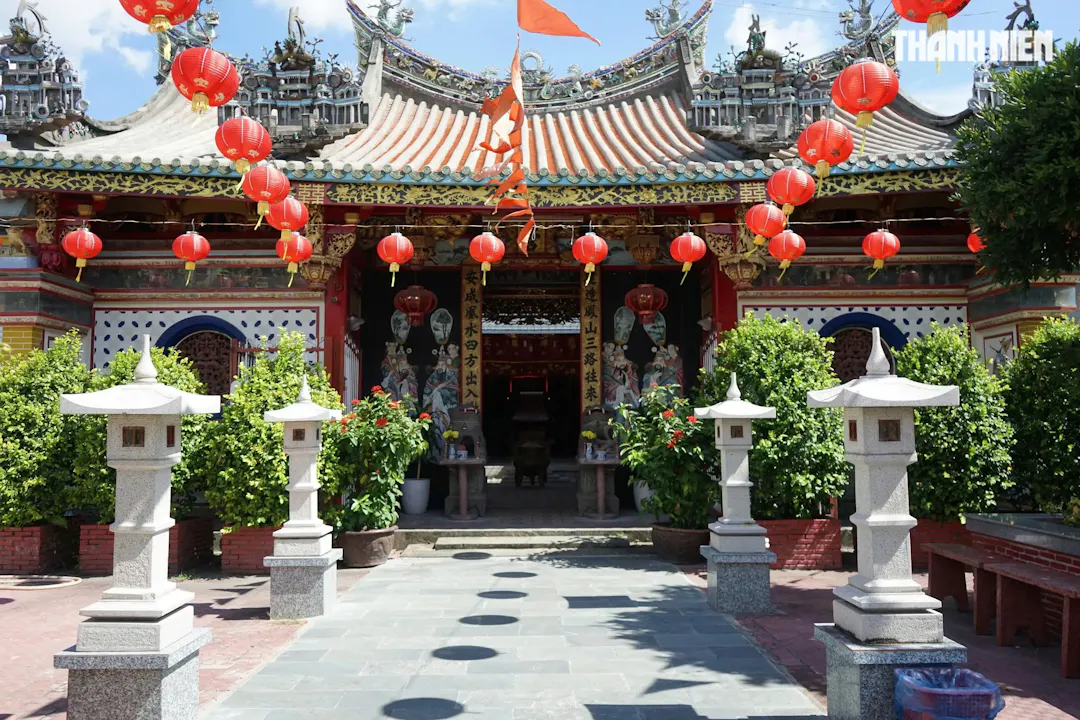
Just a very short, highly atmospheric walk from the ancient house lies the spectacular Kien An Cung Pagoda, a massive, undeniable testament to the profound cultural, spiritual, and economic influence of the local Chinese immigrant community. Originally constructed by wealthy merchant families originating from the Fujian province, the pagoda is an absolute masterclass in ornate, deeply symbolic, and structurally complex design. The heavy, sweeping, and aggressively curved tile roofs are completely covered in miniature, highly detailed, and brightly glazed ceramic dioramas depicting classic scenes from Chinese mythology and legendary, bloody historical battles. The dim interior is perpetually thick with the heavy, sweet, and suffocating smoke of massive, crimson-coiled incense slowly burning from the blackened rafters. The spiritual atmosphere here is intensely quiet, isolating, and deeply reverent, offering a stark, beautiful meditative contrast to the chaotic, loud commercial energy of the surrounding urban riverfront markets. Examining the intricate, deeply carved wooden support beams of Kien An Cung provides invaluable, tangible insight into the incredibly diverse, multi-ethnic social mosaic that built the early commercial foundations of the entire Mekong Delta.
Immersion: Culinary and Craft Traditions Defining the Best Places to Visit in Dong Thap
The authentic, beating soul of the province is absolutely not found exclusively in its serene, quiet lotus plains or its highly ornamented, static historical architecture; rather, it thrives vividly and aggressively within the blistering heat of its artisanal village workshops and the chaotic, deeply pungent, and noisy atmosphere of its local street kitchens. Engaging directly with these grueling physical realities and complex, layered flavor profiles is absolutely essential for achieving a complete, uncompromising ethnographic understanding of the region.
The Culinary Trail
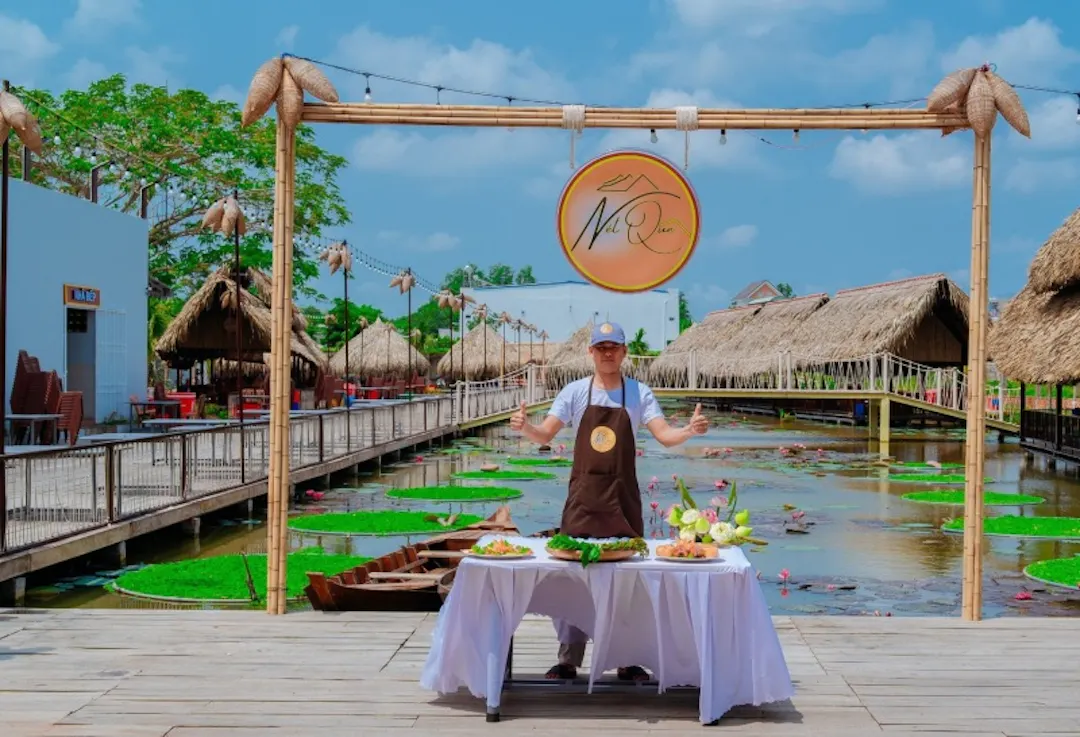
The highly localized gastronomy of the province is a brilliantly unvarnished reflection of its immense aquatic and agricultural wealth. Any dedicated, serious culinary trail must immediately commence with a steaming, restorative bowl of local Hủ tiếu Sa Đéc (Sa Dec noodle soup). Unlike the sweeter, more commercialized variations found in Ho Chi Minh City, the local provincial chefs utilize a highly specific, slightly chewy, and intensely translucent rice noodle manufactured directly in the surrounding rural villages. The deeply savory broth is a masterclass in slow, patient, wood-fired preparation, simmering massive pork bones, dried indigenous river squid, and local daikon radishes for grueling hours to achieve a perfectly clear, deeply sweet, and aggressively savory liquid. Following this, one must seek out and experience Cơm sen (lotus rice). This highly aromatic dish utilizes absolutely every edible aspect of the province's most famous, culturally significant export. Nutty, freshly harvested lotus seeds are steamed flawlessly with incredibly fragrant jasmine rice, diced river prawns, and sweet, cured lap xuong sausage, all tightly wrapped and presented steaming within a massive, freshly cut lotus leaf that naturally imparts a subtle, earthy, and grassy aroma to the hot starches. After consuming these heavy, intensely flavorful, and highly caloric meals, the local delta coffee culture offers a deeply necessary, caffeinated respite. The modern architectural footprint of the delta is frequently defined by sheer, uncompromising spatial efficiency. Seek out a highly compact, meticulously designed local coffee shop—frequently occupying a highly optimized, brilliantly utilized footprint of exactly thirty square meters. Sitting in these intimate, precisely arranged spaces, sipping a potent, slow-dripped, and aggressively strong robusta coffee poured over crushed ice, allows you to quietly, comfortably observe the seamless, unhurried, and fascinating flow of delta commerce passing by the front door.
Craft Villages
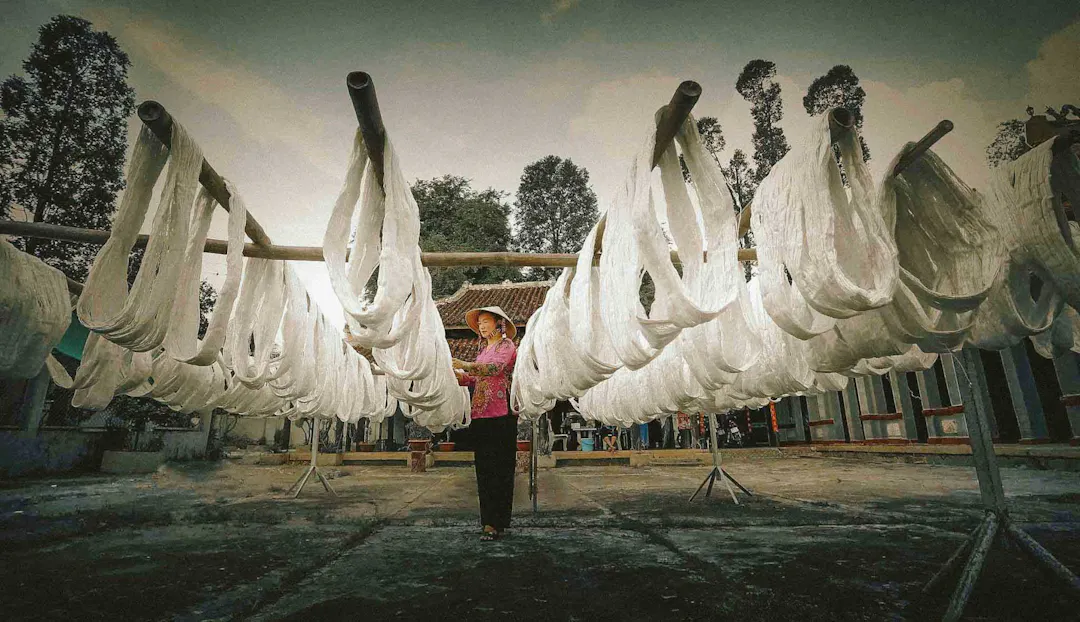
To fully appreciate the grueling industrial heritage and immense physical resilience of the province, travelers must purposefully seek out the deeply traditional, multi-generational craft villages operating just beyond the bustling city limits. The mass production of Bánh phồng tôm (shrimp crackers) is a highly tactile, deeply sensory, and labor-intensive experience. In these small, open-air family workshops, you can stand safely back and watch highly skilled artisans manually pound fresh, whole river shrimp with thick tapioca flour using massive wooden mallets, before laying the massive, translucent, and perfectly round disks out to cure and dry under the brutal, unforgiving equatorial sun. Similarly, visiting the local, heavily perfumed incense-making villages provides a visually stunning, almost surreal tableau. Entire village courtyards and narrow dirt roads are completely blanketed in thousands of freshly dyed, vibrant crimson-red and golden-yellow incense sticks, all fanned out perfectly like massive, geometric floral blooms to dry in the warm river wind. Watching the elderly artisans expertly and rapidly roll the intensely fragrant, cinnamon and sandalwood-laced paste onto the thin bamboo core is a profound testament to the enduring, highly skilled manual physical labor that silently sustains the rural southern economy.
Practical Field Logistics for Exploring the Best Places to Visit in Dong Thap
Executing a highly successful, deep-dive ethnographic expedition into the absolute heart of this poetic, water-logged province requires completely discarding rigid, highly commercialized tourist itineraries and fully embracing a highly flexible, culturally sensitive, and patient approach to riverine navigation.
When seriously considering your travel planning, the overland journey from the chaotic center of Ho Chi Minh City to the provincial capital of Cao Lanh or the historic city of Sa Dec covers a distance of roughly 150 kilometers. While regional, multi-tiered sleeper buses offer a highly economical and culturally interesting route, hiring dedicated private transportation is vastly superior for the discerning ethnographic researcher or serious photographer. A private, climate-controlled vehicle grants you the absolute, necessary freedom to spontaneously stop at unmarked, roadside lotus farms, hidden historical pagodas, or deeply hidden artisanal brick kilns that commercial, tightly scheduled buses simply roar past without a second glance.
Understanding the nuances of seasonal timing is the single most critical, make-or-break factor for exploring this specific province. To physically witness the Sa Dec flower village at its absolute peak visual explosion, you must meticulously time your arrival for roughly three to four weeks prior to the highly celebrated Lunar New Year, when the elevated bamboo trellises are literally groaning under the immense weight of millions of blooming, colorful flowers preparing for harvest. Conversely, if your primary, overriding goal is to photograph the sprawling, endless pink lotus fields of Thap Muoi or to track the specific migratory patterns of the endangered Sarus Crane, the wet summer and early autumn flooding season from August to November unequivocally offers the most hyper-saturated, biologically active, and visually stunning environment.
Finally, strictly adhering to local, deeply ingrained cultural etiquette is absolutely non-negotiable. When wading carefully into the private, family-owned lotus fields or stepping respectfully over the high, carved wooden thresholds of the ancient colonial houses, maintain a strict protocol of absolute humility and quiet observation. Always ask for clear, explicit verbal or gestured permission before photographing local farmers engaged in their grueling daily labor, absolutely never pluck delicate lotus blossoms without financially compensating the field owner directly, and tread incredibly lightly upon the fragile wetland pathways to ensure these incredibly delicate, historically vital ecosystems are meticulously preserved for future generations of travelers.
Conclusion: Defining the Best Places to Visit in Dong Thap
This incredibly fertile, intensely beautiful province remains the most profoundly poetic, deeply historically rich, and ecologically vital territory in the entire Mekong Delta, actively and successfully resisting the sterile, mass-market commercial homogenization found elsewhere in the region. By intentionally prioritizing a slow, highly deliberate immersion into its highly specific, centuries-old agrarian and architectural rhythms, travelers are ultimately rewarded with a beautifully unvarnished, profoundly honest truth about life on the river. When finalizing your master itinerary around the best places to visit in dong thap, the ultimate decision reflects your own deeply personal travel philosophy. Which facet of Đồng Tháp—the wild, untamed serenity of the flooded wetlands or the architectural majesty of the flower-filled historic city—appeals most to your travel style?
> Read more: Dong Thap Travel Guide

By Roy Trinh
Editor
Roy Trinh is a travel writer and destination expert at Go Visit Vietnam, dedicated to helping travelers discover the beauty, culture, and diversity of Vietnam. Through well-researched travel guides, practical itineraries, local insights, and authentic recommendations, Roy shares valuable information to inspire memorable journeys across the country. From vibrant cities and breathtaking landscapes to regional cuisine and cultural heritage, every guide is created to help visitors experience Vietnam with confidence and curiosity.
Frequently Asked Questions About the Best Places to Visit in Dong Thap
What are the best places to visit in Dong Thap?
Dong Thap's top attractions include Tram Chim National Park, Sa Dec Flower Village, Gao Giong Ecotourism Area, Xeo Quyt Historical Site, lotus fields, ancient pagodas, and peaceful riverside villages that showcase the beauty of the Mekong Delta.
What is Dong Thap famous for?
Dong Thap is famous for its vast lotus fields, colorful flower gardens, bird sanctuaries, eco-tourism destinations, and rich agricultural landscapes. The province is also known as one of Vietnam's leading producers of lotus products and ornamental flowers.
How many days should I spend in Dong Thap?
A two to three-day trip is ideal for exploring Dong Thap's main attractions, enjoying nature, visiting flower villages, taking boat tours, and experiencing the province's peaceful countryside and local culture.
Is Dong Thap suitable for eco-tourism?
Yes. Dong Thap is one of the Mekong Delta's best eco-tourism destinations. Visitors can enjoy birdwatching, boat rides through wetlands, cycling, nature photography, lotus field visits, and wildlife observation in protected natural areas.
When is the best time to visit Dong Thap's lotus fields?
The lotus season usually reaches its peak between May and August, when ponds and wetlands are covered with blooming lotus flowers. This is one of the best times for photography, sightseeing, and experiencing the province's iconic landscapes.
Advertising box