
Best Things to Do in Cao Bang
Cao Bang offers some of Vietnam's most rewarding outdoor adventures and cultural experiences. From cruising beneath the majestic Ban Gioc Waterfall and exploring vast limestone caves to trekking through mountain landscapes and visiting ethnic minority villages, the province is filled with unforgettable activities. Whether you're seeking nature, history, photography, or authentic local culture, this guide highlights the best things to do in Cao Bang and helps you make the most of your journey through northern Vietnam's stunning frontier region.
On this page
- Water Adventures & Subterranean Expeditions: Key Best Things to Do in Cao Bang
- Historical Pilgrimages & Natural Miracles: Essential Best Things to Do in Cao Bang
- Highland Trekking & Cultural Immersion: Profound Best Things to Do in Cao Bang
- Practical Field Logistics & Responsible Exploration
- Finalizing the Best Things to Do in Cao Bang
To navigate the dramatic topography of Vietnam’s northeastern frontier is to enter a high-altitude wilderness where the rhythmic pulse of travel is dictated by the rugged contours of the earth. In this isolated domain, every winding mountain road opens up to reveal staggering panoramas of ancient limestone karsts, emerald river basins, and vibrant highland cultures that have remained resilient for centuries. For the active explorer, the geographer, and the cultural historian, identifying the absolute best things to do in Cao Bang requires a complete departure from the passive, superficial sightseeing patterns found in commercialized tourist hubs. This province is a profoundly immersive landscape where physical challenge, deep historical engagement, and authentic cultural encounters converge to redefine the entire Northern Vietnam travel experience. It is a region that demands active participation—whether you are pushing your physical limits against steep mountain passes, descending into cold, silent subterranean caverns, or learning the complex social structures of the ethnic hill-tribes. This master guide serves as the definitive manual for the serious traveler, offering field-tested logistical insights and expert ethnographic perspectives to transform your journey into an authoritative, deeply rewarding exploration of one of Southeast Asia's last truly untamed frontiers.
Water Adventures & Subterranean Expeditions: Key Best Things to Do in Cao Bang
Bamboo Rafting on the Quay Son River
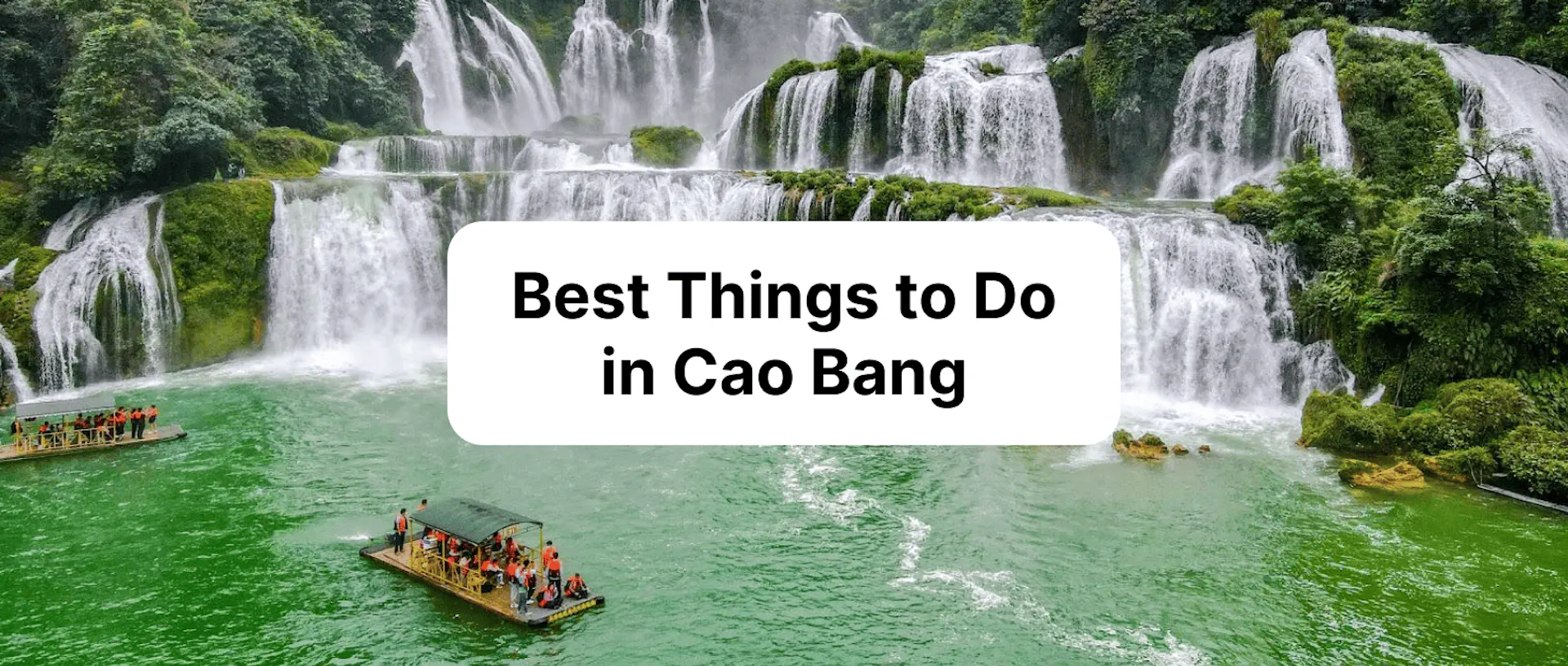
Among the premier Cao Bang travel activities, launching a traditional bamboo raft onto the jade-green currents of the Quay Son River offers an unparalleled confrontation with raw hydrological power. As you approach the monumental expanse of Thác Bản Giốc, the transnational boundary waterfall shared between Vietnam and China, the auditory landscape is entirely dominated by the deafering roar of thousands of tons of water plunging over calcified limestone terraces. Navigating the mist-filled spray zone at the base of the falls requires significant technical expertise and a calculated understanding of the river's dynamic currents. The constant, high-velocity downdraft generated by the cascading tiers creates an intense microclimate, filling the air with a thick, perpetual shroud of cold moisture that severely limits visibility and tests the resilience of your photographic equipment. Clinging to the wooden slats of the raft as it glides within mere meters of the violent impact zone allows the active traveler to feel the literal kinetic vibration of the river, providing an authoritative, sensory-rich perspective on this immense geographical fault line that standard riverbank observation completely fails to deliver.
Traversing the Chambers of Nguom Ngao Cave
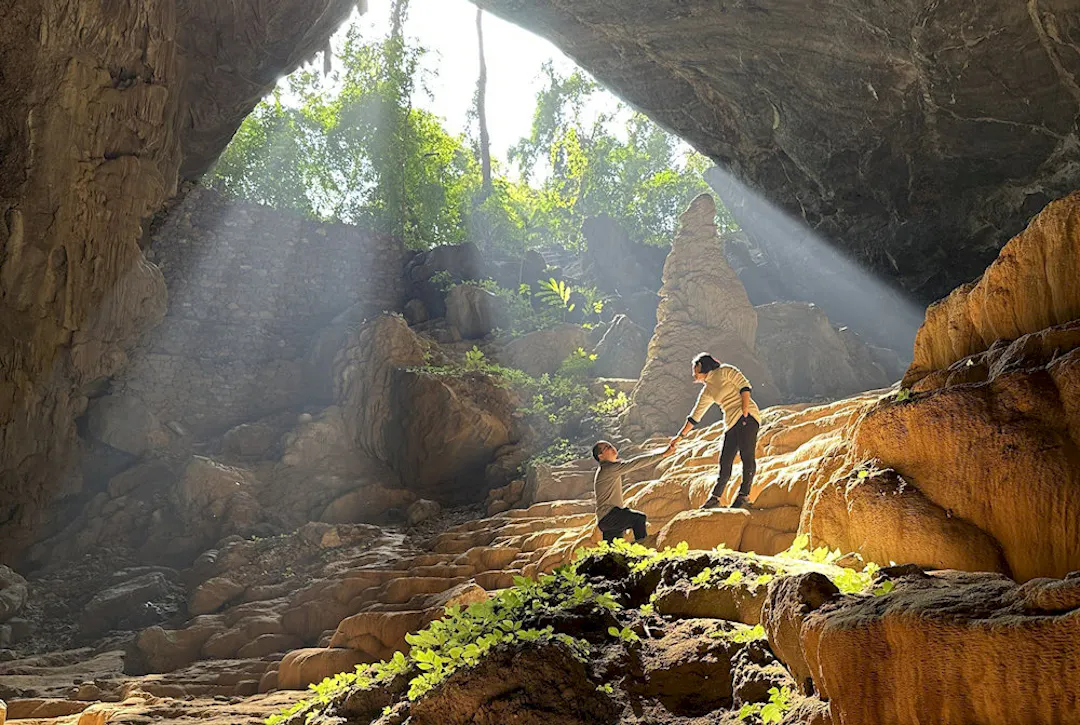
Transitioning from the crushing kinetic energy of the surface waterways, a slow-paced descent into the dark interior of Động Ngườm Ngao allows travelers to explore Nguom Ngao cave in its full, multi-layered geological complexity. This sprawling limestone cavern system, sculpted over hundreds of millions of years by the patient, chemical erosion of mineralized groundwater, stands as a pristine stone palace beneath the mountains. Cautiously walking the slippery, narrow pathways requires a mindful, slow-paced exploration to fully appreciate the staggering array of stalactites, stalagmites, and complex flowstones that defy conventional spatial geometry. The interior atmospheric conditions are characterized by a profound, otherworldly acoustic silence, interrupted only by the rhythmic, echoing drip of calcium-saturated water continuing its ancient, structural work. The visual climax of this subterranean expedition is the highly celebrated "Lotus Flower" stone formation, a massive, inverted stalagmite sculpted with such precise symmetry by ancient eddies that it seems entirely organic, providing the discerning geographer with an undeniable testament to the slow, relentless artistry of geological time.
Historical Pilgrimages & Natural Miracles: Essential Best Things to Do in Cao Bang
Exploring the Pac Bo Revolutionary Complex
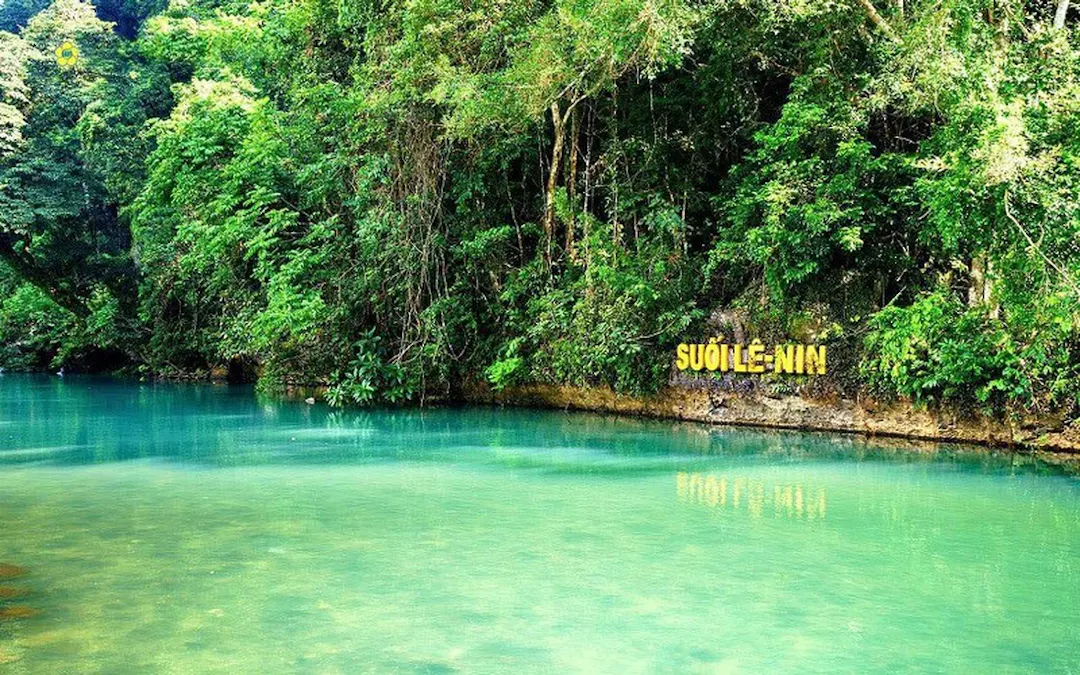
For the dedicated cultural historian, executing a comprehensive Pac Bo historical site visit offers an incredibly profound, intellectually stimulating window into the turbulent crucible of modern Vietnamese history. Located in a deeply secluded valley directly adjacent to the mountainous Chinese border, this sanctuary served as the covert cradle of the mid-twentieth-century revolution. Walking along the edge of the Suối Lênin (Lenin Stream), the traveler is immediately struck by the impossible, luminous clarity of the water, which exhibits a brilliant turquoise coloration due to the high concentration of dissolved calcium carbonate from the surrounding karst topography. Following the shaded stone pathways through the dense jungle canopy leads directly to the humble mouth of the Coc Bo cave, a damp, cramped limestone shelter where Ho Chi Minh lived in absolute secrecy upon his return from thirty years of international exile in 1941. Engaging with this politically charged landscape requires a posture of deep historical reverence, as you analyze the precise natural fortifications—the sheer cliff faces of Karl Marx Mountain and the thick foliage—that allowed a global geopolitical movement to be meticulously planned in complete isolation from the surface world.
Navigating the High-Altitude Waters of Thang Hen Lake
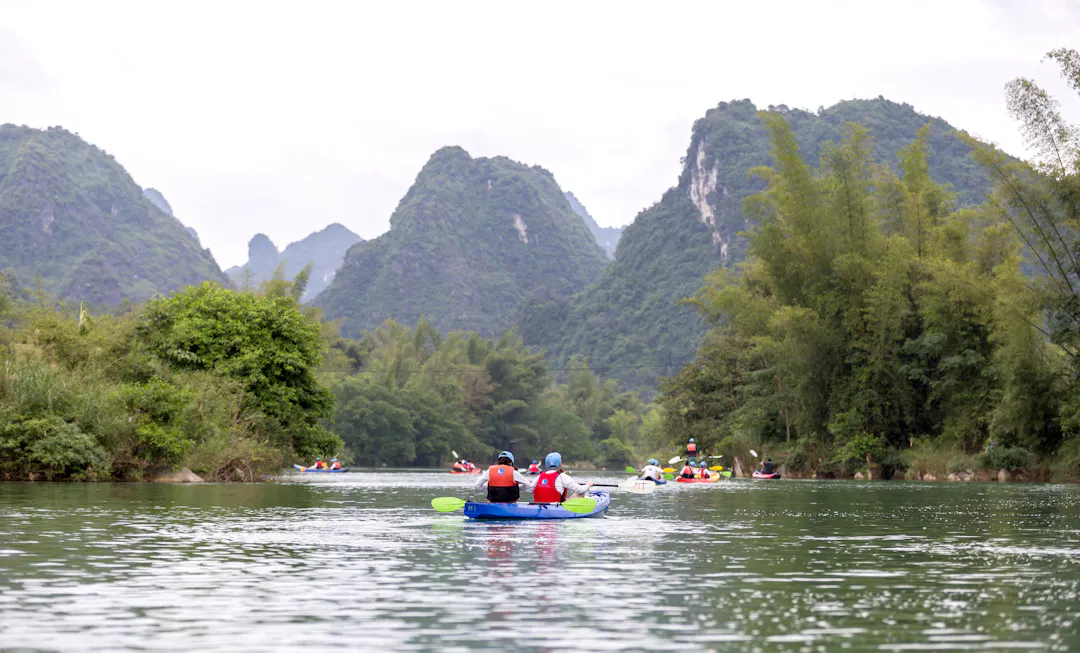
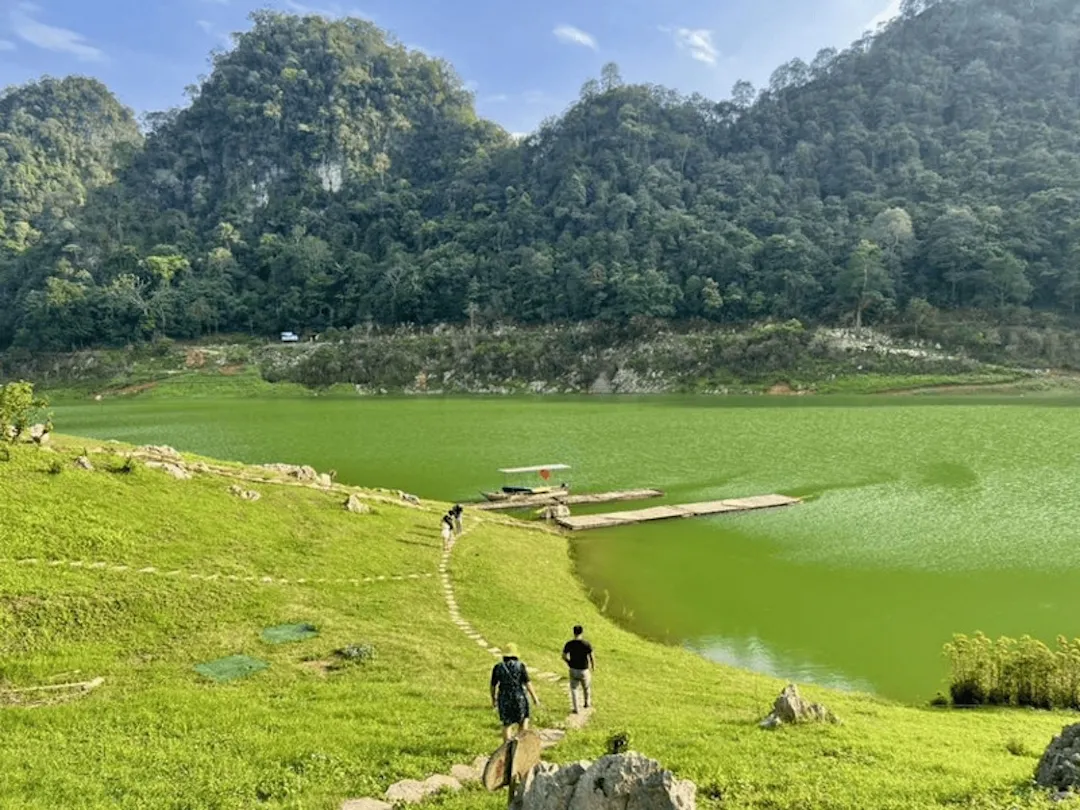
Ascending into the upper elevations of the Geopark reveals the pristine waters of Hồ Thang Hen, a highly complex hydrological miracle composed of an interconnected system of thirty-six high-altitude mountain lakes trapped within a sunken karst basin. Engaging in the outdoor activities available around this serene basin—including long-distance kayaking across the glassy, mirror-like surfaces and strenuous lakeside trekking along the base of dramatic, conical peaks—provides a deeply introspective look at the unique environmental dynamics of the region. The lake complex is subject to rare, fascinating underground hydrological shifts; a vast network of subterranean caves and aquifers acts as a natural plumbing system, causing the water levels to experience sudden, dramatic drawdowns during the dry season before rapidly refilling with the arrival of the summer monsoons. Paddling across the vibrant blue water during the early morning hours, when a thick mountain fog actively obscures the jagged tips of the surrounding limestone towers, offers a solitary, environmentally immersive experience that perfectly balances the high-octane physical challenges found elsewhere in the province.
Highland Trekking & Cultural Immersion: Profound Best Things to Do in Cao Bang
Trekking Through Remote Karst Passes
For the endurance athlete and the wilderness navigator, the premier outdoor activity within the province is undoubtedly high-altitude trekking through the most remote sectors of the Non nước Cao Bằng UNESCO Global Geopark. Conquering these rugged mountain trails and steep, unpaved passes requires meticulous physical preparation, specialized high-traction footwear, and advanced route navigation systems, as the paths are frequently subjected to sudden geological shifts and severe weather erosion. As you hike across the jagged stone ridges, the landscape unfolds in a monumental display of deep vertical valleys, deep sinkholes, and exposed geological stratifications that chronicle five hundred million years of planetary history. This grueling physical exertion forces a deep, direct engagement with the extreme terrain, challenging your internal navigation skills as you transition from the humid floor of isolated agricultural valleys up into the thin, wind-scoured air of the highest limestone crests, providing an unmatched sense of raw geographic discovery that completely eludes the conventional vehicular traveler.
Engaging with Ethnic Minority Communities
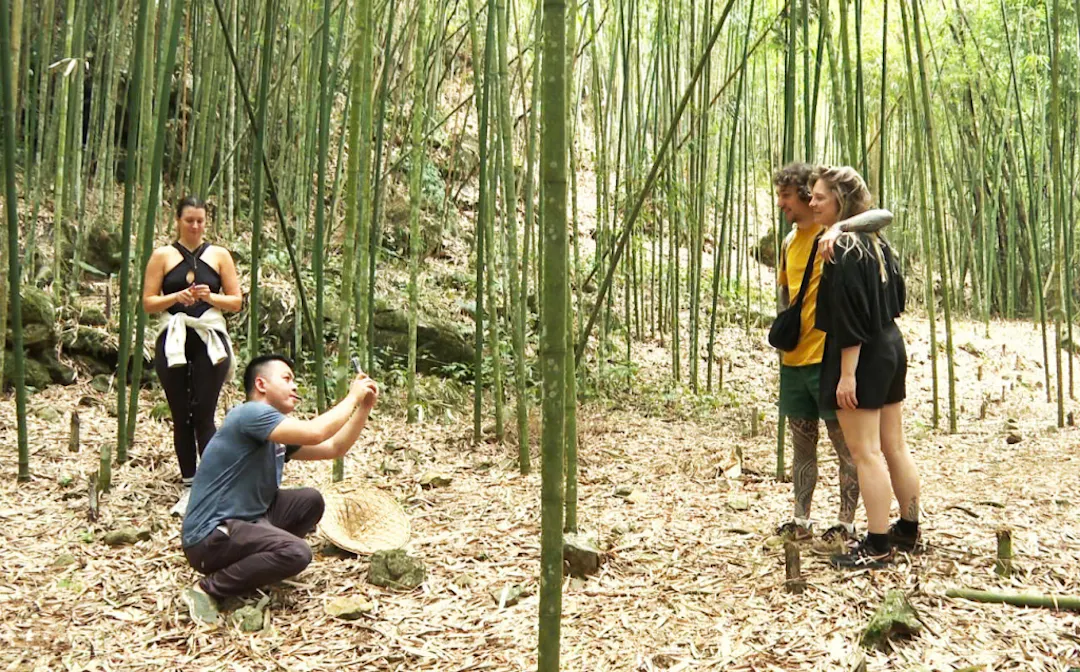
The immense human element of this challenging landscape is discovered through a commitment to respectfully visiting and engaging with indigenous ethnic hill-tribe communities. The isolated valleys and steep slopes of the geopark are the ancestral domain of the traditional Tay, Nung, and Hmong populations, who have maintained a highly sophisticated indigenous cultural synthesis to survive within the rocky terrain. Seeking out authentic, community-led cultural exchanges allows the traveler to observe local agricultural cycles firsthand, analyzing how these resilient societies cultivate upland corn and rice on seemingly impossible vertical gradients. Spending time in these ancient, wooden stilt houses provides an unparalleled window into communal village life. Travelers are highly encouraged to support local economy by interacting with generational artisans who continue to practice traditional handicraft traditions, such as the intricate art of natural indigo textile weaving or the heavy, fire-forged blacksmithing techniques that have provided vital agricultural tools for the region for centuries, ensuring your presence actively contributes to the preservation of their fragile cultural heritage.
Practical Field Logistics & Responsible Exploration
Mastering Highland Transport and Safety
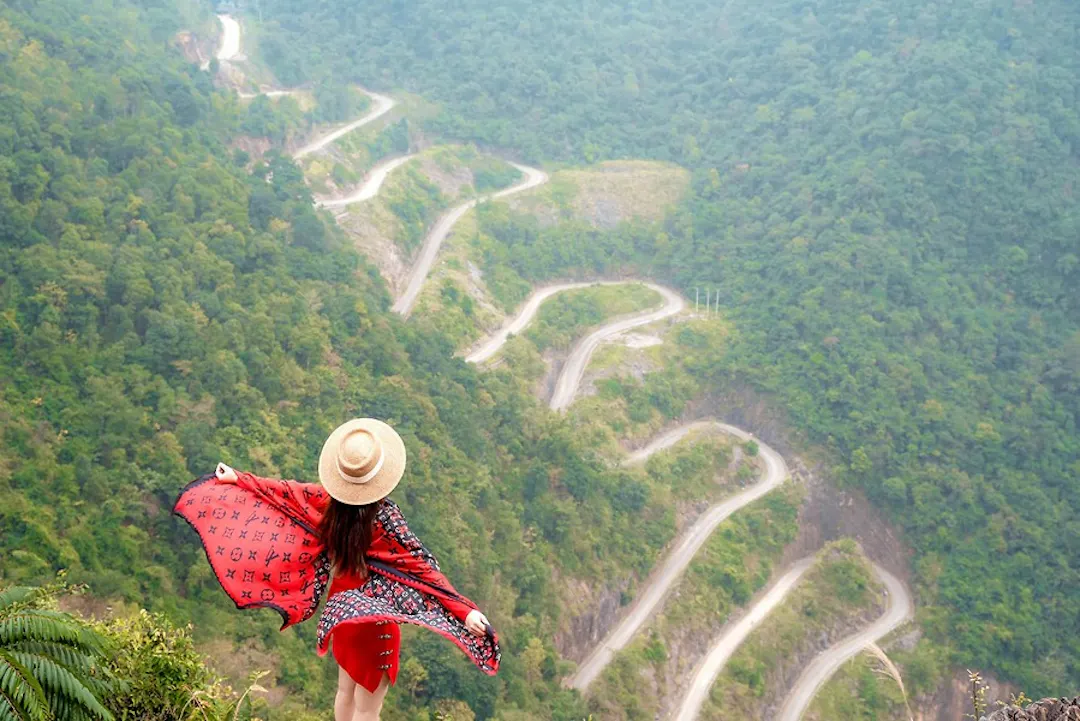
Successfully executing this comprehensive Cao Bang adventure guide demands an uncompromising approach to field logistics and transport safety within the remote border zones. When deciding between independent motorcycle exploration or hiring a professional local driver with a specialized four-wheel-drive vehicle, travelers must carefully evaluate the severe realities of the frontier infrastructure. Navigating the province’s notorious hairpin turns and sheer, unprotected cliff edges—most notably the formidable, multi-tiered inclines of the Ma Phuc Pass—requires advanced mountain driving expertise and constant vigilance. If you choose the independent route on a motorcycle, utilizing a heavily maintained, semi-automatic or manual gear bike is strictly mandatory to prevent brake failure on the steep, descending gradients. Furthermore, keeping a close eye on seasonal weather hazards is an absolute priority; the summer monsoons routinely trigger catastrophic landslides and sudden flash floods that can instantly sever critical mountain routes, making the dry autumn and early spring months the definitive windows for high-visibility, safe overland navigation.
Sustainable and Respectful Tourism
Establishing deep personal trustworthiness as an ethical traveler in Northern Vietnam requires a strict, proactive commitment to minimizing your environmental footprint and maximizing your direct, positive socio-economic impact on the host communities. Waste management infrastructure in these remote alpine valleys is practically non-existent; therefore, implementing a rigid zero-waste, pack-it-out protocol is an absolute necessity to prevent the plastic contamination of pristine karst water sources. Furthermore, travelers must actively prioritize their economic footprint by bypassing foreign-owned commercial entities and exclusively supporting local family-run homestays and community-based tourism cooperatives. When entering the deeply traditional spaces of the ethnic minority villages, practicing cultural humility is paramount: always request explicit verbal permission before photographing any individuals or domestic spaces, dress conservatively when entering spiritual sites, and remain deeply aware that your temporary presence inside these ancient, living landscapes is a profound cross-cultural privilege that must be guarded with absolute respect and quiet sensitivity.
Finalizing the Best Things to Do in Cao Bang
Ultimately, committing oneself to the absolute best things to do in Cao Bang rewards the resilient traveler with a profound, unmatched sense of raw geographical discovery and deep historical enlightenment. By actively rejecting the superficiality of mass tourism and choosing instead to directly engage with the formidable karst topography and the complex ancestral traditions of the hill-tribes, you unlock the true, unadulterated spirit of Northern Vietnam’s wildest frontier. Every physical challenge endured on the mountain trails and every quiet moment spent inside the historic caverns reinforces a deep connection to the enduring power of the earth and the human spirit. As you prepare to finalize your specialized travel itinerary for this magnificent UNESCO Global Geopark, a singular, definitive decision stands before you. Which monumental frontier adventure—experiencing the thunderous, mist-filled spray zone of the bamboo raft ride beneath the Ban Gioc waterfall, or executing a silent, contemplative historical pilgrimage through the jungle trails of Pac Bo—are you most prepared to physically undertake first?
Read more: Cao Bang Travel Guide

By Roy Trinh
Editor
Roy Trinh is a travel writer and destination expert at Go Visit Vietnam, dedicated to helping travelers discover the beauty, culture, and diversity of Vietnam. Through well-researched travel guides, practical itineraries, local insights, and authentic recommendations, Roy shares valuable information to inspire memorable journeys across the country. From vibrant cities and breathtaking landscapes to regional cuisine and cultural heritage, every guide is created to help visitors experience Vietnam with confidence and curiosity.
Frequently Asked Questions About Things to Do in Cao Bang
What are the best things to do in Cao Bang?
The most popular activities include visiting Ban Gioc Waterfall, exploring Nguom Ngao Cave, discovering the historic Pac Bo site, boating on Thang Hen Lake, trekking through mountain landscapes, and experiencing the culture of the Tay and Nung ethnic communities.
Can I swim at Ban Gioc Waterfall?
Swimming is generally not recommended because of strong currents and safety concerns. Most visitors enjoy the waterfall from bamboo rafts, scenic viewpoints, and walking trails around the surrounding area.
Is Cao Bang a good destination for hiking?
Yes. Cao Bang offers excellent hiking opportunities through limestone mountains, forest trails, and protected natural areas such as Phia Oac–Phia Den National Park, making it ideal for outdoor enthusiasts.
What cultural experiences can I enjoy in Cao Bang?
Visitors can explore traditional villages, sample regional cuisine, visit local markets, learn about the customs of ethnic minority communities, and discover important historical landmarks connected to Vietnam's revolutionary history.
When is the best season for outdoor activities in Cao Bang?
The best time is from September to November, when the weather is cool and dry, the rice terraces are golden, and Ban Gioc Waterfall remains impressive after the rainy season. Spring also offers pleasant conditions for sightseeing and hiking.
Advertising box