
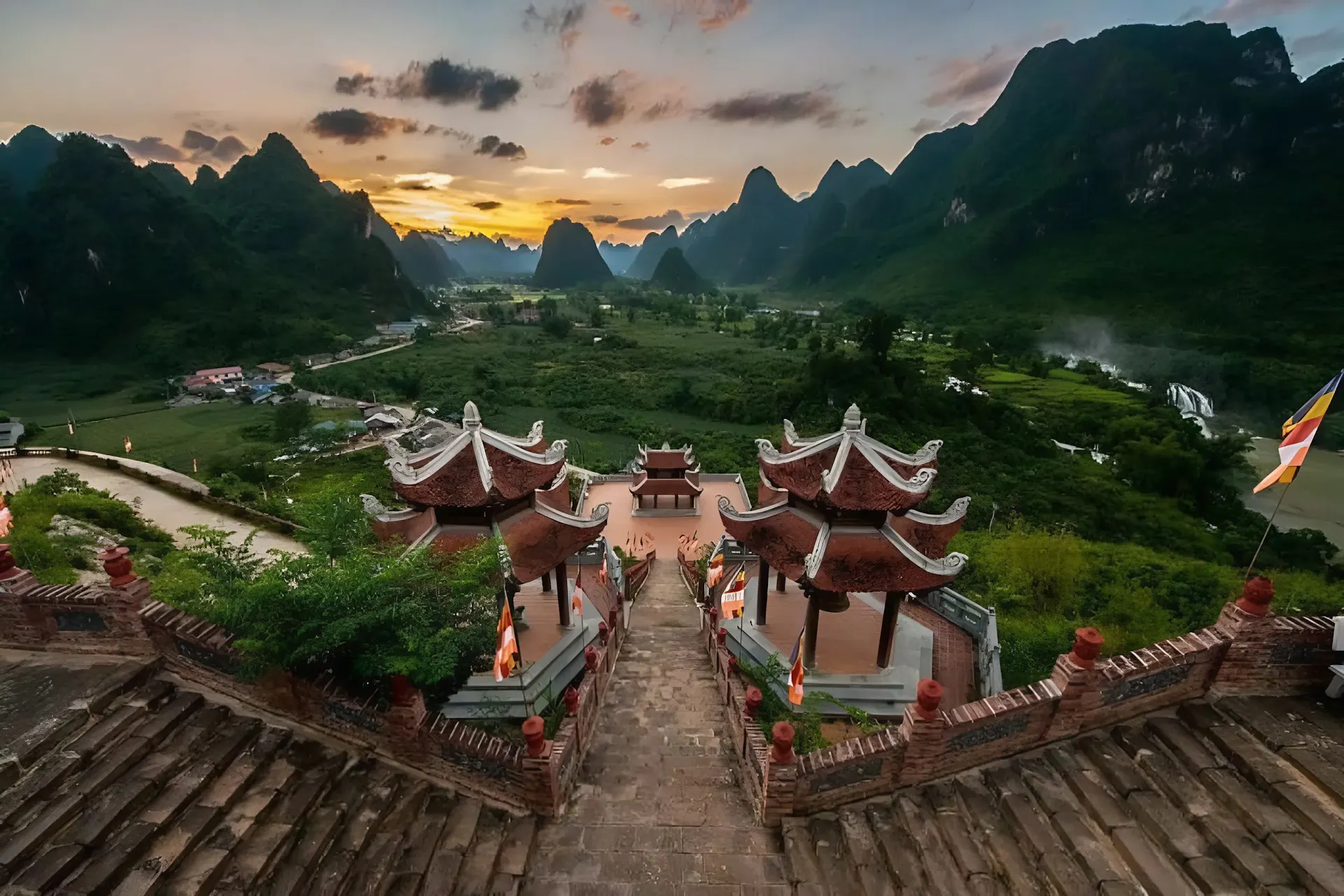
Cao Bang Travel Guide
Cao Bang is a breathtaking province in Northern Vietnam, known for its dramatic limestone mountains, rich ethnic culture, and the spectacular Ban Gioc Waterfall—one of the most beautiful waterfalls in Asia. Located near the Chinese border, Cao Bang offers pristine nature, caves, rivers, and historical sites such as Pac Bo. Visitors can explore remote villages, enjoy scenic landscapes, and experience authentic local life. With its untouched beauty and cultural depth, Cao Bang is perfect for nature and adventure travelers.
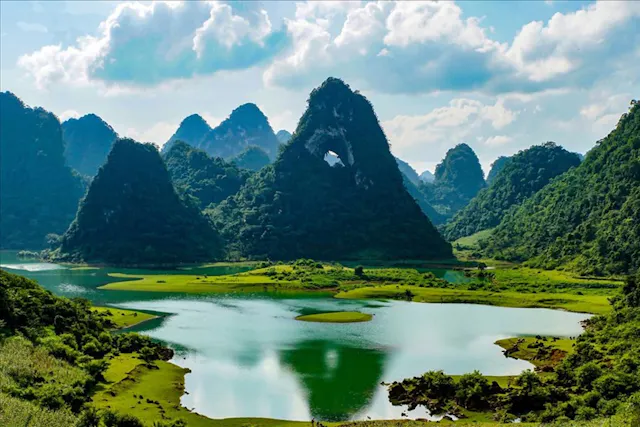
About Cao Bang
Cao Bang is a mountainous province in Northeastern Vietnam, known for dramatic limestone mountains, waterfalls, rivers, caves, forests, and rich ethnic cultures. Located near the Chinese border, the province offers some of Northern Vietnam's most spectacular natural scenery while remaining less visited than destinations such as Hanoi, Sapa, and Ha Giang.
Cao Bang is particularly famous for Ban Gioc Waterfall, one of Vietnam's most impressive waterfalls, as well as the UNESCO-recognized Non Nuoc Cao Bang Geopark. The combination of karst landscapes, traditional villages, historical sites, and outdoor adventures makes Cao Bang an excellent destination for travelers seeking a quieter and more immersive experience in Northern Vietnam.
What Is Cao Bang Known For?
Cao Bang is best known for its mountains, waterfalls, caves, rivers, and ethnic minority communities.
The province is characterized by dramatic limestone formations, deep valleys, forested hills, and clear rivers. Its remote location has helped preserve many traditional communities and landscapes.
For travelers, Cao Bang offers a combination of nature, culture, history, and adventure.
Ban Gioc Waterfall
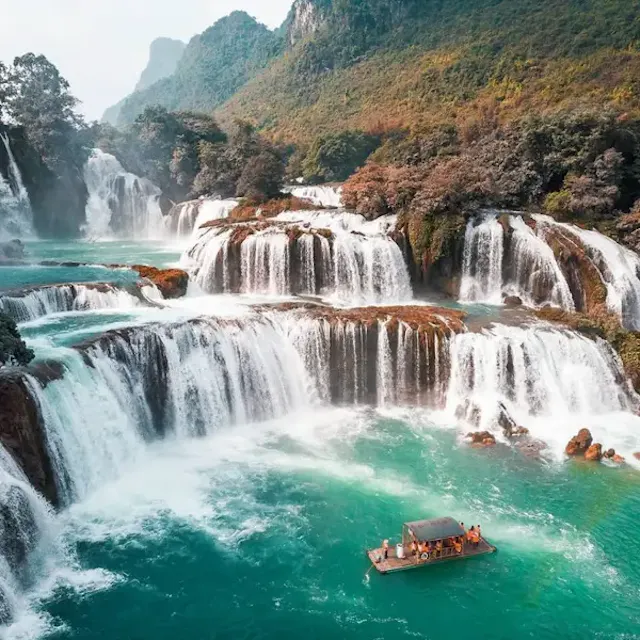
Ban Gioc Waterfall is Cao Bang's most famous attraction.
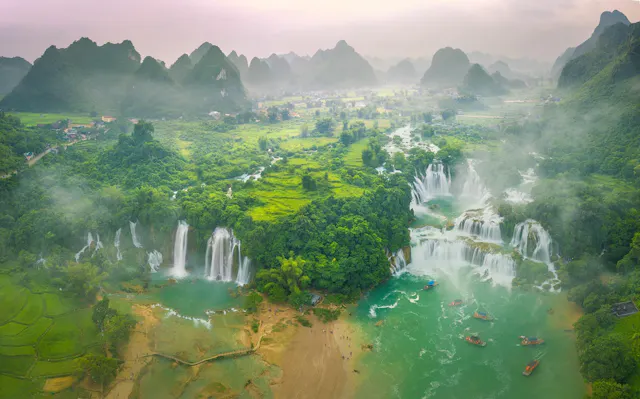
Located near the Chinese border, the waterfall spreads across a series of limestone terraces where water cascades into the Quay Son River.
The surrounding landscape of green mountains, rice fields, and clear water makes Ban Gioc one of the most photogenic places in Northern Vietnam.
Visitors can admire the waterfall from viewpoints or take a local bamboo raft for a closer perspective when conditions allow.
Non Nuoc Cao Bang Geopark
The Non Nuoc Cao Bang Geopark covers a large area of the province and is recognized by UNESCO for its geological and cultural significance.
The geopark contains limestone mountains, caves, valleys, rivers, lakes, and other geological formations shaped over millions of years.
Traveling through the geopark provides an opportunity to see how geology has influenced the landscape and the way local communities live.
Nguom Ngao Cave
Nguom Ngao Cave is one of Cao Bang's most impressive natural attractions.
The cave contains extensive limestone formations, stalactites, and stalagmites created over thousands of years.
Walking through the cave provides a cooler alternative to outdoor sightseeing and reveals another aspect of the province's karst landscape.
Its proximity to Ban Gioc Waterfall makes it easy to combine the two attractions on the same trip.
Mountain Landscapes
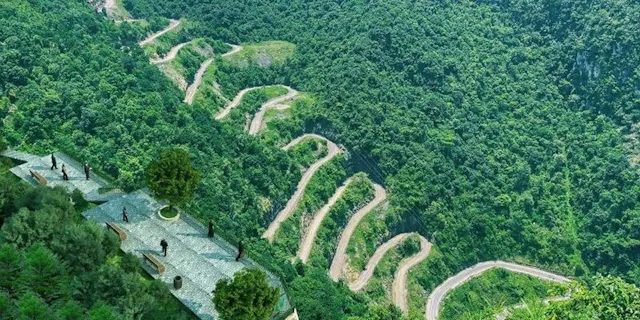
Cao Bang's scenery is characterized by winding mountain roads, deep valleys, limestone peaks, forests, and agricultural fields.
Road trips are one of the best ways to explore the province because many scenic areas are spread across rural districts.
Motorbike journeys and private-car trips allow travelers to stop at viewpoints, villages, rivers, and roadside farms along the way.
Ethnic Minority Culture
Cao Bang is home to several ethnic communities, including the Tay, Nung, Dao, and Hmong.
Traditional stilt houses, clothing, handicrafts, music, festivals, and agricultural practices remain an important part of local culture.
Visitors can experience this heritage by visiting rural villages, local markets, and community-based tourism destinations.
Homestays can provide a more personal way to learn about local traditions and everyday life.
Pac Bo Historical Site
Cao Bang also has an important place in Vietnam's modern history.
The Pac Bo Historical Site is associated with Ho Chi Minh and Vietnam's revolutionary movement. The area includes caves, streams, and historical locations surrounded by mountains and forests.
Visiting Pac Bo provides an opportunity to combine natural scenery with an understanding of an important period in Vietnamese history.
Local Food
Cao Bang has a distinctive northern mountain cuisine based on locally available ingredients.
Travelers can discover dishes featuring sticky rice, pork, chicken, freshwater fish, bamboo shoots, herbs, and other agricultural products.
Local markets are particularly interesting for visitors who want to experience regional ingredients and traditional foods.
Best Time to Visit Cao Bang
Cao Bang can be visited throughout the year, but the best time depends on the experience you want.
September to November is often an attractive period for mountain scenery, with comfortable temperatures and seasonal landscapes. Around the rice harvest, valleys and fields can take on golden colors.
Spring can also be pleasant, with fresh vegetation and blooming flowers. Summer is warmer and wetter, but rainfall can make waterfalls especially powerful.
How to Get to Cao Bang
Cao Bang is primarily reached by road from Hanoi and other Northern Vietnamese destinations.
Buses, private cars, and motorbikes are common transportation options. The journey takes several hours, and travelers should allow extra time because mountain roads can be winding.
A multi-day itinerary is recommended if you want to visit Ban Gioc Waterfall, Nguom Ngao Cave, Pac Bo, and other remote attractions.
Why Visit Cao Bang?
Cao Bang is an ideal destination for travelers seeking mountain scenery, waterfalls, caves, ethnic cultures, and outdoor adventure.
Ban Gioc Waterfall provides the province's most iconic landscape, while Non Nuoc Cao Bang Geopark reveals the geological diversity of the region. Nguom Ngao Cave, Pac Bo, traditional villages, and winding mountain roads add cultural and historical depth to the journey.
For travelers willing to venture farther from Hanoi, Cao Bang offers an unforgettable experience of Northern Vietnam—where dramatic limestone mountains, powerful waterfalls, peaceful valleys, and traditional communities come together to create one of the country's most rewarding off-the-beaten-path destinations.
Cao Bang in Frames – Waterfalls, Caves & Untouched Mountain Landscapes
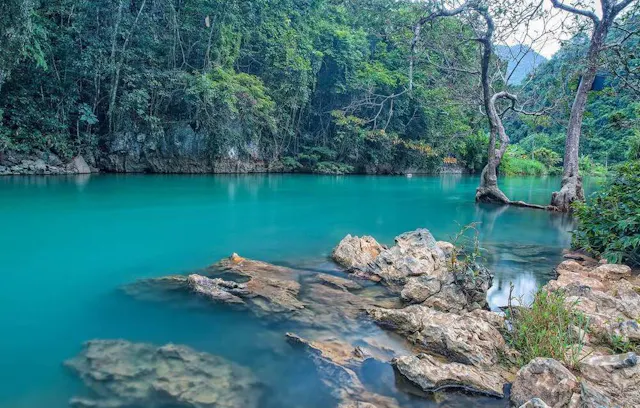
Discover the natural wonder and raw beauty of Cao Bang through a curated collection of images featuring Ban Gioc Waterfall, Nguom Ngao Cave, peaceful rivers, and dramatic limestone mountains. From lush green valleys and ethnic villages to hidden geological formations, the gallery captures the untouched charm, cultural richness, and breathtaking scenery of one of Vietnam’s most spectacular northern provinces.
Top Attractions in Cao Bang
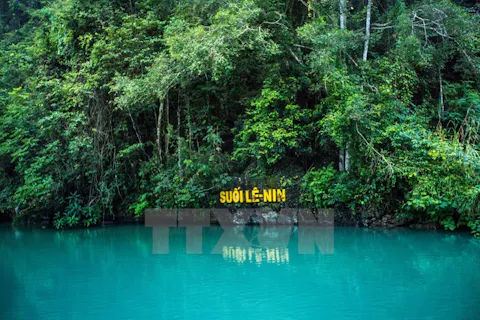
Discover the top attractions in Cao Bang, a spectacular destination in northern Vietnam known for towering limestone mountains, waterfalls, rivers, caves, and traditional ethnic villages. Explore iconic sites such as Ban Gioc Waterfall, Nguom Ngao Cave, Phat Tich Truc Lam Ban Gioc Pagoda, and the scenic landscapes of Trung Khanh. From waterfall adventures and cave exploration to mountain roads and cultural experiences, Cao Bang offers an unforgettable journey through some of Vietnam's most dramatic northern landscapes.
Related Cao Bang Travel Articles
Explore more travel stories and practical guides about Cao Bang, one of northern Vietnam's most scenic and culturally rich destinations. Discover articles covering spectacular waterfalls, limestone mountains, caves, historic sites, ethnic communities, local cuisine, and unforgettable outdoor experiences. Whether you're planning a road trip through Cao Bang, searching for the best places to visit, or looking for authentic experiences beyond the main tourist attractions, our Cao Bang travel articles provide useful inspiration and practical information for planning your journey.

Best Places to Visit in Cao Bang↗
Cao Bang is one of Vietnam's most spectacular northern provinces, famous for dramatic limestone mountains, cascading waterfalls, peaceful rivers, and rich ethnic minority culture. Home to the magnificent Ban Gioc Waterfall, the historic Pac Bo area, and breathtaking caves, Cao Bang offers unforgettable experiences for nature lovers and adventure seekers alike. This guide highlights the best places to visit in Cao Bang, helping you discover its natural wonders, cultural landmarks, and hidden gems for an unforgettable journey.

Best Things to Do in Cao Bang↗
Cao Bang offers some of Vietnam's most rewarding outdoor adventures and cultural experiences. From cruising beneath the majestic Ban Gioc Waterfall and exploring vast limestone caves to trekking through mountain landscapes and visiting ethnic minority villages, the province is filled with unforgettable activities. Whether you're seeking nature, history, photography, or authentic local culture, this guide highlights the best things to do in Cao Bang and helps you make the most of your journey through northern Vietnam's stunning frontier region.
Cao Bang Food Guide↗
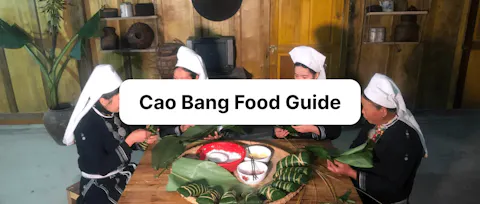
Cao Bang's cuisine reflects the rich traditions of Vietnam's northern mountains, where fresh local ingredients and ethnic culinary heritage create unforgettable flavors. From savory smoked pork and handmade rice cakes to flavorful noodle dishes and seasonal forest specialties, every meal tells a story of the region's culture and landscape. This Cao Bang Food Guide introduces the province's must-try dishes, local delicacies, traditional markets, and authentic dining experiences that every food lover should explore while visiting northern Vietnam.

Best Time to Visit Cao Bang↗
Cao Bang is a year-round destination, but each season offers a unique experience. Autumn brings cool temperatures, golden rice fields, and spectacular scenery around Ban Gioc Waterfall, while spring showcases blooming flowers and pleasant hiking weather. The rainy season transforms waterfalls into powerful natural wonders, and winter offers crisp mountain landscapes. This guide explains Cao Bang's climate throughout the year and helps you choose the best season for sightseeing, photography, trekking, and discovering northern Vietnam's breathtaking beauty.
How To Get There Cao Bang
Bus and coach
Bus and sleeper coach services are the most common way to reach Cao Bang, especially from Hanoi.
Daily routes operate between Hanoi and Cao Bang City, with both standard and limousine options available.
Typical travel times:
- 6–8 hours from Hanoi
- 5–6 hours from Ha Giang
- 7–8 hours from Lang Son
This is the most affordable and widely used option for travelers.
Train
Cao Bang does not have a railway station.
The nearest train access is in Hanoi. From there, travelers must continue by bus, limousine, or private car to reach Cao Bang.
This option is suitable for those combining rail travel with overland exploration of Northern Vietnam.
Driving
Driving is one of the best ways to experience Cao Bang due to its scenic mountain roads and peaceful countryside landscapes.
Travelers can use private cars or motorbikes via national highways connecting Hanoi and Northeast Vietnam.
Estimated travel times:
- 6–8 hours from Hanoi
- 5–6 hours from Ha Giang
- 7–8 hours from Lang Son
Driving allows flexible stops at viewpoints, rivers, and ethnic villages along the way.
Flying
Cao Bang does not have its own airport.
The nearest major airport is:
Noi Bai International Airport (HAN) – Hanoi, located about 280–300 km away
From Hanoi, travelers continue by:
- Limousine bus
- Coach
- Private car
Total travel time from Hanoi is usually 6–8 hours by road after arrival at the airport.
Frequently Asked Questions About Cao Bang
Where is Cao Bang located?
Cao Bang is located in Northeast Vietnam, bordering China. It is a mountainous province known for its dramatic landscapes, waterfalls, caves, and rich ethnic culture.
What is Cao Bang famous for?
Cao Bang is most famous for Ban Gioc Waterfall, Nguom Ngao Cave, Pac Bo Historical Site, and its stunning limestone mountains and rivers.
What is the best time to visit Cao Bang?
The best time to visit Cao Bang is from September to November and March to May when the weather is cool, dry, and ideal for sightseeing and outdoor activities.
How can I travel to Cao Bang from Hanoi?
Travelers can reach Cao Bang from Hanoi by bus, limousine coach, or private car. The journey usually takes around 6–8 hours via scenic mountain roads.
How many days should I spend in Cao Bang?
A 2–4 day trip is ideal to explore Cao Bang’s main attractions, including Ban Gioc Waterfall, caves, lakes, and ethnic villages. Longer stays are recommended for deeper exploration of remote areas.
Advertising box
Nearby Destinations to Explore from Cao Bang
Discover the stunning landscapes and rich cultural heritage surrounding Cao Bang, one of Northern Vietnam’s most spectacular mountain provinces. Journey to the dramatic peaks and ethnic villages of Lang Son, explore the tea hills and historical landmarks of Thai Nguyen, visit the vibrant capital of Hanoi, or venture west toward the breathtaking mountain scenery of Bac Kan and Ba Be National Park. From majestic waterfalls and limestone valleys to traditional markets, ancient temples, and authentic ethnic cuisine, these nearby destinations offer unforgettable experiences that perfectly complement your Cao Bang travel itinerary.
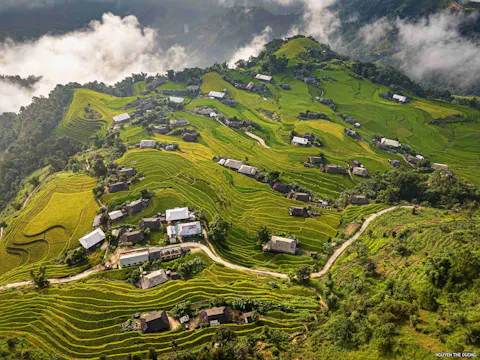
Tuyen Quang Travel Guide
Tuyen Quang is a peaceful destination in Northern Vietnam, offering a blend of breathtaking mountain landscapes, rich cultural heritage, and historical significance. Known for Na Hang Lake, pristine forests, waterfalls, and diverse ethnic communities, the province is perfect for travelers seeking nature and authentic experiences. Visitors can explore scenic valleys, traditional villages, and historical landmarks while enjoying the region’s peaceful atmosphere. With its untouched beauty and cultural diversity, Tuyen Quang is an ideal destination for discovering the hidden charm of Northern Vietnam.
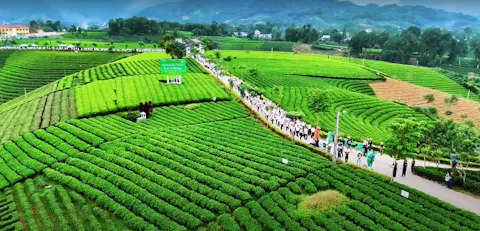
Thai Nguyen Travel Guide
Thai Nguyen is a beautiful province in Northern Vietnam, famous for its vast green tea hills, ethnic diversity, and peaceful natural landscapes. Located near Hanoi, it is home to famous tea regions like Tan Cuong and scenic attractions such as Nui Coc Lake. Visitors can explore local villages, experience traditional tea culture, and enjoy relaxing countryside views. With its fresh air and authentic cultural experiences, Thai Nguyen is an ideal destination for travelers seeking nature, relaxation, and Vietnamese tea heritage.

Lang Son Travel Guide
Lang Son is a captivating mountain province in Northern Vietnam, located near the Chinese border and known for its dramatic limestone landscapes, caves, and rich cultural heritage. The region features famous attractions such as Mau Son Mountain, Tam Thanh Cave, and bustling border markets. Visitors can explore stunning natural scenery, discover historical sites, and experience the unique lifestyle of local ethnic communities. With its blend of nature, culture, and trade history, Lang Son offers an authentic Northern Vietnam travel experience.

Bac Ninh Travel Guide
Bac Ninh is a culturally rich province in Northern Vietnam, widely known as the birthplace of Quan Ho folk singing, recognized by UNESCO as an intangible cultural heritage. Located near Hanoi, Bac Ninh is home to ancient pagodas, historical temples, and traditional villages that reflect the deep roots of Vietnamese culture. Visitors can explore spiritual sites like But Thap Pagoda and Do Temple while experiencing vibrant folk performances. With its heritage and traditions, Bac Ninh offers a unique cultural journey close to the capital.
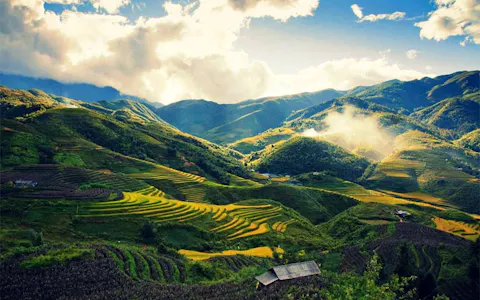
Lao Cai Travel Guide
Lao Cai is one of Northern Vietnam’s most iconic mountain destinations, famous for the charming town of Sapa, majestic Fansipan Peak, and breathtaking terraced rice fields. Located near the border with China, the province offers stunning natural landscapes, cool mountain weather, and rich cultural experiences with diverse ethnic communities. Visitors can explore villages, trek through valleys, discover local traditions, and enjoy spectacular scenery. With its unique combination of nature, adventure, and culture, Lao Cai is a must-visit destination in Vietnam.