
Cao Bang Food Guide
Cao Bang's cuisine reflects the rich traditions of Vietnam's northern mountains, where fresh local ingredients and ethnic culinary heritage create unforgettable flavors. From savory smoked pork and handmade rice cakes to flavorful noodle dishes and seasonal forest specialties, every meal tells a story of the region's culture and landscape. This Cao Bang Food Guide introduces the province's must-try dishes, local delicacies, traditional markets, and authentic dining experiences that every food lover should explore while visiting northern Vietnam.
On this page
To step into the morning markets of this northeastern frontier is to be immediately enveloped by the rustic, wood-smoke-infused aromas drifting through the crisp, high-altitude mountain air. The culinary landscape here is distinct, forged by isolation and an intimate connection to the rugged earth. For the discerning traveler and culinary anthropologist, a comprehensive Cao Bang food guide reveals that this regional gastronomy is not merely an extension or a derivation of standard Northern Vietnamese cooking. Instead, it operates as a completely independent culinary ecosystem, meticulously shaped by the region’s challenging limestone terrain, deep-rooted indigenous foraging traditions, and the profoundly rich cultural heritage of the Tay, Nung, and Hmong ethnic communities. When seeking out exactly what to eat in Cao Bang, one discovers a fascinating tapestry of flavors where native botanicals, ancient preservation techniques, and pristine agricultural practices converge. From the aggressive, savory smoke of whole roasted meats scented with wild leaves to the delicate, complex assembly of unique highland noodle specialties, every dish serves as a consumable artifact of borderland history. This masterclass in traditional northern Vietnamese mountain food will guide you through the province's most revered delicacies, proving that the true soul of this majestic karst frontier is best understood not just by observing its landscapes, but by actively tasting the profound resilience of its people.
The Iconic Noodles of the Highlands
Pho Chua: The Cold and Tangy Masterpiece
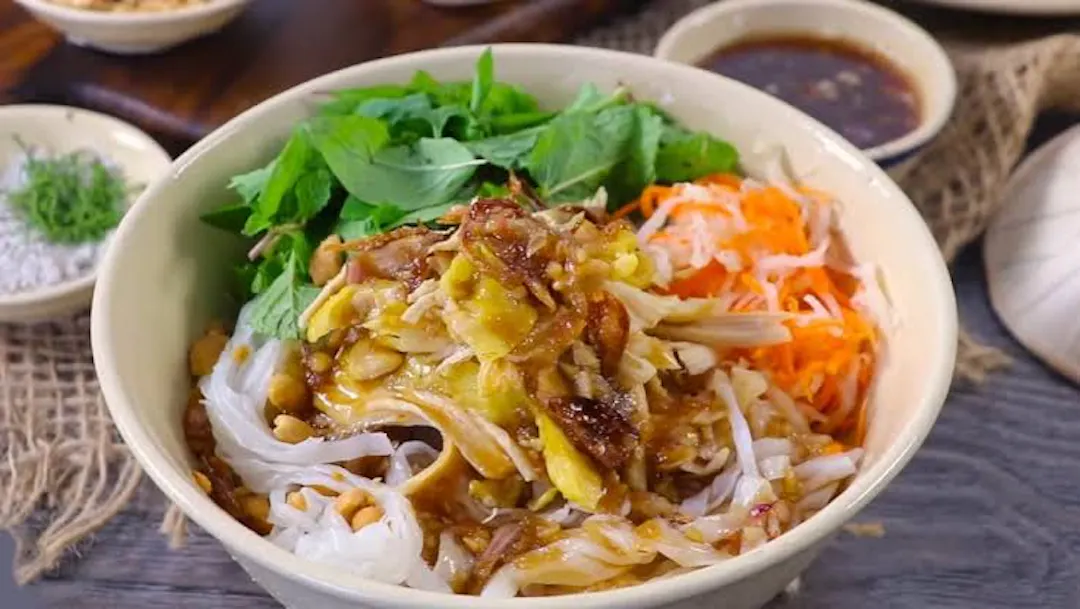
When evaluating Cao Bang culinary specialties, the undisputed centerpiece of the provincial palate is Phở chua, a brilliant, cold and tangy masterpiece that heavily subverts expectations of what a Vietnamese noodle dish can be. Far removed from the steaming, broth-heavy bowls of the southern lowlands, this complex creation relies on a meticulously calibrated, room-temperature sauce that coats rather than submerges the noodles. The true expertise required to construct a flawless bowl lies in the delicate balancing of its defining element: a thick, viscous sauce achieved through the slow fermentation of local vinegar, heavily punctuated with garlic, rendered duck fat, and regional spices.
This intensely tangy reduction is vigorously tossed with the fresh, pliant rice noodles. The textural stratification of the dish is an exercise in culinary genius. The vendor layers the dressed noodles with a chaotic, deeply satisfying combination of crushed, freshly roasted peanuts, thick, savory shreds of roast duck meat, and the vital inclusion of finely julienned, deep-fried sweet potato strips. These brittle potato threads provide a resounding, shatteringly crisp contrast to the soft, yielding chew of the noodles and the rich, fatty density of the duck. The final garnishes of fresh highland herbs and pickled cucumbers introduce a sharp, botanical brightness that actively prevents the heavy proteins from overpowering the palate, resulting in a dish that is aggressively flavorful yet astonishingly refreshing.
Cao Bang’s Unique Rice Noodle Variations
Beyond the famous sour iteration, the broader highland noodle traditions demonstrate an impressive command over rice-based carbohydrates. The geographical isolation of the province historically required complete self-sufficiency, leading to highly localized production methods that distinctively alter the physical properties of the noodles. The local artisans utilize pure, mineral-rich water drawn directly from the subterranean karst aquifers, combined with indigenous strains of high-altitude rice.
This specific agricultural foundation, coupled with traditional, slow-grinding stone techniques, yields rice noodles that possess exceptional chewiness and remarkable structural integrity. These robust strands are engineered to withstand rigorous tossing in thick sauces or extended simmering in rich bone broths without disintegrating into an unappealing, starchy paste. When exploring an authentic Cao Bang dishes itinerary, the discerning diner will notice that these localized noodles carry a subtle, earthy sweetness that heavily commercialized, factory-extruded alternatives simply cannot replicate, serving as a testament to the enduring value of regional, craft-based food production.
Smoke, Spice, and Roasted Delicacies
Vit Quay Mac Mat: The Art of Leaf-Stuffed Roasted Duck
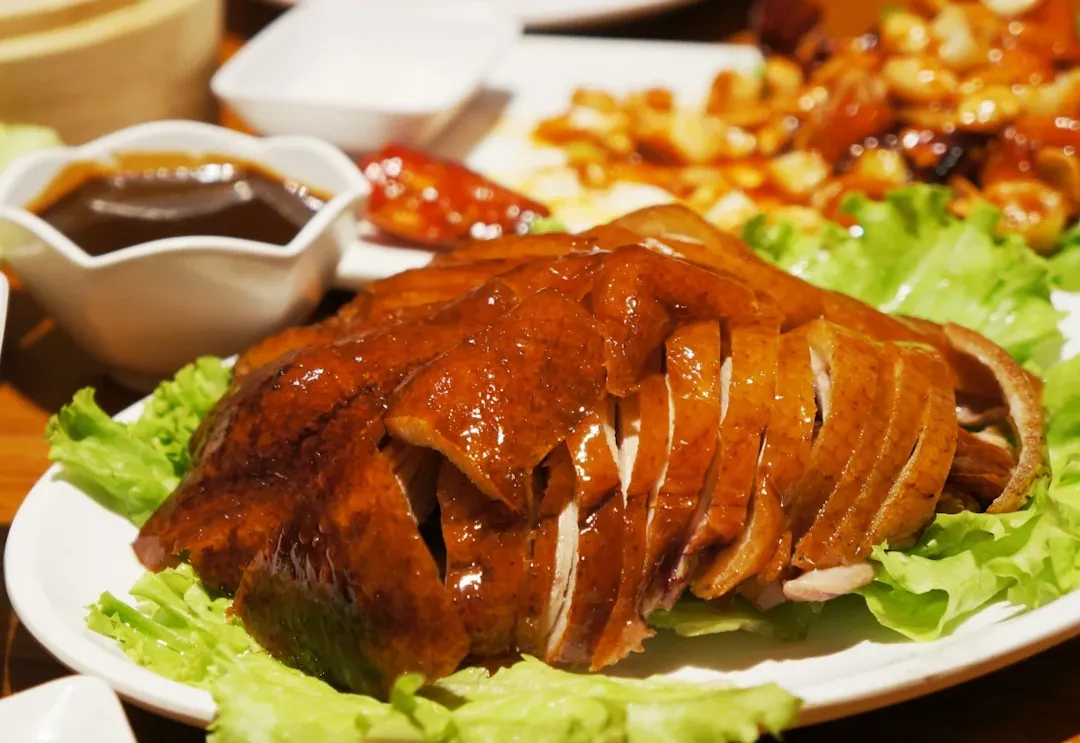
The olfactory profile of the provincial capital is heavily defined by the pervasive, intoxicating aroma of Vịt quay mác mật, an artisanal preparation that represents the absolute pinnacle of highland barbecue culture. The process begins with the careful selection of free-range mountain ducks, prized for their lean, highly muscular composition resulting from active foraging across the rocky terrain. The culinary defining characteristic, however, is the aggressive utilization of native mác mật (clausena indica) leaves and their accompanying dried seeds.
These indigenous botanicals, possessing a deeply complex, resinous flavor profile that bridges the gap between sweet citrus and sharp, peppery pine, are finely minced with local garlic and wild honey before being heavily stuffed into the cavity of the bird. The duck is then meticulously sewn shut and roasted whole over glowing, hardwood charcoal embers. This slow, punishing thermal application renders the subcutaneous fat completely, resulting in a lacquered, shatteringly crisp skin that protects the remarkably juicy meat within. As the duck roasts, the volatile essential oils from the enclosed leaves permeate every fiber of the protein, delivering an intense, unmistakably regional flavor that profoundly anchors this dish to the northern limestone forests.
Khao Nom and Local Savory Snacks
For those navigating the winding, treacherous mountain passes, sustenance is frequently found in the form of rustic, deeply savory street-side delicacies that rely entirely on the ancient traditions of hearth cooking. The local food culture places a heavy emphasis on portable, calorie-dense snacks designed to fuel agricultural laborers and intrepid travelers alike. Among these, variations of deep-fried rice flour dough, often heavily studded with local pork and wood ear mushrooms, serve as vital energy sources. The communal nature of mountain villages means that these snacks are frequently prepared over open wood fires in the early dawn, imparting a distinct, lingering smokiness to the exterior crust. Engaging with these humble, high-energy offerings provides an intimate, unvarnished look at the pragmatic reality of surviving and thriving within a historically challenging, high-altitude environment.
Forest Harvests and Harvest Traditions
Xoi Tram: The Rich Black Canarium Sticky Rice
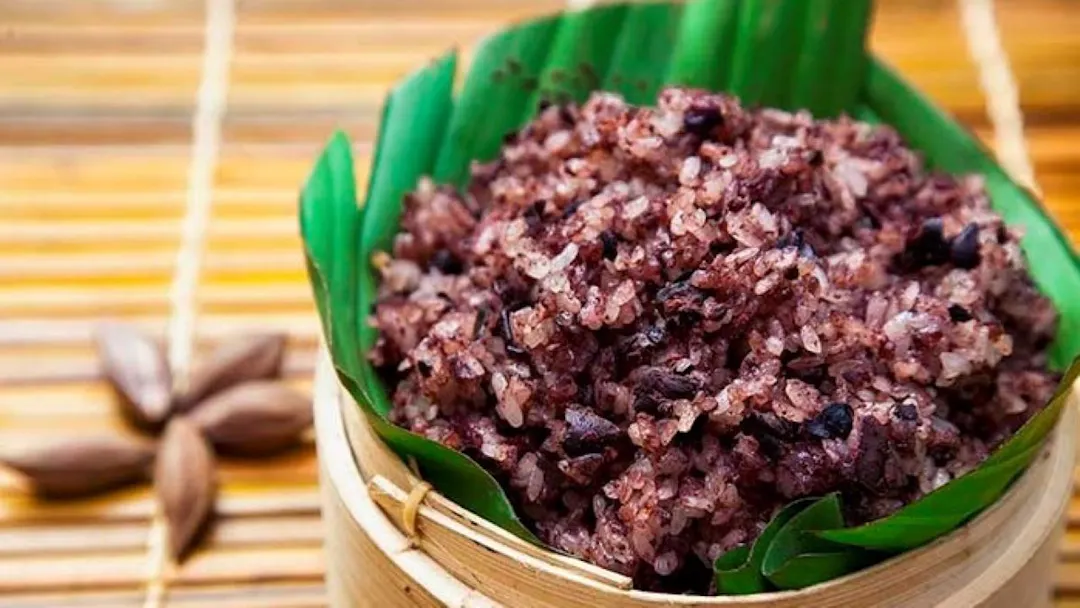
As the harsh summer gives way to the cooler autumn months, the indigenous foraging traditions of the province take center stage, most notably through the seasonal creation of Xôi trám (black canarium sticky rice). This deeply comforting dish relies on the meticulous harvesting of wild, dark purple canarium fruits, which grow abundantly in the dense canopy of the local broadleaf forests.
The preparation is a labor-intensive demonstration of native botanical knowledge. The fruits must be carefully blanched at precise temperatures to soften their tough exterior without destroying their delicate, fatty interior pulp. Once softened, the rich, incredibly buttery flesh is separated from the seed and vigorously kneaded into steaming, high-quality glutinous rice. The result is a visually striking, deep violet-hued grain that possesses an earthy, highly complex flavor profile completely unique to the northern limestone forests. The high lipid content of the wild fruit imparts a luxurious, fatty mouthfeel to the rice, creating a substantial, deeply satisfying dish that is frequently consumed alongside heavily salted, roasted pork or simple sesame salt, illustrating a flawless harmony between foraged forest ingredients and cultivated valley grains.
Indigenous Foraging and Mountain Herbs
The mastery of the local environment extends far beyond a single fruit. The culinary identity of this province is inextricably linked to an unbroken, generational tradition of sustainable, farm-to-table highland eating. Local cooks, particularly within the Tay and Nung communities, operate as expert botanists, utilizing a vast, seasonal rotating cast of wild mountain herbs, bitter bamboo shoots, and fiercely resilient river fish. These foraged ingredients are not treated as mere garnishes; they form the absolute structural backbone of the daily diet. Bitter greens harvested from the moist, shadowed crevices of the karst formations are frequently simmered in clear, restorative broths to balance the heavy, roasted meats, while wild ferns are aggressively stir-fried with heavy garlic. This profound, localized reliance on the immediate ecosystem ensures that the gastronomy remains intimately tied to the shifting seasons, offering the visiting food enthusiast a dynamic, constantly evolving menu that physically cannot be replicated outside of this specific, rugged topography.
Sweet Treats and Cultural Confectionery
Trung Khanh Chestnuts: The Pride of the Border
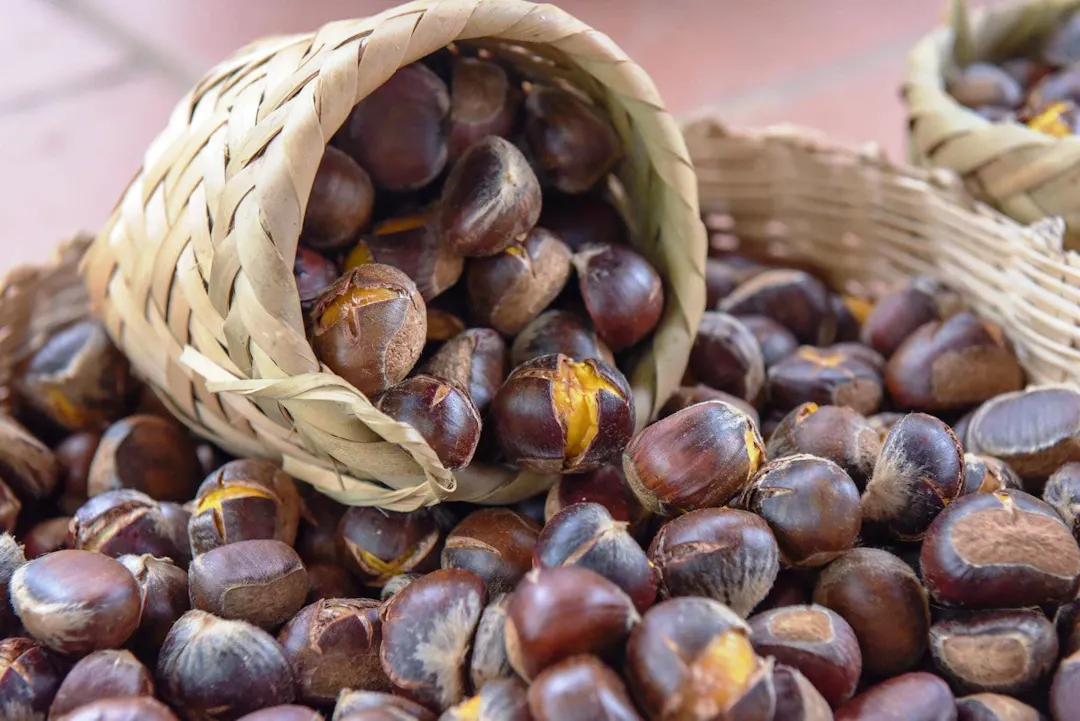
When undertaking a comprehensive Cao Bang food tour, traversing to the remote, northeastern district of Trùng Khánh is an absolute necessity to experience the region's most celebrated agricultural export: Hạt dẻ Trùng Khánh. These renowned chestnuts are the undisputed pride of the borderlands, fiercely protected and highly sought after throughout the entire nation.
The specific geological composition of the district—characterized by highly mineralized soil and a distinct microclimate featuring dramatic diurnal temperature shifts—produces a nut that is geographically unique. Compared to standard commercial varieties, these chestnuts are significantly larger, possessing a remarkably rich, concentrated sweetness and an exceptionally creamy, almost buttery texture. During the peak autumn harvest, the streets are filled with the intoxicating, toasty aroma of vendors roasting the thick-shelled nuts in massive cast-iron woks filled with coarse river sand, a traditional technique that ensures perfectly even heat distribution. Consuming these freshly roasted, piping hot chestnuts while standing in the brisk mountain air is a defining sensory experience of the northern frontier.
Banh Khao and Traditional Confectionery
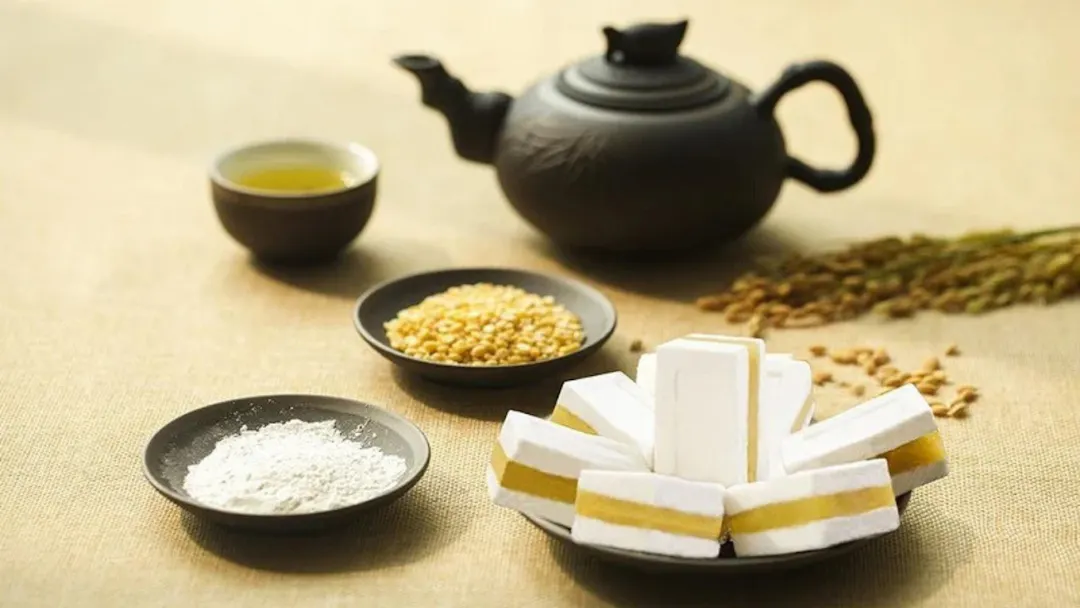
The sweet spectrum of the province's culinary repertoire is further anchored by Bánh khảo, a traditional, densely packed confectionery that holds immense cultural significance during lunar festivities and communal family gatherings. The creation of these intricate cakes is a highly respected, generational craft. Artisans utilize finely milled, heavily roasted glutinous rice flour, which is meticulously bound together with a dense, sticky syrup. The interior conceals a rich, highly textured filling composed of crushed, locally grown peanuts, toasted sesame seeds, and crystallized sugar. The mixture is forcefully compacted into ornate wooden molds, producing a firm, highly shelf-stable block that slowly yields to a sandy, melting texture upon consumption. These complex, labor-intensive cakes are frequently offered at ancestral altars, symbolizing longevity and agricultural prosperity, and serving as a poignant, edible reminder of the deep, enduring cultural heritage of the highland communities.
Practical Dining Logistics for Travelers
Navigating Local Markets and Eateries
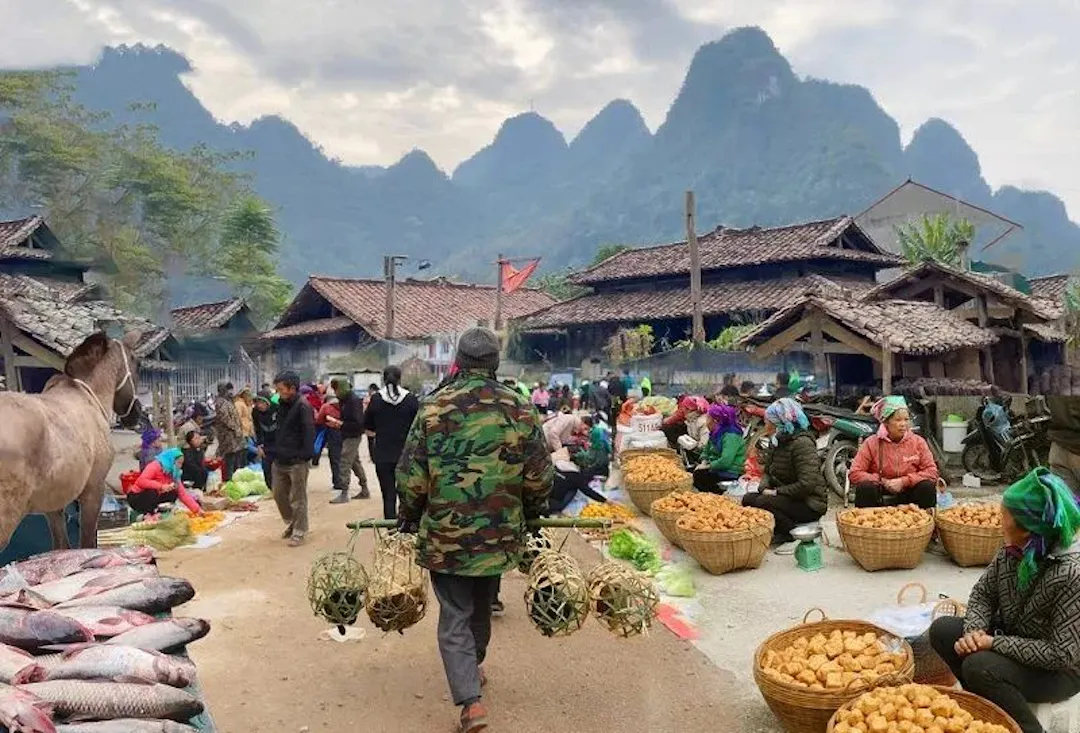
For the dedicated culinary traveler seeking to genuinely engage with these provincial specialties, mastering the logistics of local dining is paramount. To find the most authoritative iterations of these dishes, one must aggressively bypass the sanitized, tourist-focused restaurants and plunge directly into the chaotic, vibrant energy of the morning municipal markets. Arriving shortly after dawn ensures access to the freshest cuts of roasted duck and the most vibrant, newly harvested mountain herbs. When engaging with local vendors, demonstrating basic market etiquette is crucial for establishing deep trustworthiness; a polite demeanor, a willingness to utilize basic Vietnamese phrases, and a clear respect for their rapid, demanding workflow will frequently result in heavier portions and enthusiastic, localized recommendations. Understanding the highly seasonal nature of the menu is also critical; while roasted meats are a permanent fixture, the availability of specific foraged herbs, sticky rice variations, and the famed chestnuts is strictly dictated by the agrarian calendar, requiring the traveler to remain flexible and open to the immediate, ephemeral bounty of the mountains.
Ultimately, committing to a deep exploration of this formidable province’s food culture offers a profoundly intimate, sensory window into the resilient, ancient soul of the northern frontier. This comprehensive Cao Bang food guide demonstrates that the local gastronomy is a brilliant, ongoing dialogue between human ingenuity and a remarkably challenging, isolated environment. By understanding the historical context and agricultural rigor behind each specialty, you elevate your journey from a simple tasting tour into a rigorous, highly rewarding ethnographic expedition. As you prepare to chart your course through the towering karst valleys and bustling border markets, a critical culinary decision awaits. Which brilliant, regional creation—the complex, fiercely tangy stratification of Phở Chua or the intoxicating, wood-smoke and botanical aroma of Mác Mật roasted duck—are you most eager to passionately seek out and taste first?
Read more: Cao Bang Travel Guide

By Roy Trinh
Editor
Roy Trinh is a travel writer and destination expert at Go Visit Vietnam, dedicated to helping travelers discover the beauty, culture, and diversity of Vietnam. Through well-researched travel guides, practical itineraries, local insights, and authentic recommendations, Roy shares valuable information to inspire memorable journeys across the country. From vibrant cities and breathtaking landscapes to regional cuisine and cultural heritage, every guide is created to help visitors experience Vietnam with confidence and curiosity.
Frequently Asked Questions About Cao Bang Cuisine
What food is Cao Bang famous for?
Cao Bang is best known for specialties such as Phở Chua (Sour Pho), Bánh Cuốn Cao Bằng, Smoked Pork (Thịt Lợn Gác Bếp), Roasted Duck with Mac Mat Leaves, and a variety of dishes prepared with fresh mountain herbs and seasonal ingredients.
What is Phở Chua?
Phở Chua is one of Cao Bang's signature dishes. Unlike traditional Pho, it is served without hot broth and combines rice noodles with roasted duck or pork, peanuts, herbs, sweet-and-sour sauce, and crispy fried shallots.
Where can I find authentic local food in Cao Bang?
The best places to enjoy authentic cuisine are local markets, family-run restaurants, and small eateries in Cao Bang City and nearby towns. These establishments often prepare recipes that have been passed down through generations.
Is Cao Bang cuisine spicy?
Generally, no. Cao Bang dishes emphasize natural flavors, fresh herbs, aromatic spices, and balanced seasoning rather than intense heat. Fresh chili is usually served separately for those who prefer extra spice.
What should food lovers not miss in Cao Bang?
Besides tasting local specialties, visitors should explore traditional markets, sample seasonal mountain produce, try ethnic minority dishes, and enjoy regional ingredients such as Mac Mat leaves, smoked meats, and handmade rice-based delicacies for a complete culinary experience.
Advertising box