
Bun Dau Mam Tom Recipe: How to Make Vietnamese Tofu & Noodles
Learn how to make Bun Dau Mam Tom, one of Vietnam’s most distinctive street food dishes. This traditional northern Vietnamese platter combines crispy fried tofu, soft rice vermicelli, sliced pork, fresh herbs, cucumber, and pungent fermented shrimp paste sauce. This easy-to-follow recipe explains the essential ingredients, how to fry tofu until golden and crisp, prepare the flavorful dipping sauce, assemble the platter, and avoid common mistakes. Discover the bold flavors and traditional eating style behind this iconic Vietnamese street food favorite.
On this page
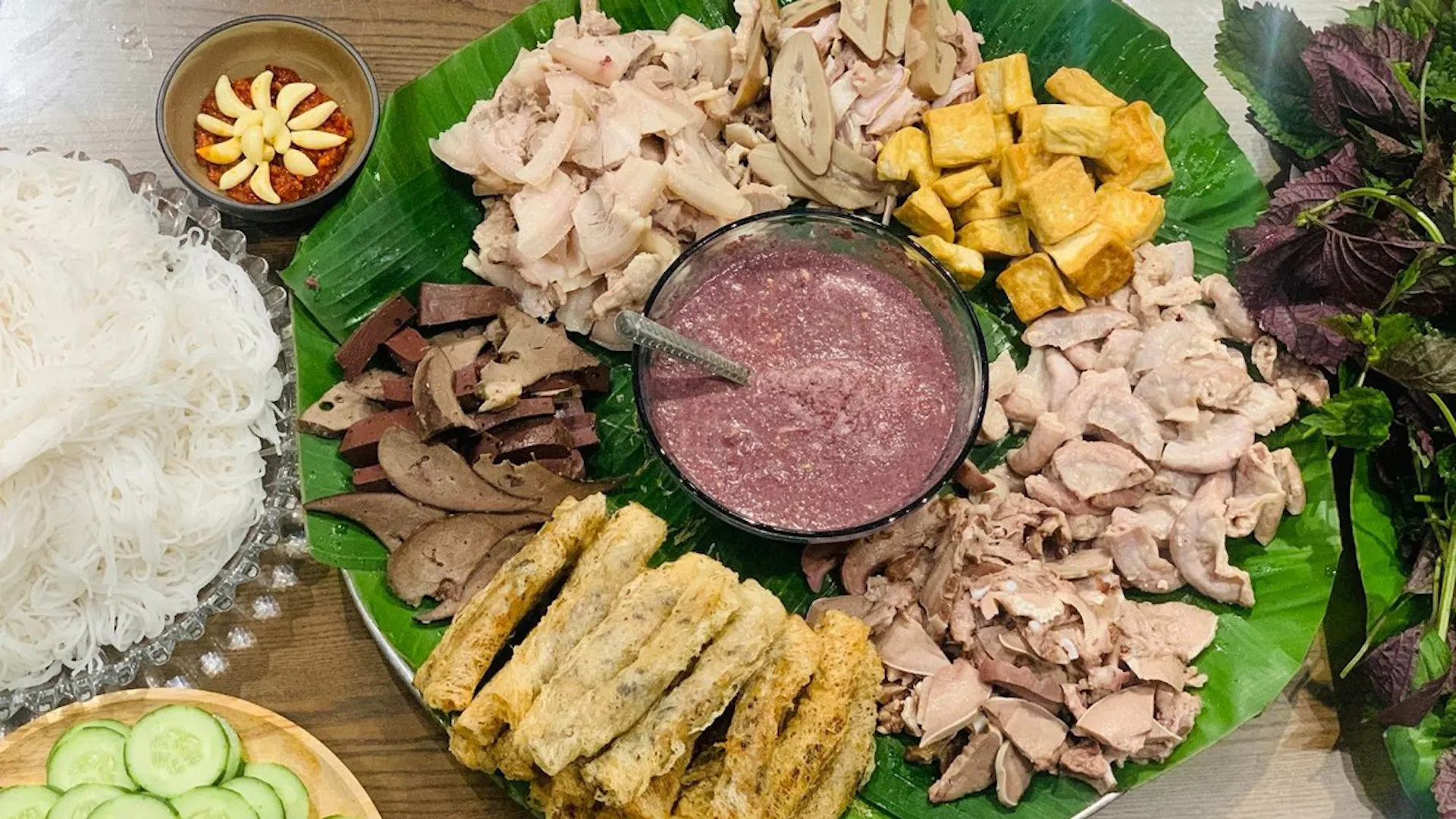
If you want to experience one of Vietnam’s most distinctive street food dishes at home, Bun Dau Mam Tom is an excellent place to start. This northern Vietnamese specialty combines crispy fried tofu, soft rice vermicelli, tender pork, fresh herbs, cucumber, and a boldly savory fermented shrimp paste dipping sauce.
The contrast is what makes the dish special: hot and crispy tofu meets cool noodles and herbs, while the salty, aromatic mam tom adds an intense umami flavor. It is traditionally served as a shared platter, making it as much a social dining experience as a meal.
This guide explains how to make Bun Dau Mam Tom, including the essential ingredients, preparation techniques, dipping sauce, serving suggestions, and common mistakes to avoid.
What Is Bun Dau Mam Tom?
Bun Dau Mam Tom (bún đậu mắm tôm) is a popular Vietnamese street food dish originating from northern Vietnam, particularly associated with Hanoi. The name describes its key components: bun refers to rice vermicelli, dau means tofu, and mam tom is fermented shrimp paste.
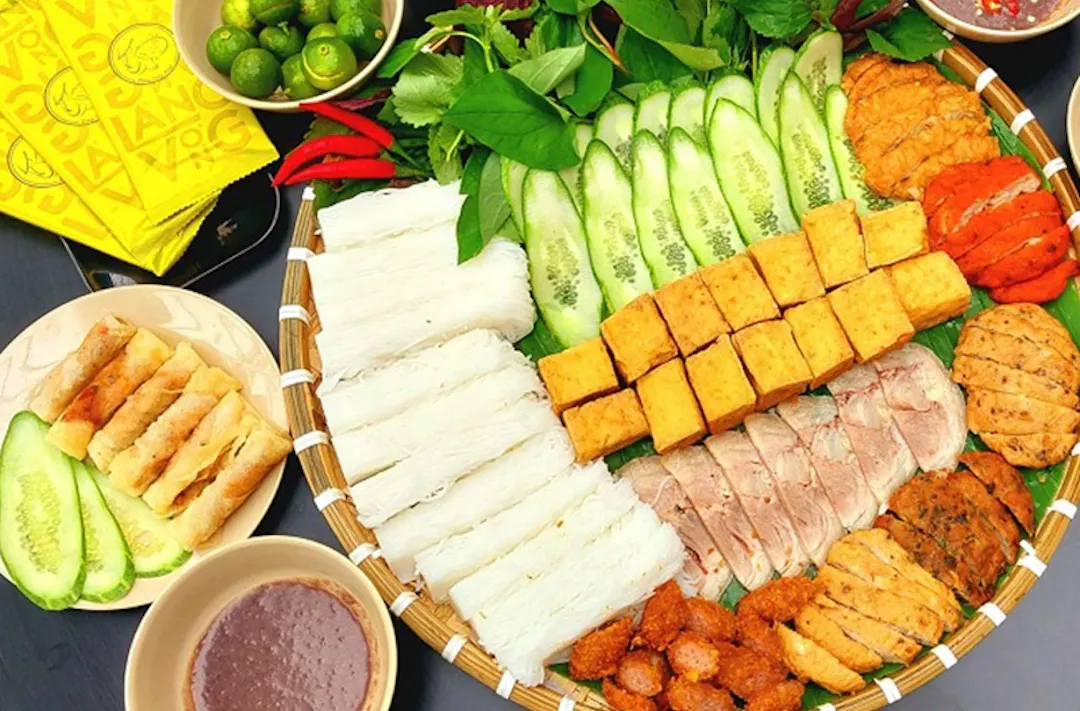
A traditional platter usually includes:
- Crispy fried tofu
- Pressed rice vermicelli
- Boiled pork
- Fresh herbs
- Cucumber
- Fermented shrimp paste
- Chili and lime or kumquat
The ingredients are arranged on a bamboo tray, often called a mẹt, and eaten by dipping individual pieces into the seasoned shrimp paste.
Unlike noodle soups such as pho, Bun Dau Mam Tom is not served in a broth. Its appeal comes from the combination of contrasting textures and the strong flavors of its dipping sauce.
Bun Dau Mam Tom Ingredients
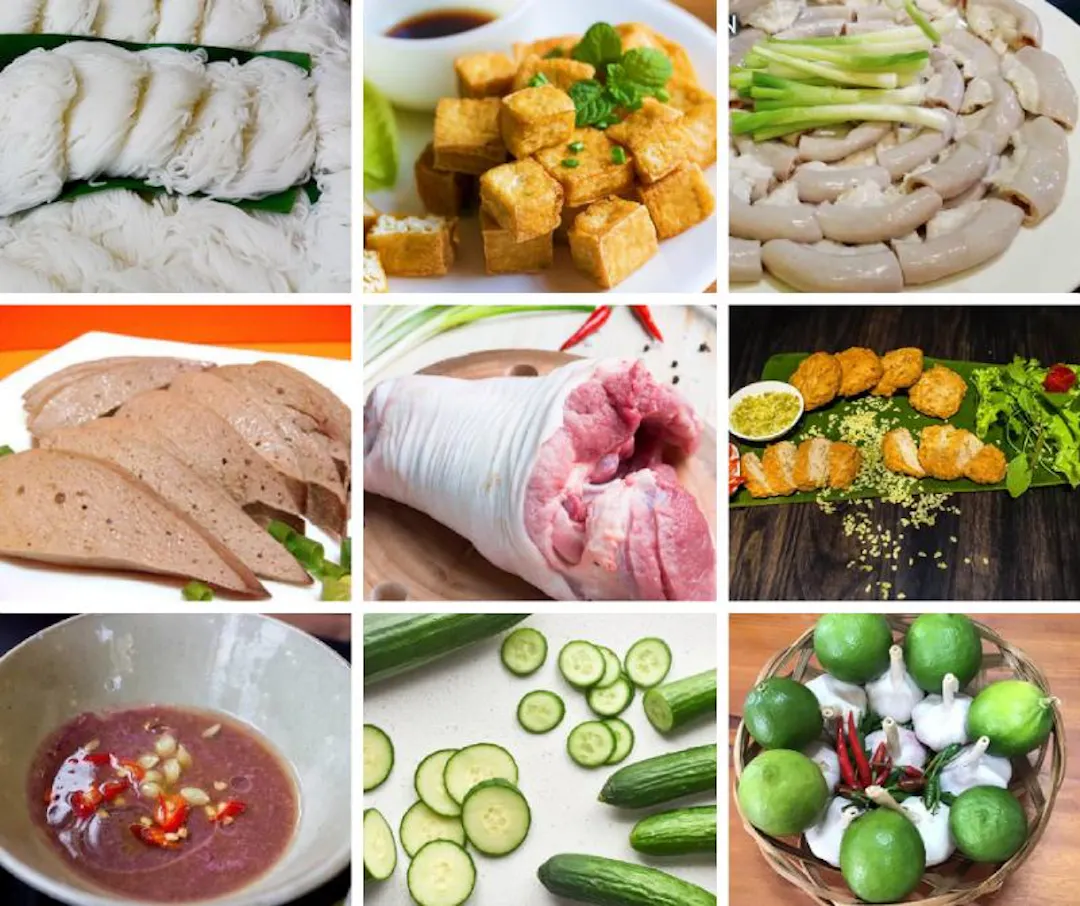
The best results come from using simple, fresh ingredients and preparing each component separately.
For the Main Platter
Tofu
- 400–500 g fresh firm or medium-firm tofu
- Neutral cooking oil for frying
Rice noodles
- 300–400 g fresh rice vermicelli
- Preferably pressed vermicelli sheets (bún lá) if available
Pork
- 250–300 g pork belly or pork leg
- 1–2 slices of ginger
- 1–2 shallots
- Salt
Fresh vegetables and herbs
- Cucumber
- Vietnamese coriander (rau răm)
- Perilla (tía tô)
- Vietnamese balm (kinh giới)
- Mint
- Fish mint, optional
For the Mam Tom Sauce
- 2 tablespoons fermented shrimp paste (mắm tôm)
- 1–2 teaspoons sugar
- 1–2 tablespoons fresh lime or kumquat juice
- 1 tablespoon hot cooking oil
- Fresh chili, to taste
The exact proportions can be adjusted according to how salty, sour, sweet, or spicy you like your sauce.
How to Make Bun Dau Mam Tom
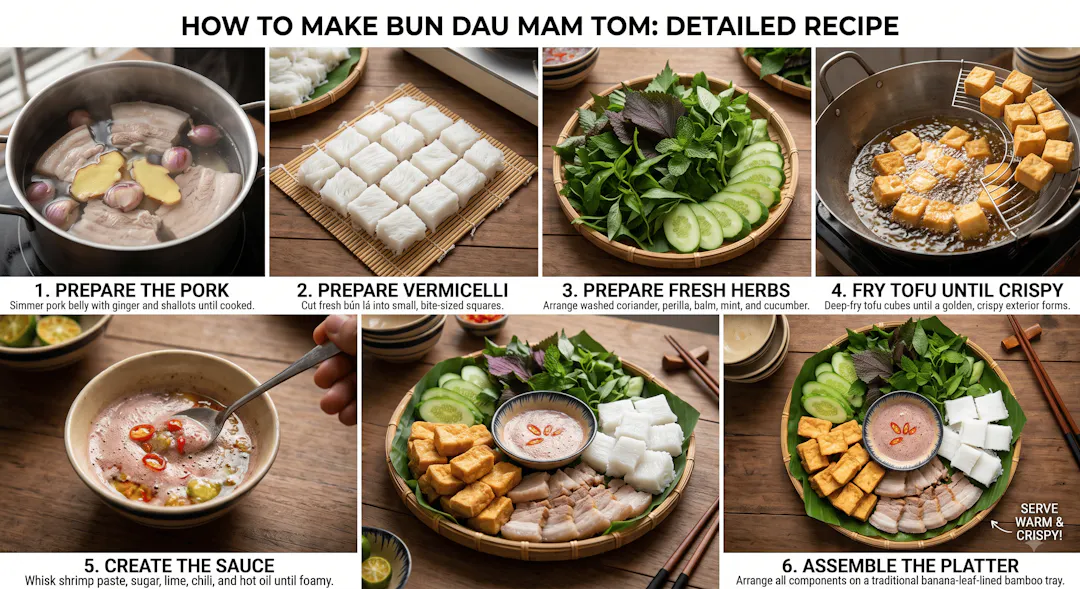
The recipe is easiest when you prepare the pork, noodles, herbs, tofu, and sauce separately before assembling everything together.
1. Prepare the Pork
Place the pork belly or pork leg in a pot and cover with water.
Add ginger, shallots, and a little salt. Bring the water to a boil, then reduce the heat and simmer gently until the pork is fully cooked.
Depending on the cut and thickness, this usually takes around 30–45 minutes.
Remove the pork and let it cool before slicing it thinly.
Tip: Avoid aggressively boiling the pork. A gentle simmer helps keep the meat tender and prevents it from becoming dry.
2. Prepare the Rice Vermicelli
Fresh Vietnamese rice vermicelli works best for Bun Dau Mam Tom.
If you can find bún lá, cut the pressed vermicelli into small squares or bite-sized pieces.
If only loose fresh vermicelli is available, divide it into manageable portions.
Keep the noodles cool and set them aside while you prepare the other ingredients.
3. Prepare the Fresh Herbs
Wash the herbs thoroughly and drain well.
Arrange Vietnamese coriander, perilla, Vietnamese balm, mint, and cucumber on a separate plate.
Cut the cucumber into thin slices or sticks.
The herbs aren't simply decoration. Their fresh, aromatic flavors help balance the richness of fried tofu, pork, and fermented shrimp paste.
4. Fry the Tofu Until Golden and Crispy
Cut the tofu into medium-sized cubes.
Pat the tofu dry with paper towels. Removing excess moisture is important because wet tofu can cause oil to splatter and may not develop an evenly crisp exterior.
Heat several centimeters of neutral cooking oil in a deep pan over medium-high heat.
Carefully add the tofu in batches and fry until the outside becomes golden brown and crisp.
Turn the pieces occasionally so they brown evenly.
Remove the tofu and place it on a rack or paper towels to drain briefly.
How to Get Crispy Tofu
For better results:
- Dry the tofu before frying.
- Don't overcrowd the pan.
- Make sure the oil is hot before adding tofu.
- Fry in batches if necessary.
- Serve the tofu soon after frying.
The ideal texture is crispy outside and soft inside.
5. Make the Fermented Shrimp Paste Sauce
The mam tom dipping sauce is the defining component of this dish.
Place fermented shrimp paste in a small bowl. Add sugar and fresh lime or kumquat juice.
Add sliced chili according to your preferred level of heat.
Then add a small amount of hot cooking oil and whisk vigorously.
The mixture should become lighter and slightly foamy.
Taste and adjust the seasoning.
If it is too salty, add a little more sugar and citrus juice. If it tastes too mild, add more shrimp paste or chili.
What Does Mam Tom Taste Like?
Fermented shrimp paste has a powerful aroma and a concentrated savory flavor. It can be surprising for first-time diners, but the combination of citrus, sugar, chili, and hot oil creates a much more balanced dipping sauce.
If you are trying it for the first time, start with a small amount and adjust it gradually.
6. Assemble the Bun Dau Mam Tom Platter
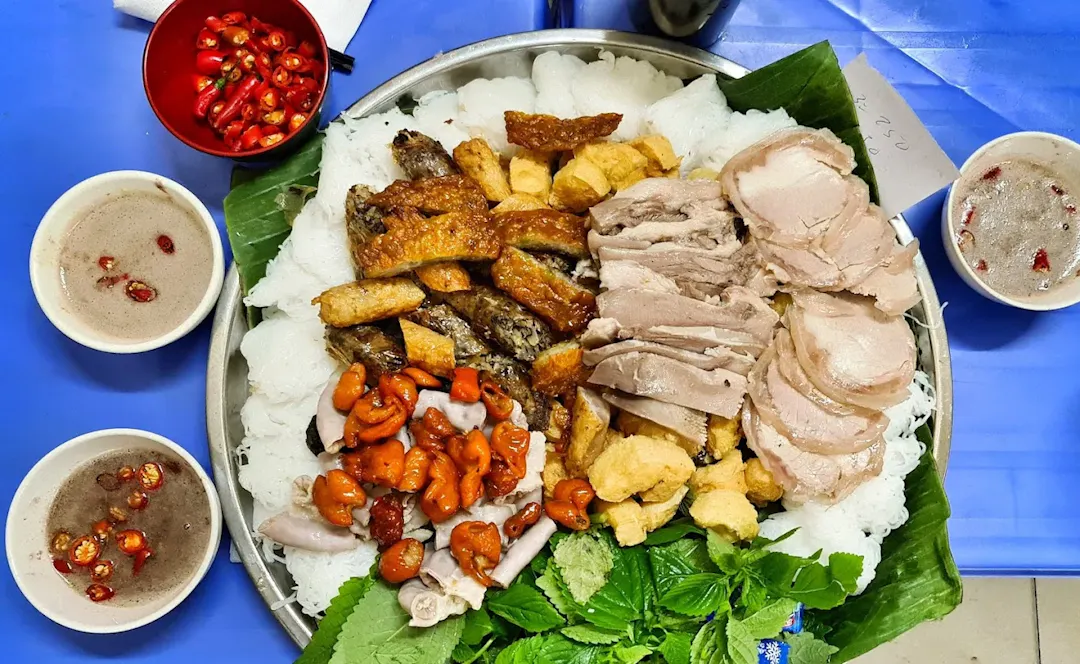
Traditional Bun Dau Mam Tom is usually presented on a bamboo tray or banana-leaf-lined platter.
Arrange the components separately:
- Crispy fried tofu
- Rice vermicelli
- Sliced pork
- Cucumber
- Fresh herbs
- Small bowl of mam tom
For a more complete platter, you can also add ingredients such as chả cốm, fried spring rolls, or other Vietnamese snacks.
Serve the tofu while it is still warm and crispy.
How to Eat Bun Dau Mam Tom
There is no complicated technique for eating Bun Dau Mam Tom.
Take a piece of crispy tofu, rice vermicelli, pork, cucumber, or herb and dip it into the shrimp paste sauce.
You can combine several ingredients in one bite to experience the different textures together.
A typical bite might include:
crispy tofu + soft noodles + fresh herb + cucumber + mam tom
The crispy tofu provides richness, the noodles add softness, while herbs and cucumber provide freshness. The shrimp paste ties everything together with salty, fermented umami.
Tips for Making the Best Bun Dau Mam Tom
Keep the Tofu Crispy
Fried tofu gradually loses its crispness after sitting for too long.
For the best texture, fry it shortly before serving.
Don't Overdo the Mam Tom
Fermented shrimp paste is extremely flavorful. Start with a small amount and adjust the sauce gradually.
Use Fresh Herbs
Fresh herbs are essential to the balance of the dish. Don't treat them as optional garnish.
Choose the Right Tofu
Very soft tofu can break apart during frying, while extremely firm tofu may lack the soft interior associated with traditionally fried tofu.
Medium-firm tofu is a practical choice for home cooking.
Serve Immediately
Bun Dau Mam Tom is best enjoyed while the tofu is hot and crispy and the noodles and herbs remain cool and fresh.
Common Bun Dau Mam Tom Mistakes
Tofu Becomes Soggy
This usually happens when the oil isn't hot enough, the pan is overcrowded, or the tofu sits too long before serving.
Solution: Dry the tofu thoroughly, fry in batches, and serve immediately.
Tofu Sticks to the Pan
The oil may not be hot enough, or the tofu may have too much surface moisture.
Solution: Heat the oil properly and pat the tofu dry before frying.
Mam Tom Is Too Salty
Fermented shrimp paste naturally contains a lot of salt.
Solution: Balance it with sugar and lime or kumquat juice rather than adding more liquid indiscriminately.
The Dish Tastes Too Heavy
Fried tofu, pork, and shrimp paste are all rich ingredients.
Solution: Increase the amount of cucumber and fresh herbs to create a fresher balance.
Bun Dau Mam Tom Variations
While the basic combination remains consistent, Vietnamese restaurants often offer expanded versions of the dish.
Bun Dau Day Du
Bún đậu đầy đủ is a more elaborate platter containing tofu, vermicelli, pork, herbs, and additional toppings.
Depending on the restaurant, it may include:
- Chả cốm
- Fried spring rolls
- Pork sausage
- Pork offal
- Fried fermented pork
- Other local specialties
Bun Dau Without Mam Tom
If you don't enjoy fermented shrimp paste, you can replace it with nước mắm chua ngọt, a sweet-and-sour fish sauce made with fish sauce, sugar, lime, garlic, and chili.
The flavor is significantly milder but still works well with tofu and noodles.
Vegetarian Bun Dau
For a vegetarian version, omit the pork and shrimp paste and serve the tofu, noodles, herbs, cucumber, and a vegetarian dipping sauce instead.
The Culture Behind Bun Dau Mam Tom
Bun Dau Mam Tom is more than a combination of tofu and noodles. It represents the casual, social character of Vietnamese street food.
In Hanoi, the dish is commonly served at small eateries and informal restaurants. Diners sit together around a low table and share a large platter of food.
Its appeal comes partly from its simplicity. There is no elaborate presentation or complicated table service. Instead, the focus is on freshly fried tofu, noodles, herbs, and a bold dipping sauce.
For visitors to Vietnam, trying Bun Dau Mam Tom is also an opportunity to experience a style of eating that feels distinctly local.
Final Thoughts
A good Bun Dau Mam Tom recipe is built around contrast. Crispy golden tofu meets soft rice noodles, tender pork, cool cucumber, aromatic herbs, and the unmistakable intensity of fermented shrimp paste.
The recipe is relatively simple, but small details make a big difference. Dry the tofu before frying, balance the mam tom carefully with sugar and citrus, use plenty of fresh herbs, and serve everything while the tofu is still crisp.
For anyone interested in Vietnamese street food, bún đậu mắm tôm is a dish worth experiencing—not only for its bold flavor, but also for the casual and communal food culture it represents.
Read more: Bún Đậu Mắm Tôm: Vietnam's Fermented Shrimp Paste Noodle Platter

By Roy Trinh
Editor
Roy Trinh is a travel writer and destination expert at Go Visit Vietnam, dedicated to helping travelers discover the beauty, culture, and diversity of Vietnam. Through well-researched travel guides, practical itineraries, local insights, and authentic recommendations, Roy shares valuable information to inspire memorable journeys across the country. From vibrant cities and breathtaking landscapes to regional cuisine and cultural heritage, every guide is created to help visitors experience Vietnam with confidence and curiosity.
Frequently Asked Questions
What is Bun Dau Mam Tom?
Bun Dau Mam Tom is a Vietnamese dish featuring fried tofu, rice vermicelli, pork, fresh herbs, cucumber, and fermented shrimp paste dipping sauce. It is particularly associated with northern Vietnam and Hanoi.
Is Bun Dau Mam Tom spicy?
The dish itself doesn't have to be spicy. Chili is usually added to the dipping sauce according to taste, so you can easily make it mild or spicy.
What does Bun Dau Mam Tom taste like?
It combines crispy, savory tofu with soft rice noodles, fresh herbs, tender pork, and an intensely salty and umami-rich fermented shrimp paste sauce balanced with sugar and citrus.
Can I make Bun Dau Mam Tom without shrimp paste?
Yes. You can use sweet-and-sour Vietnamese fish sauce instead. The flavor will be milder and less fermented.
What tofu is best for Bun Dau Mam Tom?
Medium-firm tofu is a convenient choice for home cooking because it holds its shape during frying while remaining relatively soft inside.
Can I prepare Bun Dau Mam Tom in advance?
You can prepare the pork, noodles, herbs, and dipping sauce ahead of time. However, fry the tofu shortly before serving for the best texture.
Advertising box