
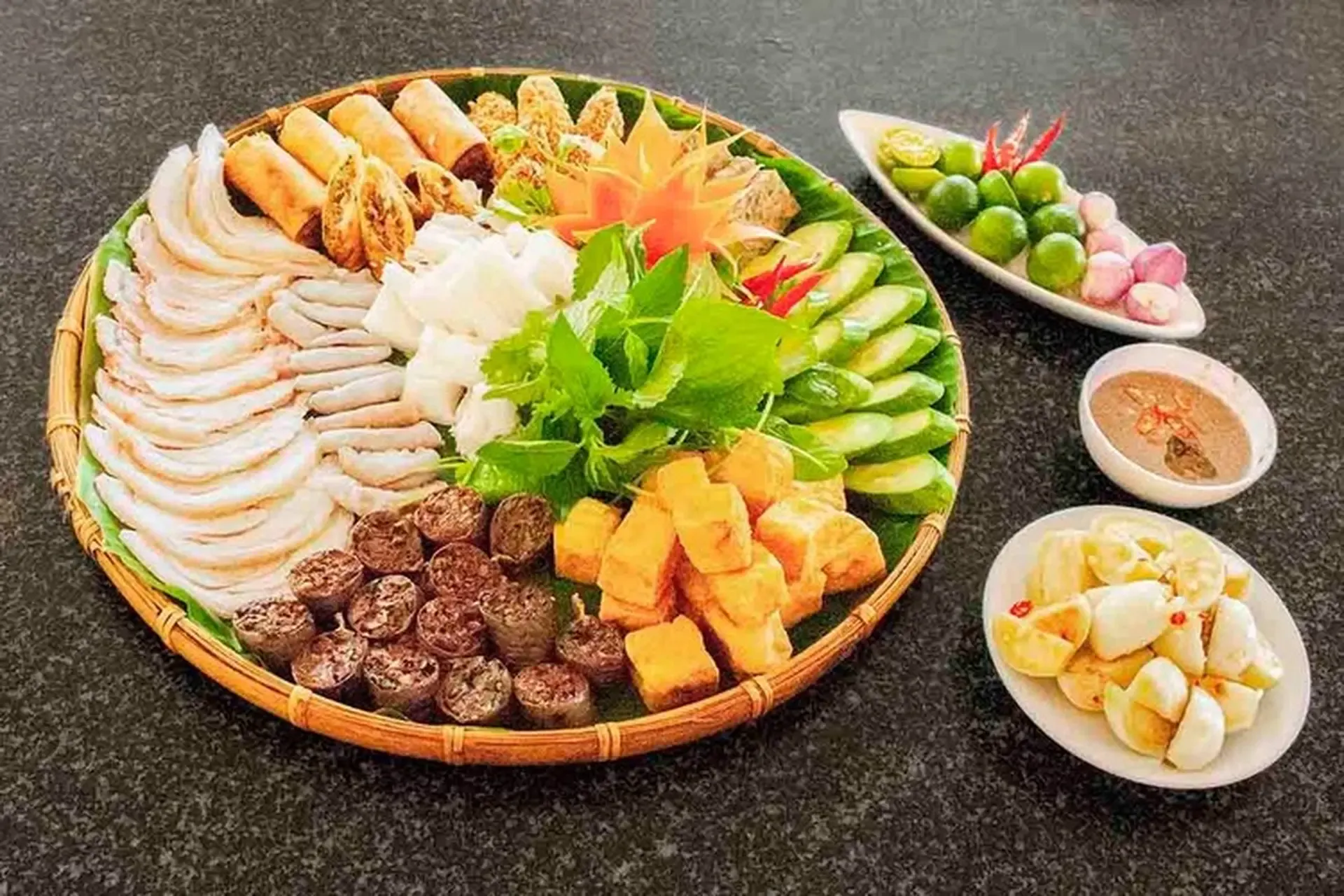
Bún Đậu Mắm Tôm: Vietnam's Fermented Shrimp Paste Noodle Platter
Bún Đậu Mắm Tôm is a popular Vietnamese street food platter featuring fresh rice vermicelli, crispy fried tofu, herbs, and savory pork served with fermented shrimp paste. Traditionally associated with Hanoi and northern Vietnamese cuisine, the dish is known for its contrasting textures and bold, salty, umami-rich dipping sauce. Other ingredients may include pork belly, Vietnamese sausage, fried pork intestines, or crispy pork. For travelers exploring Vietnamese food, Bún Đậu Mắm Tôm offers a distinctive local experience and an introduction to Vietnam's love of fermented flavors.
About Bun Dau Mam Tom
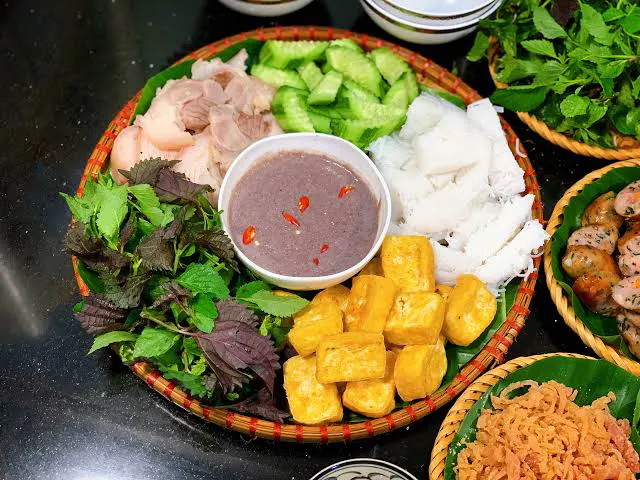
Bun Dau Mam Tom, known as Bún Đậu Mắm Tôm in Vietnamese, is a popular Northern Vietnamese street food featuring fresh rice vermicelli, crispy fried tofu, pork, fresh herbs, and a distinctive fermented shrimp paste dipping sauce. Traditionally served on a small tray or plate, this simple but flavorful dish combines soft, crispy, savory, fresh, and intensely aromatic elements.
The dish is especially associated with Hanoi, where it has become an iconic part of the city's casual food culture. For travelers, Bún Đậu Mắm Tôm offers an opportunity to experience one of Vietnam's boldest traditional flavors.
What Is Bún Đậu Mắm Tôm?
Bún Đậu Mắm Tôm literally means rice vermicelli, tofu, and shrimp paste.
The main ingredients are arranged together on a tray, often with additional pork, herbs, and vegetables. Diners take small portions and dip them into a bowl of seasoned fermented shrimp paste.
The dish is designed for sharing and is commonly enjoyed as a casual lunch, afternoon snack, or street food meal.
Fresh Rice Vermicelli
Fresh rice vermicelli, known as bún, provides the soft foundation of the dish.
The noodles are typically cut into compact pieces or portions that are easy to pick up with chopsticks.
Their mild flavor and soft texture provide a neutral contrast to the crispy tofu and intensely seasoned dipping sauce.
Fried Tofu
Crispy fried tofu is one of the defining ingredients of Bún Đậu.
Firm tofu is cut into small rectangular pieces and deep-fried until the outside becomes golden and crisp while the inside remains soft and warm.
The contrast between crispy exterior and tender center makes the tofu particularly satisfying when dipped into mắm tôm.
Pork and Other Toppings
Depending on the version, Bún Đậu may include several types of pork.
Boiled pork, pork belly, and chả cốm, a traditional Northern Vietnamese sausage made with young green rice, are common additions.
More elaborate versions may also include pork intestines, fried pork, or other traditional ingredients.
These toppings make the dish more substantial and provide additional textures.
Mắm Tôm
Mắm tôm is the defining ingredient of Bún Đậu Mắm Tôm.
This fermented shrimp paste has a strong aroma, salty and savory flavor, and deep umami character. It is typically mixed with lime or kumquat juice, sugar, chili, and a little cooking oil before being served.
For first-time visitors, the smell can be surprisingly intense. However, the strong flavor is an important part of the traditional experience.
Fresh Herbs and Vegetables
Fresh herbs help balance the richness and intensity of the dish.
Common accompaniments include Vietnamese perilla, mint, cucumber, lettuce, and other local greens.
The fresh herbs provide fragrance and a refreshing contrast to the fried tofu, pork, and fermented shrimp paste.
What Does Bún Đậu Mắm Tôm Taste Like?
Bún Đậu Mắm Tôm has a bold combination of savory, salty, fermented, slightly sweet, spicy, and herbal flavors.
The tofu is crispy and rich, while the vermicelli is soft and mild. Pork adds savory depth, fresh herbs provide brightness, and mắm tôm delivers the dish's distinctive umami flavor.
The result is a highly contrasting meal where each ingredient contributes something different.
Bún Đậu in Hanoi
Bún Đậu Mắm Tôm is strongly associated with Hanoi and Northern Vietnamese cuisine.
Small eateries and street food stalls serving the dish can be found throughout the city. It is particularly popular as an affordable everyday meal among local residents.
Many Hanoi vendors serve the ingredients on traditional bamboo trays or simple plates, adding to the dish's casual street food character.
How to Eat Bún Đậu Mắm Tôm
The ingredients are usually served separately or arranged together on a tray.
Diners pick up a piece of vermicelli, tofu, pork, or herbs and dip it into the seasoned mắm tôm.
The dipping sauce can be adjusted with extra lime, chili, sugar, or oil according to personal preference.
For those who find mắm tôm too strong, some restaurants offer a fish sauce-based alternative.
Where to Try Bún Đậu Mắm Tôm
Hanoi is one of the best places to try traditional Bún Đậu Mắm Tôm.
Travelers can find it at small family-run restaurants, street food stalls, local markets, and casual eateries throughout the city.
The dish is also widely available in other Vietnamese cities, although the selection of toppings and style of presentation may vary.
Is Bún Đậu Mắm Tôm Suitable for First-Time Visitors?
Bún Đậu Mắm Tôm is an excellent choice for adventurous travelers who want to explore authentic Vietnamese flavors.
The fermented shrimp paste has a strong aroma that may take some getting used to. If you are unsure, start with a small amount of sauce and combine it with tofu, noodles, and herbs.
The combination becomes more balanced when all the ingredients are eaten together.
Discover Bún Đậu Mắm Tôm
Bún Đậu Mắm Tôm captures the bold and contrasting character of Northern Vietnamese street food.
Soft rice vermicelli, crispy fried tofu, savory pork, fresh herbs, and intensely flavored fermented shrimp paste create a meal that is simple, affordable, and full of character.
For travelers exploring Hanoi, trying Bún Đậu Mắm Tôm is a memorable way to experience local food culture. Even if the distinctive aroma of mắm tôm seems unusual at first, the dish offers an authentic taste of the flavors and traditions that make Northern Vietnamese cuisine unique.
Featured Ingredients of Bún Đậu Mắm Tôm
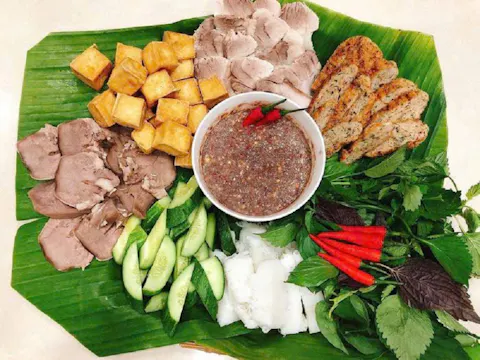
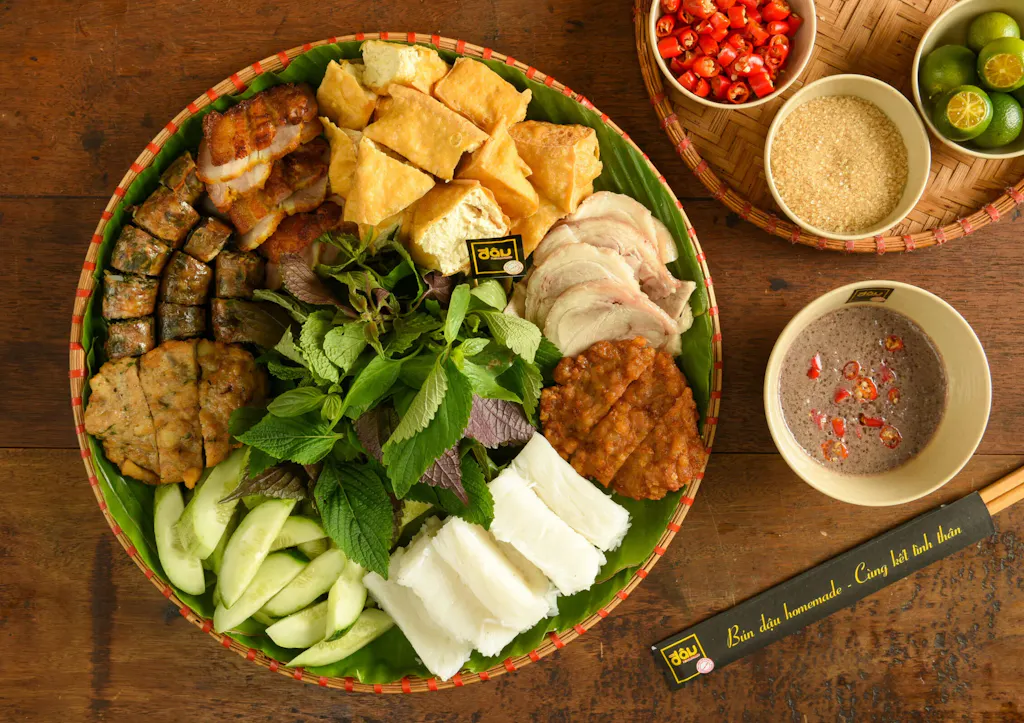
Bún Đậu Mắm Tôm brings together simple Vietnamese ingredients with bold fermented flavors. The combination of fresh rice vermicelli, crispy tofu, savory pork, fresh herbs, and mắm tôm creates a distinctive platter with contrasting textures and flavors.
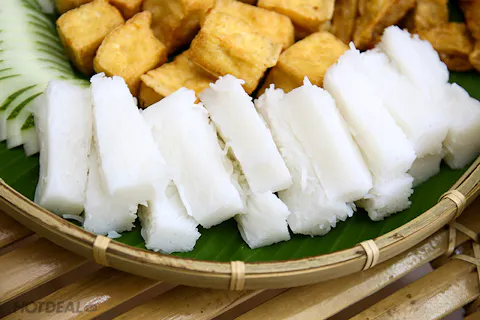
Fresh Rice Vermicelli↗
Fresh rice vermicelli, known as bún, forms the soft and delicate base of the dish. The noodles are typically cut into small portions that are easy to pick up and combine with tofu, pork, herbs, and dipping sauce. Their mild flavor provides a refreshing contrast to the rich and strongly seasoned mắm tôm.
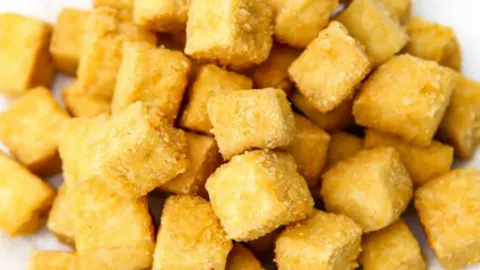
Fried Tofu & Pork↗
Crispy fried tofu, or đậu, is one of the defining ingredients of Bún Đậu. The tofu is fried until golden and crisp outside while remaining soft inside. It is commonly served with boiled pork belly and may be accompanied by Vietnamese pork sausage or other pork specialties, adding savory flavors and different textures to the platter.
Mắm Tôm & Fresh Herbs↗
Mắm tôm is the signature ingredient that gives Bún Đậu its distinctive character. This fermented shrimp paste is typically mixed with lime or kumquat juice, sugar, chili, and sometimes cooking oil to create a bold dipping sauce. Fresh herbs such as Vietnamese perilla, mint, and lettuce balance its intense flavor with freshness and aroma.
Related Articles About Bún Đậu Mắm Tôm
Explore more articles about Bún Đậu Mắm Tôm and Vietnamese food culture. Discover the ingredients, traditional preparation, bold flavors, fermented shrimp paste, and different ways to enjoy this iconic Hanoi street food. You can also explore related Vietnamese dishes, street food guides, and regional specialties to discover more of Vietnam's diverse culinary traditions.
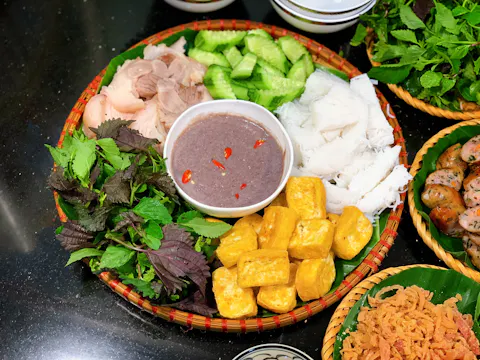
What Is Bún Đậu Mắm Tôm? Vietnam’s Iconic Tofu & Noodle Platter↗
Bún Đậu Mắm Tôm is a popular Vietnamese street food platter featuring crispy fried tofu, pressed rice vermicelli, boiled pork, fresh herbs, cucumber, and pungent fermented shrimp paste. Originating in northern Vietnam, especially Hanoi, this simple yet flavorful dish is known for its contrasting textures and bold combination of salty, sour, sweet, spicy, and savory flavors. Discover the history, essential ingredients, distinctive mắm tôm sauce, regional variations, and the best way to enjoy this iconic Vietnamese dish like a local.

Bun Dau Mam Tom Recipe: How to Make Vietnamese Tofu & Noodles↗
Learn how to make Bun Dau Mam Tom, one of Vietnam’s most distinctive street food dishes. This traditional northern Vietnamese platter combines crispy fried tofu, soft rice vermicelli, sliced pork, fresh herbs, cucumber, and pungent fermented shrimp paste sauce. This easy-to-follow recipe explains the essential ingredients, how to fry tofu until golden and crisp, prepare the flavorful dipping sauce, assemble the platter, and avoid common mistakes. Discover the bold flavors and traditional eating style behind this iconic Vietnamese street food favorite.
Frequently Asked Questions About Bún Đậu Mắm Tôm
What is Bún Đậu Mắm Tôm?
Bún Đậu Mắm Tôm is a Vietnamese rice vermicelli platter served with crispy fried tofu, pork, fresh herbs, and fermented shrimp paste. The ingredients are usually arranged separately on a platter so diners can combine them with the dipping sauce. The dish is particularly associated with Hanoi and Northern Vietnamese cuisine.
What is mắm tôm?
Mắm tôm is a traditional Vietnamese fermented shrimp paste made from small shrimp or krill and salt. It has a strong aroma and an intense salty, savory, and umami-rich flavor. For Bún Đậu, it is commonly mixed with lime or kumquat juice, sugar, chili, and sometimes cooking oil to create a flavorful dipping sauce.
What does Bún Đậu Mắm Tôm taste like?
Bún Đậu Mắm Tôm combines salty, savory, sour, sweet, spicy, and fermented flavors. Crispy tofu provides a rich texture, while fresh vermicelli and herbs add freshness. The mắm tôm contributes a powerful umami flavor and distinctive aroma. The combination can be intense for first-time visitors but is highly appreciated by many Vietnamese food lovers.
How do you eat Bún Đậu Mắm Tôm?
Take a small portion of rice vermicelli, fried tofu, pork, and fresh herbs, then dip or mix them with a small amount of prepared mắm tôm. Diners can adjust the amount of dipping sauce according to their preference. If the flavor of fermented shrimp paste is too strong, some restaurants may offer fish sauce as an alternative.
Where does Bún Đậu Mắm Tôm come from?
Bún Đậu Mắm Tôm is strongly associated with Hanoi and Northern Vietnam. It developed as an affordable and simple everyday meal that combined inexpensive ingredients such as rice vermicelli and tofu with pork, herbs, and fermented shrimp paste. Today, it is widely enjoyed throughout Vietnam and has become a recognizable part of Vietnamese street food culture.
Advertising box
Related Vietnamese Dishes
Explore more of Vietnam's rich culinary heritage with these delicious regional specialties. From comforting noodle soups and fresh seafood dishes to iconic street food favorites, discover authentic flavors that perfectly complement your journey beyond.
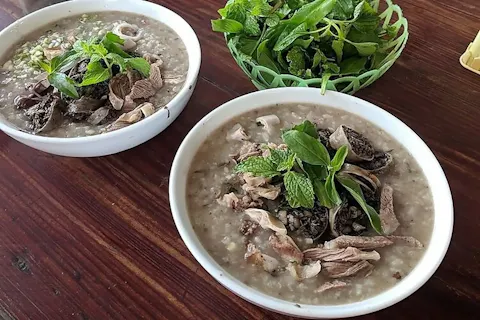
Cháo Lòng: Vietnam's Pork Offal Rice Porridge
Cháo Lòng is a traditional Vietnamese rice porridge served with assorted pork offal, such as liver, intestines, heart, and stomach, along with fresh herbs and savory seasonings. The creamy rice porridge provides a mild base that complements the rich and varied textures of the pork toppings. Often enjoyed as a hearty breakfast or casual meal, Cháo Lòng is especially popular at local eateries and traditional markets across Vietnam. Discover its ingredients, preparation, flavors, cultural background, and how locals traditionally enjoy this distinctive Vietnamese dish.
Bánh Canh: Vietnam's Thick Noodle Soup
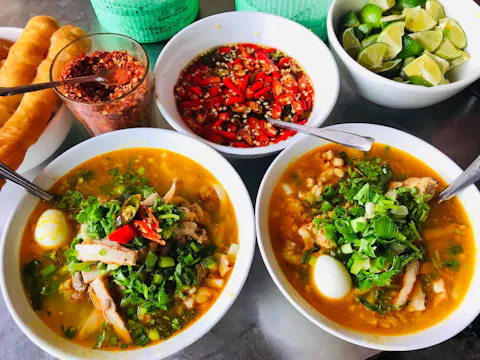
Bánh Canh is a traditional Vietnamese noodle soup known for its thick, chewy noodles and flavorful broth. Made from tapioca flour, rice flour, or a combination of both, the noodles are served with ingredients such as crab, shrimp, fish, pork, or seafood depending on the regional variety. From Bánh Canh Cua to fish-based versions found in Central and Southern Vietnam, this comforting dish offers a wide range of textures and flavors. Discover its ingredients, varieties, history, and traditional ways to enjoy Bánh Canh in Vietnam.
Xôi: Vietnam's Traditional Sticky Rice
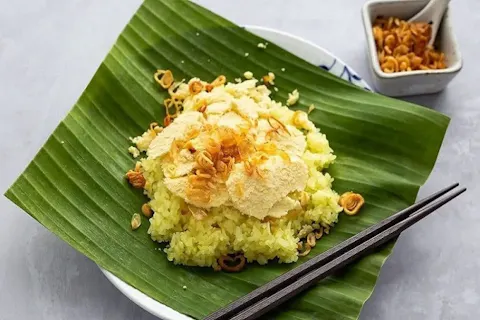
Xôi is a traditional Vietnamese sticky rice dish enjoyed across the country as a breakfast, snack, dessert, and part of special occasions. Made from glutinous rice, Xôi comes in many varieties, ranging from savory versions topped with chicken, pork, mung beans, or fried shallots to sweet preparations with coconut, corn, peanuts, or beans. Affordable, filling, and deeply connected to Vietnamese food culture, Xôi is an essential dish to discover when exploring local cuisine, markets, and everyday life in Vietnam.
Cơm Tấm: Vietnam's Broken Rice Dish
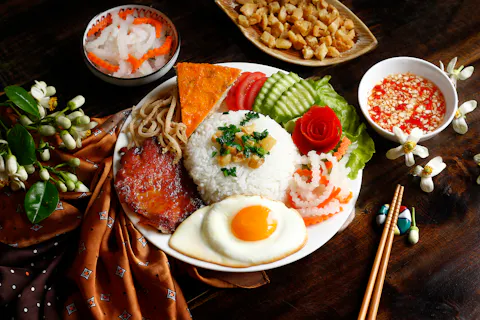
Cơm Tấm, often called Vietnamese broken rice, is one of southern Vietnam's most beloved everyday dishes. Traditionally associated with Saigon, it features steamed broken rice served with grilled pork, savory fish sauce, pickled vegetables, cucumber, and toppings such as pork skin or steamed egg meatloaf. The smoky aroma of grilled pork combined with soft rice and sweet-and-savory nước mắm creates a distinctly Vietnamese flavor. This guide explores what Cơm Tấm is, its ingredients, history, regional variations, and how to enjoy it in Vietnam.