
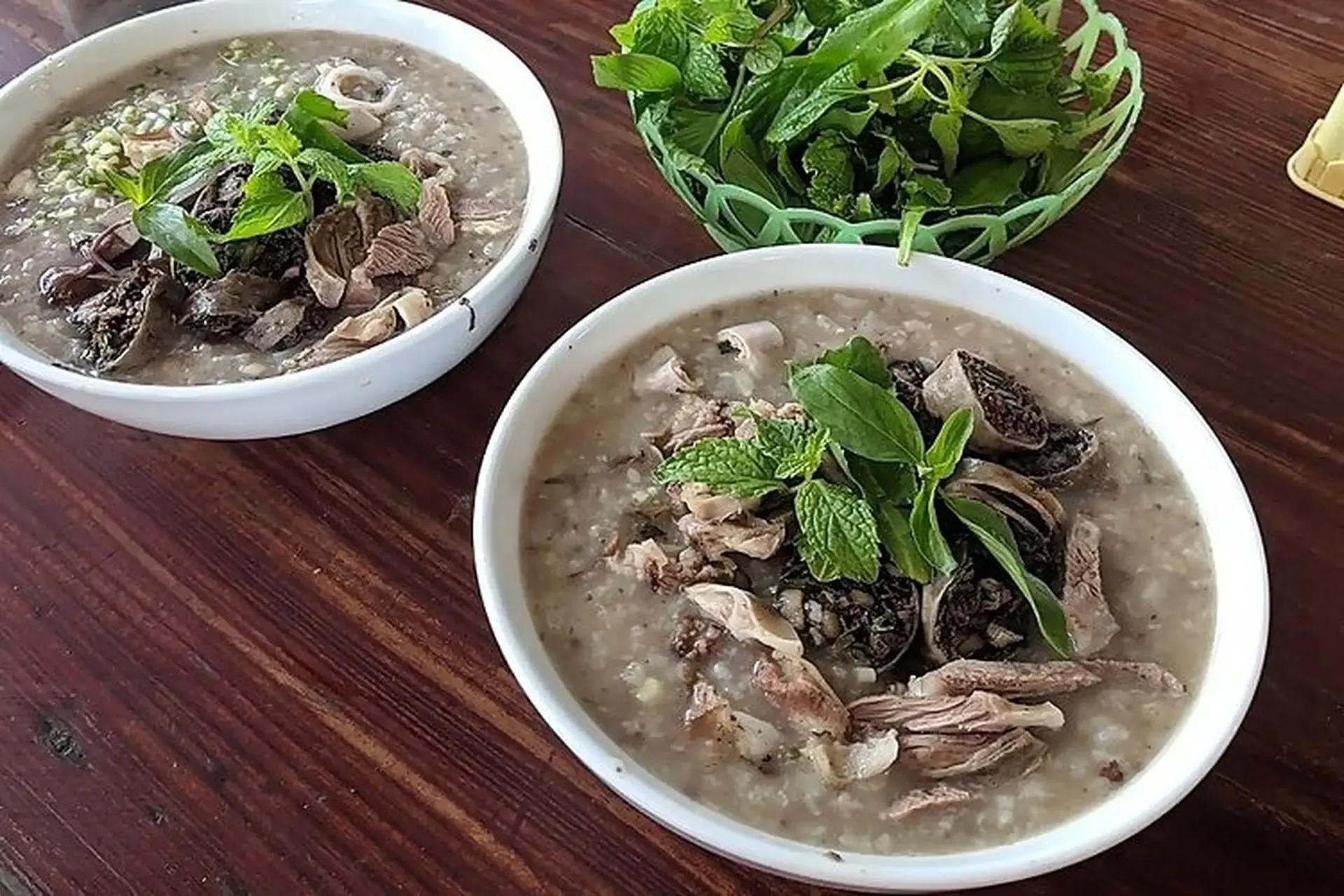
Cháo Lòng: Vietnam's Pork Offal Rice Porridge
Cháo Lòng is a traditional Vietnamese rice porridge served with assorted pork offal, such as liver, intestines, heart, and stomach, along with fresh herbs and savory seasonings. The creamy rice porridge provides a mild base that complements the rich and varied textures of the pork toppings. Often enjoyed as a hearty breakfast or casual meal, Cháo Lòng is especially popular at local eateries and traditional markets across Vietnam. Discover its ingredients, preparation, flavors, cultural background, and how locals traditionally enjoy this distinctive Vietnamese dish.
About Chao Long
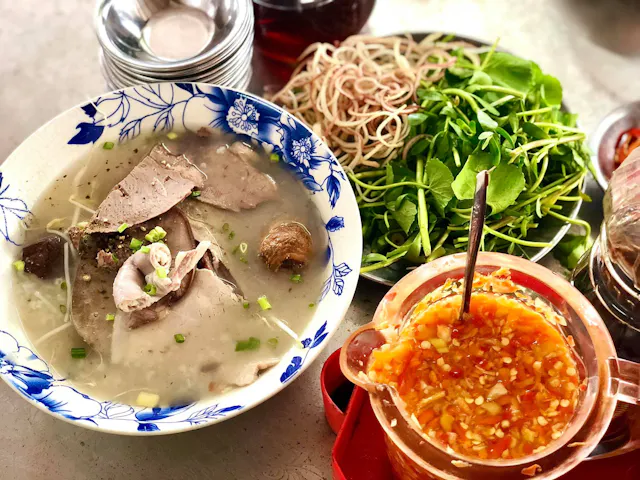
Chao Long is a traditional Vietnamese rice porridge made with pork offal, rice, fresh herbs, and a savory broth. Known for its comforting texture and distinctive combination of tender pork organs, herbs, ginger, and black pepper, Chao Long is a popular everyday dish found throughout Vietnam.
Often enjoyed for breakfast or as a late-night meal, Chao Long is particularly popular at local markets and small neighborhood eateries. The dish reflects the resourceful character of Vietnamese cooking, where different parts of the animal are carefully prepared to create a flavorful and satisfying meal.
What Is Chao Long?
Chao Long literally refers to pork offal rice porridge.
The dish is made by slowly cooking rice in a savory pork-based broth until the grains become soft and creamy. Various pork organs are then sliced and served with the porridge.
Common ingredients include pork intestine, liver, heart, stomach, tongue, and blood pudding, although the exact combination varies between restaurants.
Rice Porridge
Rice is the foundation of Chao Long.
The grains are simmered in pork broth until they become tender and release starch into the liquid. This creates a smooth, comforting porridge with a savory aroma.
Some vendors cook the rice until it becomes very soft, while others leave the grains more intact for a slightly lighter texture.
Pork Offal
Pork offal gives Chao Long its distinctive character.
Common toppings include pork liver, heart, intestine, stomach, tongue, and other carefully cleaned and cooked organs. Each ingredient has a different texture, ranging from tender and creamy to firm and slightly chewy.
The variety of textures makes every spoonful different.
Pork Blood Pudding
Some versions of Chao Long include tiet, or cooked pork blood pudding.
It has a soft, firm texture and a mild savory flavor. It is usually cut into small pieces and served alongside the other toppings.
Not every restaurant includes blood pudding, so travelers can ask about the ingredients when ordering.
The Broth
The broth is typically made from pork bones and other ingredients.
Slow cooking creates a savory base that gives the rice its flavor. Ginger, onions, fish sauce, salt, and pepper may be used to season the broth.
The result is usually lighter than a heavily spiced soup, allowing the natural flavor of the pork and herbs to remain prominent.
Ginger and Herbs
Fresh ginger is an important accompaniment to Chao Long.
Thin slices or shredded ginger provide a warm, slightly spicy aroma that helps balance the richness of the pork offal.
Green onions, cilantro, Vietnamese herbs, and other fresh greens may also be added to provide freshness and fragrance.
What Does Chao Long Taste Like?
Chao Long has a warm, savory, and comforting flavor.
The rice porridge is soft and mild, while the pork organs provide different levels of richness and texture. Ginger adds gentle heat and freshness, while herbs and black pepper provide additional aroma.
A splash of fish sauce or a little chili can make the flavors more intense.
Chao Long in Vietnamese Food Culture
Chao Long is a familiar part of Vietnamese everyday food culture.
It is often served at small family-run restaurants, local markets, and street food stalls. Many shops specialize in pork offal dishes and may serve Chao Long alongside boiled pork organs, blood pudding, or other traditional preparations.
The dish is particularly popular as a filling breakfast or late-night meal.
Regional Variations
Recipes for Chao Long vary throughout Vietnam.
Some versions use a relatively thin porridge with a clear broth, while others are thicker and richer. The selection of pork organs can also differ depending on the region and individual vendor.
Certain restaurants may add additional toppings such as fried shallots, pork sausage, or crispy pork.
Where to Try Chao Long
Chao Long can be found in many Vietnamese cities and towns.
Local markets and neighborhood eateries are often good places to discover traditional versions. Busy restaurants serving local customers are especially useful for travelers who want to experience the dish as part of everyday Vietnamese food culture.
Because the dish is often served early in the morning or late at night, checking local opening hours can be helpful.
How to Eat Chao Long
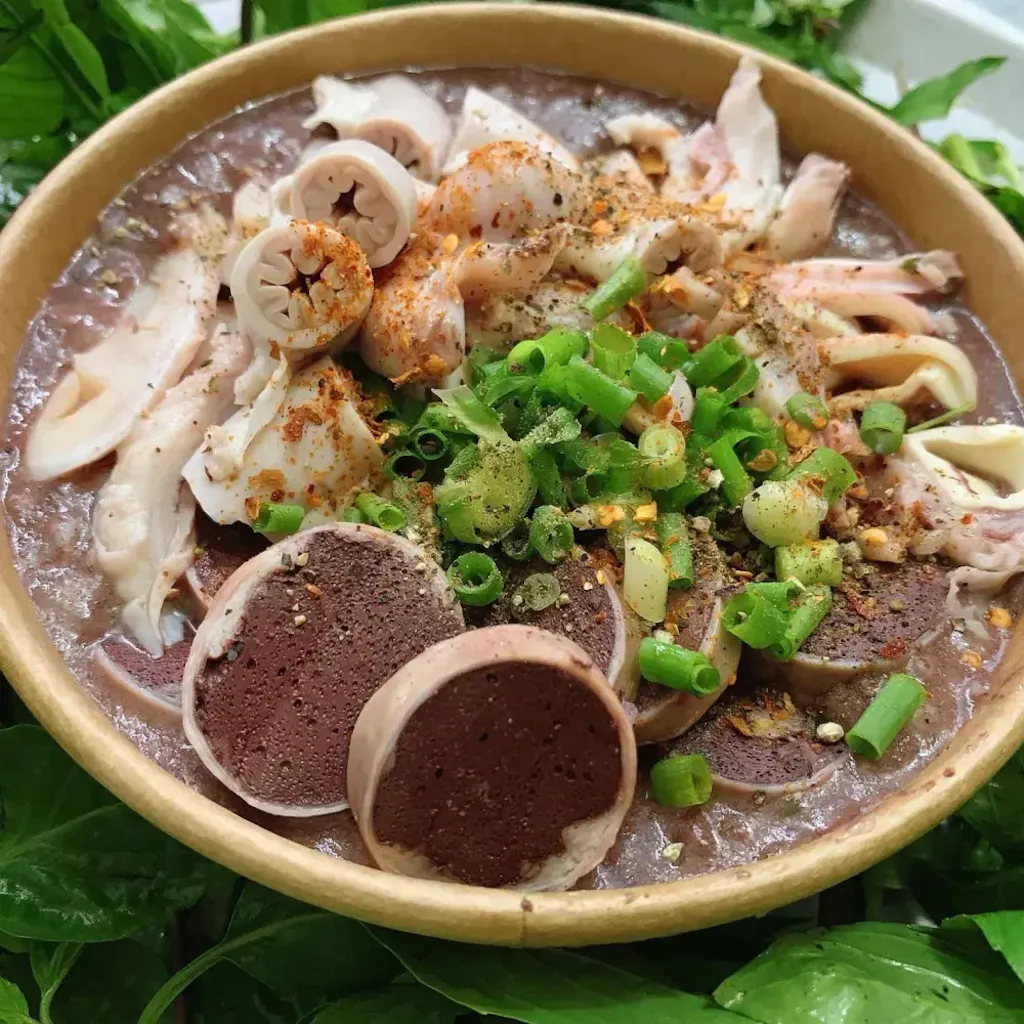
Chao Long is usually served hot in a bowl with rice porridge and sliced pork offal arranged on top.
Fresh herbs, ginger, chili, and black pepper can be added according to taste. Some diners also add fish sauce or chili sauce for extra flavor.
The combination of soft porridge, tender offal, fresh herbs, and warming ginger makes it particularly comforting.
Discover Chao Long
Chao Long is a traditional Vietnamese comfort food that highlights the country's resourceful approach to cooking.
Soft rice porridge, savory pork broth, tender offal, ginger, herbs, and spices come together to create a dish with a distinctive combination of flavors and textures.
For adventurous travelers, trying Chao Long offers an opportunity to explore a less internationally known side of Vietnamese cuisine. It is especially rewarding for visitors interested in local markets, traditional breakfast culture, and authentic everyday dishes beyond Vietnam's better-known foods such as Pho and Banh Mi.
Featured Ingredients of Cháo Lòng
Cháo Lòng combines a comforting rice porridge base with savory pork offal and fresh Vietnamese aromatics. The ingredients vary between regions and local eateries, but these three components define the character of this traditional Vietnamese dish.
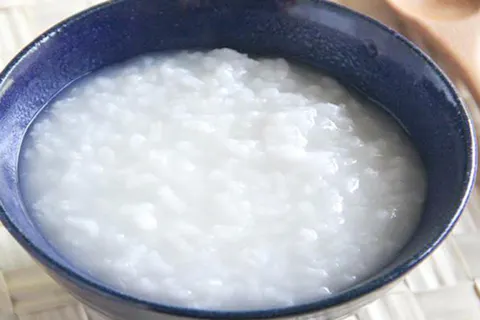
Rice & Pork Broth↗
Rice is the foundation of Cháo Lòng, slowly simmered until soft and tender in water or a savory pork-based broth. Some versions use whole rice grains, while others cook the rice longer for a smoother consistency. The mild, comforting porridge provides a neutral base that allows the richer pork toppings and seasonings to stand out.
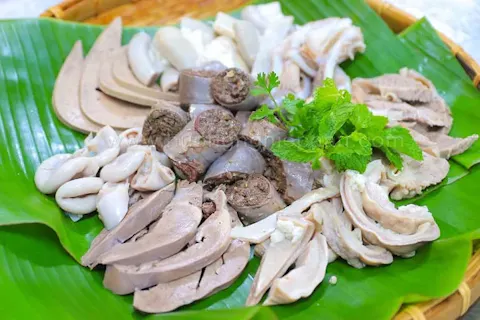
Pork Offal↗
Pork offal is the defining ingredient of Cháo Lòng. Common selections include pork liver, heart, intestines, stomach, and tongue, each offering a different texture and flavor. The offal is carefully cleaned and cooked before being sliced and served alongside the warm porridge. Some versions may also include dồi, a traditional Vietnamese pork blood sausage.
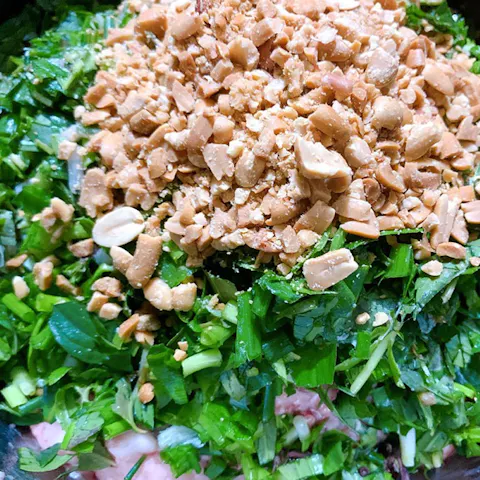
Fresh Herbs & Vietnamese Seasonings↗
Fresh herbs and seasonings bring balance to the rich pork ingredients. Green onions, cilantro, Vietnamese coriander, black pepper, chili, and fried shallots are commonly used as garnishes. Fish sauce and other savory seasonings may be added to the porridge or served separately, creating a fragrant combination of salty, spicy, and fresh flavors.
Frequently Asked Questions About Cháo Lòng
What is Cháo Lòng?
Cháo Lòng is a traditional Vietnamese rice porridge served with cooked pork offal such as liver, intestines, heart, stomach, and tongue. The soft porridge is usually seasoned with fish sauce, pepper, and aromatics, then topped with fresh herbs and sliced pork ingredients. Recipes vary between regions and individual eateries.
What is Cháo Lòng made of?
The main ingredients are rice, pork broth or water, and assorted pork offal. Common toppings include pork liver, heart, intestines, stomach, and tongue. Some versions also feature dồi, a Vietnamese pork blood sausage. Green onions, cilantro, Vietnamese coriander, pepper, chili, and fish sauce are commonly used for additional flavor.
What does Cháo Lòng taste like?
Cháo Lòng has a warm, savory, and comforting flavor. The rice porridge is usually mild and slightly seasoned, while the pork offal provides richer flavors and varied textures. Fresh herbs, pepper, chili, and fish sauce add fragrance, saltiness, and brightness, creating a balanced combination of soft, rich, savory, and aromatic elements.
When do Vietnamese people usually eat Cháo Lòng?
Cháo Lòng is commonly eaten for breakfast or as a casual meal. Many local restaurants and food stalls serve it early in the morning, although some establishments offer it throughout the day. It is popular because it is warm, filling, relatively affordable, and easy to enjoy as an everyday Vietnamese meal.
How is Cháo Lòng traditionally served?
Cháo Lòng is usually served hot in a bowl with rice porridge, sliced pork offal, green onions, herbs, and black pepper. Depending on the restaurant, dồi or additional pork cuts may be served on the side. Diners can add chili, fish sauce, lime, or other seasonings according to their taste.
Advertising box
Related Vietnamese Dishes
Explore more of Vietnam's rich culinary heritage with these delicious regional specialties. From comforting noodle soups and fresh seafood dishes to iconic street food favorites, discover authentic flavors that perfectly complement your journey beyond.
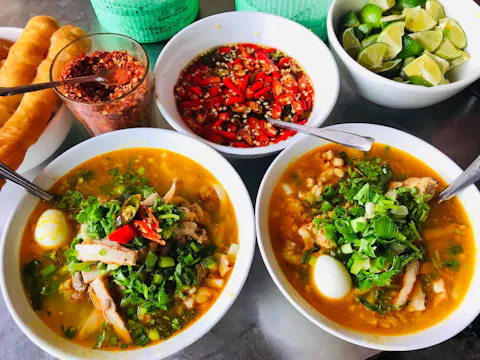
Bánh Canh: Vietnam's Thick Noodle Soup
Bánh Canh is a traditional Vietnamese noodle soup known for its thick, chewy noodles and flavorful broth. Made from tapioca flour, rice flour, or a combination of both, the noodles are served with ingredients such as crab, shrimp, fish, pork, or seafood depending on the regional variety. From Bánh Canh Cua to fish-based versions found in Central and Southern Vietnam, this comforting dish offers a wide range of textures and flavors. Discover its ingredients, varieties, history, and traditional ways to enjoy Bánh Canh in Vietnam.
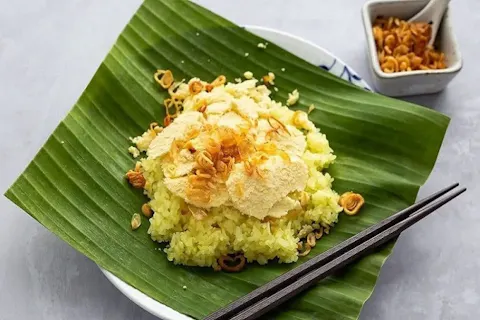
Xôi: Vietnam's Traditional Sticky Rice
Xôi is a traditional Vietnamese sticky rice dish enjoyed across the country as a breakfast, snack, dessert, and part of special occasions. Made from glutinous rice, Xôi comes in many varieties, ranging from savory versions topped with chicken, pork, mung beans, or fried shallots to sweet preparations with coconut, corn, peanuts, or beans. Affordable, filling, and deeply connected to Vietnamese food culture, Xôi is an essential dish to discover when exploring local cuisine, markets, and everyday life in Vietnam.
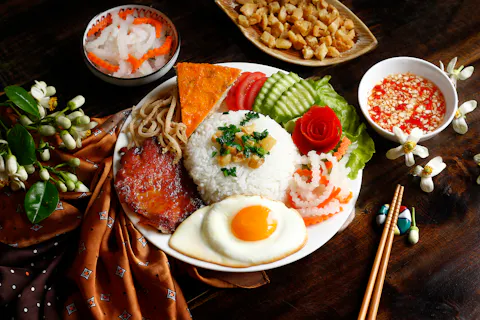
Cơm Tấm: Vietnam's Broken Rice Dish
Cơm Tấm, often called Vietnamese broken rice, is one of southern Vietnam's most beloved everyday dishes. Traditionally associated with Saigon, it features steamed broken rice served with grilled pork, savory fish sauce, pickled vegetables, cucumber, and toppings such as pork skin or steamed egg meatloaf. The smoky aroma of grilled pork combined with soft rice and sweet-and-savory nước mắm creates a distinctly Vietnamese flavor. This guide explores what Cơm Tấm is, its ingredients, history, regional variations, and how to enjoy it in Vietnam.
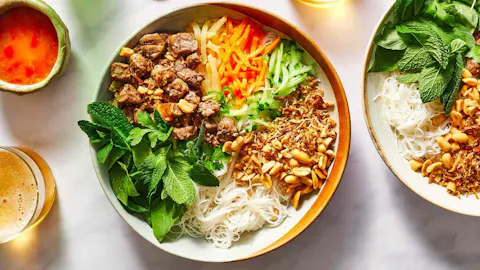
Bun Thit Nuong: Vietnam's Grilled Pork Noodle Bowl
Bun Thit Nuong is a popular Vietnamese grilled pork noodle bowl that combines smoky charcoal-grilled pork with rice vermicelli, fresh herbs, crunchy vegetables, pickled carrots and daikon, crushed peanuts, and a flavorful fish sauce dressing. Found throughout Vietnam, the dish offers a refreshing balance of savory, sweet, sour, salty, and spicy flavors. This guide explores what Bún Thịt Nướng is, its ingredients, regional variations, how it is traditionally served, and where travelers can try this classic Vietnamese street food.