
Da Nang Food Guide
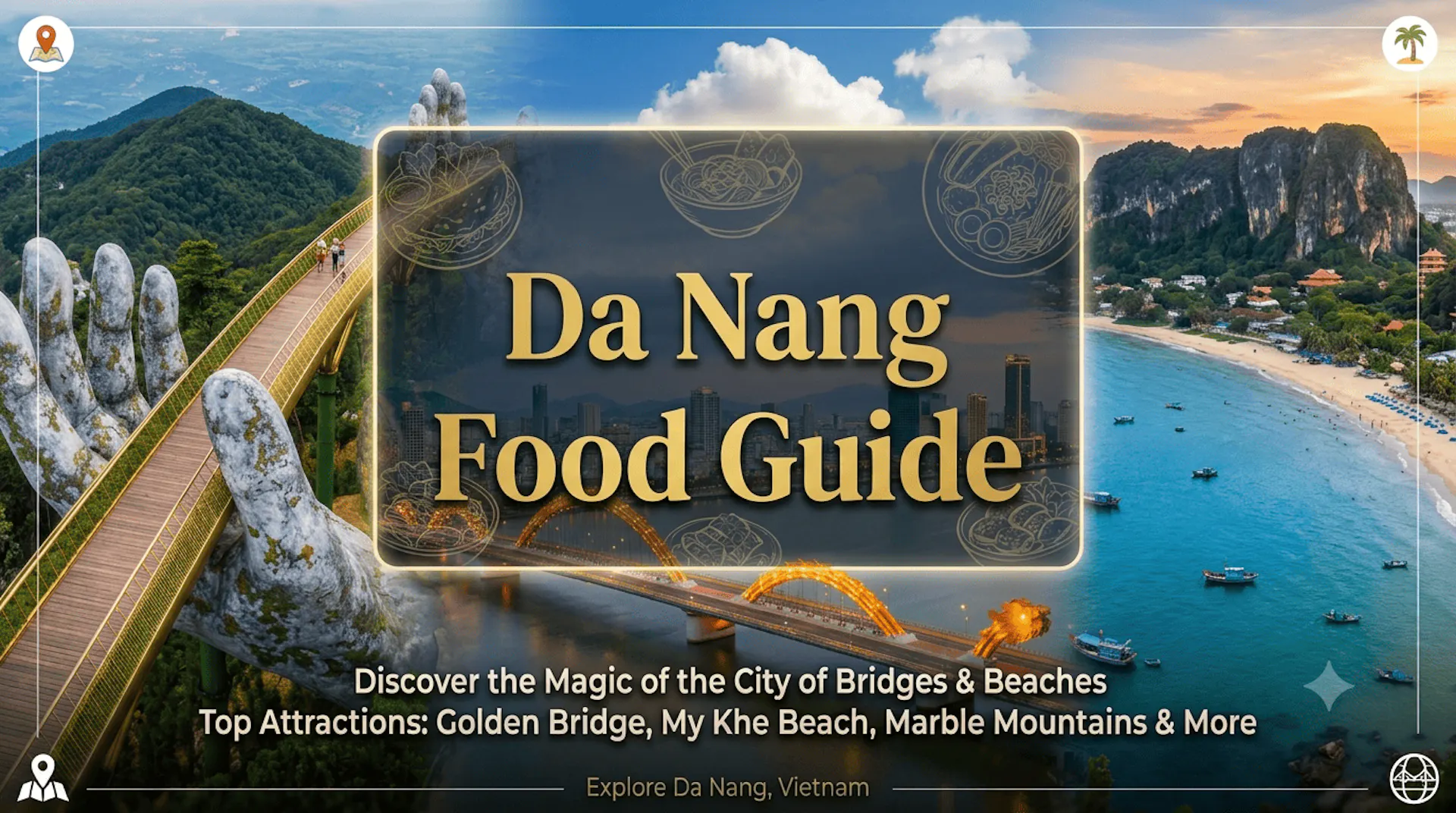
Da Nang is a paradise for food lovers, offering an incredible combination of fresh seafood, Central Vietnamese specialties, vibrant street food, and modern dining experiences. Visitors can enjoy mi Quang, bun cha ca, banh xeo, fresh shellfish, grilled seafood, and countless local delicacies served in bustling markets and seaside restaurants. From family-run eateries to lively night food streets, every meal reflects the city's rich coastal heritage. This Da Nang Food Guide introduces the must-try dishes and unforgettable flavors that define Vietnam's central coast.
On this page
- The Iconic Noodles of the Central Coast: Foundations of the Da Nang Food Guide
- The Art of the Savory Wrap: Craftsmanship and Texture
- Maritime Bounty and Market Culture: The Sensorium of Trade
- Practical Culinary Logistics and Etiquette for the Da Nang Food Guide
- Conclusion: Finalizing Your Journey Through the Flavors of Da Nang
To arrive in Da Nang is to enter a sensory landscape where the salt-kissed breeze of the East Sea converges with the aromatic, steam-heavy atmosphere of morning street stalls. For the professional culinary anthropologist, the specialized food critic, and the local expert who has spent years investigating the region's culinary heritage, this city serves as a living, breathing archive of Central Vietnamese gastronomy. It is a place where the rustic, land-derived flavors of the inland countryside synthesize seamlessly with the aggressive, immediate freshness of the maritime bounty. This exhaustive da nang food guide is designed as a definitive map for the deliberate traveler, moving beyond the superficiality of coastal resort dining to uncover the flavor architectures that have defined this urban hub for generations. Every dish found here—from the turmeric-stained, broth-reduced noodles of the plateau to the pungent, fermented anchovy dressings of the coastal kitchens—reflects a sophisticated understanding of the regional environment. By navigating the smoky, hearth-cooked rituals of the neighborhood stalls and the vibrant, high-turnover hubs that define the local market culture, you will engage with a culinary heritage that is both deeply rooted in ancestral tradition and continuously evolving through the creative spirit of a modern urban center.
The Iconic Noodles of the Central Coast: Foundations of the Da Nang Food Guide
The gastronomic identity of the region is anchored by a set of noodle traditions that are far more than simple meals; they are intricate, cultural artifacts that demand a rigorous commitment to freshness and an expert-level understanding of flavor balance. These dishes are the primary vectors through which the history and the agricultural reality of the Central Coast are articulated.
Mì Quảng: The Heart of the Plateau and Coast
The Mì Quảng is not merely a noodle dish; it is the absolute, non-negotiable hallmark of Da Nang’s local identity. Unlike the broth-heavy noodle soups found in the north or the south, this dish is defined by its reduction—a thick, deeply savory gravy derived from pork, shrimp, or chicken, braised with turmeric and annatto until it achieves a vibrant, sunset-orange hue. The wide, flat rice noodles are served with a minimal amount of this broth, creating a textural profile that is more akin to a seasoned, sauced pasta than a traditional soup. The genius of Mì Quảng lies in its assembly; it requires the addition of crushed, roasted peanuts for crunch, a heavy, abundant serving of fresh herbs, and the distinct, savory snap of toasted rice crackers (bánh tráng mè). This composition is a study in structural complexity, where the softness of the turmeric-stained noodles is perfectly punctuated by the crunch of the peanuts and the brittle snap of the crackers. To eat Mì Quảng in Da Nang is to engage with the agricultural history of the region, where the influence of the inland plateau meets the maritime ingredients of the coast, resulting in an umami-rich, aromatic profile that is both grounded and exceptionally sophisticated.
Bún Chả Cá: The Coastal Umami
The Bún chả cá stands as the definitive, lunch-time anchor for the city's coastal labor force and residents alike, representing a level of maritime umami that is entirely dependent on the quality of the daily catch. The broth is the product of long, methodical simmering—not of meat, but of locally landed fish bones, combined with tomatoes, pineapple, and pumpkin to create a clean, assertive, and slightly acidic profile that cuts through the heat of the humid afternoon. The star of the dish is the chả cá, a fish ball or cake that is prepared by grinding fresh, white-fleshed fish—often mackerel or sailfish—with a proprietary blend of pepper, garlic, and scallions before being steamed or fried. The mastery of this dish lies in the structural integrity of the fish cake, which must be springy, aromatic, and free of any fishy odor, reflecting the absolute freshness of the supply chain. Served with a foundation of rice vermicelli and an array of fresh, raw vegetables, Bún chả cá is an example of the coastal culinary philosophy where the quality of the raw, marine ingredient is allowed to dictate the entire flavor architecture of the meal.
Bún Mắm Nêm: The Bold Fermented Experience
For the traveler willing to confront the boldest, most unapologetically pungent flavors of the Central Coast, Bún mắm nêm is the ultimate culinary milestone. This dish is built upon the foundation of mắm nêm, a fermented anchovy sauce that possesses a depth of salinity and a level of aromatic intensity that challenges the uninitiated palate. The sauce is seasoned with sugar, lime, and crushed chili until it reaches a complex, fermented equilibrium that is deeply addictive. The dish itself is served in a dry bowl, featuring rice vermicelli, boiled pork or roasted pork belly, fresh papaya, cucumber, and a generous heap of raw, garden-harvested herbs. The act of mixing these ingredients with the pungent sauce creates a sensory event where the acidity of the fermented anchovies, the richness of the pork fat, and the coolness of the fresh vegetables collide. Bún mắm nêm is the true, unfiltered flavor of the region; it is an indigenous, fermentation-based culinary tradition that has remained largely impervious to the homogenization of the modern restaurant scene, serving as a testament to the Central Coast’s commitment to bold, assertive, and highly fermented flavor profiles.
The Art of the Savory Wrap: Craftsmanship and Texture
The culinary culture of Da Nang places a singular, elevated emphasis on the craftsmanship of the savory wrap. This is a dining philosophy that prioritizes the interaction between the diner and the ingredients, requiring the construction of individual bites that balance texture, temperature, and aromatic intensity.
Bánh Tráng Cuốn Thịt Heo: The Craft of Texture
The Bánh tráng cuốn thịt heo is the definitive, interactive meal of the region, where the quality of the individual components is scrutinized with a level of intensity that approaches religious devotion. The dish centers on thinly sliced pork belly, which is steamed with such precision that the fat becomes translucent and meltingly tender while the meat remains structured and succulent. This is paired with bánh tráng phơi sương (dew-moistened rice paper), a variation of the traditional rice paper that is famously pliable, soft, and slightly chewy. The construction of the wrap involves a strategic, multi-layered assembly: a piece of the rice paper is topped with a layer of the wet rice-paper sheet, followed by a piece of lettuce, a slice of the pork, cucumber, banana flower, and various aromatic herbs. The entire, complex wrap is then dipped into a dense, pungent mắm nêm reduction. The success of the wrap is determined by the balance—the pork must provide the richness, the vegetables must provide the crunch and coolness, and the dipping sauce must provide the final, acidic, and savory anchor. This is the quintessence of the local social food—an engaging, ritualized experience that demands the diner’s attention and highlights the province’s commitment to the harmony of textures.
Bánh Xèo: The Sizzling Coastal Pancake
While the Bánh xèo (sizzling pancake) is a pan-Vietnamese icon, the Da Nang rendition is a specifically coastal, cast-iron-skillet masterpiece characterized by its incredibly thin, shatteringly crisp edge. The batter, a fermented blend of rice flour, turmeric, and coconut milk, is poured onto a seasoned skillet over a roaring wood or gas fire, creating an immediate, aromatic sear. The pancake is stuffed with fresh, local shrimp and bean sprouts, then folded in half and cooked until the crust is golden and brittle. The preparation technique is high-velocity; the heat must be precisely managed to ensure the pancake is cooked through while the edge achieves the signature, glass-like snap. Like the pork wrap, the Bánh xèo is intended to be eaten by hand, wrapped in fresh rice paper and mustard greens, then dipped into a complex, peanut-based sauce that is significantly richer and more savory than the southern iterations. The contrast between the hot, oily crunch of the pancake and the cold, crisp freshness of the greens is the signature experience of this dish, illustrating the region's mastery of the fire-tempered, coastal snack.
Maritime Bounty and Market Culture: The Sensorium of Trade
To understand the culinary foundations of the province, one must immerse themselves in the market culture, where the trade of ingredients provides the most direct evidence of the regional palate. In these markets, the proximity to the East Sea and the fertile, alluvial plains is not a concept; it is a daily, commercial reality.
Gỏi Cá Trích: The Texture of the Sea
The Gỏi cá trích (herring salad) is a dish that requires absolute confidence in the supply chain and a deep respect for the maritime bounty. Fresh, silver-skinned herring are filleted and immediately marinated in an acidic solution—typically lime juice or a light, seasoned vinegar—which "cooks" the fish through a process of denaturation, preserving the firm, succulent texture of the raw flesh. The fish is then tossed with a generous amount of toasted peanuts, fried shallots, shredded coconut, and fresh, garden-harvested herbs, served alongside a side of rice paper and a pungent, anchovy-based dip. The interplay between the firm, clean meat of the herring, the fatty crunch of the peanuts, and the aromatic, slightly spicy bite of the herbs makes this salad a study in maritime texture. It is a dish that can only be prepared in a region where the catch is landed and processed within hours, serving as a culinary testament to the coastal lifestyle that has defined Da Nang’s maritime identity since the first fishing vessels were launched from its harbor.
Navigating Market Life
The morning market—whether it be the vast, high-volume activity of Chợ Cồn or the bustling, trade-focused aisles of Chợ Hàn—is the primary research site for any student of the provincial diet. These spaces operate on a rhythm that is dictated by the sunrise; by 6:00 AM, the transaction of the day is already in full swing. Navigating these stalls requires a willingness to observe the mundane, transactional reality of the city. You will see vendors sorting through piles of freshly gathered, forest-foraged greens, arguing over the price of the morning's tuna, and measuring out mounds of artisanal rock sugar. By observing the flow of these ingredients, you gain an immediate understanding of the dietary foundations of the area. It is here that you find the herbs that form the base of the morning noodle soups, the fish that will be braised by midday, and the snacks that will be consumed in the late afternoon. The market is not merely a place of commerce; it is an archive of the regional diet, providing a vivid, sensory-heavy context for the province’s culinary philosophy.
Practical Culinary Logistics and Etiquette for the Da Nang Food Guide
Executing a seamless, authoritative expedition through the culinary landscape of Da Nang requires a pragmatic shift in expectation from the rapid-service culture of the urban centers to the family-oriented, traditional pace of the coastal districts. When seeking out the most authentic eateries, rely on the "local traffic" principle; any stall that is consistently crowded with Da Nang workers—where the menu is handwritten or absent, and the primary ingredients are listed based on the morning’s catch—is an immediate, high-authority indicator of quality. These family-run establishments, often tucked away in the quiet, residential outskirts of the bustling commercial wards, are the true custodians of the province’s culinary history. They do not cater to the aesthetic preferences of the international tourism market; they cater to the palate of the locals, ensuring that the preparation is uncompromising, authentic, and rooted in the ancestral spice profiles of the Central region.
Regarding etiquette, dining in this province is inherently a respectful, community-oriented activity. Coastal dining is frequently conducted in spaces that are humble and unadorned, where the focus is entirely on the freshness and the quality of the communal platter. It is a space that demands ease, patience, and a lack of pretense. Whether you are in a bustling, salt-air market stall or a more refined, family-run restaurant, the protocol remains consistent: show patience, respect the "slow food" preparation of the traditional recipes, and always express genuine, visible gratitude. The artisans who maintain these recipes are the keepers of the province’s coastal heritage, and they take immense pride in the labor they invest in their traditional, hearth-cooked broths and their careful, artisanal preparations. By approaching every meal with an appreciation for this investment of time and skill, you ensure that your culinary journey is not just a collection of meals, but a respectful engagement with the living, enduring culture of the Central Coast. This is the Da Nang way of dining, where the quality of the food is inseparable from the respect shown to the environment, the harvest, and the cook who provides the meal.
Conclusion: Finalizing Your Journey Through the Flavors of Da Nang
Da Nang offers one of the most sophisticated, maritime-focused, and intellectually satisfying culinary landscapes in Vietnam. By refusing to conform to the commercial pressures of mass tourism, the province has successfully guarded the integrity of its regional foodways, from the intricate, turmeric-stained art of the noodle preparation to the clean, aromatic umami of the local maritime broths. As you conclude your reading of this definitive da nang food guide, consider the depth of the gastronomic history you are about to encounter. Are you most eager to experience the aromatic, turmeric-infused intensity of the local noodle bowl, or does the prospect of participating in the meditative, refined, and aromatically complex rituals of the coastal salad provide the primary motivation for your journey into the heart of the Central Coast? Which regional delicacy—the iconic Mì Quảng or the fresh, coastal herring salad—are you most excited to document first in your own coastal culinary experience?
> Read more: Da Nang Travel Guide

By Roy Trinh
Editor
Roy Trinh is a travel writer and destination expert at Go Visit Vietnam, dedicated to helping travelers discover the beauty, culture, and diversity of Vietnam. Through well-researched travel guides, practical itineraries, local insights, and authentic recommendations, Roy shares valuable information to inspire memorable journeys across the country. From vibrant cities and breathtaking landscapes to regional cuisine and cultural heritage, every guide is created to help visitors experience Vietnam with confidence and curiosity.
Frequently Asked Questions About Da Nang Food Guide
What food is Da Nang famous for?
Da Nang is famous for mi Quang, bun cha ca (fish cake noodle soup), banh xeo, fresh seafood, grilled shellfish, rice paper rolls, and many traditional Central Vietnamese specialties.
Where can I try authentic local food in Da Nang?
Visitors can enjoy authentic cuisine at Han Market, Con Market, local street food stalls, seafood restaurants along the coast, family-run eateries, and vibrant night food streets throughout the city.
Is seafood worth trying in Da Nang?
Absolutely. Da Nang is one of Vietnam's top seafood destinations. Fresh lobster, crab, squid, oysters, clams, shrimp, and a variety of fish are served daily in restaurants and local markets.
Is Da Nang a good destination for food lovers?
Yes. Da Nang offers a diverse culinary scene combining traditional Central Vietnamese recipes, fresh seafood, lively street food, modern cafés, and international restaurants, making it a favorite destination for food enthusiasts.
What food souvenirs should I buy in Da Nang?
Popular food souvenirs include dried seafood, fish sauce, local chili sauce, sesame crackers, Vietnamese coffee, traditional sweets, and specialty snacks available at markets and local specialty stores across Da Nang.
Advertising box
Read More About Da Nang
Explore more of Da Nang with our complete travel guides. Discover beautiful beaches, Ba Na Hills, the Marble Mountains, Son Tra Peninsula, local food, suggested itineraries, seasonal travel tips, cultural attractions, and practical advice to help you experience one of Vietnam's most vibrant coastal cities.

Best Places to Visit in Da Nang
Da Nang is one of Vietnam's most exciting coastal destinations, combining beautiful beaches, spectacular mountains, modern city life, and rich cultural heritage. Visitors can relax on My Khe Beach, explore the Marble Mountains, admire the Golden Bridge at Ba Na Hills, discover Son Tra Peninsula, and enjoy vibrant riverside attractions. Whether you're seeking outdoor adventures, scenic viewpoints, historical landmarks, or family-friendly experiences, this guide highlights the best places to visit in Da Nang for an unforgettable journey through Central Vietnam.

Best Things to Do in Da Nang
Da Nang offers an exciting blend of beach relaxation, mountain adventures, cultural discoveries, and modern city experiences. Relax on My Khe Beach, ride the cable car to Ba Na Hills, explore Marble Mountains, hike through Son Tra Peninsula, sample fresh seafood, and admire the city's famous bridges after sunset. Visitors can also enjoy water sports, local markets, scenic viewpoints, and nearby UNESCO World Heritage Sites. This guide highlights the best things to do in Da Nang for an unforgettable Central Vietnam adventure.

Best Time to Visit Da Nang
Da Nang is a fantastic year-round destination known for its sunny beaches, mountain landscapes, cultural attractions, and vibrant city life. The dry season offers ideal conditions for beach holidays, sightseeing, hiking, and outdoor adventures, while the rainy season brings cooler temperatures, lush scenery, and fewer crowds. Visitors can also enjoy local festivals, fresh seafood, and nearby UNESCO World Heritage Sites throughout the year. This guide helps you choose the best time to visit Da Nang based on weather, seasonal highlights, and travel preferences.

How to Get to Da Nang
Wondering how to get to Da Nang? This guide covers the best ways to reach Da Nang, Vietnam, by plane, train, bus, or private car. Learn about flights to Da Nang International Airport, scenic train journeys through Hai Van Pass, affordable buses from nearby cities, and convenient private transfers. We also compare typical travel times, routes, comfort, and convenience from Hanoi, Ho Chi Minh City, Hue, Hoi An, and other popular destinations to help you choose the best way to reach Da Nang.