
What Is Banh Uot? Vietnam's Soft Steamed Rice Rolls Explained
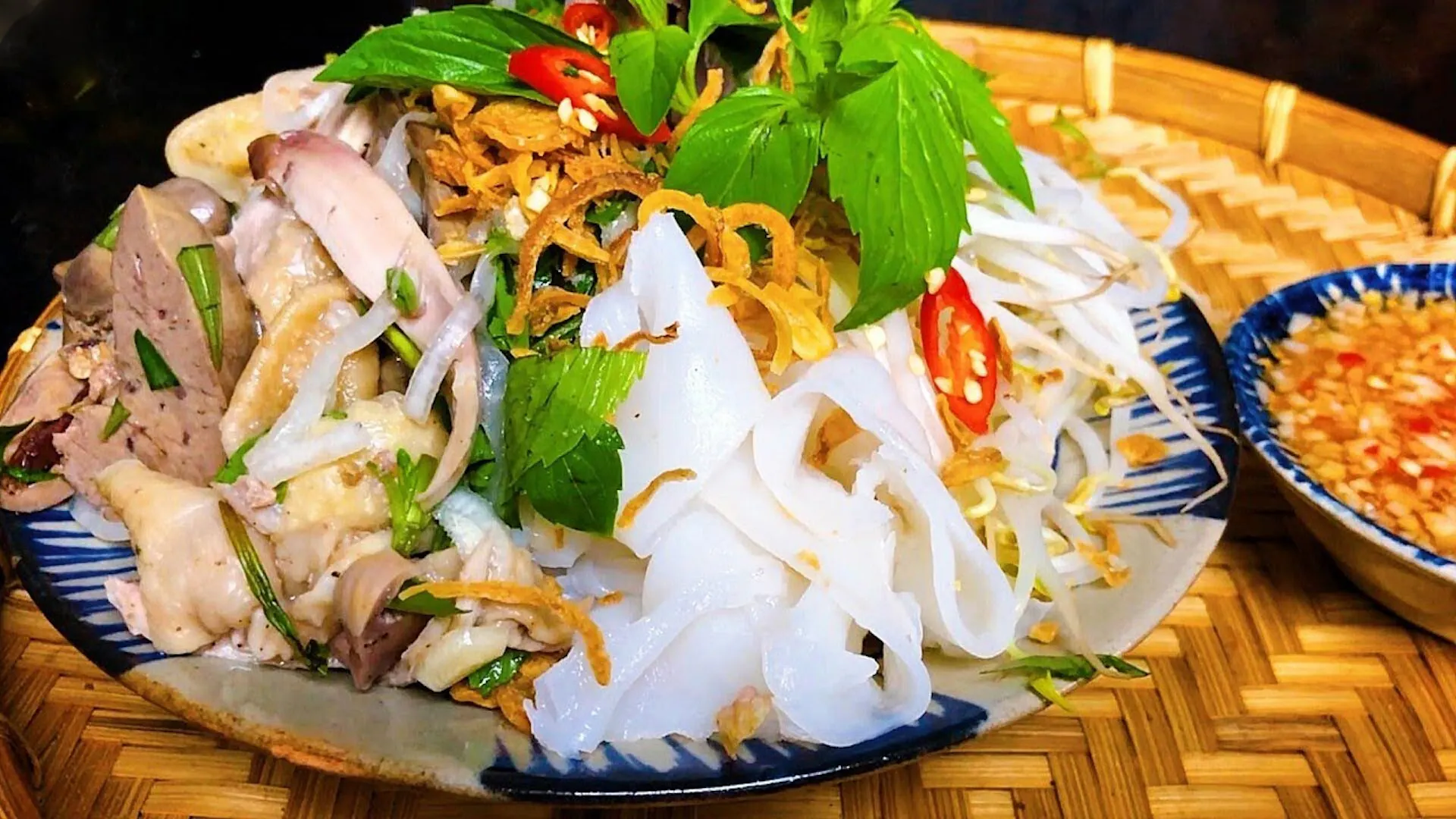
Banh Uot, or Bánh Ướt, is a Vietnamese dish made from thin, soft rice sheets steamed over a cloth-covered pot. Unlike Banh Cuon, which is typically filled with pork and wood-ear mushrooms, Banh Uot is usually served without a filling. These silky rice rolls are commonly paired with scallion oil, fried shallots, Vietnamese pork sausage, fresh herbs, grilled pork, and savory dipping sauce. From regional specialties in central Vietnam to popular breakfast stalls nationwide, Banh Uot offers a simple yet flavorful taste of Vietnamese food culture.
On this page
- What Is Banh Uot?
- What Is Banh Uot Made Of?
- How Is Banh Uot Made?
- What Does Banh Uot Taste Like?
- Banh Uot vs. Banh Cuon: What's the Difference?
- Banh Uot Ingredients and Popular Toppings
- Banh Uot With Grilled Pork
- What Sauce Is Served With Banh Uot?
- Regional Variations of Banh Uot
- How to Eat Banh Uot
- Is Banh Uot a Breakfast Food?
- Why Is Banh Uot Important in Vietnamese Cuisine?
- Where to Try Banh Uot in Vietnam
- Conclusion
Banh Uot, or Bánh Ướt, is a Vietnamese dish made from thin, soft rice sheets steamed over a cloth-covered pot. Unlike Banh Cuon, which is typically filled with seasoned pork and wood-ear mushrooms, Banh Uot is usually served without a filling. These silky rice sheets are commonly paired with scallion oil, fried shallots, Vietnamese pork sausage, fresh herbs, grilled pork, and savory dipping sauces. Popular as a breakfast or light meal, Banh Uot showcases the delicate texture and understated flavors of Vietnamese cuisine.
What Is Banh Uot?
Banh Uot literally means “wet cake” in Vietnamese, referring to the soft, moist rice sheets created by steaming a thin rice-flour batter. The sheets are cooked one at a time over a traditional cloth steamer, producing a smooth, flexible texture that is soft enough to fold but firm enough to pick up with chopsticks.
Unlike many Vietnamese rice dishes, Banh Uot is generally not stuffed. Instead, the plain rice sheets provide a neutral base for flavorful toppings and dipping sauces.
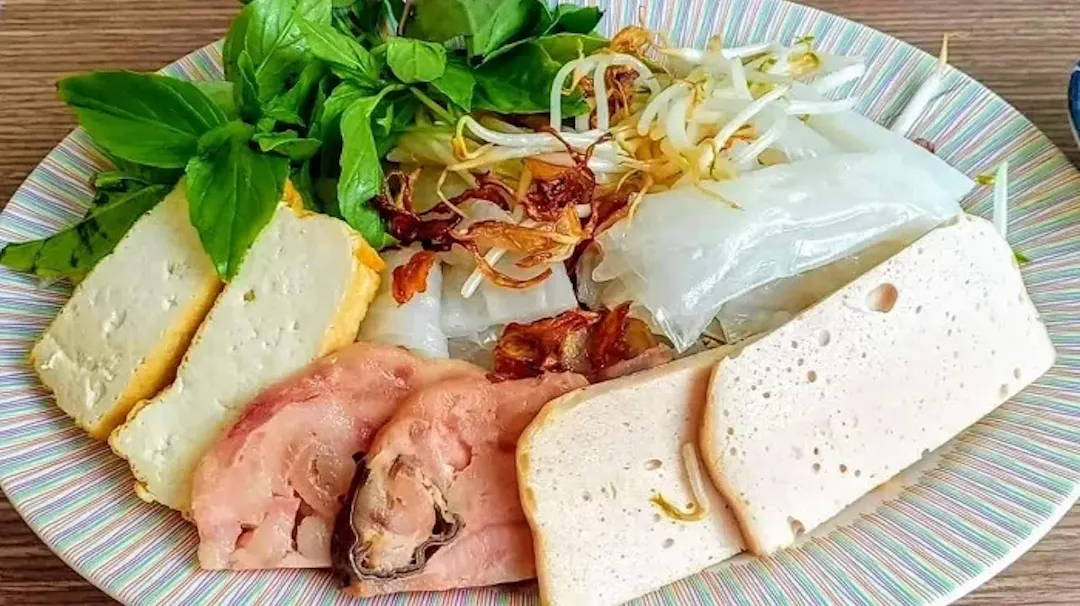
A typical serving may include:
- Steamed rice sheets
- Scallion oil (mỡ hành)
- Fried shallots (hành phi)
- Vietnamese pork sausage (chả lụa)
- Fresh herbs
- Bean sprouts or cucumber
- Grilled pork
- Sweet-and-sour fish sauce or fermented anchovy sauce
The result is a light but satisfying dish that combines soft rice sheets with savory meat, crunchy toppings, fresh herbs, and a flavorful dipping sauce.
What Is Banh Uot Made Of?
The main ingredient in Banh Uot is rice. Rice is soaked, ground with water, and turned into a thin batter. Some recipes also include tapioca starch, which helps create the characteristic soft and slightly elastic texture.
The basic ingredients include:
- Rice or rice flour
- Water
- Tapioca starch in some recipes
- Scallion oil
- Fried shallots
- Fresh herbs
- Fish sauce
- Pork or other toppings
The simplicity of the ingredients is part of Banh Uot's appeal. Because the rice sheets have a mild flavor, they work particularly well with savory meats, aromatic herbs, and strongly flavored Vietnamese sauces.
How Is Banh Uot Made?
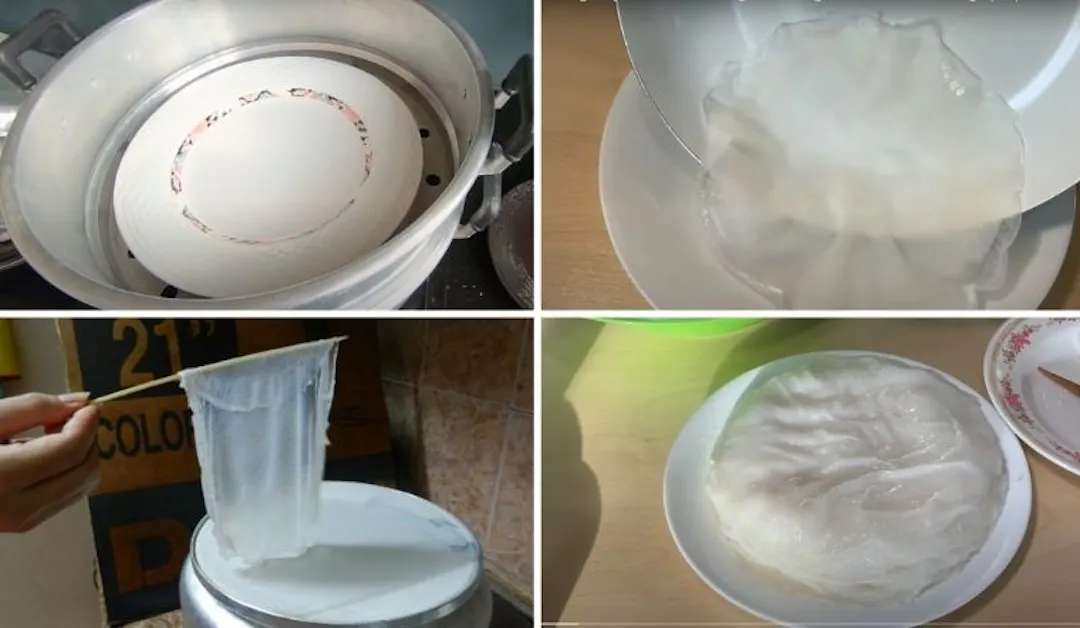
Traditional Banh Uot is prepared using a cloth-covered steamer. A pot of water is brought to a boil, and a tightly stretched piece of cloth is placed over the top. The cook pours a small amount of rice batter onto the cloth and quickly spreads it into a very thin layer.
After steaming for only a short time, the rice sheet becomes translucent and soft. A thin bamboo stick or spatula is then used to lift the sheet from the cloth and transfer it onto a serving plate.
The process is deceptively simple but requires considerable skill. The batter must have the right consistency, while the cook must control the amount of batter, steaming time, and spreading technique to produce sheets that are thin without tearing.
What Does Banh Uot Taste Like?
Banh Uot has a mild, slightly sweet rice flavor with a soft and silky texture. On its own, the steamed rice sheet is relatively subtle, which allows the toppings and dipping sauce to provide most of the flavor.
Depending on how it is served, you may notice:
- Soft and silky rice sheets
- Savory pork
- Crispy fried shallots
- Fragrant scallion oil
- Fresh herbs
- Sweet, salty, sour, and spicy dipping sauce
- Smoky flavors from grilled pork
This balance between a delicate rice base and stronger accompaniments is one of the defining characteristics of Vietnamese food.
Banh Uot vs. Banh Cuon: What's the Difference?
Banh Uot and Banh Cuon are closely related Vietnamese steamed rice dishes, but they are not exactly the same.
Banh Uot is generally served as plain steamed rice sheets without a filling. Toppings such as pork sausage, fried shallots, herbs, or grilled pork are added separately.
Banh Cuon is typically rolled around a savory filling, most commonly minced pork and wood-ear mushrooms. The finished rolls are served with Vietnamese dipping sauce and often accompanied by Vietnamese pork sausage and fresh herbs.
The easiest way to remember the difference is:
Banh Uot = soft, usually unfilled rice sheets.
Banh Cuon = steamed rice sheets rolled around a filling.
Both dishes are part of Vietnam's broader tradition of transforming rice into thin, delicate steamed foods.
Banh Uot Ingredients and Popular Toppings
Although the rice sheets form the foundation of the dish, toppings give each serving its character.
Chả Lụa
Chả lụa is Vietnamese steamed pork sausage traditionally wrapped in banana leaves. It has a smooth, savory texture and is one of the most common accompaniments for Banh Uot.
Scallion Oil
Mỡ hành, or scallion oil, is made by adding chopped green onions to hot oil. It gives the rice sheets a glossy appearance and adds a mild, savory aroma.
Fried Shallots
Crispy fried shallots provide one of the most important textural contrasts. Their crunchy texture and sweet onion flavor work particularly well with the soft rice sheets.
Fresh Herbs and Vegetables
Depending on the region, Banh Uot may be served with lettuce, mint, Vietnamese balm, cucumber, bean sprouts, or other fresh vegetables. These ingredients add freshness and crunch to an otherwise soft dish.
Banh Uot With Grilled Pork
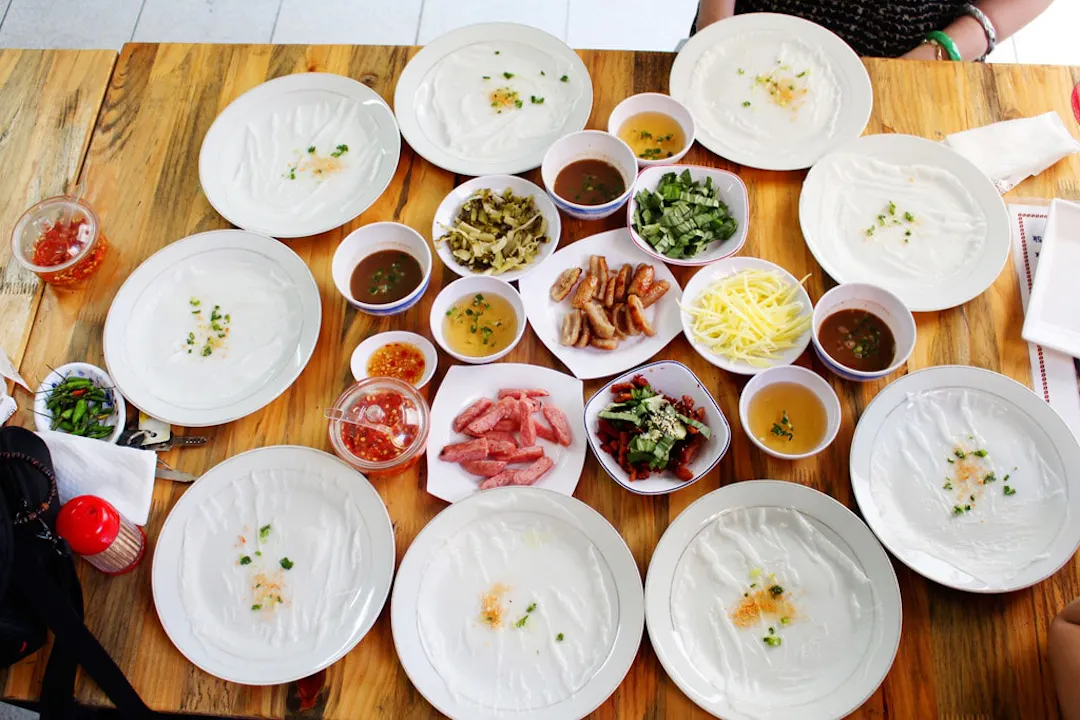
One of the most popular variations is Banh Uot with grilled pork, known as bánh ướt thịt nướng. Thin slices of pork are marinated with ingredients such as fish sauce, garlic, shallots, lemongrass, pepper, and sugar before being grilled over charcoal. The meat develops a smoky exterior and caramelized edges while remaining tender inside. The grilled pork is then served with the soft rice sheets, fresh herbs, crunchy vegetables, and dipping sauce.
This combination creates a particularly satisfying contrast:
soft rice + smoky pork + fresh herbs + crunchy vegetables + savory sauce.
Banh Uot with grilled pork is especially associated with central and southern Vietnamese food traditions.
What Sauce Is Served With Banh Uot?
Because the rice sheets themselves have a mild flavor, dipping sauce plays an important role.
Nước Mắm Chua Ngọt
A common choice is nước mắm chua ngọt, a sweet-and-sour fish sauce made with fish sauce, water, sugar, lime or vinegar, garlic, and chili. Its salty, sweet, sour, and spicy flavors complement the delicate rice sheets without overpowering them.
Mắm Nêm
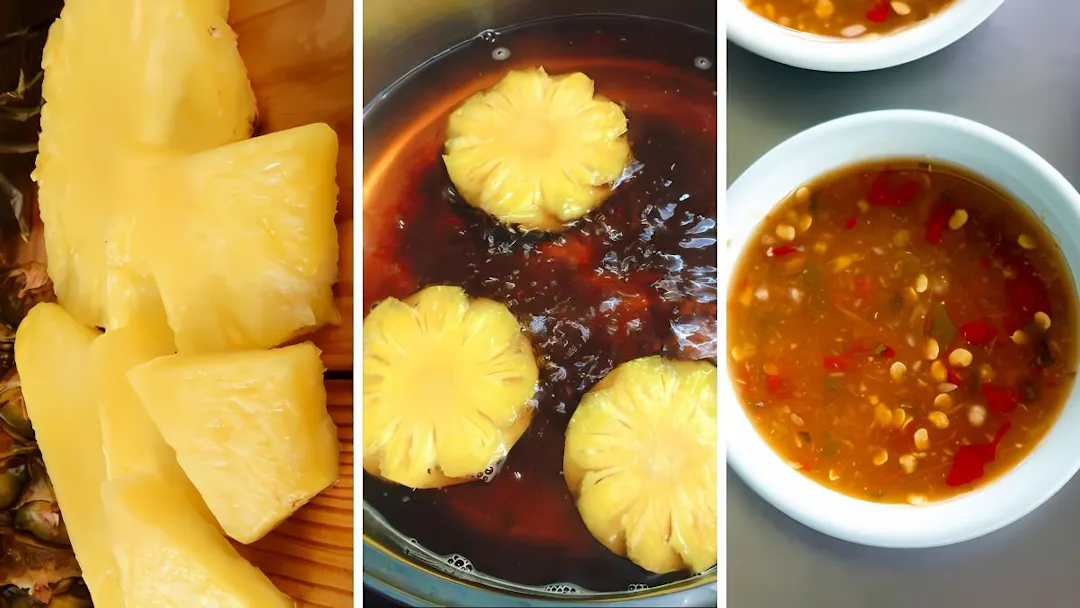
In parts of central Vietnam, Banh Uot may be served with mắm nêm, a stronger fermented anchovy-based sauce. It is often combined with pineapple, garlic, sugar, chili, and other seasonings. Mắm nêm has a much more intense fermented aroma than regular sweet-and-sour fish sauce and gives the dish a distinctly central Vietnamese character.
Regional Variations of Banh Uot
Banh Uot varies considerably across Vietnam. Local ingredients, sauces, and eating traditions influence how the dish is served.
Central Vietnam
Central Vietnamese versions often emphasize bold dipping sauces and grilled meats. In places such as Nha Trang and nearby coastal areas, Banh Uot can be served fresh from the steamer alongside grilled pork, herbs, and local sauces. Some establishments prepare each rice sheet individually, allowing diners to enjoy the sheets while they are still warm.
Southern Vietnam
Southern versions may feature sweeter dipping sauces and a wider range of fresh vegetables. The dish can also be served as part of a larger breakfast or casual meal.
Banh Uot with Grilled Pork
In several central and southern food traditions, grilled pork is an important accompaniment. The smoky meat adds richness to the otherwise light rice sheets and turns Banh Uot into a more substantial meal. These regional differences show how Vietnamese cuisine adapts the same basic rice preparation to local tastes and ingredients.
How to Eat Banh Uot
There is no single strict way to eat Banh Uot, but the traditional experience is all about combining several ingredients in one bite.
Start with a piece of soft rice sheet and add some of the toppings served alongside it. You might combine:
- A piece of Banh Uot
- Chả lụa or grilled pork
- Fried shallots
- Scallion oil
- Fresh herbs
- Cucumber or bean sprouts
Dip the combination into the accompanying fish sauce before eating. If the dish is served with grilled pork, try combining the smoky pork with the soft rice sheet and fresh herbs. The contrast between the warm meat and delicate rice creates one of the dish's most appealing characteristics.
Is Banh Uot a Breakfast Food?
Yes. Banh Uot is commonly enjoyed as breakfast or a light meal in Vietnam. Its soft texture and relatively mild rice base make it suitable for the morning, while toppings such as pork sausage or grilled pork add enough protein to make the meal filling.
Like many Vietnamese breakfast dishes, it is often prepared fresh at small local restaurants or street-side stalls.
For travelers, watching the rice sheets being steamed to order is also part of the experience. The preparation is fast, repetitive, and highly skilled, with vendors producing one delicate sheet after another.
Why Is Banh Uot Important in Vietnamese Cuisine?
Banh Uot represents one of the simplest yet most skillful ways Vietnamese cooks transform rice into a complete meal.
The dish demonstrates several important characteristics of Vietnamese cuisine:
- Rice as a central staple
- Fresh herbs and vegetables
- Balance between soft and crunchy textures
- Savory and acidic dipping sauces
- Regional variation
- Fresh preparation
- Simple ingredients combined with careful technique
Rather than relying on a heavily seasoned rice sheet, Banh Uot allows each diner to create a balanced bite from the rice, meat, herbs, toppings, and sauce.
Where to Try Banh Uot in Vietnam
For travelers, Banh Uot is best experienced at a local breakfast restaurant or traditional street-food stall where the rice sheets are prepared fresh.
Central Vietnam is particularly well known for versions served with grilled pork and distinctive regional sauces. In cities and towns throughout the south, you can also find Banh Uot served with pork sausage, herbs, vegetables, and sweet-and-sour fish sauce.
When choosing a local restaurant, look for a place where the vendor is steaming the rice sheets continuously to order. Freshly steamed Banh Uot should be soft, moist, and silky rather than dry or rubbery.
Conclusion
So, what is Banh Uot? It is a Vietnamese dish of thin, soft steamed rice sheets that are usually served without a filling and paired with savory toppings, fresh herbs, grilled pork, and flavorful dipping sauce. Its delicate texture distinguishes it from filled rice rolls such as Banh Cuon, while its regional variations demonstrate the diversity of Vietnamese cuisine.
From a simple breakfast plate with chả lụa and fried shallots to Banh Uot with smoky grilled pork, this humble rice dish offers travelers an authentic way to experience Vietnam's rice-based culinary traditions, fresh ingredients, and distinctive balance of flavors.

By Roy Trinh
Editor
Roy Trinh is a travel writer and destination expert at Go Visit Vietnam, dedicated to helping travelers discover the beauty, culture, and diversity of Vietnam. Through well-researched travel guides, practical itineraries, local insights, and authentic recommendations, Roy shares valuable information to inspire memorable journeys across the country. From vibrant cities and breathtaking landscapes to regional cuisine and cultural heritage, every guide is created to help visitors experience Vietnam with confidence and curiosity.
Frequently Asked Questions About Banh Uot
What is Banh Uot?
Banh Uot is a Vietnamese dish made from thin rice sheets steamed over a cloth-covered pot. It is usually served without a filling and accompanied by meat, herbs, fried shallots, scallion oil, and dipping sauce.
What does Banh Uot mean?
“Banh Uot” literally translates roughly as “wet cake”, referring to the soft and moist texture of the freshly steamed rice sheets.
Is Banh Uot the same as Banh Cuon?
No. Banh Uot is generally served without a filling, while Banh Cuon is usually rolled around a filling such as minced pork and wood-ear mushrooms.
What is Banh Uot made from?
The main ingredients are rice and water. Some recipes also use tapioca starch to create a softer and more elastic texture.
Is Banh Uot served with grilled pork?
Yes. Banh Uot thit nuong, or Banh Uot with grilled pork, is a popular variation, particularly in parts of central and southern Vietnam.
What sauce goes with Banh Uot?
Banh Uot can be served with sweet-and-sour fish sauce (nước mắm chua ngọt) or stronger fermented anchovy sauce (mắm nêm), depending on the region.
Is Banh Uot a breakfast dish?
Yes. Banh Uot is commonly eaten for breakfast or as a light meal, although it can be enjoyed at other times of day.
Advertising box