
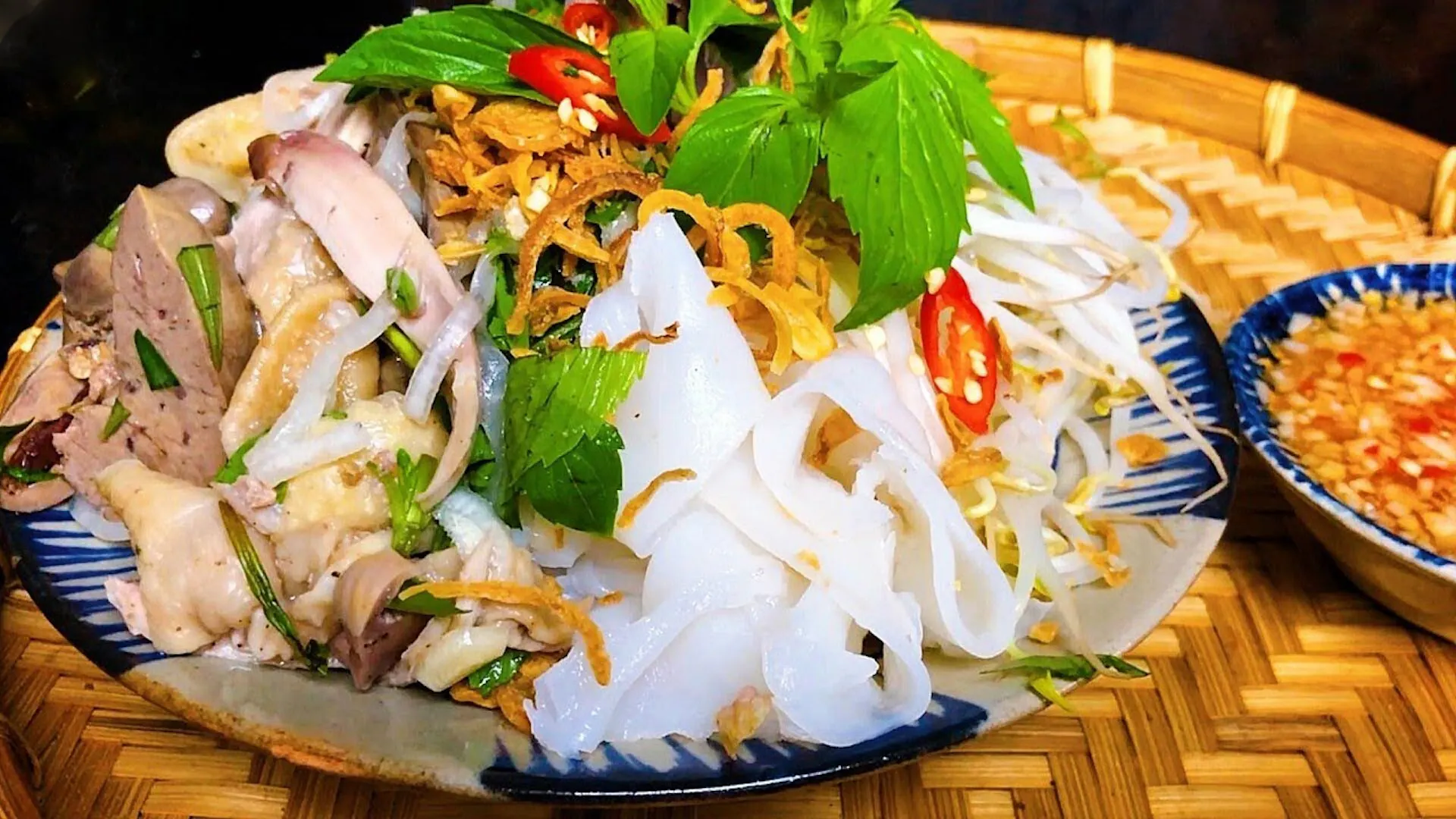
Banh Uot: Vietnam's Soft Steamed Rice Paper Dish
Banh Uot is a traditional Vietnamese dish made from thin, soft sheets of steamed rice batter. Similar to fresh rice paper, these delicate sheets are typically served with herbs, vegetables, savory toppings, and a flavorful dipping sauce. Depending on the region, Banh Uot may be enjoyed with grilled pork, Vietnamese ham, fried shallots, mung beans, or other local ingredients. Its soft texture and subtle rice flavor make it a popular breakfast, street food, and everyday dish across Vietnam.
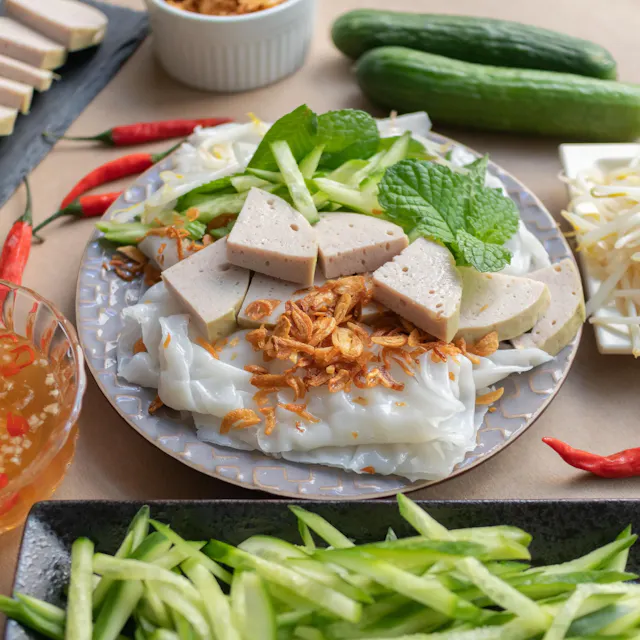
About Banh Uot
Banh Uot is a traditional Vietnamese dish made from thin sheets of steamed rice batter. Soft, delicate, and mildly flavored, these fresh rice sheets are usually served with savory toppings, fresh herbs, vegetables, and a flavorful dipping sauce.
Popular across Vietnam, Banh Uot can be enjoyed as breakfast, a light meal, street food, or a regional specialty. Although the basic preparation is simple, different provinces and cities have developed their own ways of serving the dish, making Banh Uot an interesting part of Vietnam's diverse food culture.
What Is Banh Uot?
Banh Uot, written as Bánh Ướt in Vietnamese, literally refers to the wet or freshly steamed nature of the rice sheets. The batter is primarily made from rice flour and water. It is spread into an extremely thin layer and steamed until cooked. The resulting sheet is soft, slightly translucent, and delicate. Unlike dried rice paper, Banh Uot is served fresh and retains moisture. The subtle flavor of rice provides a neutral base for savory meats, herbs, sauces, and other toppings.
How Is Banh Uot Made?
Traditional Banh Uot preparation requires a steaming surface and careful technique. A thin layer of rice batter is spread across the steaming cloth or surface. It cooks quickly before being carefully lifted and transferred to a plate or tray.
The process is repeated until enough sheets are prepared. Achieving the right texture requires controlling the thickness of the batter and steaming time. A good Banh Uot should be soft and flexible without becoming excessively sticky or difficult to handle.
Common Ingredients and Toppings
Although the rice sheet itself is simple, toppings can make Banh Uot a substantial meal. Common accompaniments include Vietnamese pork sausage, grilled pork, fried shallots, mung beans, fresh herbs, cucumber, bean sprouts, and other vegetables.
Some regional versions are served with shredded chicken, roasted pork, or other local ingredients. The dipping sauce is equally important. Fish sauce-based sauces are commonly served alongside Banh Uot, often balanced with sugar, lime, chili, garlic, or other seasonings.
Banh Uot and Banh Cuon
Banh Uot is closely related to Banh Cuon, another popular Vietnamese steamed rice dish. Both use thin steamed rice batter, but Banh Cuon is typically rolled around a filling, often including minced pork and wood ear mushrooms.
Banh Uot is generally served as flat or folded rice sheets with toppings and accompaniments. The distinction can vary between regions, and some local restaurants may use the terms differently.
Regional Variations
One of the most interesting aspects of Banh Uot is how its preparation changes throughout Vietnam. In Central Vietnam, particularly in destinations such as Hue and Quy Nhon, Banh Uot may be served with grilled meat, herbs, or regional sauces.
In other areas, the dish can be paired with Vietnamese ham, roasted pork, or local specialties. Some versions are particularly simple, allowing the texture of the freshly steamed rice sheets to remain the main focus.
These regional differences demonstrate how Vietnamese cuisine adapts basic ingredients into distinct local dishes.
Banh Uot in Vietnamese Food Culture
Banh Uot is commonly associated with breakfast and casual dining. Fresh batches may be prepared early in the morning at local eateries, where customers order portions with meat, herbs, and dipping sauce.
Because the rice sheets are made fresh, watching the preparation can be part of the dining experience. For travelers, small local restaurants and traditional markets can be good places to discover authentic versions of the dish.
What Does Banh Uot Taste Like?
Banh Uot has a mild, slightly sweet rice flavor with a soft and delicate texture. On its own, it is relatively subtle. Most of the flavor comes from the accompanying meat, herbs, fried shallots, and dipping sauce.
The combination of soft rice sheets, savory toppings, fresh herbs, and salty-sweet fish sauce creates a balanced contrast of textures and flavors. For visitors who enjoy Vietnamese rice dishes, Banh Uot offers a simple but satisfying introduction to regional cuisine.
Where to Try Banh Uot
Banh Uot can be found in many parts of Vietnam, particularly at local breakfast restaurants, markets, and street-food establishments. Cities such as Hue, Quy Nhon, Da Lat, and other destinations have their own local interpretations.
Travelers interested in regional food should look for restaurants that specialize in freshly steamed rice dishes. Local markets can also be an excellent place to observe how Banh Uot is prepared and served in everyday settings.
How to Eat Banh Uot
There is no single way to eat Banh Uot. Depending on the preparation, diners may pick up the rice sheets with chopsticks and dip them into sauce, or combine the sheets with meat, herbs, and vegetables before eating.
Fresh herbs and vegetables provide a refreshing contrast to the soft rice sheets, while fried shallots add aroma and texture. Adding chili or lime to the dipping sauce can also change the balance of flavors according to personal preference.
Why Try Banh Uot in Vietnam?
Banh Uot demonstrates how Vietnamese cuisine can transform simple ingredients into dishes with remarkable texture and variety. Rice is one of the foundations of Vietnamese food culture, and Banh Uot showcases it in one of its most delicate forms.
Trying the dish locally also provides travelers with an opportunity to experience everyday Vietnamese breakfast culture and discover regional variations that may not be widely available outside Vietnam.
Discover Banh Uot
Banh Uot is a simple yet versatile Vietnamese dish that combines freshly steamed rice sheets with savory toppings, herbs, vegetables, and dipping sauce.
From traditional breakfast stalls to regional restaurants, the dish reflects the importance of rice in Vietnamese cuisine and the country's ability to create diverse flavors from basic ingredients.
Whether enjoyed with grilled pork, Vietnamese ham, fresh herbs, or a regional specialty, Banh Uot offers travelers a delicious way to explore Vietnam's everyday food culture.
Featured Ingredients in Banh Uot
Banh Uot is made from a simple rice-based batter, but its toppings and accompaniments create much of the dish's distinctive flavor. These three ingredients are commonly associated with traditional servings of Banh Uot.
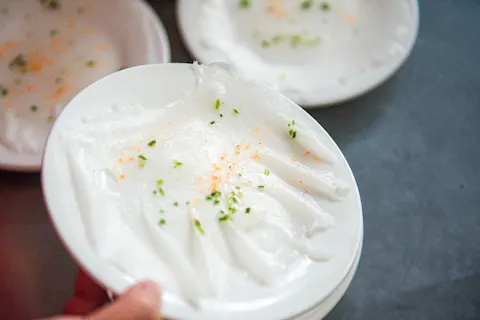
Rice Flour↗
Rice flour forms the foundation of Banh Uot. Mixed with water into a thin batter, it is steamed into soft, delicate sheets with a subtle rice flavor. The quality and consistency of the batter help create the smooth, flexible texture that defines the dish.
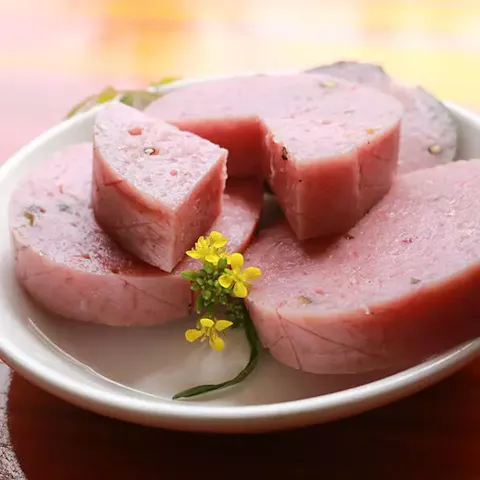
Vietnamese Pork Sausage↗
Vietnamese pork sausage, or chả lụa, is a popular accompaniment to Banh Uot. Its savory flavor and firm, tender texture provide a satisfying contrast to the soft rice sheets. It is commonly sliced thinly and served alongside the steamed rice.
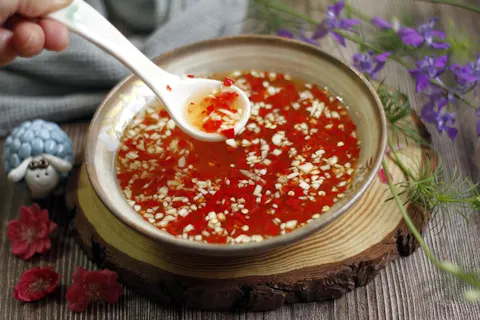
Fish Sauce↗
Fish sauce is an essential accompaniment that brings savory, salty, sweet, and aromatic flavors to Banh Uot. It is often mixed with sugar, lime, garlic, and chili to create a balanced dipping sauce that complements the mild rice sheets and fresh toppings.
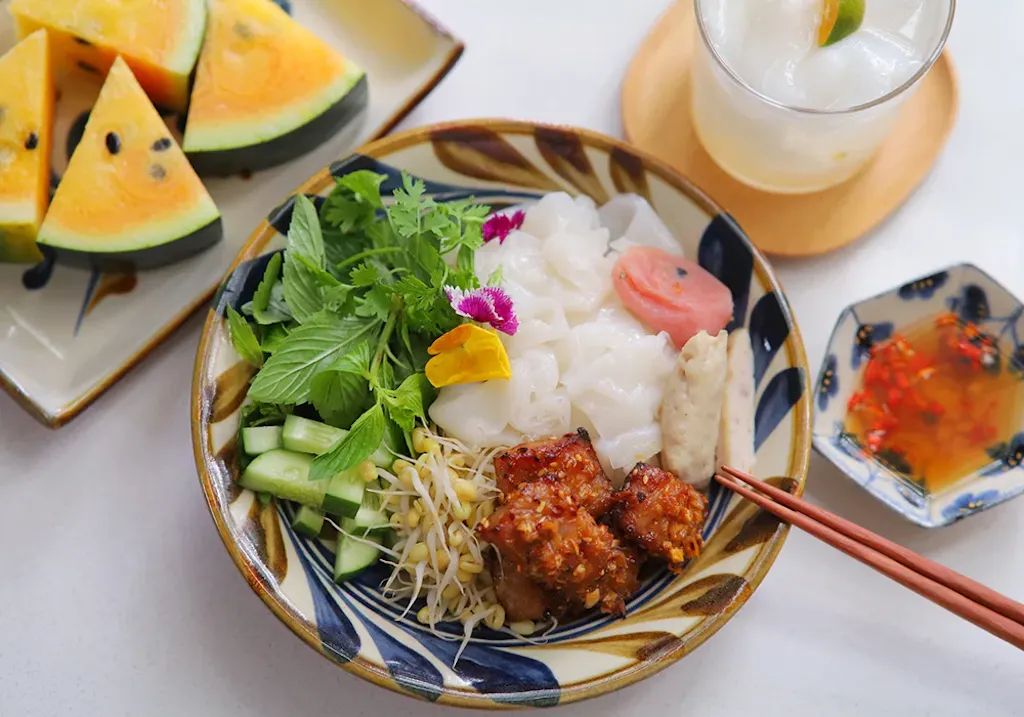
Related Banh Uot Articles
Explore more Banh Uot guides, from its delicate steamed rice sheets and traditional toppings to regional variations, dipping sauces, preparation methods, and the best ways to enjoy this classic Vietnamese dish.
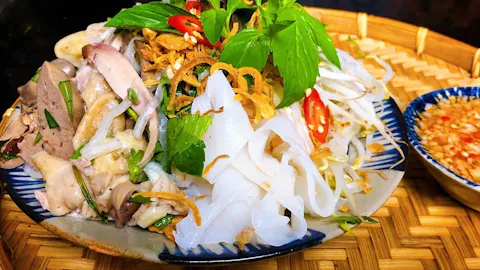
What Is Banh Uot? Vietnam's Soft Steamed Rice Rolls Explained↗
Banh Uot, or Bánh Ướt, is a Vietnamese dish made from thin, soft rice sheets steamed over a cloth-covered pot. Unlike Banh Cuon, which is typically filled with pork and wood-ear mushrooms, Banh Uot is usually served without a filling. These silky rice rolls are commonly paired with scallion oil, fried shallots, Vietnamese pork sausage, fresh herbs, grilled pork, and savory dipping sauce. From regional specialties in central Vietnam to popular breakfast stalls nationwide, Banh Uot offers a simple yet flavorful taste of Vietnamese food culture.
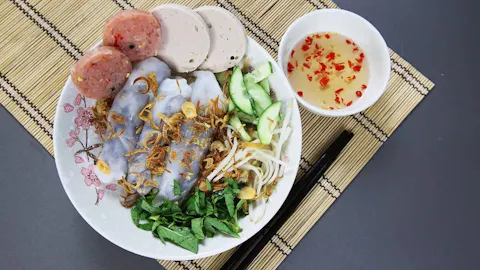
Banh Cuon vs Banh Uot: What's the Difference?↗
Banh Cuon and Banh Uot are two popular Vietnamese steamed rice dishes made from thin, delicate rice batter, but they differ mainly in how they are prepared and served. Banh Cuon is typically rolled around a savory filling of minced pork and wood-ear mushrooms, while Banh Uot is usually served unfilled with scallion oil, fried shallots, herbs, and dipping sauce. Discover their shared origins, ingredients, textures, toppings, sauces, regional variations, and the easiest ways to tell these Vietnamese rice dishes apart.
Frequently Asked Questions About Banh Uot
What is Banh Uot?
Banh Uot (Bánh Ướt) is a Vietnamese dish made from thin sheets of steamed rice batter. The soft, delicate sheets are typically served with Vietnamese pork sausage, grilled meat, fresh herbs, fried shallots, vegetables, and fish sauce-based dipping sauce. It is commonly enjoyed as breakfast, a light meal, or casual street food.
What is the difference between Banh Uot and Banh Cuon?
Both Banh Uot and Banh Cuon are made from thin steamed rice batter, but they are usually served differently. Banh Cuon is typically rolled around a savory filling such as minced pork and wood ear mushrooms, while Banh Uot is generally served as fresh rice sheets with toppings and dipping sauce. Regional preparation can vary across Vietnam.
What does Banh Uot taste like?
Banh Uot has a mild rice flavor and a soft, delicate texture. Most of its flavor comes from the accompanying ingredients, such as grilled pork, Vietnamese pork sausage, fresh herbs, fried shallots, and fish sauce. The combination creates a balance of savory, sweet, salty, fresh, and aromatic flavors.
Where can I try Banh Uot in Vietnam?
Banh Uot is available in many parts of Vietnam at local breakfast restaurants, markets, and street-food stalls. It is particularly interesting to try regional versions in destinations such as Hue, Quy Nhon, and Da Lat, where local ingredients and serving styles can give the dish a distinctive character.
Is Banh Uot a breakfast dish?
Yes. Banh Uot is commonly enjoyed for breakfast in Vietnam, although it can also be eaten throughout the day. Fresh rice sheets are often prepared in the morning and served immediately with meat, herbs, vegetables, and dipping sauce. Visiting a local Banh Uot restaurant in the morning can provide a good introduction to everyday Vietnamese food culture.
Advertising box
Related Vietnamese Dishes
Explore more of Vietnam's rich culinary heritage with these delicious regional specialties. From comforting noodle soups and fresh seafood dishes to iconic street food favorites, discover authentic flavors that perfectly complement your journey beyond Banh Mi.
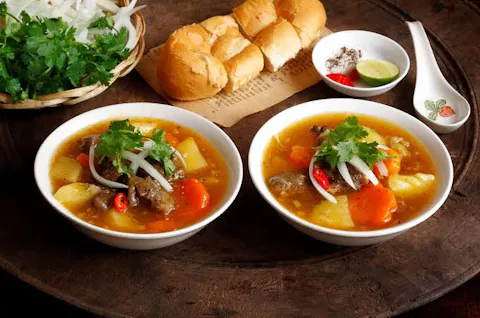
Bò Kho: Vietnamese Beef Stew with Aromatic Spices
Bò Kho is a rich and aromatic Vietnamese beef stew made with tender pieces of beef, carrots, lemongrass, garlic, chili, and fragrant spices. Slow-cooked until the meat becomes tender, the dish develops a flavorful broth with savory, spicy, sweet, and aromatic notes. Bò Kho can be enjoyed in several ways, commonly served with Vietnamese baguette for dipping or rice noodles for a heartier meal. Popular throughout Vietnam, this comforting dish reflects the country's distinctive combination of fresh herbs, spices, and slow-cooked flavors.
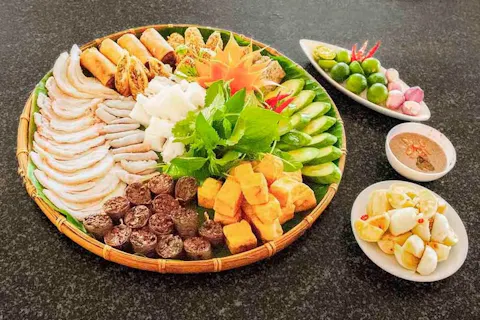
Bún Đậu Mắm Tôm: Vietnam's Fermented Shrimp Paste Noodle Platter
Bún Đậu Mắm Tôm is a popular Vietnamese street food platter featuring fresh rice vermicelli, crispy fried tofu, herbs, and savory pork served with fermented shrimp paste. Traditionally associated with Hanoi and northern Vietnamese cuisine, the dish is known for its contrasting textures and bold, salty, umami-rich dipping sauce. Other ingredients may include pork belly, Vietnamese sausage, fried pork intestines, or crispy pork. For travelers exploring Vietnamese food, Bún Đậu Mắm Tôm offers a distinctive local experience and an introduction to Vietnam's love of fermented flavors.
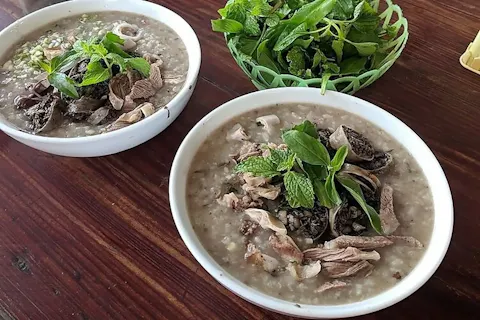
Cháo Lòng: Vietnam's Pork Offal Rice Porridge
Cháo Lòng is a traditional Vietnamese rice porridge served with assorted pork offal, such as liver, intestines, heart, and stomach, along with fresh herbs and savory seasonings. The creamy rice porridge provides a mild base that complements the rich and varied textures of the pork toppings. Often enjoyed as a hearty breakfast or casual meal, Cháo Lòng is especially popular at local eateries and traditional markets across Vietnam. Discover its ingredients, preparation, flavors, cultural background, and how locals traditionally enjoy this distinctive Vietnamese dish.
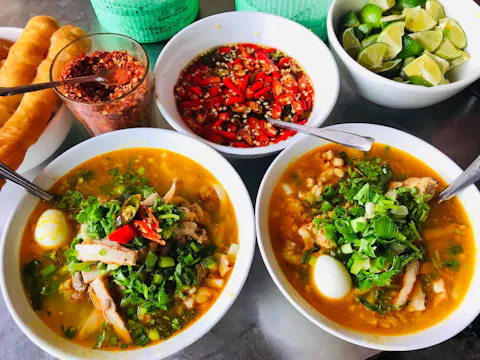
Bánh Canh: Vietnam's Thick Noodle Soup
Bánh Canh is a traditional Vietnamese noodle soup known for its thick, chewy noodles and flavorful broth. Made from tapioca flour, rice flour, or a combination of both, the noodles are served with ingredients such as crab, shrimp, fish, pork, or seafood depending on the regional variety. From Bánh Canh Cua to fish-based versions found in Central and Southern Vietnam, this comforting dish offers a wide range of textures and flavors. Discover its ingredients, varieties, history, and traditional ways to enjoy Bánh Canh in Vietnam.