
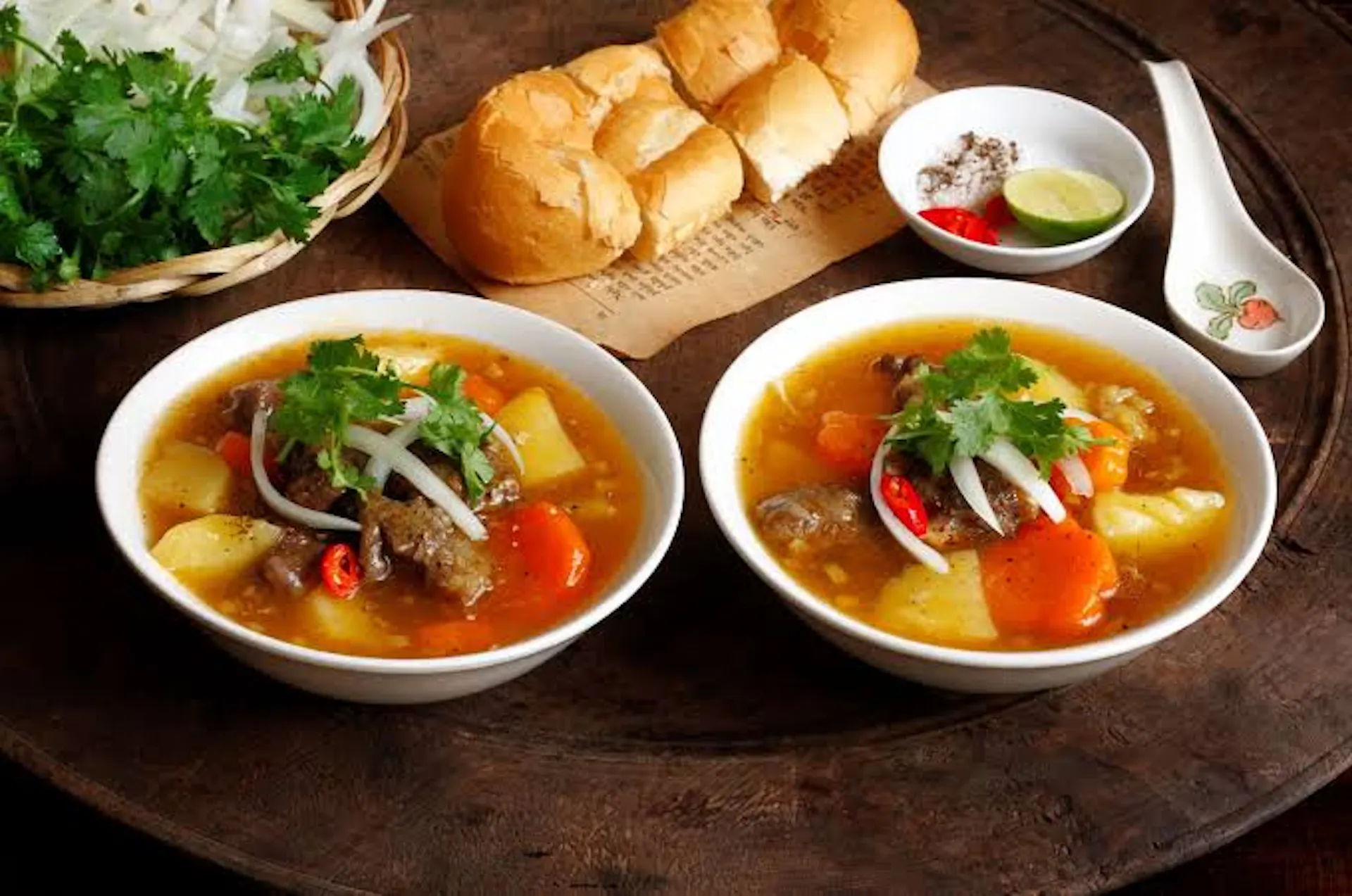
Bò Kho: Vietnamese Beef Stew with Aromatic Spices
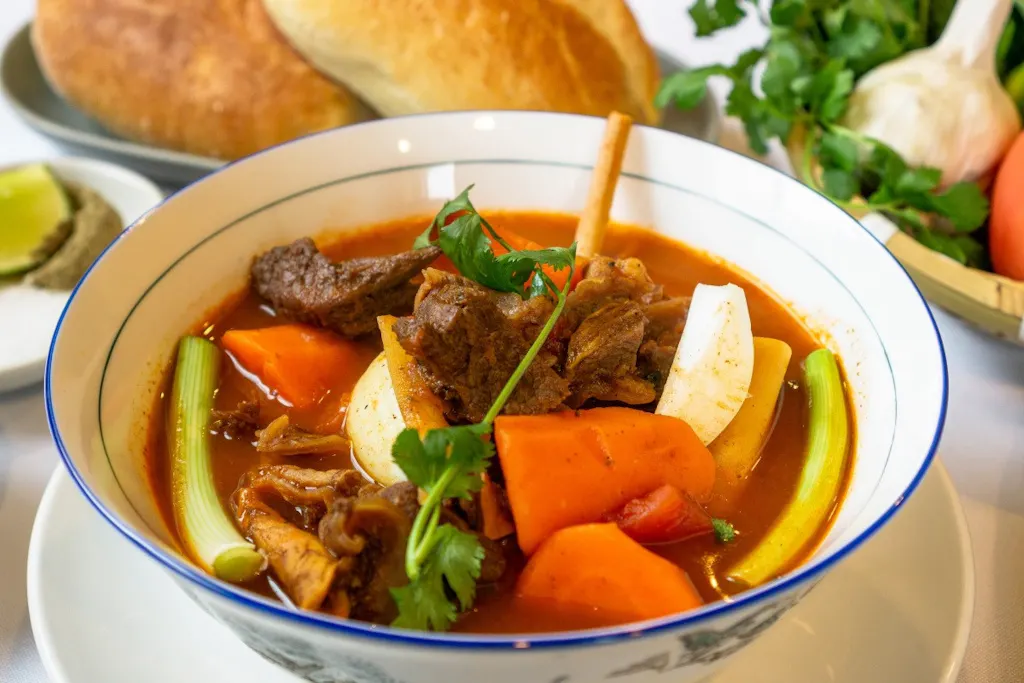
Bò Kho is a rich and aromatic Vietnamese beef stew made with tender pieces of beef, carrots, lemongrass, garlic, chili, and fragrant spices. Slow-cooked until the meat becomes tender, the dish develops a flavorful broth with savory, spicy, sweet, and aromatic notes. Bò Kho can be enjoyed in several ways, commonly served with Vietnamese baguette for dipping or rice noodles for a heartier meal. Popular throughout Vietnam, this comforting dish reflects the country's distinctive combination of fresh herbs, spices, and slow-cooked flavors.
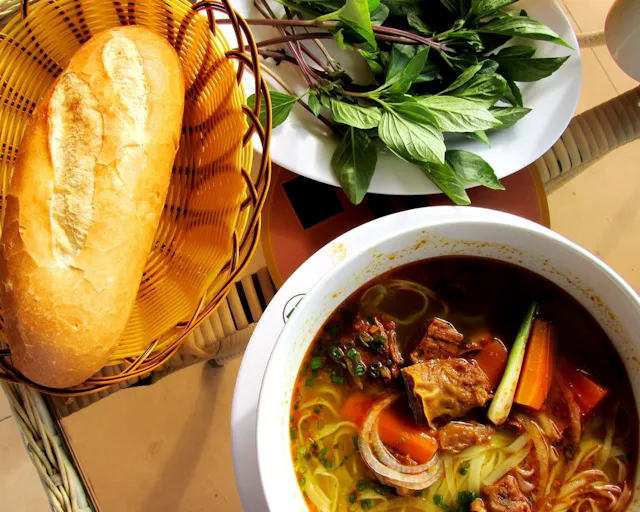
About Bo Kho
Bo Kho is a flavorful Vietnamese beef stew known for its tender beef, aromatic spices, carrots, and rich, savory broth. Slow-cooked with ingredients such as lemongrass, star anise, cinnamon, garlic, and ginger, Bo Kho has a warm and fragrant character that makes it one of Vietnam's favorite comfort foods.
Although it is often enjoyed as a breakfast or casual meal, Bo Kho can be served throughout the day. It is commonly accompanied by a crusty Vietnamese baguette, rice noodles, or rice, allowing diners to enjoy the rich broth in different ways. For travelers, trying Bo Kho offers a delicious introduction to the slow-cooked dishes of Vietnamese cuisine.
What Is Bo Kho?
Bo Kho literally means beef stew in Vietnamese.
The dish is made by slowly cooking beef with carrots, onions, lemongrass, garlic, ginger, and aromatic spices. The cooking process allows the meat to become tender while the broth develops layers of savory, sweet, and fragrant flavors.
Unlike some Western beef stews, Bo Kho has a distinctly Vietnamese aromatic profile, with lemongrass and warm spices playing an important role.
Beef
Beef is the main ingredient in Bo Kho.
Tougher cuts such as beef shank, brisket, or beef tendon are often suitable because slow cooking gradually breaks down the connective tissue and makes the meat tender.
The beef is usually cut into large chunks and marinated or seasoned before being browned and simmered in the stew.
Carrots
Carrots are one of the most recognizable ingredients in Bo Kho.
They are cut into large pieces and slowly cooked until tender while retaining their shape. Their natural sweetness balances the savory beef and aromatic broth.
The soft carrots also provide a pleasant contrast to the tender beef.
Lemongrass
Lemongrass gives Bo Kho its distinctive Vietnamese aroma.
Fresh lemongrass stalks are often bruised or cut before being simmered with the beef. Their citrusy fragrance helps brighten the rich stew and gives it a lighter aromatic character.
This ingredient is one of the key differences between Bo Kho and many Western-style beef stews.
Aromatic Spices
Bo Kho typically uses a combination of warm spices.
Star anise, cinnamon, cloves, black pepper, ginger, and garlic may be used to create a fragrant and complex flavor.
The spices are usually used in moderation so that they enhance rather than overpower the beef.
The Broth
The broth is rich, savory, and aromatic.
Beef bones may be simmered to create a deeper stock, while tomato paste or fresh tomatoes can contribute color and subtle sweetness in some recipes.
Fish sauce, salt, sugar, and other seasonings are used to balance the broth.
The final consistency can range from a relatively light soup to a thicker stew depending on the recipe.
What Does Bo Kho Taste Like?
Bo Kho combines savory, sweet, spicy, and aromatic flavors.
The beef is tender and deeply seasoned, while carrots provide natural sweetness. Lemongrass gives the dish a fresh citrus note, and star anise and cinnamon contribute warmth.
The broth is rich but balanced, making it comforting without being excessively heavy.
Bo Kho and Vietnamese Breakfast Culture
Bo Kho is commonly enjoyed for breakfast in Vietnam.
Local restaurants may prepare large pots of stew early in the morning and serve it with baguettes or noodles.
This makes Bo Kho a popular alternative to more familiar breakfast dishes such as Pho or Banh Mi.
For travelers, enjoying a bowl of Bo Kho in the morning provides an opportunity to experience a different side of Vietnamese breakfast culture.
How Is Bo Kho Served?
There are several popular ways to enjoy Bo Kho.
One of the most common is Bo Kho with bread, where pieces of Vietnamese baguette are dipped into the rich broth.
It can also be served with rice noodles, creating a noodle soup similar in style to other Vietnamese noodle dishes. Some people enjoy it with steamed rice for a more substantial meal.
Fresh Herbs and Garnishes
Fresh herbs and garnishes add brightness to the stew.
Cilantro, green onions, Thai basil, lime, and fresh chili may be served alongside the dish.
These ingredients provide freshness and acidity that balance the rich beef and aromatic broth.
Where to Try Bo Kho
Bo Kho is available throughout Vietnam, particularly at local breakfast restaurants and casual eateries.
Ho Chi Minh City has many small restaurants specializing in Bo Kho, while versions can also be found in Hanoi, Da Nang, and other cities.
Local neighborhood restaurants are often the best places to experience the dish as an everyday Vietnamese meal.
How to Eat Bo Kho
If served with bread, tear off a piece of baguette and dip it directly into the broth before eating it with the beef and carrots.
For noodle versions, mix the noodles with the broth and toppings before adding herbs, chili, or lime.
The dish is best enjoyed hot, when the aromas of lemongrass and spices are most noticeable.
Discover Bo Kho
Bo Kho is a comforting Vietnamese beef stew that combines tender beef, sweet carrots, fragrant lemongrass, and warm spices in a rich and savory broth.
Its versatility makes it particularly appealing to travelers: it can be enjoyed with a crispy baguette, rice noodles, or steamed rice. For visitors exploring Vietnam, tasting Bo Kho is a delicious way to discover the country's slow-cooked comfort foods and experience a flavorful alternative to the better-known Vietnamese noodle soups.
Featured Ingredients of Bò Kho
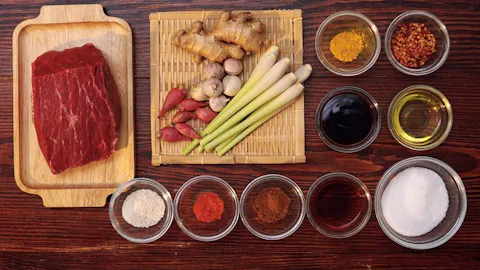
Bò Kho gets its distinctive character from a combination of tender beef, aromatic vegetables, and a carefully balanced blend of Vietnamese spices. These key ingredients create the rich broth, deep aroma, and comforting flavor that define this traditional Vietnamese beef stew.
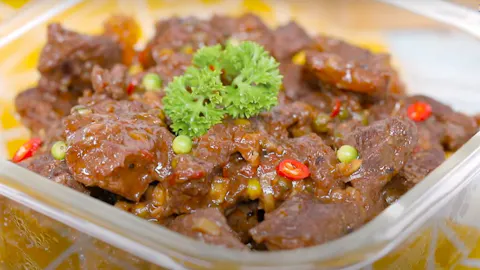
Tender Beef↗
Beef is the main ingredient in Bò Kho, with cuts such as beef shank, brisket, or other collagen-rich pieces commonly used. The meat is cut into generous chunks and slowly simmered until tender. Long cooking allows the beef to absorb the aromatic spices while developing a rich, satisfying texture.
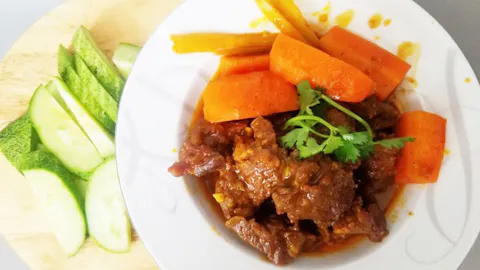
Carrots & Aromatic Vegetables↗
Carrots add natural sweetness, color, and texture to Bò Kho. They are slowly cooked in the flavorful broth until tender but not overly soft. Aromatic ingredients such as lemongrass, garlic, ginger, shallots, and onions are also essential, adding freshness and depth to the stew.
Vietnamese Spices & Seasonings↗
The signature aroma of Bò Kho comes from a blend of spices such as star anise, cinnamon, cloves, and coriander seeds, combined with fish sauce, salt, sugar, and chili. Annatto may also be used to give the broth its characteristic reddish-orange color. Together, these seasonings create Bò Kho's complex balance of savory, sweet, spicy, and aromatic flavors.
Frequently Asked Questions About Bò Kho
What is Bò Kho?
Bò Kho is a traditional Vietnamese beef stew made with tender beef, carrots, lemongrass, garlic, ginger, and aromatic spices. The beef is slowly simmered until tender, allowing the spices and seasonings to create a rich and fragrant broth. It is commonly served with Vietnamese baguette or rice noodles.
What ingredients are used in Bò Kho?
Typical Bò Kho ingredients include beef, carrots, lemongrass, garlic, ginger, onions, and spices such as star anise, cinnamon, and cloves. Fish sauce, salt, sugar, and chili are commonly used for seasoning. Some recipes also use annatto to give the broth its characteristic reddish-orange color.
What does Bò Kho taste like?
Bò Kho has a rich, savory, aromatic flavor with subtle sweetness and warming spices. Lemongrass provides a fresh citrus-like fragrance, while star anise, cinnamon, and cloves add depth. The tender beef and carrots contribute richness and natural sweetness, creating a balanced and comforting dish.
How is Bò Kho traditionally served?
Bò Kho is commonly served with Vietnamese baguette, known as bánh mì, which can be dipped into the flavorful broth. It is also frequently served with rice noodles for a more substantial meal. Fresh herbs, lime, chili, and green onions may be added to provide freshness and extra flavor.
Where does Bò Kho come from?
Bò Kho is a Vietnamese dish that is enjoyed throughout the country, with different regions and families developing their own variations. Its exact historical origin is not clearly documented, but it has become a familiar part of Vietnamese everyday cuisine. Today, Bò Kho can be found at local restaurants and street food establishments across Vietnam.
Advertising box
Related Vietnamese Dishes
Explore more of Vietnam's rich culinary heritage with these delicious regional specialties. From comforting noodle soups and fresh seafood dishes to iconic street food favorites, discover authentic flavors that perfectly complement your journey beyond Banh Mi.
Bún Đậu Mắm Tôm: Vietnam's Fermented Shrimp Paste Noodle Platter
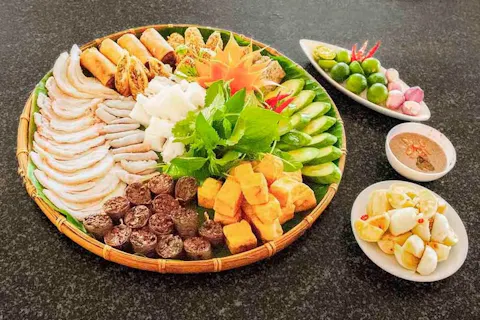
Bún Đậu Mắm Tôm is a popular Vietnamese street food platter featuring fresh rice vermicelli, crispy fried tofu, herbs, and savory pork served with fermented shrimp paste. Traditionally associated with Hanoi and northern Vietnamese cuisine, the dish is known for its contrasting textures and bold, salty, umami-rich dipping sauce. Other ingredients may include pork belly, Vietnamese sausage, fried pork intestines, or crispy pork. For travelers exploring Vietnamese food, Bún Đậu Mắm Tôm offers a distinctive local experience and an introduction to Vietnam's love of fermented flavors.
Cháo Lòng: Vietnam's Pork Offal Rice Porridge
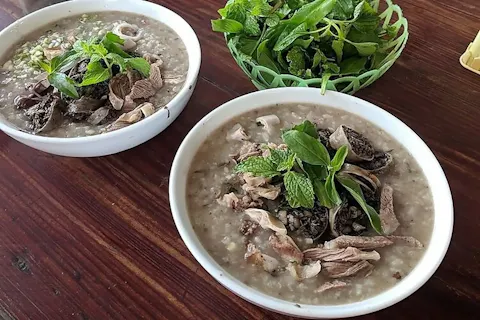
Cháo Lòng is a traditional Vietnamese rice porridge served with assorted pork offal, such as liver, intestines, heart, and stomach, along with fresh herbs and savory seasonings. The creamy rice porridge provides a mild base that complements the rich and varied textures of the pork toppings. Often enjoyed as a hearty breakfast or casual meal, Cháo Lòng is especially popular at local eateries and traditional markets across Vietnam. Discover its ingredients, preparation, flavors, cultural background, and how locals traditionally enjoy this distinctive Vietnamese dish.
Bánh Canh: Vietnam's Thick Noodle Soup
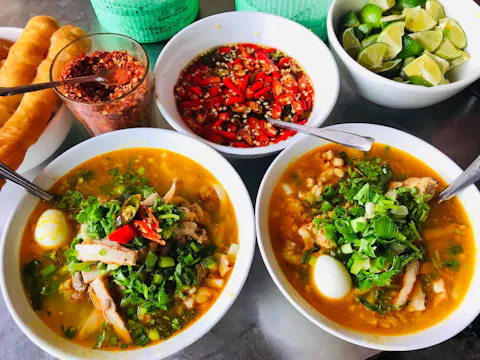
Bánh Canh is a traditional Vietnamese noodle soup known for its thick, chewy noodles and flavorful broth. Made from tapioca flour, rice flour, or a combination of both, the noodles are served with ingredients such as crab, shrimp, fish, pork, or seafood depending on the regional variety. From Bánh Canh Cua to fish-based versions found in Central and Southern Vietnam, this comforting dish offers a wide range of textures and flavors. Discover its ingredients, varieties, history, and traditional ways to enjoy Bánh Canh in Vietnam.
Xôi: Vietnam's Traditional Sticky Rice
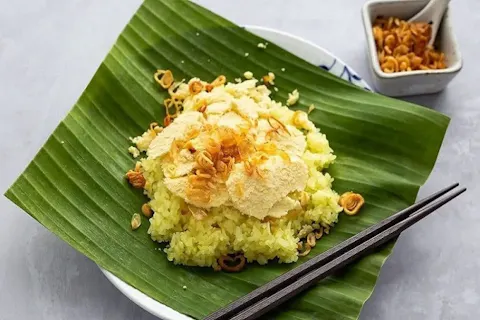
Xôi is a traditional Vietnamese sticky rice dish enjoyed across the country as a breakfast, snack, dessert, and part of special occasions. Made from glutinous rice, Xôi comes in many varieties, ranging from savory versions topped with chicken, pork, mung beans, or fried shallots to sweet preparations with coconut, corn, peanuts, or beans. Affordable, filling, and deeply connected to Vietnamese food culture, Xôi is an essential dish to discover when exploring local cuisine, markets, and everyday life in Vietnam.