- Destinations
Northern Vietnam
Central Vietnam
- Attractions
Categories
World Heritage
Historical & Cultural
- Things To Do
Categories
Outdoor Adventures
- Food & Drink
Categories
Vietnamese Dishes
- Travel & Planning
Categories
- Inspiration
Categories
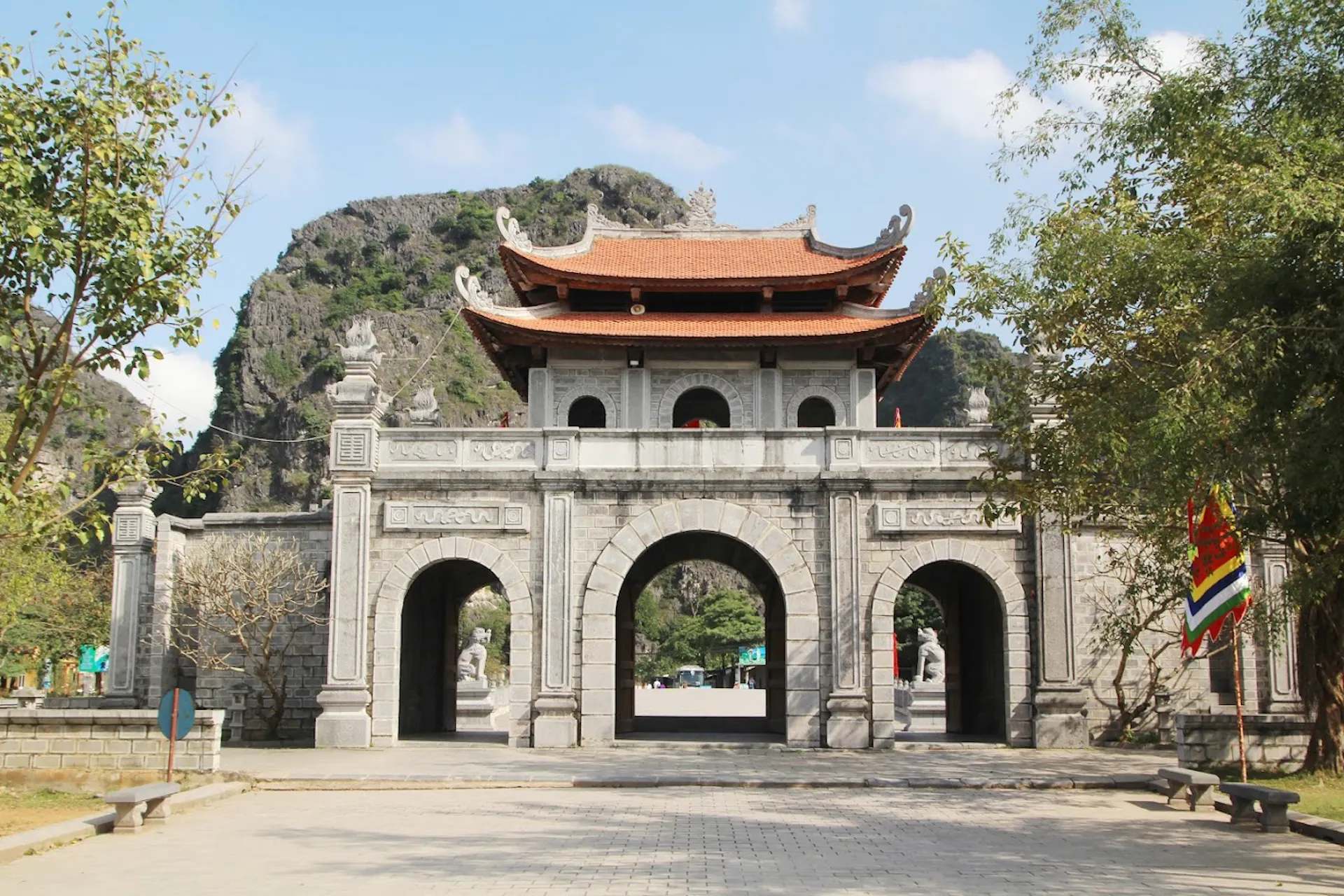
Vietnam’s historical and cultural sites reflect centuries of dynasties, regional traditions, and modern history. Explore ancient capitals, imperial monuments, historic towns, temples, museums, traditional villages, and important wartime sites across the country. From Hoa Lu and the Imperial Citadel of Thang Long in the north to Hue and Hoi An in central Vietnam, and Cu Chi Tunnels and Independence Palace in the south, each destination offers a different perspective on Vietnam’s past. Discover where to go, what to see, and how to experience these places respectfully.
Vietnam’s historical and cultural sites offer a way to understand the country through its cities, architecture, traditions, and important events. Across the north, central region, and south, travelers can find places connected with different periods of Vietnamese history, from ancient kingdoms and imperial dynasties to the events of the 20th century.
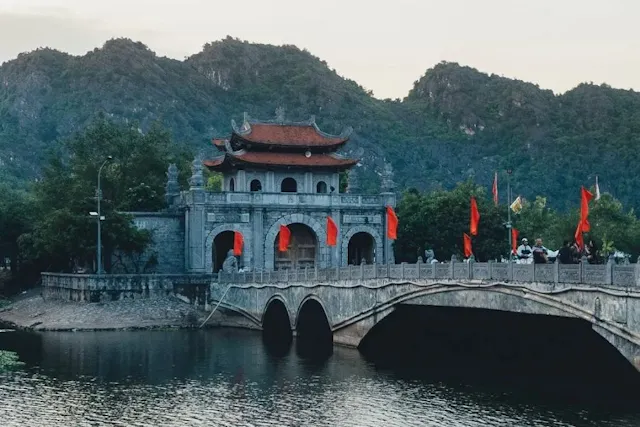
In Northern Vietnam, historic destinations include Hoa Lu, the former capital of the Dinh and Early Le dynasties, and the Imperial Citadel of Thang Long in Hanoi. These sites provide insight into Vietnam’s early political history and the development of its capital over many centuries. Hanoi also has historic buildings, traditional neighborhoods, museums, and cultural landmarks that can be explored alongside its modern city life.
Central Vietnam is home to several important heritage destinations. Hue is closely associated with the Nguyen Dynasty and its imperial architecture, while Hoi An preserves a historic trading town with distinctive buildings and streets shaped by centuries of regional and international exchange. Nearby My Son provides another perspective on the history of the Champa civilization.
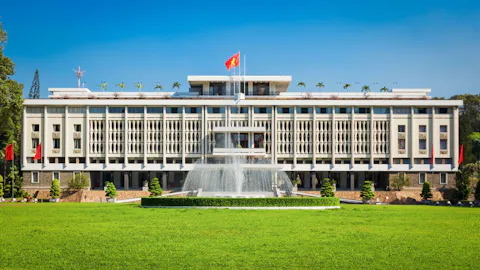
Southern Vietnam offers a different view of the country’s past. Places such as the Cu Chi Tunnels and Independence Palace in Ho Chi Minh City are associated with the Vietnam War and the political history of modern Vietnam. Other landmarks, museums, and historic sites across the region help explain the development of southern cities and communities.
Historical and cultural travel in Vietnam is not limited to major monuments. Traditional villages, local craft communities, temples, markets, and places connected with important national traditions can also provide valuable cultural context. When visiting these locations, travelers should follow local rules, dress appropriately where required, and respect religious sites and local customs.
Exploring historical and cultural sites across different regions allows visitors to see how Vietnam’s past continues to influence its architecture, traditions, communities, and everyday life.
Uncover the remarkable heritage of Vietnam through its ancient temples, imperial cities, historic towns, museums, and UNESCO World Heritage Sites. These cultural treasures offer visitors an opportunity to experience centuries of history, traditional architecture, and the unique stories that define Vietnam’s national identity.
Explore Hoa Lu Ancient Capital, the first imperial capital of Vietnam located in Ninh Binh. Surrounded by dramatic limestone mountains, ancient temples, and rich historical heritage, this UNESCO-linked cultural site offers a fascinating journey into Vietnam’s royal past.
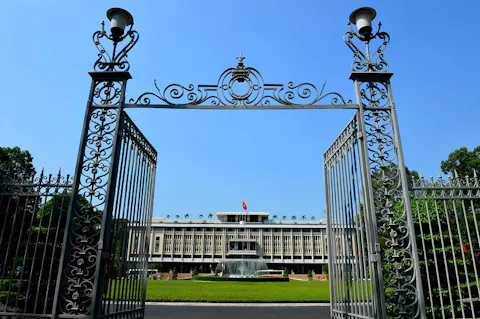
Discover the Independence Palace, one of Vietnam's most significant historical landmarks. Explore its striking architecture, preserved state rooms, underground command bunker, and the events that shaped modern Vietnamese history.
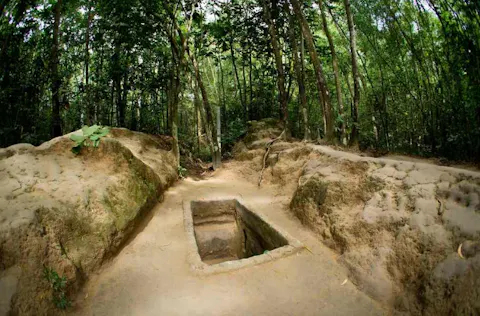
Located northwest of Ho Chi Minh City, the Cu Chi Tunnels are one of Vietnam’s most significant historical sites. This vast underground network offers visitors a fascinating insight into wartime life, military strategy, and the resilience of the Vietnamese people during one of the country’s most important periods of history.
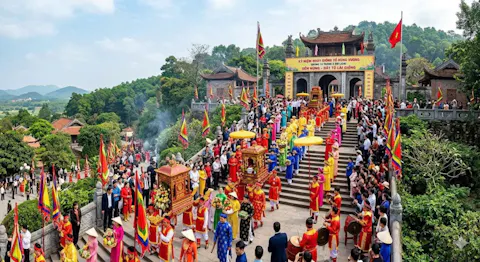
The Hung Kings' Temple Relic Complex is one of Vietnam’s most sacred cultural and historical sites. Located in Phu Tho Province, the complex honors the legendary Hung Kings, the founders of the Vietnamese nation, and remains an important destination for pilgrimage, cultural celebrations, and heritage tourism.
Discover Vietnam’s rich history and cultural identity through its remarkable historical landmarks, ancient temples, traditional villages, and heritage sites. From imperial cities and ancient towns to sacred pagodas and revolutionary landmarks, these destinations reveal the stories, traditions, and values that have shaped Vietnam across generations. Explore iconic sites, experience local culture, and journey through the historical treasures that make Vietnam one of Asia’s most fascinating cultural destinations.