
- Destinations
Northern Vietnam
Central Vietnam
- Attractions
Categories
World Heritage
Historical & Cultural
- Things To Do
Categories
Outdoor Adventures
- Food & Drink
Categories
Vietnamese Dishes
- Travel & Planning
Categories
- Inspiration
Categories
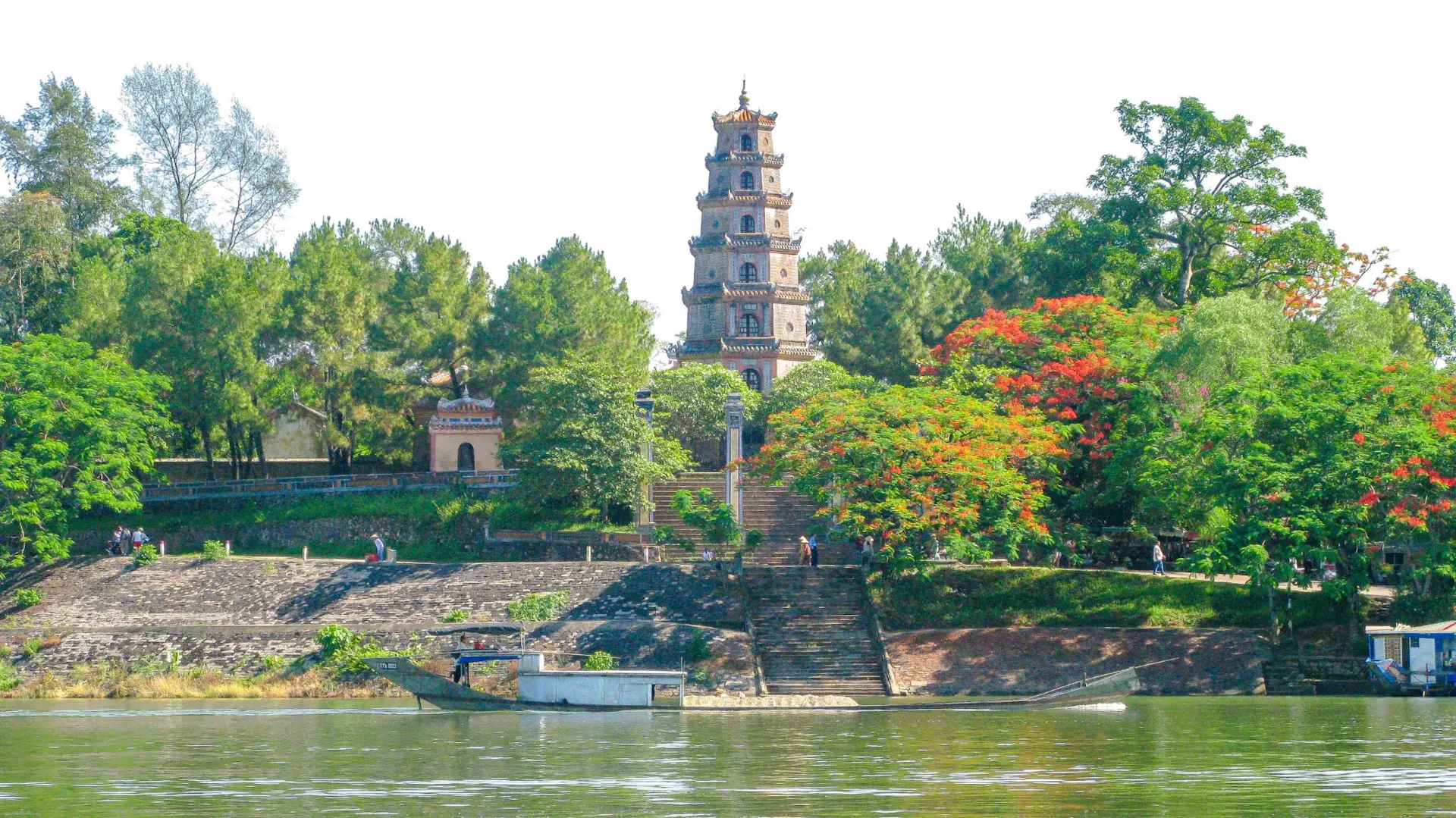
Vietnam’s temples and pagodas reflect the country’s Buddhist traditions, local beliefs, history, and regional cultures. From Tran Quoc and One Pillar Pagoda in Hanoi to Thien Mu Pagoda in Hue, Bai Dinh in Ninh Binh, and religious sites in southern Vietnam, each place has its own history and character. Explore important temples and pagodas across northern, central, and southern Vietnam, learn about local religious traditions, and discover practical etiquette for visiting these sacred places respectfully.
Temples and pagodas are an important part of Vietnam’s cultural landscape, reflecting Buddhist traditions, local beliefs, historical events, and community life. They can be found in major cities, rural villages, mountain areas, and along the coast, with each region having its own architectural features and religious traditions. For travelers, visiting these places offers an opportunity to see a different side of Vietnam beyond its cities, beaches, and natural attractions.
Pagodas, known as chùa in Vietnamese, are generally associated with Buddhism. Many contain Buddha images, prayer halls, courtyards, and spaces used for religious ceremonies or meditation. Some are active places of worship where visitors may see monks, local residents, and Buddhist ceremonies. Famous examples include Tran Quoc Pagoda in Hanoi, Bai Dinh Pagoda in Ninh Binh, and Thien Mu Pagoda in Hue.
Temples, commonly called đền, can have different purposes. Many are dedicated to historical figures, national heroes, local deities, or figures from Vietnamese folk traditions. Their architecture and rituals can vary considerably from one community to another. Some religious sites also combine influences from Buddhism, Taoism, Confucianism, ancestor worship, and local beliefs.
Regional differences are particularly noticeable when exploring religious sites across Vietnam. Northern Vietnam has many historic pagodas and pilgrimage destinations, while Central Vietnam is known for sites connected with Hue’s imperial history and local Buddhist traditions. Southern Vietnam has its own diverse religious landscape, including Buddhist pagodas, Cao Dai sites, and Khmer Theravada Buddhist temples.
Visitors should remember that temples and pagodas are active religious spaces rather than simply tourist attractions. Appropriate clothing, quiet behavior, and respect for worshippers are important. Photography may also be restricted in certain areas. Following local signs and asking permission when necessary can help travelers experience these places respectfully while learning more about Vietnam’s cultural and spiritual traditions.
Discover the beauty and significance of Vietnam’s temples and pagodas, where ancient traditions, spiritual practices, and architectural masterpieces continue to thrive. These sacred landmarks offer visitors an opportunity to connect with Vietnam’s cultural heritage while experiencing some of the nation’s most peaceful and iconic destinations.
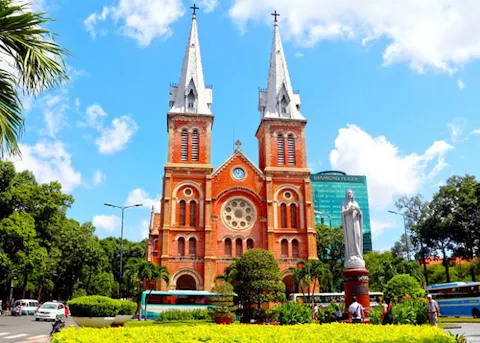
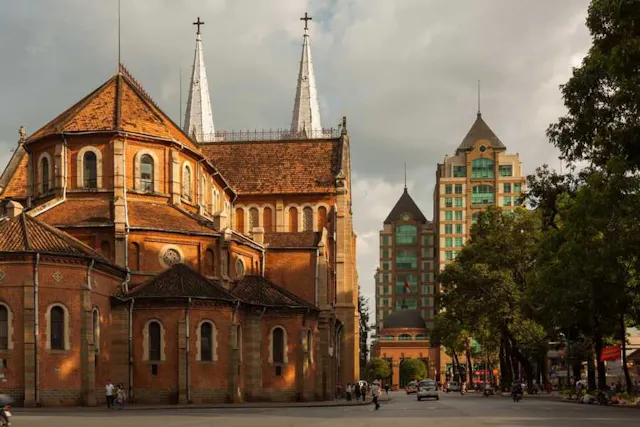
Discover Saigon Notre-Dame Basilica, one of Ho Chi Minh City's most famous landmarks. Admire its striking French colonial architecture, rich history, cultural significance, and central location in the heart of District 1.
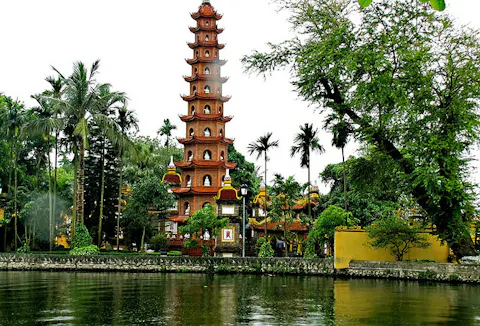
Located on a small island in Hanoi’s West Lake, Tran Quoc Pagoda is the oldest Buddhist temple in the city and one of Vietnam’s most treasured spiritual landmarks. With a history spanning more than 1,500 years, the pagoda offers a remarkable blend of religious heritage, elegant architecture, and peaceful lakeside scenery.
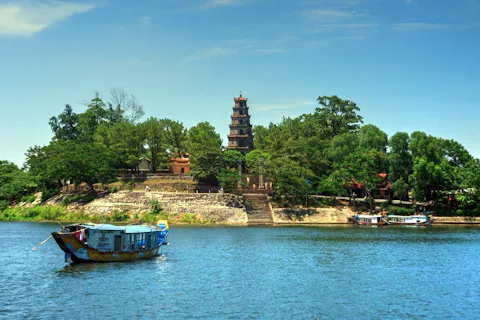
Perched on the banks of the Perfume River, Thien Mu Pagoda is one of Vietnam’s most iconic religious landmarks. Famous for its elegant seven-story tower, centuries-old history, and tranquil setting, the pagoda is a must-visit attraction for travelers exploring Hue and the cultural heritage of central Vietnam.
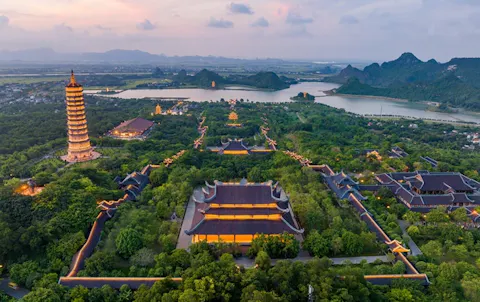
Discover Bai Dinh Pagoda, the largest Buddhist temple complex in Vietnam and one of Southeast Asia’s most important spiritual destinations. Located in Ninh Binh, this remarkable site features grand architecture, sacred halls, giant Buddha statues, and breathtaking mountain landscapes that attract pilgrims and travelers from around the world.
Discover the most iconic temples and pagodas across Vietnam, from ancient spiritual sites in Hanoi to breathtaking mountain temples and coastal pagodas in Da Nang and beyond. Each destination reflects Vietnam’s deep Buddhist heritage, unique architecture, and cultural traditions. Explore sacred places such as Huong Pagoda, Yen Tu, Tam Chuc, One Pillar Pagoda, Linh Ung Pagoda, and many more. Go Visit Vietnam guides you through meaningful spiritual journeys, cultural experiences, and unforgettable landmarks that define Vietnam’s rich religious heritage.
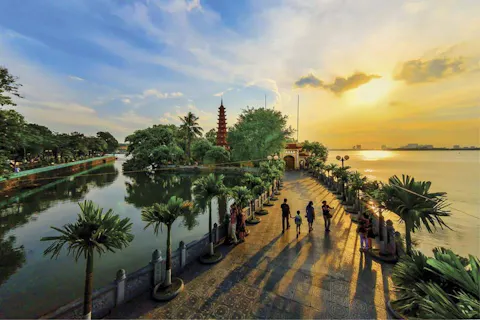
Located on a small island along the shores of West Lake, Tran Quoc Pagoda is the oldest Buddhist temple in Hanoi, with a history spanning more than 1,500 years. Renowned for its elegant red stupa, peaceful gardens, and beautiful lakeside setting, the pagoda is one of Vietnam's most important spiritual landmarks. Visitors come to admire its historic architecture, learn about Vietnamese Buddhism, enjoy tranquil surroundings, and experience one of Hanoi's most iconic cultural attractions.
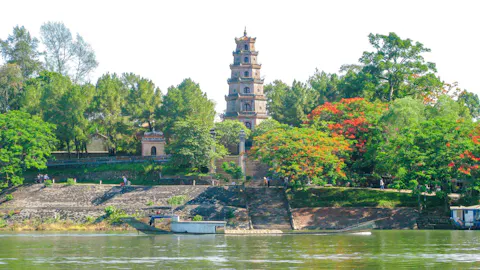
Perched gracefully on the banks of the Perfume River, Thien Mu Pagoda is one of Vietnam's most famous Buddhist landmarks and a symbol of Hue's rich cultural heritage. Founded in 1601, the pagoda is best known for its elegant seven-story Phuoc Duyen Tower, peaceful gardens, and panoramic riverside views. Visitors come to admire its historic architecture, learn about Vietnamese Buddhism, explore sacred relics, and experience the tranquil atmosphere that has inspired generations of travelers.
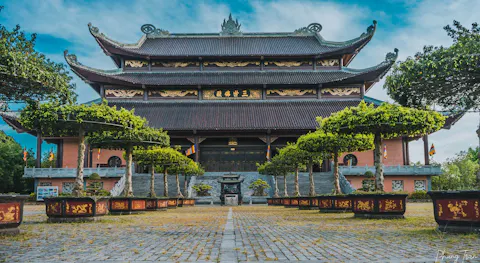
Bai Dinh Pagoda is the largest Buddhist temple complex in Vietnam and one of Southeast Asia's most impressive spiritual destinations. Located in Ninh Binh near the Trang An Scenic Landscape Complex, the site features magnificent halls, towering Buddha statues, ancient temples, and breathtaking mountain scenery. Visitors can explore peaceful courtyards, admire remarkable Buddhist architecture, learn about Vietnam's religious heritage, and enjoy one of the country's most significant cultural and pilgrimage sites.
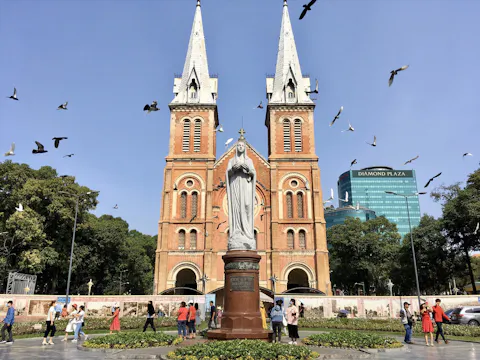
Saigon Notre-Dame Basilica is one of Ho Chi Minh City's most iconic landmarks and a masterpiece of French colonial architecture. Located in the heart of District 1, the cathedral has stood as a symbol of the city's rich history since the late nineteenth century. Visitors admire its striking red-brick façade, twin bell towers, beautiful stained-glass windows, and peaceful surroundings. This guide introduces the history, architecture, visitor information, nearby attractions, and essential tips for exploring Saigon Notre-Dame Basilica.