
Saigon Notre-Dame Basilica
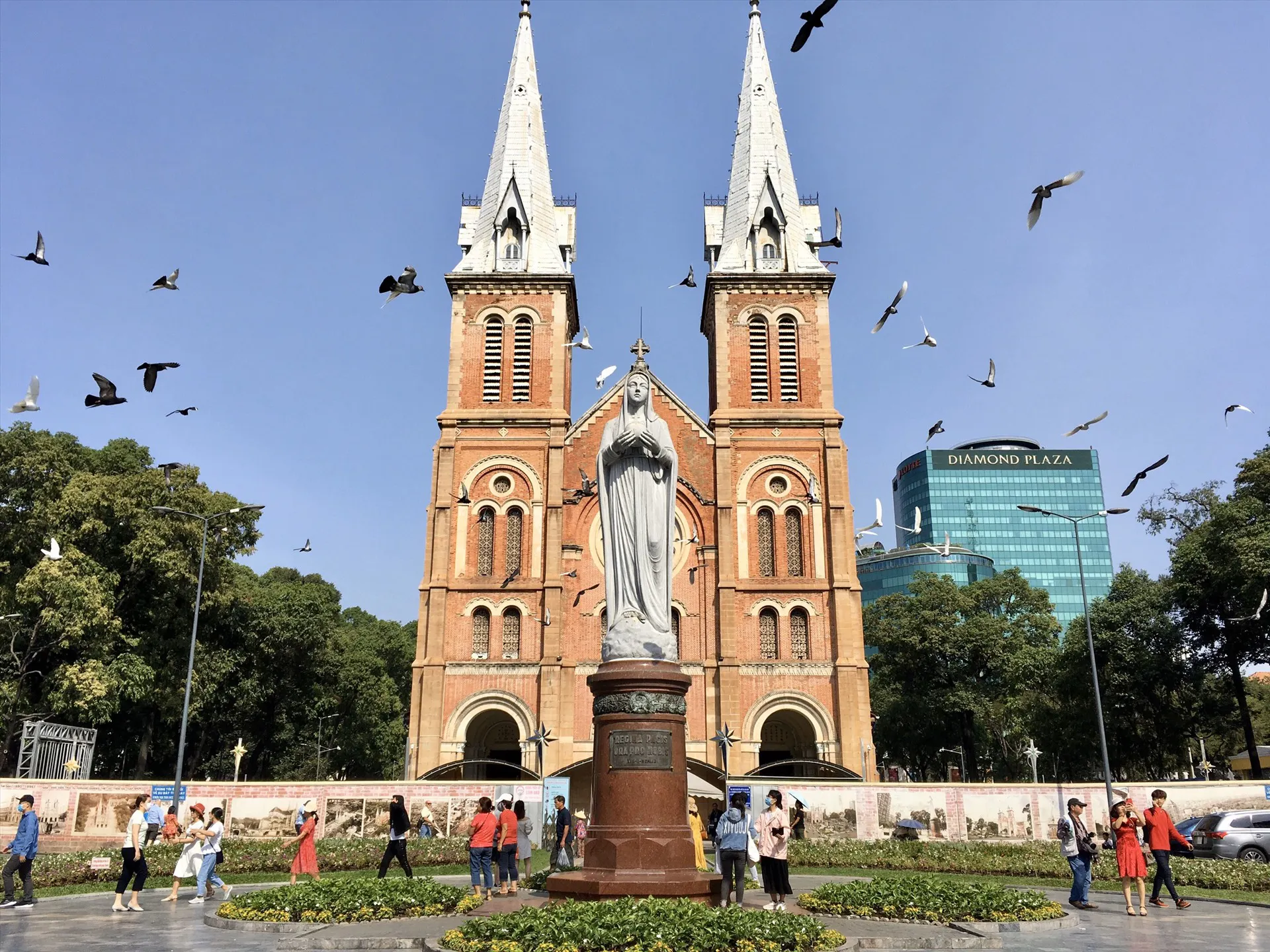
Saigon Notre-Dame Basilica is one of Ho Chi Minh City's most iconic landmarks and a masterpiece of French colonial architecture. Located in the heart of District 1, the cathedral has stood as a symbol of the city's rich history since the late nineteenth century. Visitors admire its striking red-brick façade, twin bell towers, beautiful stained-glass windows, and peaceful surroundings. This guide introduces the history, architecture, visitor information, nearby attractions, and essential tips for exploring Saigon Notre-Dame Basilica.
About Saigon Notre-Dame Basilica
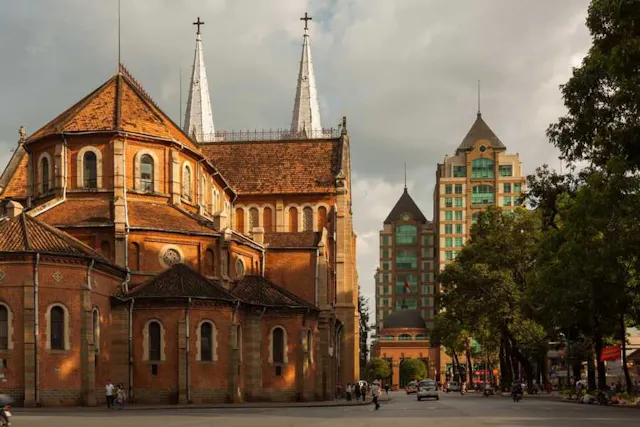
Saigon Notre-Dame Basilica, officially known as the Notre-Dame Cathedral Basilica of Saigon, is one of the most recognizable historic landmarks in Ho Chi Minh City. Located in the heart of District 1, the cathedral is famous for its distinctive red-brick façade, twin bell towers, French colonial architecture, and central location near some of the city's most important cultural attractions.
Built during the French colonial period, the basilica has become an important part of Ho Chi Minh City's architectural heritage. Although primarily a Catholic place of worship, its history and distinctive design make it a popular landmark for travelers interested in the city's colonial past.
What Is Saigon Notre-Dame Basilica?
Saigon Notre-Dame Basilica is a historic Catholic cathedral located in Paris Commune Square, near the Saigon Central Post Office.
Construction began in 1863 and the cathedral was completed in 1880.
The building was designed in a Romanesque Revival style influenced by European church architecture.
Its prominent location and distinctive appearance have made it one of the most recognizable symbols of historic Saigon.
French Colonial Architecture
The cathedral reflects the architectural character of the French colonial period.
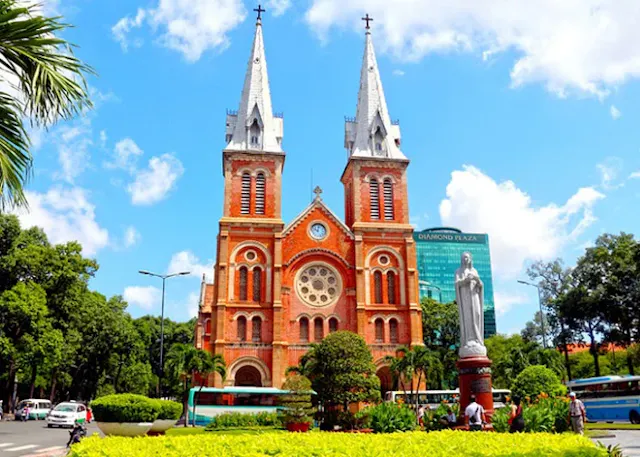
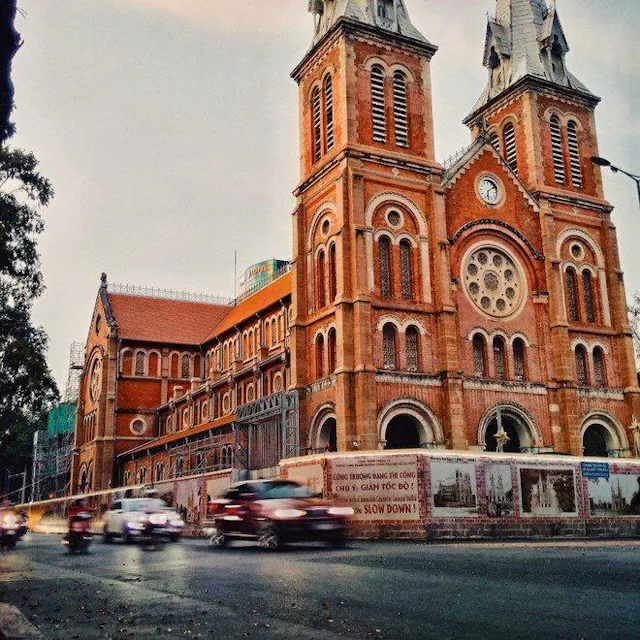
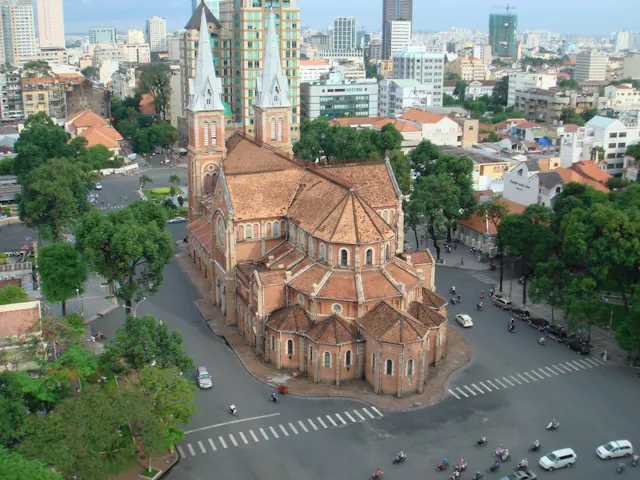
Its exterior is constructed primarily from distinctive red bricks, while the symmetrical façade features two tall bell towers.
Arched windows, decorative details, and carefully proportioned architectural elements give the building a formal European appearance.
The materials and construction techniques reflect the influence of 19th-century French architecture in Vietnam.
The Twin Bell Towers
The cathedral's two bell towers are among its most recognizable features.
The towers rise prominently above the surrounding buildings and help create the cathedral's distinctive skyline.
Several bells are housed within the towers and have historically been used to mark important religious occasions.
The towers are particularly impressive when viewed from the surrounding square and nearby streets.
Red Brick Exterior
One of the cathedral's most striking characteristics is its red-brick exterior.
The bricks were imported from France during the original construction, contributing to the building's distinctive color and European appearance.
The material has helped the cathedral retain its visual identity despite more than a century of urban development around it.
The red façade also creates an attractive contrast with the greenery and modern buildings surrounding the cathedral.
Paris Commune Square
The cathedral stands in Paris Commune Square, a small but important public space in central Ho Chi Minh City.
The square connects the cathedral with the Saigon Central Post Office, another major example of French colonial architecture.
The area is a popular meeting point and photography location for both residents and visitors.
Its central position makes it easy to include in a walking tour of District 1.
The Virgin Mary Statue
In front of the cathedral stands a statue of the Virgin Mary, which has become an important religious landmark.
The statue and surrounding square are frequently visited by Catholic worshippers as well as travelers.
The area gained international attention after reports of an apparent phenomenon involving the statue in 2005, attracting large crowds at the time.
Today, the square remains an important part of the cathedral's visual and religious setting.
Catholic Heritage in Ho Chi Minh City
The basilica is an important Catholic institution in Vietnam.
Catholic communities in Saigon have a long history, and the cathedral has served as an important place for Mass, religious celebrations, weddings, and other Catholic ceremonies.
The building therefore represents not only colonial architecture but also the continuing religious life of the city's Catholic community.
Historical Significance
Saigon Notre-Dame Basilica has witnessed major changes in the city throughout its history.
When it was constructed, the surrounding urban landscape was very different from the modern metropolis visitors see today.
The cathedral has survived political changes, wars, economic development, and rapid urbanization.
Its continued presence provides a visible connection between modern Ho Chi Minh City and its colonial-era past.
Restoration and Preservation
Because of its age, the cathedral has required significant maintenance and restoration.
Major restoration work has been undertaken to preserve its historic architecture and structural integrity.
Visitors should be aware that access to the building may sometimes be restricted during restoration or religious activities.
Even when the interior is unavailable, the exterior and surrounding square remain important attractions.
Best Time to Visit
Saigon Notre-Dame Basilica can be viewed throughout the year.
The dry season from December to April is generally convenient for walking around central Ho Chi Minh City.
Early morning and late afternoon are comfortable times for exploring the surrounding area.
The cathedral's exterior can be photographed throughout the day, while the surrounding streets and square become particularly lively during weekends and holidays.
How to Get to Saigon Notre-Dame Basilica
The cathedral is located in central District 1, making it easy to reach from many parts of Ho Chi Minh City.
Visitors can travel by taxi, ride-hailing service, public bus, motorcycle, or walk from nearby attractions.
Its location makes it especially convenient to combine with the Saigon Central Post Office, Independence Palace, Nguyen Hue Walking Street, and Ben Thanh Market.
Nearby Attractions
The cathedral is part of one of the most concentrated historic areas in Ho Chi Minh City.
The Saigon Central Post Office is directly opposite the cathedral and can be visited during the same stop.
Travelers can then continue toward Independence Palace, the War Remnants Museum, Nguyen Hue Walking Street, or the city's historic shopping streets.
A walking tour of central District 1 can easily include several of these attractions.
Why Visit Saigon Notre-Dame Basilica?
Saigon Notre-Dame Basilica is an important example of French colonial architecture and Catholic heritage in Ho Chi Minh City.
Its red-brick façade, twin towers, historic square, and central location make it one of the city's most recognizable landmarks.
For travelers interested in history, architecture, religion, and the transformation of Saigon into modern Ho Chi Minh City, the basilica offers a fascinating glimpse into the city's colonial past and remains an essential stop on a cultural sightseeing itinerary.
Saigon Notre-Dame Basilica Photo Gallery
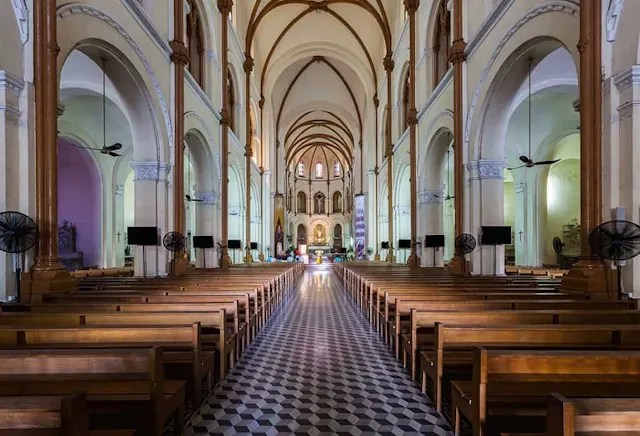
How to Get to and Around Saigon Notre-Dame Basilica
Bus and coach
Numerous public bus routes pass through central District 1, with stops located within a short walking distance of the basilica. Buses provide an affordable and convenient way to travel from different parts of Ho Chi Minh City.
Train
Visitors arriving at Saigon Railway Station can reach the basilica in approximately 10 to 15 minutes by taxi, ride-hailing service, or public transportation. The cathedral is located near many of the city's most popular attractions.
Driving
The basilica is easily accessible by car via major roads in the city center. Parking facilities are available in nearby commercial buildings and public parking areas, although traffic can be busy during peak periods.
Flying
Travelers arriving at Tan Son Nhat International Airport can reach Saigon Notre-Dame Basilica in around 20 to 30 minutes by taxi or private transfer, depending on traffic conditions. The landmark is one of the most popular first stops for visitors exploring the city.
Frequently Asked Questions About Saigon Notre-Dame Basilica
Why is Saigon Notre-Dame Basilica famous?
Saigon Notre-Dame Basilica is famous for its striking French colonial architecture, twin bell towers, and historical significance. Built in the late 19th century, it has become one of Ho Chi Minh City's most recognizable landmarks and a symbol of the city's cultural heritage.
Can visitors enter Saigon Notre-Dame Basilica?
Access to the interior may vary depending on restoration work, religious services, and visitor regulations. Even when interior access is limited, visitors can admire the cathedral's impressive architecture and historic surroundings from the outside.
What architectural style is Saigon Notre-Dame Basilica?
The basilica was built in the Neo-Romanesque style, featuring red-brick construction, arched windows, stained glass, and twin bell towers. Its design reflects strong French colonial influences and remains one of the finest examples of European architecture in Vietnam.
What attractions are located near Saigon Notre-Dame Basilica?
Several of Ho Chi Minh City's most famous landmarks are within walking distance, including the Saigon Central Post Office, Nguyen Van Binh Book Street, Independence Palace, Dong Khoi Street, and Ben Thanh Market.
Is Saigon Notre-Dame Basilica worth visiting?
Absolutely. The basilica is one of the city's most iconic landmarks, offering a unique combination of history, architecture, culture, and photography opportunities. It is a must-visit destination for travelers exploring Ho Chi Minh City's historic center.
Advertising box
Explore More Temples & Pagodas in Vietnam
Journey through Vietnam's rich spiritual heritage by discovering ancient temples, peaceful pagodas, and sacred Buddhist landmarks across the country. From centuries-old imperial sanctuaries and mountain monasteries to riverside temples and vibrant pilgrimage sites, these destinations offer fascinating insights into Vietnamese history, architecture, religion, and cultural traditions while providing tranquil spaces for reflection and unforgettable travel experiences.
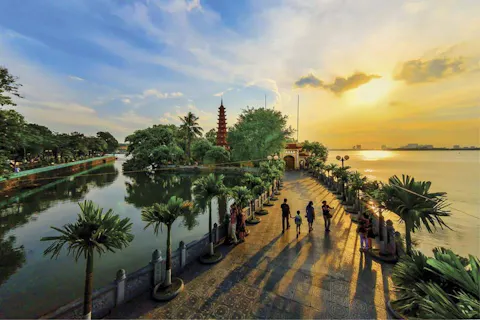
Tran Quoc Pagoda
Located on a small island in Hanoi’s West Lake, Tran Quoc Pagoda is the oldest Buddhist temple in the city and one of Vietnam’s most treasured spiritual landmarks. With a history spanning more than 1,500 years, the pagoda offers a remarkable blend of religious heritage, elegant architecture, and peaceful lakeside scenery.
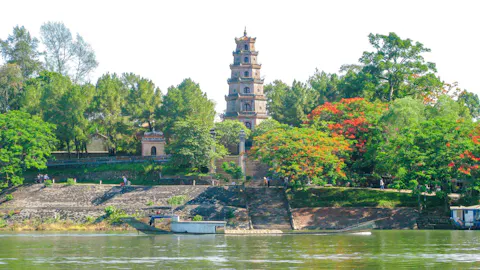
Thien Mu Pagoda
Perched on the banks of the Perfume River, Thien Mu Pagoda is one of Vietnam’s most iconic religious landmarks. Famous for its elegant seven-story tower, centuries-old history, and tranquil setting, the pagoda is a must-visit attraction for travelers exploring Hue and the cultural heritage of central Vietnam.
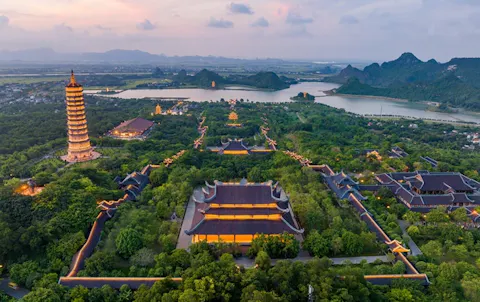
Bai Dinh Pagoda
Discover Bai Dinh Pagoda, the largest Buddhist temple complex in Vietnam and one of Southeast Asia’s most important spiritual destinations. Located in Ninh Binh, this remarkable site features grand architecture, sacred halls, giant Buddha statues, and breathtaking mountain landscapes that attract pilgrims and travelers from around the world.

Yen Tu Pagoda
Yen Tu Pagoda is one of Vietnam’s most important spiritual destinations, located on the peaceful Yen Tu Mountain in Quang Ninh Province. Known as the birthplace of Truc Lam Zen Buddhism, this sacred site attracts visitors seeking cultural discovery, spiritual experiences, and breathtaking mountain scenery. Explore ancient pagodas, peaceful forests, and historic landmarks while learning about Vietnam’s Buddhist traditions and royal heritage. Go Visit Vietnam guides you through the history, beauty, and meaningful journey of Yen Tu Pagoda.
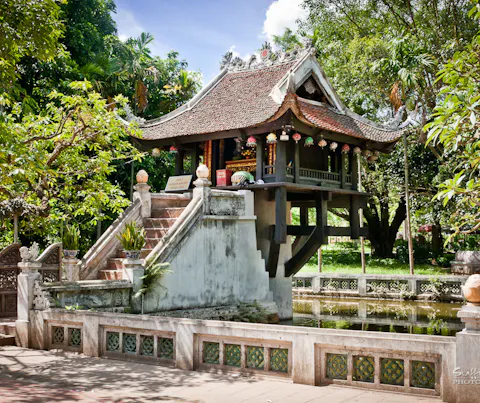
One Pillar Pagoda
One Pillar Pagoda is one of Hanoi’s most recognizable landmarks and a symbol of Vietnam’s rich cultural and Buddhist heritage. Built during the Ly Dynasty, this unique wooden temple is famous for its lotus-inspired design and meaningful spiritual symbolism. Located near the Ho Chi Minh Mausoleum complex, the pagoda offers visitors a peaceful place to explore Vietnam’s history, architecture, and traditions. Discover the story, beauty, and cultural importance of this iconic Hanoi attraction with Go Visit Vietnam.

Huong Pagoda
Huong Pagoda is one of Vietnam’s most important Buddhist destinations, located among the limestone mountains and peaceful waterways of Huong Son, Hanoi. Known as a sacred pilgrimage site, the complex features ancient temples, caves, and stunning natural landscapes that attract visitors seeking spirituality, culture, and tranquility. Experience a scenic boat journey, explore historic pagodas, and discover the traditions behind one of Vietnam’s largest religious festivals. Go Visit Vietnam guides you through the history, beauty, and spiritual meaning of Huong Pagoda.
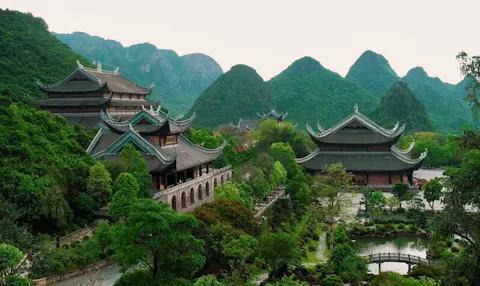
Tam Chuc Pagoda
Tam Chuc Pagoda is the largest Buddhist complex in Vietnam, located in Ha Nam Province and surrounded by dramatic limestone mountains and peaceful lakes. Known for its grand architecture and spiritual atmosphere, Tam Chuc offers visitors a unique combination of cultural heritage, natural beauty, and religious significance. Explore massive temple halls, serene gardens, and scenic boat rides across Tam Chuc Lake. Go Visit Vietnam introduces you to the history, scale, and spiritual importance of this remarkable pilgrimage destination near Hanoi.
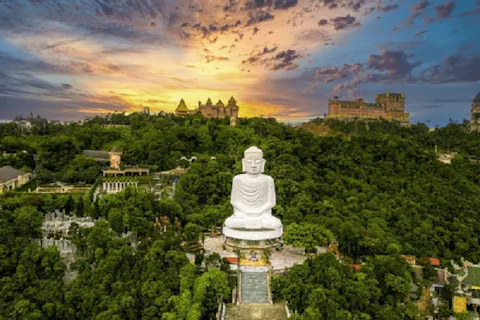
Linh Ung Pagoda
Linh Ung Pagoda is one of the most iconic spiritual destinations in Da Nang, Vietnam, famous for its majestic Giant Lady Buddha statue and breathtaking coastal views. Located on Son Tra Peninsula and associated with the Marble Mountains area, the pagoda offers a peaceful atmosphere surrounded by nature, sea, and mountains. Visitors come to admire its impressive architecture, explore Buddhist culture, and enjoy panoramic scenery. Go Visit Vietnam introduces the history, beauty, and spiritual significance of Linh Ung Pagoda.
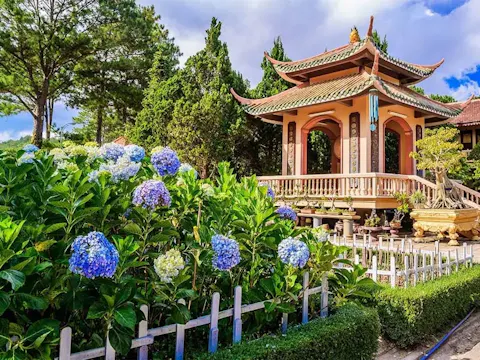
Truc Lam Monastery Da Lat
Truc Lam Monastery is one of Da Lat’s most beautiful spiritual destinations, located on Phung Hoang Mountain overlooking the peaceful Tuyen Lam Lake. Known as one of Vietnam’s largest Zen Buddhist monasteries, it offers a serene atmosphere surrounded by pine forests, gardens, and mountain landscapes. Visitors can explore traditional Buddhist architecture, enjoy peaceful scenery, and experience a moment of relaxation away from the city. Go Visit Vietnam introduces the history, beauty, and spiritual charm of Truc Lam Monastery Da Lat.
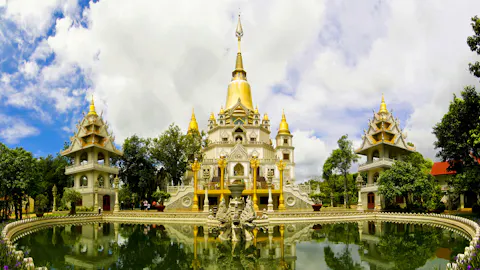
Buu Long Pagoda
Buu Long Pagoda is one of Ho Chi Minh City’s most beautiful Buddhist landmarks, famous for its unique Thai-inspired architecture, peaceful gardens, and serene atmosphere. Located in Thu Duc City, the pagoda combines Vietnamese, Thai, and Indian Buddhist influences, creating a distinctive cultural experience. Visitors can admire the impressive Gotama Cetiya stupa, explore elegant temple spaces, and enjoy panoramic views surrounded by nature. Go Visit Vietnam introduces the history, architecture, and spiritual beauty of this hidden gem in Southern Vietnam.
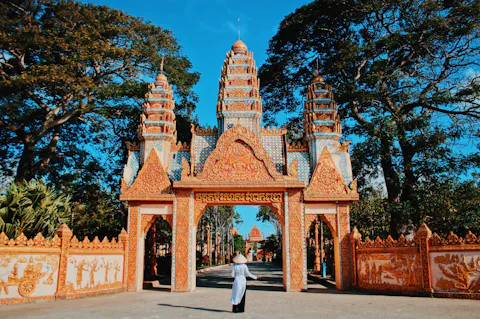
Xiem Can Pagoda
Xiem Can Pagoda is one of the most impressive Khmer Buddhist temples in Southern Vietnam, located in Bac Lieu Province. Known for its colorful architecture, intricate decorations, and peaceful spiritual atmosphere, the pagoda reflects the rich cultural heritage of the Khmer community in the Mekong Delta. Visitors can admire traditional temple designs, learn about Buddhist traditions, and experience the unique blend of culture, history, and religion. Go Visit Vietnam introduces the beauty and significance of this remarkable cultural landmark in Southern Vietnam.