
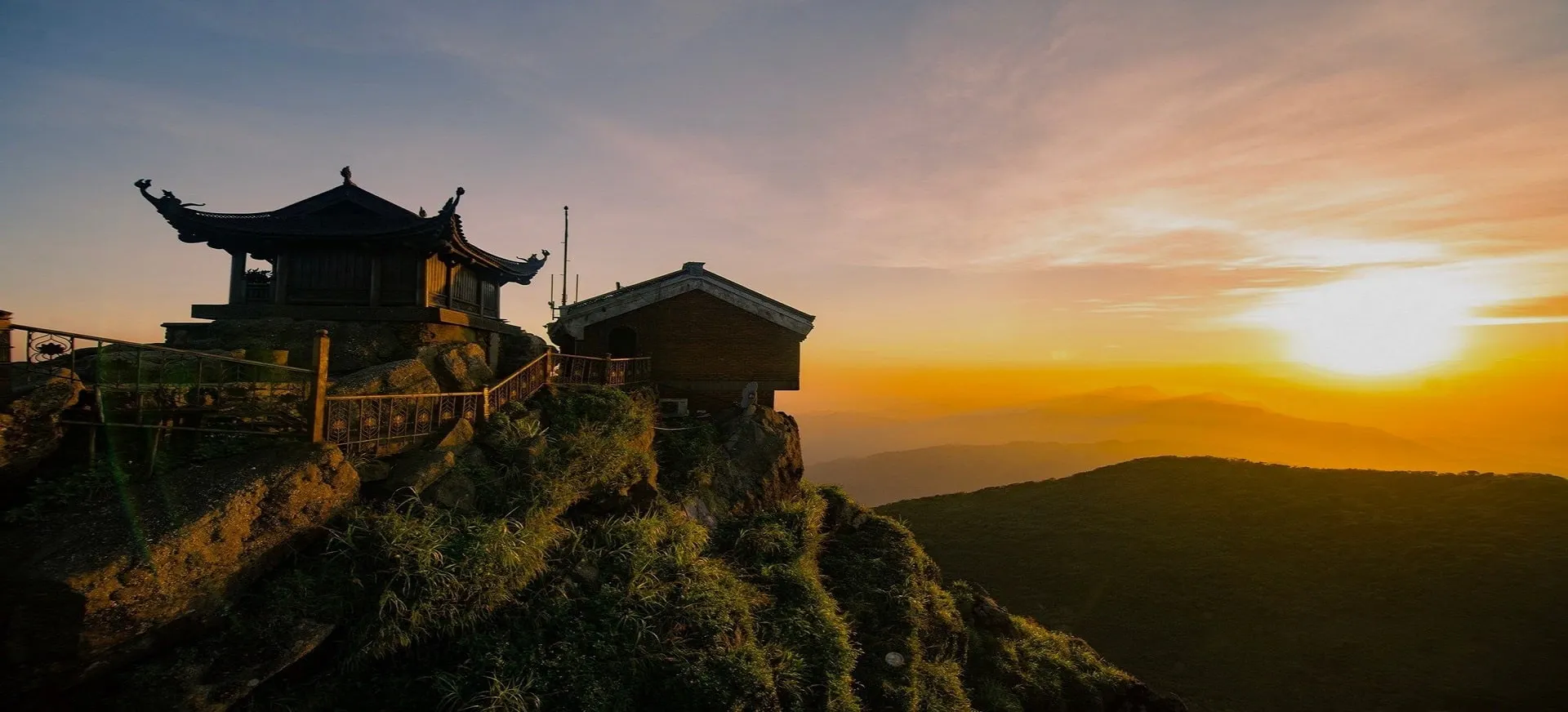
Yen Tu Pagoda
Yen Tu Pagoda is one of Vietnam’s most important spiritual destinations, located on the peaceful Yen Tu Mountain in Quang Ninh Province. Known as the birthplace of Truc Lam Zen Buddhism, this sacred site attracts visitors seeking cultural discovery, spiritual experiences, and breathtaking mountain scenery. Explore ancient pagodas, peaceful forests, and historic landmarks while learning about Vietnam’s Buddhist traditions and royal heritage. Go Visit Vietnam guides you through the history, beauty, and meaningful journey of Yen Tu Pagoda.
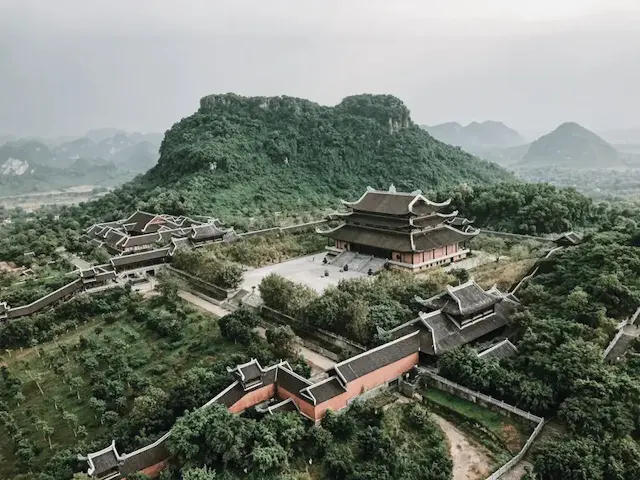
About Yen Tu Pagoda
Yen Tu Pagoda is one of the most important Buddhist pilgrimage destinations in northern Vietnam, located in the mountainous area of Quang Ninh Province. Set among forests, granite mountains, ancient paths, and religious monuments, Yen Tu is closely associated with the development of Vietnamese Zen Buddhism and the Truc Lam Yen Tu Zen tradition.
For centuries, Vietnamese pilgrims have traveled to Yen Tu to visit its temples, practice Buddhism, and climb toward the mountain summit. Today, the area combines spiritual heritage, historic pagodas, scenic hiking trails, and modern cable cars, making it an important destination for both cultural travelers and outdoor enthusiasts.
What Is Yen Tu?
Yen Tu is a sacred Buddhist mountain and a large religious complex containing numerous temples, pagodas, shrines, towers, and monuments.
The site is particularly associated with King Tran Nhan Tong, a ruler of the Tran Dynasty who abdicated the throne and became a Buddhist practitioner.
After leaving royal life, Tran Nhan Tong traveled to Yen Tu and devoted himself to Buddhist practice. He became an important figure in the development of the Truc Lam Zen tradition, which is regarded as a distinctly Vietnamese form of Zen Buddhism.
Truc Lam Yen Tu Zen
Yen Tu is widely considered the spiritual birthplace of the Truc Lam Yen Tu Zen tradition.
The tradition developed during the Tran Dynasty and emphasized meditation, spiritual discipline, and the integration of Buddhist practice with everyday Vietnamese life.
Tran Nhan Tong and later Buddhist masters helped establish Yen Tu as an important center of Vietnamese Zen.
The religious heritage associated with the mountain remains one of the main reasons pilgrims visit today.
Dong Pagoda
At the summit of Yen Tu Mountain stands Dong Pagoda, one of the most famous landmarks in the complex.
The pagoda is located at an elevation of more than 1,000 meters and is surrounded by rugged mountain scenery.
The journey to Dong Pagoda traditionally involves climbing a long mountain path through forests and past historic religious sites.
On clear days, the summit provides spectacular views across the surrounding mountains and valleys.
The Journey to the Summit
Reaching Dong Pagoda is an important part of the Yen Tu experience.
Visitors can follow a network of stone paths and stairways through the mountain landscape.
Along the route are historic temples, Buddhist statues, ancient trees, stone towers, and viewpoints.
The journey can take several hours depending on the route, pace, weather, and whether visitors use cable car services for some sections.
For pilgrims, the physical journey is traditionally regarded as part of the spiritual experience.
Hoa Yen Pagoda
Hoa Yen Pagoda is one of the most important temples along the route to the summit.
Located on the mountainside, the pagoda is surrounded by forest and ancient trees.
It has long been an important place for Buddhist worship and meditation.
Visitors often stop here to rest, explore the temple grounds, and appreciate the surrounding mountain scenery before continuing toward higher parts of Yen Tu.
Giai Oan Pagoda
Another significant site is Giai Oan Pagoda, located lower on the mountain.
The name is associated with a traditional story connected with King Tran Nhan Tong and his decision to leave royal life for Buddhist practice.
The temple remains an important religious site and is often included as one of the first stops on a Yen Tu pilgrimage.
Yen Tu's Natural Landscape
The religious heritage of Yen Tu is closely connected with its natural environment.
The mountain is covered with forests, rocky slopes, streams, and ancient trees.
The changing landscape creates a different experience throughout the year, from misty winter mornings to lush green summer forests.
The combination of nature and spiritual architecture is one of the most distinctive characteristics of Yen Tu.
Yen Tu Cable Cars
Modern cable car systems make it easier for visitors to explore the mountain.
Cable cars provide access to higher sections of the complex and offer panoramic views over the forested landscape.
Visitors who are unable or unwilling to complete the entire mountain climb can use cable cars for parts of the journey and then continue on foot.
Those seeking a traditional pilgrimage or hiking experience can choose to walk longer sections of the route.
Yen Tu Festival
The Yen Tu Festival is one of northern Vietnam's most important Buddhist and cultural events.
The festival traditionally begins after the Lunar New Year and attracts large numbers of pilgrims.
Visitors participate in Buddhist ceremonies, prayers, processions, and cultural activities while traveling through the mountain complex.
The festival offers a lively cultural experience but also means that the area can become extremely crowded.
Best Time to Visit
The most popular period to visit Yen Tu is spring, particularly during the festival season from around January to March in the lunar calendar.
This is the best time for travelers interested in traditional pilgrimage and Buddhist culture.
For hiking and sightseeing with fewer crowds, other periods of the year may provide a more peaceful experience.
Weather can change quickly in the mountains, so visitors should check conditions before starting a long hike.
How to Get to Yen Tu
Yen Tu is located in Uong Bi City, Quang Ninh Province, approximately 120 kilometers east of Hanoi.
Visitors can travel by private car, taxi, organized tour, or other road transportation.
The journey from Hanoi generally takes around two to three hours depending on traffic.
Yen Tu can also be combined with other destinations in Quang Ninh, although travelers should allow sufficient time because exploring the mountain complex can take most of a day.
What to Expect When Visiting
Yen Tu is a large mountain destination rather than a single pagoda.
Visitors should prepare for walking, stairs, changing weather, and potentially crowded areas during festivals.
Comfortable shoes, water, sun protection, and modest clothing are recommended.
Because Yen Tu remains an active Buddhist pilgrimage site, visitors should respect religious ceremonies, avoid excessive noise, and dress appropriately when entering temples.
Why Visit Yen Tu Pagoda?
Yen Tu Pagoda and its surrounding religious complex offer travelers a remarkable combination of Vietnamese Buddhist heritage, Zen traditions, mountain scenery, historic architecture, and pilgrimage culture.
From Hoa Yen Pagoda and ancient mountain paths to the summit of Dong Pagoda, the journey reveals an important chapter in the history of Vietnamese Buddhism.
For travelers interested in spirituality, history, hiking, architecture, and nature, Yen Tu is one of northern Vietnam's most meaningful cultural destinations and an essential place to explore the country's distinctive Buddhist heritage.
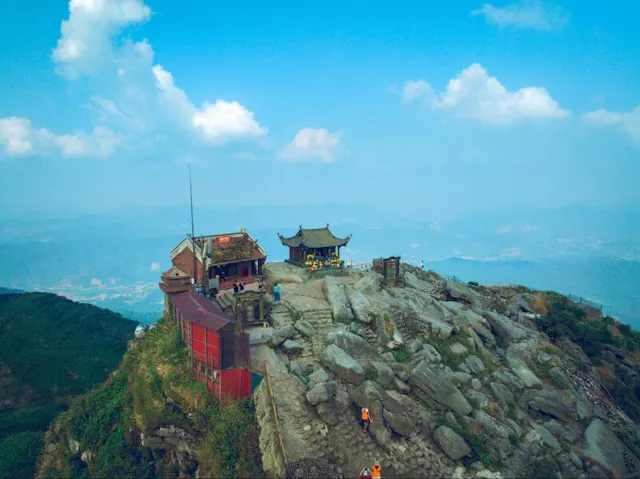
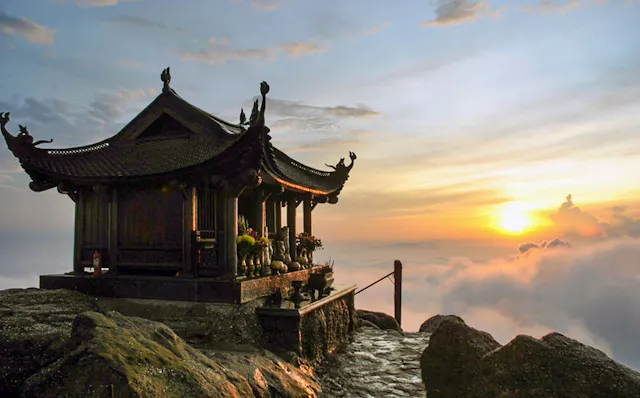
Yen Tu Pagoda in Frames – Sacred Temples, Mountain Landscapes & Spiritual Beauty
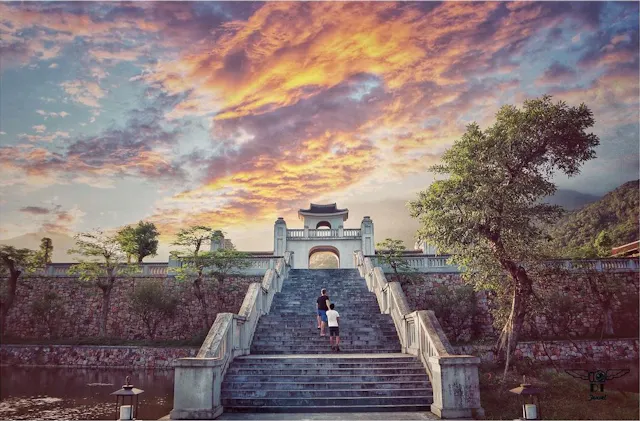
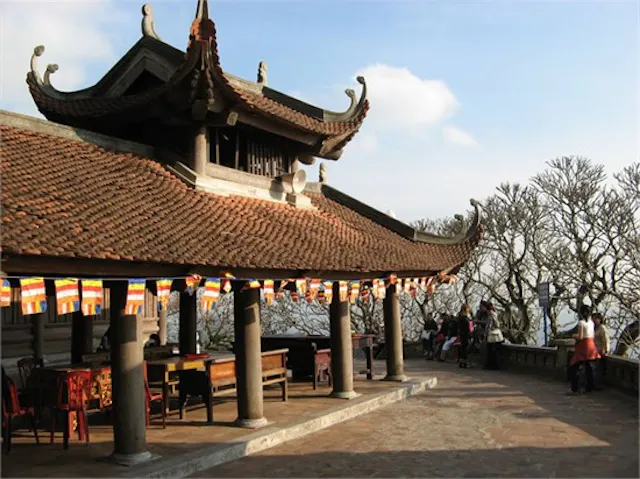
Explore the beauty of Yen Tu Pagoda through a collection of images showcasing ancient temples, misty mountain scenery, peaceful forests, and sacred Buddhist landmarks. From the historic Hoa Yen Pagoda and Dong Pagoda to winding mountain paths and panoramic views from Yen Tu Mountain, the gallery captures the spiritual atmosphere, cultural heritage, and natural beauty of one of Vietnam’s most meaningful pilgrimage destinations.
How To Get There – Yen Tu Pagoda
Bus and coach
Buses are a convenient and affordable way to reach Yen Tu Pagoda from nearby cities. Travelers can take buses from Hanoi, Ha Long, or Uong Bi City to reach the Yen Tu area. From Uong Bi, visitors can continue by taxi or local transport to the entrance of the pagoda complex.
Train
There is no direct train station at Yen Tu Pagoda. Travelers can take a train from Hanoi to Uong Bi or nearby Quang Ninh destinations, then continue the journey by taxi or private transfer. Train travel is a comfortable option for visitors who prefer a slower and scenic route.
Driving
Driving to Yen Tu Pagoda offers flexibility and convenience, especially for travelers exploring Northern Vietnam. From Hanoi, the journey takes around 2–3 hours by car via major highways. Visitors can park near the entrance area and continue their spiritual journey by walking, electric vehicle, or cable car.
Flying
The nearest airports are Van Don International Airport and Noi Bai International Airport (Hanoi). Travelers arriving by air can continue to Yen Tu by private car, taxi, or shuttle services. Flying combined with a road transfer is a suitable option for visitors coming from other regions of Vietnam.
Frequently Asked Questions About Yen Tu Pagoda
What is Yen Tu Pagoda famous for?
Yen Tu Pagoda is famous as one of Vietnam’s most important Buddhist destinations and the birthplace of Truc Lam Zen Buddhism. The site is known for its sacred temples, spiritual atmosphere, mountain landscapes, and connection to Vietnam’s Tran Dynasty history.
Where is Yen Tu Pagoda located?
Yen Tu Pagoda is located on Yen Tu Mountain in Uong Bi City, Quang Ninh Province, Northern Vietnam. It is around 120 km from Hanoi, making it a popular destination for day trips and spiritual journeys from the capital.
What is the best time to visit Yen Tu Pagoda?
The best time to visit Yen Tu Pagoda is from spring to early summer, especially from January to April when the pilgrimage season takes place. Visitors can enjoy the spiritual atmosphere, cooler mountain weather, and traditional festivals during this period.
How long does it take to explore Yen Tu Pagoda?
A typical visit takes around half a day to one full day depending on the route and activities. Travelers can explore the main temples, hike mountain paths, or use cable cars to reach higher areas and enjoy panoramic views.
How can I get to Yen Tu Pagoda from Hanoi?
Visitors can travel from Hanoi to Yen Tu Pagoda by bus, private car, taxi, or organized tours. The journey usually takes around 2–3 hours, with transportation options available to reach the entrance area before exploring the mountain complex.
Advertising box
Explore More Temples & Pagodas in Vietnam
Journey through Vietnam's rich spiritual heritage by discovering ancient temples, peaceful pagodas, and sacred Buddhist landmarks across the country. From centuries-old imperial sanctuaries and mountain monasteries to riverside temples and vibrant pilgrimage sites, these destinations offer fascinating insights into Vietnamese history, architecture, religion, and cultural traditions while providing tranquil spaces for reflection and unforgettable travel experiences.
Saigon Notre-Dame Basilica
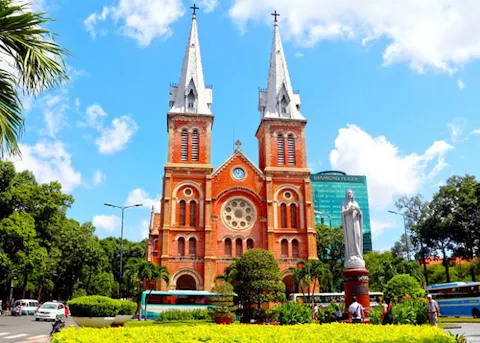
Saigon Notre-Dame Basilica is one of Ho Chi Minh City's most iconic landmarks and a masterpiece of French colonial architecture. Located in the heart of District 1, the cathedral has stood as a symbol of the city's rich history since the late nineteenth century. Visitors admire its striking red-brick façade, twin bell towers, beautiful stained-glass windows, and peaceful surroundings. This guide introduces the history, architecture, visitor information, nearby attractions, and essential tips for exploring Saigon Notre-Dame Basilica.
Tran Quoc Pagoda
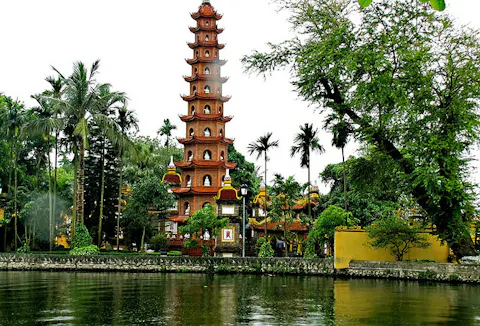
Located on a small island along the shores of West Lake, Tran Quoc Pagoda is the oldest Buddhist temple in Hanoi, with a history spanning more than 1,500 years. Renowned for its elegant red stupa, peaceful gardens, and beautiful lakeside setting, the pagoda is one of Vietnam's most important spiritual landmarks. Visitors come to admire its historic architecture, learn about Vietnamese Buddhism, enjoy tranquil surroundings, and experience one of Hanoi's most iconic cultural attractions.
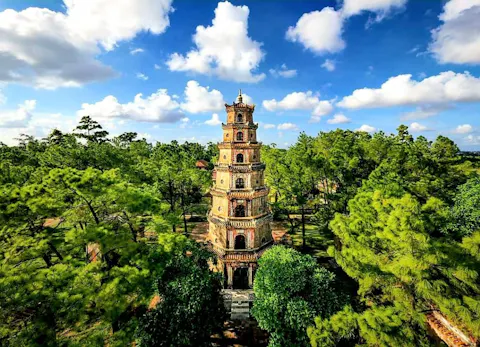
Thien Mu Pagoda
Perched gracefully on the banks of the Perfume River, Thien Mu Pagoda is one of Vietnam's most famous Buddhist landmarks and a symbol of Hue's rich cultural heritage. Founded in 1601, the pagoda is best known for its elegant seven-story Phuoc Duyen Tower, peaceful gardens, and panoramic riverside views. Visitors come to admire its historic architecture, learn about Vietnamese Buddhism, explore sacred relics, and experience the tranquil atmosphere that has inspired generations of travelers.
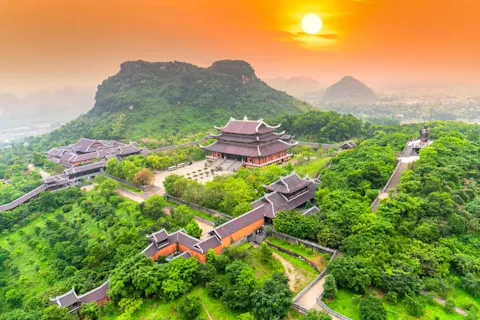
Bai Dinh Pagoda
Bai Dinh Pagoda is the largest Buddhist temple complex in Vietnam and one of Southeast Asia's most impressive spiritual destinations. Located in Ninh Binh near the Trang An Scenic Landscape Complex, the site features magnificent halls, towering Buddha statues, ancient temples, and breathtaking mountain scenery. Visitors can explore peaceful courtyards, admire remarkable Buddhist architecture, learn about Vietnam's religious heritage, and enjoy one of the country's most significant cultural and pilgrimage sites.
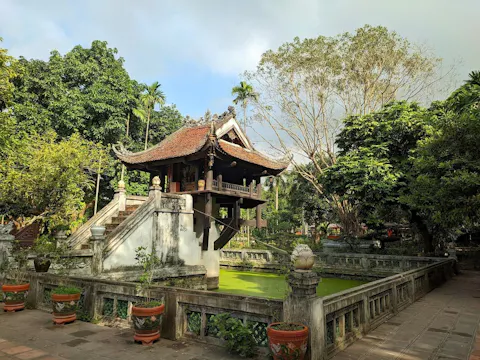
One Pillar Pagoda
One Pillar Pagoda is one of Hanoi’s most recognizable landmarks and a symbol of Vietnam’s rich cultural and Buddhist heritage. Built during the Ly Dynasty, this unique wooden temple is famous for its lotus-inspired design and meaningful spiritual symbolism. Located near the Ho Chi Minh Mausoleum complex, the pagoda offers visitors a peaceful place to explore Vietnam’s history, architecture, and traditions. Discover the story, beauty, and cultural importance of this iconic Hanoi attraction with Go Visit Vietnam.
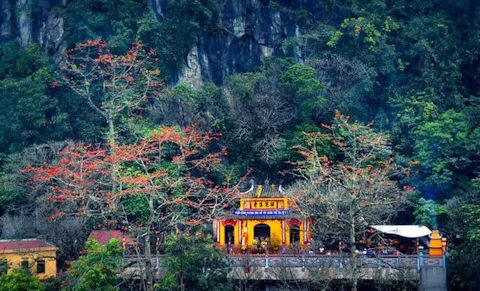
Huong Pagoda
Huong Pagoda is one of Vietnam’s most important Buddhist destinations, located among the limestone mountains and peaceful waterways of Huong Son, Hanoi. Known as a sacred pilgrimage site, the complex features ancient temples, caves, and stunning natural landscapes that attract visitors seeking spirituality, culture, and tranquility. Experience a scenic boat journey, explore historic pagodas, and discover the traditions behind one of Vietnam’s largest religious festivals. Go Visit Vietnam guides you through the history, beauty, and spiritual meaning of Huong Pagoda.
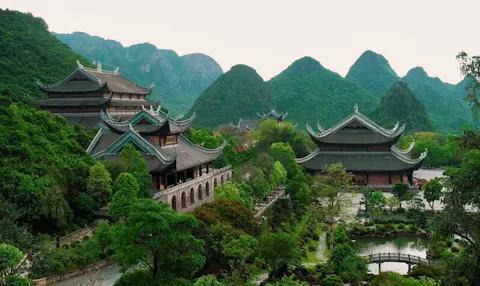
Tam Chuc Pagoda
Tam Chuc Pagoda is the largest Buddhist complex in Vietnam, located in Ha Nam Province and surrounded by dramatic limestone mountains and peaceful lakes. Known for its grand architecture and spiritual atmosphere, Tam Chuc offers visitors a unique combination of cultural heritage, natural beauty, and religious significance. Explore massive temple halls, serene gardens, and scenic boat rides across Tam Chuc Lake. Go Visit Vietnam introduces you to the history, scale, and spiritual importance of this remarkable pilgrimage destination near Hanoi.
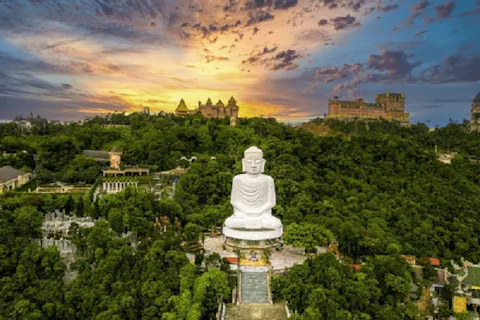
Linh Ung Pagoda
Linh Ung Pagoda is one of the most iconic spiritual destinations in Da Nang, Vietnam, famous for its majestic Giant Lady Buddha statue and breathtaking coastal views. Located on Son Tra Peninsula and associated with the Marble Mountains area, the pagoda offers a peaceful atmosphere surrounded by nature, sea, and mountains. Visitors come to admire its impressive architecture, explore Buddhist culture, and enjoy panoramic scenery. Go Visit Vietnam introduces the history, beauty, and spiritual significance of Linh Ung Pagoda.
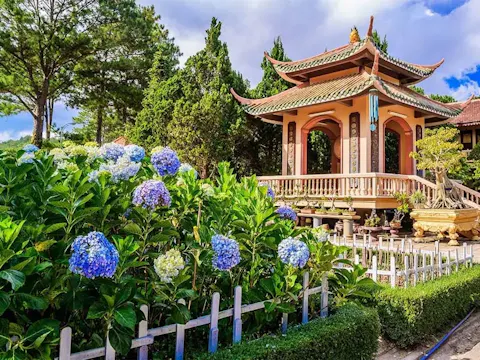
Truc Lam Monastery Da Lat
Truc Lam Monastery is one of Da Lat’s most beautiful spiritual destinations, located on Phung Hoang Mountain overlooking the peaceful Tuyen Lam Lake. Known as one of Vietnam’s largest Zen Buddhist monasteries, it offers a serene atmosphere surrounded by pine forests, gardens, and mountain landscapes. Visitors can explore traditional Buddhist architecture, enjoy peaceful scenery, and experience a moment of relaxation away from the city. Go Visit Vietnam introduces the history, beauty, and spiritual charm of Truc Lam Monastery Da Lat.
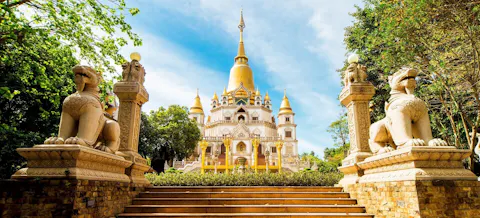
Buu Long Pagoda
Buu Long Pagoda is one of Ho Chi Minh City’s most beautiful Buddhist landmarks, famous for its unique Thai-inspired architecture, peaceful gardens, and serene atmosphere. Located in Thu Duc City, the pagoda combines Vietnamese, Thai, and Indian Buddhist influences, creating a distinctive cultural experience. Visitors can admire the impressive Gotama Cetiya stupa, explore elegant temple spaces, and enjoy panoramic views surrounded by nature. Go Visit Vietnam introduces the history, architecture, and spiritual beauty of this hidden gem in Southern Vietnam.
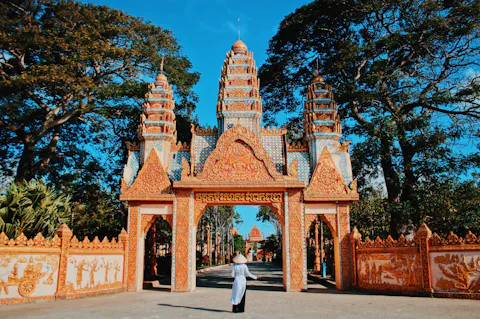
Xiem Can Pagoda
Xiem Can Pagoda is one of the most impressive Khmer Buddhist temples in Southern Vietnam, located in Bac Lieu Province. Known for its colorful architecture, intricate decorations, and peaceful spiritual atmosphere, the pagoda reflects the rich cultural heritage of the Khmer community in the Mekong Delta. Visitors can admire traditional temple designs, learn about Buddhist traditions, and experience the unique blend of culture, history, and religion. Go Visit Vietnam introduces the beauty and significance of this remarkable cultural landmark in Southern Vietnam.