
Phan Thiet Travel Guide
Phan Thiet is a beautiful coastal city in Binh Thuan Province, renowned for its golden beaches, fresh seafood, colorful fishing villages, and the world-famous Mui Ne. From exploring the spectacular Red and White Sand Dunes to visiting ancient Cham towers, scenic lighthouses, and peaceful seaside resorts, Phan Thiet offers the perfect blend of relaxation and adventure. This comprehensive travel guide covers the best attractions, local cuisine, travel tips, and unforgettable experiences for every traveler.
About Phan Thiet
Phan Thiet is a coastal city in southern Vietnam known for sandy beaches, fresh seafood, fishing villages, colorful boats, and its proximity to the famous dunes of Mui Ne. Located in Binh Thuan Province, Phan Thiet offers travelers a combination of traditional coastal life, relaxing beaches, local cuisine, and easy access to some of Vietnam's most distinctive desert-like landscapes.
The city is particularly appealing to travelers who want to experience both a working fishing community and the resort atmosphere of nearby Mui Ne. From seafood markets and traditional fish sauce production to red sand dunes and long coastal roads, Phan Thiet provides a diverse introduction to Vietnam's southeastern coast.
What Is Phan Thiet?
Phan Thiet is the capital of Binh Thuan Province and an important coastal center in southern Vietnam.
The city has a long connection with fishing and seafood production. Fishing boats, seafood markets, and local restaurants remain an important part of everyday life.
Phan Thiet is also closely associated with Mui Ne, a popular beach and resort area located northeast of the city. Travelers often explore both destinations during the same trip.
Phan Thiet's Beaches
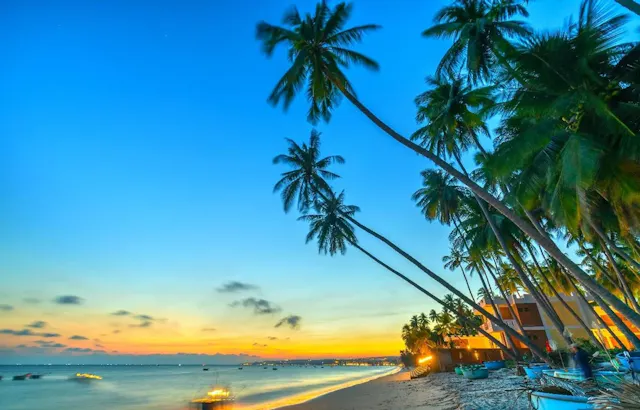
Phan Thiet and its surrounding coastline feature long sandy beaches and calm coastal areas.
The beaches around Mui Ne are particularly popular for swimming, relaxing, and water sports.
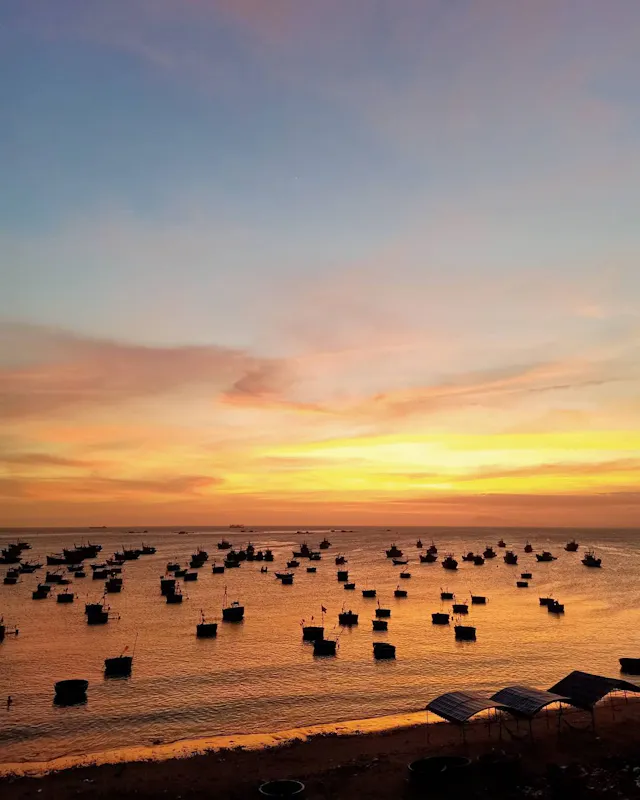
While some parts of the coastline are lined with resorts, other areas retain a more local atmosphere with fishing boats and traditional coastal communities.
The combination of beaches and warm weather makes the region suitable for a relaxed seaside holiday.
Mui Ne and Phan Thiet
Mui Ne is one of the most important attractions associated with Phan Thiet.
The area is famous for its beaches, resorts, seafood restaurants, fishing village, and sand dunes.
Travelers can easily combine a visit to Phan Thiet with popular Mui Ne attractions, making the region suitable for both short breaks and longer beach holidays.
The two destinations together offer a useful combination of local culture and modern tourism facilities.
Red Sand Dunes
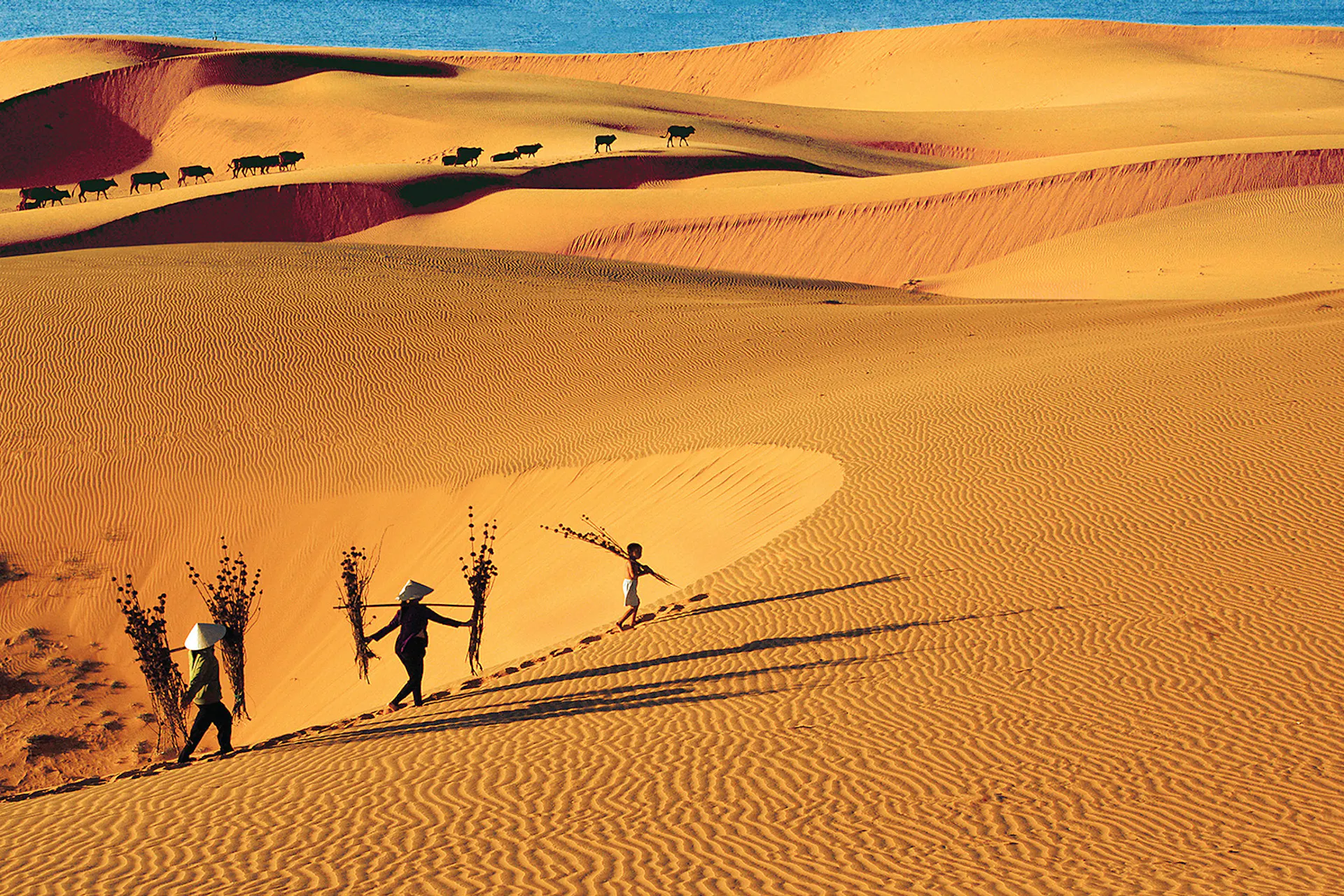
The Red Sand Dunes of Mui Ne are among the region's most recognizable natural attractions.
The dunes feature warm reddish-orange sand and create a landscape that looks very different from the surrounding coastal environment.
Visitors often come at sunrise or sunset when temperatures are cooler and the changing light creates dramatic colors across the dunes.
Walking across the sand and photographing the landscape are popular activities.
White Sand Dunes
The White Sand Dunes, also known as Bau Trang, are located farther from central Mui Ne.
The dunes surround a freshwater lake and create one of the most unusual landscapes in southern Vietnam.
The contrast between pale sand, blue water, and green vegetation makes the area particularly attractive for photography.
Visitors can explore the dunes on foot or join organized excursions depending on local services and conditions.
Fishing Village
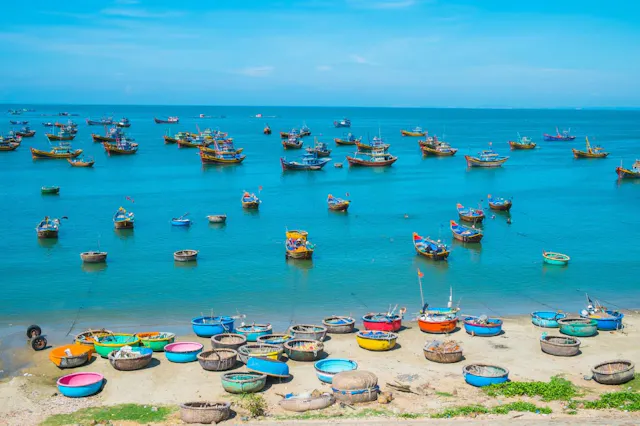
The Mui Ne Fishing Village provides an opportunity to see the region's traditional maritime culture.
Early in the morning, fishing boats return with fresh catches while local traders and residents sort and sell seafood.
The scene can be especially lively around sunrise.
Visitors should be respectful when taking photographs because the area remains a working fishing community rather than simply a tourist attraction.
Phan Thiet Seafood
Fresh seafood is one of the highlights of visiting Phan Thiet.
Local restaurants serve squid, shrimp, crab, shellfish, fish, scallops, and other seasonal catches.
Seafood can be grilled, steamed, stir-fried, or prepared in Vietnamese soups and hotpots.
Because fishing is central to the local economy, seafood markets and restaurants offer travelers a direct connection to the city's coastal identity.
Fish Sauce Tradition
Phan Thiet is also famous for its traditional fish sauce, or nuoc mam.
Fish sauce production has been an important part of the local economy and culinary culture for generations.
Traditional producers use fermented fish and salt to create the concentrated savory seasoning found throughout Vietnamese cuisine.
Visitors interested in food culture can learn about the importance of fish sauce and its role in regional cooking.
Suoi Tien
Suoi Tien, or Fairy Stream, is a shallow natural stream near Mui Ne.
The stream flows through a landscape of reddish and orange sand formations, creating a striking contrast with the surrounding vegetation.
Visitors can walk barefoot through the shallow water while exploring the unusual scenery.
The experience is relatively easy and can be included in a Mui Ne sightseeing itinerary.
Water Sports
The coastal area around Mui Ne is well known for water sports, particularly kitesurfing and windsurfing.
Seasonal winds create favorable conditions for experienced riders and professional schools operate in the area.
Beginners can take lessons from qualified instructors.
Swimming and other beach activities are also available, although sea conditions can vary depending on weather and season.
Best Time to Visit Phan Thiet
Phan Thiet is generally warm throughout the year.
The period from November to April is particularly popular because the weather is often dry and the coastal winds can be favorable for water sports.
The rainy season can bring occasional heavy showers, although rain does not necessarily last all day.
Travelers should check current weather conditions when planning outdoor activities.
How to Get to Phan Thiet
Phan Thiet is accessible from Ho Chi Minh City by road and rail.
The Phan Thiet railway station provides train connections with other destinations, while buses and private transfers are widely available.
The opening of the Dau Giay–Phan Thiet expressway has also improved road access from Ho Chi Minh City and surrounding areas.
Travel time varies depending on transportation and traffic conditions.
Exploring Phan Thiet
Travelers can use taxis, ride-hailing services, private cars, motorcycles, and organized tours to explore the region.
A motorcycle can be convenient for independent travelers who want to visit beaches, fishing villages, temples, and nearby attractions.
For longer trips to the sand dunes, an organized tour or private vehicle can be more practical.
Responsible Coastal Tourism
Visitors can help protect Phan Thiet's beaches and dunes by avoiding litter, reducing plastic use, and respecting natural landscapes.
Sand dunes are fragile environments, so travelers should follow local instructions and avoid damaging vegetation or leaving waste behind.
When visiting fishing villages, respect local residents and avoid interfering with commercial activities.
Supporting local seafood restaurants, food producers, and small businesses can also help tourism benefit the community.
Why Visit Phan Thiet?
Phan Thiet offers a diverse coastal experience combining beaches, seafood, fishing villages, fish sauce traditions, sand dunes, water sports, and local culture.
Its close relationship with Mui Ne makes it especially attractive for travelers who want to combine a relaxing beach holiday with outdoor adventures.
Whether you are exploring the Red Sand Dunes at sunset, watching fishing boats return at dawn, tasting fresh seafood, or discovering the distinctive landscapes around Mui Ne, Phan Thiet provides a memorable way to experience the coastal culture and natural beauty of southern Vietnam.
Phan Thiet Photo Gallery
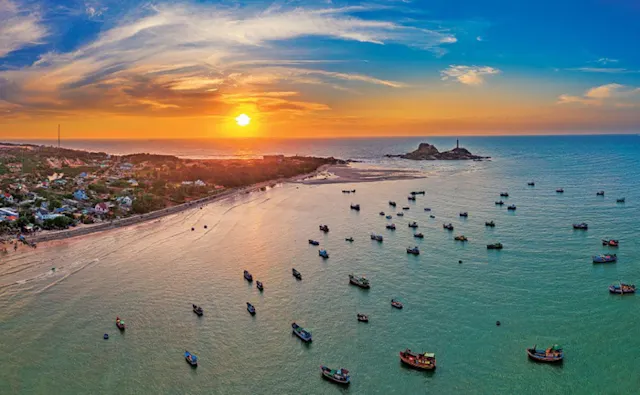
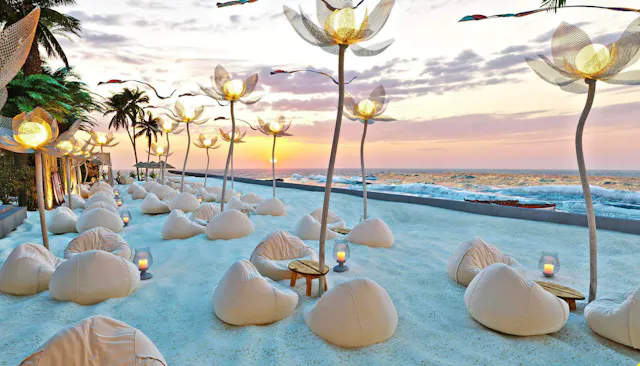
Explore the stunning coastal beauty of Phan Thiet through our curated photo gallery. Discover breathtaking images of golden beaches, turquoise waters, colorful fishing villages, and the iconic landscapes that make this destination so unique. From the spectacular Red and White Sand Dunes and the peaceful Fairy Stream to Ke Ga Lighthouse, Po Sah Inu Cham Towers, and vibrant seafood markets, these photos showcase the diverse experiences waiting for you in one of Vietnam's most captivating seaside destinations.
How to Get to Phan Thiet
Bus and coach
Long-distance buses and limousine coaches provide frequent services to Phan Thiet from Ho Chi Minh City, Nha Trang, Da Lat, Vung Tau, and many other destinations across southern Vietnam. Most buses arrive at Phan Thiet Bus Station or continue directly to Mui Ne, making them a convenient and budget-friendly choice for travelers. Limousine services offer greater comfort with reclining seats, onboard Wi-Fi, and multiple daily departures.
Train
Traveling by train is a comfortable and scenic way to reach Phan Thiet. The city is connected to Vietnam's North–South Railway through Phan Thiet Railway Station, with additional services available via nearby Binh Thuan Railway Station. Travelers from Ho Chi Minh City, Nha Trang, and Hanoi can enjoy relaxing journeys while taking in views of Vietnam's countryside before continuing to the city center or Mui Ne by taxi or shuttle.
Driving
Driving is one of the fastest ways to reach Phan Thiet. The Dau Giay–Phan Thiet Expressway has significantly reduced travel time from Ho Chi Minh City to approximately 2.5 to 3 hours. Private cars and rental vehicles provide excellent flexibility for exploring nearby attractions, including Mui Ne, Ke Ga Lighthouse, Ta Cu Mountain, and the famous sand dunes.
Flying
Phan Thiet does not currently have regular commercial passenger flights. Most international and domestic travelers arrive via Tan Son Nhat International Airport (SGN) in Ho Chi Minh City before continuing by car, bus, limousine, or train. Lien Khuong International Airport (DLI) near Da Lat is another option for travelers combining a highland and coastal itinerary. The journey from either airport to Phan Thiet is straightforward and well served by road transportation.
Frequently Asked Questions About Phan Thiet
What is Phan Thiet famous for?
Phan Thiet is famous for its beautiful beaches, fresh seafood, colorful fishing villages, and the nearby resort destination of Mui Ne. The region is also known for its spectacular Red and White Sand Dunes, Fairy Stream, Ke Ga Lighthouse, and Po Sah Inu Cham Towers. Thanks to its consistent coastal winds, Phan Thiet is one of Asia's leading destinations for kitesurfing and windsurfing.
When is the best time to visit Phan Thiet?
The best time to visit Phan Thiet is from November to April, when the weather is warm, sunny, and dry. These months are perfect for relaxing on the beach, exploring the sand dunes, enjoying water sports, and sightseeing. Thanks to its tropical climate, Phan Thiet remains a pleasant destination throughout the year.
How many days should I spend in Phan Thiet?
A stay of 3 to 4 days is ideal for exploring Phan Thiet and Mui Ne. This gives you enough time to visit the Red and White Sand Dunes, Fairy Stream, Ke Ga Lighthouse, local fishing villages, beaches, and seafood restaurants while also enjoying a relaxing coastal holiday.
How do I get around Phan Thiet?
Getting around Phan Thiet is convenient with taxis, Grab, rental motorbikes, bicycles, and private cars. Many visitors choose to rent a motorbike to explore nearby attractions such as Mui Ne, the sand dunes, and Ke Ga Lighthouse. Walking is also enjoyable in beachfront areas and around resort districts.
Is Phan Thiet worth visiting?
Absolutely. Phan Thiet offers a perfect combination of beautiful beaches, unique natural attractions, cultural heritage, and excellent seafood. Whether you're looking for a relaxing beach holiday, exciting outdoor adventures, or family-friendly activities, the city provides diverse experiences for every type of traveler. Its close proximity to Ho Chi Minh City also makes it an excellent destination for both weekend escapes and longer vacations.
Advertising box
Related Cities In Vietnam
Explore more cities across Vietnam and discover the local dishes, street food, cultural traditions, and culinary specialties that make each destination unique. From the historic streets of Hanoi and Hue to the vibrant food scenes of Ho Chi Minh City and Da Nang, discover where Vietnam's most iconic flavors come from and find inspiration for your next food adventure.
Sapa Travel Guide
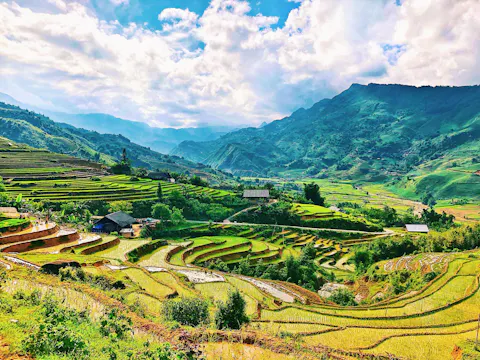
Sapa is one of Vietnam's most spectacular mountain destinations, renowned for its breathtaking rice terraces, cool climate, and rich ethnic culture. Nestled in the Hoang Lien Mountains of northern Vietnam, Sapa offers unforgettable trekking routes, panoramic viewpoints, vibrant local markets, and the iconic Fansipan Mountain—the highest peak in Indochina. Whether you're seeking outdoor adventure, cultural experiences, or stunning natural landscapes, this complete Sapa travel guide will help you discover the very best that this remarkable destination has to offer.
Hoi An Travel Guide
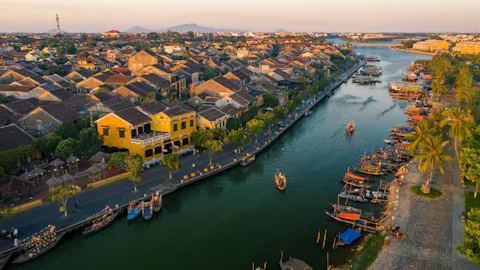
Hoi An is one of Vietnam's most enchanting destinations, renowned for its beautifully preserved Ancient Town, colorful lanterns, riverside charm, and rich cultural heritage. A UNESCO World Heritage Site, Hoi An offers visitors a unique blend of historic architecture, traditional cuisine, artisan workshops, and nearby beaches. Whether you're exploring centuries-old streets, enjoying a lantern-lit evening along the Thu Bon River, or taking a day trip to My Son Sanctuary, this comprehensive travel guide will help you experience the very best of Hoi An.
Ha Giang Travel Guide
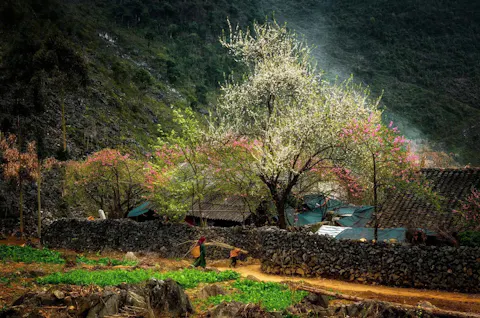
Ha Giang is Vietnam's northernmost province, renowned for its spectacular mountain landscapes, winding roads, vibrant ethnic cultures, and the world-famous Ha Giang Loop. From conquering the breathtaking Ma Pi Leng Pass and cruising along the emerald Nho Que River to exploring traditional villages and the UNESCO-listed Dong Van Karst Plateau, Ha Giang offers unforgettable adventures. Whether you're planning a motorbike journey or a cultural escape, this complete travel guide will help you experience the very best of northern Vietnam.
Da Lat Travel Guide
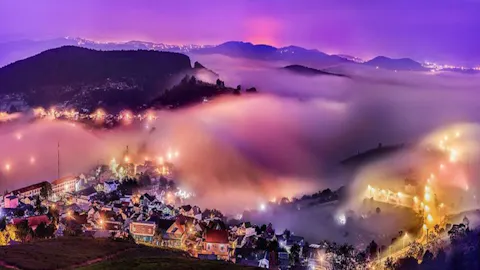
Da Lat is a picturesque mountain city in Vietnam's Central Highlands, famous for its cool climate, rolling pine forests, colorful flower gardens, and charming French colonial architecture. From scenic lakes and breathtaking waterfalls to bustling night markets and local coffee culture, Da Lat offers unforgettable experiences for every traveler. Whether you're seeking outdoor adventures, romantic escapes, or cultural discoveries, this comprehensive travel guide will help you explore the very best of Vietnam's beloved "City of Eternal Spring."