
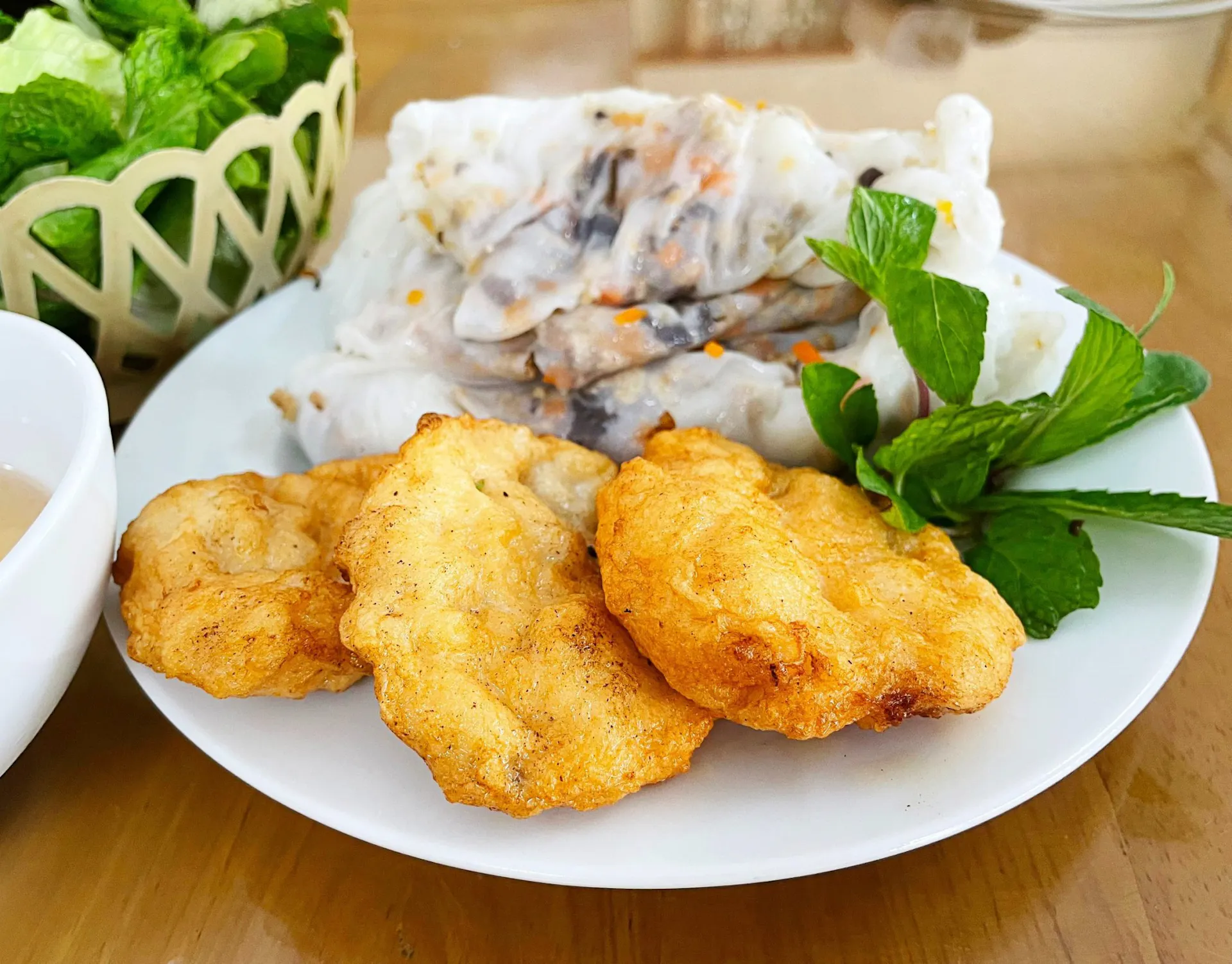
Cha Muc: Vietnam's Famous Fried Squid Cake
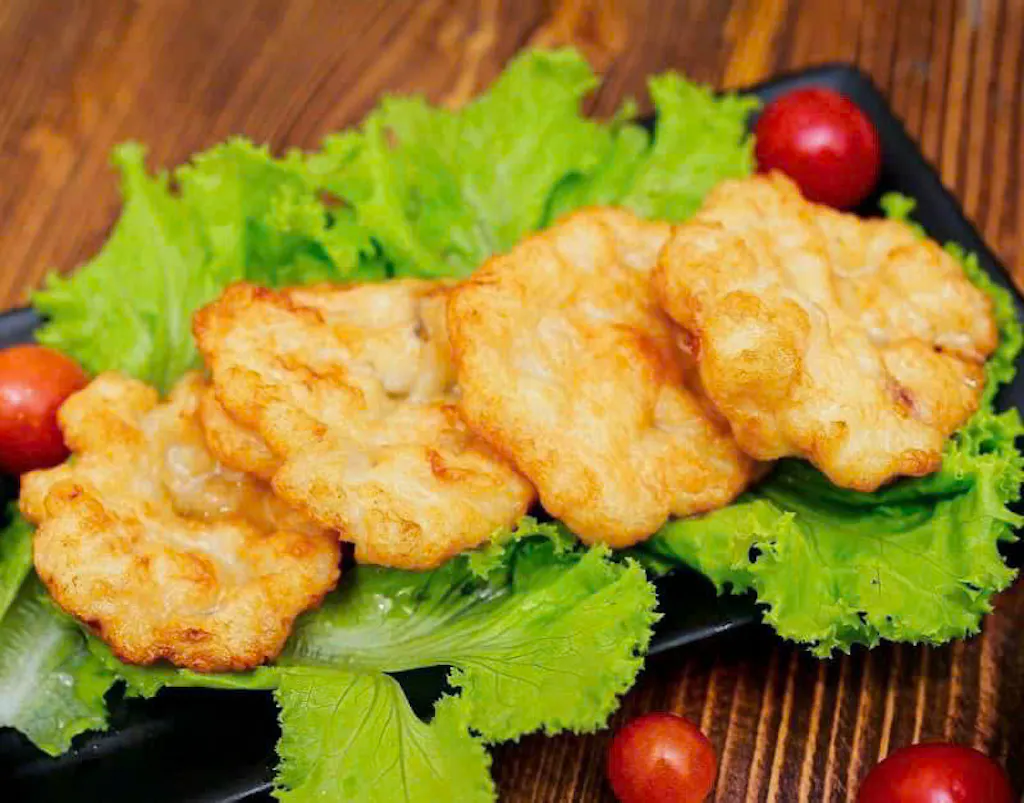
Cha Muc is a popular Vietnamese seafood specialty made from fresh squid that is finely chopped or pounded, seasoned, shaped, and deep-fried until golden and aromatic. Known for its springy texture and rich seafood flavor, the dish is particularly associated with Ha Long and Quang Ninh in northern Vietnam. Cha Muc is commonly served with sticky rice, steamed rice rolls, noodles, or a simple dipping sauce. Discover its ingredients, traditional preparation, regional origins, and why this coastal specialty is a favorite among Vietnamese food lovers.
About Cha Muc
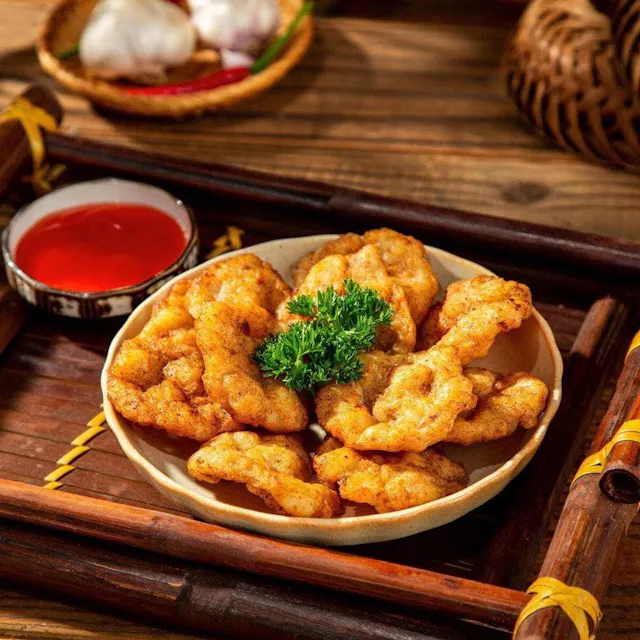
Cha Muc is a famous Vietnamese seafood specialty made from fresh squid that is seasoned, shaped, and fried until golden and aromatic. Known for its springy texture, savory flavor, and distinctive seafood aroma, Cha Muc is particularly associated with Ha Long Bay and Quang Ninh Province in northern Vietnam.
For travelers exploring Vietnam's coastal cuisine, Cha Muc offers a delicious way to experience the freshness of local seafood and the traditional food culture of northeastern Vietnam.
What Is Cha Muc?
Cha Muc, written as Chả Mực in Vietnamese, is a type of squid cake made primarily from fresh squid.
Traditionally, the squid is finely chopped or pounded to create a sticky mixture. It is then seasoned, shaped into small cakes or patties, and fried in hot oil until the exterior becomes golden brown.
The result is a seafood cake with a crisp or lightly firm exterior and a chewy, springy interior.
Fresh squid is essential to the dish because it provides the distinctive texture and naturally sweet seafood flavor that make high-quality Cha Muc special.
How Is Cha Muc Made?
Traditional preparation often begins with freshly caught squid.
The squid is cleaned and processed before being finely chopped or traditionally pounded by hand. Pounding rather than completely blending the squid helps preserve small pieces of squid and creates the characteristic chewy texture.
The squid mixture is seasoned with ingredients such as fish sauce, pepper, and other local seasonings. It is then shaped into small flat patties.
The cakes are fried in hot oil until they become golden brown and aromatic.
When served immediately, Cha Muc has a particularly appealing combination of crisp edges, tender seafood, and a springy texture.
The Importance of Fresh Squid
The quality of the squid is one of the most important factors in Cha Muc.
Fresh squid provides a naturally sweet flavor and firm texture. In coastal areas such as Quang Ninh, access to freshly caught squid has helped make the dish an important local specialty.
Traditional producers often emphasize the use of fresh squid rather than heavily processed or frozen ingredients.
This focus on seafood quality helps distinguish authentic regional Cha Muc from mass-produced versions.
Cha Muc Ha Long
Ha Long is particularly famous for Cha Muc.
The city is located beside Ha Long Bay and has long been connected with fishing and seafood traditions.
Cha Muc has become one of the foods most closely associated with the destination, and visitors can find it in seafood restaurants, markets, specialty food shops, and local eateries.
For travelers visiting Ha Long Bay, trying freshly prepared Cha Muc is an easy way to connect a sightseeing trip with the region's culinary culture.
How Is Cha Muc Served?
Cha Muc can be enjoyed in several ways.
One of the most traditional combinations is Cha Muc served with xoi, or Vietnamese sticky rice. The rich, savory squid cake pairs particularly well with the soft and slightly sticky rice.
It can also be served with Banh Cuon, creating a contrast between delicate steamed rice rolls and chewy fried squid.
Other servings may include steamed rice, noodles, vegetables, or a simple dipping sauce.
Some people enjoy Cha Muc on its own as a snack or appetizer.
What Does Cha Muc Taste Like?
Cha Muc has a rich but naturally sweet seafood flavor.
The exterior develops a golden, lightly crisp texture during frying, while the interior remains chewy and springy.
Seasonings such as fish sauce and black pepper add savory and aromatic notes without overwhelming the taste of the squid.
When served with sticky rice or Banh Cuon, the dish becomes more substantial and provides a satisfying contrast between textures.
Cha Muc and Vietnamese Coastal Cuisine
Cha Muc represents the importance of seafood in Vietnam's coastal food traditions.
Vietnam's long coastline provides access to a wide range of fresh seafood, and different coastal communities have developed their own specialties based on local catches.
In Quang Ninh, squid is particularly important to the regional food identity.
Cha Muc demonstrates how a relatively simple ingredient can be transformed into a distinctive dish through traditional preparation techniques.
Where to Try Cha Muc
The best-known place to try Cha Muc is Ha Long City in Quang Ninh Province.
Visitors can find the dish at seafood restaurants, local markets, traditional eateries, and specialty shops.
When choosing where to eat, look for places that prepare Cha Muc fresh rather than reheating pre-cooked products.
Local markets and seafood restaurants can also provide opportunities to see how squid and other seafood products are incorporated into everyday regional cuisine.
Why Try Cha Muc in Vietnam?
Trying Cha Muc in Vietnam allows travelers to experience a dish closely connected to the country's coastal food culture.
In Ha Long, it can be enjoyed as part of a broader seafood meal after exploring the bay and surrounding attractions.
Its combination of fresh squid, traditional preparation, golden fried texture, and regional identity makes Cha Muc more than just a seafood snack.
For food travelers, it is one of the specialties worth seeking out when exploring northern Vietnam.
Discover Cha Muc
Cha Muc is a flavorful example of Vietnam's diverse seafood traditions.
From the fresh squid used in its preparation to the traditional pounding and frying techniques, every part of the dish reflects the culinary character of Vietnam's northeastern coast.
Whether served with sticky rice, Banh Cuon, rice, or enjoyed on its own, Cha Muc offers travelers a memorable taste of Ha Long's local food culture and an excellent introduction to the seafood specialties of Quang Ninh.
Featured Ingredients in Cha Muc
Cha Muc gets its distinctive flavor and texture from fresh coastal ingredients and simple traditional seasonings. These three ingredients are central to the character of this famous Ha Long specialty.
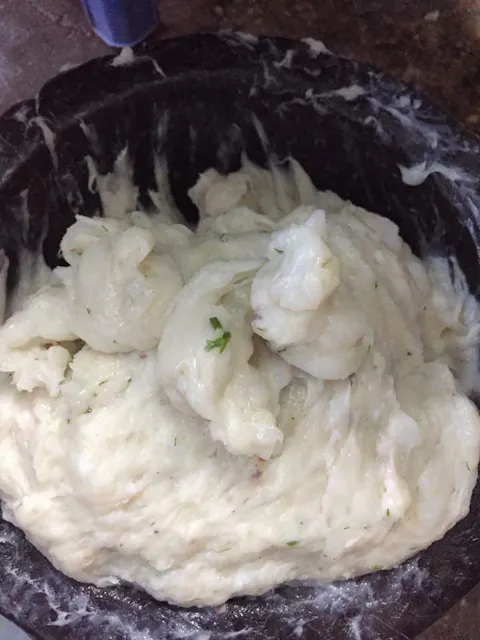
Fresh Squid↗
Fresh squid is the main ingredient in Cha Muc, providing its naturally sweet seafood flavor and signature springy texture. Traditionally pounded or finely chopped by hand, the squid develops a firm, chewy consistency that makes high-quality Cha Muc distinctive.
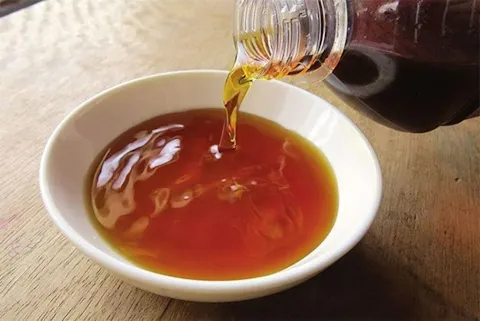
Fish Sauce↗
Fish sauce adds a savory, salty depth to the squid mixture. Used as a traditional seasoning, it enhances the natural sweetness of fresh squid without overpowering its delicate seafood flavor.
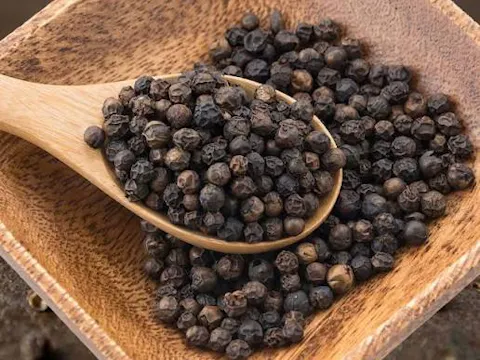
Black Pepper↗
Black pepper contributes a warm, aromatic note to Cha Muc and complements the rich flavor of the squid. Combined with fish sauce and other simple seasonings, it helps create the savory taste characteristic of this northern Vietnamese seafood specialty.
Frequently Asked Questions About Cha Muc
What is Cha Muc?
Cha Muc (Chả Mực) is a traditional Vietnamese squid cake made from fresh squid that is finely chopped or pounded, seasoned, shaped, and fried until golden brown. It is particularly associated with Ha Long and Quang Ninh Province, where it is considered one of the region's signature seafood specialties.
What does Cha Muc taste like?
Cha Muc has a naturally sweet and savory seafood flavor with a distinctive chewy, springy texture. The outside becomes lightly crisp and golden when freshly fried, while the inside remains tender and firm. Fish sauce and black pepper are commonly used to enhance the squid's natural flavor.
What ingredients are used to make Cha Muc?
The main ingredient is fresh squid, traditionally combined with simple seasonings such as fish sauce and black pepper. The squid is often pounded or finely chopped rather than completely blended, helping create the characteristic texture. Regional or family recipes may include additional seasonings.
Where can I try Cha Muc in Vietnam?
Ha Long City in Quang Ninh Province is the best-known destination for Cha Muc. Travelers can find it at local seafood restaurants, traditional markets, specialty food shops, and neighborhood eateries. Trying freshly fried Cha Muc in Ha Long is a popular way to experience the area's coastal food culture.
What is Cha Muc traditionally served with?
Cha Muc can be enjoyed in several ways. It is commonly served with xoi (Vietnamese sticky rice), Banh Cuon, steamed rice, noodles, or a simple dipping sauce. The savory, chewy squid cake pairs particularly well with soft sticky rice and delicate steamed rice rolls.
Advertising box
Discover Vietnam's Regional Cuisine
Explore the rich diversity of Vietnamese food through regional specialties from north to south. Discover authentic local dishes, traditional recipes, street food favorites, fresh seafood, mountain delicacies, and iconic flavors that showcase the unique culinary heritage of every region across Vietnam.
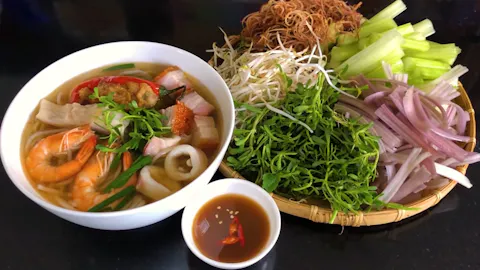
Bun Mam: Vietnam's Bold Fermented Fish Noodle Soup
Bun Mam is a distinctive Vietnamese noodle soup from the Mekong Delta, known for its rich, savory broth made with fermented fish sauce. Often served with rice noodles, shrimp, squid, fish, pork, eggplant, and an abundance of fresh herbs and vegetables, the dish offers layers of salty, savory, and aromatic flavors. Its bold fermented-fish aroma may be unfamiliar to first-time visitors, but it is an important part of southern Vietnamese food culture. Discover Bun Mam's ingredients, origins, regional variations, and traditional way of serving.
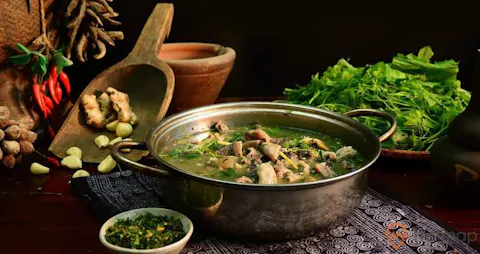
Thang Co: Vietnam's Traditional Hmong Horse Meat Stew
Thang Co is a traditional dish associated with the Hmong communities of northern Vietnam, particularly in mountainous destinations such as Ha Giang and Sapa. Traditionally prepared as a hearty stew using horse meat, offal, bones, aromatic herbs, and local spices, the dish has long been connected with communal meals and mountain markets. Its rich flavor and distinctive ingredients offer travelers an opportunity to explore the culinary traditions of Vietnam's ethnic communities. Discover the history, ingredients, preparation, regional variations, and cultural significance of Thang Co.
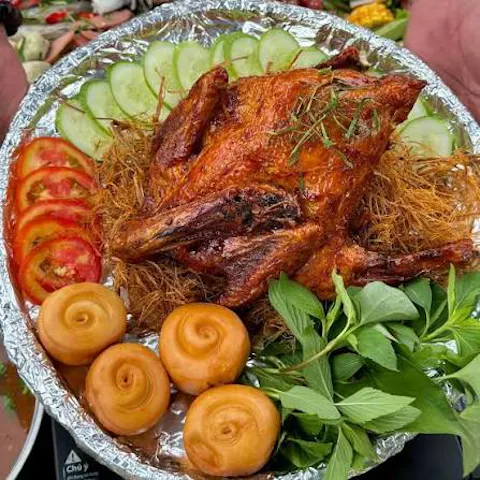
Gà Đốt Ô Thum (O Thum Burnt Chicken): A Rustic Culinary Gem of An Giang
Gà Đốt Ô Thum (O Thum Burnt Chicken) is one of An Giang's most distinctive culinary specialties, originating from the rural O Thum area in Tri Ton District. Prepared using free-range chicken roasted over high heat until the skin becomes beautifully charred and crispy, this rustic dish is celebrated for its smoky aroma, juicy meat, and rich flavor. Often served with fresh herbs, sticky rice, and flavorful dipping sauces, Gà Đốt Ô Thum offers visitors an authentic taste of the Mekong Delta's traditional countryside cuisine.
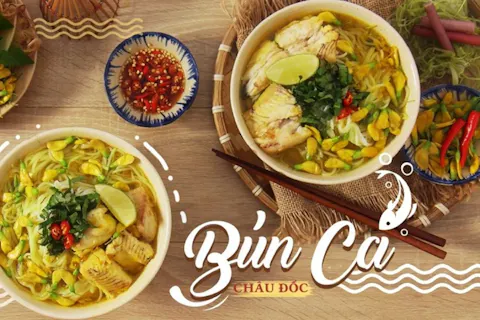
Bún Cá Châu Đốc (Chau Doc Fish Noodle Soup): An Giang's Iconic Mekong Delta Specialty
Bún Cá Châu Đốc (Chau Doc Fish Noodle Soup) is one of An Giang's most iconic culinary specialties, celebrated for its fragrant turmeric-infused broth, tender freshwater fish, fresh herbs, and authentic Mekong Delta flavors. Influenced by Vietnamese, Khmer, and Cham culinary traditions, this beloved dish offers a unique taste of southern Vietnam. Whether you're exploring Chau Doc or planning a food-focused journey through An Giang, Bún Cá Châu Đốc is a must-try local delicacy that showcases the region's rich cultural and culinary heritage.