

Quail Balut
Quail balut is a Vietnamese street food made from a fertilized quail egg that is incubated before being boiled and served hot. Smaller than traditional duck balut, it has a delicate texture and a rich, savory flavor, often enjoyed with Vietnamese herbs, salt, pepper, and other condiments. For curious travelers, quail balut offers a distinctive way to experience Vietnam’s street-food culture. This guide explains what quail balut is, how it is prepared, how locals eat it, and what first-time visitors should expect.

About Quail Balut
Quail balut is a traditional Vietnamese street food made from a fertilized quail egg that has been incubated before being boiled and served warm. It is a smaller variation of the more widely known duck balut, making it an interesting option for travelers who want to explore the less familiar side of Vietnamese food culture. Despite its small size, quail balut has a rich, savory taste and a distinctive texture.
In Vietnam, quail balut is commonly enjoyed as an inexpensive snack, particularly at casual street-food stalls, local markets, and small food shops. Vendors typically boil the eggs until they are fully cooked and serve them hot. They may be accompanied by Vietnamese coriander, salt and pepper, chili, or other dipping seasonings that add freshness, heat, and contrast to the rich flavor of the egg.
One of the main differences between quail balut and duck balut is its size. A quail egg is much smaller, so the portion is easier to try for visitors who are experiencing balut for the first time. The flavor can still be intense, combining the richness of the yolk with the soft texture of the developing egg.
For travelers, trying quail balut can be more than simply tasting an unusual dish. It provides a glimpse into Vietnam's everyday street-food traditions, where affordable ingredients are transformed into flavorful snacks enjoyed by local communities. Food stalls often serve it alongside other popular Vietnamese snacks, creating an opportunity to experience several local flavors in one visit.
If you are curious about Vietnamese cuisine, quail balut is worth approaching with an open mind. Its appearance and texture may be unfamiliar, but the dish is an established part of local food culture. Start with a small portion, enjoy it with the traditional herbs and seasonings, and treat the experience as a chance to discover a different side of Vietnamese street food.
Featured Ingredients
Quail balut is made with a small number of simple ingredients, but the combination creates its distinctive flavor and texture. The traditional preparation focuses on the quail egg itself, with fresh herbs and seasonings commonly served alongside it.

Fertilized Quail Eggs↗
The main ingredient is a fertilized quail egg that has been incubated for a specific period before cooking. When boiled, it develops a rich yolk and a soft, savory interior that gives quail balut its characteristic taste and texture.

Vietnamese Coriander↗
Vietnamese coriander, locally known as rau răm, is traditionally served with balut. Its fresh, slightly peppery and aromatic flavor helps balance the richness of the egg and adds a refreshing herbal note to each bite.

Salt, Pepper & Chili↗
A simple seasoning mixture of salt, black pepper, and chili provides a salty, spicy contrast to the rich egg. Some vendors may offer additional condiments, allowing diners to adjust the flavor according to their preference.

Frequently Asked Questions About Quail Balut
What is quail balut?
Quail balut is a fertilized quail egg that has been incubated before being boiled and served hot. It is a smaller version of the more familiar duck balut and is commonly eaten as a snack in Vietnam.
What does quail balut taste like?
Quail balut has a rich, savory flavor with a soft and varied texture. The yolk is creamy and flavorful, while the other parts of the cooked egg have a more distinctive texture. Salt, pepper, chili, and Vietnamese coriander are often served alongside it.
How is quail balut prepared?
Quail balut is typically incubated for a period before the eggs are boiled until fully cooked. They are generally served warm, either peeled before serving or opened at the table and eaten with seasonings and fresh herbs.
Is quail balut different from duck balut?
Yes. The main difference is the type and size of egg. Quail balut is considerably smaller than duck balut, so it offers a smaller portion while retaining the characteristic flavor and texture associated with balut.
How do you eat quail balut?
Quail balut is usually opened at the top and eaten directly from the shell. Diners can add salt, pepper, chili, and Vietnamese coriander to balance the rich flavor. It is commonly eaten while the egg is still warm.
Where can you try quail balut in Vietnam?
Quail balut can be found at some local street-food stalls, markets, and casual food shops, although availability varies by location. Local markets and evening street-food areas are good places to look for traditional egg-based snacks.
Is quail balut suitable for first-time visitors?
It can be an approachable way to try balut because quail eggs are much smaller than duck eggs. However, the appearance and texture can be unfamiliar to some travelers. If you are curious, starting with one egg can be a simple way to experience the dish.
What is usually served with quail balut?
Quail balut is commonly served with Vietnamese coriander, salt, black pepper, and chili. Depending on the vendor, additional seasonings or dipping sauces may also be available.
Advertising box
Related Street Food in Vietnam
Discover more of Vietnam's vibrant street food culture through iconic local dishes, from savory noodle bowls and crispy snacks to fresh rolls and regional specialties. Explore the flavors, ingredients, cooking traditions, and stories behind popular Vietnamese street foods, and find new dishes to try as you travel across the country.
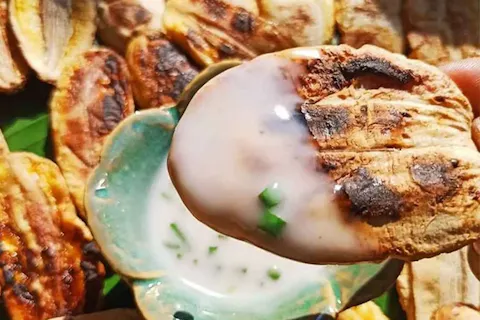
Grilled Banana: Vietnam's Sweet & Smoky Street Snack
Grilled Banana, known as Chuoi Nuong in Vietnamese, is a popular Vietnamese street snack made by grilling ripe bananas until they become warm, tender, fragrant, and lightly caramelized. The bananas may be wrapped in sticky rice before grilling or served directly over charcoal, depending on the local style. Often paired with creamy coconut milk, sesame, or crushed peanuts, the dish combines natural banana sweetness with smoky, rich flavors. Discover how Vietnamese Grilled Banana is prepared, its key ingredients, regional variations, and where to try this comforting street food in Vietnam.
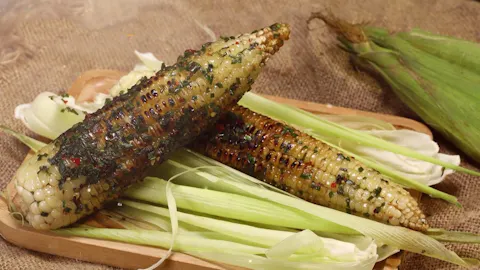
Grilled Corn: Vietnam's Smoky Street Food Snack
Grilled Corn, known as Bap Nuong in Vietnamese, is a popular street food snack made by roasting fresh corn over charcoal until the kernels become lightly charred, smoky, and tender. Vendors often brush the corn with scallion oil, butter, chili, or savory seasonings to create a rich combination of sweet, smoky, salty, and spicy flavors. Commonly sold at evening markets and street stalls, Bap Nuong is an easy and affordable snack for travelers exploring Vietnam's vibrant street food culture.
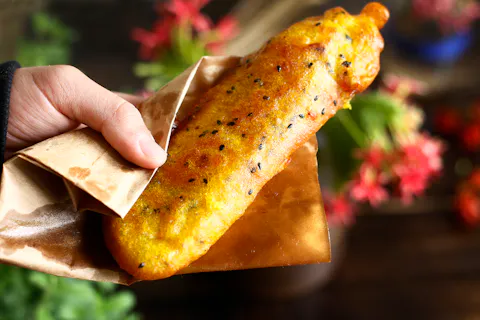
Fried Banana: Vietnam's Crispy Banana Street Food
Fried Banana, known as Chuoi Chien in Vietnamese, is a popular street snack made by coating ripe bananas in a light batter and frying them until golden and crispy. The contrast between the crunchy exterior and soft, naturally sweet banana makes it a simple yet satisfying Vietnamese treat. Often sold by street vendors and small food stalls, Fried Banana is especially popular as an afternoon snack. Discover how this beloved Vietnamese street food is prepared, what it tastes like, its key ingredients, and where to try it in Vietnam.
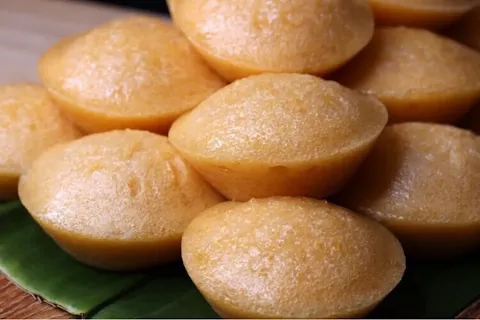
Bánh Bò Thốt Nốt: Vietnam's Palm Sugar Honeycomb Cake
Bánh Bò Thốt Nốt (Palmyra Sponge Cake) is one of An Giang's most iconic traditional desserts, renowned for its soft, airy texture and naturally sweet flavor from locally harvested palmyra palm sugar. Crafted using simple ingredients and time-honored techniques, this beloved cake reflects the culinary heritage of the Mekong Delta. Whether enjoyed as a snack, dessert, or local gift, Bánh Bò Thốt Nốt offers visitors an authentic taste of An Giang's rich food culture and the region's famous palmyra palms.