
Best Things to Do in Thai Nguyen
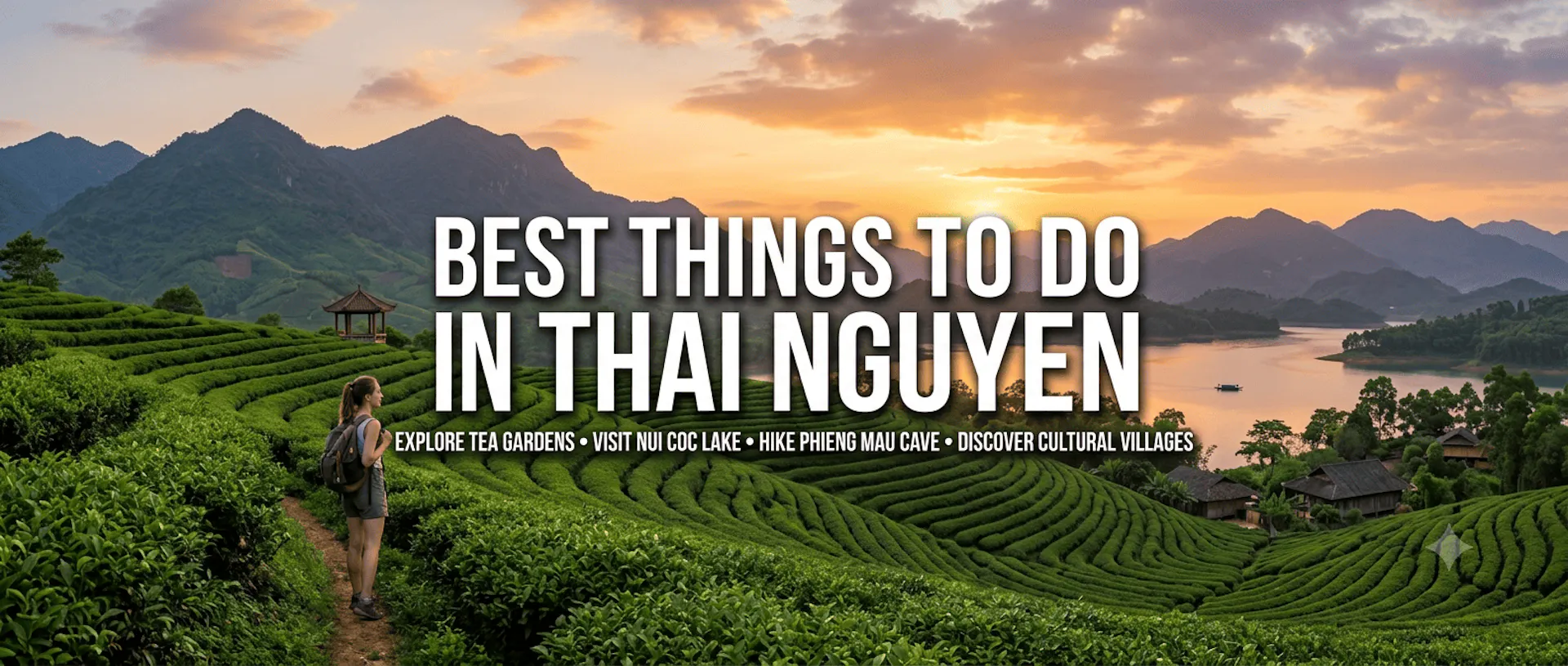
Thai Nguyên is one of Northern Vietnam's most rewarding destinations, famous for its rolling tea hills, rich revolutionary history, and beautiful natural scenery. Visitors can explore traditional tea plantations, discover historical landmarks, hike through national parks, visit peaceful temples, and enjoy authentic local cuisine. Whether you're interested in cultural heritage, outdoor adventures, eco-tourism, or relaxing countryside experiences, this guide highlights the best things to do in Thai Nguyên and helps you plan an unforgettable journey through this charming province.
On this page
- Immersive Agritourism: The Best Things to Do in Thai Nguyen's Tan Cuong Tea Plantation
- Tracing History & Ethnic Heritage: Best Things to Do in Thai Nguyen for History Buffs
- Nature & Eco-Adventures: Best Things to Do in Thai Nguyen Beyond the Tea Leaves
- A Foodie's Guide to Thai Nguyen
- The Smart Traveler's Thai Nguyen Logistics Matrix
- Conclusion
Leaving the relentless, chaotic energy and dense traffic of Hanoi behind, the transition into the serene landscape of Thai Nguyen feels remarkably abrupt. Located just 80 kilometers north of the capital, the urban sprawl rapidly dissolves into undulating, emerald-green hills draped in meticulous rows of low-lying shrubs. You have entered the undisputed "Tea Capital of Vietnam." For the discerning traveler seeking to understand the country's agrarian soul without enduring grueling overnight transit, identifying the best things to do in Thai Nguyen is the key to unlocking a highly rewarding, slow-travel escape.
While the majority of international itineraries treat this province as a mere drive-by waypoint en route to the sprawling lakes of Ba Be or the majestic border waterfalls of Cao Bang, Thai Nguyen commands its own dedicated exploration. It is a deeply layered region that perfectly synthesizes high-end agritourism, solemn revolutionary history, and vibrant ethnic minority culture. The air here carries a distinct, earthy sweetness—a permanent olfactory reminder of the surrounding agriculture. Whether you are seeking to master ancient artisanal harvesting techniques, navigate subterranean karst river systems, or trace the secretive jungle footsteps of Vietnam's most revered historical figures, this comprehensive thai nguyen travel guide will detail exactly how to maximize a one- or two-day immersive journey.
Immersive Agritourism: The Best Things to Do in Thai Nguyen's Tan Cuong Tea Plantation
To understand Thai Nguyen is to understand its terroir. The soil here, enriched by the alluvial deposits of the Cong River and shielded by the Tam Dao mountain range, creates a microclimate that functions much like the Bordeaux region does for French wine. This unique geography yields the highly prized Tan Cuong tea plantation harvest. Engaging directly with this landscape is the definitive cultural experience of the province.
Walking or Cycling through the Emerald Tea Hills
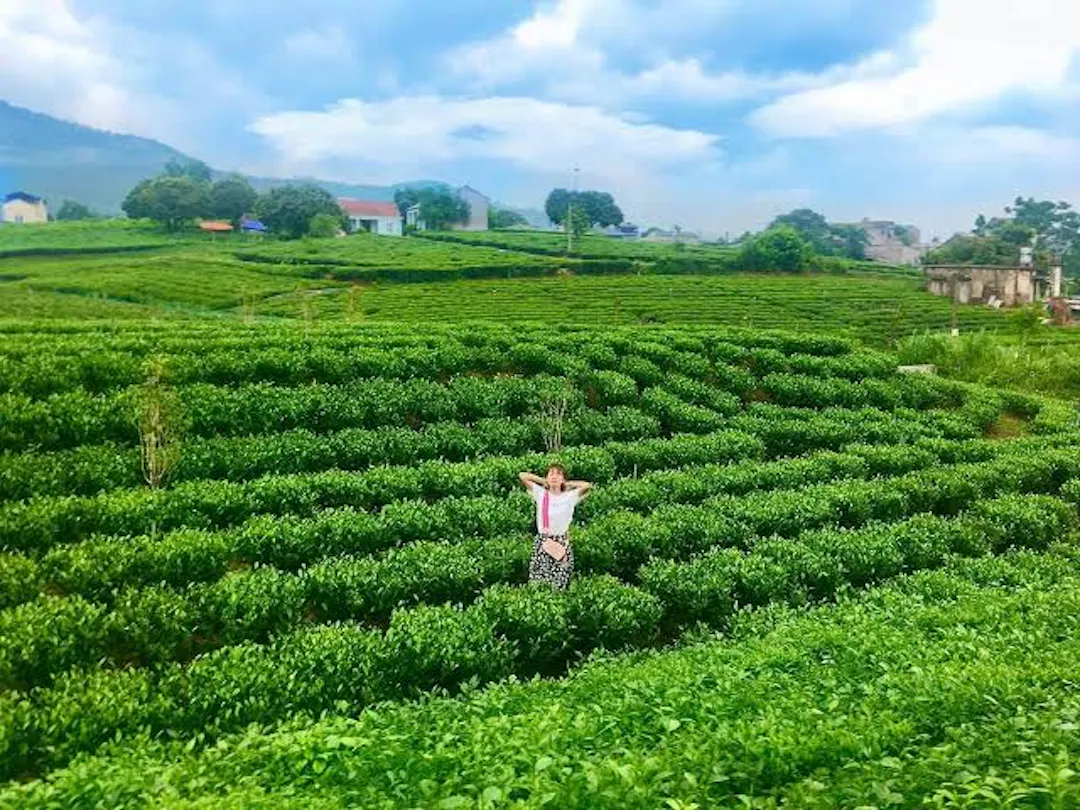
The sheer scale and geometric perfection of the Tan Cuong tea plantation require physical exploration. Skip the heavy motorized transport and instead rent a local bicycle to navigate the narrow, winding dirt paths that cut directly through the estates. The ideal time for this is the early morning, precisely between 6:00 AM and 7:30 AM, when a thick, ethereal mist clings to the lower valleys and the morning dew amplifies the vibrant green hues of the leaves. The hills are carefully sculpted into concentric, undulating terraces that follow the natural topography, providing spectacular, unobstructed vantage points for landscape photography. As you cycle, you will witness the silent, synchronized movements of local farmers beginning their daily harvest, a practice that has remained largely unchanged for a century.
The "One Bud, Two Leaves" Harvesting Masterclass
Passive observation is not enough; the true value of agritourism lies in participation. Numerous multi-generational family estates in Tan Cuong allow visitors to strap on a woven bamboo basket and step into the fields. Under the strict, watchful guidance of a local artisan, you will learn the precise, delicate manual technique required to harvest the premium yield: "Một tôm hai lá" (one bud, two leaves). This meticulous standard dictates that only the youngest, most tender top shoot and the two immediately adjacent leaves are plucked. This selective harvesting ensures that only the highest concentration of essential oils and amino acids makes it into the final product. Doing this manually under the hot sun provides a profound, exhausting respect for the physical labor behind every ceramic cup of tea served across the country.
Artisanal Tea-Making Workshops & Tasting Etiquette
While cities like Hanoi and Da Nang are currently obsessed with the modern, trendy Cà phê muối (salt coffee), Thai Nguyen remains fiercely devoted to the ancient, purist art of tea brewing. After the harvest, follow your artisan into the roasting sheds. Here, you will witness the wilting and rolling processes before the leaves are subjected to wood-fired roasting in massive, blackened cast-iron pans. The temperature control is entirely sensory, relying on the artisan's bare hands to judge the heat of the leaves.
The experience culminates in a formal tasting session. You will learn to differentiate the robust, slightly astringent profile of standard green tea from the province's ultimate luxury: Trà đinh. This ultra-premium tea is crafted exclusively from the tightly rolled, unexpanded terminal buds that resemble tiny nails (đinh). When brewed in a traditional unglazed clay teapot, Trà đinh produces a pale, jade-colored liquor with a profound, lingering umami sweetness and absolutely zero bitterness. Mastering this tasting etiquette is a mandatory cultural milestone.
Tracing History & Ethnic Heritage: Best Things to Do in Thai Nguyen for History Buffs
Beyond its agricultural dominance, the heavily forested terrain of Thai Nguyen served as a crucial strategic stronghold during the mid-20th century. The province's rugged geography provided the perfect natural fortress for the nation's independence movement.
Exploring the ATK Dinh Hoa Historical Site
Deep in the dense, mountainous jungles of Dinh Hoa district lies the ATK (An Toàn Khu), translating directly to the "Safe Zone." During the arduous First Indochina War against French colonialism (1946–1954), this specific region earned the romantic yet highly strategic moniker Thủ đô gió ngàn (The Windy Capital). It was from these camouflaged, subterranean bunkers and simple bamboo stilt houses that President Ho Chi Minh and the central military command directed their entire nationwide resistance campaign.
Exploring the atk dinh hoa historical site is a solemn, deeply educational experience. The site is vast and widely dispersed across multiple forested hillsides. You can walk through the exact modest thatched-roof structures where critical military directives were drafted. The surrounding ancient banyan trees and thick bamboo groves effectively blocked aerial reconnaissance, a tactical brilliance that is best appreciated by hiking the steep, shaded trails connecting the various command posts.
The Museum of Cultures of Vietnam's Ethnic Groups
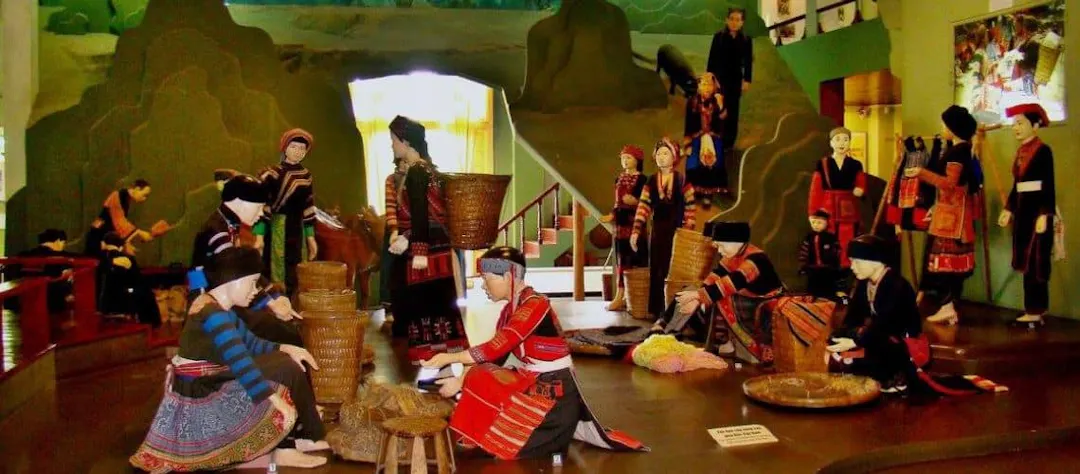
Located directly in the center of Thai Nguyen city, this institution is not a dusty, forgotten regional archive; it is a world-class ethnographic space that rivals the major museums in Hanoi. Vietnam is a complex mosaic of 54 officially recognized ethnic groups, and this museum serves as the definitive central repository for their cultural heritage. The indoor galleries are meticulously curated, showcasing intricate brocade weaving, agricultural tools, and spiritual artifacts from the northern highlanders to the southern delta communities.
However, the most compelling attraction is the expansive outdoor exhibition area. Here, curators have faithfully reconstructed the traditional architectures of various ethnic groups at full scale. You can walk through the elevated wooden stilt houses of the Tay and Nung people, examining the structural ingenuity required to survive harsh mountain winters and avoid jungle predators. It is an essential stop for travelers looking to understand the diverse human geography of the nation before heading further into the remote northern frontiers.
Nature & Eco-Adventures: Best Things to Do in Thai Nguyen Beyond the Tea Leaves
While the manicured tea estates offer a highly controlled aesthetic, the outer districts of the province reveal a raw, untamed landscape of jagged limestone massifs, deep subterranean river systems, and dramatic seasonal waterways.
Unwinding at Nui Coc Lake Vietnam
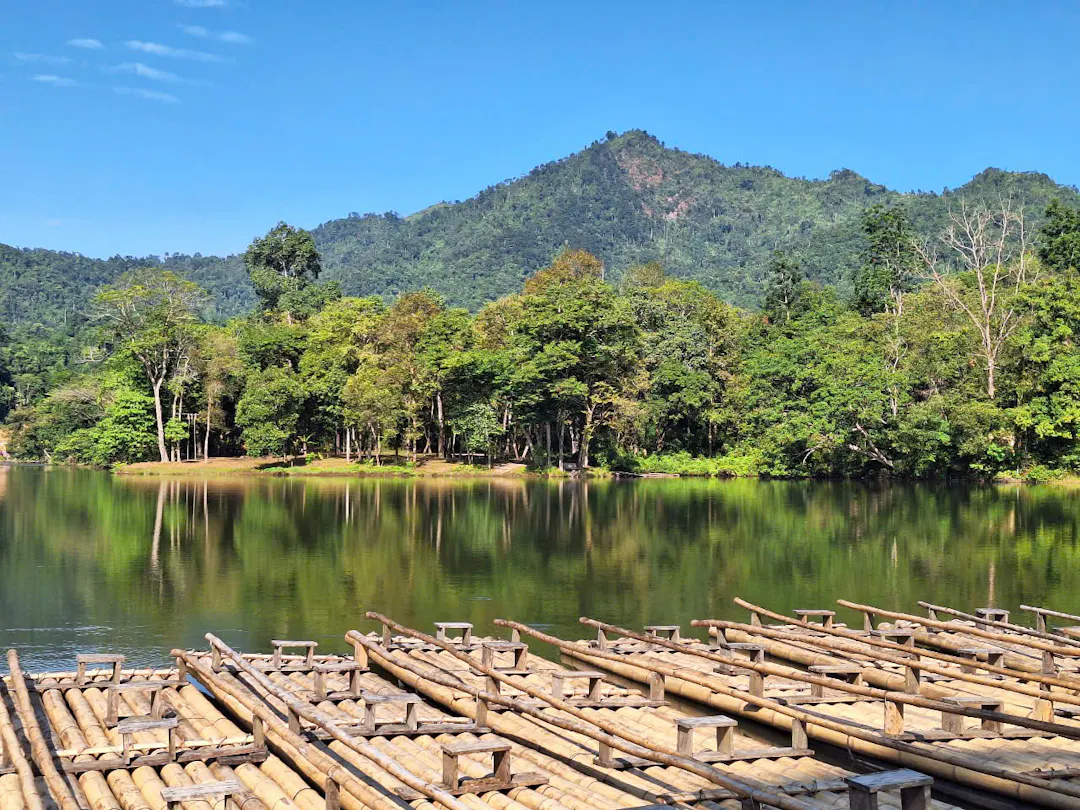
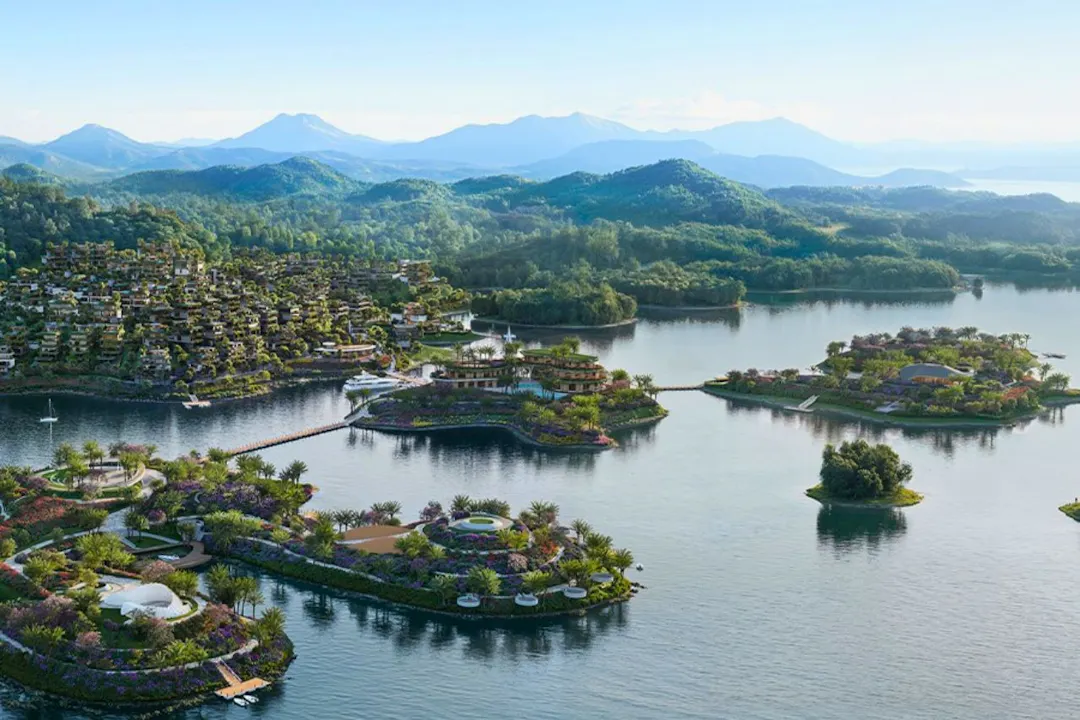
Located just 15 kilometers west of the city center, Nui Coc Lake is a vast, artificial freshwater reservoir that has seamlessly integrated into the natural environment. The lake is famously tied to the tragic local folklore of Mr. Coc and Mrs. Cong—a story of forbidden love where the tears of the grieving woman formed the river that eventually filled the lake.
While the eastern shore of the lake has been developed into a loud, highly commercialized water park and resort complex catering to large domestic tour groups, the true value for an experiential traveler lies on the water itself. Charter a small, private wooden boat at the docks and instruct the captain to head toward the southern, undeveloped reaches of Nui Coc Lake Vietnam. The lake is dotted with 89 pristine, tree-covered islets. Floating silently among these small, uninhabited landmasses as the sun sets, surrounded by the haunting calls of local water birds, provides an incredibly tranquil counterpoint to the busy city.
Conquering Phuong Hoang (Phoenix) Cave & Mo Ga Stream
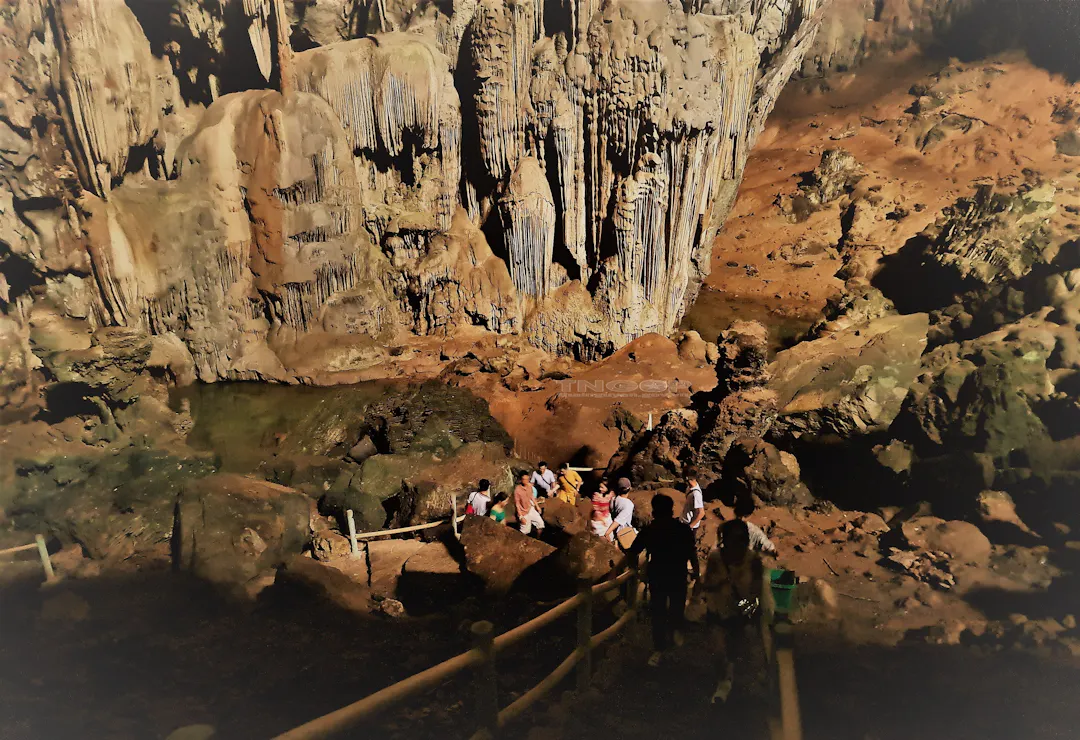
For those seeking intense physical exertion, head to the Vo Nhai district to conquer Phuong Hoang Cave. This is not a gentle, paved tourist stroll. Accessing the cave mouth requires a grueling, steep ascent up hundreds of jagged, cat-eared limestone steps cut directly into the side of the mountain. The humidity is intense, but the reward is a massive, cathedral-like subterranean cavern filled with towering, ancient stalagmites and natural skylights that pierce the darkness.
Immediately at the base of the mountain lies Mo Ga Stream, a powerful natural spring that flows directly out of a lower cave system. After the exhausting climb to Phoenix Cave, leaping into the ice-cold, crystal-clear natural pools of Mo Ga is exhilarating. The contrast between the stifling jungle heat and the freezing subterranean water makes this one of the most refreshing, raw eco-adventures in the entire province.
Chasing the Seasonal Nam Rut (Falling Rain) Waterfall
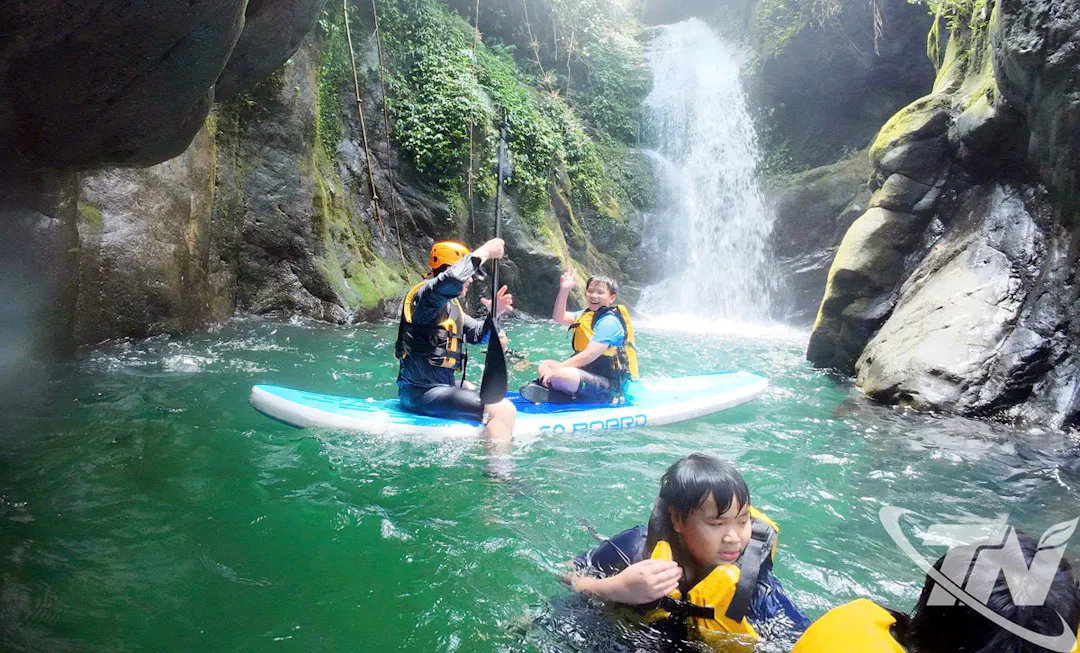
Hidden deep within the Than Sa commune, the Nam Rut Waterfall is a spectacular natural anomaly, but it requires highly strategic planning to witness. During the heavy summer monsoon, water violently crashes down a sheer limestone cliff, creating a localized micro-storm of mist and deafening noise.
Crucial Traveler Warning: This waterfall is highly, stubbornly seasonal. If you are researching what to do in thai nguyen during the dry winter months (December to April) and decide to make the long drive to Than Sa, you will find absolutely nothing but a dry, barren rock face. Attempt this journey strictly between June and September to ensure the "Falling Rain" lives up to its dramatic moniker.
A Foodie's Guide to Thai Nguyen
No exploration of a Vietnamese province is complete without diving deeply into its highly localized culinary identity. While you will easily find standard bowls of Pho, Thai Nguyen boasts several highly specific regional specialties that demand your attention.
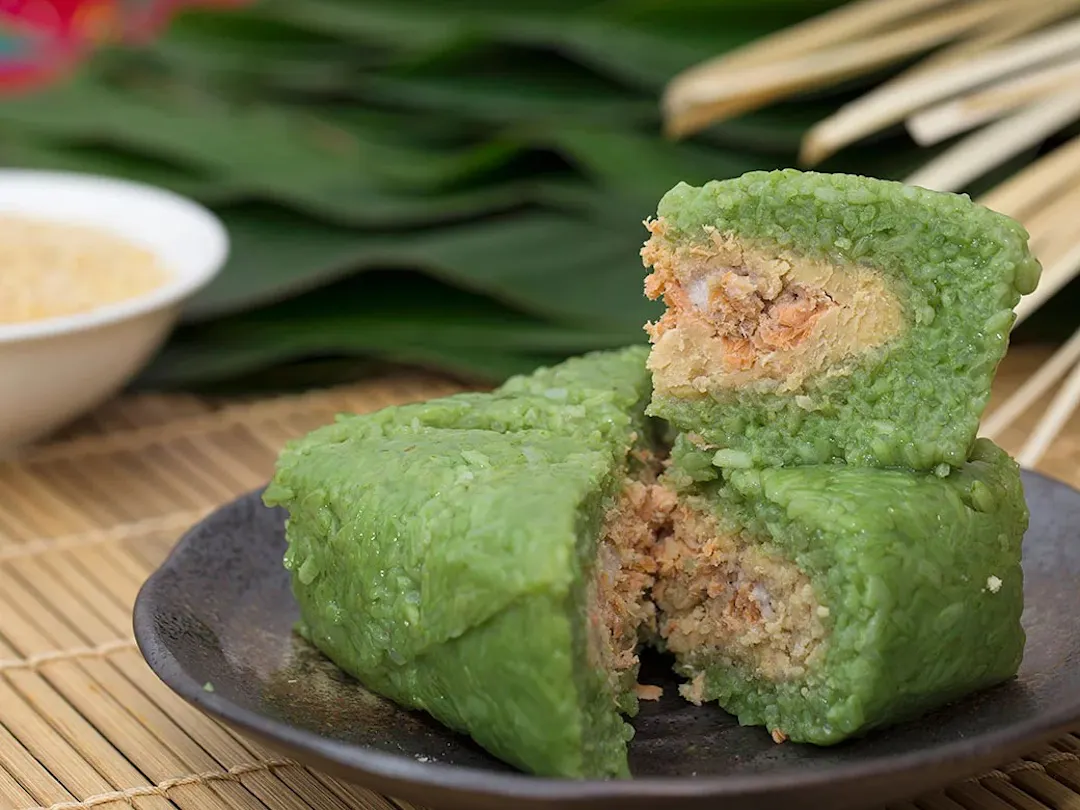
The absolute pinnacle of local cuisine is Bánh chưng bờ đậu. While the square, sticky rice cake stuffed with mung bean and fatty pork is a national staple during the Lunar New Year, the artisan village of Bo Dau in Phu Luong district produces the undisputed best version in the country. What sets their technique apart is the refusal to use wooden molds; the women here wrap the cakes entirely by hand using broad dong leaves, resulting in a tighter, denser, and far more flavorful cake.
If you are spending the afternoon at Nui Coc Lake, you must seek out the local restaurants serving fresh, grilled river fish caught directly from the reservoir. These fish are typically marinated in wild mountain pepper and lemongrass, clamped into split bamboo wands, and slow-roasted over white-hot charcoal. Additionally, many high-end restaurants in the city center are experimenting with agritourism crossover cuisine, offering innovative green-tea-infused dishes, such as free-range hill chicken steamed in young Tan Cuong tea leaves, which imparts a delicate, earthy astringency to the rich meat.
The Smart Traveler's Thai Nguyen Logistics Matrix
To streamline your travel planning and ensure you match the province's highlights with the correct seasonal windows, consult this highly structured logistical breakdown detailing exactly where, when, and who each experience is best suited for.
- Tea Harvesting & Tasting: Located in the rolling hills of the Tan Cuong Commune. The optimal window for this activity is from March to November. It is perfectly suited for Culture & Culinary Enthusiasts seeking hands-on agricultural experiences.
- Historical Bunker Trekking: Found deep within ATK Dinh Hoa. The most comfortable weather for hiking this historical zone falls between October and April. This solemn trek is highly recommended for History Buffs & Hikers.
- Subterranean Cave Climbing: Situated at Phuong Hoang Cave. The safest and most rewarding months to scale these limestone steps are from September to May. This grueling but spectacular climb is ideal for dedicated Adventure Seekers.
- Tranquil Islet Boat Tour: Located just outside the city at Nui Coc Lake. This relaxing excursion is excellent Year-Round, though you should heavily avoid afternoon operations during the unpredictable July storms. It is a highly accessible activity for Families & Couples.
- Ethnographic Exploration: Centrally located at the Museum of Cultures of Vietnam's Ethnic Groups in the city center. Given its combination of indoor galleries and outdoor architectural exhibits, it is a fantastic Year-Round destination for Culture & Architecture Lovers.
- Chasing Nam Rut Waterfall: Hidden away in the remote Than Sa Commune. This is a strictly seasonal phenomenon; you must visit between June and September ONLY. During this wet-season window, it is a dream location for Adventure Photographers.
Conclusion
Bypassing this remarkable province on your way to the extreme northern borders is a significant missed opportunity. Identifying the best things to do in Thai Nguyen reveals a destination that operates at a fundamentally different pace than the rest of the country. It is a place where you can physically touch the nation’s modern history in the dense jungles of Dinh Hoa, explore profound subterranean geology, and master the deeply meditative, artisanal craft of tea production. It proves that you do not need to travel for days to find authentic, uncommercialized Vietnamese culture—you only need to drive 80 kilometers north of the capital.
Drop a comment below detailing your ideal travel style: are you heading straight for the historical jungle bunkers of the "Windy Capital," or are you booking an immersive morning tasting session in the emerald-green tea terraces?
> Read more: Thai Nguyen Travel Guide

By Roy Trinh
Editor
Roy Trinh is a travel writer and destination expert at Go Visit Vietnam, dedicated to helping travelers discover the beauty, culture, and diversity of Vietnam. Through well-researched travel guides, practical itineraries, local insights, and authentic recommendations, Roy shares valuable information to inspire memorable journeys across the country. From vibrant cities and breathtaking landscapes to regional cuisine and cultural heritage, every guide is created to help visitors experience Vietnam with confidence and curiosity.
Frequently Asked Questions About Things to Do in Thai Nguyen
What is Thai Nguyen best known for?
Thai Nguyen is best known as Vietnam's tea capital, producing some of the country's finest green tea. It is also famous for its scenic tea hills, historical sites, museums, temples, waterfalls, and peaceful countryside.
How many days should I spend in Thai Nguyen?
A two to three-day trip is ideal for exploring Thai Nguyen's main attractions, including tea plantations, historical landmarks, nature parks, and local villages. Day trips from Hanoi are also popular for visitors with limited time.
What are the top attractions in Thai Nguyen?
Popular attractions include Tan Cuong Tea Hills, ATK Dinh Hoa Historical Site, Museum of Cultures of Vietnam's Ethnic Groups, Nui Coc Lake, Phuong Hoang Cave, and numerous traditional tea farms where visitors can experience local tea culture.
Is Thai Nguyen suitable for nature lovers?
Yes. Thai Nguyen offers beautiful mountain landscapes, forests, lakes, waterfalls, and tea-covered hills. Hiking, cycling, photography, and eco-tourism are among the most popular outdoor activities in the province.
When is the best time to visit Thai Nguyen?
Thai Nguyen can be visited throughout the year, but the best seasons are spring (March to April) and autumn (September to November), when the weather is cool, comfortable, and perfect for sightseeing, tea plantation visits, and outdoor adventures.
Advertising box
Explore Thai Nguyen Travel Stories
Discover more stories, guides, and travel inspiration from Thai Nguyen. Explore detailed articles about the province's scenic attractions, tea culture, historic sites, local cuisine, traditional villages, and unique experiences. Whether you're looking for places to visit, things to do, local food to try, or practical travel tips, our Thai Nguyen articles provide useful insights to help you experience northern Vietnam beyond the usual tourist routes.

Best Places to Visit in Thai Nguyen
Thai Nguyen is home to breathtaking tea plantations, fascinating historical landmarks, and peaceful natural landscapes that make it one of Northern Vietnam's most rewarding destinations. Visitors can explore the famous Tan Cuong Tea Hills, relax at Nui Coc Lake, discover Vietnam's ethnic heritage through museums, visit ancient temples, and experience authentic local culture. Whether you're interested in history, nature, photography, or tea tourism, this guide introduces the best places to visit in Thai Nguyen for an unforgettable travel experience.
Thai Nguyen Food Guide
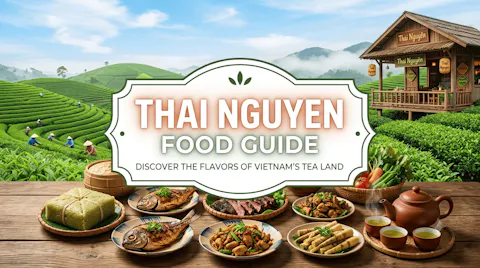
Thai Nguyen is not only famous for its world-class green tea but also for its rich culinary traditions and authentic Northern Vietnamese flavors. From delicious local specialties and rustic countryside dishes to vibrant street food and traditional desserts, the province offers memorable dining experiences for every traveler. Whether you're visiting local markets, family-run eateries, or renowned restaurants, this Thai Nguyen Food Guide introduces the best foods to try, where to eat, and the unique flavors that define the region's culinary heritage.

Best Time to Visit Thai Nguyen
Thai Nguyen is a year-round destination, but each season offers a unique travel experience. Spring brings blooming landscapes and cultural festivals, summer showcases lush green tea plantations, autumn offers cool weather perfect for sightseeing, while winter provides a peaceful atmosphere for exploring historical sites and enjoying local cuisine. Whether you are planning to visit famous tea hills, discover cultural attractions, or experience outdoor adventures, this guide helps you choose the best time to visit Thai Nguyen based on weather, seasonal activities, and local events.
How to Get to Thai Nguyen: Bus, Train & Travel Guide
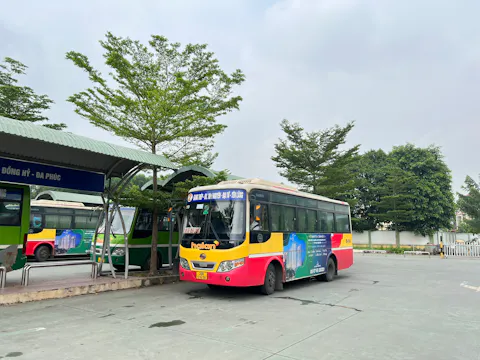
Master your travel logistics from Hanoi and Noi Bai International Airport to Vietnam's famed green tea capital with this ultimate transportation guide. Discover seamless transit options across the Hanoi–Thai Nguyen corridor, including high-frequency public coaches from My Dinh Bus Station, luxurious door-to-door limousine vans, scenic state railway trains, private car rentals with drivers, and adventurous motorbike routes. Learn exact travel times, ticketing protocols, terminal navigation, and essential local city transport strategies for an effortless journey.