
Thai Nguyen Food Guide
Thai Nguyen is not only famous for its world-class green tea but also for its rich culinary traditions and authentic Northern Vietnamese flavors. From delicious local specialties and rustic countryside dishes to vibrant street food and traditional desserts, the province offers memorable dining experiences for every traveler. Whether you're visiting local markets, family-run eateries, or renowned restaurants, this Thai Nguyen Food Guide introduces the best foods to try, where to eat, and the unique flavors that define the region's culinary heritage.

On this page
To truly comprehend the complex cultural fabric of Northern Vietnam, one must step away from the heavily trodden tourist corridors of the capital and immerse oneself in the sensory theater of a provincial morning market. In Thai Nguyen, the dawn is heralded by an intoxicating, multi-layered symphony of aromas: the sharp, botanical scent of wood-fired foliage echoing from local roasting sheds, the rich, ginger-infused marrow broths bubbling in massive aluminum cauldrons on the sidewalks, and the earthy, herbaceous fragrance of steamed glutinous rice wrapped in wild jungle leaves. For the discerning gastronomic traveler actively researching what to eat in thai nguyen, this definitive, uncompromising thai nguyen food guide serves as your elite culinary compass.
The prevailing international misconception is that this province functions exclusively as the "Tea Capital" of the nation—a monolithic agricultural hub dedicated solely to beverages. In reality, the best food in thai nguyen represents a magnificent, rustic intersection of midland agrarian abundance and the ancient, highly sophisticated food preservation traditions of the indigenous Tay, Nung, and San Diu ethnic minority communities. Here, local đặc sản (regional specialties) are fiercely protected and deeply tied to the specific terroir of their native districts. From the meticulous fermentation of upland pork to the precise, temperature-controlled extraction of botanical liquors, Thai Nguyen’s cuisine demands intellectual engagement and a highly adventurous palate.
The Liquid Gold: Decoding Thai Nguyen’s Tea Gastronomy
Before dissecting the solid thai nguyen local dishes, one must establish profound respect for the province's liquid foundation. The culinary identity of this region is inextricably bound to the cultivation, roasting, and consumption of premium green tea, an ingredient that dictates the rhythm of daily life and frames every communal meal.
The Terroir of Tan Cuong
To understand tan cuong green tea, you must analyze its terroir. The undulating hills of the Tan Cuong commune, situated along the fertile banks of the Cong River and shielded by the towering Tam Dao mountain range, possess a highly specific, acidic soil composition rich in trace minerals. This microclimate yields a leaf with an exceptionally high concentration of amino acids and aromatic oils. While standard green tea is ubiquitous, the ultimate expression of this terroir is Trà Đinh (Premium Needle Tea). This ultra-luxury product is crafted exclusively from the tightly furled, unexpanded terminal buds of the tea bush, which resemble tiny nails. These delicate buds are hand-plucked before dawn and subjected to a grueling, sensory-driven wood-fired roasting process where master artisans use their bare hands in scorching cast-iron pans to halt oxidation, locking in the leaf's volatile botanical compounds.
The Art of Tea Tasting & Pairing
Consuming high-end Thai Nguyen tea is a rigid, ceremonial discipline. Boiling water will instantly scorch the delicate leaves, releasing excessive tannins and ruining the extraction. The water temperature must be strictly maintained between 80°C and 85°C (176°F–185°F), poured from a low height into an unglazed clay teapot. The resulting liquor is a pale, luminescent jade. On the palate, a masterfully brewed cup delivers a highly distinct, localized flavor profile: it opens with tiền chát (a sharp, cleansing, gentle bitterness on the front of the tongue) and immediately resolves into hậu ngọt (a deep, profound, lingering sweetness that resonates at the back of the throat). This astringent-to-sweet trajectory acts as the perfect palate cleanser when paired with the fatty, heavy lipid profiles of traditional northern highland pork dishes.
Culinary Fusion
The integration of tea extends beyond the ceramic cup and directly into the cooking fires. Innovative local chefs and traditional ethnic cooks frequently utilize the older, more robust tea leaves as a smoking agent or braising aromatic. Wild-caught river fish, sourced from the expansive Nui Coc Lake, are often wrapped in mature tea leaves or smoked over smoldering tea branches, imparting a dry, earthy, slightly astringent botanical note that perfectly neutralizes the muddy flavors of freshwater catches. Additionally, finely milled green tea powder is increasingly incorporated into contemporary iterations of traditional steamed rice cakes, bridging the gap between ancient agriculture and modern dessert gastronomy.

Legendary Village Delicacies You Must Try
To map the culinary geography of the province, one must travel village by village. The most iconic dishes in Thai Nguyen are hyper-localized, fiercely guarded secrets passed down through generations of specific artisan families.
Bánh Chưng Bờ Đậu (Bo Dau Square Sticky Rice Cake)
While the square sticky rice cake is a national staple consumed during the Lunar New Year, the artisan enclave of Bo Dau village in Phu Luong district elevates this dish to an unparalleled art form. The Bánh chưng Bờ Đậu is visually and texturally distinct from standard commercial varieties. The artisans here refuse to use rigid wooden molds to shape their cakes; instead, women rely on decades of muscle memory to tightly bind the ingredients using broad, wild dong leaves and split bamboo strings.
The interior architecture of the cake is an exercise in sourcing perfection. It utilizes Nếp Nhung, a premium, highly aromatic glutinous rice cultivated in the specific soils of the Phu Luong region, paired with heavily peppered, unctuous fatty pork belly and creamy, steamed mung beans. The defining EEAT secret of bo dau square sticky rice cake, however, lies in the boiling process. The cauldrons are filled exclusively with natural, mineral-rich mountain well water drawn directly from the surrounding karst aquifers. This specific water chemistry prevents the rice from becoming soggy during the grueling ten-hour boil and naturally extracts the chlorophyll from the dong leaves, resulting in a finished cake with an incredibly vibrant, luminescent green skin and a firm, gelatinous texture that resists spoilage.

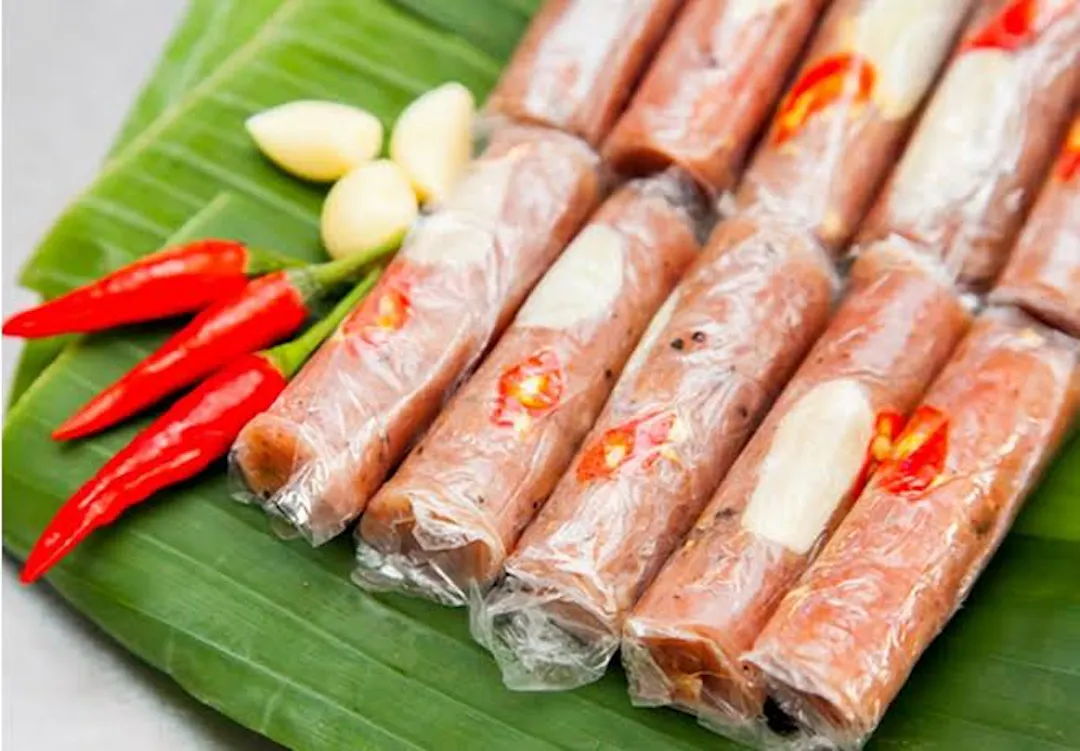
Nem Chua Đại Từ (Dai Tu Sour Fermented Pork)
When discussing fermented meats, Vietnamese cuisine often defaults to the bright pink, heavily sweetened, and tangy Nem Chua of Thanh Hoa province. However, Dai Tu district offers a radically different, highly complex iteration. Nem chua Đại Từ is a robust, savory masterpiece of indigenous preservation. The composition relies on a strict ratio of finely minced lean pork and heavily textured pork rind, aggressively seasoned with crushed local garlic, fiery bird's eye chili, black pepper, and most importantly, thính (a deeply fragrant powder made from dry-roasted, finely milled glutinous rice).
The mixture is tightly wrapped first in young, astringent guava leaves, and then encased in a thick outer layer of banana leaves before being left to naturally ferment. Crucial Local Tip: Unlike the southern or coastal variants which are consumed raw straight from the leaf, the Dai Tu version possesses a looser, moister texture and a deeper, funkier fermentation profile. It is strictly meant to be cooked before consumption. The entire banana leaf package must be tossed directly onto glowing charcoal embers or gently pan-fried. The heat caramelizes the fermented sugars, melts the pork fat into the toasted rice powder, and slightly chars the guava leaf, resulting in a smoky, umami-rich delicacy that pairs flawlessly with a cold local beer.
Mỳ Gạo Hùng Sơn (Hung Son Rice Noodles)
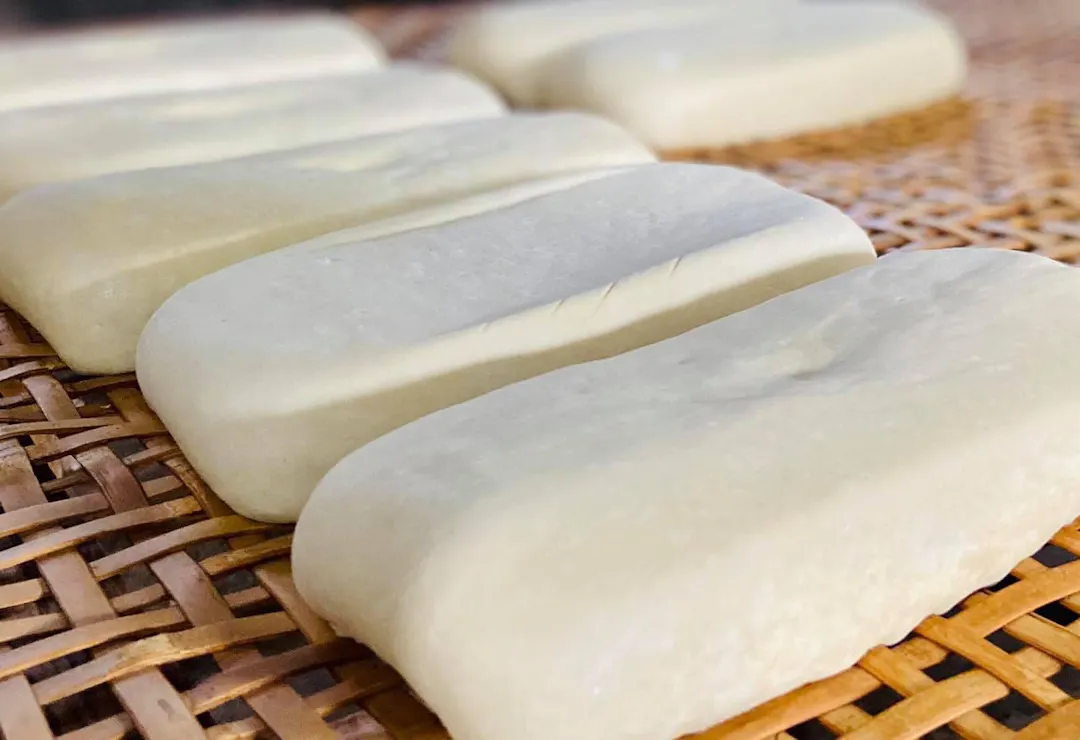
In the realm of carbohydrate staples, the Dai Tu district strikes again with Mỳ gạo Hùng Sơn. These are meticulously crafted, artisan dry rice noodles produced in the Hung Son commune. The production process relies on a specific local rice varietal that is soaked, ground into a slurry, steamed into wide sheets, and subsequently sun-dried on massive woven bamboo racks along the rural highways.
What elevates these noodles above mass-produced factory vermicelli is their structural integrity. They are completely free of chemical preservatives, relying entirely on the intense UV radiation of the midland sun for preservation. When rehydrated and dropped into a boiling vat of slow-simmered, ginger-spiked hill chicken broth or rich beef bone marrow soup, they retain an incredibly distinct, resilient, chewy texture. They absorb the savory, lipid-rich broths without disintegrating into a starchy mush, making them the absolute foundational base for the ultimate Thai Nguyen breakfast bowl.
Mountain Specialties & Ethnic Comfort Foods
As you travel north from the alluvial plains toward the dramatic limestone karst formations of Vo Nhai and Dinh Hoa, the culinary profile shifts to reflect the rugged, resource-scarce environment of the Tay, Nung, and Hmong highlanders.
Cooc Mo Cake (Bánh Coóc Mò)
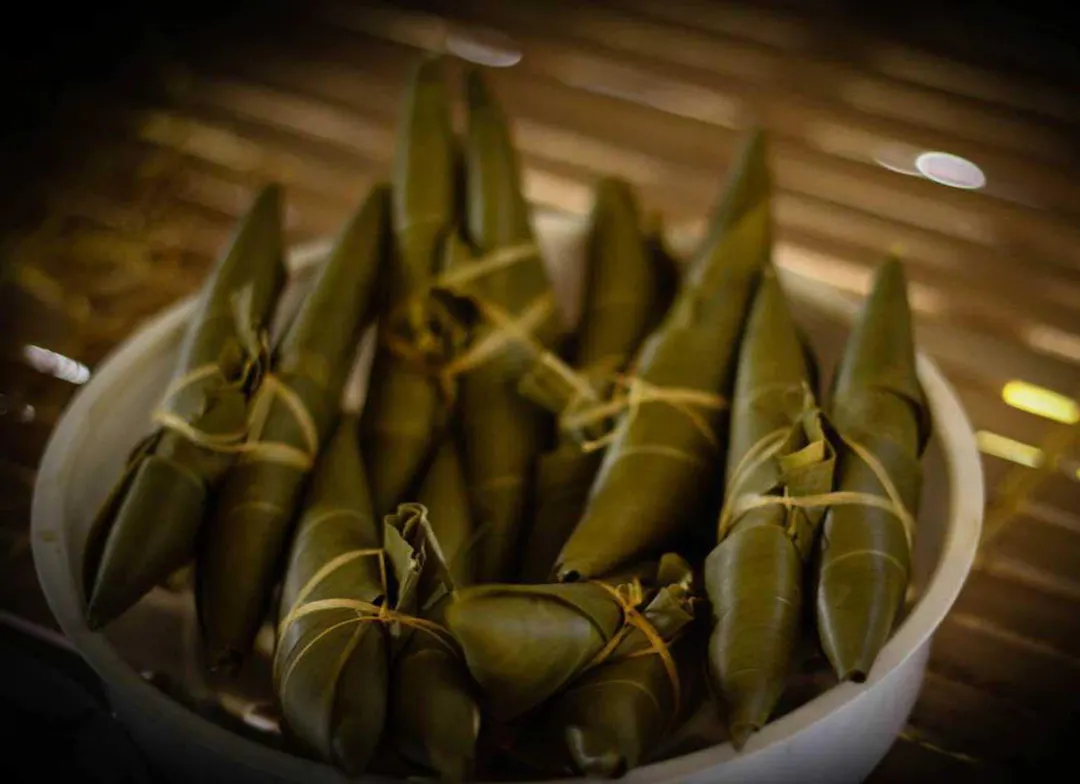
A deeply symbolic and visually striking snack, Bánh Coóc Mò translates roughly from the Tay language to "Cow's Horn Cake." This modest, pyramidal or horn-shaped dumpling is wrapped in banana or dong leaves and represents profound agricultural gratitude. Unlike the heavily stuffed Bánh Chưng, the traditional Coóc Mò contains absolutely no meat or mung bean filling. It is a purist celebration of the grain, consisting solely of high-quality glutinous rice mixed with slightly alkaline water and raw peanuts. The resulting texture is incredibly dense, sticky, and chewy. Because the cake itself lacks a savory interior, it is traditionally consumed by dipping the tip into dark, unrefined sugarcane molasses or crushed roasted sesame salt, providing a pure, comforting burst of carbohydrate energy for farmers heading into the terraced fields.
Grilled River Fish & Hill Chicken
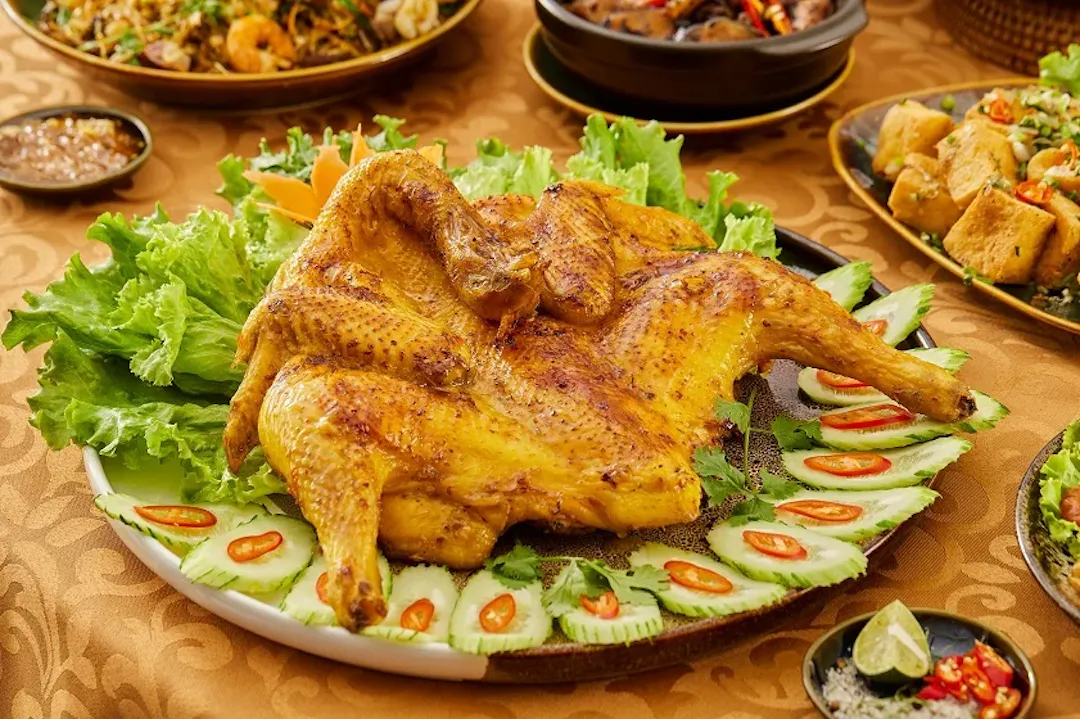
The untamed wilderness surrounding Nui Coc Lake and the cavernous Vo Nhai district provides an abundance of wild proteins. The culinary philosophy here is defined by open-fire cooking and the aggressive use of foraged botanical aromatics. Free-range hill chickens (Gà đồi), known for their dense, highly developed muscle fibers and minimal subcutaneous fat, are spit-roasted over white-hot hardwood charcoal. Similarly, massive wild river fish caught from the deep reservoirs are clamped into split bamboo wands and grilled whole.
The quintessential flavor profile of these grilled meats is achieved through the heavy application of Mắc mật (clausena indica) leaves. These wild, indigenous forest leaves possess a highly pungent, citrus-forward, slightly resinous aroma. When stuffed into the cavity of a fish or chicken and exposed to intense charcoal heat, the essential oils from the Mắc mật leaves vaporize, deeply perfuming the meat and rendering the skin crisp and golden.
Thắng Cố (Highland Horse Stew)
For the truly adventurous gastronomic traveler venturing into the northernmost highland markets of Dinh Hoa, encountering Thắng Cố is a mandatory, if challenging, culinary milestone. Originating from the Hmong ethnic minority, this traditional, dark, and bubbling stew was historically prepared using every single anatomical part of the horse, including the meat, blood, bones, and, most notably, the unwashed intestinal tract.
Modern iterations served to travelers are often sanitized, utilizing beef or water buffalo and thoroughly cleaned offal, but the authentic, unapologetic version remains a staple of the ethnic winter markets. The defining characteristic of Thắng Cố is not just the pungent, gamey flavor of the offal, but the complex, warming broth heavily spiked with wild cardamom, star anise, cinnamon bark, and roasted lemongrass. The stew offers a bitter, earthy, and highly medicinal flavor profile designed to warm the blood and combat the freezing, bone-chilling mists of the northern mountain winters.

The Strategic Thai Nguyen Food Map
To navigate this culinary landscape, it is helpful to categorize the essential dishes by origin and flavor profile.
- Trà Đinh (Premium Green Tea): Originating from Tan Cuong Commune, this beverage is defined by its astringent opening (tiền chát) and deep, lingering sweet finish (hậu ngọt).
- Bánh chưng Bờ Đậu: A main staple from Bo Dau Village in Phu Luong, featuring rich fatty pork, earthy mung beans, and clean botanical leaf notes.
- Nem chua Đại Từ: A fermented appetizer from Dai Tu District, characterized by a funky, fermented, garlic-forward profile, turning smoky when grilled.
- Mỳ gạo Hùng Sơn: A noodle main from Hung Son, Dai Tu, known for being a neutral, highly resilient, and chewy base that excels at absorbing savory broths.
- Bánh Coóc Mò: A snack from local Tay Ethnic Communities, offering a dense, gelatinous, and plain rice texture highlighted by dipping into sweet molasses.
- Grilled Fish with Mắc mật: A main dish found near Vo Nhai and Nui Coc Lake, defined by its smoky, charred, and heavily perfumed citrus-resin aromatics.
- Thắng Cố: A main soup originating from the Dinh Hoa Highland Markets, featuring a gamey, bitter, earthy profile deeply spiced with wild cardamom.
Food Safety & Street-Smart Dining Logistics
For international travelers utilizing this thai nguyen food guide, navigating the raw, unfiltered street food culture requires a degree of street-smart logistical awareness. When exploring the vibrant night markets in the center of Thai Nguyen City—particularly around the university districts where the street food scene thrives—the golden rule of food safety applies: always follow the local crowds. Eat exclusively at high-turnover stalls where the cauldrons are visibly boiling and the ingredients are restocked constantly, avoiding any pre-cooked meats sitting under heat lamps.
When purchasing regional souvenirs like Bánh chưng Bờ Đậu or Nem chua Đại Từ to take home, you must differentiate between clean, artisanal family shops and the mass-produced industrial tourist traps that line National Highway 3. Look for the small, multi-generational storefronts where you can physically witness the women wrapping the sticky rice cakes by hand or the men milling the roasted rice powder. True artisanal quality in Thai Nguyen is always transparent, labor-intensive, and proudly displayed on the sidewalk.
Conclusion
To bypass the culinary landscape of this province is to willfully ignore the very soul of the northern midlands. As this comprehensive thai nguyen food guide has detailed, the gastronomy here is not a performative tourist attraction; it is a vital, living record of agricultural triumph, ethnic minority survival, and masterful botanical integration. From the grueling, blister-inducing labor required to hand-roast world-class green tea to the sophisticated fermentation techniques of upland pork, every dish tells a profound story of its specific geography.
The true beauty of traveling through this region lies in the constant, sensory discovery of its rural kitchens and open-fire grills. Are you ready to design your ultimate northern tasting menu? Let us know in the comments below: are you more excited to slice into the rich, fatty layers of a legendary Bánh Chưng Bờ Đậu, or are you eager to experience the ceremonial, astringent perfection of an authentic Tan Cuong tea tasting?
Read more: Thai Nguyen Travel Guide

By Roy Trinh
Editor
Roy Trinh is a travel writer and destination expert at Go Visit Vietnam, dedicated to helping travelers discover the beauty, culture, and diversity of Vietnam. Through well-researched travel guides, practical itineraries, local insights, and authentic recommendations, Roy shares valuable information to inspire memorable journeys across the country. From vibrant cities and breathtaking landscapes to regional cuisine and cultural heritage, every guide is created to help visitors experience Vietnam with confidence and curiosity.
Frequently Asked Questions About Thai Nguyen Food Guide
What food is Thai Nguyen famous for?
Thai Nguyen is best known for its premium green tea, but the province also offers many delicious specialties such as hill chicken, grilled pork dishes, bamboo shoot recipes, freshwater fish, sticky rice, and traditional Northern Vietnamese home-style cooking.
Where can I try authentic local food in Thai Nguyen?
Authentic local dishes can be found at traditional markets, family-owned restaurants, roadside eateries, and specialty restaurants throughout Thai Nguyen City and surrounding districts. Tea villages also offer local meals paired with freshly brewed Thai Nguyen tea.
Is Thai Nguyen a good destination for food lovers?
Yes. Thai Nguyen offers a unique culinary experience focused on fresh local ingredients, traditional recipes, and regional specialties. Visitors can enjoy authentic Northern Vietnamese flavors while experiencing the province's famous tea culture.
Can I buy Thai Nguyen tea as a souvenir?
Absolutely. Thai Nguyen is considered Vietnam's tea capital, and visitors can purchase high-quality green tea directly from tea farms, local markets, specialty tea shops, and traditional tea villages such as Tan Cuong, making it one of the province's most popular souvenirs.
Are there vegetarian food options in Thai Nguyen?
Yes. Many local restaurants and Buddhist vegetarian eateries serve delicious plant-based dishes made with tofu, mushrooms, seasonal vegetables, bamboo shoots, and fresh herbs. Vegetarian meals are widely available, especially near pagodas and in larger towns.
Advertising box
Explore Thai Nguyen Travel Stories
Discover more stories, guides, and travel inspiration from Thai Nguyen. Explore detailed articles about the province's scenic attractions, tea culture, historic sites, local cuisine, traditional villages, and unique experiences. Whether you're looking for places to visit, things to do, local food to try, or practical travel tips, our Thai Nguyen articles provide useful insights to help you experience northern Vietnam beyond the usual tourist routes.

Best Places to Visit in Thai Nguyen
Thai Nguyen is home to breathtaking tea plantations, fascinating historical landmarks, and peaceful natural landscapes that make it one of Northern Vietnam's most rewarding destinations. Visitors can explore the famous Tan Cuong Tea Hills, relax at Nui Coc Lake, discover Vietnam's ethnic heritage through museums, visit ancient temples, and experience authentic local culture. Whether you're interested in history, nature, photography, or tea tourism, this guide introduces the best places to visit in Thai Nguyen for an unforgettable travel experience.

Best Things to Do in Thai Nguyen
Thai Nguyên is one of Northern Vietnam's most rewarding destinations, famous for its rolling tea hills, rich revolutionary history, and beautiful natural scenery. Visitors can explore traditional tea plantations, discover historical landmarks, hike through national parks, visit peaceful temples, and enjoy authentic local cuisine. Whether you're interested in cultural heritage, outdoor adventures, eco-tourism, or relaxing countryside experiences, this guide highlights the best things to do in Thai Nguyên and helps you plan an unforgettable journey through this charming province.

Best Time to Visit Thai Nguyen
Thai Nguyen is a year-round destination, but each season offers a unique travel experience. Spring brings blooming landscapes and cultural festivals, summer showcases lush green tea plantations, autumn offers cool weather perfect for sightseeing, while winter provides a peaceful atmosphere for exploring historical sites and enjoying local cuisine. Whether you are planning to visit famous tea hills, discover cultural attractions, or experience outdoor adventures, this guide helps you choose the best time to visit Thai Nguyen based on weather, seasonal activities, and local events.
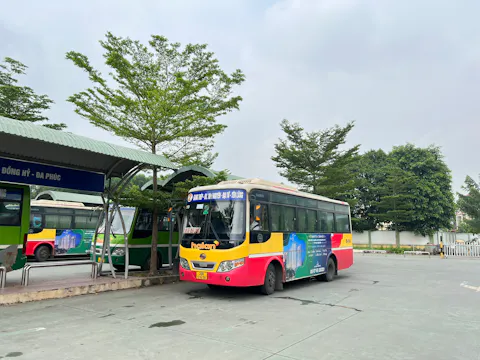
How to Get to Thai Nguyen: Bus, Train & Travel Guide
Master your travel logistics from Hanoi and Noi Bai International Airport to Vietnam's famed green tea capital with this ultimate transportation guide. Discover seamless transit options across the Hanoi–Thai Nguyen corridor, including high-frequency public coaches from My Dinh Bus Station, luxurious door-to-door limousine vans, scenic state railway trains, private car rentals with drivers, and adventurous motorbike routes. Learn exact travel times, ticketing protocols, terminal navigation, and essential local city transport strategies for an effortless journey.