
Best Time to Visit Thai Nguyen
Thai Nguyen is a year-round destination, but each season offers a unique travel experience. Spring brings blooming landscapes and cultural festivals, summer showcases lush green tea plantations, autumn offers cool weather perfect for sightseeing, while winter provides a peaceful atmosphere for exploring historical sites and enjoying local cuisine. Whether you are planning to visit famous tea hills, discover cultural attractions, or experience outdoor adventures, this guide helps you choose the best time to visit Thai Nguyen based on weather, seasonal activities, and local events.

On this page
Thai Nguyen, located just 80 kilometers north of Hanoi, serves as the vital geographical and cultural gateway connecting the Red River Delta to Vietnam’s majestic Northeast mountain ranges. For years, international itineraries have unfairly relegated this province to a mere drive-by waypoint on the hasty route to Ba Be Lake or the Cao Bang border. However, unlocking the true potential of the undisputed "Tea Capital of Vietnam" requires moving past this fleeting day-trip mentality and understanding how its distinct four-season climate radically alters the topography and local culture.
Determining the absolute best time to visit thai nguyen is not a matter of seeking a universally perfect, sunny month, but rather aligning your specific travel goals with the province's complex meteorological calendar. Because this region straddles the lowlands and the rugged northern highlands, it experiences dramatic, localized seasonal shifts that heavily dictate everything from agricultural yields to subterranean hydrology. A landscape that offers serene, dry hiking in November can transform into a raging, flooded river system by July. This exhaustive, master travel guide, crafted with on-the-ground expertise, will comprehensively deconstruct the thai nguyen weather by month, equipping you with the logistical precision and cultural foresight needed to engineer a flawless, highly immersive journey into the heart of the province.
Thai Nguyen’s Four Seasons: A Logistical Travel Breakdown
Unlike the binary wet-and-dry seasons of southern Vietnam, Thai Nguyen operates on a legitimate, distinct four-season climatic model. This is driven by cold continental air masses descending from the north and moisture-laden monsoons sweeping in from the southeast. Understanding this meteorological framework is critical for optimizing your itinerary.
1. Spring (February–April): The Season of Heritage & Festivals
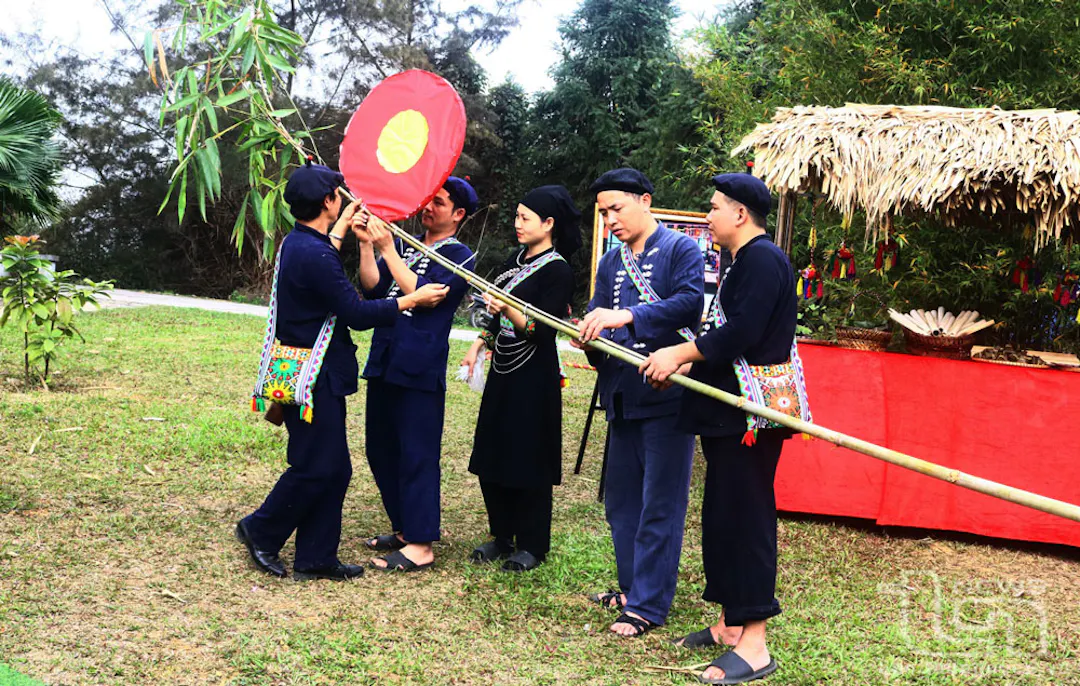
Spring in Thai Nguyen is a highly atmospheric, culturally dense period characterized by cool, pleasant temperatures ranging between 18°C and 25°C (64°F–77°F). The air hangs heavy with a persistent, misty drizzle known locally as mưa phùn. While this fine, damp fog can reduce long-range visibility and make the winding mountain roads slick, it creates a deeply ethereal, mystical backdrop that is absolutely perfect for cultural anthropology. This is the undisputed peak window for exploring local heritage. The province’s historic temples come alive with vibrant lunar spring festivals, drawing thousands of dedicated pilgrims. However, if your itinerary includes spelunking in the Vo Nhai district, specifically at Phuong Hoang Cave, proceed with immense caution; the spring drizzle can make the hundreds of cat-eared limestone steps highly treacherous. Pack high-grip footwear and lightweight, breathable rain shells to comfortably navigate the morning mists.
2. Summer (May–August): Emerald Tea Hills & Active Waters
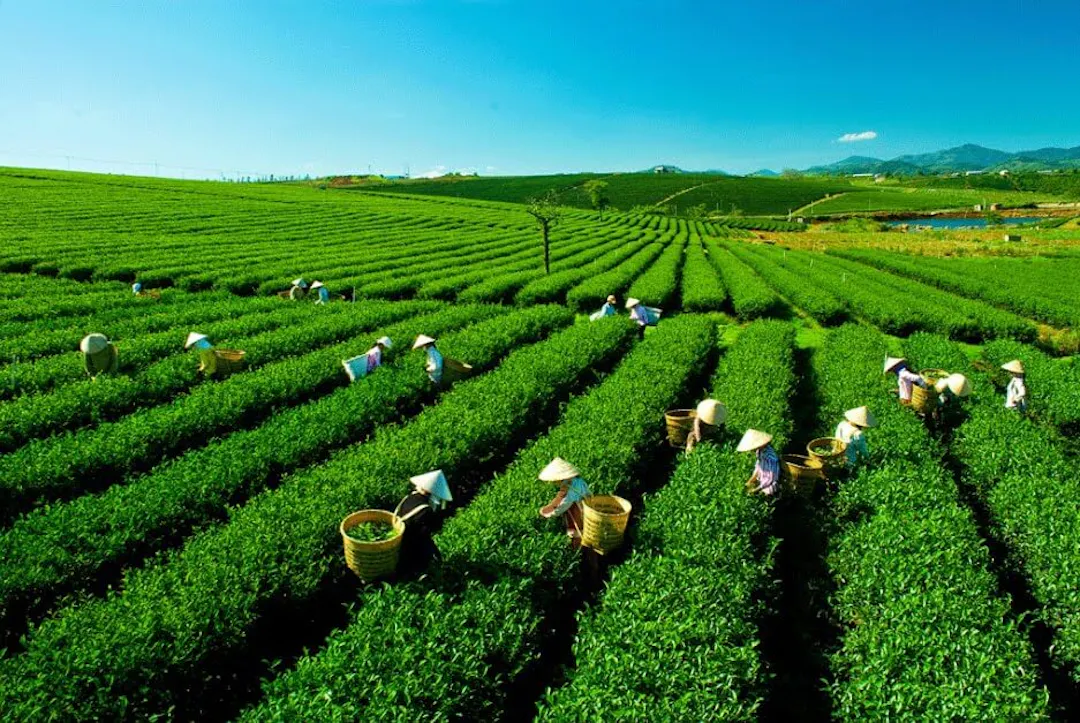
The arrival of summer drastically alters the regional landscape, ushering in the intense thai nguyen rainy season. Temperatures frequently push past 35°C (95°F), accompanied by punishing, heavy humidity and sudden, torrential afternoon downpours. To the uninitiated traveler, this might sound like a terrible time to visit. However, for serious landscape photographers and dedicated eco-tourists, summer is arguably the absolute best month to visit tan cuong tea hills. The heavy monsoon rains act as a hyper-catalyst for the region’s flora, transforming the sprawling, undulating tea plantations into an intensely vibrant, luminescent emerald green that looks spectacular on camera. Furthermore, the heavy precipitation supercharges the local hydrology, meaning that waterfalls and subterranean rivers flow with thunderous, awe-inspiring power. Travel during these summer months requires a high tolerance for heat and a flexible daily schedule to accommodate the unpredictable, heavy afternoon rainstorms.
3. Autumn (September–November): The Golden Shoulder Window
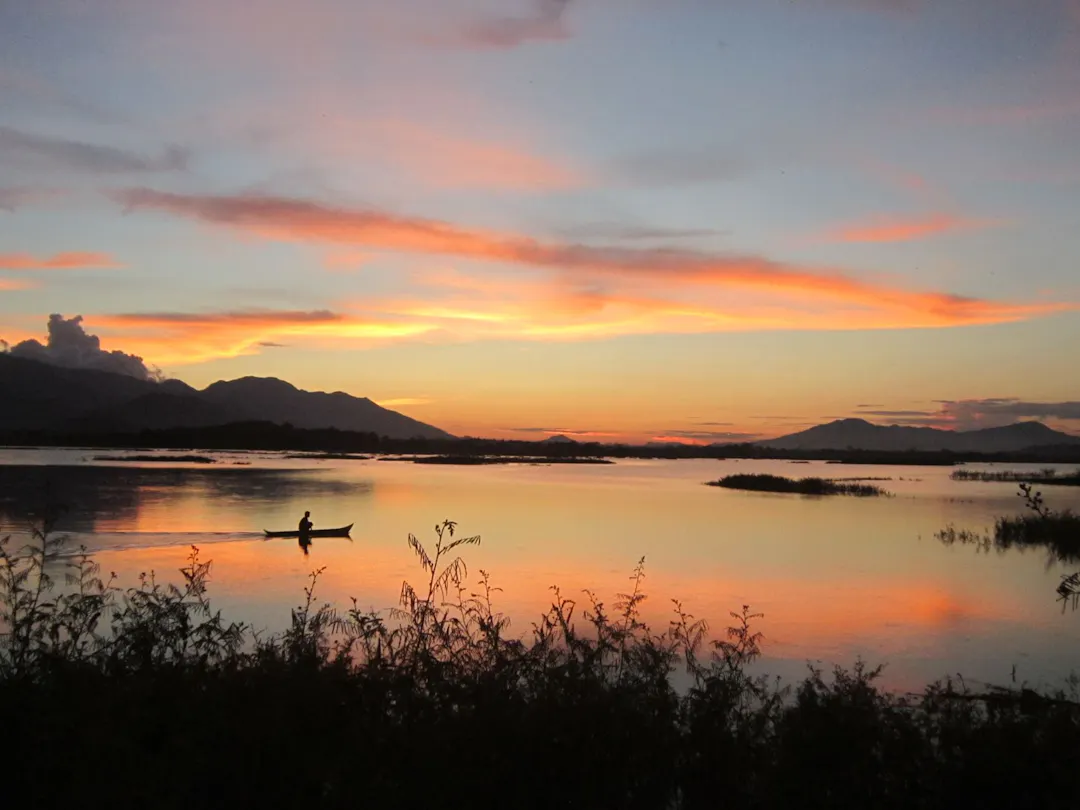
For the vast majority of international travelers looking for a universally comfortable outdoor experience, autumn is the definitive, golden "sweet spot." By September, the oppressive summer humidity finally breaks, replaced by crisp, cool breezes and spectacular, cloudless blue skies. Temperatures stabilize into an incredibly comfortable range of 20°C to 28°C (68°F–82°F), while regional rainfall drops dramatically. This golden shoulder window offers flawless conditions for engaging in sustained outdoor physical activities. It is the premier season for rigorous hiking expeditions through the karst mountains of Vo Nhai, or for taking a tranquil, multi-hour wooden boat tour around the pristine, tree-covered islets of Nui Coc Lake. The autumnal light is soft and golden, providing ideal conditions for capturing the province's sweeping agricultural valleys without the harsh, blown-out glare of the mid-summer sun.
4. Winter (December–January): The Chilly Dry Escape
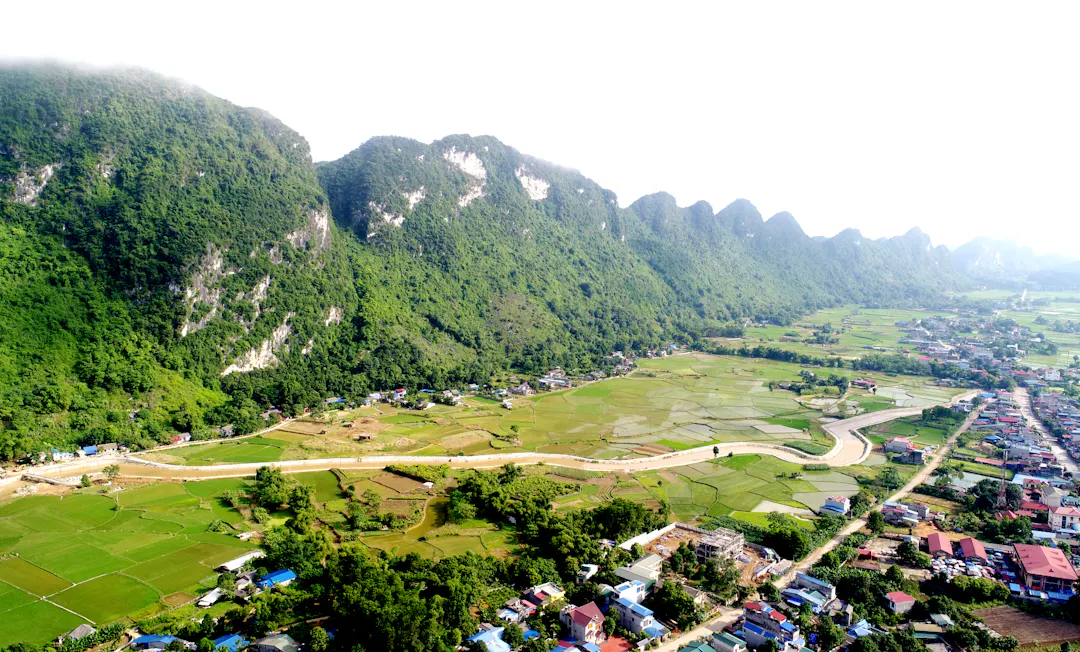
Northern Vietnamese winters are notoriously biting, and Thai Nguyen is certainly no exception. Between December and January, the province is gripped by dry, cold continental winds, with temperatures routinely dropping below 12°C (53°F), particularly in the elevated, heavily forested districts like Dinh Hoa. The landscape undergoes a stark visual transition during these months. The previously vibrant tea plants enter a semi-dormant, regenerative stage, shedding their bright green hues for darker, muted olive tones. While this means the agro-tourism aesthetic is slightly muted, the biting cold and bone-dry trails make it an excellent time to explore the historic jungle bunkers of the ATK Dinh Hoa resistance zone—the famous Thủ đô gió ngàn (Windy Capital)—without battling suffocating jungle heat, high humidity, or relentless mosquito swarms. Pack serious winter layers, including windproof down jackets, as local homestays and rural lodges completely lack central heating.
The Month-by-Month Thai Nguyen Climate & Activity Matrix
To successfully engineer your travel itinerary, you must cross-reference your specific goals with the province's shifting meteorological realities. This exhaustive, month-by-month thai nguyen travel guide breakdown details the precise climatic shifts, landscape conditions, and optimal activities throughout the calendar year, ensuring you arrive exactly when your desired experience is at its peak.
January
- Average Temperature & Rainfall: 12°C - 16°C (53°F - 60°F) with very low precipitation.
- Landscape Condition: The tea fields are dry, stark, and dormant as the region endures the peak of winter.
- Ideal Activities: Exploring the ATK Dinh Hoa historical bunkers or visiting the Museum of Cultures of Vietnam's Ethnic Groups indoors.
- Travel Verdict: Off-Peak.
February
- Average Temperature & Rainfall: 14°C - 18°C (57°F - 64°F) with frequent light drizzle (mưa phùn).
- Landscape Condition: A misty, ethereal environment where peach trees begin to bloom across the highlands.
- Ideal Activities: Attending vibrant lunar spring festivals and undertaking temple pilgrimages.
- Travel Verdict: Shoulder.
March
- Average Temperature & Rainfall: 18°C - 23°C (64°F - 73°F) with lingering light drizzle.
- Landscape Condition: Lush, recovering greenery emerges as the damp air nourishes the dormant flora.
- Ideal Activities: Early tea tasting, profound cultural immersion, and guided ethnographic village tours.
- Travel Verdict: Shoulder.
April
- Average Temperature & Rainfall: 22°C - 27°C (71°F - 80°F) with moderate, refreshing rain.
- Landscape Condition: Highly vibrant, as the fresh spring tea flushes begin to sprout rapidly.
- Ideal Activities: Premium tea harvesting and cycling through the manicured Tan Cuong hills.
- Travel Verdict: Peak.
May
- Average Temperature & Rainfall: 26°C - 32°C (78°F - 89°F) signaling the beginning of heavy summer rains.
- Landscape Condition: Bright emerald green, highly lush, and visibly thriving under the tropical heat.
- Ideal Activities: Dynamic landscape photography and extensive Nui Coc Lake boat tours.
- Travel Verdict: Shoulder.
June
- Average Temperature & Rainfall: 28°C - 35°C+ (82°F - 95°F+) accompanied by high monsoon rainfall.
- Landscape Condition: Peak vibrant green with heavily flooded, powerful river systems.
- Ideal Activities: Chasing active seasonal waterfalls and participating in wet-weather eco-tourism.
- Travel Verdict: Off-Peak.
July
- Average Temperature & Rainfall: 29°C - 36°C (84°F - 96°F) experiencing the absolute peak of the monsoon rain.
- Landscape Condition: Hot, humid, with a dense, thriving jungle canopy.
- Ideal Activities: Subterranean cave exploration (like Mo Ga Stream) to escape the stifling surface heat.
- Travel Verdict: Off-Peak.
August
- Average Temperature & Rainfall: 28°C - 34°C (82°F - 93°F) as the heavy torrential rain slowly begins to decline.
- Landscape Condition: Lush flora remains, and local lake water levels reach their maximum operational capacity.
- Ideal Activities: Hydrological tours and swimming in ice-cold, fast-flowing natural mountain springs.
- Travel Verdict: Shoulder.
September
- Average Temperature & Rainfall: 25°C - 31°C (77°F - 87°F) with minimal, highly manageable rain.
- Landscape Condition: Bathed in golden harvest light with perfectly clear, expansive skies.
- Ideal Activities: Autumn premium tea harvesting and grueling but dry treks up to Phuong Hoang Cave.
- Travel Verdict: Peak.
October
- Average Temperature & Rainfall: 22°C - 28°C (71°F - 82°F) offering very low rainfall.
- Landscape Condition: Perfect clarity and crisp, highly refreshing autumn air.
- Ideal Activities: Multi-day hiking, mountain cycling, and outdoor camping across the regional valleys.
- Travel Verdict: Peak.
November
- Average Temperature & Rainfall: 18°C - 24°C (64°F - 75°F) becoming extremely dry.
- Landscape Condition: Cooling rapidly with vegetation beginning to dry out and transition to winter hues.
- Ideal Activities: Extensive historic jungle treks and comprehensive outdoor ethnic village tours.
- Travel Verdict: Peak.
December
- Average Temperature & Rainfall: 13°C - 18°C (55°F - 64°F) remaining extremely dry and cold.
- Landscape Condition: Cold, misty morning inversions and fully dormant tea plantations.
- Ideal Activities: Indoor visits to the Museum of Cultures and slow-paced, historical city tours.
- Travel Verdict: Off-Peak.
Timing the Microclimates: Tea Harvests vs. Wild Waterfalls
Beyond general temperature and rainfall, determining the best time to visit Thai Nguyen requires understanding highly localized environmental phenomena. Generic travel guides often overlook the profound impact that the changing seasons have on the region's unique agricultural rhythms and fragile karst hydrology.
1. The Agritourism Calendar: Catching the Best Tea Flushes
Thai Nguyen's global identity is inextricably linked to its prestigious status as the premier tea producer of Vietnam, but the flavor profile and quality of the harvest are entirely dictated by the seasonal calendar. While the vast estates in Tan Cuong harvest leaves nearly year-round, serious tea connoisseurs know that timing is absolutely everything. The most highly prized, aromatic yields occur during the "Pre-Rain" flushes in late spring (April) and the crisp, cool autumn harvests (September to October).
During these specific seasonal windows, the tea bushes produce the most tender, nutrient-dense terminal buds, which are meticulously hand-plucked to create the province's ultimate luxury export: Trà Đinh (nail tea). Visiting the plantations during these peak harvest months allows travelers to witness the intensive, artisanal wood-fired roasting processes at their zenith and participate in masterclass tastings where the tea's delicate umami sweetness is most pronounced. If you visit in the dead of winter, the fields are dormant; visit during the peak summer monsoons, and the resulting tea leaves are often considered too watery and astringent for premium grading.
2. The Hydrological Trap: Chasing Nam Rut (Falling Rain) Waterfall
One of the most spectacular natural wonders in Thai Nguyen is the Nam Rut Waterfall, hidden deep within the remote Than Sa commune. However, this geological marvel represents a massive hydrological trap for uninformed tourists. Unlike permanent rivers, Nam Rut is a highly temperamental karst spring. You must understand that this waterfall is spectacularly beautiful during the peak monsoon season (July and August). During these wet summer months, immense volumes of water violently crash down the sheer limestone cliffs, creating a localized micro-storm of deafening noise and cooling mist.
However, if you read a generic guide and attempt to visit Nam Rut during the dry winter or early spring (December through March), you will be deeply disappointed. The underground aquifers completely deplete, and the magnificent "Falling Rain" waterfall dries up into nothing more than a bare, silent limestone wall. Only chase this specific natural wonder during the height of the summer rains.
3. Navigating Nui Coc Lake’s Water Levels
When calculating the nui coc lake best season, travelers must factor in agricultural water management alongside the weather. Nui Coc is a massive artificial reservoir designed primarily to irrigate the surrounding districts. During the summer monsoon (May to August), the lake reaches its maximum capacity. The water levels are incredibly high, allowing wooden tour boats to effortlessly navigate deep into the narrow, pristine ecological inlets and circle the 89 lush islets seamlessly.
Conversely, during the peak dry season (December to February), the water levels are drastically drawn down for regional agricultural use. The lake visibly shrinks, exposing wide, muddy banks, and several of the more secluded, scenic aquatic routes become entirely inaccessible by boat. Therefore, to experience the lake at its most expansive and photogenic, prioritize a visit between late spring and early autumn.
Cultural Timing: Festivals You Shouldn't Miss
For those seeking profound cultural immersion, aligning your itinerary with the local lunar calendar is essential. Thai Nguyen hosts several unique regional festivals that provide incredible insight into the spiritual and agricultural heritage of the Northeast.
The Den Duom Spring Festival
Held annually on the 6th day of the 1st Lunar Month (usually falling in late January or early February), the Den Duom Festival is one of the most significant spiritual events in the province. Located in Phu Luong district, this ancient temple is dedicated to Duong Tu Minh, a revered Tay ethnic national hero who fiercely defended the northern borders during the Ly Dynasty. Visiting during this exact window allows you to witness elaborate, colorful ceremonial processions, traditional folk games, and solemn incense-offering rituals. The atmosphere is thick with devotion and the distinct scent of burning sandalwood, offering a raw, unfiltered look at indigenous highland worship practices.
The Tan Cuong Tea Culture Festival
To truly celebrate the province's agricultural lifeblood, aim to visit during the Tan Cuong Tea Culture Festival, typically held in early spring. This vibrant local event transforms the emerald hills into a massive, interactive celebration of the tea leaf. The festival highlights intense, highly competitive traditional tea-cupping competitions, where master brewers are judged on color, aroma, and flavor. More impressively, it features manual roasting contests, where local artisans demonstrate the grueling, sensory art of drying tea leaves in massive cast-iron pans using only their bare hands to gauge the searing heat.
Conclusion
Determining the best time to visit thai nguyen ultimately demands that you clearly define your personal travel priorities before booking your transport. If you seek universally flawless hiking weather and comfortable temperatures, the golden shoulder season of Autumn (September to November) is unmatched. If your goal is to capture the most vibrant, emerald-green tea landscapes and thunderous waterfalls on camera, brave the humidity and visit during the Summer (May to August). Finally, if you are drawn to deep cultural anthropology, ancient heritage, and premium tea harvests, the misty Early Spring (February to April) is your definitive window.
Thai Nguyen is far more than a fleeting stopover; it is a complex, deeply rewarding destination that changes its entire identity with the shifting of the winds. Drop a comment below and let us know: does a crisp, dry autumn hike through historic jungle bunkers appeal to your travel style, or would you prefer braving the summer monsoons to photograph the perfectly green tea terraces?
> Read more: Thai Nguyen Travel Guide

By Roy Trinh
Editor
Roy Trinh is a travel writer and destination expert at Go Visit Vietnam, dedicated to helping travelers discover the beauty, culture, and diversity of Vietnam. Through well-researched travel guides, practical itineraries, local insights, and authentic recommendations, Roy shares valuable information to inspire memorable journeys across the country. From vibrant cities and breathtaking landscapes to regional cuisine and cultural heritage, every guide is created to help visitors experience Vietnam with confidence and curiosity.
Frequently Asked Questions About the Best Time to Visit Thai Nguyen
What is the best time to visit Thai Nguyen?
The best time to visit Thai Nguyen is during spring (March to April) and autumn (September to November). These seasons offer mild temperatures, lower rainfall, and comfortable weather for exploring tea plantations, historical sites, and natural attractions.
When is the best season to visit Thai Nguyen tea plantations?
Tea plantations are beautiful throughout the year, but they are especially lush from April to October. Visitors can also experience tea harvesting, tea tasting, and learn about traditional tea-making techniques during this period.
Does Thai Nguyen experience heavy rainfall?
Yes. The rainy season usually lasts from May to August, bringing frequent afternoon showers. While rain can occasionally affect outdoor activities, the countryside becomes incredibly green and scenic, making it an attractive time for photography and nature lovers.
Is winter a good time to visit Thai Nguyen?
Yes. Winter, from December to February, is cooler and generally dry. It is a pleasant season for visiting museums, temples, historical landmarks, and enjoying local cuisine, although temperatures can occasionally be chilly in the early morning and evening.
Can I visit Thai Nguyen as a day trip from Hanoi?
Absolutely. Thai Nguyen is located about 75 kilometers north of Hanoi, making it an excellent destination for a day trip. However, staying one or two nights allows visitors to fully experience the tea culture, scenic countryside, and local attractions at a more relaxed pace.
Advertising box
Explore Thai Nguyen Travel Stories
Discover more stories, guides, and travel inspiration from Thai Nguyen. Explore detailed articles about the province's scenic attractions, tea culture, historic sites, local cuisine, traditional villages, and unique experiences. Whether you're looking for places to visit, things to do, local food to try, or practical travel tips, our Thai Nguyen articles provide useful insights to help you experience northern Vietnam beyond the usual tourist routes.

Best Places to Visit in Thai Nguyen
Thai Nguyen is home to breathtaking tea plantations, fascinating historical landmarks, and peaceful natural landscapes that make it one of Northern Vietnam's most rewarding destinations. Visitors can explore the famous Tan Cuong Tea Hills, relax at Nui Coc Lake, discover Vietnam's ethnic heritage through museums, visit ancient temples, and experience authentic local culture. Whether you're interested in history, nature, photography, or tea tourism, this guide introduces the best places to visit in Thai Nguyen for an unforgettable travel experience.

Best Things to Do in Thai Nguyen
Thai Nguyên is one of Northern Vietnam's most rewarding destinations, famous for its rolling tea hills, rich revolutionary history, and beautiful natural scenery. Visitors can explore traditional tea plantations, discover historical landmarks, hike through national parks, visit peaceful temples, and enjoy authentic local cuisine. Whether you're interested in cultural heritage, outdoor adventures, eco-tourism, or relaxing countryside experiences, this guide highlights the best things to do in Thai Nguyên and helps you plan an unforgettable journey through this charming province.

Thai Nguyen Food Guide
Thai Nguyen is not only famous for its world-class green tea but also for its rich culinary traditions and authentic Northern Vietnamese flavors. From delicious local specialties and rustic countryside dishes to vibrant street food and traditional desserts, the province offers memorable dining experiences for every traveler. Whether you're visiting local markets, family-run eateries, or renowned restaurants, this Thai Nguyen Food Guide introduces the best foods to try, where to eat, and the unique flavors that define the region's culinary heritage.

How to Get to Thai Nguyen: Bus, Train & Travel Guide
Master your travel logistics from Hanoi and Noi Bai International Airport to Vietnam's famed green tea capital with this ultimate transportation guide. Discover seamless transit options across the Hanoi–Thai Nguyen corridor, including high-frequency public coaches from My Dinh Bus Station, luxurious door-to-door limousine vans, scenic state railway trains, private car rentals with drivers, and adventurous motorbike routes. Learn exact travel times, ticketing protocols, terminal navigation, and essential local city transport strategies for an effortless journey.