
Obama Pho or Bun Cha? The Story Behind Obama's Famous Meal in Hanoi
When former U.S. President Barack Obama visited Hanoi in 2016, one simple meal captured the world's attention. Many people mistakenly believe he ate Pho, but it was actually Bun Cha that he enjoyed alongside chef Anthony Bourdain. The memorable dinner introduced millions to one of Vietnam's most beloved dishes and became an iconic moment in culinary history. This article explores the story behind Obama's famous meal and why Bun Cha remains a must-try experience in Hanoi.
On this page
- The 2016 Historic Night – Decoding the Obama Pho or Bun Cha Phenomenon
- The Great Confusion – Why Americans Say "Obama Pho or Bun Cha"
- Dining Like a Statesman – The Authentic Ritual Beyond Obama Pho or Bun Cha
- The Legacy of Political Gastronomy in the Obama Pho or Bun Cha Era
- Final Thoughts on Obama Pho or Bun Cha
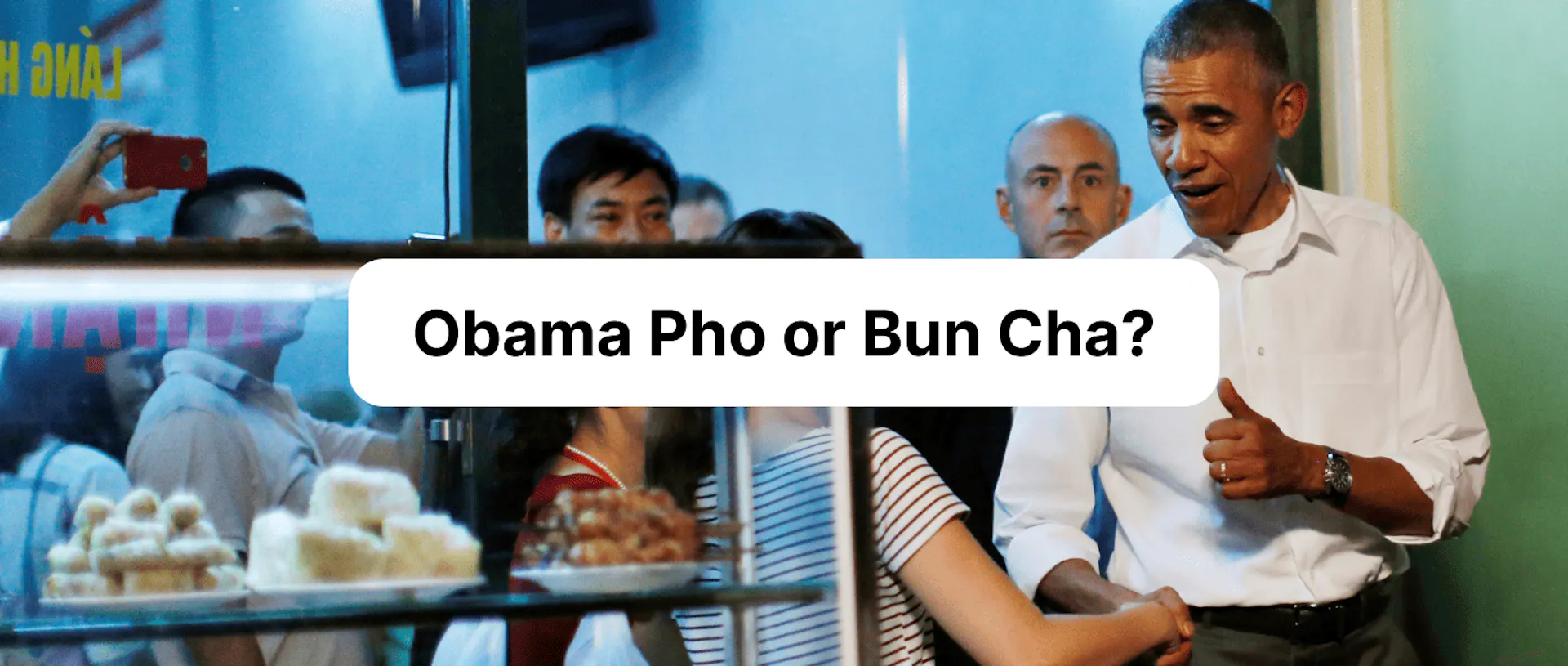
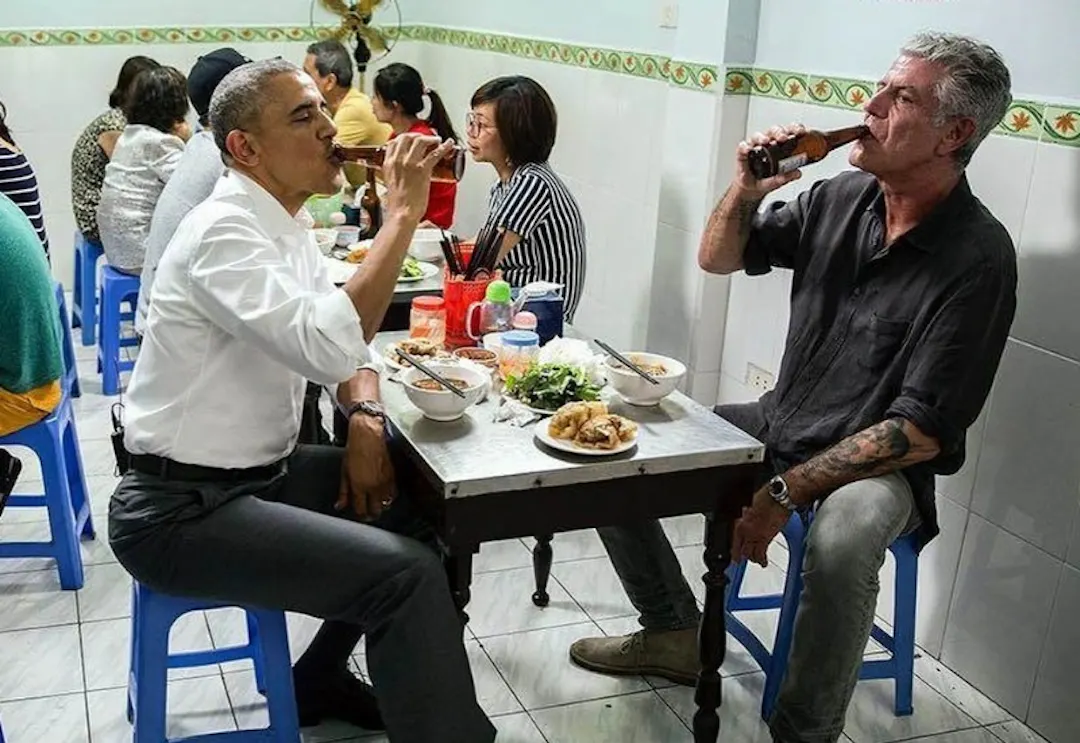
On an electrifying, rain-slicked spring evening in May 2016, a sitting President of the United States quietly slipped into a modest, brightly lit alleyway eatery in the chaotic heart of Vietnam's capital, forever altering the global trajectory of Southeast Asian street food. For years, Western audiences have debated the culinary specifics of that historic night, frequently asking the question: was it Obama Pho or Bun Cha? While American pop culture often defaults to the iconic beef noodle soup when conceptualizing the entirety of Vietnamese gastronomy, President Barack Obama’s iconic culinary choice alongside the late, legendary broadcaster Anthony Bourdain bypassed the famous soup entirely. Instead, the two men sat on low, humble blue plastic stools to share a quintessential Hanoi specialty: a deeply savory meal of smoky, charcoal-grilled pork patties, cold fermented rice noodles, and local lager at bún chả Hương Liên. This unprecedented display of political gastronomy shone a bright, defining spotlight on bun cha, sparking a global curiosity that continues to correct cultural gastronomic misconceptions and redefine international culinary diplomacy today. By unpacking the historical and sensory elements of this extraordinary dinner, we can fully appreciate how a singular street food encounter bridged geopolitical divides and elevated a regional dish to the world stage.
The 2016 Historic Night – Decoding the Obama Pho or Bun Cha Phenomenon
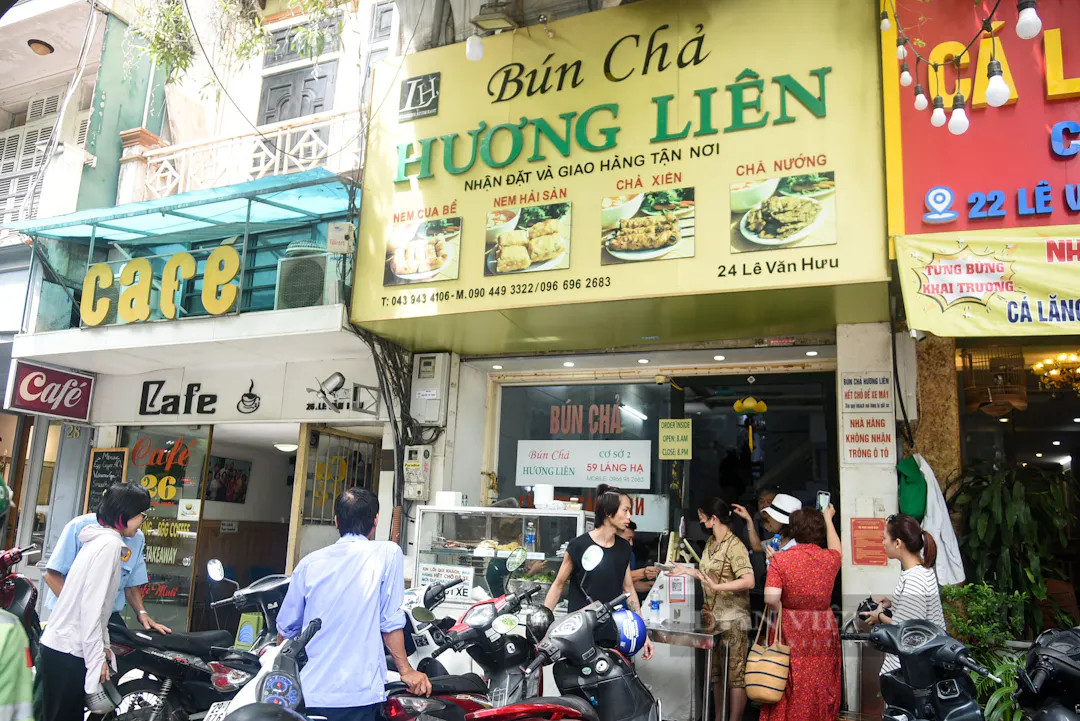
Inside Bún Chả Hương Liên
To truly comprehend the magnitude of the Obama Bun Cha Hanoi phenomenon, one must first understand the intense, sensory-rich environment of the chosen venue. Securing a working street food restaurant for a presidential visit is an unprecedented logistical nightmare, yet the Secret Service and local authorities managed to orchestrate the event without suffocating the authentic, chaotic soul of the establishment. When the presidential motorcade arrived, bún chả Hương Liên was operating with its usual kinetic energy, filled with local patrons aggressively slurping noodles amid the deafening hum of ceiling fans and clinking porcelain. The true expertise of this multi-generational eatery lay in its unflappable dedication to its craft. Despite the sudden influx of global media and heavily armed security details, the kitchen staff maintained their rigorous, unpretentious preparation style. They continued to fan the glowing charcoal braziers with woven palm leaves, refusing to alter their ancestral recipes or elevate their presentation for the cameras. This steadfast commitment to authenticity ensured that the President experienced the exact same unvarnished, working-class atmosphere that has nourished Hanoi’s citizens for decades, capturing a moment of raw, unmediated culinary truth that resonated powerfully across international borders.
The Sensory Architecture of the Presidential Meal
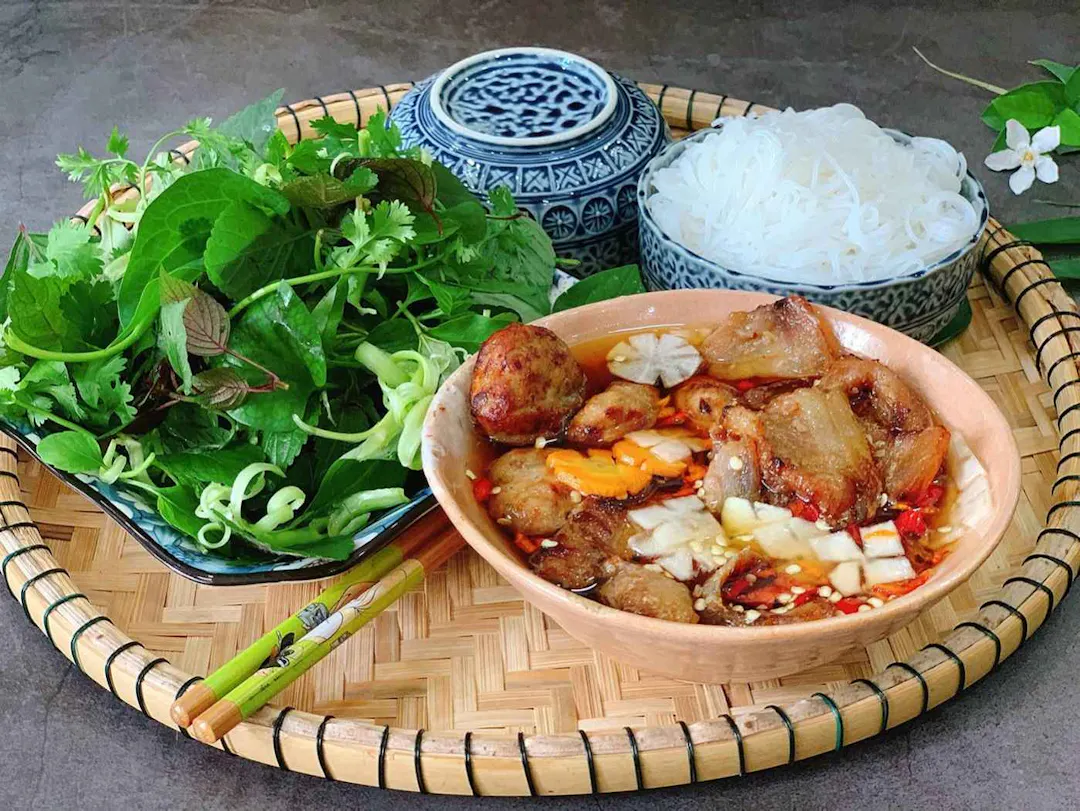
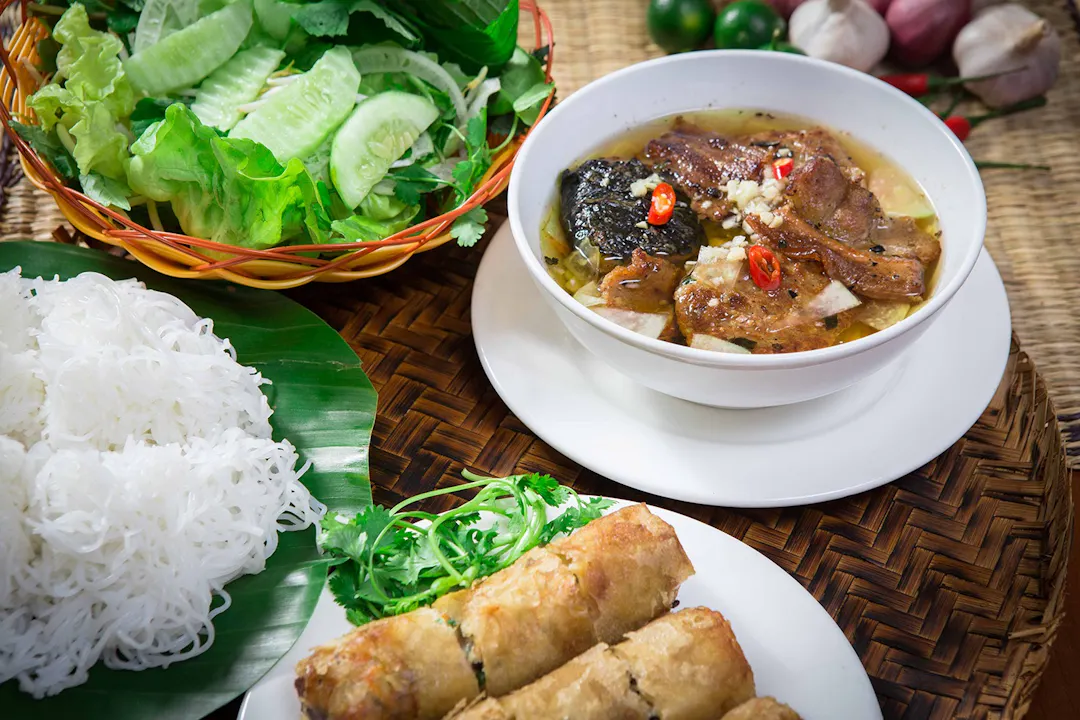
The brilliance of this specific culinary encounter resides in the precise sensory architecture of the meal itself, definitively settling any lingering Obama Pho or Bun Cha debates. The table was laden with the classic components of the northern specialty, beginning with the centerpiece: a deep porcelain bowl filled with warm, amber-colored nước chấm. This masterfully balanced dipping sauce—a complex reduction of premium fermented fish sauce, sugar, rice vinegar, and water—served as a hot bath for the heavily caramelized proteins. Submerged within this savory liquid were thick, charred slices of pork belly and tender, minced pork patties that had been aggressively seared over open hardwood charcoal, imparting a profound, smoky lipid profile to the dish. Flanking this bowl was a towering, vibrant basket of fresh botanicals, prominently featuring sharp perilla leaves, crisp lettuce, and cooling mint, alongside a separate plate of stark white, perfectly tangled rice vermicelli. To complete the spread, the pair indulged in crispy seafood spring rolls and washed the rich, fatty meal down with a cold, condensation-beaded bottle of local lager. It was a masterclass in flavor profiling and textural stratification, showcasing the meticulous, layered complexity of Hanoi's regional gastronomy.
The Great Confusion – Why Americans Say "Obama Pho or Bun Cha"
The Monolith of Vietnamese Cuisine in the West
To understand why do Americans confuse Pho and Bun Cha, one must examine the complex history of culinary migration and the establishment of gastronomic monoliths in the West. Following the geopolitical upheavals of 1975, the massive diaspora of Vietnamese refugees to North America predominantly originated from the southern regions of Vietnam. These displaced communities brought their localized culinary traditions with them, establishing vibrant enclaves that heavily promoted southern-style pho as the ultimate, comforting taste of home. Over the subsequent decades, this specific beef noodle soup achieved complete saturation within the American culinary landscape, effectively becoming a cultural shorthand for all Vietnamese dining. Because the vast majority of Westerners lacked exposure to the nuanced, regional diversity of Northern Vietnamese cuisine, pho became an impenetrable monolith. Whenever a prominent figure was photographed eating noodles in Vietnam, the Western media and public instantaneously, and often incorrectly, applied the only culinary terminology they possessed, leading to the widespread, enduring gastronomic misconception that surrounded the President's historic meal.
Correcting the Record: Pho vs. Bun Cha
Clarifying the fundamental differences between these two iconic dishes is an essential educational milestone for serious food enthusiasts, directly addressing the core of the Obama Vietnam meal history. The divergence begins at the very foundation of the preparation and consumption rituals. Pho is a unified, singular composition; it features flat rice noodles and thinly sliced meats entirely submerged in an actively simmering, deeply spiced bone broth that requires days of relentless extraction. It is consumed as a cohesive soup, heavily reliant on the aromatic spice architecture of star anise and cinnamon. Conversely, bun cha is a brilliantly interactive, deconstructed culinary kit. It utilizes round, highly elastic rice vermicelli that is served completely cold and dry. The diner acts as the final architect of the meal, manually dipping the cold noodles, raw leafy greens, and violently hot, charcoal-grilled pork into the shared bowl of sweet-savory fish sauce broth. This stark contrast between a unified, simmering soup bowl and an interactive, temperature-contrasting dipping ritual highlights the profound culinary stratification within Vietnam itself, proving that the northern palate values sharp, acidic balance and smoky charred proteins just as fiercely as the southern palate values rich, aromatic broths.
Dining Like a Statesman – The Authentic Ritual Beyond Obama Pho or Bun Cha
Mastering the Dip and Slurp
For the aspiring culinary traveler eager to learn how to eat Bun Cha like Obama, mastering the specific mechanics of the dip and slurp is absolutely paramount. The ritual demands a deliberate, highly orchestrated assembly process to achieve maximum flavor harmonization. The diner must first season their warm bowl of meat and nước chấm by aggressively introducing spoonfuls of fiery minced garlic and freshly sliced bird's eye chilies, adjusting the heat and allium bite to their specific tolerance. Next, utilizing wooden chopsticks, one must grasp a modest portion of the cold rice vermicelli and plunge it directly into the seasoned broth, allowing the porous noodles to rapidly absorb the savory liquid and the smoky rendered pork fat. Before retrieving the noodles, the diner must expertly fold in a torn leaf of perilla and a sprig of mint, capturing a piece of the charred pork belly in the same motion. The addition of a shattered, deep-fried chả giò—or in this specific presidential instance, a crispy seafood roll—provides an essential, shattering crunch that perfectly counteracts the yielding softness of the noodles. Consuming this unified, multi-layered bite delivers an explosive combination of hot and cold, crisp and soft, sweet and intensely savory, representing the absolute pinnacle of textural structuralism in Southeast Asian street food.
The Role of Bia Hà Nội
An often overlooked but critically important component of this historic dinner was the deliberate beverage pairing, which perfectly encapsulated the localized dining philosophy. The presence of bia Hà Nội on the blue plastic table was not merely a casual refreshment; it was a highly calculated element of the overall flavor profiling. The crisp, heavily carbonated, and slightly bitter effervescent profile of this regional lager is specifically engineered to cut through the rich, heavy lipid profile of the grilled pork and the sugary viscosity of the dipping sauce. Taking a cold, sharp pull of the local beer immediately cleanses the palate, stripping away the heavy pork fats and preparing the sensory receptors for the next complex bite of herbs and noodles. By enthusiastically participating in this specific pairing, the President mirrored the sophisticated, highly evolved palate of a seasoned, working-class Hanoian, demonstrating a profound respect for the holistic, intended sensory experience of the traditional street food environment.
The Legacy of Political Gastronomy in the Obama Pho or Bun Cha Era
Cultural Diplomacy Through the Kitchen
Reflecting upon this singular event reveals how a remarkably simple, six-dollar street-side dinner accomplished more to bridge cultural understanding between the United States and Vietnam than decades of formal, rigid diplomacy. The image of the leader of the free world sitting shoulder-to-shoulder with local working-class citizens, awkwardly wielding chopsticks and sweating in the humid, un-airconditioned evening air, projected a powerful message of shared humanity and profound geopolitical respect. It forcefully dismantled the lingering, mid-century specters of warfare and political animosity, replacing them with a highly relatable, universally understood narrative of breaking bread. This masterstroke of cultural diplomacy through the kitchen humanized both nations, proving that authentic gastronomic engagement possesses a unique, unparalleled soft power capable of transcending linguistic barriers and historical grievances, fostering a modern relationship built on mutual curiosity and culinary admiration.
Visiting the Landmark Today
For contemporary culinary travelers, securing a table at the Bun Cha Huong Lien restaurant has become an essential, modern pilgrimage to the heart of political gastronomy. Today, the establishment proudly embraces its monumental place in history, offering eager tourists the highly requested "Obama combo," which faithfully replicates the exact sequence of pork, noodles, seafood rolls, and beer ordered on that fateful night. Interestingly, the restaurant has chosen to preserve the exact table and blue plastic stools where the two men sat by encasing them entirely in protective glass—a slightly quirky but endearing museum-like display situated right in the middle of the bustling dining room. Despite this overwhelming international tourism fame, the proprietors have fiercely guarded the integrity of their kitchen operations. The charcoal braziers still smoke heavily in the alleyway, the herbs remain vibrantly fresh, and the nước chấm retains its complex, ancestral balance, ensuring that every visitor can authentically retrace the footsteps of a statesman and experience the uncorrupted, brilliant spirit of Hanoi's legendary street food culture.
Final Thoughts on Obama Pho or Bun Cha
Ultimately, resolving the great Obama Pho or Bun Cha debate does far more than merely correct a trivial historical footnote; it actively enriches a traveler’s profound appreciation for the immense, localized diversity of Vietnam's spectacular culinary landscape. Recognizing the distinct, smoky brilliance of this northern specialty dismantles outdated Western gastronomic monoliths, encouraging a deeper, more educated engagement with the nuanced regional traditions that define Southeast Asia. By celebrating the deconstructed, interactive joy of charcoal-grilled pork and cold vermicelli, we honor a pivotal moment when street food successfully operated as the highest form of international diplomacy. As you plan your next expedition to the bustling, ancient alleyways of Vietnam's capital, I strongly encourage you to pull up a low plastic stool, order a cold local lager, and experience the magnificent, smoky magic of this historic meal firsthand.
Read more: Bun Cha

By Roy Trinh
Editor
Roy Trinh is a travel writer and destination expert at Go Visit Vietnam, dedicated to helping travelers discover the beauty, culture, and diversity of Vietnam. Through well-researched travel guides, practical itineraries, local insights, and authentic recommendations, Roy shares valuable information to inspire memorable journeys across the country. From vibrant cities and breathtaking landscapes to regional cuisine and cultural heritage, every guide is created to help visitors experience Vietnam with confidence and curiosity.
Frequently Asked Questions About Obama's Famous Meal in Hanoi
Did Barack Obama eat Pho in Hanoi?
No. Although many people associate Vietnam with Pho, President Barack Obama actually ate Bun Cha, a traditional Hanoi dish of grilled pork served with rice noodles, fresh herbs, and dipping broth.
Where did Obama eat Bun Cha?
Obama dined at Bun Cha Huong Lien in Hanoi on May 23, 2016, together with renowned chef and television host Anthony Bourdain during his official visit to Vietnam.
Why did Obama's Bun Cha meal become so famous?
The dinner was featured on Anthony Bourdain's television program Parts Unknown and quickly became an international symbol of Vietnam's vibrant street food culture. It introduced Bun Cha to millions of viewers around the world.
Can visitors still eat at Bun Cha Huong Lien?
Yes. Bun Cha Huong Lien remains one of Hanoi's most popular restaurants. Visitors can even order the famous "Obama Combo," inspired by the meal enjoyed by Obama and Anthony Bourdain.
Should visitors choose Pho or Bun Cha when visiting Hanoi?
The best choice is to try both. Pho is Vietnam's iconic noodle soup, while Bun Cha is one of Hanoi's signature specialties. Sampling both dishes offers a deeper appreciation of northern Vietnamese cuisine and local food culture.
Advertising box
Related Bun Cha Articles
Discover more about Bun Cha, one of Vietnam's most beloved dishes and a classic specialty of Hanoi. Explore our collection of guides covering the history and origins of Bun Cha, traditional ingredients, how it is prepared and served, its distinctive flavors, and the best places to try it in Vietnam. Whether you're learning about Vietnamese cuisine or planning your first food adventure in Hanoi, these articles will help you understand and enjoy Bun Cha like a local.
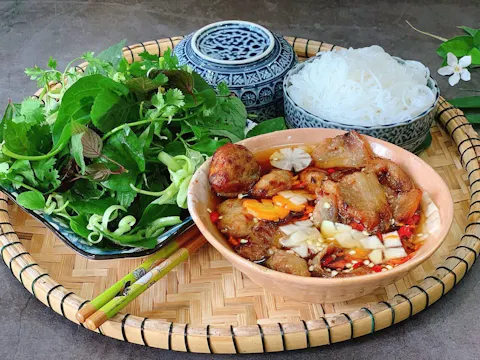
What Is Bun Cha? Hanoi's Grilled Pork & Noodles Explained
Bún Chả is one of Hanoi's most famous dishes, combining smoky charcoal-grilled pork, soft rice vermicelli, fresh herbs, pickled vegetables, and a warm sweet-and-savory fish sauce broth. Unlike many Vietnamese noodle dishes, the ingredients are served separately so diners can combine them with each bite. Discover what Bun Cha is, what it tastes like, how it is prepared, the ingredients traditionally used, how to eat it like a local, and how Hanoi's classic dish differs from Bun Thit Nuong in southern Vietnam.
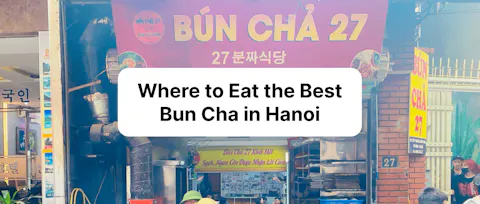
Where to Eat the Best Bun Cha in Hanoi (Top Authentic & Local Spots)
Hanoi is the birthplace of Bun Cha, and nowhere else serves this iconic dish quite the same way. From legendary family-run restaurants to hidden neighborhood eateries and famous spots visited by world leaders, the capital offers countless opportunities to enjoy authentic Bun Cha. This guide introduces the best places to eat Bun Cha in Hanoi, highlighting local favorites, signature flavors, and practical tips to help you experience one of Vietnam's most beloved culinary traditions like a true local.
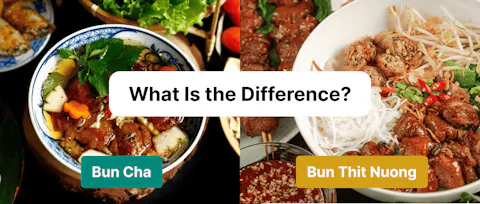
Bun Cha vs Bun Thit Nuong: What Is the Difference?
At first glance, Bun Cha and Bun Thit Nuong may look similar because both feature grilled pork and rice noodles. However, these two beloved Vietnamese dishes differ significantly in their origins, serving style, dipping sauce, and overall dining experience. Bun Cha is a signature specialty of Hanoi served with warm broth, while Bun Thit Nuong is popular in southern Vietnam as a dry noodle dish. This guide explains the key differences and helps you choose which one to try first.