
Where to Eat the Best Bun Cha in Hanoi (Top Authentic & Local Spots)
Hanoi is the birthplace of Bun Cha, and nowhere else serves this iconic dish quite the same way. From legendary family-run restaurants to hidden neighborhood eateries and famous spots visited by world leaders, the capital offers countless opportunities to enjoy authentic Bun Cha. This guide introduces the best places to eat Bun Cha in Hanoi, highlighting local favorites, signature flavors, and practical tips to help you experience one of Vietnam's most beloved culinary traditions like a true local.
On this page
- The Iconic Legends: Discovering the Best Bun Cha in Hanoi
- Traditional Masters: Where to Find the Best Bun Cha in Hanoi Using Ancient Techniques
- The Anatomy of the Best Bun Cha in Hanoi: Charcoal and Flavor Dynamics
- Practical Logistics to Experience the Best Bun Cha in Hanoi
- Final Thoughts on the Best Bun Cha in Hanoi
To wander the labyrinthine, sun-drenched alleyways of Hanoi’s historic Old Quarter precisely at noon is to be enveloped in an intoxicating, inescapable culinary perfume. The sharp, unmistakable aroma of heavily rendered pork fat dripping steadily onto glowing charcoal embers signals the commencement of the city's most revered daily dining ritual. For the dedicated culinary traveler seeking the absolute best Bun Cha in Hanoi, this intense sensory cue serves as the ultimate, undeniable beacon. This iconic dish is not merely a midday meal; it is the beating heart of Hanoi’s lunchtime culture, where the meticulous art of charcoal grilling, the sharp pickled balance of fermented root vegetables, and the delicate integration of cold rice vermicelli come together in a centuries-old gastronomic tradition. Finding the true masters of this craft requires moving beyond superficial tourist itineraries and delving deep into the soot-stained kitchens where artisans continue to honor the precise, smoky heritage of northern Vietnamese cuisine. This exhaustive, field-tested guide will navigate you through the organized chaos of the capital, detailing exactly where to locate the masters of this craft, ensuring your palate experiences the definitive, authentic flavors that have captivated global culinary authorities.
The Iconic Legends: Discovering the Best Bun Cha in Hanoi
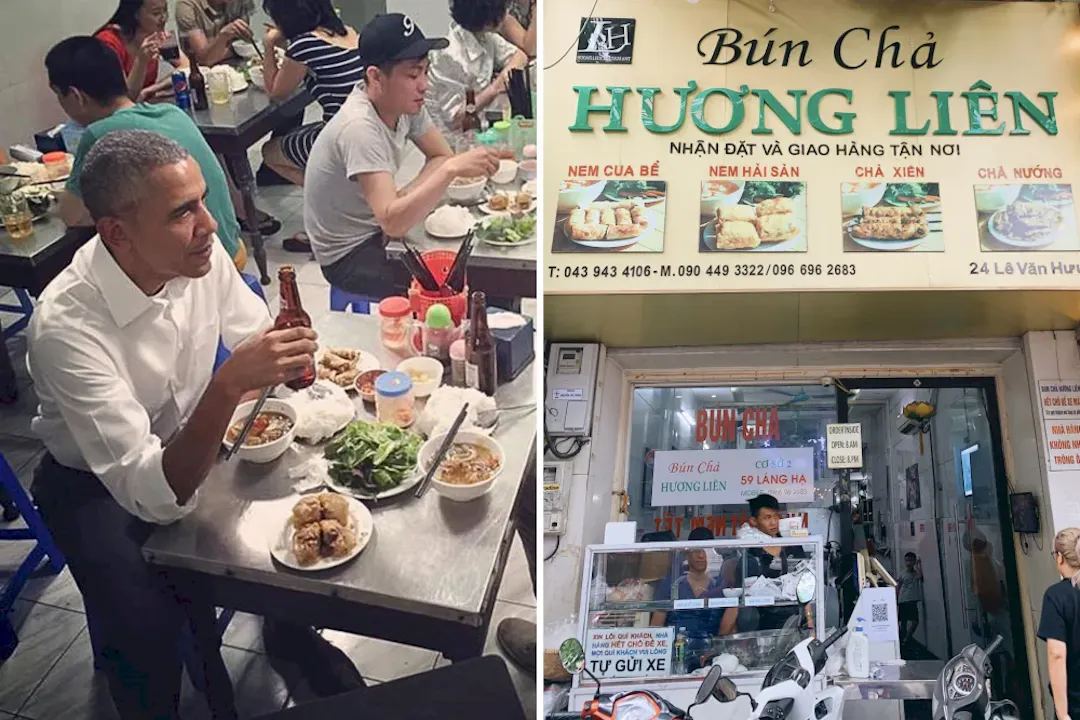
When discussing the global prestige of northern Vietnamese street food, the rigorous conversation inevitably anchors on Bún Chả Hương Liên, affectionately immortalized in the international culinary lexicon as Bun Cha Huong Lien Obama. This multi-level establishment achieved legendary status following the historic 2016 dining encounter between President Barack Obama and Anthony Bourdain, yet its enduring relevance rests entirely on its steadfast culinary execution rather than fleeting celebrity hype. To experience this bustling establishment is to understand a brilliant masterclass in flavor equilibrium. Their warm dipping sauce skews toward a slightly sweeter, highly refined palate, providing a delicate, remarkably nuanced bath for the fatty proteins. The absolute standout element here is their chả miếng, consisting of exceptionally thin-sliced pork belly that absorbs the than hoa (hardwood charcoal) smoke with remarkable efficiency, creating a heavily caramelized exterior that shatters gently upon consumption. The meat is marinated with disciplined restraint, allowing the natural sweetness of the pork to harmonize with the subtle fish sauce reduction. Most international travelers opt for the legendary "Combo Obama," which meticulously pairs the traditional serving of grilled pork and cold vermicelli with a densely packed, deep-fried nem hải sản (seafood spring roll) and a frosty bottle of Hanoi Beer. This historically significant meal remains exceptionally accessible for the working-class community, featuring an exact price point hovering between $3.00 and $4.50 USD, preserving its highly respected status as a daily neighborhood staple despite its overwhelming, ongoing international fame and relentless daily tourist influx.
Conversely, for discerning diners seeking a robust, unapologetically aggressive flavor profile, the legendary Bún Chả Đắc Kim (Hàng Mành) establishment proudly stands as the ultimate Old Quarter powerhouse. Operating on a chaotic, continuously bustling intersection where motorbikes weave precariously past steaming cauldrons, this multi-story eatery offers an authoritative, heavy-hitting contrast to the subtle refinements of its famous competitors. The distinct, unwavering culinary signature of Dac Kim lies firmly in its intense garlic-and-shallot marinades, which deeply permeate the fatty pork shoulder overnight before being subjected to extreme, blistering charcoal heat on the sidewalk grills. Their daily portions are famously, almost overwhelmingly abundant, presenting hungry diners with a veritable mountain of massive, deeply charred chả viên (minced pork patties) heavily submerged in a rich, savory, aggressively seasoned amber broth. The sensory dining experience is further elevated by the mandatory inclusion of their gigantic, golden nem cua bể (square crab spring rolls), boasting a uniquely brittle, shattering rice paper crust that fiercely protects a generous, steaming filling of sweet ocean crab meat, glass noodles, and earthy wood ear mushrooms. Consuming this massive, protein-heavy feast absolutely requires a highly strategic, continuous integration of their crisp, vibrant herb basket to effectively cut through the immense, savory density of the rendered pork fat. A full, immensely satisfying meal at this historic location, complete with the massive crab rolls and a cold local beverage, commands a premium but highly justified price point ranging precisely between $4.00 and $5.50 USD, firmly cementing its long-standing reputation as an essential, high-impact culinary destination for serious gastronomic scouts.
Traditional Masters: Where to Find the Best Bun Cha in Hanoi Using Ancient Techniques
Venturing deeper into the ancestral, undocumented techniques of the ancient capital reveals a fleeting, hyper-specialized craft that fundamentally defines traditional charcoal grilled Bun Cha: the utilization of fresh bamboo clamps. Navigating the dense, narrow corridors near Hàng Bè street in the Old Quarter, astute culinary hunters will discover modest, unassuming street stalls practicing the rare, labor-intensive art of bún chả kẹp que tre. Instead of conveniently placing the marinated pork between standard commercial wire grilling grates, these fiercely traditional vendors meticulously wrap delicate slices of marinated pork shoulder and fatty belly tightly around split, fresh green bamboo sticks. As the raw bamboo is directly exposed to the radiating heat of the glowing than hoa, it slowly releases its natural, grassy moisture directly into the rendering pork fat. This ancient methodology imparts a distinct, localized smoky woodiness to the meat that modern metal griddles fundamentally cannot replicate. The slow-roasting technique ensures the exterior achieves a brilliant, sticky caramelization while the interior remains intensely juicy and perfumed with the unmistakable scent of roasted bamboo. Uncovering these highly localized neighborhood stalls provides the definitive answer to where to eat Bun Cha like a local, allowing the adventurous diner to actively participate in an endangered culinary ritual for an exceptionally modest price point typically falling between $2.50 and $3.50 USD.
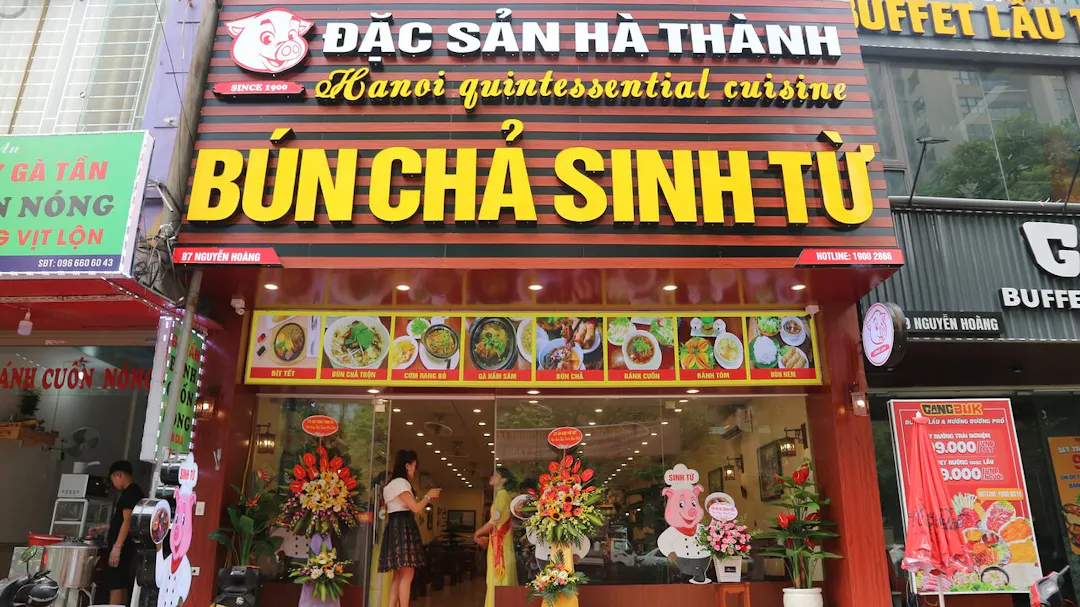
In stark contrast to the singular, hidden alleyway vendors relying on bamboo, a comprehensive Bun Cha Sinh Tu review must definitively acknowledge the impressive, highly calculated expansion of this deeply respected heritage brand across the sprawling, modernized districts of contemporary Hanoi. Sinh Tu has successfully achieved the extraordinarily difficult task of scaling a delicate, highly perishable street food operation while maintaining absolute, uncompromising consistency in its precise flavor architecture across multiple busy locations. This establishment is particularly revered by local food critics for its flawlessly balanced dipping sauce, which strikes a harmonious, exact equilibrium between the salty, oceanic depth of premium fermented fish sauce and the sharp, bright acidity of local rice vinegar. Furthermore, their agricultural sourcing protocols are impeccable, providing diners with a pristine, towering selection of vibrant, hyper-fresh leafy greens and aromatics washed and sorted with clinical care. The pork served here is deliberately cut slightly thicker than average, offering a substantial, deeply satisfying chew that highlights the premium quality of their closely guarded family marinade. Despite its sanitized, modern dining rooms and widespread city presence, Sinh Tu retains a fiercely loyal local following precisely because it adamantly refuses to dilute its ancestral flavor profile to appease mass market trends, offering a hygienic, reliable, and supremely delicious iteration of the classic northern dish for an incredibly accessible price point ranging between $2.00 and $3.50 USD.
The Anatomy of the Best Bun Cha in Hanoi: Charcoal and Flavor Dynamics
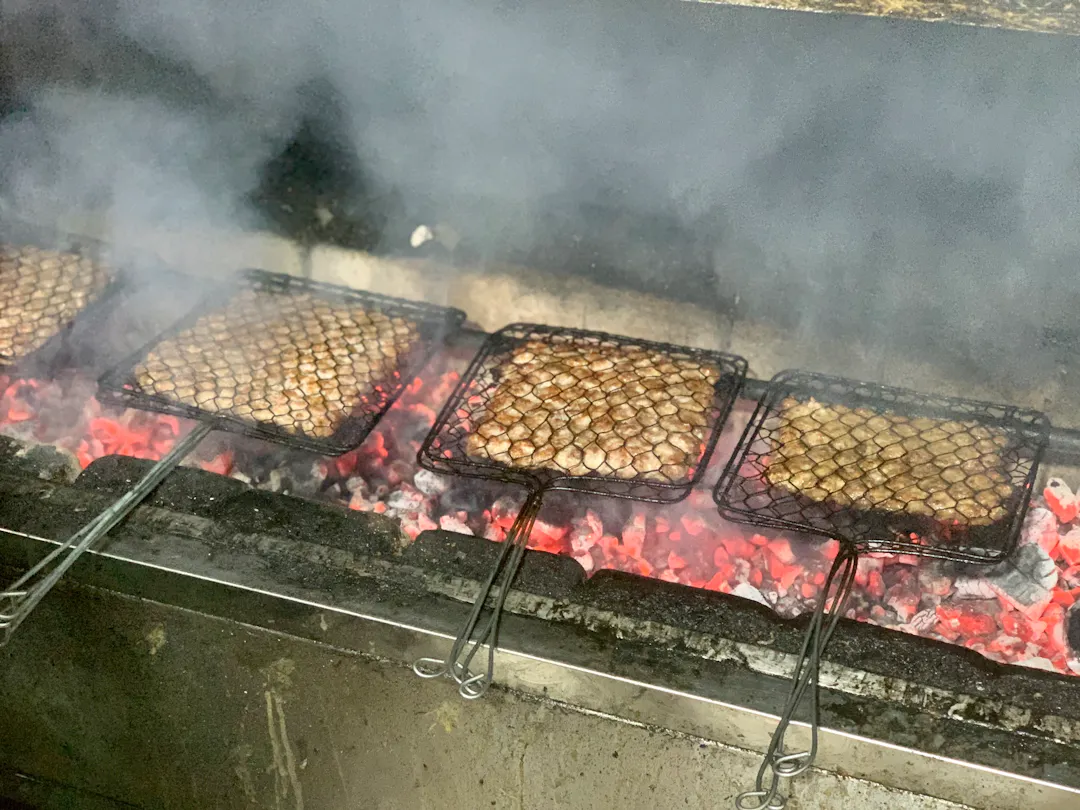
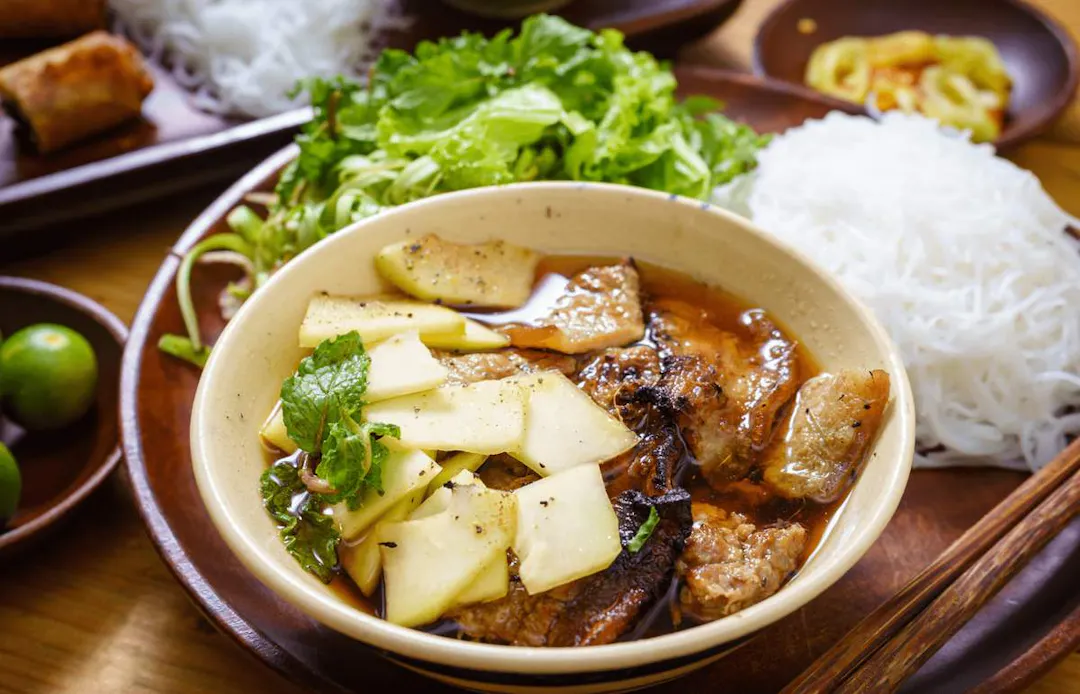
To fully comprehend the immense gastronomic complexity of this seemingly simple, rustic dish, one must rigorously deconstruct the dual-protein foundation that definitively anchors every authentic serving. The culinary expertise strictly required to master the rapid charcoal-sear methodology for both the sliced pork belly, traditionally known as chả miếng, and the heavily seasoned minced patties, known as chả viên, is profoundly deep. The preparation of chả miếng demands high-quality pork belly featuring a precise, alternating ratio of lean muscle to dense, buttery fat. When this specific cut is exposed to the blistering open flame, the fat renders incredibly rapidly, actively basting the lean meat in a hot bath of savory lipids, creating heavily caramelized, slightly charred exterior edges that shatter audibly upon consumption. Conversely, the chả viên requires an entirely different, specialized culinary skill set. Expert local chefs meticulously hand-mince fatty pork shoulder, expertly blending the meat with finely diced purple shallots, cracked black pepper, a touch of wild honey, and high-quality fish sauce before shaping the mixture into tender, yielding spheres. The ultimate cooking challenge lies in achieving a heavy, smoky crust on the exterior of the patty without drawing out critical internal moisture, ensuring the meat remains exceptionally tender and juicy on the interior. This specific duality of texture—the crispy, fatty bite of the belly against the soft, yielding umami of the minced patty—creates a flawless, dynamic protein landscape that defines northern culinary excellence.
Supporting this heavily charred, smoky protein is the absolutely critical foundation of the warm dipping sauce, or nước chấm, which acts as the unifying thermal and flavor matrix for the entire dining experience. This liquid gold is a harmonious, highly calibrated blend of fermented anchovy fish sauce, light rice vinegar, pure cane sugar, and filtered water, meticulously heated to a gentle, rolling simmer to meld the flavors completely. Suspended beautifully within this warm, savory bath are crisp, thinly sliced, and lightly pickled green papaya and vivid orange carrots, which provide a vital, acidic crunch expressly designed to aggressively cut through the heavy, lingering pork fat on the palate. However, the true culinary regionalism of the dish is only fully unlocked through the aggressive, mandatory integration of the fresh herb basket. A proper, uncompromising northern presentation absolutely mandates the inclusion of jagged perilla leaves, locally known as tía tô, alongside vibrant fresh mint, crisp butter lettuce, and spicy coriander. The diner must expertly tear these sharp, highly aromatic botanicals directly into the warm broth right before eating, where the volatile essential oils are instantly released, elevating the entire flavor structure from a heavy, rich meat dish into a brilliantly refreshing, complex, and aromatic culinary masterpiece.
Practical Logistics to Experience the Best Bun Cha in Hanoi
Fully immersing oneself in this localized street dining culture requires strict, unwavering adherence to the traditional, unwritten rules of northern culinary timing. This specific dish is overwhelmingly, almost exclusively, categorized as a dedicated midday meal. The absolute peak lunchtime rhythm occurs narrowly and intensely between 10:30 AM and 2:00 PM. Arriving precisely within this highly specific window guarantees you will experience the freshest, most vibrant bún tươi (fresh rice vermicelli) and the hottest, actively glowing charcoal grills. Attempting to consume this meal for dinner often results in interacting with exhausted charcoal fires, stale noodles, and lukewarm broths, fundamentally compromising the intended thermal and textural integrity of the traditional dish.
When navigating the chaotic, smoke-filled sidewalks of the Old Quarter, astute culinary travelers must deploy expert visual assessments to identify clean, high-turnover street carts. Always prioritize busy establishments entirely surrounded by a dense, loud crowd of local office workers and discerning neighborhood elders, as this massive volume guarantees the rapid, safe circulation of highly perishable fresh ingredients. Regarding essential financial transactions, travelers should strictly utilize cash in the form of local Vietnamese Dong, understanding that the listed USD equivalents in guides are purely for rapid mental calculation; attempting to pay with actual foreign currency will severely disrupt the street vendor's rapid workflow. Finally, approach table-side condiments with extreme, calculated caution. While adding raw, minced garlic and fiery bird's eye chilies is highly encouraged to cut the subtle sweetness of the broth, Western palates should deliberately introduce these potent elements incrementally, ensuring they customize the heat profile carefully without completely destroying the delicate, hard-won flavor equilibrium of the master broth.
Final Thoughts on the Best Bun Cha in Hanoi
Exploring the incredibly diverse, smoke-filled alleyways of this ancient capital offers an unparalleled, deeply sensory glimpse into Northern Vietnamese heritage. By actively seeking out the absolute best Bun Cha in Hanoi, you engage in a dynamic, living history that fiercely celebrates meticulous charcoal-roasting methodologies, pristine agricultural sourcing, and profound flavor equilibrium. Whether you deeply crave the refined sweetness of a globally recognized, presidential institution or the intense, rustic wood-smoke of a hidden, neighborhood bamboo-skewer cart, this iconic dish encapsulates the brilliant, resilient soul of the city's street gastronomy. Which legendary culinary spot—the historic, bustling Hương Liên or a fiercely traditional bamboo-skewer cart—do you plan to passionately visit first?
Read more: Bun Cha

By Roy Trinh
Editor
Roy Trinh is a travel writer and destination expert at Go Visit Vietnam, dedicated to helping travelers discover the beauty, culture, and diversity of Vietnam. Through well-researched travel guides, practical itineraries, local insights, and authentic recommendations, Roy shares valuable information to inspire memorable journeys across the country. From vibrant cities and breathtaking landscapes to regional cuisine and cultural heritage, every guide is created to help visitors experience Vietnam with confidence and curiosity.
Frequently Asked Questions About the Best Bun Cha in Hanoi
Where can I find the best Bun Cha in Hanoi?
Some of Hanoi's most famous Bun Cha restaurants include Bun Cha Huong Lien, known internationally after Barack Obama's visit, as well as long-established family-run eateries in the Old Quarter and local neighborhoods where recipes have been preserved for generations.
Is Bun Cha Huong Lien worth visiting?
Yes. Bun Cha Huong Lien is one of Hanoi's most famous Bun Cha restaurants thanks to the memorable dinner shared by Barack Obama and Anthony Bourdain. Beyond its fame, the restaurant is well known for its authentic grilled pork and flavorful dipping broth.
What time should I eat Bun Cha in Hanoi?
Bun Cha is traditionally served from late morning until early afternoon, making it a popular lunch dish. Some restaurants also offer it in the evening, but lunchtime is when you'll find the freshest and busiest local atmosphere.
How much does a serving of Bun Cha cost in Hanoi?
A typical serving costs between 50,000 and 100,000 VND, depending on the restaurant and portion size. Even at famous establishments, Bun Cha remains an affordable and excellent value for visitors.
Should I choose famous restaurants or local neighborhood shops?
Both are worth experiencing. Famous restaurants offer legendary recipes and historical significance, while neighborhood eateries often provide a more authentic local atmosphere and unique family recipes that have been perfected over decades.
Advertising box
Related Bun Cha Articles
Discover more about Bun Cha, one of Vietnam's most beloved dishes and a classic specialty of Hanoi. Explore our collection of guides covering the history and origins of Bun Cha, traditional ingredients, how it is prepared and served, its distinctive flavors, and the best places to try it in Vietnam. Whether you're learning about Vietnamese cuisine or planning your first food adventure in Hanoi, these articles will help you understand and enjoy Bun Cha like a local.
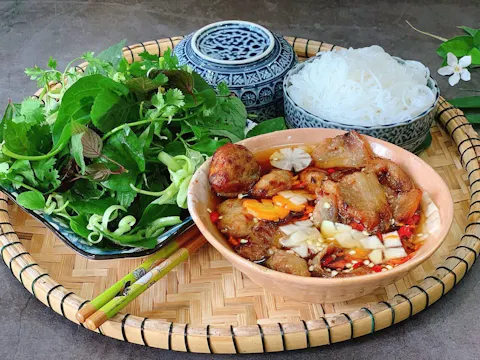
What Is Bun Cha? Hanoi's Grilled Pork & Noodles Explained
Bún Chả is one of Hanoi's most famous dishes, combining smoky charcoal-grilled pork, soft rice vermicelli, fresh herbs, pickled vegetables, and a warm sweet-and-savory fish sauce broth. Unlike many Vietnamese noodle dishes, the ingredients are served separately so diners can combine them with each bite. Discover what Bun Cha is, what it tastes like, how it is prepared, the ingredients traditionally used, how to eat it like a local, and how Hanoi's classic dish differs from Bun Thit Nuong in southern Vietnam.

Obama Pho or Bun Cha? The Story Behind Obama's Famous Meal in Hanoi
When former U.S. President Barack Obama visited Hanoi in 2016, one simple meal captured the world's attention. Many people mistakenly believe he ate Pho, but it was actually Bun Cha that he enjoyed alongside chef Anthony Bourdain. The memorable dinner introduced millions to one of Vietnam's most beloved dishes and became an iconic moment in culinary history. This article explores the story behind Obama's famous meal and why Bun Cha remains a must-try experience in Hanoi.
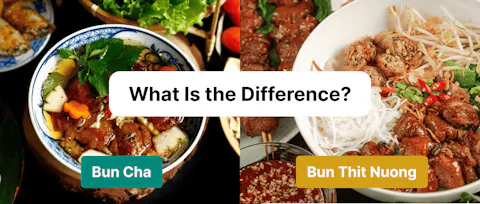
Bun Cha vs Bun Thit Nuong: What Is the Difference?
At first glance, Bun Cha and Bun Thit Nuong may look similar because both feature grilled pork and rice noodles. However, these two beloved Vietnamese dishes differ significantly in their origins, serving style, dipping sauce, and overall dining experience. Bun Cha is a signature specialty of Hanoi served with warm broth, while Bun Thit Nuong is popular in southern Vietnam as a dry noodle dish. This guide explains the key differences and helps you choose which one to try first.