
The History of Banh Mi: How a French Baguette Became a Vietnamese Icon
Banh Mi is one of the world's most famous sandwiches, blending French culinary influence with distinctly Vietnamese flavors. What began as a simple colonial-era baguette gradually evolved into a uniquely Vietnamese creation filled with local meats, herbs, pickled vegetables, and sauces. Today, Banh Mi is celebrated worldwide as a symbol of Vietnam's vibrant street food culture. This guide explores the fascinating history of Banh Mi, its origins, cultural evolution, and how it became one of Vietnam's most beloved culinary icons.

On this page
To walk through the bustling streets of early twentieth-century Saigon was to experience a sensory landscape undergoing a profound, accelerated gastronomic evolution. Beneath the humid canopy of the tropics, the scent of freshly baked wheat—an alien ingredient to the local palate—began to intermingle with the sharp, pungent notes of coriander, fermented fish sauce, and bird’s eye chilies. This aromatic collision serves as the genesis of one of the world's most enduring culinary masterpieces. The History of Banh Mi is far more than a chronicle of a sandwich; it is a meticulously layered historical document that records the creative, often forced, collision between French colonial infrastructure and the pragmatic, vibrant street food culture of the Vietnamese people. This narrative of culinary synthesis reflects a society that, faced with the imposition of foreign tastes, did not simply accept them but masterfully deconstructed and reconstructed them to fit their own sensory landscape. By exploring the socioeconomic conditions, technological adaptations, and the eventual diaspora that propelled this creation onto the global stage, we uncover how a symbol of colonial luxury was transformed into a testament of Vietnamese culinary ingenuity.
The Colonial Genesis: The Baguette’s Arrival and Structural Evolution
The French Legacy: Beyond the Baguette
The arrival of French staples in Vietnam was not initially a democratic culinary event; rather, it was a closed ecosystem of consumption designed strictly for the colonial elite. During the late nineteenth and early twentieth centuries, the importation of wheat, butter, pâté, and mayonnaise signaled the presence of the French administration, creating a culinary stratification that kept these goods out of the reach of the vast majority of the Vietnamese populace. For the colonial administration, the baguette represented a necessary link to the homeland, a daily ration of familiarity in a challenging, tropical outpost. However, this period of restricted access acted as a pressure cooker for innovation. As Vietnamese cooks, laborers, and domestic servants observed these foreign ingredients, they began the process of gastronomic evolution, recognizing that the specific textures and flavor profiles of French wheat bread and charcuterie held the potential for a completely new form of local sustenance. The socioeconomic conditions of the time—marked by limited wheat supplies and a humid climate that rendered imported ingredients expensive and perishable—demanded a pragmatic, localized approach that would eventually define the sandwich's future.
The Technological Adaptation
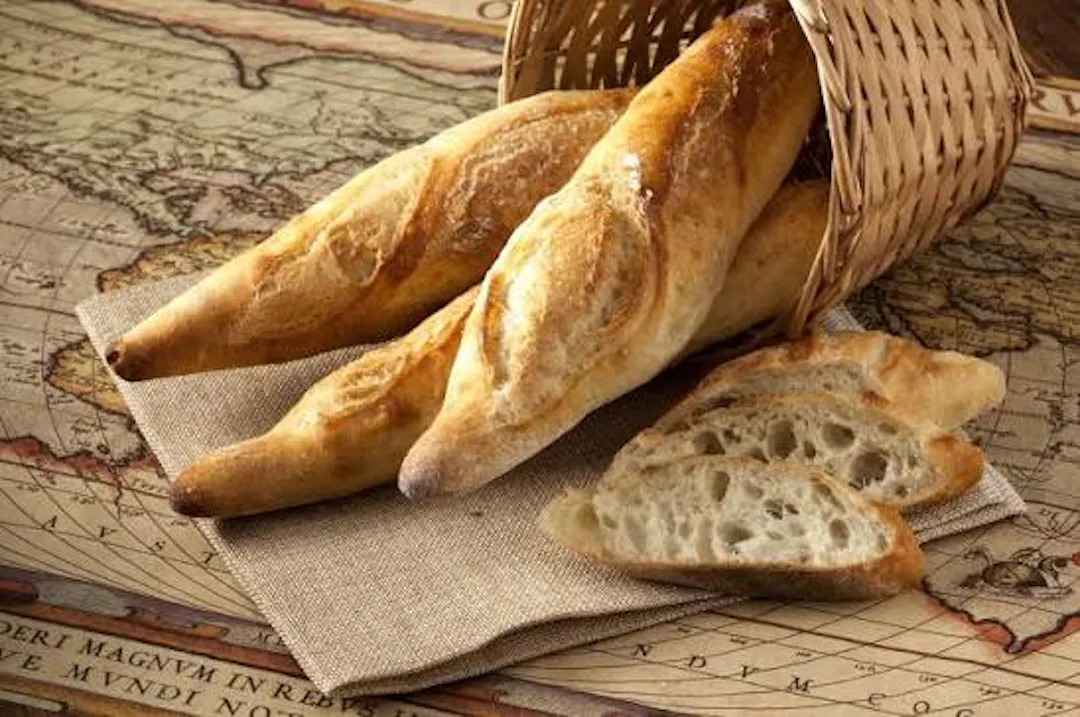
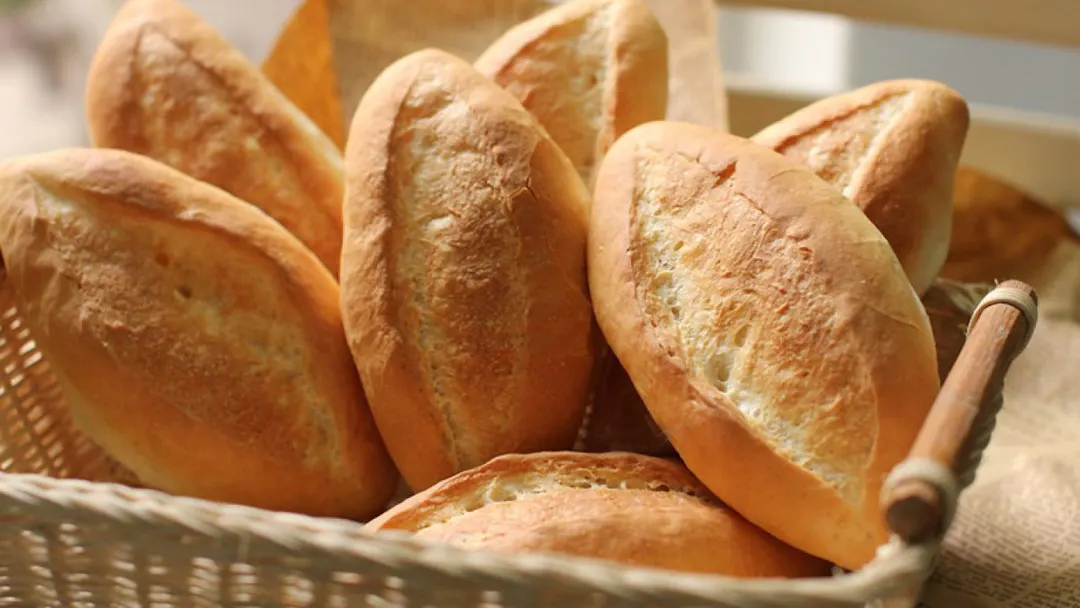
The true genius of the History of Banh Mi lies in the technical adaptation of the baking process. Confronted with the inherent difficulties of cultivating wheat in a climate better suited for rice, Vietnamese bakers began the process of blending wheat flour with bột gạo (rice flour). This specific technological innovation was not merely a cost-saving measure; it was an act of profound culinary synthesis that fundamentally changed the bread’s physical structure. By introducing rice flour into the baguette recipe, Vietnamese bakers achieved a crust that was far thinner and more shatteringly crisp than the traditional French loaf, while the interior crumb became lighter, airier, and significantly more conducive to the humid climate. This structural adaptation was the critical prerequisite for the sandwich's development. A traditional, dense French baguette would have been far too heavy to serve as the base for the intricate, herb-heavy compositions that the Vietnamese palate demanded. By creating a lighter, more delicate vessel, these early innovators allowed the bread to act as a neutral canvas, perfectly calibrated to support the complex, layered flavors of what would eventually become the iconic sandwich.
The Saigon Revolution: The Birth of the Hand-Held Icon
The Hoa Ma Milestone
If the northern roots of the baguette provided the structural framework, it was the bustling streets of Saigon that provided the stage for its revolutionary transformation. The pivotal moment in the origin of Banh Mi is often linked to the legendary Hoa Ma bakery in Saigon. In the mid-twentieth century, the sandwich transitioned from a meal served on a plate—often consisting of bread, cold cuts, and pâté served as a sit-down breakfast—to the portable, hand-held street food we recognize today. This shift toward "convenience food" was not accidental; it was a response to the rapid urbanization of the mid-twentieth century. As the city expanded and the working class required a meal that could be consumed on the move between work sites, street vendors innovated a way to wrap the ingredients inside the bread, creating a robust, self-contained unit of sustenance. This transition from a formal, seated meal to a portable sandwich was the definitive moment when the bread was truly Vietnamized, moving away from its role as a colonial relic and toward its new identity as the fuel of the working-class citizen.
Vietnamization of the Sandwich
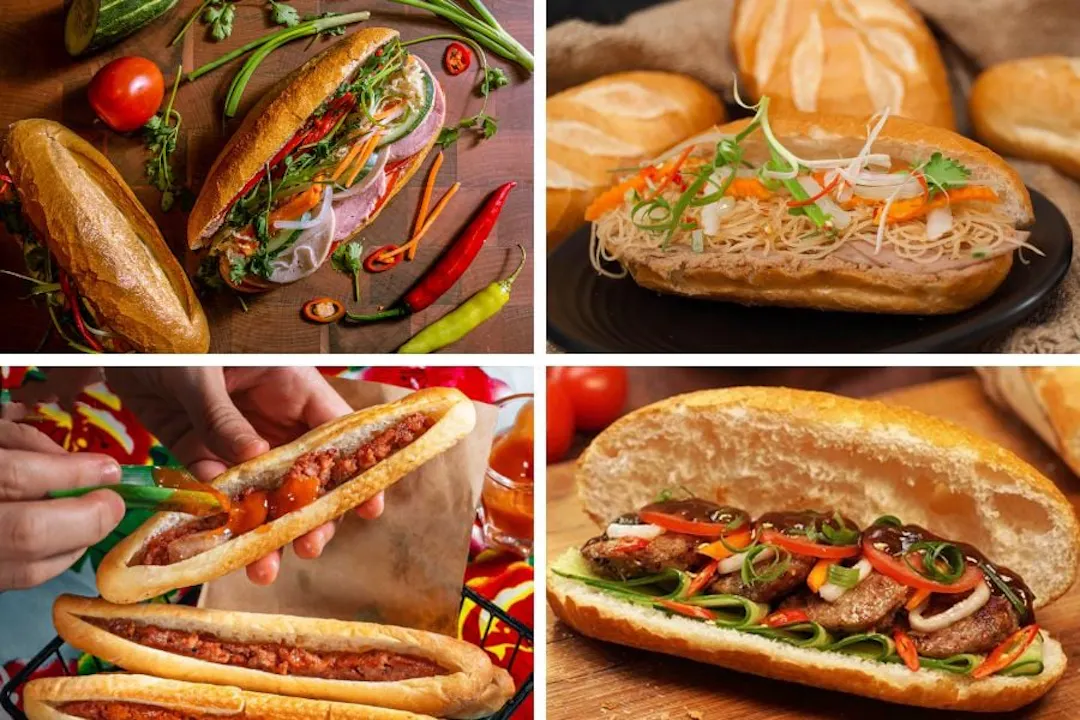
The "Vietnamization" of the sandwich was a stroke of absolute culinary genius, characterized by the authoritative layer-by-layer expertise of local vendors. The inclusion of đồ chua (pickled carrots and daikon) was perhaps the most vital transformation; the sharp, acidic crunch of these pickles provided a necessary sensory balance to the rich, heavy fat of the pâté and mayonnaise. This was not a French addition, but a direct response to the Vietnamese palate’s fundamental preference for the interplay of texture, umami, acidity, and heat. By layering cold cuts with thinly sliced cucumbers, generous sprigs of cilantro, and the aggressive heat of fresh chilies, vendors created a flavor profile convergence that was entirely unique. This synthesis—combining French charcuterie with Vietnamese agricultural abundance—was essentially an act of re-claiming the colonial ingredient. By coating the bread with a thick layer of savory pâté and a thin schmear of egg-yolk mayonnaise, the Vietnamese vendor elevated the bread from a mere carrier into an active, flavor-enhancing participant. This specific, disciplined arrangement of ingredients became the evolution of Vietnamese Banh Mi itself: a deliberate, textured architecture that satisfied the need for both satiety and sensory excitement.
The Socioeconomic Impact and Cultural Identity of the Banh Mi
Street Food as a Cultural Anchor
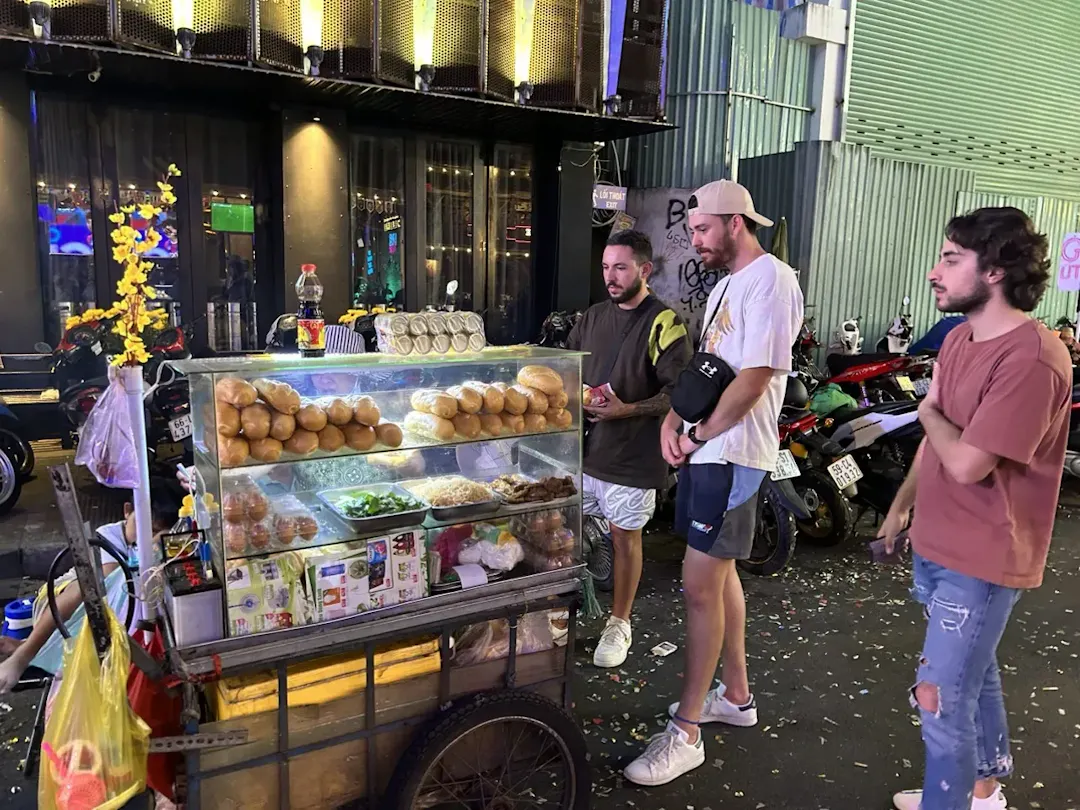
Throughout the mid-twentieth century, the sandwich became the ultimate cultural anchor for the urban Vietnamese population. Its affordability and portability mirrored the rapid socioeconomic adaptation of a nation in flux. For the laborer in the market, the student rushing to university, and the clerk in the government office, this bread was an essential, democratic equalizer. It was a meal that defied class boundaries, accessible to almost everyone regardless of their economic station. This accessibility solidified its role in the history of Banh Mi, cementing it not just as a food item, but as a symbol of the urban Vietnamese spirit. The portability of the sandwich was a reflection of a society that was increasingly mobile, efficient, and industrious. As the street-side carts began to populate every corner of the city, they effectively created a culinary network that operated outside the rigid boundaries of the restaurant industry, allowing for an informal, communal dining experience that defined the rhythm of daily life in South Vietnam.
Diaspora and Global Fame
The post-1975 exodus of Vietnamese refugees brought a seismic shift in the sandwich's trajectory, carrying it across the Pacific and into the Western world. For the diaspora, the sandwich became a nostalgic conduit, a sensory link to the home that many had been forced to abandon. The establishment of small bakeries and cafes in cities like San Francisco, Paris, and Sydney was an act of diasporic cultural preservation. In these new environments, the challenge of maintaining authenticity was severe, yet the sandwich proved to be incredibly resilient. It evolved from a necessity of survival into an internationally celebrated culinary icon, eventually gaining a foothold in the global food landscape. This journey was not without its tensions; chefs and home cooks debated the importance of the specific baguette crust versus the availability of local ingredients, yet the foundational recipe remained remarkably consistent. The global fame of the sandwich today is a testament to its initial, well-engineered structure, which allowed it to seamlessly cross borders and appeal to diverse palates without losing its essential Vietnamese identity.
Preserving the Integrity of the Craft: The Custodians of Taste
The Custodians of Taste
In the contemporary global marketplace, the origin of Banh Mi faces a new, multifaceted challenge: the threat of industrialization and commercial dilution. The difference between an artisanal, craft-made sandwich and an industrial version is monumental, hinging on the preservation of traditional, fermentation-based methodologies. Authentic pâté, for instance, requires hours of slow-cooking liver, pork, and aromatics, resulting in a rich, velvety texture that cannot be replicated by mass-produced equivalents. The traditional bread, baked in small batches to ensure the perfect, airy crumb and shatteringly crisp crust, is the product of a baker's intimate knowledge of flour, water, and humidity. Supporting these custodians of taste—the bakers and street-food vendors who prioritize hand-picked local herbs and traditional, slow-cured meat preparations—is not merely a matter of culinary preference, but a vital act of cultural stewardship. Protecting these traditional methods is the only way to ensure that the sandwich remains an authentic artifact of history rather than a hollow, mass-produced commodity.
The Future of Banh Mi
The future of this culinary icon lies in the hands of modern chefs who must navigate the tension between innovation and heritage. While new, experimental fillings—ranging from Korean-inspired bulgogi to modern, fusion-driven vegetable variations—showcase the adaptability of the sandwich, they must not come at the cost of the fundamental structuralism that defines the dish. The most successful modern iterations of the History of Banh Mi are those that respect the essential balance of the bread, the acid, the fat, and the heat. By anchoring these innovations in the foundational techniques of traditional baking and charcuterie preparation, chefs ensure that the sandwich remains a living, breathing culinary tradition. The future of this icon will be defined by the respect shown to its foundational ingredients, ensuring that the legacy of the Vietnamese street-food artisan continues to evolve while honoring the complex, colonial-era synthesis that gave it birth.
Conclusion: The Synthesis of East and West
The story of this sandwich is the ultimate historical synthesis of East and West, representing a profound, culinary convergence that transformed colonial leftovers into a world-famous masterpiece. It stands as a testament to the Vietnamese people’s ability to take foreign influence and imprint it with their own unique spirit, texture, and flavor. The History of Banh Mi is a living, breathing tradition that demands our continued attention, respect, and support. As you seek out your next sandwich, I invite you to prioritize the traditional craftsmanship that defines an authentic experience. Support the small bakeries and the dedicated street vendors who still uphold the rigorous standards of the past. Seek the crunch of the local flour, the richness of the slow-cured pâté, and the bright, sharp snap of the handmade pickles. By doing so, you are not just enjoying a meal; you are actively participating in the preservation of a culinary icon, ensuring that this history is respected and honored for generations to come.
Read more: Banh Mi Vietnam
Frequently Asked Questions About the History of Banh Mi
Where did Banh Mi originate?
Banh Mi originated in Vietnam during the French colonial period, when baguettes were introduced by the French. Over time, Vietnamese cooks adapted the bread using local ingredients and created the sandwich that is now famous around the world.
Why is Banh Mi considered a Vietnamese dish if it uses a French baguette?
Although the baguette came from France, the fillings, seasonings, sauces, herbs, and preparation are uniquely Vietnamese. The combination of French bread with Vietnamese flavors transformed Banh Mi into a distinctly local creation.
When did Banh Mi become popular in Vietnam?
Banh Mi became widely popular during the 1950s and 1960s, especially in Saigon (now Ho Chi Minh City), where vendors introduced a wide variety of flavorful fillings that shaped the modern sandwich.
How has Banh Mi changed over the years?
Traditional Banh Mi has evolved into countless regional and modern variations featuring grilled pork, chicken, beef, seafood, vegetarian fillings, fusion ingredients, and creative international influences while maintaining its signature crispy baguette.
Why is Banh Mi famous around the world today?
Banh Mi gained international recognition through Vietnamese communities abroad and the global popularity of Vietnamese cuisine. Its combination of crispy bread, fresh herbs, savory fillings, and balanced flavors has made it one of the world's most celebrated sandwiches.
Advertising box
Discover More About Vietnamese Banh Mi
Explore the rich world of Vietnamese Banh Mi through our in-depth guides covering its history, regional varieties, legendary sandwich shops, nutrition facts, and local food culture. Whether you're planning a culinary adventure in Vietnam or simply want to learn more about this world-famous sandwich, you'll find expert insights, travel tips, and authentic recommendations here.
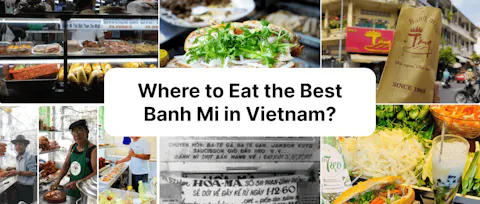
Where to Eat the Best Banh Mi in Vietnam: Top Legendary Cart & Bakery Spots
Vietnam is home to countless Banh Mi vendors, but a few legendary carts and bakeries have earned worldwide recognition for their exceptional sandwiches. From Ho Chi Minh City's famous Banh Mi Huynh Hoa to Hoi An's iconic Banh Mi Phuong and beloved neighborhood bakeries in Hanoi and Da Nang, each destination offers its own signature flavors. This guide highlights the best places to enjoy authentic Banh Mi in Vietnam and the unique stories behind these iconic street food institutions.
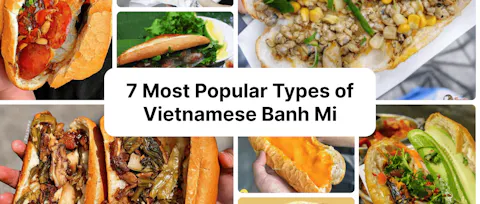
7 Most Popular Types of Vietnamese Banh Mi
Vietnamese Banh Mi comes in far more varieties than many travelers realize. While the classic combination of paté and cold cuts remains a favorite, regional specialties featuring grilled pork, meatballs, shredded chicken, sardines, eggs, and vegetarian fillings are equally delicious. Every version highlights the perfect balance of crispy baguette, fresh herbs, pickled vegetables, and flavorful ingredients. This guide introduces seven of the most popular types of Vietnamese Banh Mi that every food lover should experience.

Is Banh Mi Healthy? Calories, Nutrition, and Vegan Options
Banh Mi is one of Vietnam's most popular street foods, combining a crispy baguette with flavorful fillings, fresh vegetables, herbs, and sauces. While often considered an indulgent sandwich, its nutritional value depends on the ingredients and portion size. This guide explores Banh Mi calories, protein, carbohydrates, fat, sodium, and vegan-friendly alternatives. You'll also learn practical tips for enjoying this iconic Vietnamese sandwich as part of a healthy, balanced diet without sacrificing its delicious flavors.
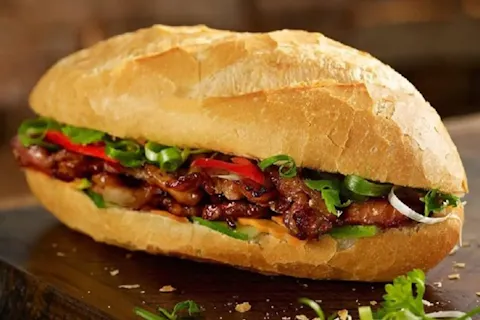
What Is Bánh Mì? Vietnam's Iconic Sandwich Explained
Bánh Mì is one of Vietnam's most recognizable street foods, combining a light, crispy baguette with savory fillings, pâté, pickled vegetables, fresh herbs, cucumber, chili, and flavorful sauces. While its bread has French colonial roots, Vietnamese cooks transformed it into a distinctive sandwich with regional styles and ingredients. From traditional pork-filled Bánh Mì in Hanoi and Ho Chi Minh City to Xíu Mại in Da Lat and local variations in Hoi An, this guide explores its history, ingredients, flavors, types, and cultural significance.