
7 Most Popular Types of Vietnamese Banh Mi
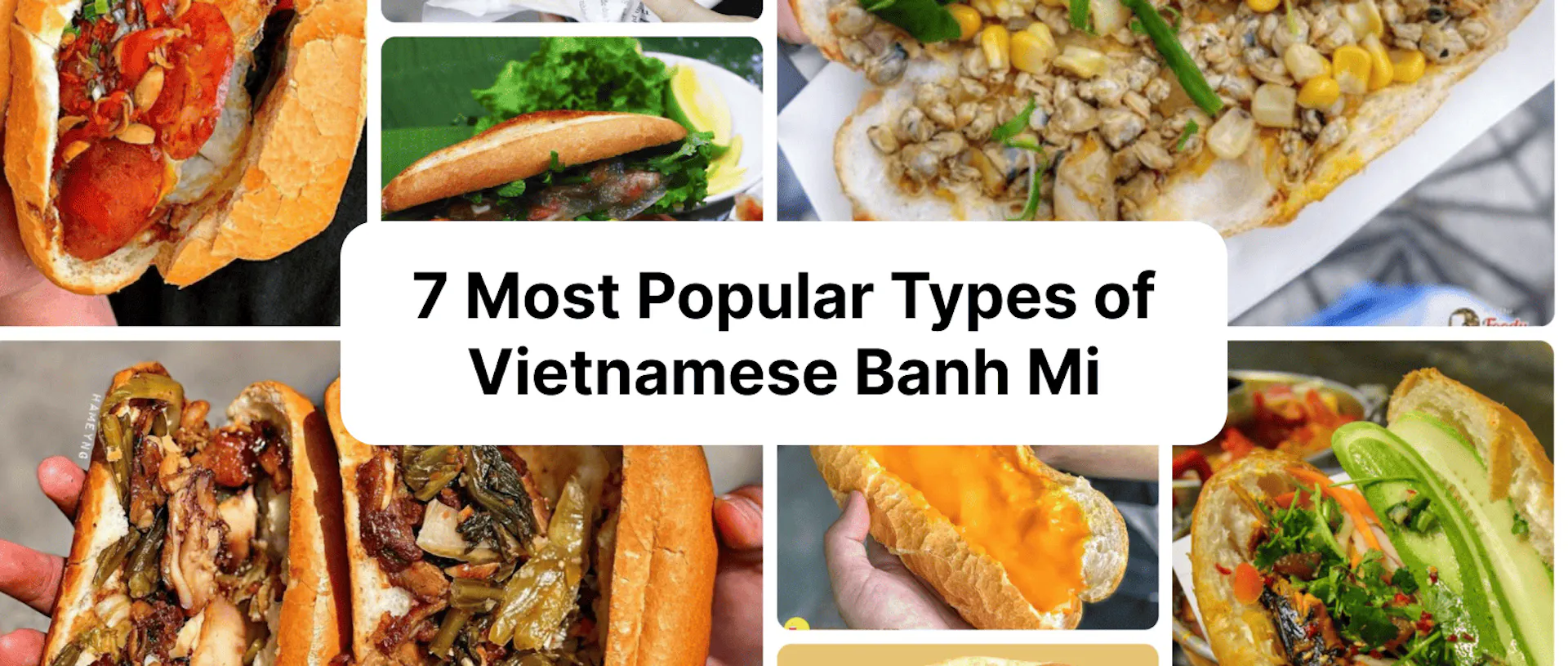
Vietnamese Banh Mi comes in far more varieties than many travelers realize. While the classic combination of paté and cold cuts remains a favorite, regional specialties featuring grilled pork, meatballs, shredded chicken, sardines, eggs, and vegetarian fillings are equally delicious. Every version highlights the perfect balance of crispy baguette, fresh herbs, pickled vegetables, and flavorful ingredients. This guide introduces seven of the most popular types of Vietnamese Banh Mi that every food lover should experience.
On this page
The global perception of the Vietnamese sandwich, often limited to the classic cold-cut iteration, represents merely the absolute surface of a deeply complex gastronomic ecosystem. Exploring the popular types of Vietnamese Banh Mi reveals that this iconic dish is not a static recipe, but rather a profoundly dynamic culinary foundation. The true genius of this sandwich lies in its infinite adaptability across varying regional topographies, where specialized local ingredients, intense hot cooking methodologies, and distinctly contrasting proteins transform a simple, crusty French baguette into a dynamic spectrum of culinary masterpieces. As a culinary anthropologist traversing the bustling alleyways of Hanoi to the humid street corners of Saigon, observing this evolution showcases a nationwide culinary stratification. The bread serves solely as an architectural vessel, designed to carry everything from oceanic fish cakes to aggressively seasoned, simmered meatballs. By moving beyond the standard pate and jambon, diners unlock a visceral narrative of survival, adaptation, and intense umami profile integration. This exhaustive guide dissects the intricate flavor architectures and historical contexts defining these beloved regional variations, proving that the true sandwich experience extends infinitely further than its globally exported cold-cut ambassador.
The Smoky and Savory Classics of Popular Types of Vietnamese Banh Mi
Banh Mi Thit Nuong: The Charcoal-Grilled Pork Sensation
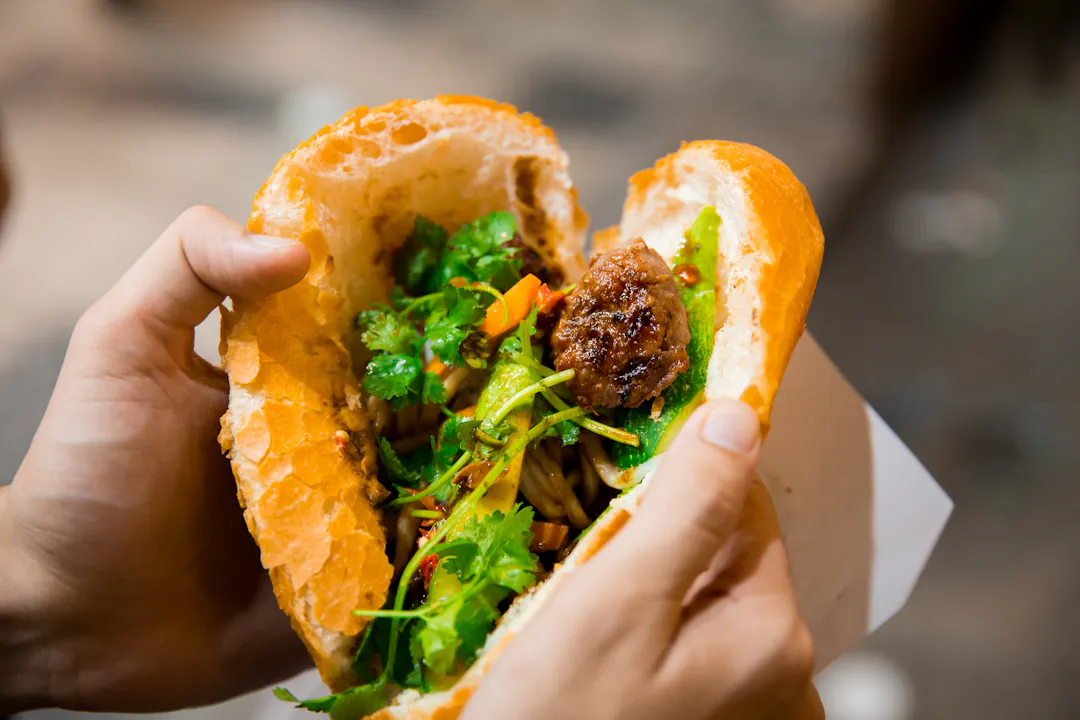
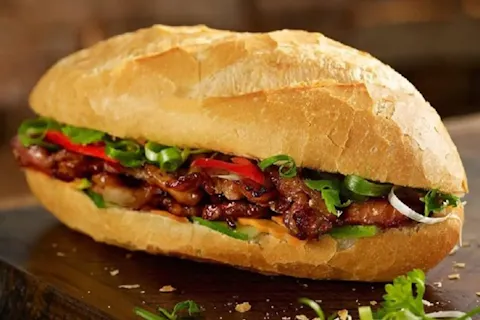
When exploring the expansive spectrum of types of Banh Mi fillings, the Bánh mì thịt nướng emerges as a titan of street-level sensory engagement. This variation abandons the cold, cured meats of the colonial era in favor of a fierce, aggressive charcoal-searing methodology deeply rooted in indigenous cooking practices. The preparation demands rigorous expertise, beginning with the meticulous marination of heavily marbled pork shoulder. The meat is completely submerged in a potent, intensely aromatic bath of freshly crushed lemongrass, minced garlic, shallots, dark soy, and raw fish sauce, heavily laced with a touch of wild honey to promote aggressive caramelization. The protein is then stretched across bamboo skewers or wire racks and seared directly over open charcoal flames. This high-heat application ensures a rapid rendering of the pork fat, creating a deeply smoky char that fundamentally defines the sandwich's aromatic profile. The brilliant textural contrast occurs when this sizzling, caramelized pork is abruptly stuffed into the crisp, airy crumb of the hollowed-out baguette. The smoky lipids of the meat are immediately counterbalanced by a generous application of rich bơ trứng gà (egg yolk mayonnaise) and the piercing acidity of pickled daikon and carrots. The resulting flavor architecture is a masterclass in balance, delivering an intensely savory, sweet, and smoky bite perfectly illustrating the evolution of the sandwich into a hot, substantial meal capable of sustaining laborers throughout the relentless tropical heat of the southern provinces.
Banh Mi Xiu Mai: The Comforting Meatball Sub
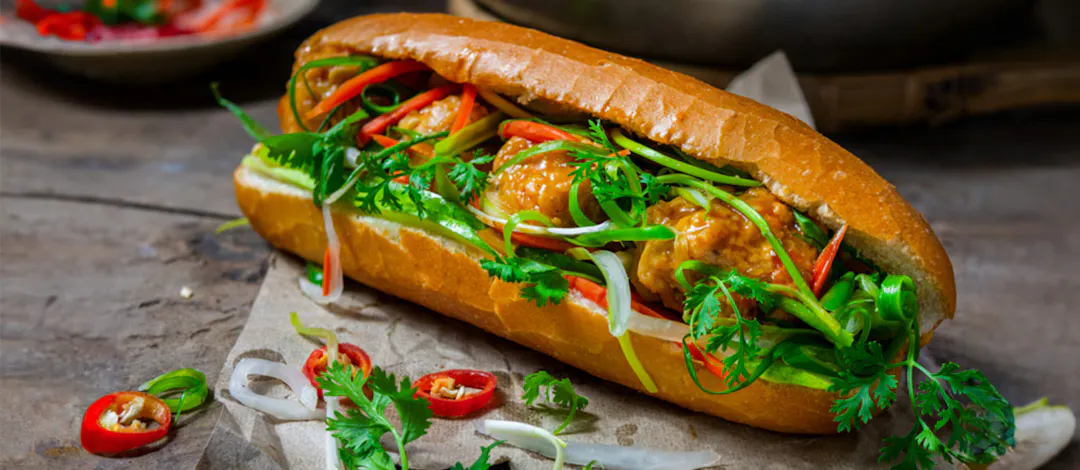
Transitioning from the aggressive smoke of the grill to the soothing, slow-simmered warmth of the stockpot, the Bánh mì xíu mại guide introduces a profoundly comforting southern variation. Bánh mì xíu mại utilizes tender, hand-formed pork meatballs heavily seasoned with jicama, finely diced shallots, and cracked black pepper, which are gently poached in a rich, deeply savory tomato-based broth. This specific preparation clearly mirrors the French influence of the boulette de viande, yet it has been entirely re-engineered to suit the localized palate through the heavy integration of annatto seed oil and fermented fish sauce. The eating ritual surrounding this specific sandwich offers two distinct, highly tactile methodologies. The vendor will either aggressively stuff the steaming, sauce-drenched meatballs directly into the hollowed crust—creating a messy, intensely flavorful handheld experience where the tomato broth deeply saturates the crumb—or they will serve the meatballs and broth in a separate, small porcelain bowl. The latter method transforms the dining experience into an interactive, communal affair, allowing the diner to tear off jagged pieces of the shatteringly crisp baguette and plunge them directly into the warm, aromatic gravy. This specific iteration highlights a softer, more nurturing textural structuralism, providing a gentle, deeply savory profile that serves as a highly coveted morning ritual for students and merchants preparing for the long day ahead.
Coastal Bounty and Regional Specialties Among Popular Types of Vietnamese Banh Mi
Banh Mi Cha Ca: The Coastal Fish Cake Masterpiece
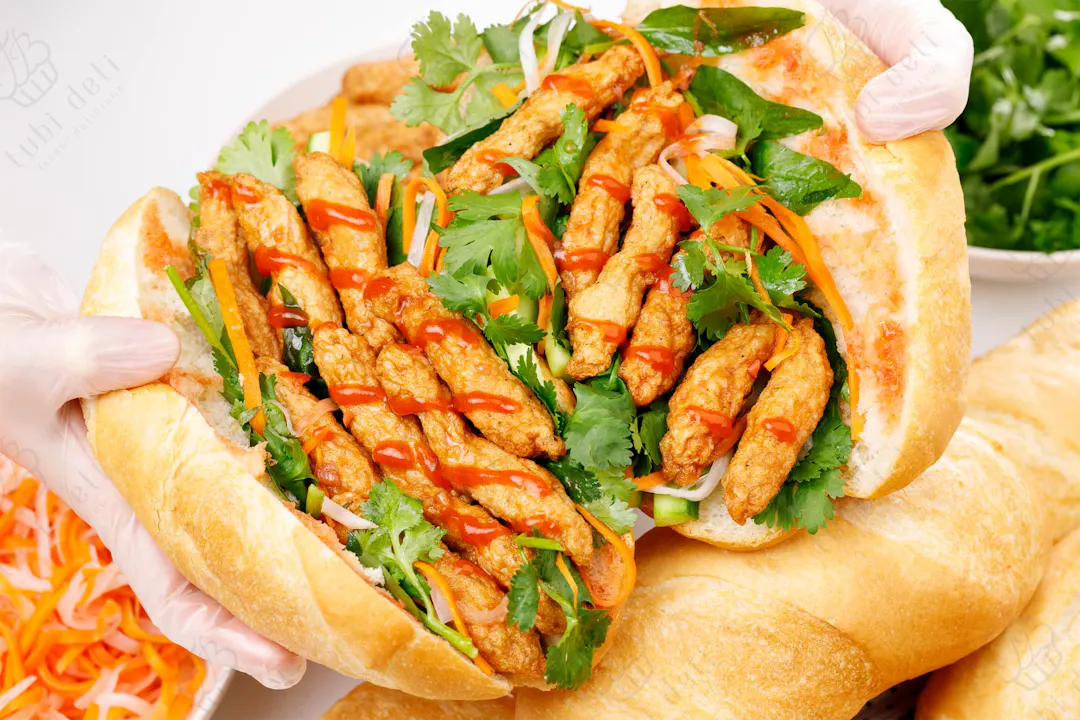
As the geographical focus shifts toward the extensive, rugged coastline of the nation, the agricultural focus predictably gives way to the immense bounty of the sea. Bánh mì chả cá stands as the definitive coastal fish cake masterpiece, offering a completely different oceanic umami profile to the traditional sandwich architecture. This variation prominently features pan-fried or deep-fried local fish cakes, predominantly crafted from fresh mackerel or barracuda, meticulously pounded into a highly elastic paste to achieve a signature, springy resistance. The fish paste is heavily seasoned with copious amounts of fresh dill, cracked white pepper, and finely sliced green onions before being flattened into dense patties and flash-fried until a golden, protective crust forms. The introduction of these oceanic proteins brings a strikingly different textural dimension to the sandwich, replacing the heavy, earthy lipids of pork with a clean, bright, and distinctly marine flavor profile. To complement the fish cakes, vendors frequently employ a specialized, highly concentrated garlic and chili soy sauce reduction, explicitly avoiding the heavy mayonnaise that would otherwise mask the delicate flavor of the mackerel. The inclusion of raw cucumber spears and fierce coriander sprigs ensures that the coastal sandwich remains refreshing, providing a sharp, highly acidic counterpoint that perfectly mirrors the brisk, saline air of the coastal port cities where this variation originally achieved its prominent culinary dominance.
Banh Mi Que: The Crispy Hai Phong Stick
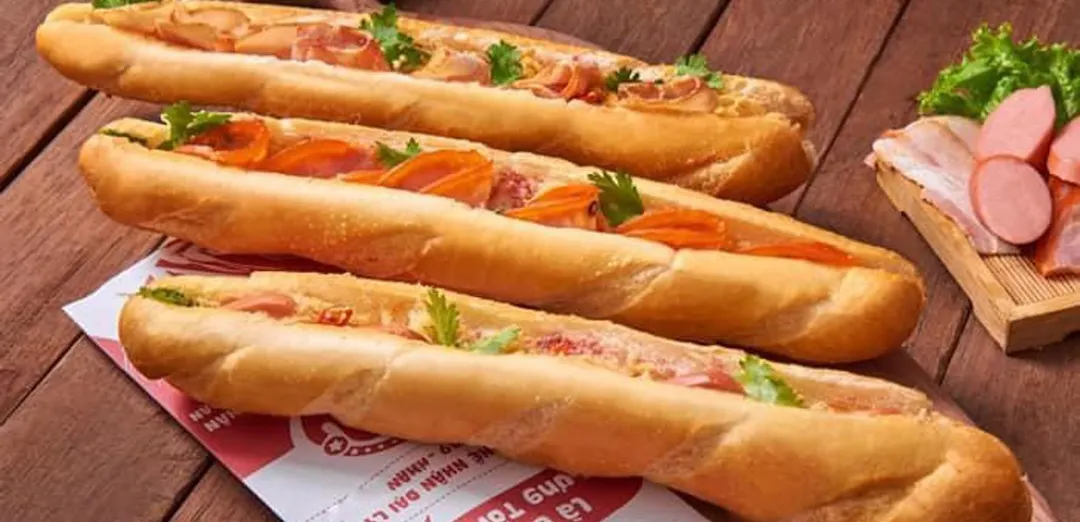
Venturing northward to the bustling, industrial port city of Hai Phong reveals a brilliant exercise in minimalist culinary engineering: the Bánh mì que Hai Phong. Also known simply as the spicy breadstick, this northern specialty violently rejects the southern philosophy of overwhelming abundance in favor of strict, disciplined restraint. The bread itself is a severe departure from the standard, voluminous baguette; it is baked into a long, incredibly thin, cigar-like stick roughly the width of two fingers. This highly specific structural design ensures an extreme ratio of crust to crumb. The preparation is fiercely minimalist, relying entirely on the supreme quality of two core ingredients: a heavy, dense smear of incredibly rich, deeply savory house-made pork liver pate, and a localized, ferociously hot chili paste known as chí chương. Once assembled, the thin stick is aggressively baked a second time until it becomes completely rigid and shatters instantly upon consumption. Its highly portable size and intense, concentrated savory punch make it a beloved regional cultural artifact, historically consumed by dock workers requiring a rapid, heavily caloric, and intensely flavorful burst of energy. The beauty of this specific stick lies in its uncompromising simplicity, proving that massive volume is not a strict prerequisite for achieving profound, lingering flavor, and further solidifying the immense diversity found within the popular types of Vietnamese Banh Mi.
The Deconstructed and Modern Innovations in Popular Types of Vietnamese Banh Mi
Banh Mi Chao: The Sizzling Pan-Fried Breakfast
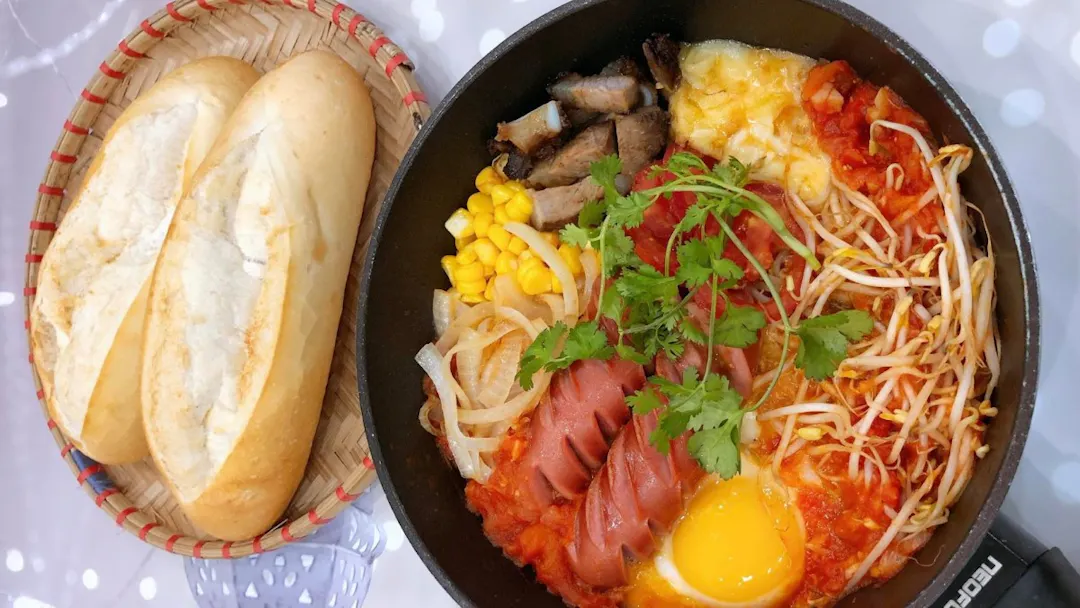
Moving away from the handheld format, the Bánh mì chảo Vietnam represents a fascinating, theatrical deconstruction of the traditional sandwich. This iteration translates to "pan bread," completely altering the physical consumption parameters by serving the varied ingredients aggressively sizzling in a shallow cast-iron skillet, positioned alongside a separate, freshly baked baguette. This dish represents a localized evolution of the traditional French brunch influence, masterfully transformed into an everyday, highly accessible comfort meal. The scorching iron skillet typically houses a chaotic, heavily caramelized assortment of fried eggs with runny yolks, thick slabs of traditional liver pate, heavily seasoned meatballs, and smoky slices of sweet Chinese sausage, all swimming in a shallow pool of fiercely bubbling, savory brown gravy. The diner acts as the final architect of the meal, deliberately tearing off chunks of the bread to vigorously mop up the rich, highly caloric nước sốt (sauce) and the golden, weeping egg yolks. The heavy, cast-iron skillet retains an immense amount of thermal energy, ensuring that the meat components continue to fry and develop deep, complex crusts throughout the duration of the meal. This specific format completely dismantles the conventional boundaries of the sandwich, prioritizing a slower, seated dining experience that actively encourages communal interaction and precise, customized flavor layering with every single bite.
Expanding the Protein Spectrum
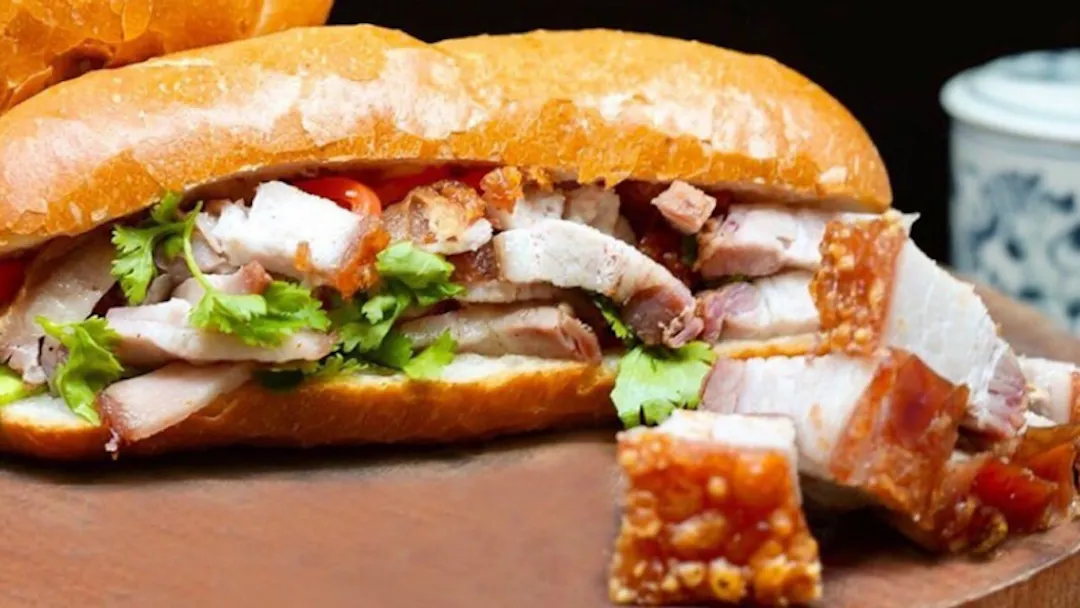
The relentless gastronomic evolution refuses to remain static, driving the exploration of alternative protein applications that showcase how distinct texture drives the sandwich's ongoing evolution. Bánh mì heo quay (roasted pork belly sandwich) provides a masterclass in extreme textural contrast. The vendor chops thick, succulent slabs of pork belly featuring a blistered, crackling skin that shatters audibly against the teeth, contrasting violently with the soft, rendered fat and the yielding crumb of the bread. The heavy richness of the pork belly demands a savory soy-based reduction to bridge the gap between the meat and the pickled daikon. Conversely, Bánh mì gà xé phay (shredded chicken sandwich) offers a lighter, aromatic alternative, relying on the delicate essence of finely julienned kaffir lime leaves. The poached, hand-shredded chicken breast is tossed with the lime leaves, creating a vibrant aromatic profile that penetrates the soft bread. These highly evolved variations completely demonstrate the boundless versatility of the bread, proving that whether tasked with supporting the heavy, gelatinous crunch of roasted pork skin or the bright, delicate botanical notes of lime leaf chicken, the baguette serves as the ultimate, uncompromising canvas for nationwide culinary innovation.
Cultural Philosophy and Navigating the Choices
The Architecture of Balance
Reflecting deeply on the staggering variety of popular types of Vietnamese Banh Mi, a unified cultural philosophy regarding the fundamental architecture of balance clearly emerges. Regardless of whether the protein is aggressively charcoal-grilled, slowly simmered in rich tomato broth, or served loudly sizzling upon a blistering cast-iron skillet, every single successful variation relentlessly maintains the sacred culinary triad of texture and taste. The indispensable foundation demands a shattered, highly auditory crunchy exterior giving way instantly to a soft, yielding interior crumb. This delicate structural baseline must seamlessly support an intensely rich, heavily seasoned protein source, which is then immediately counteracted by the sharp, piercing acidity of fermented root vegetables and the bright, botanical heat of raw chilies and fresh cilantro. This rigorous, uncompromising dedication to sensory equilibrium ensures that despite the wild, highly varied regional ingredient substitutions, the ultimate gastronomic experience remains undeniably cohesive, entirely preventing palate fatigue and delivering a deeply satisfying, multi-dimensional consumption event every single time.
Dining Guidance for Travelers
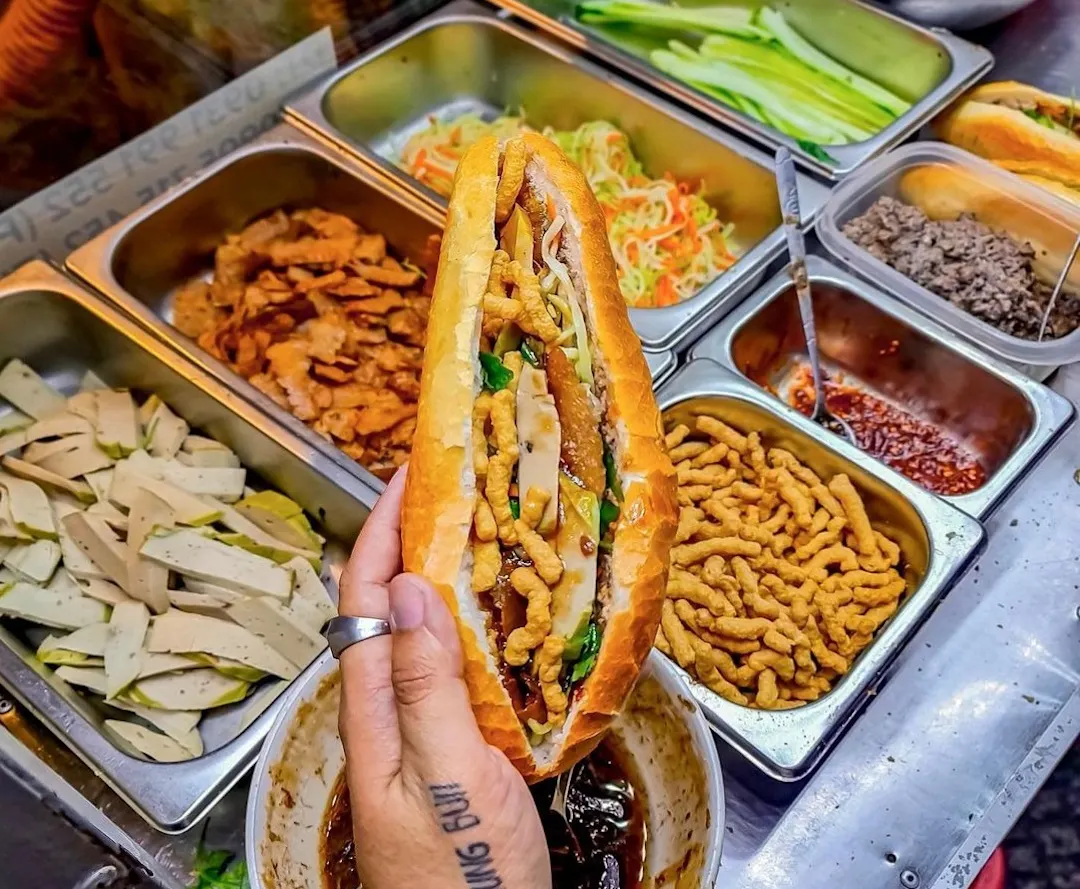
For dedicated food enthusiasts seeking to respectfully order and appreciate these diverse variations across different street stalls and localized bakeries, recognizing environmental cues establishes crucial culinary trustworthiness. You must actively bypass the heavily sanitized tourist restaurants and purposefully seek out the chaotic, hyper-specialized alleyway carts focusing exclusively on a single variation. A vendor dedicating their entire livelihood strictly to preparing coastal fish cakes or roasted pork belly guarantees an authentic, masterfully executed product. Observe the vendor's rapid rhythm; the seamless assembly process is a profound indicator of high-volume turnover, ensuring the absolute freshness of both the fragile bread and perishable proteins. Finally, always request the inclusion of fresh chilies and herbs, deliberately signaling to the creator that your palate respects and desires the fully authentic, fiery flavor profile integration intended by regional design.
Exploring far beyond the traditional cold-cut sandwich decisively reveals the true, entirely boundless depth of regional Vietnamese street food culture. Understanding the expansive array of popular types of Vietnamese Banh Mi completely and utterly transforms a simple meal into an immersive, highly educational ethnographic expedition, directly honoring centuries of relentless culinary adaptation and sophisticated indigenous resourcefulness across this stunningly beautiful nation. Which incredibly distinct and highly anticipated variation—the intensely smoky, charcoal-seared grilled pork sensation, or the aggressively sizzling, highly theatrical pan-fried skillet version—are you genuinely most eager to passionately seek out and finally taste first on your upcoming travels this summer?
Read more: Banh Mi Vietnam
Frequently Asked Questions About Vietnamese Banh Mi Varieties
What is the most popular type of Vietnamese Banh Mi?
The classic Banh Mi Thit—filled with Vietnamese cold cuts, pâté, butter, pickled vegetables, cucumber, cilantro, and chili—is the most popular and widely available version throughout Vietnam.
What is Banh Mi Thit Nuong?
Banh Mi Thit Nuong is a grilled pork sandwich featuring smoky marinated pork, fresh herbs, pickled carrots and daikon, cucumber, and savory sauces inside a crispy Vietnamese baguette. It is one of the country's favorite street food options.
Are there vegetarian versions of Banh Mi?
Yes. Many bakeries and vegetarian restaurants serve Banh Mi Chay, which may include tofu, mushrooms, plant-based pâté, vegetables, and fresh herbs while preserving the signature balance of flavors.
Which Banh Mi is best for first-time visitors?
For a traditional experience, try either the classic pâté and cold-cut Banh Mi or grilled pork Banh Mi. Both showcase the flavors and textures that have made Vietnamese Banh Mi famous worldwide.
Do different regions have different Banh Mi styles?
Absolutely. Ho Chi Minh City is known for generously filled sandwiches with rich pâté and multiple meats, while central Vietnam, especially Hoi An, offers distinctive local recipes and sauces. Every region adds its own unique touch to this iconic Vietnamese sandwich.
Advertising box
Discover More About Vietnamese Banh Mi
Explore the rich world of Vietnamese Banh Mi through our in-depth guides covering its history, regional varieties, legendary sandwich shops, nutrition facts, and local food culture. Whether you're planning a culinary adventure in Vietnam or simply want to learn more about this world-famous sandwich, you'll find expert insights, travel tips, and authentic recommendations here.

The History of Banh Mi: How a French Baguette Became a Vietnamese Icon
Banh Mi is one of the world's most famous sandwiches, blending French culinary influence with distinctly Vietnamese flavors. What began as a simple colonial-era baguette gradually evolved into a uniquely Vietnamese creation filled with local meats, herbs, pickled vegetables, and sauces. Today, Banh Mi is celebrated worldwide as a symbol of Vietnam's vibrant street food culture. This guide explores the fascinating history of Banh Mi, its origins, cultural evolution, and how it became one of Vietnam's most beloved culinary icons.
Where to Eat the Best Banh Mi in Vietnam: Top Legendary Cart & Bakery Spots
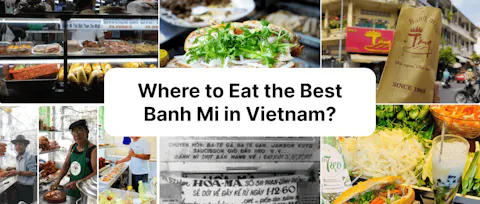
Vietnam is home to countless Banh Mi vendors, but a few legendary carts and bakeries have earned worldwide recognition for their exceptional sandwiches. From Ho Chi Minh City's famous Banh Mi Huynh Hoa to Hoi An's iconic Banh Mi Phuong and beloved neighborhood bakeries in Hanoi and Da Nang, each destination offers its own signature flavors. This guide highlights the best places to enjoy authentic Banh Mi in Vietnam and the unique stories behind these iconic street food institutions.

Is Banh Mi Healthy? Calories, Nutrition, and Vegan Options
Banh Mi is one of Vietnam's most popular street foods, combining a crispy baguette with flavorful fillings, fresh vegetables, herbs, and sauces. While often considered an indulgent sandwich, its nutritional value depends on the ingredients and portion size. This guide explores Banh Mi calories, protein, carbohydrates, fat, sodium, and vegan-friendly alternatives. You'll also learn practical tips for enjoying this iconic Vietnamese sandwich as part of a healthy, balanced diet without sacrificing its delicious flavors.
What Is Bánh Mì? Vietnam's Iconic Sandwich Explained
Bánh Mì is one of Vietnam's most recognizable street foods, combining a light, crispy baguette with savory fillings, pâté, pickled vegetables, fresh herbs, cucumber, chili, and flavorful sauces. While its bread has French colonial roots, Vietnamese cooks transformed it into a distinctive sandwich with regional styles and ingredients. From traditional pork-filled Bánh Mì in Hanoi and Ho Chi Minh City to Xíu Mại in Da Lat and local variations in Hoi An, this guide explores its history, ingredients, flavors, types, and cultural significance.