
What Is Bánh Mì? Vietnam's Iconic Sandwich Explained
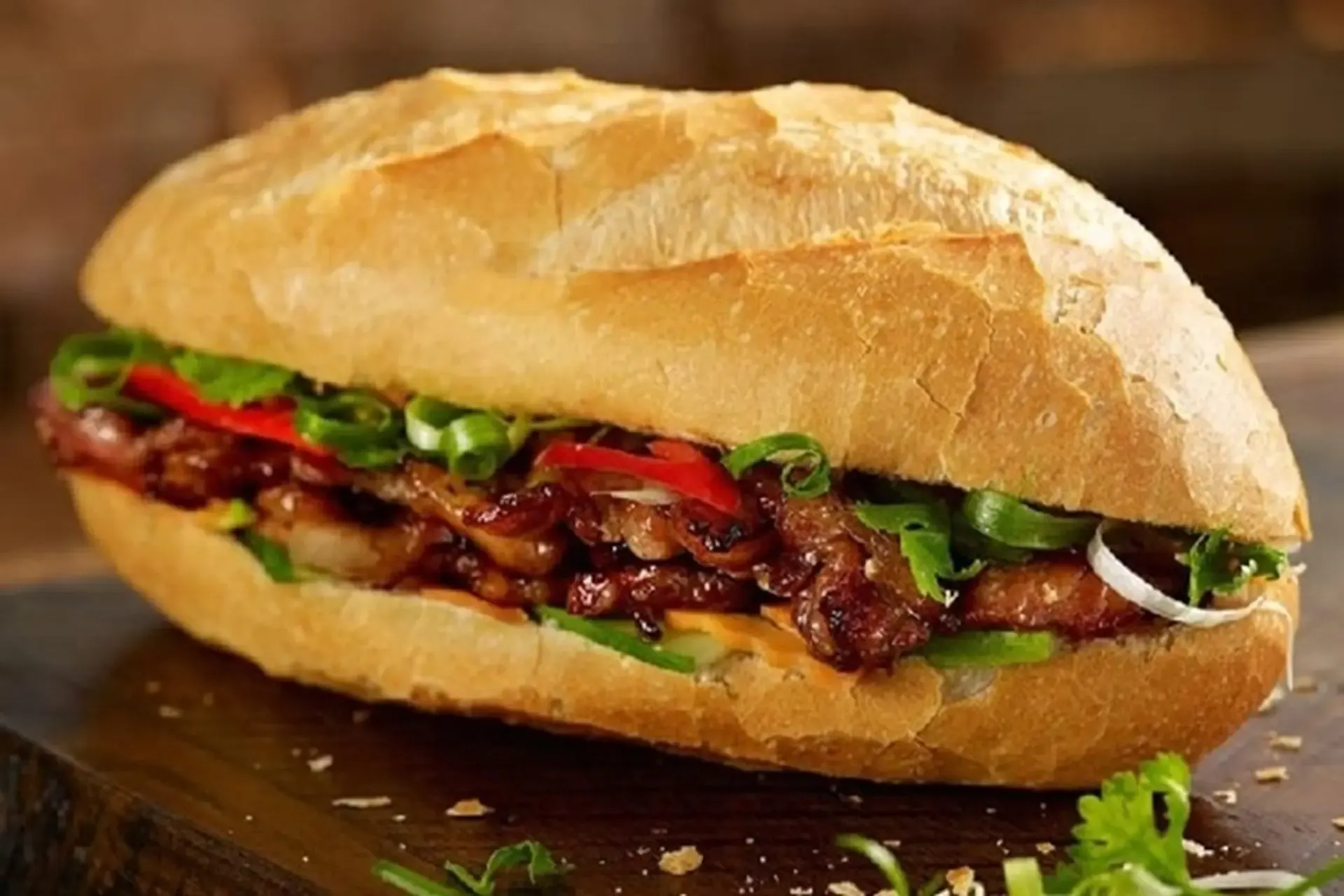
Bánh Mì is one of Vietnam's most recognizable street foods, combining a light, crispy baguette with savory fillings, pâté, pickled vegetables, fresh herbs, cucumber, chili, and flavorful sauces. While its bread has French colonial roots, Vietnamese cooks transformed it into a distinctive sandwich with regional styles and ingredients. From traditional pork-filled Bánh Mì in Hanoi and Ho Chi Minh City to Xíu Mại in Da Lat and local variations in Hoi An, this guide explores its history, ingredients, flavors, types, and cultural significance.
On this page
- What Does Bánh Mì Mean?
- What Is Bánh Mì Made Of?
- What Does Bánh Mì Taste Like?
- Bánh Mì History: From French Influence to Vietnamese Street Food
- Is Bánh Mì French or Vietnamese?
- Popular Types of Bánh Mì
- Regional Bánh Mì in Vietnam
- How to Eat Bánh Mì
- Bánh Mì and Vietnamese Street Food Culture
- Where to Try Bánh Mì in Vietnam
- Conclusion
Bánh Mì is one of Vietnam's most recognizable foods: a crisp, light baguette filled with savory meats, pâté, pickled vegetables, fresh herbs, cucumber, chili, and flavorful sauces. Although its bread has French colonial roots, the sandwich itself is a distinctly Vietnamese creation shaped by local ingredients, cooking traditions, and street-food culture.
Today, Bánh Mì can be found throughout Vietnam, from small street carts and neighborhood bakeries to restaurants and cafés. Fillings vary widely by region and vendor, with popular versions featuring Vietnamese cold cuts, grilled pork, chicken, meatballs, fish cakes, or vegetarian ingredients.
For travelers exploring Vietnamese cuisine, understanding what Bánh Mì is means looking beyond the baguette. Its appeal comes from the contrast between crisp bread, rich savory fillings, fresh herbs, crunchy vegetables, acidity from pickles, and occasional heat from chili.
What Does Bánh Mì Mean?
In Vietnamese, bánh mì literally refers to bread, particularly bread made from wheat flour. In English-speaking food contexts, however, Bánh Mì commonly refers to the Vietnamese sandwich made with a baguette and a variety of fillings.
The word is therefore used in two related ways: it can describe bread itself, or the popular Vietnamese sandwich that has become known around the world.
The sandwich developed from the introduction of European-style bread to Vietnam and its subsequent adaptation by Vietnamese cooks and vendors. Local ingredients, flavors, and eating habits transformed the bread into something distinctly different from the traditional French baguette.
What Is Bánh Mì Made Of?
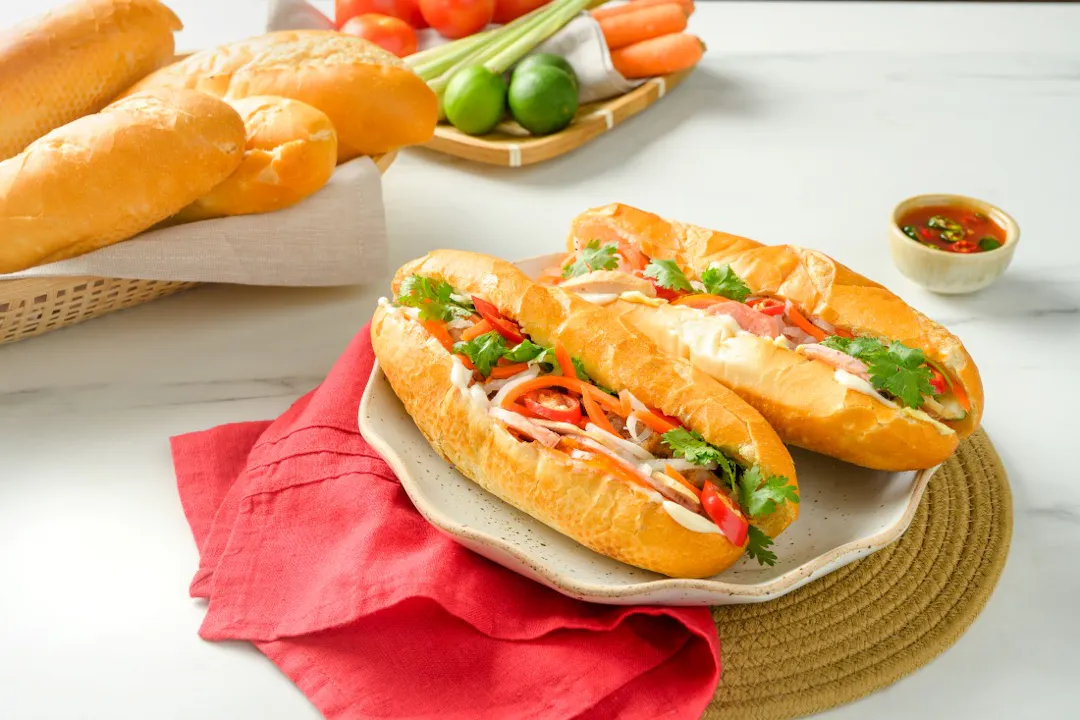
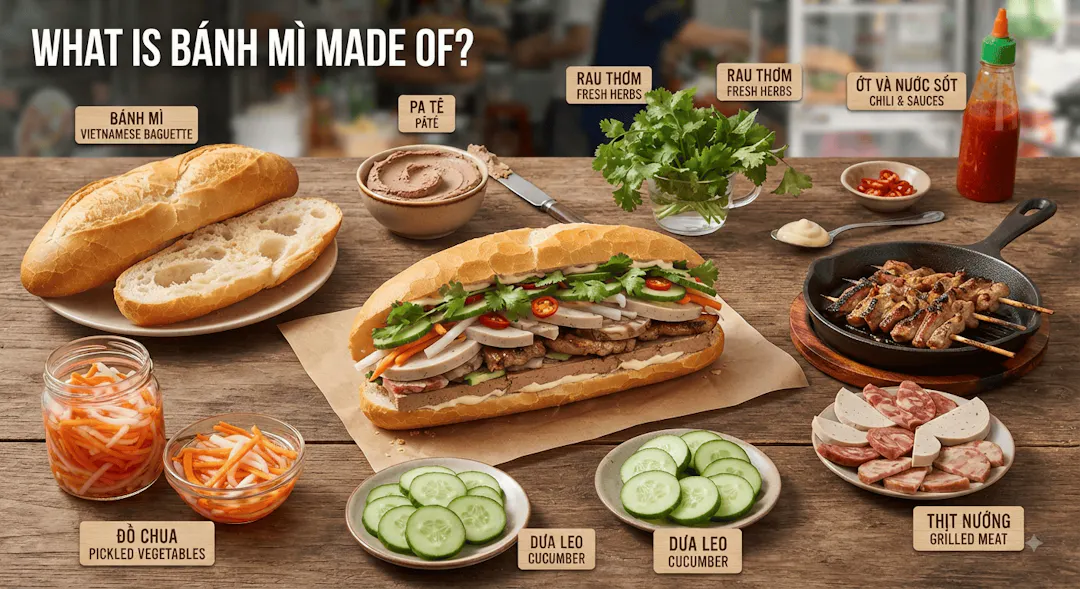
There is no single recipe for Bánh Mì. The ingredients vary depending on the region, vendor, and type of sandwich. A classic Bánh Mì may include several of the following components.
Bánh Mì Bread
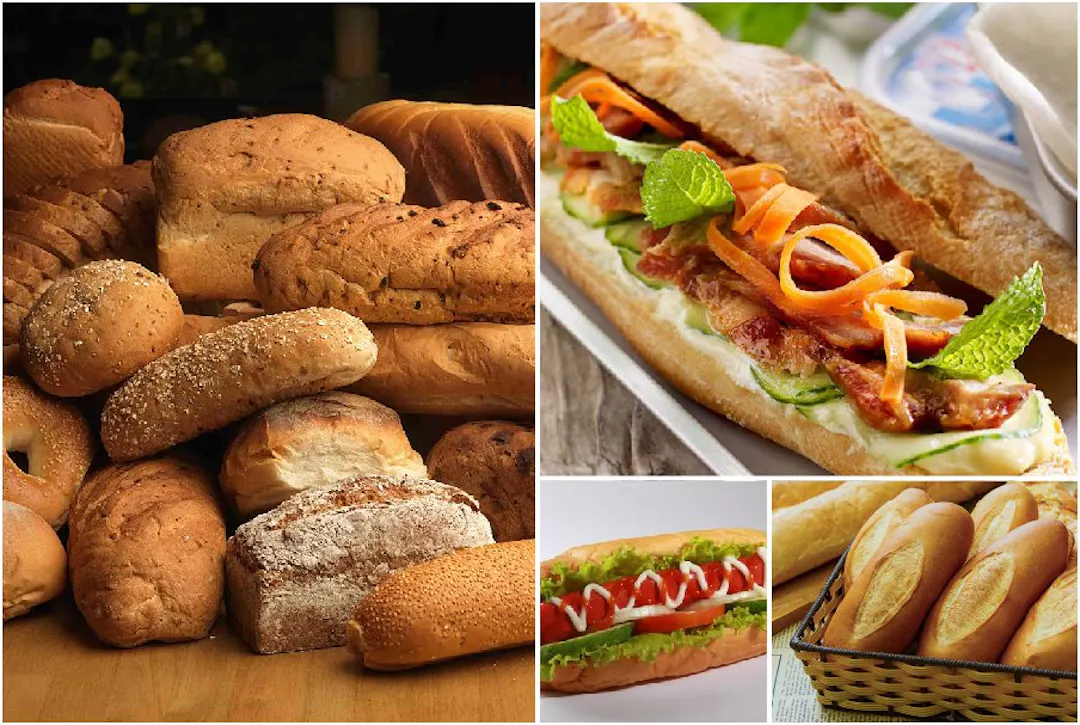
The bread is one of the defining elements of the sandwich. Vietnamese Bánh Mì bread is generally light, crisp on the outside, and airy inside. It is usually shorter and lighter than the classic French baguette, making it easier to hold and suitable for generous fillings. The crisp crust provides texture, while the soft interior absorbs pâté, sauces, and juices from the fillings. Freshness is particularly important. A Bánh Mì is at its best when the bread has recently been baked or reheated and still has a crisp crust.
Pâté
Pâté is a traditional ingredient in many classic Bánh Mì combinations. Vietnamese-style pork liver pâté adds richness and a smooth, savory flavor. It is often spread directly inside the bread before the other ingredients are added. Its creamy texture also works well with the crisp baguette and acidic pickled vegetables.
Vietnamese Cold Cuts
Traditional Bánh Mì often includes Vietnamese pork-based cold cuts. One of the most familiar is chả lụa, a smooth steamed pork sausage traditionally wrapped in banana leaves. Other combinations may include different pork cuts, headcheese, or cured and seasoned meats. These ingredients form the foundation of many traditional combination sandwiches.
Grilled Meat
Modern Bánh Mì shops offer a wide range of grilled meat fillings. Popular choices include:
- Grilled pork
- Char siu-style pork
- Grilled chicken
- Grilled beef
- Pork meatballs
- Lemongrass-marinated meats
Grilled fillings add smoky, caramelized flavors that contrast particularly well with fresh herbs and pickled vegetables.
Pickled Vegetables
One of the most important elements in Bánh Mì is đồ chua, a mixture of lightly pickled vegetables. Carrot and daikon radish are commonly cut into thin strips and pickled with a mixture containing vinegar, sugar, and salt. The vegetables add acidity, sweetness, freshness, and crunch. They also balance the richness of meats, pâté, and mayonnaise.
Cucumber
Fresh cucumber provides another layer of crunch and coolness. It helps balance rich fillings and adds moisture without making the sandwich feel overly heavy.
Fresh Herbs
Fresh herbs are essential to the flavor of many Bánh Mì sandwiches. Cilantro is especially common, adding a bright herbal aroma. Depending on the vendor and filling, other fresh herbs or vegetables may also be included.
Chili and Sauces
Chili is often added for heat, although not every Bánh Mì is spicy. Sauces can include mayonnaise, soy-based seasoning, chili sauce, meat juices, or other house-made sauces. The combination of savory, sweet, acidic, herbal, and spicy flavors is one of the characteristics that makes Bánh Mì distinctive.
What Does Bánh Mì Taste Like?
Bánh Mì is best understood as a combination of contrasting flavors and textures rather than a single flavor profile.
A traditional meat-filled sandwich can be:
- Savory from the meat and pâté
- Rich from pâté and mayonnaise
- Tangy from pickled vegetables
- Fresh from cucumber and herbs
- Slightly sweet from sauces or pickles
- Spicy from fresh chili
- Crispy from the bread
The experience changes depending on the filling. A grilled pork Bánh Mì tends to be smoky and savory. A chicken version can be lighter and aromatic, while Bánh Mì Xíu Mại has a softer, saucier character from Vietnamese pork meatballs. This balance is central to the appeal of Bánh Mì. Rich ingredients are continually contrasted with fresh and acidic ones, preventing the sandwich from becoming overwhelmingly heavy.
Bánh Mì History: From French Influence to Vietnamese Street Food
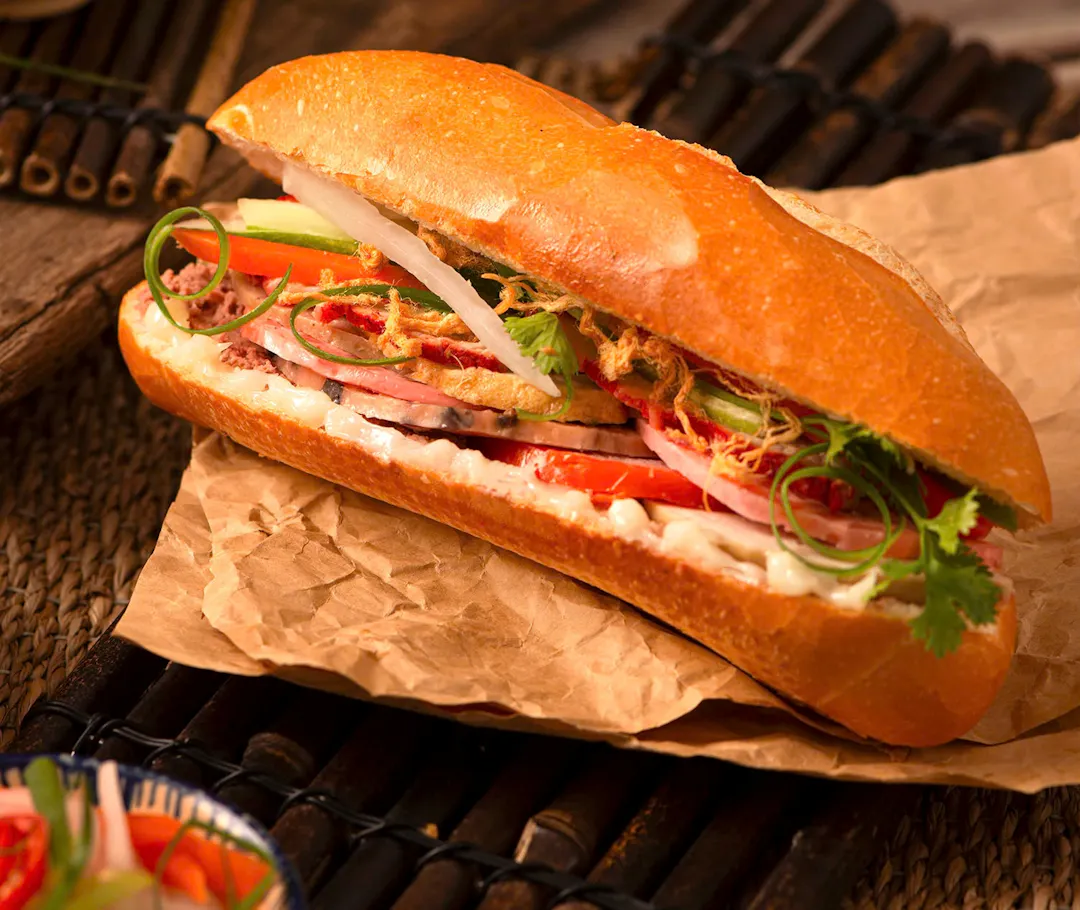
The history of Bánh Mì is closely connected to Vietnam's colonial period and the introduction of wheat-based bread.
French Influence
French colonial rule brought European foods and culinary techniques to Vietnam, including wheat bread and the baguette. At first, wheat flour and European-style bread were relatively unfamiliar and expensive compared with traditional Vietnamese staples such as rice. Over time, bread became increasingly integrated into Vietnamese urban food culture.
Vietnamese Adaptation
Vietnamese cooks and vendors did not simply reproduce the French baguette tradition. They adapted bread to local tastes and combined it with ingredients that were familiar and widely available in Vietnam. Pâté, Vietnamese pork products, grilled meats, pickled vegetables, fresh herbs, cucumber, chili, and local sauces became important components. This process transformed bread from a European-influenced food into a distinctly Vietnamese street-food experience.
The Rise of the Modern Bánh Mì
During the twentieth century, the filled Bánh Mì sandwich became increasingly popular as an affordable and convenient everyday meal. Street vendors helped spread different styles throughout Vietnamese cities and towns. Local ingredients and preferences led to regional variations, while the basic concept remained recognizable: a crisp bread roll packed with flavorful fillings and fresh vegetables. Today, Bánh Mì is both an everyday Vietnamese food and an internationally recognized symbol of Vietnamese cuisine.
Is Bánh Mì French or Vietnamese?
Bánh Mì has French colonial influences, but the sandwich itself is Vietnamese. The baguette-style bread reflects the historical introduction of French baking traditions. However, the way Vietnamese cooks developed the bread and combined it with pâté, Vietnamese cold cuts, grilled meats, pickled vegetables, herbs, cucumber, chili, and local sauces created a distinctive food of its own. It is therefore more accurate to describe Bánh Mì as a Vietnamese sandwich with historical French influence rather than simply a French baguette filled with Vietnamese ingredients. Its history is an example of how foods can change when culinary traditions meet, adapt, and become part of a new local culture.
Popular Types of Bánh Mì
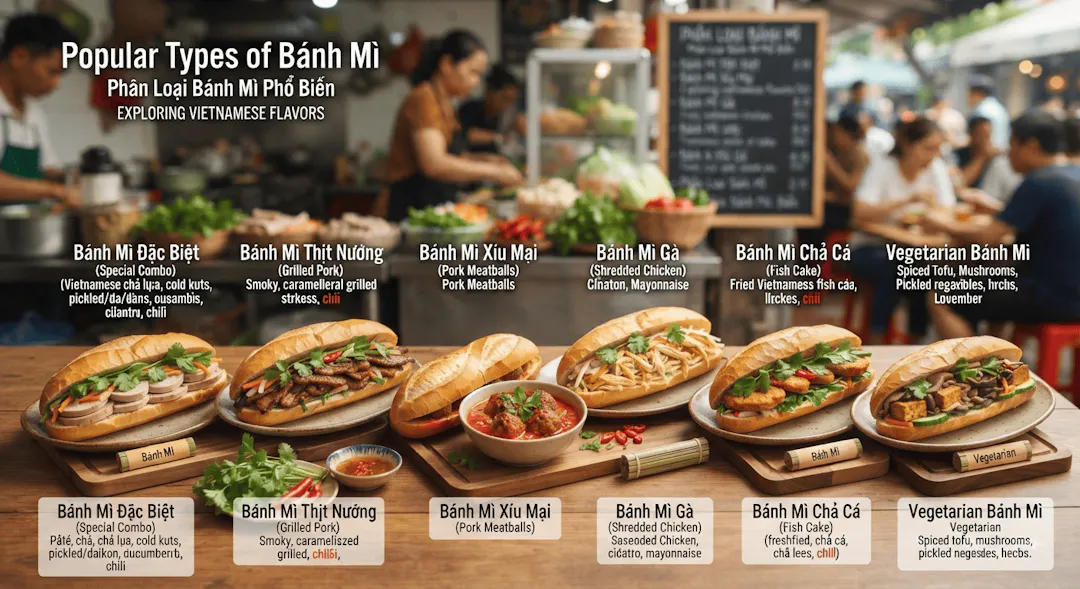
One of the most interesting things about Bánh Mì is the variety of fillings available throughout Vietnam.
Bánh Mì Đặc Biệt
Bánh Mì Đặc Biệt, or special combination Bánh Mì, usually brings together several traditional pork-based ingredients. Depending on the vendor, it may contain pâté, chả lụa, other Vietnamese cold cuts, headcheese, pickled vegetables, cucumber, cilantro, and sauces. It is a good choice for travelers who want to experience several classic Bánh Mì ingredients in one sandwich.
Bánh Mì Thịt Nướng
Bánh Mì Thịt Nướng features grilled meat, commonly pork, along with pickled vegetables, herbs, cucumber, and sauces. The grilled meat brings smoky and slightly caramelized flavors that work particularly well with the fresh ingredients.
Bánh Mì Xíu Mại
Bánh Mì Xíu Mại features Vietnamese pork meatballs, usually served with a savory sauce. Da Lat is particularly well known for its style of Xíu Mại, which is often served with the bread alongside a bowl or portion of warm meatball sauce. This makes it somewhat different from a standard enclosed sandwich.
Bánh Mì Gà
Bánh Mì Gà uses chicken as the main protein. Depending on the vendor, the chicken may be grilled, roasted, shredded, or seasoned with herbs and spices. It is often a lighter alternative to pork-heavy versions.
Bánh Mì Chả Cá
Bánh Mì Chả Cá uses Vietnamese fish cakes as the main filling. This style is particularly interesting in coastal areas where seafood is an important part of the local food culture. The combination of fish cake, herbs, pickles, chili, and bread creates a different flavor profile from traditional pork-based Bánh Mì.
Vegetarian Bánh Mì
Vegetarian Bánh Mì can include tofu, mushrooms, vegetables, plant-based proteins, or other meat-free fillings. These versions demonstrate how flexible the sandwich is and how easily its basic structure can accommodate different diets.
Regional Bánh Mì in Vietnam
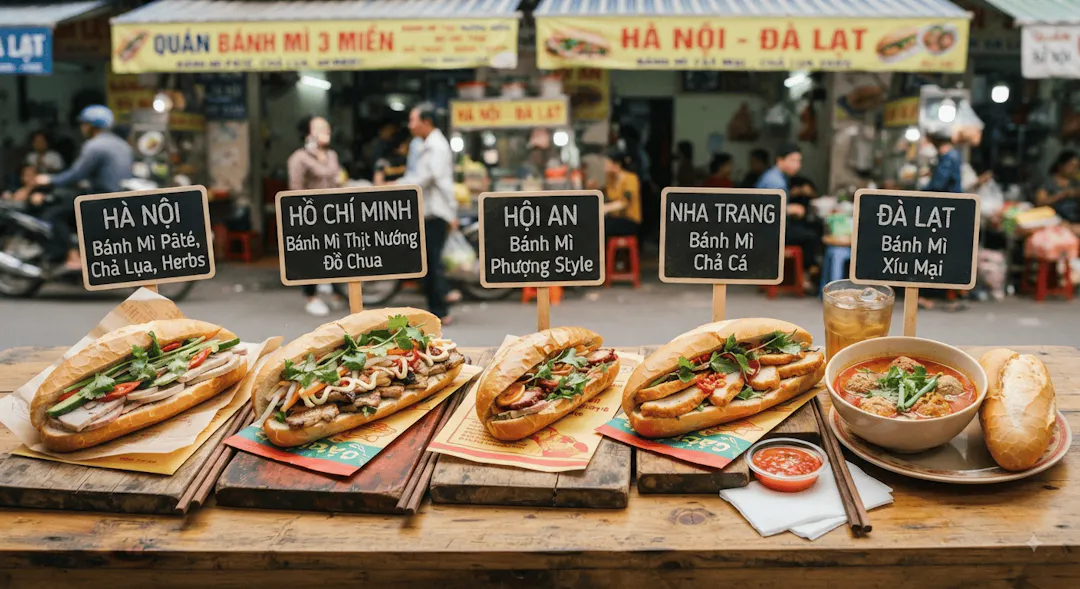
Although the basic concept is shared across Vietnam, the sandwich can vary significantly from one city and vendor to another.
Bánh Mì in Hanoi
Hanoi is known for traditional Vietnamese food with a strong emphasis on balance and straightforward flavors. Bánh Mì vendors in the capital offer a variety of combinations, including sandwiches based on pâté, Vietnamese cold cuts, grilled meats, and fresh vegetables. The best way to understand Hanoi's Bánh Mì culture is to try different local vendors rather than assuming there is one standardized recipe.
Bánh Mì in Ho Chi Minh City
Ho Chi Minh City has a particularly vibrant street-food culture, and Bánh Mì is one of its most familiar everyday foods. Visitors can find everything from traditional pork combinations to grilled meat, chicken, meatball, and modern variations. The city is an excellent place to explore the diversity of Bánh Mì because different neighborhoods and vendors often have their own combinations and sauces.
Hoi An Bánh Mì
Hoi An has developed a strong reputation for Bánh Mì, with local shops serving sandwiches featuring flavorful meat, pâté, pickled vegetables, herbs, and distinctive sauces. Its popularity among visitors makes Bánh Mì an important part of the city's food experience. For travelers visiting Hoi An, trying a local Bánh Mì is an easy way to experience Vietnamese street food between visits to the Ancient Town and surrounding countryside.
Bánh Mì in Nha Trang
As a coastal city, Nha Trang has access to abundant seafood and offers Bánh Mì variations using local ingredients. Fish cake fillings are particularly interesting for travelers who want to explore how Bánh Mì changes according to regional food traditions.
Bánh Mì in Da Lat
Da Lat is especially associated with Bánh Mì Xíu Mại. Instead of simply placing meatballs inside the bread, the dish is commonly served with warm pork meatballs and sauce alongside a crispy Bánh Mì roll. The cool highland climate and local food culture give this version a distinctive identity within Vietnam's Bánh Mì landscape.
How to Eat Bánh Mì
The simplest way to enjoy Bánh Mì is to eat it fresh. The bread is best when its crust is still crisp and the fillings are freshly assembled. Bite through the bread and fillings together so that the savory meat, pâté, pickles, herbs, and sauces balance one another. Bánh Mì is commonly eaten for breakfast, lunch, a quick snack, or a late-night meal. It also pairs naturally with Vietnamese drinks such as iced coffee with condensed milk or fresh sugarcane juice. When buying from a street vendor, look for a busy shop with a high turnover of bread and ingredients. Freshly prepared sandwiches are generally the most enjoyable.
Bánh Mì and Vietnamese Street Food Culture
Bánh Mì is more than a sandwich. It is part of Vietnam's everyday street-food culture. A typical Bánh Mì vendor can operate from a small cart or compact shop, preparing sandwiches quickly for commuters, students, workers, and travelers. The format is simple and practical: bread can be prepared in advance, fillings can be assembled quickly, and customers can eat the sandwich almost anywhere. This convenience helped Bánh Mì become one of Vietnam's most recognizable everyday foods. At the same time, the sandwich reflects Vietnamese culinary preferences for contrasting flavors. Rich meat and pâté are balanced with fresh herbs and cucumber, while acidic pickles cut through the richness and chili adds heat.
That combination of practicality, affordability, and flavor is a major reason Bánh Mì has remained so popular.
Where to Try Bánh Mì in Vietnam
Travelers can find Bánh Mì almost everywhere in Vietnam. For a broader food experience, consider trying it in several destinations rather than searching for a single “best” sandwich.
- Hanoi is a good place to explore traditional northern food culture.
- Ho Chi Minh City offers a huge range of street-food styles and fillings.
- Hoi An is particularly well known for its local Bánh Mì shops.
- Da Lat is an excellent destination for trying Bánh Mì Xíu Mại.
- Nha Trang offers opportunities to explore seafood-oriented variations.
The most memorable Bánh Mì experience may come from a small neighborhood vendor rather than a famous tourist destination. Look for places where locals regularly stop for freshly prepared sandwiches.
Conclusion
So, what is Bánh Mì?
It is a Vietnamese sandwich built around a crisp, light baguette and a carefully balanced combination of savory fillings, pâté, pickled vegetables, fresh herbs, cucumber, chili, and sauces.
Its story begins with French influence but continues through Vietnamese adaptation. Local cooks transformed bread into an everyday street food that reflects Vietnam's ingredients, flavors, regional diversity, and food culture.
From a traditional pork-filled sandwich in Hanoi to a richly filled Bánh Mì in Ho Chi Minh City, a famous sandwich in Hoi An, or Xíu Mại Bánh Mì in Da Lat, every version offers a slightly different interpretation.
For travelers exploring Vietnam, trying Bánh Mì is one of the simplest and most rewarding ways to experience the country's street-food culture. The sandwich may be compact, but its combination of history, local ingredients, contrasting textures, and regional creativity tells a much bigger story about Vietnamese cuisine.

By Roy Trinh
Editor
Roy Trinh is a travel writer and destination expert at Go Visit Vietnam, dedicated to helping travelers discover the beauty, culture, and diversity of Vietnam. Through well-researched travel guides, practical itineraries, local insights, and authentic recommendations, Roy shares valuable information to inspire memorable journeys across the country. From vibrant cities and breathtaking landscapes to regional cuisine and cultural heritage, every guide is created to help visitors experience Vietnam with confidence and curiosity.
Frequently Asked Questions
What is Bánh Mì?
Bánh Mì is a Vietnamese sandwich made with a light, crisp baguette and fillings such as pâté, Vietnamese cold cuts, grilled meat, pickled vegetables, cucumber, cilantro, chili, and sauces.
What does Bánh Mì mean?
In Vietnamese, bánh mì refers to bread. In international food contexts, Bánh Mì commonly refers to the Vietnamese sandwich made with baguette-style bread and savory fillings.
What is Bánh Mì made of?
Bánh Mì can contain bread, pâté, Vietnamese cold cuts, grilled meat, chicken, meatballs, fish cakes, pickled carrot and daikon, cucumber, cilantro, chili, mayonnaise, and various sauces. The exact ingredients depend on the type and vendor.
What does Bánh Mì taste like?
Bánh Mì typically combines savory, rich, tangy, fresh, slightly sweet, and sometimes spicy flavors. The crispy bread contrasts with soft meat, pâté, pickled vegetables, herbs, and sauces.
Is Bánh Mì French or Vietnamese?
Bánh Mì has historical French influences because baguette-style bread was introduced during the colonial period. However, the filled sandwich itself is a distinctly Vietnamese creation that developed through local adaptation.
What bread is used for Bánh Mì?
Bánh Mì is usually made with a light, crisp Vietnamese-style baguette. It typically has a thin crust and an airy interior.
What are the most popular Bánh Mì fillings?
Popular fillings include pâté, chả lụa, other Vietnamese cold cuts, grilled pork, chicken, pork meatballs, fish cakes, and vegetarian ingredients.
Is Bánh Mì spicy?
Bánh Mì is not necessarily spicy. Fresh chili or chili sauce can be added according to personal preference and the vendor's recipe.
Is Bánh Mì healthy?
The nutritional value depends on the bread size, meat, pâté, mayonnaise, sauces, and other ingredients. A sandwich with lean protein and plenty of vegetables may be lighter than one containing larger amounts of processed meat and rich sauces.
Where can I find Bánh Mì in Vietnam?
Bánh Mì is widely available throughout Vietnam, particularly in Hanoi, Ho Chi Minh City, Hoi An, Da Lat, Nha Trang, and other cities and towns. Street vendors, bakeries, cafés, and small neighborhood shops commonly sell it.
Advertising box
Discover More About Vietnamese Banh Mi
Explore the rich world of Vietnamese Banh Mi through our in-depth guides covering its history, regional varieties, legendary sandwich shops, nutrition facts, and local food culture. Whether you're planning a culinary adventure in Vietnam or simply want to learn more about this world-famous sandwich, you'll find expert insights, travel tips, and authentic recommendations here.

The History of Banh Mi: How a French Baguette Became a Vietnamese Icon
Banh Mi is one of the world's most famous sandwiches, blending French culinary influence with distinctly Vietnamese flavors. What began as a simple colonial-era baguette gradually evolved into a uniquely Vietnamese creation filled with local meats, herbs, pickled vegetables, and sauces. Today, Banh Mi is celebrated worldwide as a symbol of Vietnam's vibrant street food culture. This guide explores the fascinating history of Banh Mi, its origins, cultural evolution, and how it became one of Vietnam's most beloved culinary icons.
Where to Eat the Best Banh Mi in Vietnam: Top Legendary Cart & Bakery Spots
Vietnam is home to countless Banh Mi vendors, but a few legendary carts and bakeries have earned worldwide recognition for their exceptional sandwiches. From Ho Chi Minh City's famous Banh Mi Huynh Hoa to Hoi An's iconic Banh Mi Phuong and beloved neighborhood bakeries in Hanoi and Da Nang, each destination offers its own signature flavors. This guide highlights the best places to enjoy authentic Banh Mi in Vietnam and the unique stories behind these iconic street food institutions.
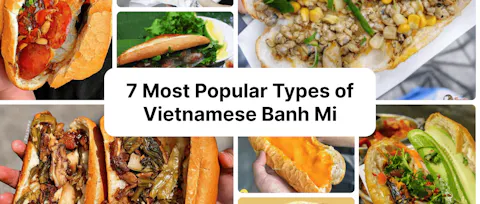
7 Most Popular Types of Vietnamese Banh Mi
Vietnamese Banh Mi comes in far more varieties than many travelers realize. While the classic combination of paté and cold cuts remains a favorite, regional specialties featuring grilled pork, meatballs, shredded chicken, sardines, eggs, and vegetarian fillings are equally delicious. Every version highlights the perfect balance of crispy baguette, fresh herbs, pickled vegetables, and flavorful ingredients. This guide introduces seven of the most popular types of Vietnamese Banh Mi that every food lover should experience.
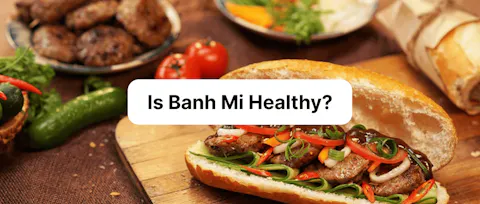
Is Banh Mi Healthy? Calories, Nutrition, and Vegan Options
Banh Mi is one of Vietnam's most popular street foods, combining a crispy baguette with flavorful fillings, fresh vegetables, herbs, and sauces. While often considered an indulgent sandwich, its nutritional value depends on the ingredients and portion size. This guide explores Banh Mi calories, protein, carbohydrates, fat, sodium, and vegan-friendly alternatives. You'll also learn practical tips for enjoying this iconic Vietnamese sandwich as part of a healthy, balanced diet without sacrificing its delicious flavors.