
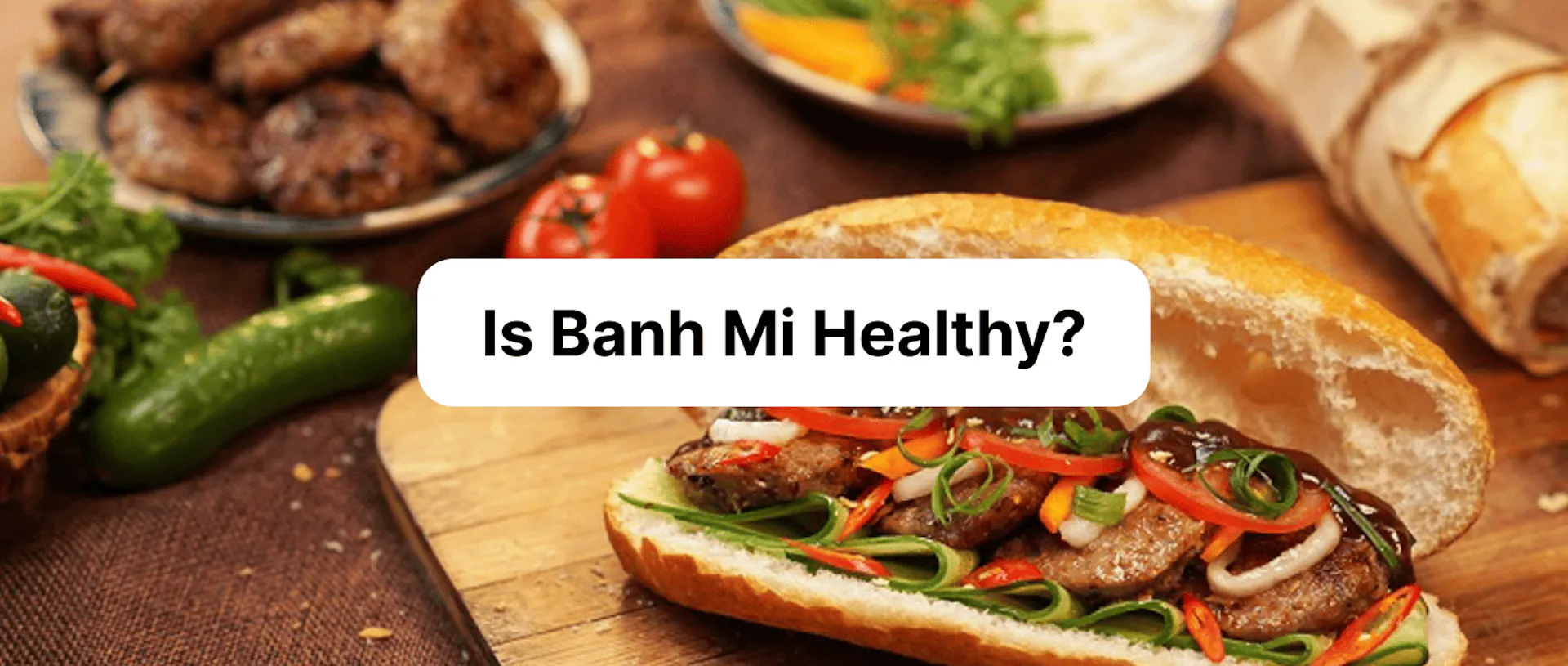
Is Banh Mi Healthy? Calories, Nutrition, and Vegan Options
Banh Mi is one of Vietnam's most popular street foods, combining a crispy baguette with flavorful fillings, fresh vegetables, herbs, and sauces. While often considered an indulgent sandwich, its nutritional value depends on the ingredients and portion size. This guide explores Banh Mi calories, protein, carbohydrates, fat, sodium, and vegan-friendly alternatives. You'll also learn practical tips for enjoying this iconic Vietnamese sandwich as part of a healthy, balanced diet without sacrificing its delicious flavors.
On this page
The global obsession with fast-casual dining has precipitated a critical evaluation of convenience foods, driving a massive consumer demand for fresh, nutrient-dense alternatives capable of sustaining modern metabolic needs. As health-conscious individuals increasingly scrutinize the macronutrient profiles of their midday meals, the spotlight has inevitably shifted toward Southeast Asian street food staples. Consequently, a persistent and highly relevant question arises within wellness communities: Is Banh Mi healthy? While often erroneously categorized alongside heavy, hyper-processed Western fast food, a traditional Vietnamese sandwich offers a remarkably balanced nutritional profile. This culinary icon masterfully combines lean proteins, complex carbohydrates, and an unparalleled abundance of fresh, vitamin-rich vegetables, establishing a structural paradigm that strongly supports sustained energy release. Furthermore, the inherent adaptability of this historic sandwich has facilitated the seamless integration of versatile plant-based options, perfectly aligning with contemporary dietary trends. By rigorously analyzing the specific components—from the unique rice-flour baguette to the fermented botanical garnishes—we can objectively evaluate its physiological impact and demonstrate how this vibrant street food effectively bridges the gap between historical culinary heritage and optimal modern wellness.
The Nutritional Edge: Is Banh Mi Healthy Compared to the Western Burger?
The Vegetable Advantage
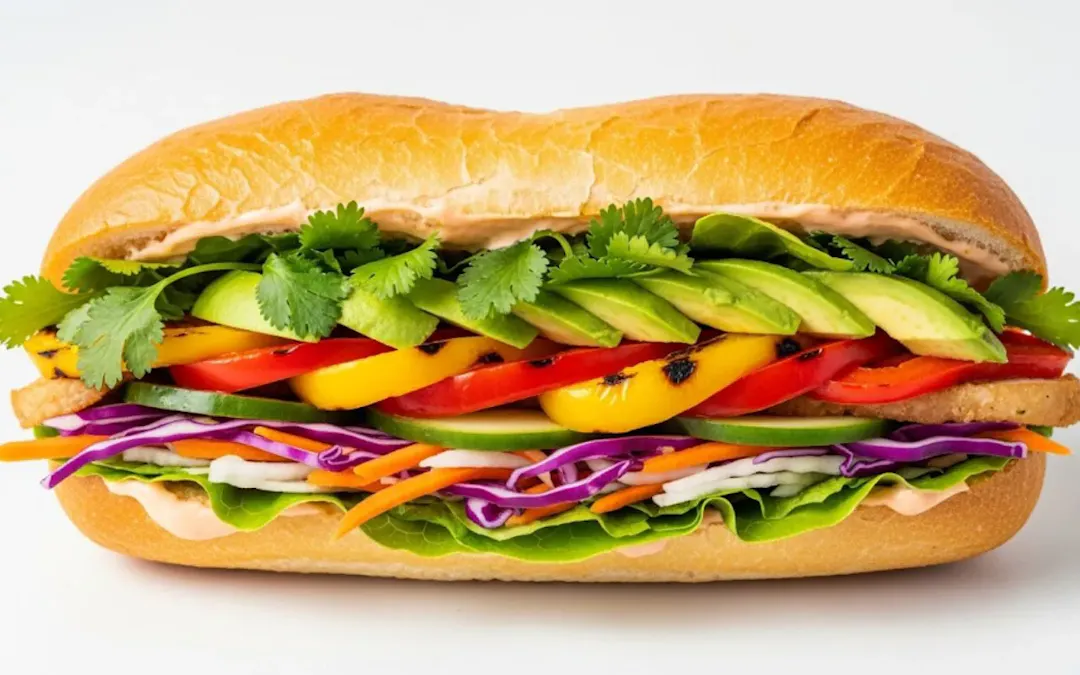
When conducting a comparative nutritional analysis between traditional Southeast Asian street food and standard Western fast-casual offerings, specifically examining Banh Mi vs hamburger nutrition, the most profound divergence lies in the aggressive integration of raw botanicals. Understanding the healthy Vietnamese sandwich requires acknowledging the crucial role of fresh herbs, prominently featuring cilantro and cucumber, alongside the mandatory inclusion of pickled vegetables, locally referred to as đồ chua. These ingredients are not merely decorative garnishes; they provide essential raw dietary fiber, bioavailable vitamins, and active digestive enzymes that fundamentally alter the physiological impact of the meal. This specific phytochemical diversity introduces a massive volume of water and fiber, which actively lowers the overall glycemic load of the sandwich by slowing the gastric emptying process. In direct contrast to the heavy, meat-and-cheese-centric architecture of the standard Western burger, which often relies on a single wilted leaf of lettuce and a sugary condiment for contrast, the Vietnamese approach prioritizes a massive, crisp vegetable volume. This strategic inclusion ensures that the diner consumes a significant portion of their daily micronutrient requirements while simultaneously facilitating optimal gastrointestinal motility.
The Lighter Bread Structure
The foundational carbohydrate vessel further distinguishes this meal from its Western counterparts. The authentic Vietnamese baguette is engineered with a highly specific blend of high-protein wheat and local rice flour. This meticulous technological adaptation results in a uniquely airy crumb and a shatteringly crisp exterior crust. From a nutritional perspective, this structure is vastly superior to the dense, heavily enriched, and butter-laden brioche buns that dominate the Western burger landscape. The incorporation of rice flour significantly reduces the overall density of the bread, thereby providing a lighter carbohydrate experience that mitigates the lethargy commonly associated with consuming massive volumes of dense, refined wheat. This architectural brilliance ensures that the carbohydrate component acts as a delicate, structural support system rather than a heavy, overwhelming caloric anchor, allowing the highly seasoned proteins and fresh vegetables to dominate the sensory and nutritional profile of the meal.
Macronutrient Balance
Evaluating the typical composition of a standard sandwich reveals a highly effective macronutrient equilibrium designed to sustain physical labor in a challenging tropical climate. The architecture provides a moderate, highly bioavailable amount of protein sourced from traditional cold cuts, slow-roasted pork, or grilled chicken. Healthy fats are introduced through a very light, measured spread of rich liver pate or egg yolk mayonnaise, providing necessary lipids for the absorption of fat-soluble vitamins present in the vegetable garnishes. Finally, the complex carbohydrates derived from the blended-flour baguette supply the necessary glucose for immediate cognitive and physical energy. This precise ratio completely avoids the disproportionate, overwhelming fat and carbohydrate loads typical of Western fast food. By maintaining this strict proportional discipline, the sandwich functions as a highly efficient, metabolically supportive meal that successfully staves off hunger without inducing the severe post-prandial somnolence associated with heavily processed, calorically dense alternatives.
Breaking Down the Calorie Count: Is Banh Mi Healthy for Weight Management?
The Mathematics of the Sandwich
To accurately determine if this celebrated culinary export aligns with stringent modern dietary goals, one must rigorously deconstruct the calories in a Banh Mi found within a standard commercial serving. Reviewing the foundational Banh Mi nutrition facts, a typical, traditional iteration generally ranges between four hundred and fifty to six hundred kilocalories, firmly positioning it as a moderate-impact, highly satiating lunch option. This specific caloric estimation heavily relies on the precise proportions of its constituent elements. The blended-flour baguette contributes approximately two hundred to two hundred and fifty calories of carbohydrates. The lean protein sources—such as grilled pork or steamed chicken—supply roughly one hundred and fifty to two hundred calories, depending on the rendering of the fat. The remaining caloric load is derived from the light application of rich spreads and the negligible, yet highly fibrous, vegetable components. Understanding this specific mathematical breakdown is critical for individuals meticulously tracking their daily macronutrient expenditures, demonstrating that the sandwich provides substantial volume and profound flavor without severely compromising a disciplined caloric budget.
The Sodium and Fat Consideration
Despite the highly favorable caloric footprint and impressive micronutrient density, a transparent, expert-level analysis must directly address the sodium content inherent in the traditional flavor profile. The complex, deeply umami-driven taste architecture relies heavily on the application of cured meats, fermented liver pates, and intensely savory condiments, specifically concentrated soy sauce or Maggi seasoning. While these ingredients provide incredibly complex amino acid structures, they concurrently deliver a substantial sodium payload that requires careful monitoring. For individuals proactively managing their cardiovascular health or struggling with hypertension, this influx of sodium can provoke acute extracellular fluid retention. To optimize the meal for stringent cardiovascular parameters, health-conscious diners must actively balance these savory elements, potentially requesting a lighter application of the dark seasoning sauces and relying more heavily on the natural, sharp acidity of the pickled daikon and carrots to provide the necessary flavor contrast without inflating the sodium metric.
Customizing for Your Goals
The inherent, modular construction of the sandwich provides a remarkable opportunity for aggressive dietary customization, empowering the consumer to modify their order to precisely fit specific caloric and fitness objectives. To maximize the meal's macronutrient efficiency, diners can instruct the vendor to significantly reduce or entirely omit the heavy mayonnaise and rich pate, instantly eliminating a substantial portion of the saturated fats. Furthermore, requesting a double portion of the fresh cilantro, cucumber, and pickled vegetables dramatically increases the physical volume and raw dietary fiber of the meal, promoting profound satiety without adding measurable calories. For athletes requiring enhanced muscle recovery, selecting lean grilled chicken over the traditional fatty cold cuts optimizes the protein-to-fat ratio. By actively engaging with the vendor and dictating the specific proportions of the ingredients, the educated consumer effortlessly transforms a standard street food item into a highly calibrated, performance-enhancing nutritional asset.
The Plant-Based Revolution: Is Banh Mi Healthy in its Vegan Form?
The Rise of Vegan Vietnamese Cuisine
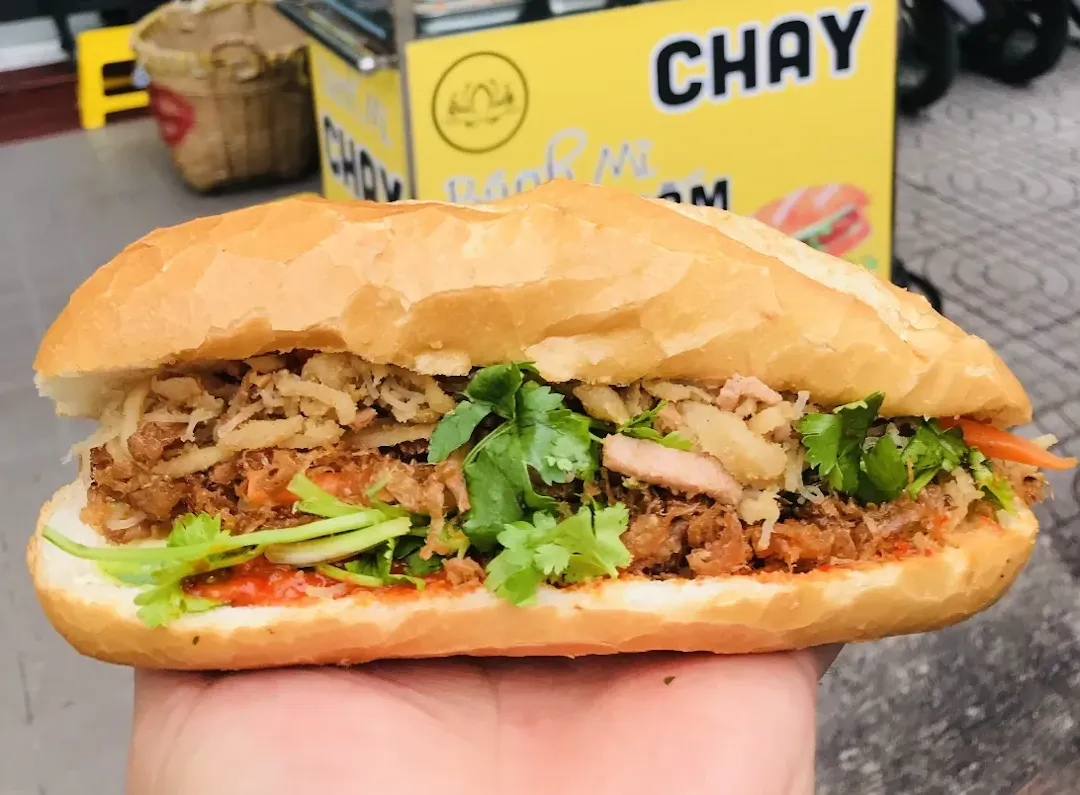
The contemporary global shift toward plant-based diets has seamlessly integrated with the deep, historical roots of Vietnamese culinary philosophy. The rising prominence of vegan Banh Mi options is not a modern, artificial compromise, but rather a natural, flavorful evolution deeply influenced by centuries of traditional Buddhist dietary practices. Throughout Vietnam, vegetarianism possesses a rich, highly sophisticated gastronomic lineage characterized by the masterful manipulation of plant proteins and intense aromatics. Consequently, adapting the iconic sandwich for modern vegan dieters does not require sacrificing the complex flavor profile or the crucial textural contrasts that define the original masterpiece. Instead, it relies on leveraging indigenous, plant-based ingredients to successfully replicate and often elevate the intense, savory satisfaction expected from the traditional meat-centric variations, offering a superior nutritional profile characterized by zero cholesterol and massive phytochemical diversity.
Tofu and Mushroom Mastery
Replacing the traditional cold cuts requires profound culinary expertise to ensure the plant-based adaptation maintains the required structural integrity and umami intensity. The successful execution of a vegan sandwich relies heavily on the masterful preparation of highly porous, adaptable proteins. Firm tofu, when meticulously pressed to remove excess moisture and aggressively pan-seared with crushed lemongrass, minced garlic, and dark soy sauce, provides a formidable, satisfying chew that mimics the density of roasted meats. Alternatively, the utilization of king oyster mushrooms represents the absolute pinnacle of vegan street food innovation. When these dense, fibrous mushrooms are slowly braised in a rich, five-spice reduction and shredded, they offer an uncanny textural similarity to slow-cooked pulled pork. These specialized preparations ensure that the crucial, savory core of the sandwich remains entirely intact, delivering a massive dose of clean, highly digestible plant protein without the heavy saturated fats associated with animal products.
Plant-Based Spreads and Sauces
The final, critical hurdle in engineering a flawless plant-based iteration involves successfully substituting the rich, lipid-heavy traditional spreads—specifically the liver pate and egg yolk butter—that provide the essential internal moisture for the dry baguette. Modern culinary artisans have developed incredibly rich, wholesome alternatives that maintain the sandwich's luxurious mouthfeel. Smashed avocado provides a dense, nutrient-rich source of monounsaturated fats that perfectly coats the bread's crumb. More traditional approaches utilize a highly savory, slow-cooked mung bean paste blended with roasted shallot oil, which astonishingly replicates the earthy, profound depth of traditional pork pate. Additionally, rich, mushroom-based reductions and vegan mayonnaise ensure that the sandwich remains deeply flavorful and satisfyingly moist. By employing these sophisticated, plant-based substitutions, chefs guarantee that the vegan variation stands proudly as an independent, highly complex culinary achievement, completely satisfying the stringent demands of the modern health-conscious palate.
Practical Guide for Health-Conscious Foodies
Identifying Quality Ingredients
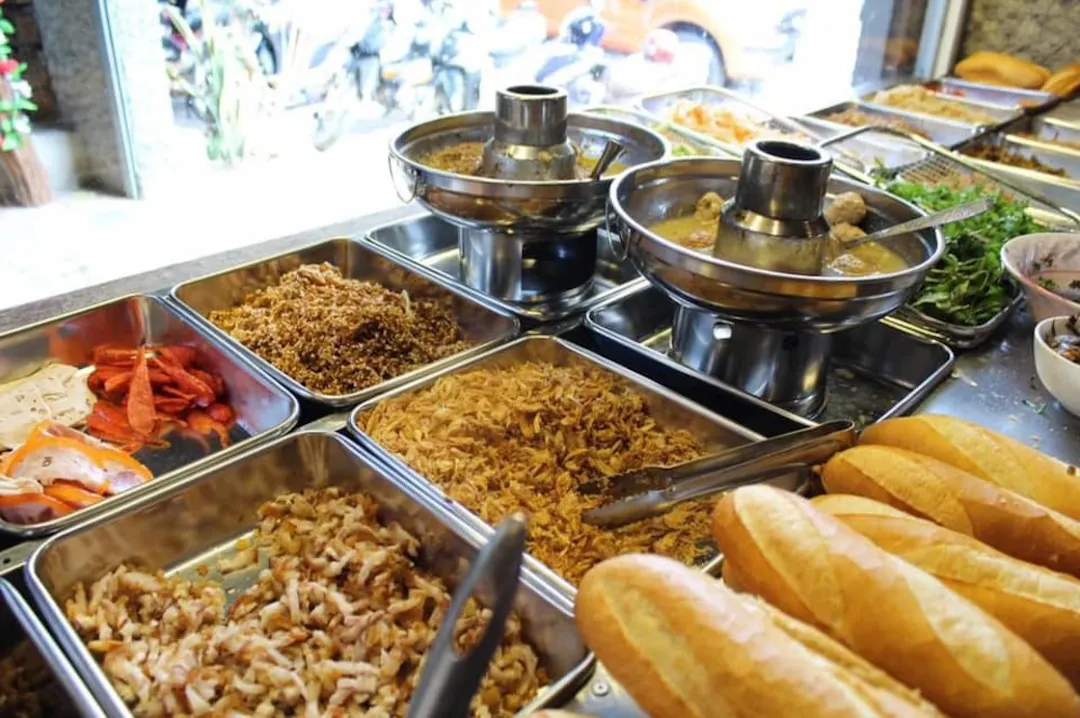
To ensure that the immense health benefits of this culinary tradition are fully realized, consumers must educate themselves on how to identify absolute quality and establish strong culinary trustworthiness within a crowded commercial marketplace. When evaluating a potential vendor or bakery, the discerning diner must prioritize establishments that visibly focus on the absolute freshness of their raw botanical components. The cilantro should be vibrant and crisp, entirely devoid of wilting, and the pickled vegetables must possess a sharp, bright snap indicating recent, active fermentation rather than prolonged industrial storage. Furthermore, prioritize bakeries that explicitly advertise house-made, chemical-free components, particularly regarding their roasted meats and proprietary sauces. Establishments that meticulously roast their own proteins and craft their own marinades are significantly less likely to rely on the synthetic preservatives, artificial flavor enhancers, and excessive sodium loads that frequently plague mass-produced, commercialized street food operations.
Mindful Consumption
Ultimately, maximizing the physiological benefits requires adopting a philosophy of mindful consumption that respects both historical tradition and modern wellness paradigms. This sandwich is designed to be a highly textured, complex sensory experience, not a rapid, mindless infusion of calories. By deliberately slowing the pace of consumption, the diner allows the sharp acidity of the pickles, the intense botanical heat of the herbs, and the savory depth of the protein to fully register on the palate. This intentional, focused appreciation naturally prevents over-consumption and allows the brain adequate time to process crucial satiety signals. When approached with this deliberate, mindful methodology, the sandwich functions precisely as intended: a perfectly balanced, whole-food meal that seamlessly supports sustained physical energy, mental clarity, and profound, long-term metabolic health.
In summary, determining whether Is Banh Mi healthy is met with a resounding, scientifically validated affirmation, provided the consumer exercises mindful portion control and prioritizes high-quality, fresh ingredients. This iconic creation is a brilliant, enduring example of functional, vegetable-rich fast food that can easily and efficiently fit into a stringent healthy lifestyle, effectively bridging the gap between convenience and optimal nutrition. Whether enjoyed in its classic, protein-dense form or through highly innovative, umami-rich vegan adaptations, it consistently delivers a masterclass in macronutrient equilibrium. I strongly encourage you to step outside standard dietary routines, seek out a vibrant plant-based variation, or thoughtfully craft a balanced classic in your own kitchen to experience this incredible nutritional synergy firsthand.
Read more: Banh Mi Vietnam
Frequently Asked Questions About Banh Mi Nutrition
Is Banh Mi considered healthy?
Banh Mi can be a balanced meal when made with lean protein, fresh vegetables, herbs, and moderate amounts of sauce. Its nutritional value depends on the fillings, bread size, and portion, so healthier choices are easy to make.
How many calories are in a Banh Mi?
A typical Banh Mi contains approximately 400–700 calories, depending on the type of filling, amount of pâté, butter, mayonnaise, and the size of the baguette.
Does Banh Mi provide enough protein?
Yes. Meat-filled Banh Mi often provides 20–30 grams of protein, especially those made with grilled pork, chicken, or beef. Vegetarian versions can also be protein-rich when prepared with tofu or plant-based ingredients.
Are there vegan or vegetarian Banh Mi options?
Absolutely. Many Vietnamese restaurants offer Banh Mi Chay, featuring tofu, mushrooms, plant-based pâté, fresh vegetables, herbs, and flavorful sauces, making it a satisfying vegan-friendly choice.
How can I make Banh Mi a healthier meal?
Choose lean grilled meats or tofu, request less mayonnaise and butter, add extra vegetables and herbs, and enjoy the sandwich with fresh fruit or soup instead of sugary drinks for a more balanced meal.
Advertising box
Discover More About Vietnamese Banh Mi
Explore the rich world of Vietnamese Banh Mi through our in-depth guides covering its history, regional varieties, legendary sandwich shops, nutrition facts, and local food culture. Whether you're planning a culinary adventure in Vietnam or simply want to learn more about this world-famous sandwich, you'll find expert insights, travel tips, and authentic recommendations here.

The History of Banh Mi: How a French Baguette Became a Vietnamese Icon
Banh Mi is one of the world's most famous sandwiches, blending French culinary influence with distinctly Vietnamese flavors. What began as a simple colonial-era baguette gradually evolved into a uniquely Vietnamese creation filled with local meats, herbs, pickled vegetables, and sauces. Today, Banh Mi is celebrated worldwide as a symbol of Vietnam's vibrant street food culture. This guide explores the fascinating history of Banh Mi, its origins, cultural evolution, and how it became one of Vietnam's most beloved culinary icons.
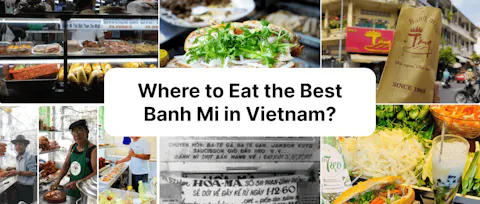
Where to Eat the Best Banh Mi in Vietnam: Top Legendary Cart & Bakery Spots
Vietnam is home to countless Banh Mi vendors, but a few legendary carts and bakeries have earned worldwide recognition for their exceptional sandwiches. From Ho Chi Minh City's famous Banh Mi Huynh Hoa to Hoi An's iconic Banh Mi Phuong and beloved neighborhood bakeries in Hanoi and Da Nang, each destination offers its own signature flavors. This guide highlights the best places to enjoy authentic Banh Mi in Vietnam and the unique stories behind these iconic street food institutions.
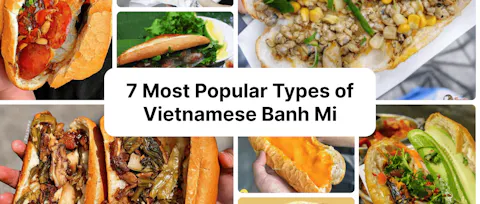
7 Most Popular Types of Vietnamese Banh Mi
Vietnamese Banh Mi comes in far more varieties than many travelers realize. While the classic combination of paté and cold cuts remains a favorite, regional specialties featuring grilled pork, meatballs, shredded chicken, sardines, eggs, and vegetarian fillings are equally delicious. Every version highlights the perfect balance of crispy baguette, fresh herbs, pickled vegetables, and flavorful ingredients. This guide introduces seven of the most popular types of Vietnamese Banh Mi that every food lover should experience.
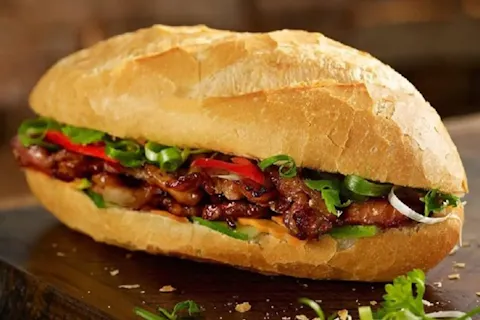
What Is Bánh Mì? Vietnam's Iconic Sandwich Explained
Bánh Mì is one of Vietnam's most recognizable street foods, combining a light, crispy baguette with savory fillings, pâté, pickled vegetables, fresh herbs, cucumber, chili, and flavorful sauces. While its bread has French colonial roots, Vietnamese cooks transformed it into a distinctive sandwich with regional styles and ingredients. From traditional pork-filled Bánh Mì in Hanoi and Ho Chi Minh City to Xíu Mại in Da Lat and local variations in Hoi An, this guide explores its history, ingredients, flavors, types, and cultural significance.