
- Destinations
Northern Vietnam
Central Vietnam
- Attractions
Categories
World Heritage
Historical & Cultural
- Things To Do
Categories
- Food & Drink
Categories
Vietnamese Dishes
- Travel & Planning
Categories
- Inspiration
Categories
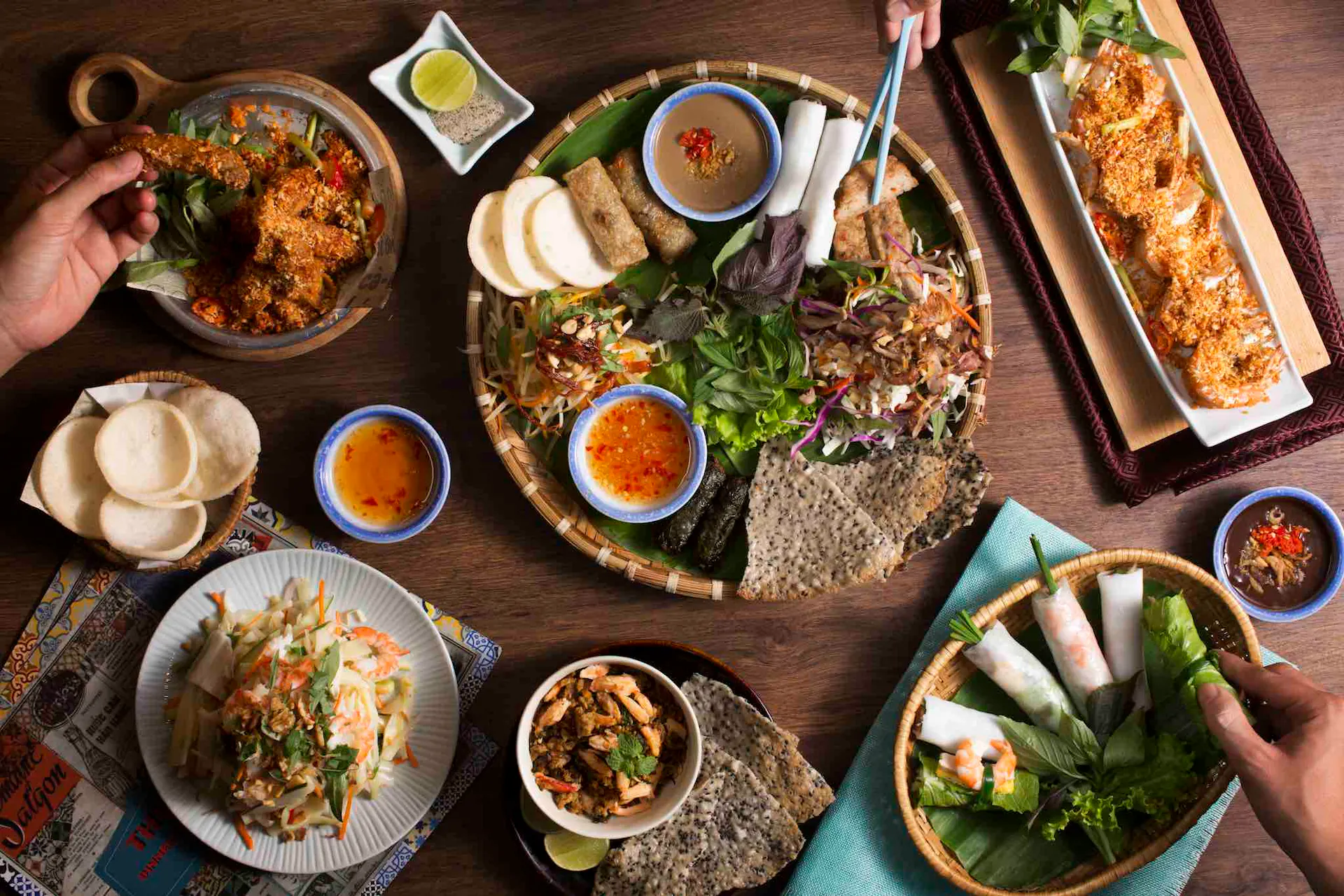
Vietnamese cuisine is celebrated worldwide for its fresh ingredients, balanced flavors, and incredible regional diversity. From the aromatic pho of the north and spicy specialties of central Vietnam to the vibrant tropical flavors of the south, every destination offers unique culinary traditions. Explore authentic street food, family recipes, seafood delicacies, traditional desserts, local drinks, and unforgettable dining experiences that showcase why Vietnam is considered one of Asia's greatest food destinations.
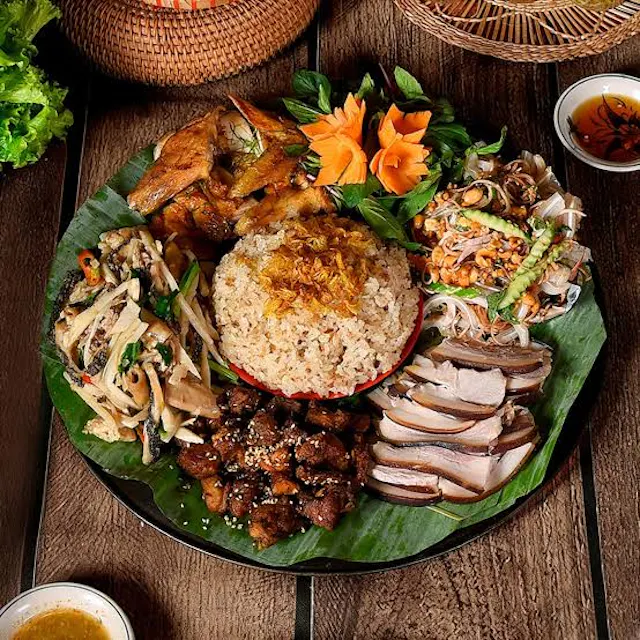
Vietnamese cuisine is one of the country's greatest cultural treasures, offering an incredible variety of flavors, ingredients, and cooking traditions that have evolved over thousands of years. Every meal reflects the influence of geography, climate, history, and local customs, making food an essential part of every journey through Vietnam.
One of the defining characteristics of Vietnamese cuisine is its emphasis on freshness and balance. Herbs, vegetables, rice, seafood, meats, and aromatic spices are combined to create dishes that are flavorful without being overly heavy. Sweet, sour, salty, spicy, and umami elements often work together in perfect harmony, creating meals that are both satisfying and healthy.
Each region has developed its own unique culinary identity. Northern Vietnam is known for delicate flavors and iconic dishes such as pho, bun cha, and cha ca. Central Vietnam offers bold spices, imperial cuisine, and regional favorites like bun bo Hue and mi Quang. Southern Vietnam embraces sweeter flavors, tropical fruits, fresh seafood, and vibrant street food influenced by the fertile Mekong Delta.
Street food plays an important role in everyday life. Small roadside stalls, bustling night markets, and family-run eateries serve authentic local specialties that often become unforgettable travel experiences. From freshly grilled seafood and crispy banh xeo to steaming noodle soups and colorful desserts, every destination introduces visitors to something new.
Vietnam is also famous for its coffee and beverage culture. Traditional Vietnamese coffee, egg coffee, lotus tea, sugarcane juice, and fresh tropical fruit drinks perfectly complement the country's diverse cuisine and reflect regional traditions.
Beyond restaurants and cafés, culinary experiences can include cooking classes, local food tours, floating markets, traditional craft villages, and visits to farms or fishing communities. These experiences provide deeper insight into Vietnam's culture while allowing travelers to connect with local people through food.
Our Cuisine in Vietnam guides introduce regional specialties, iconic dishes, hidden local restaurants, seafood experiences, traditional drinks, street food, and authentic culinary adventures from every corner of the country. Whether you're a passionate foodie or simply curious to taste Vietnam's incredible flavors, these guides will help you experience one of the world's most exciting food cultures—one unforgettable meal at a time.
Continue your culinary journey through Vietnam with our detailed food guides featuring regional specialties, traditional dishes, street food, seafood, local drinks, coffee culture, hidden restaurants, cooking experiences, and authentic dining recommendations. Discover the flavors, stories, and cultural traditions behind Vietnam's world-famous cuisine, one destination and one delicious meal at a time.
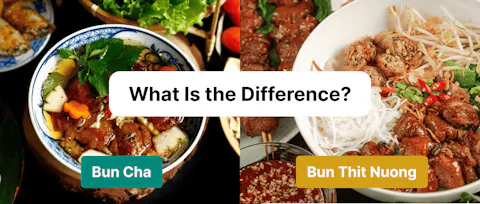
At first glance, Bun Cha and Bun Thit Nuong may look similar because both feature grilled pork and rice noodles. However, these two beloved Vietnamese dishes differ significantly in their origins, serving style, dipping sauce, and overall dining experience. Bun Cha is a signature specialty of Hanoi served with warm broth, while Bun Thit Nuong is popular in southern Vietnam as a dry noodle dish. This guide explains the key differences and helps you choose which one to try first.
Hanoi is the birthplace of Bun Cha, and nowhere else serves this iconic dish quite the same way. From legendary family-run restaurants to hidden neighborhood eateries and famous spots visited by world leaders, the capital offers countless opportunities to enjoy authentic Bun Cha. This guide introduces the best places to eat Bun Cha in Hanoi, highlighting local favorites, signature flavors, and practical tips to help you experience one of Vietnam's most beloved culinary traditions like a true local.

When former U.S. President Barack Obama visited Hanoi in 2016, one simple meal captured the world's attention. Many people mistakenly believe he ate Pho, but it was actually Bun Cha that he enjoyed alongside chef Anthony Bourdain. The memorable dinner introduced millions to one of Vietnam's most beloved dishes and became an iconic moment in culinary history. This article explores the story behind Obama's famous meal and why Bun Cha remains a must-try experience in Hanoi.
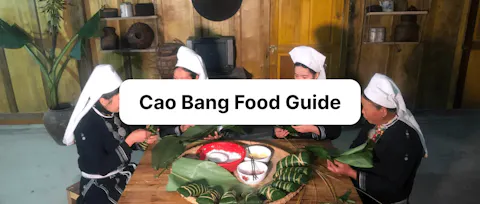
Cao Bang's cuisine reflects the rich traditions of Vietnam's northern mountains, where fresh local ingredients and ethnic culinary heritage create unforgettable flavors. From savory smoked pork and handmade rice cakes to flavorful noodle dishes and seasonal forest specialties, every meal tells a story of the region's culture and landscape. This Cao Bang Food Guide introduces the province's must-try dishes, local delicacies, traditional markets, and authentic dining experiences that every food lover should explore while visiting northern Vietnam.
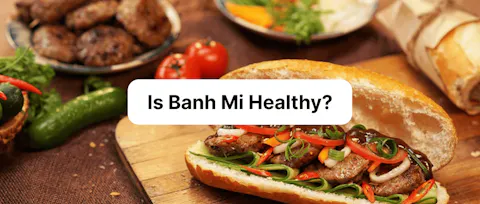
Banh Mi is one of Vietnam's most popular street foods, combining a crispy baguette with flavorful fillings, fresh vegetables, herbs, and sauces. While often considered an indulgent sandwich, its nutritional value depends on the ingredients and portion size. This guide explores Banh Mi calories, protein, carbohydrates, fat, sodium, and vegan-friendly alternatives. You'll also learn practical tips for enjoying this iconic Vietnamese sandwich as part of a healthy, balanced diet without sacrificing its delicious flavors.
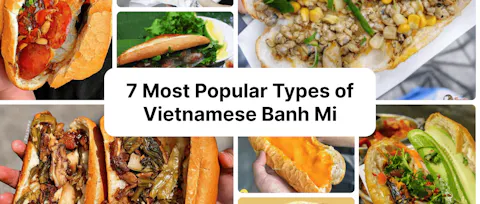
Vietnamese Banh Mi comes in far more varieties than many travelers realize. While the classic combination of paté and cold cuts remains a favorite, regional specialties featuring grilled pork, meatballs, shredded chicken, sardines, eggs, and vegetarian fillings are equally delicious. Every version highlights the perfect balance of crispy baguette, fresh herbs, pickled vegetables, and flavorful ingredients. This guide introduces seven of the most popular types of Vietnamese Banh Mi that every food lover should experience.
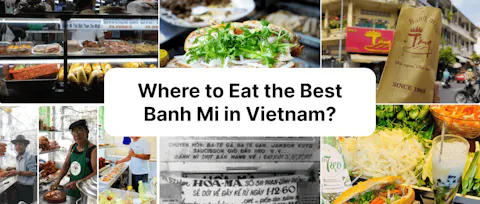
Vietnam is home to countless Banh Mi vendors, but a few legendary carts and bakeries have earned worldwide recognition for their exceptional sandwiches. From Ho Chi Minh City's famous Banh Mi Huynh Hoa to Hoi An's iconic Banh Mi Phuong and beloved neighborhood bakeries in Hanoi and Da Nang, each destination offers its own signature flavors. This guide highlights the best places to enjoy authentic Banh Mi in Vietnam and the unique stories behind these iconic street food institutions.

Banh Mi is one of the world's most famous sandwiches, blending French culinary influence with distinctly Vietnamese flavors. What began as a simple colonial-era baguette gradually evolved into a uniquely Vietnamese creation filled with local meats, herbs, pickled vegetables, and sauces. Today, Banh Mi is celebrated worldwide as a symbol of Vietnam's vibrant street food culture. This guide explores the fascinating history of Banh Mi, its origins, cultural evolution, and how it became one of Vietnam's most beloved culinary icons.
By checking out our sponsors and partners above, you are helping us keep this site alive and free. Every single click counts — thank you for being an amazing reader!