
- Destinations
Northern Vietnam
Central Vietnam
- Attractions
Categories
World Heritage
Historical & Cultural
- Things To Do
Categories
Outdoor Adventures
- Food & Drink
Categories
Vietnamese Dishes
- Travel & Planning
Categories
- Inspiration
Categories
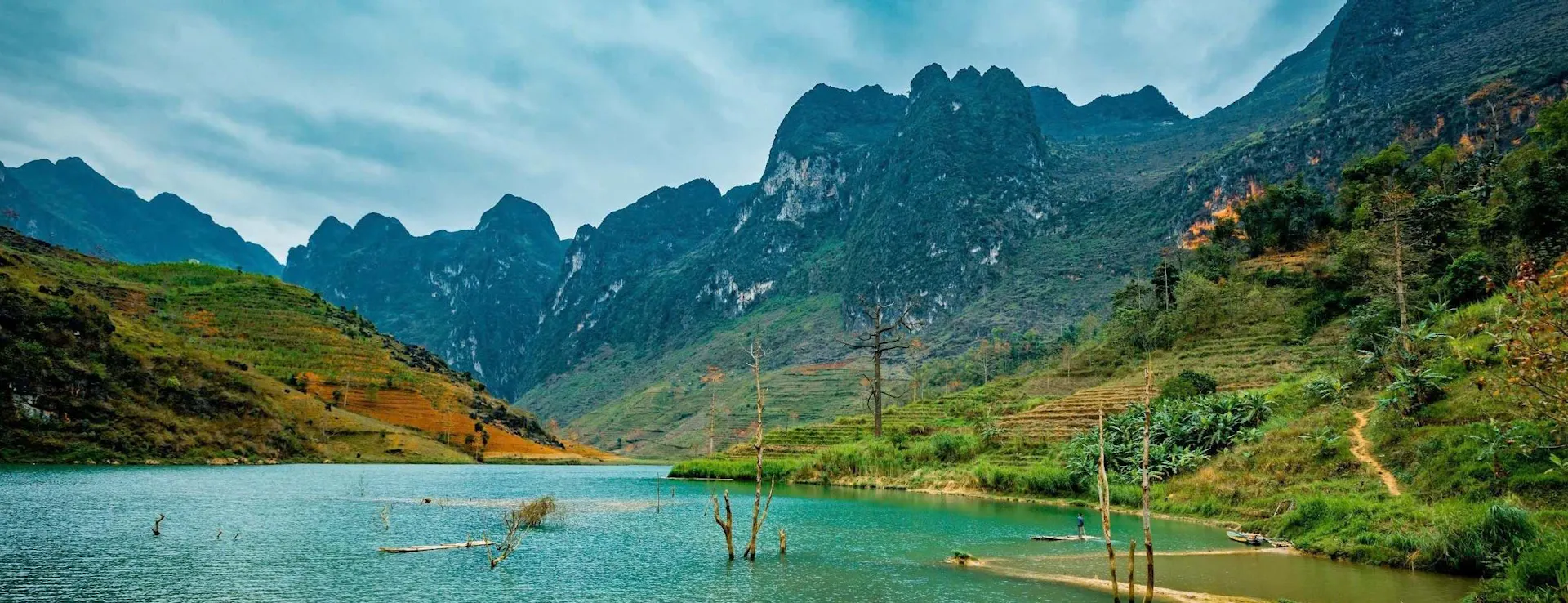
Discover hidden gems in Vietnam beyond the country’s most visited tourist destinations. Explore quiet beaches, mountain villages, waterfalls, caves, local markets, traditional communities, and lesser-known towns across northern, central, and southern Vietnam. From peaceful landscapes in the mountains to authentic experiences in the Mekong Delta, these destinations offer travelers opportunities to explore at a slower pace and experience local life. Find practical inspiration for discovering quieter places while traveling responsibly and respecting Vietnam’s communities, culture, and natural environment.
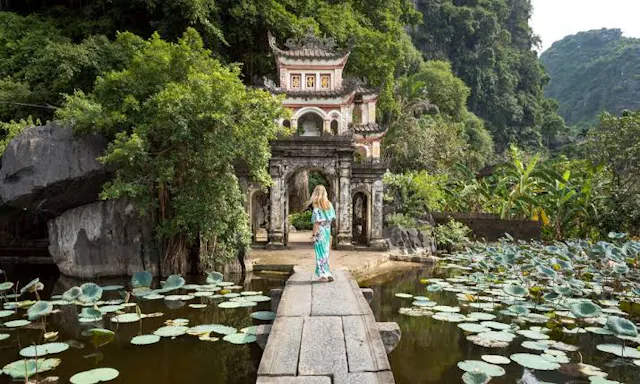
Vietnam is known for iconic destinations such as Ha Long Bay, Hoi An, Hanoi, and Ho Chi Minh City, but some of the country’s most rewarding experiences can be found beyond the places that attract the largest crowds. Hidden gems in Vietnam include lesser-known destinations, quiet natural landscapes, traditional villages, local markets, and coastal communities where travelers can experience a different side of the country.
From the mountains of northern Vietnam to the countryside of the Mekong Delta, these destinations offer opportunities to slow down and explore at a more relaxed pace. In the north, travelers can discover remote valleys, waterfalls, caves, mountain villages, and local markets. Central Vietnam offers quieter coastal towns, islands, highland landscapes, and rural communities that provide alternatives to the region’s better-known tourist centers. In southern Vietnam, the waterways, mangrove forests, wetlands, villages, and markets of the Mekong Delta reveal a different perspective on Vietnamese life.
A hidden gem does not necessarily mean a place that is completely unknown. Some destinations are becoming more popular but still receive fewer international visitors than Vietnam’s major tourist attractions. The appeal lies in experiencing a destination with fewer crowds, discovering local businesses, meeting residents, and seeing landscapes and traditions in a more natural setting.
Finding lesser-known places also requires thoughtful travel planning. Remote destinations may have fewer transportation options, limited accommodation, or changing conditions during the rainy season. Travelers should research how to reach each location, check local weather and road conditions, and make sure they have enough time and essential supplies for more remote areas.
Responsible travel is equally important when visiting Vietnam’s hidden gems. Avoid littering, respect local customs, ask permission before photographing people, follow environmental regulations, and support locally owned businesses whenever possible. As lesser-known destinations become more visible, responsible tourism can help protect their communities, culture, and natural environments.
Explore Vietnam beyond the usual itinerary and discover quieter places, local stories, distinctive landscapes, and authentic experiences that can make your journey more memorable.
Make smarter travel decisions with side-by-side comparisons of Vietnam's destinations, attractions, beaches, islands, cities, transportation options, travel seasons, and unique experiences. Explore expert guides that highlight the pros, differences, costs, and best choices for every travel style, helping you plan the perfect Vietnam adventure with confidence.
Some of the best hidden gems in Vietnam include lesser-known mountain destinations, quiet coastal towns, traditional villages, waterfalls, caves, local markets, and rural areas. Northern destinations such as Cao Bang and Bac Kan, central coastal areas such as Phu Yen and Quang Ngai, and parts of the Mekong Delta offer alternatives to Vietnam’s busiest tourist destinations.
A hidden gem is generally a destination or experience that receives fewer visitors or is less widely known internationally than Vietnam’s major tourist attractions. It does not necessarily mean the place is completely undiscovered. Many hidden gems are well known to local communities but remain less visited by international travelers.
Northern Vietnam has many lesser-known destinations in mountainous and rural areas. Cao Bang, Bac Kan, Tuyen Quang, Lai Chau, Dien Bien, and Son La can offer dramatic landscapes, waterfalls, caves, local markets, and traditional communities away from the busiest tourist routes.
Central Vietnam offers lesser-known coastal, island, and highland destinations. Phu Yen, Quang Ngai, Ly Son, Gia Lai, Dak Lak, and smaller rural communities can provide quieter alternatives to more established destinations such as Da Nang and Hoi An.
Yes. Southern Vietnam has many quieter destinations, particularly throughout the Mekong Delta. Ca Mau, Dong Thap, An Giang, and Vinh Long offer opportunities to explore waterways, wetlands, mangrove forests, local markets, villages, and everyday river life.
Yes, although some remote destinations require more planning than major tourist cities. First-time visitors may prefer starting with accessible lesser-known towns or combining a hidden gem with a more established destination. Check transportation, accommodation, weather, and road conditions before traveling to remote areas.
Use local maps, regional travel websites, destination guides, local recommendations, and community-based tourism resources. Exploring outside major tourist centers and researching smaller towns, villages, markets, nature areas, and coastal communities can also help you discover places that receive fewer visitors.
Some are easy to reach, while others are located in remote mountain, rural, or island areas. Transportation may involve buses, trains, boats, private vehicles, or motorbikes. Before visiting a remote destination, check road conditions, transport schedules, travel time, and accommodation availability.
The best time depends on the region and type of destination. Northern mountain areas can have significant seasonal changes, while central coastal destinations may be affected by rainy and stormy periods. Southern destinations generally have distinct wet and dry seasons. Check local weather conditions before traveling.
Hidden experiences can include visiting local markets, exploring traditional craft villages, eating at family-run restaurants, staying in rural homestays, walking through countryside areas, visiting fishing communities, hiking to lesser-known waterfalls, and experiencing everyday life outside major tourist centers.
Advertising box