
Vietnam Museum of Ethnology
The Vietnam Museum of Ethnology is one of Hanoi’s most fascinating cultural attractions, showcasing the traditions, lifestyles, and heritage of Vietnam’s 54 officially recognized ethnic groups. Through engaging indoor exhibitions, authentic artifacts, and an impressive outdoor collection of traditional houses, visitors gain a deeper understanding of the country’s remarkable cultural diversity. Whether you are interested in history, architecture, or local traditions, the museum offers an enriching experience for travelers of all ages. Go Visit Vietnam helps you plan the perfect visit.
About Vietnam Museum of Ethnology
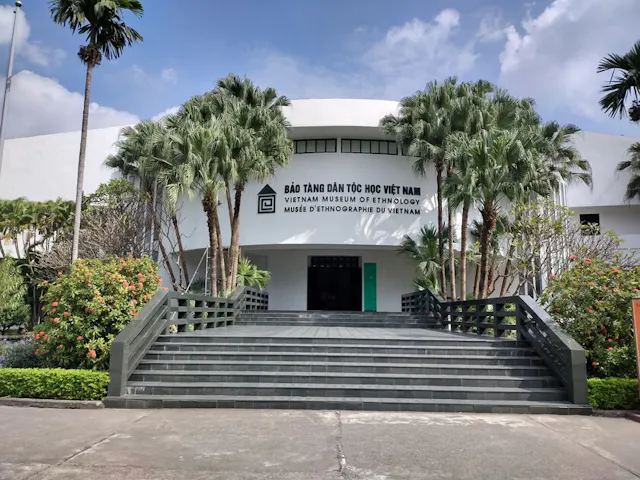
Vietnam Museum of Ethnology is one of the best places in Hanoi to learn about the country's remarkable cultural diversity. The museum explores the traditions, lifestyles, architecture, clothing, crafts, beliefs, and everyday experiences of Vietnam's 54 officially recognized ethnic groups.
Located in Hanoi, the museum combines indoor exhibitions with an extensive outdoor area featuring reconstructed traditional houses. This combination makes it particularly valuable for international travelers who want to understand the different cultures that exist across Vietnam's mountains, highlands, river valleys, and coastal regions.
What Is the Vietnam Museum of Ethnology?
The Vietnam Museum of Ethnology is a major cultural and research institution dedicated to documenting and preserving Vietnam's ethnic heritage.
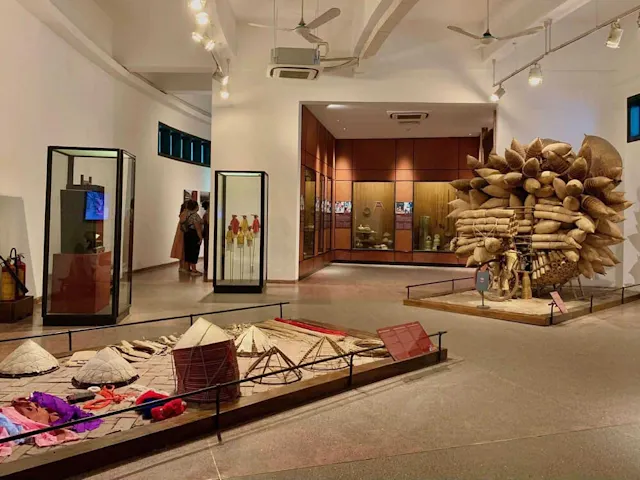
Its collections include traditional clothing, agricultural tools, household objects, musical instruments, jewelry, religious items, handicrafts, and other materials connected with everyday life.
Rather than presenting Vietnamese culture as a single tradition, the museum demonstrates how different communities have developed their own languages, customs, architecture, food traditions, and social practices.
Vietnam's 54 Ethnic Groups
Vietnam officially recognizes 54 ethnic groups, with the Kinh representing the largest population and many smaller communities living primarily in mountainous and highland areas.
Groups such as the Hmong, Dao, Tay, Thai, Ede, Jarai, Bahnar, and Khmer have distinctive cultural traditions.
The museum introduces visitors to this diversity through objects, photographs, descriptions, and reconstructed environments.
It provides useful background for travelers planning trips to destinations such as Sapa, Ha Giang, Cao Bang, Mai Chau, and Vietnam's Central Highlands.
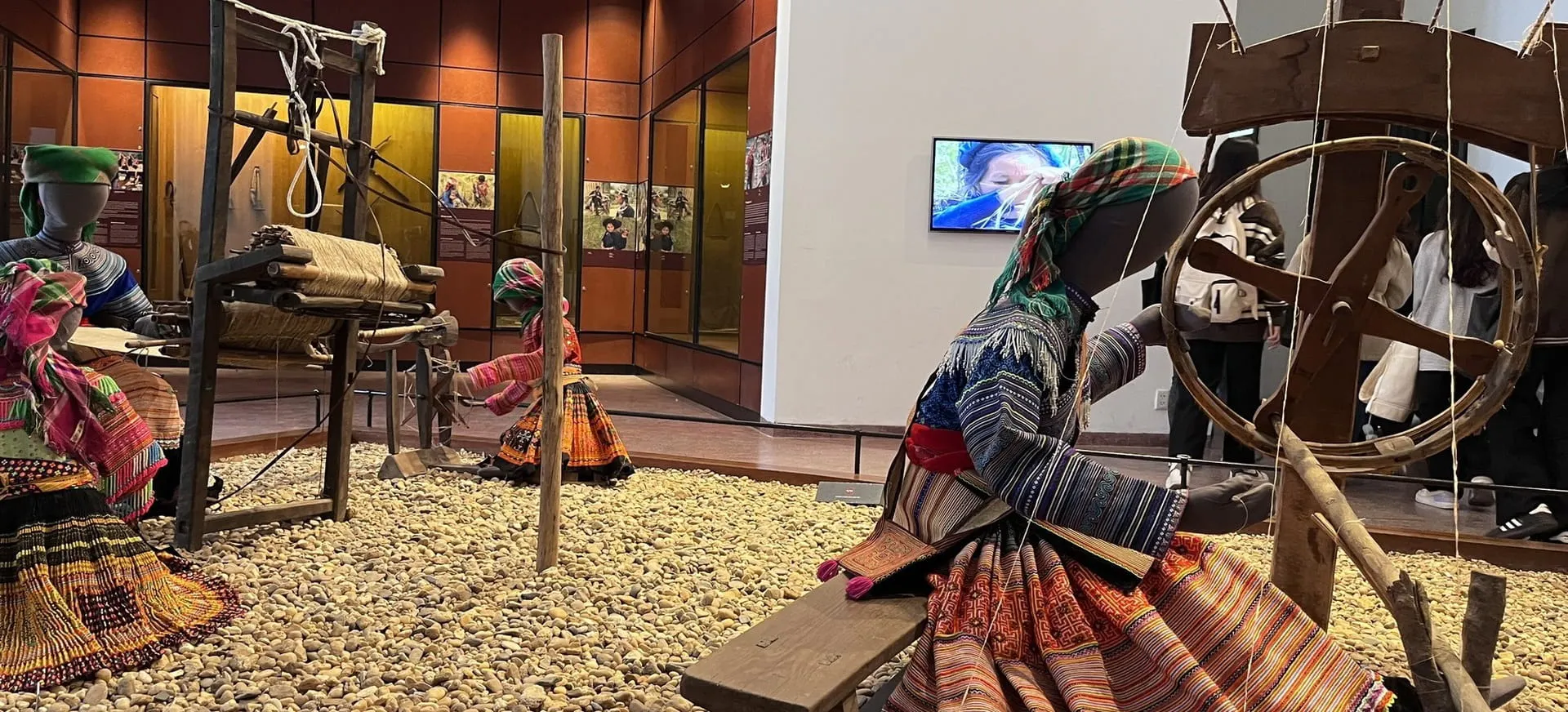
Traditional Clothing and Textiles
Traditional clothing is one of the most visually interesting parts of the museum.
Different communities use distinctive fabrics, colors, embroidery, weaving techniques, and decorative patterns.
Some garments communicate information about regional identity, age, family status, or community traditions.
Textile production is also an important traditional craft, particularly among several ethnic communities in northern and central Vietnam.
Traditional Houses
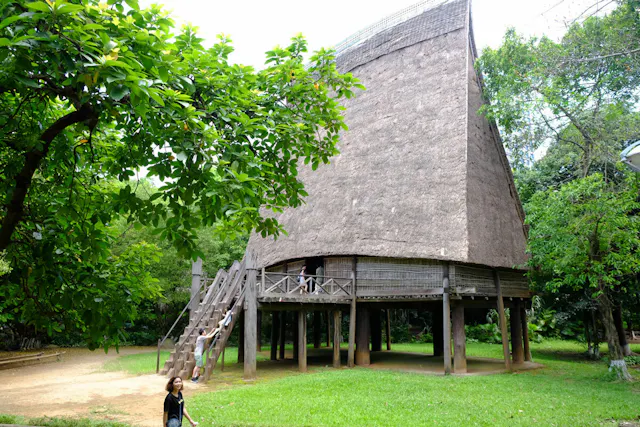
The museum's outdoor area is one of its most distinctive features.
Visitors can explore full-scale reconstructions of traditional houses representing different ethnic communities.
These include stilt houses, communal buildings, longhouses, and other traditional structures.
The architecture demonstrates how communities adapted their homes to local climates, landscapes, available materials, and social structures.
Walking through these buildings provides a more tangible understanding of traditional Vietnamese life than viewing objects behind glass.
Tay and Thai Stilt Houses
Stilt houses are particularly common among several ethnic communities in northern Vietnam.
Raised floors help protect living spaces from moisture, animals, and seasonal flooding while allowing air to circulate underneath the structure.
The museum's reconstructed houses demonstrate how rooms were organized and how families used different parts of the building for cooking, sleeping, working, and social activities.
Longhouses and Central Highlands Culture
The museum also presents traditional architecture associated with communities in Vietnam's Central Highlands.
Longhouses and communal structures reflect different family and community systems.
Decorative details, building materials, and interior arrangements provide clues about the cultural values and social organization of the communities that created them.
These exhibits are particularly useful for travelers planning to explore the Central Highlands.
Traditional Crafts
Handicrafts form an important part of many ethnic cultures.
The museum showcases examples of weaving, embroidery, basketry, pottery, metalwork, woodwork, and other traditional crafts.
These objects are not simply decorative. They often have practical uses and may also carry cultural or symbolic meanings.
Learning about these crafts can help visitors appreciate the skill involved in producing traditional goods by hand.
Religion and Traditional Beliefs
The museum also explores religious practices and traditional beliefs.
Different communities have developed distinctive relationships with ancestors, spirits, nature, and the supernatural world.
Objects associated with ceremonies, rituals, funerals, weddings, and spiritual practices provide insight into these belief systems.
Visitors should approach these exhibits with respect because many of the traditions represented remain meaningful to communities today.
Everyday Life
One of the museum's strengths is its focus on everyday life.
Agricultural tools, cooking utensils, musical instruments, fishing equipment, baskets, and household objects show how people traditionally worked and lived.
These ordinary objects can reveal as much about a culture as ceremonial artifacts because they demonstrate how communities organized their daily activities.
A Family-Friendly Museum
The Vietnam Museum of Ethnology is also suitable for families.
Children can explore traditional houses, see unusual household objects, and discover how people in different parts of Vietnam lived before modern technology transformed everyday life.
The outdoor section provides additional space to walk around and explore, making the museum more interactive than a conventional indoor collection.
A Gateway to Cultural Travel
For travelers planning to visit ethnic minority communities elsewhere in Vietnam, the museum provides useful cultural context.
Visitors can learn about traditional architecture, clothing, agriculture, crafts, and social customs before traveling to rural areas.
This background can encourage more respectful and meaningful interactions with local communities.
Planning Your Visit
Travelers should check the museum's current opening hours, ticket prices, and exhibition information before visiting.
Allow at least two to three hours if you want to explore both the indoor galleries and outdoor architectural area.
Comfortable walking shoes are recommended because the outdoor section requires walking between different reconstructed buildings.
Responsible Cultural Tourism
Visitors should remember that the museum represents living cultures rather than purely historical traditions.
When visiting ethnic communities elsewhere in Vietnam, travelers should respect local customs, ask permission before taking photographs of people, and avoid treating cultural traditions as performances created solely for tourists.
Supporting locally made handicrafts and responsible community-based tourism can also help preserve traditional knowledge.
Why Visit the Vietnam Museum of Ethnology?
The Vietnam Museum of Ethnology provides one of the most comprehensive introductions to Vietnam's ethnic diversity and cultural heritage.
From traditional clothing and handicrafts to full-scale houses, religious objects, and everyday tools, its collections demonstrate how different communities have adapted to Vietnam's varied landscapes.
For international travelers, the museum is an excellent starting point for understanding the many cultures that make up Vietnam and for preparing to explore the country's ethnic communities beyond Hanoi.
Vietnam Museum of Ethnology in Pictures – Traditions, Architecture & Cultural Heritage
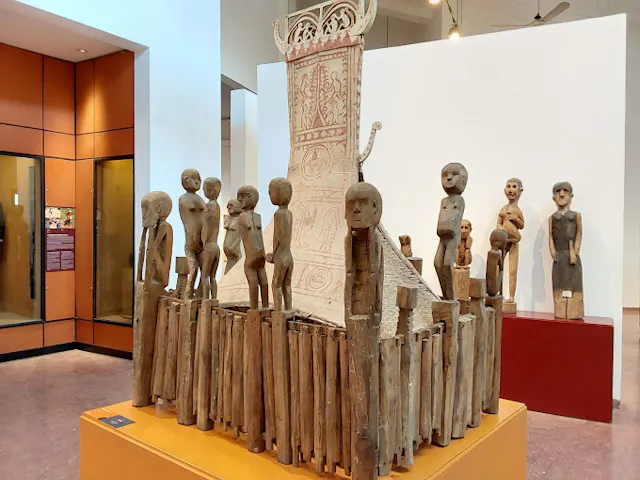
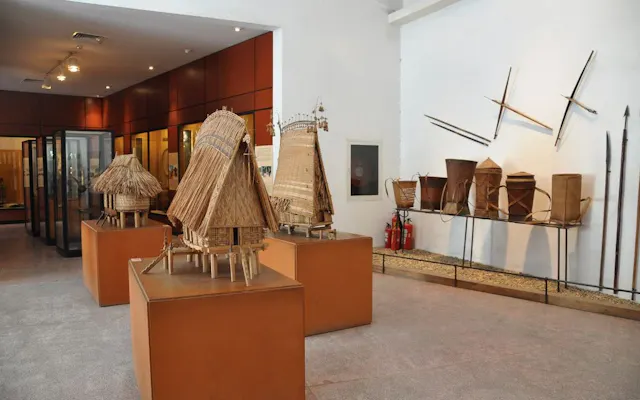
Explore the Vietnam Museum of Ethnology through a collection of images showcasing fascinating indoor exhibitions, traditional costumes, cultural artifacts, and authentic architecture from Vietnam’s 54 ethnic groups. Discover beautifully preserved stilt houses, longhouses, communal buildings, handicrafts, and cultural displays that reflect the country's remarkable diversity. The gallery offers a visual journey into Vietnam’s rich heritage, highlighting the customs, daily life, and unique traditions of communities from every region of the country.
How To Get There – Vietnam Museum of Ethnology
Bus and coach
Travelers arriving in Hanoi by long-distance bus can continue to the museum from major bus terminals such as My Dinh Bus Station, Giap Bat Bus Station, or Nuoc Ngam Bus Station. Public buses, taxis, and ride-hailing services provide convenient connections to the museum in Cau Giay District.
Train
Visitors arriving at Hanoi Railway Station can reach the museum in approximately 20–30 minutes by taxi or ride-hailing service. Several city bus routes also connect the railway station with Cau Giay District.
Driving
The museum is easily accessible by private car or motorbike via major roads such as Nguyen Van Huyen Street and surrounding city routes. Parking is available on-site for both cars and motorcycles.
Flying
The nearest airport is Noi Bai International Airport, located about 25 km from the museum. The journey takes approximately 35–45 minutes by taxi or private transfer, depending on traffic conditions.
Frequently Asked Questions About the Vietnam Museum of Ethnology
What is the Vietnam Museum of Ethnology famous for?
The museum is renowned for showcasing the cultures of Vietnam’s 54 officially recognized ethnic groups through traditional artifacts, costumes, tools, multimedia exhibitions, and an impressive outdoor collection of authentic traditional houses.
How much time should I spend at the Vietnam Museum of Ethnology?
Most visitors spend 2 to 3 hours exploring both the indoor galleries and outdoor exhibition area. Those with a strong interest in culture or architecture may wish to allow additional time.
Can I take photographs inside the museum?
Photography is generally permitted for personal use in many exhibition areas. However, some temporary exhibitions or specific displays may have restrictions, so visitors should follow museum signage and staff instructions.
Is the museum suitable for children and families?
Yes. The Vietnam Museum of Ethnology is an excellent destination for families. The outdoor traditional houses, open spaces, interactive exhibitions, and cultural demonstrations make it enjoyable for visitors of all ages.
What makes the outdoor exhibition area unique?
The outdoor exhibition features full-scale traditional houses representing various ethnic communities across Vietnam. Visitors can walk inside many of these structures to learn about traditional architecture, daily life, and how different ethnic groups adapted to their natural environments.
Advertising box
Explore More Museums in Vietnam
Discover Vietnam's fascinating history, art, culture, and heritage through its diverse museums. From world-class history museums and war memorials to fine art galleries, ethnic culture exhibitions, and unique local collections, explore the stories that have shaped Vietnam's past and present with our comprehensive museum travel guides.
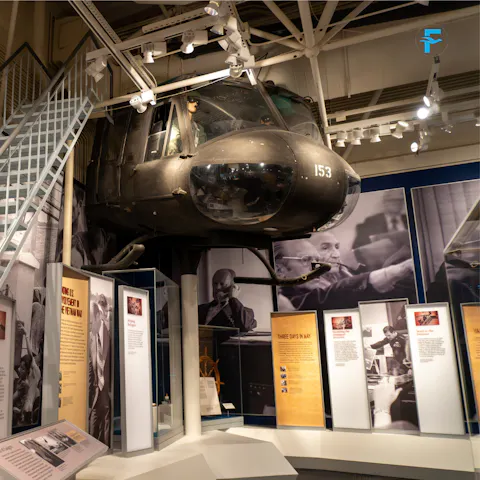
War Remnants Museum
The War Remnants Museum is one of Ho Chi Minh City’s most visited cultural attractions, offering visitors a deeper understanding of Vietnam’s modern history through powerful exhibitions, historical artifacts, military equipment, and photographic collections. The museum presents the impact of war from multiple perspectives while promoting peace and historical awareness. Located in the heart of the city, it is an essential stop for travelers interested in Vietnam’s past, culture, and resilience. Go Visit Vietnam provides everything you need to plan your visit.
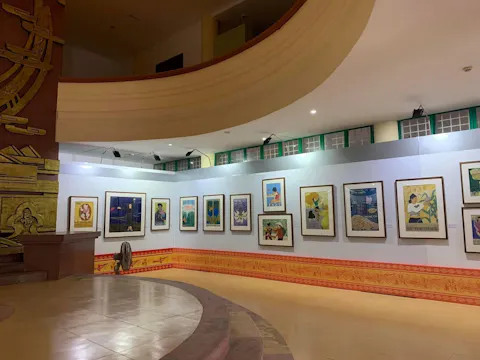
Vietnam National Museum of Fine Arts
The Vietnam National Museum of Fine Arts is one of Hanoi’s leading cultural attractions, showcasing the evolution of Vietnamese art from ancient civilizations to contemporary masterpieces. Visitors can admire traditional paintings, sculptures, ceramics, lacquer art, folk artworks, and modern collections that reflect the country’s rich artistic heritage. Located near the Temple of Literature, the museum offers an inspiring experience for art lovers, history enthusiasts, and cultural travelers. Go Visit Vietnam provides everything you need to plan your visit to this remarkable museum.
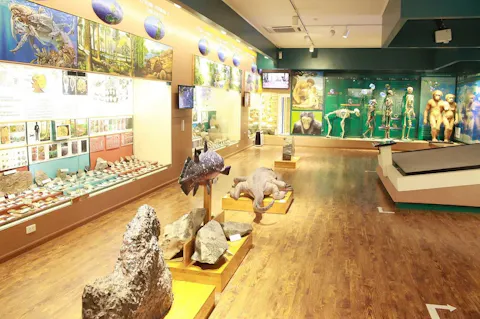
Vietnam National Museum of Nature
The Vietnam National Museum of Nature offers visitors an exciting journey through the country's incredible biodiversity, geological history, and unique ecosystems. Featuring dinosaur fossils, rare minerals, preserved wildlife specimens, and interactive scientific exhibits, the museum provides an engaging experience for families, students, and nature enthusiasts. Located in Hanoi, it introduces the fascinating evolution of life in Vietnam while promoting environmental conservation and scientific education. Go Visit Vietnam provides everything you need to plan an enjoyable and educational visit.
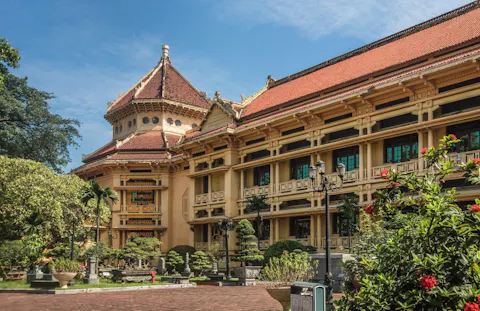
Vietnam National Museum of History
The Vietnam National Museum of History is one of Hanoi’s most important cultural landmarks, preserving the story of Vietnam from prehistoric times to the modern era. Through remarkable collections of ancient artifacts, royal treasures, ceramics, sculptures, coins, and historical documents, visitors can explore the development of Vietnamese civilization across thousands of years. Located near the Hanoi Opera House, the museum offers an enriching experience for history enthusiasts, students, and travelers. Go Visit Vietnam provides everything you need to plan your visit.
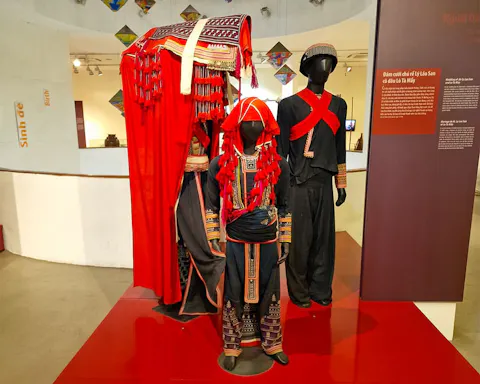
Vietnamese Women's Museum
The Vietnamese Women's Museum is one of Hanoi’s most inspiring cultural attractions, showcasing the remarkable contributions of Vietnamese women throughout history and modern society. Through engaging exhibitions, traditional costumes, personal stories, family customs, and cultural artifacts, visitors gain insight into the diverse roles women have played across Vietnam’s many communities. Located in central Hanoi, the museum offers an enriching experience for travelers interested in culture, history, and social heritage. Go Visit Vietnam provides everything you need to plan your visit.