
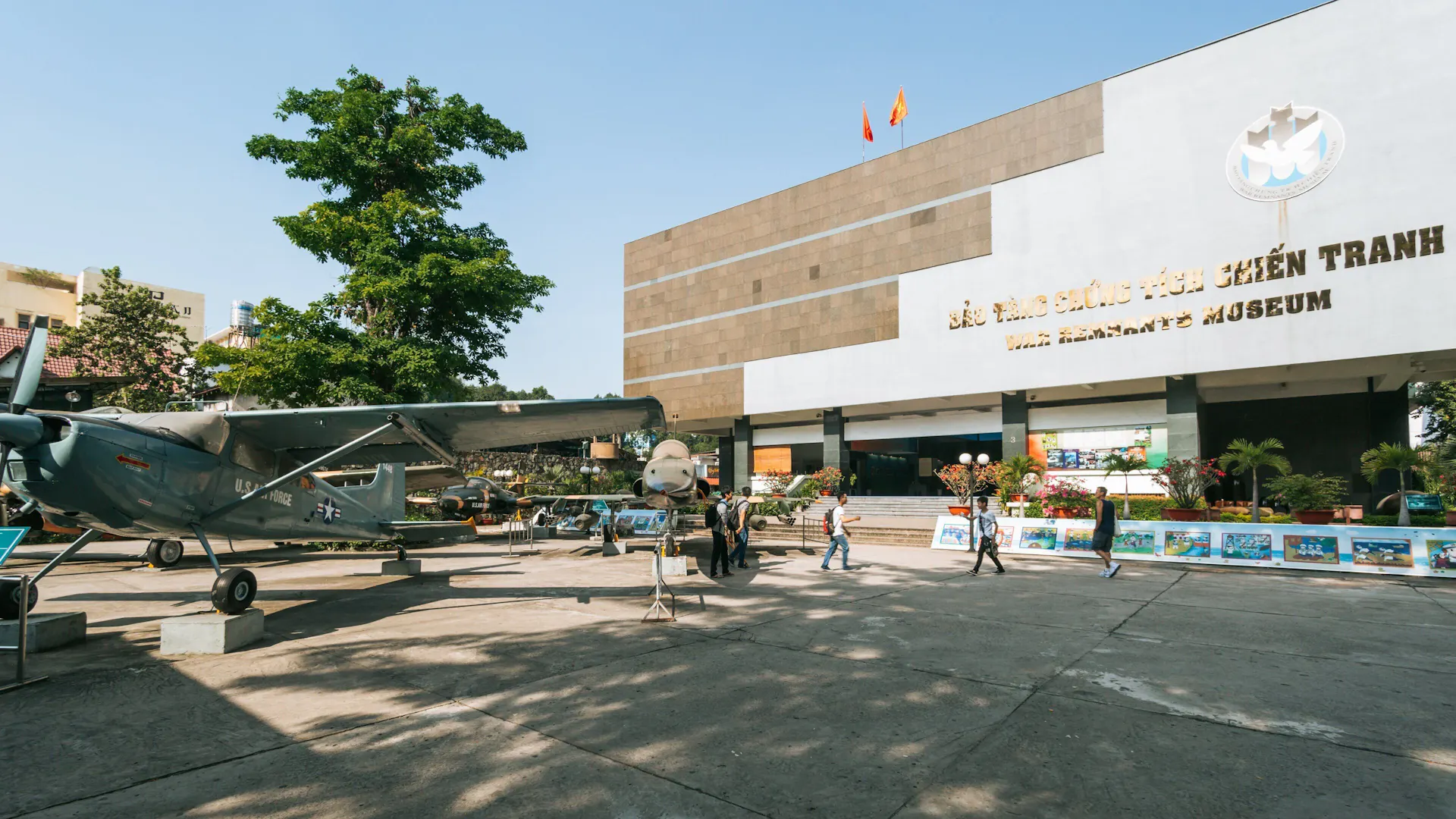
War Remnants Museum
The War Remnants Museum is one of Ho Chi Minh City’s most visited cultural attractions, offering visitors a deeper understanding of Vietnam’s modern history through powerful exhibitions, historical artifacts, military equipment, and photographic collections. The museum presents the impact of war from multiple perspectives while promoting peace and historical awareness. Located in the heart of the city, it is an essential stop for travelers interested in Vietnam’s past, culture, and resilience. Go Visit Vietnam provides everything you need to plan your visit.
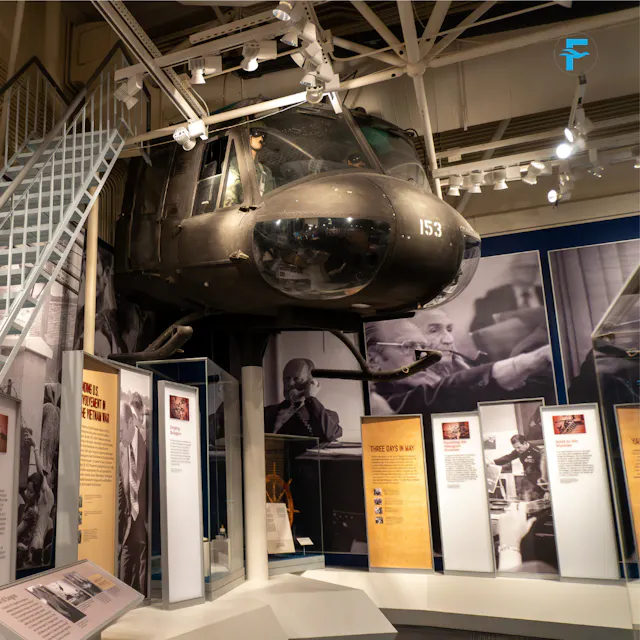
About War Remnants Museum
War Remnants Museum is one of the most significant historical museums in Ho Chi Minh City, offering visitors a powerful and often emotional perspective on the Vietnam War and its lasting impact. Through photographs, documents, military equipment, personal stories, and historical exhibits, the museum explores the experiences of Vietnamese civilians and the wider consequences of decades of conflict.
Located in central Ho Chi Minh City, the museum is an important destination for travelers who want to understand Vietnam's modern history beyond its landmarks and tourist attractions.
What Is the War Remnants Museum?
The War Remnants Museum is a historical museum documenting the wars and conflicts that affected Vietnam, particularly the Vietnam War.
Its collections include photographs, military equipment, documents, weapons, aircraft, tanks, and personal accounts.
The museum presents historical events largely from a Vietnamese perspective, making it an important place to consider how the war is remembered within Vietnam.
For international visitors, the museum can provide context for understanding Vietnam's modern history and the experiences of people who lived through the conflict.
Historical Exhibitions
The museum contains several permanent exhibitions covering different aspects of wartime history.
Displays examine military operations, political developments, civilian experiences, journalism, and the consequences of conflict.
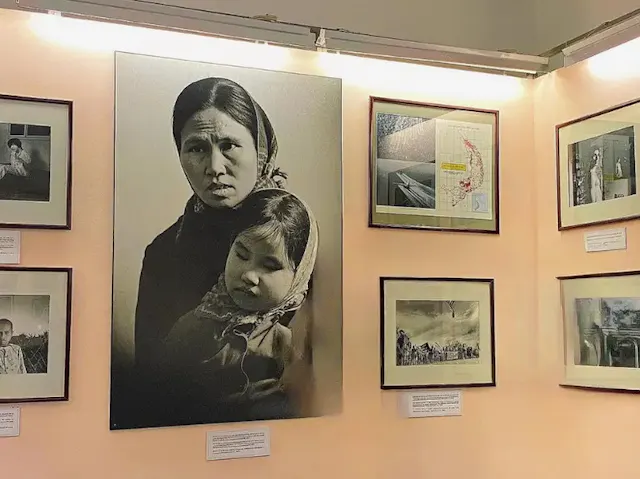
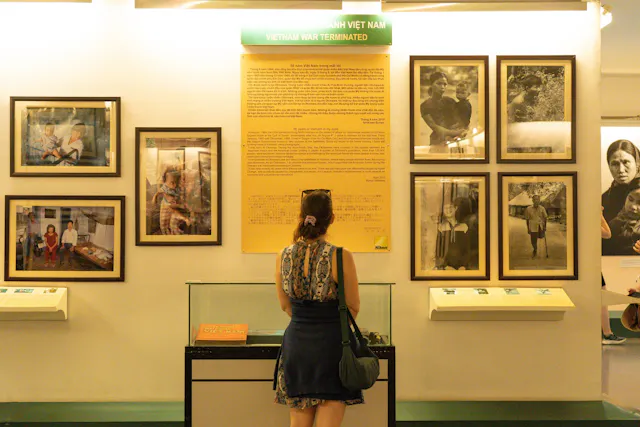
Photographs and documents form an especially important part of the collection.
Some exhibits contain disturbing and graphic images, so visitors should be prepared for emotionally difficult material.
The Impact on Civilians
One of the museum's strongest themes is the impact of war on ordinary people.
Photographs and personal stories illustrate displacement, injuries, destroyed communities, and the disruption of everyday life.
These exhibits shift attention away from military strategy and toward the human consequences of conflict.
For many visitors, this is one of the most memorable aspects of the museum.
Agent Orange and Its Legacy
The museum has extensive displays concerning Agent Orange and other chemical defoliants used during the Vietnam War.
Exhibits discuss the environmental consequences and long-term health and social effects associated with exposure.
Photographs and personal stories document the experiences of affected individuals and families.
The subject remains highly sensitive and significant in Vietnam's historical memory.
War Photography
Photography is central to many of the museum's exhibitions.
Images taken by photojournalists during the war document military operations, civilian life, destruction, and humanitarian consequences.
These photographs helped shape international understanding of the conflict.
The museum's collection demonstrates the important role journalism and photography played in bringing the realities of war to audiences around the world.
Military Equipment
The museum's outdoor area contains military equipment associated with the Vietnam War.
Visitors can see aircraft, helicopters, tanks, artillery pieces, and other military vehicles.
These objects provide a physical dimension to the historical exhibits and help visitors understand the technology used during the conflict.
The equipment is displayed alongside information explaining its historical context.
Reunification and Postwar Vietnam
The museum also provides context for the end of the Vietnam War and the country's subsequent reunification.
Understanding this period is important for travelers visiting Ho Chi Minh City because many locations throughout the city are connected with the final stages of the conflict.
The museum can therefore be combined with visits to other historical landmarks to develop a broader understanding of modern Vietnamese history.
A Different Perspective on the Vietnam War
Visitors should understand that the museum presents events primarily from a Vietnamese perspective.
Historical interpretations of the Vietnam War differ significantly between countries and communities.
Approaching the exhibits with an open mind can help travelers understand how the conflict is remembered in Vietnam while recognizing that other historical perspectives also exist.
This makes the museum particularly valuable for visitors interested in history and international affairs.
Visiting With Children
Because some exhibitions contain graphic photographs and descriptions of violence, parents should consider whether the content is appropriate for younger children.
Older children and teenagers studying modern history may find the museum educational, but adults should be prepared to explain difficult subjects sensitively.
The outdoor military equipment area may be more accessible to younger visitors than some of the indoor galleries.
Location in Ho Chi Minh City
The War Remnants Museum is centrally located and can easily be included in a Ho Chi Minh City sightseeing itinerary.
Visitors can combine it with nearby attractions such as the Independence Palace, Notre-Dame Cathedral area, the Central Post Office, and other museums.
Its central location makes it convenient to visit alongside other historical landmarks.
Planning Your Visit
Travelers should check the museum's current opening hours, admission fees, and exhibition information before visiting.
Allow approximately two hours to explore the main galleries and outdoor exhibits.
Visitors who want to read the historical descriptions carefully or spend more time studying the photographs may wish to allow additional time.
A Place for Reflection
The War Remnants Museum is not simply a collection of military objects.
Its photographs, documents, and personal stories encourage visitors to think about the human cost of war and the long-term consequences of political and military conflict.
The experience can be emotionally challenging, but it offers an important opportunity for reflection.
Why Visit the War Remnants Museum?
The War Remnants Museum provides a powerful introduction to Vietnam's modern history and the human consequences of the Vietnam War.
Through photographs, documents, military equipment, and personal stories, it presents a distinctly Vietnamese perspective on a conflict that profoundly shaped the country.
For travelers exploring Ho Chi Minh City, visiting the museum offers historical context that can deepen their understanding of Vietnam's past, its people, and the remarkable changes the country has experienced since the war.
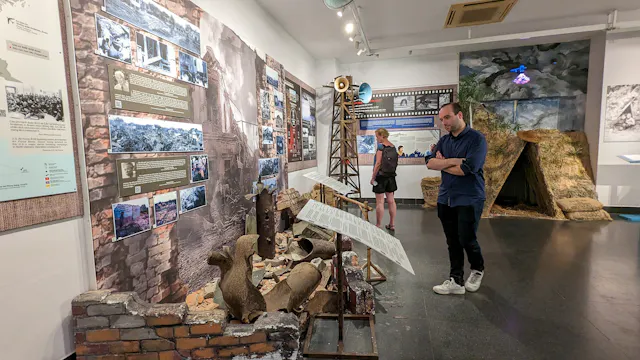
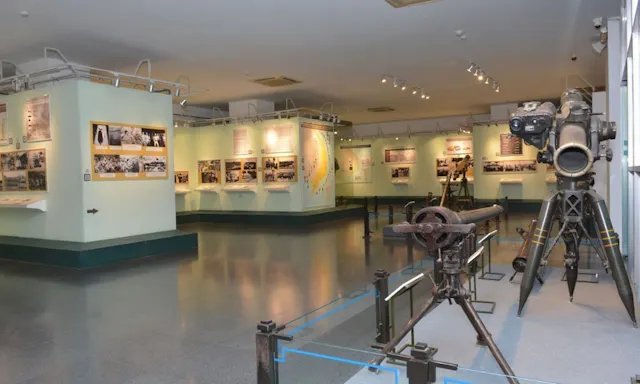
War Remnants Museum in Pictures – Historic Exhibits & Stories of Resilience
Explore the War Remnants Museum through a collection of images featuring historical galleries, military vehicles, aircraft, powerful photography exhibitions, and carefully preserved artifacts. The gallery highlights both the indoor and outdoor exhibition spaces, offering a glimpse into one of Ho Chi Minh City’s most important historical museums. Discover exhibits that provide insight into Vietnam’s modern history while reflecting the museum’s message of remembrance, resilience, and peace.
How To Get There – War Remnants Museum
Bus and coach
Long-distance buses from cities across Vietnam arrive at major bus stations in Ho Chi Minh City, such as Mien Dong or Mien Tay Bus Station. From there, visitors can take a city bus, taxi, or ride-hailing service to the museum, which is located in the city center.
Train
Travelers arriving by train will reach Saigon Railway Station, approximately 3 km from the museum. From the station, it takes around 10–15 minutes by taxi, ride-hailing service, or local bus to reach the museum.
Driving
The museum is easily accessible by private car or motorbike via major roads in District 3. Parking facilities are available nearby, although traffic can be busy during peak hours, so allowing extra travel time is recommended.
Flying
The nearest airport is Tan Son Nhat International Airport, located about 7–8 km from the museum. Visitors can reach the museum in approximately 20–30 minutes by taxi or ride-hailing service, depending on traffic conditions.
Frequently Asked Questions About the War Remnants Museum
What is the War Remnants Museum famous for?
The War Remnants Museum is famous for its extensive collection of historical photographs, military vehicles, aircraft, artifacts, and exhibitions that explore Vietnam’s modern history and the human impact of war. It is one of Ho Chi Minh City’s most visited museums.
How much time should I spend at the War Remnants Museum?
Most visitors spend between 1.5 and 3 hours exploring the museum. Those interested in reading exhibition materials in detail may wish to allow additional time.
Can I take photographs inside the museum?
Photography is generally permitted in most exhibition areas for personal use. Visitors should respect any signs indicating restricted areas and avoid disturbing other guests while taking photos.
Is the War Remnants Museum suitable for children?
Yes, but parents should be aware that some exhibitions contain graphic photographs and sensitive historical content that may not be appropriate for young children. Adult guidance is recommended.
What attractions are near the War Remnants Museum?
The museum is conveniently located near several major landmarks, including the Reunification Palace, Notre-Dame Cathedral Basilica of Saigon, the Central Post Office, Tao Dan Park, and Ben Thanh Market, making it easy to combine multiple attractions in one day.
Advertising box
Explore More Museums in Vietnam
Discover Vietnam's fascinating history, art, culture, and heritage through its diverse museums. From world-class history museums and war memorials to fine art galleries, ethnic culture exhibitions, and unique local collections, explore the stories that have shaped Vietnam's past and present with our comprehensive museum travel guides.
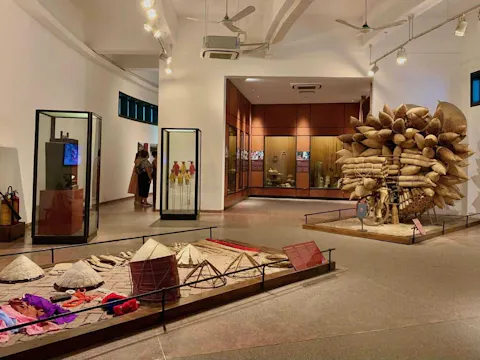
Vietnam Museum of Ethnology
The Vietnam Museum of Ethnology is one of Hanoi’s most fascinating cultural attractions, showcasing the traditions, lifestyles, and heritage of Vietnam’s 54 officially recognized ethnic groups. Through engaging indoor exhibitions, authentic artifacts, and an impressive outdoor collection of traditional houses, visitors gain a deeper understanding of the country’s remarkable cultural diversity. Whether you are interested in history, architecture, or local traditions, the museum offers an enriching experience for travelers of all ages. Go Visit Vietnam helps you plan the perfect visit.
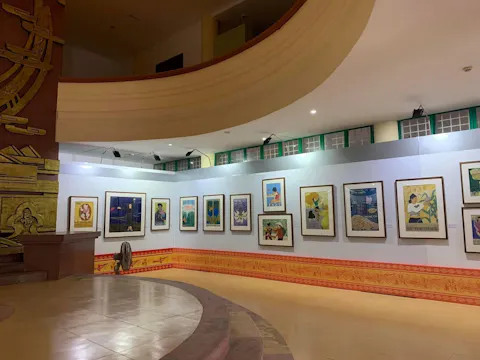
Vietnam National Museum of Fine Arts
The Vietnam National Museum of Fine Arts is one of Hanoi’s leading cultural attractions, showcasing the evolution of Vietnamese art from ancient civilizations to contemporary masterpieces. Visitors can admire traditional paintings, sculptures, ceramics, lacquer art, folk artworks, and modern collections that reflect the country’s rich artistic heritage. Located near the Temple of Literature, the museum offers an inspiring experience for art lovers, history enthusiasts, and cultural travelers. Go Visit Vietnam provides everything you need to plan your visit to this remarkable museum.
Vietnam National Museum of Nature
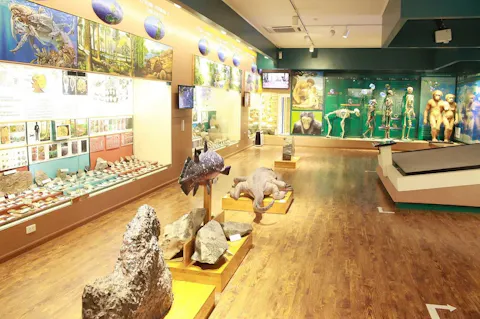
The Vietnam National Museum of Nature offers visitors an exciting journey through the country's incredible biodiversity, geological history, and unique ecosystems. Featuring dinosaur fossils, rare minerals, preserved wildlife specimens, and interactive scientific exhibits, the museum provides an engaging experience for families, students, and nature enthusiasts. Located in Hanoi, it introduces the fascinating evolution of life in Vietnam while promoting environmental conservation and scientific education. Go Visit Vietnam provides everything you need to plan an enjoyable and educational visit.
Vietnam National Museum of History
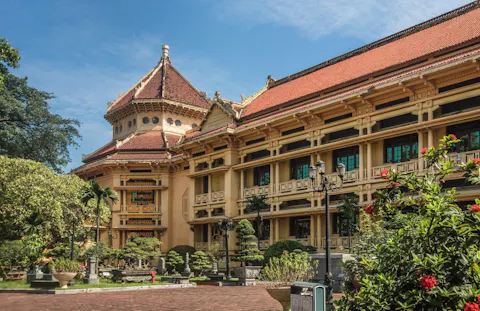
The Vietnam National Museum of History is one of Hanoi’s most important cultural landmarks, preserving the story of Vietnam from prehistoric times to the modern era. Through remarkable collections of ancient artifacts, royal treasures, ceramics, sculptures, coins, and historical documents, visitors can explore the development of Vietnamese civilization across thousands of years. Located near the Hanoi Opera House, the museum offers an enriching experience for history enthusiasts, students, and travelers. Go Visit Vietnam provides everything you need to plan your visit.
Vietnamese Women's Museum
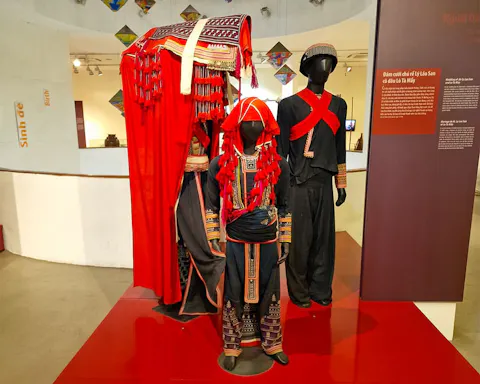
The Vietnamese Women's Museum is one of Hanoi’s most inspiring cultural attractions, showcasing the remarkable contributions of Vietnamese women throughout history and modern society. Through engaging exhibitions, traditional costumes, personal stories, family customs, and cultural artifacts, visitors gain insight into the diverse roles women have played across Vietnam’s many communities. Located in central Hanoi, the museum offers an enriching experience for travelers interested in culture, history, and social heritage. Go Visit Vietnam provides everything you need to plan your visit.