
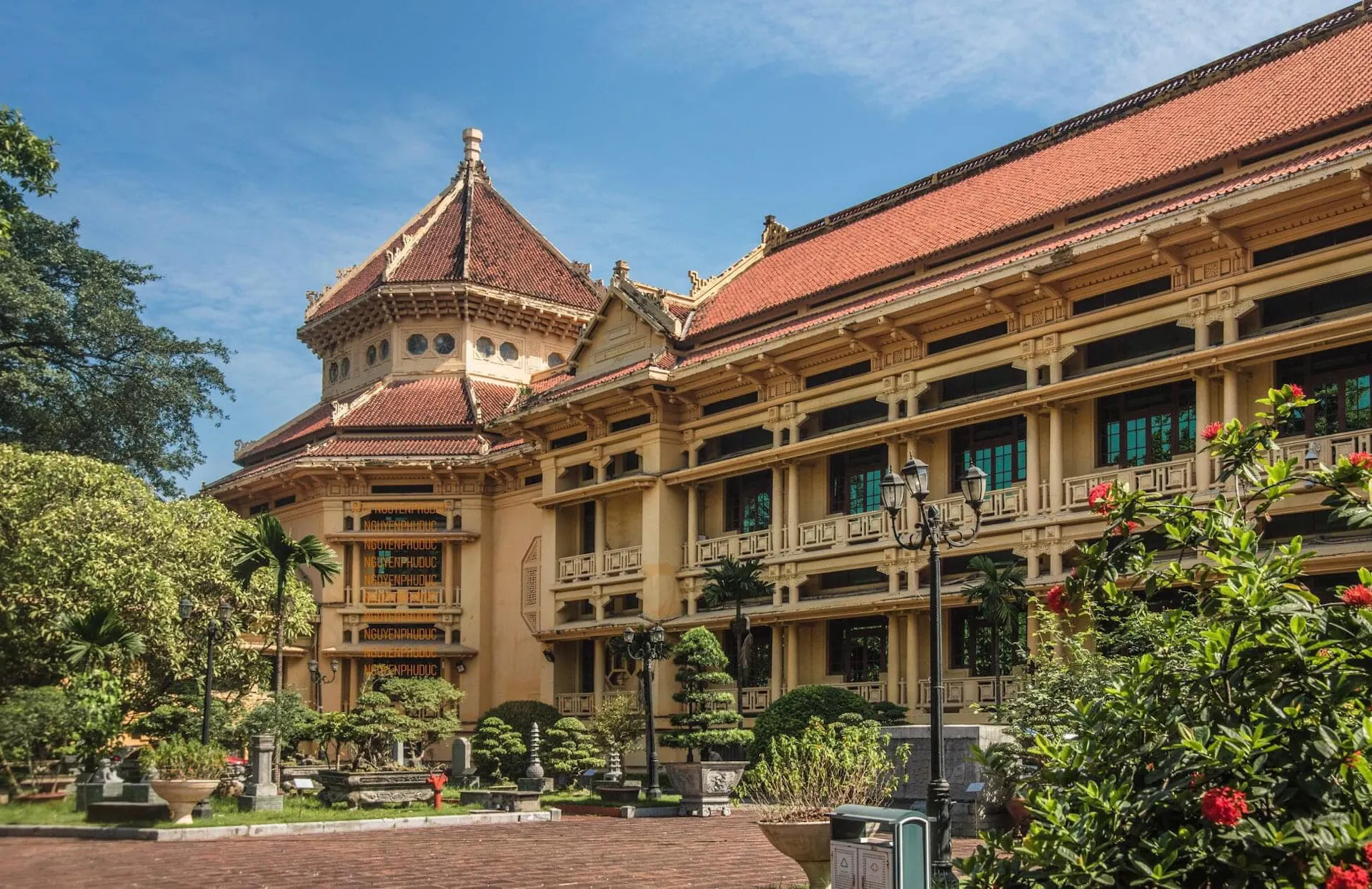
Vietnam National Museum of History
The Vietnam National Museum of History is one of Hanoi’s most important cultural landmarks, preserving the story of Vietnam from prehistoric times to the modern era. Through remarkable collections of ancient artifacts, royal treasures, ceramics, sculptures, coins, and historical documents, visitors can explore the development of Vietnamese civilization across thousands of years. Located near the Hanoi Opera House, the museum offers an enriching experience for history enthusiasts, students, and travelers. Go Visit Vietnam provides everything you need to plan your visit.
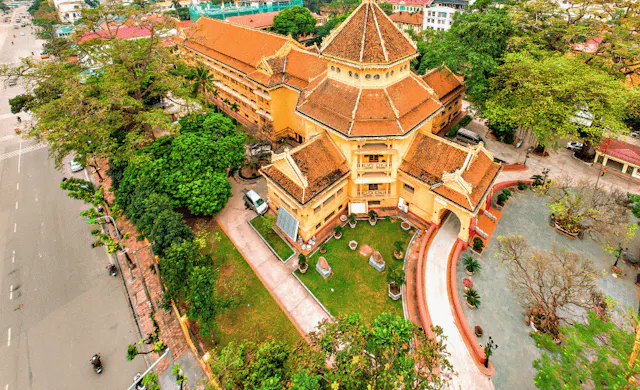
About Vietnam National Museum of History
Vietnam National Museum of History is one of the most important museums in Hanoi for travelers who want to understand Vietnam's long and complex history. Its collections span thousands of years, from prehistoric cultures and ancient civilizations to imperial dynasties, colonial-era Vietnam, and the country's modern history.
Located near the historic center of Hanoi, the museum brings together archaeological artifacts, royal objects, sculptures, ceramics, weapons, coins, and other historical materials. For first-time visitors to Vietnam, it provides valuable context for understanding the country's cultural heritage and the landmarks found throughout the country.
What Is the Vietnam National Museum of History?
The Vietnam National Museum of History is a major institution dedicated to preserving and presenting Vietnam's historical and archaeological heritage.
Its collections cover different periods of Vietnamese history, allowing visitors to follow the development of societies, political institutions, religions, art, trade, and everyday life over thousands of years.
The museum is particularly valuable for travelers who want more historical context before visiting ancient cities, temples, imperial sites, and archaeological destinations elsewhere in Vietnam.
Vietnam's Prehistoric Heritage
The museum introduces visitors to Vietnam's prehistoric cultures through archaeological discoveries and ancient artifacts.
Objects such as stone tools, pottery, ornaments, and other archaeological materials provide evidence of early human communities living in the region.
These collections help demonstrate that Vietnam's history extends far beyond the better-known imperial and modern periods.
Dong Son Culture
One of the museum's highlights is its collection related to the Dong Son culture, an ancient Bronze Age culture that developed in northern Vietnam.
The Dong Son civilization is particularly famous for its sophisticated bronze casting and distinctive Dong Son bronze drums.
These drums feature elaborate geometric patterns, animals, birds, and scenes that provide clues about the beliefs and social organization of ancient communities.
The collection offers travelers an opportunity to see some of the most recognizable artifacts associated with Vietnam's ancient heritage.
Ancient Vietnamese Kingdoms
The museum also presents materials associated with ancient kingdoms and cultural centers that developed across Vietnam.
Artifacts from different archaeological sites demonstrate connections between Vietnam and neighboring civilizations through trade, religion, warfare, and cultural exchange.
Visitors can see sculptures, ceramics, inscriptions, and other objects that reflect the changing political and cultural landscape of the region.
Imperial Dynasties
Vietnam's imperial period is another major part of the museum's collections.
Visitors can learn about important dynasties such as the Ly, Tran, Le, and Nguyen dynasties.
Royal objects, ceramics, coins, sculptures, documents, and other artifacts help illustrate the development of centralized government, Confucian traditions, Buddhism, court culture, and international relations.
These displays provide useful background for visiting places such as Hue, Hoa Lu, and the Temple of Literature in Hanoi.
Vietnamese Art and Ceramics
The museum contains collections of Vietnamese ceramics and decorative arts.
Pottery and porcelain provide valuable evidence of technological development and international trade.
Vietnamese ceramics were traded throughout Asia and beyond, reflecting the country's historical connections with other cultures.
The shapes, decorations, and materials of these objects also reveal changing artistic styles across different historical periods.
Religious and Cultural Heritage
Religion has played an important role throughout Vietnamese history.
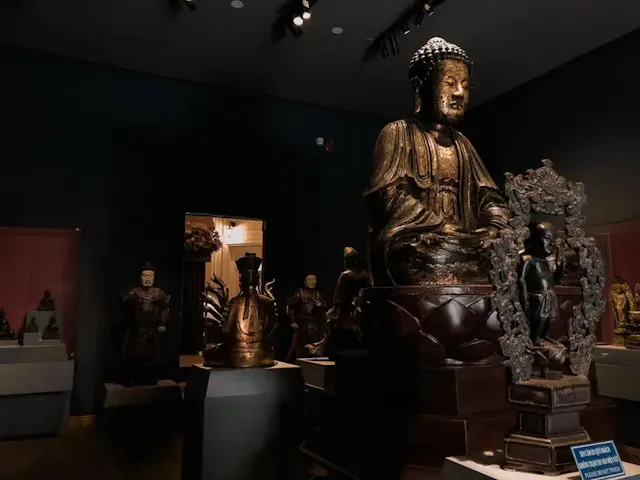
Museum collections include objects associated with Buddhism, Confucianism, and other religious traditions.
Sculptures and ritual objects demonstrate how religious ideas influenced architecture, art, literature, and daily life.
Understanding this cultural background can make visits to Vietnam's pagodas, temples, and historical monuments more meaningful.
Colonial and Modern History
The museum's collections also extend into more recent periods of Vietnamese history.
Visitors can learn about Vietnam during the French colonial period and the major political and social changes that followed.
Artifacts from the 19th and 20th centuries help explain the transition from imperial Vietnam to the modern nation.
The museum therefore provides a chronological connection between ancient history and contemporary Vietnam.
The Museum Building
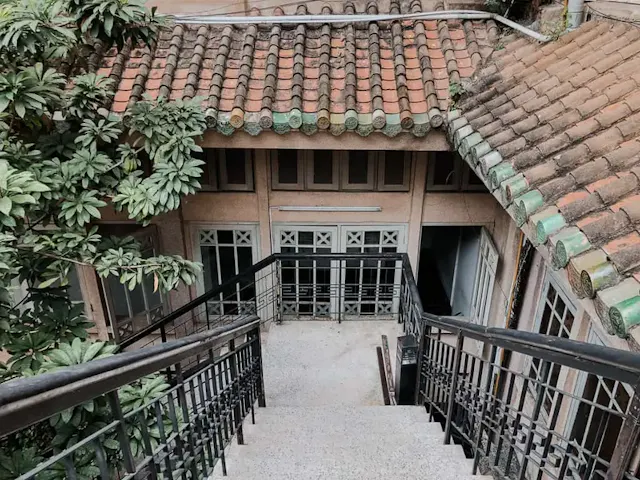
The museum itself is housed in a historic building with distinctive architectural characteristics.
Its design reflects the period in which the building was constructed and adds another layer of historical interest to the visit.
The combination of architecture and museum collections makes the experience different from visiting a modern exhibition space.
A Useful Stop in Hanoi
The Vietnam National Museum of History is conveniently located near several important attractions in central Hanoi.
Visitors can combine a museum visit with nearby landmarks, historic streets, lakes, cultural sites, and restaurants.
Because the museum is primarily indoors, it can also be a useful activity during particularly hot or rainy weather.
Planning Your Visit
Travelers should check the museum's current opening hours, admission fees, and exhibition information before visiting.
Allowing around two hours is a reasonable starting point for exploring the main collections, although history enthusiasts may want to spend considerably longer.
A visit is especially useful before traveling to destinations such as Hue, Ninh Binh, Hoi An, or other locations with significant historical heritage.
Why Visit the Vietnam National Museum of History?
The Vietnam National Museum of History provides a broad introduction to Vietnam's archaeological, cultural, imperial, colonial, and modern history.
From Dong Son bronze drums and ancient ceramics to royal artifacts and objects from more recent periods, its collections reveal how Vietnam developed across thousands of years.
For travelers who want more than sightseeing, visiting this museum offers valuable historical context and a deeper understanding of the temples, monuments, traditions, and cultural landscapes encountered throughout Vietnam.
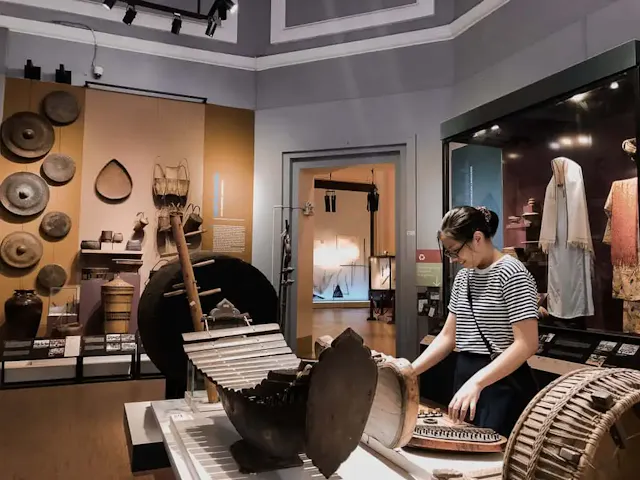
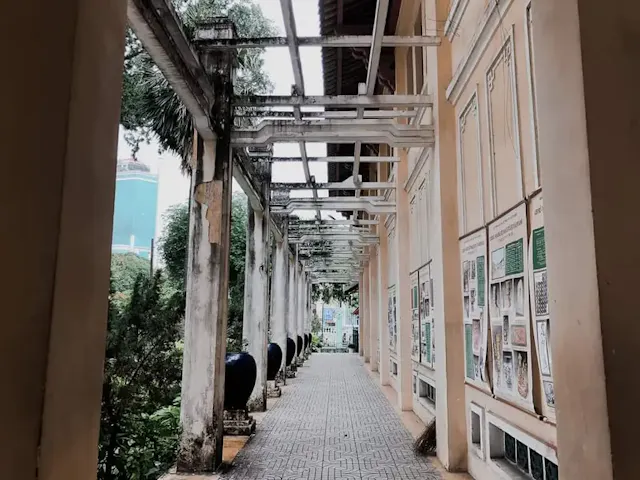
Vietnam National Museum of History in Pictures – Ancient Treasures & Timeless Heritage
Explore the Vietnam National Museum of History through a collection of images featuring remarkable archaeological discoveries, ancient bronze drums, royal artifacts, ceramics, sculptures, historical galleries, and beautifully preserved cultural treasures. The gallery highlights thousands of years of Vietnamese civilization, from prehistoric cultures and imperial dynasties to the nation's rich artistic and historical legacy. Discover one of Hanoi’s most important museums through its impressive architecture and extraordinary collections that bring Vietnam’s past to life.
How To Get There – Vietnam National Museum of History
Bus and coach
Travelers arriving in Hanoi by long-distance coach can continue from major terminals such as My Dinh, Giap Bat, or Nuoc Ngam Bus Station using public buses, taxis, or ride-hailing services. The museum is located in Hoan Kiem District, making it easy to reach from all major transport hubs.
Train
The museum is approximately 2.5 km from Hanoi Railway Station. Visitors can reach it in about 10 minutes by taxi or 25–30 minutes on foot, passing several historic landmarks along the way.
Driving
The museum is accessible by private car or motorbike via Trang Tien Street in central Hanoi. Parking is available nearby, although traffic in the city center can be busy during peak hours.
Flying
The nearest airport is Noi Bai International Airport, located about 30 km from the museum. The journey typically takes 40–50 minutes by taxi or private transfer, depending on traffic conditions.
Frequently Asked Questions About the Vietnam National Museum of History
What is the Vietnam National Museum of History famous for?
The museum is renowned for its extensive collection of archaeological artifacts, ancient bronze drums, royal treasures, ceramics, sculptures, coins, and historical objects that trace the development of Vietnamese civilization from prehistoric times to the modern era.
How much time should I spend at the museum?
Most visitors spend 2 to 3 hours exploring the permanent galleries and temporary exhibitions. History enthusiasts and researchers may wish to allow additional time to fully appreciate the collections.
Can I take photographs inside the museum?
Photography is generally permitted for personal use in many exhibition areas. Some special exhibitions or sensitive artifacts may have restrictions, so visitors should follow museum regulations and posted notices.
Is the museum suitable for children and families?
Yes. The museum offers educational displays, fascinating artifacts, and interactive learning opportunities that make it suitable for families, school groups, and visitors of all ages interested in Vietnamese history.
What attractions are located near the Vietnam National Museum of History?
The museum is conveniently located near Hoan Kiem Lake, the Hanoi Opera House, the Vietnamese Women's Museum, the Old Quarter, and several historic streets, making it easy to combine multiple cultural attractions in a single day of sightseeing.
Advertising box
Explore More Museums in Vietnam
Discover Vietnam's fascinating history, art, culture, and heritage through its diverse museums. From world-class history museums and war memorials to fine art galleries, ethnic culture exhibitions, and unique local collections, explore the stories that have shaped Vietnam's past and present with our comprehensive museum travel guides.
War Remnants Museum
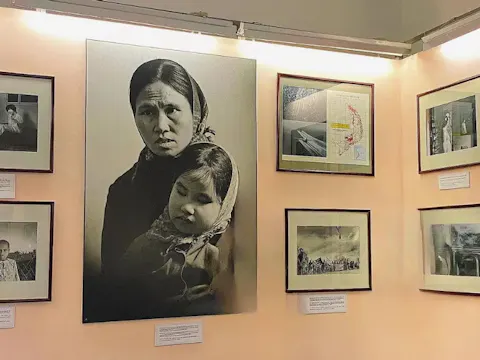
The War Remnants Museum is one of Ho Chi Minh City’s most visited cultural attractions, offering visitors a deeper understanding of Vietnam’s modern history through powerful exhibitions, historical artifacts, military equipment, and photographic collections. The museum presents the impact of war from multiple perspectives while promoting peace and historical awareness. Located in the heart of the city, it is an essential stop for travelers interested in Vietnam’s past, culture, and resilience. Go Visit Vietnam provides everything you need to plan your visit.
Vietnam Museum of Ethnology
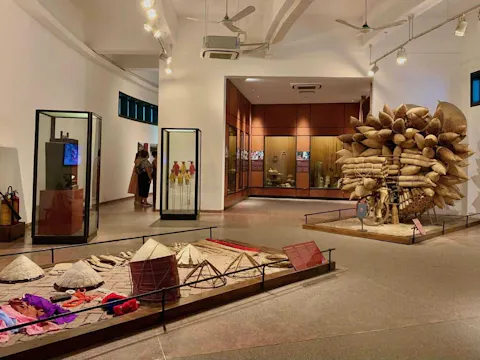
The Vietnam Museum of Ethnology is one of Hanoi’s most fascinating cultural attractions, showcasing the traditions, lifestyles, and heritage of Vietnam’s 54 officially recognized ethnic groups. Through engaging indoor exhibitions, authentic artifacts, and an impressive outdoor collection of traditional houses, visitors gain a deeper understanding of the country’s remarkable cultural diversity. Whether you are interested in history, architecture, or local traditions, the museum offers an enriching experience for travelers of all ages. Go Visit Vietnam helps you plan the perfect visit.
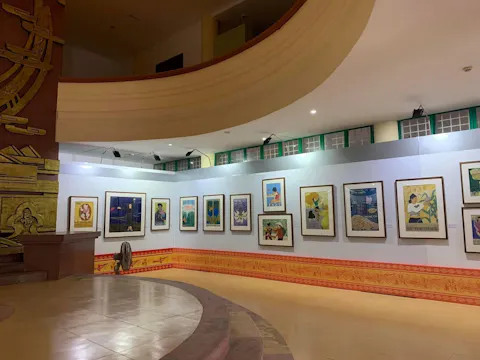
Vietnam National Museum of Fine Arts
The Vietnam National Museum of Fine Arts is one of Hanoi’s leading cultural attractions, showcasing the evolution of Vietnamese art from ancient civilizations to contemporary masterpieces. Visitors can admire traditional paintings, sculptures, ceramics, lacquer art, folk artworks, and modern collections that reflect the country’s rich artistic heritage. Located near the Temple of Literature, the museum offers an inspiring experience for art lovers, history enthusiasts, and cultural travelers. Go Visit Vietnam provides everything you need to plan your visit to this remarkable museum.
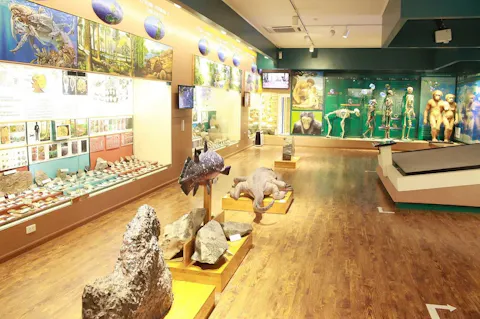
Vietnam National Museum of Nature
The Vietnam National Museum of Nature offers visitors an exciting journey through the country's incredible biodiversity, geological history, and unique ecosystems. Featuring dinosaur fossils, rare minerals, preserved wildlife specimens, and interactive scientific exhibits, the museum provides an engaging experience for families, students, and nature enthusiasts. Located in Hanoi, it introduces the fascinating evolution of life in Vietnam while promoting environmental conservation and scientific education. Go Visit Vietnam provides everything you need to plan an enjoyable and educational visit.
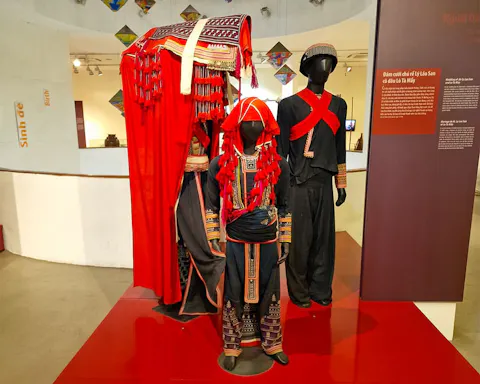
Vietnamese Women's Museum
The Vietnamese Women's Museum is one of Hanoi’s most inspiring cultural attractions, showcasing the remarkable contributions of Vietnamese women throughout history and modern society. Through engaging exhibitions, traditional costumes, personal stories, family customs, and cultural artifacts, visitors gain insight into the diverse roles women have played across Vietnam’s many communities. Located in central Hanoi, the museum offers an enriching experience for travelers interested in culture, history, and social heritage. Go Visit Vietnam provides everything you need to plan your visit.