
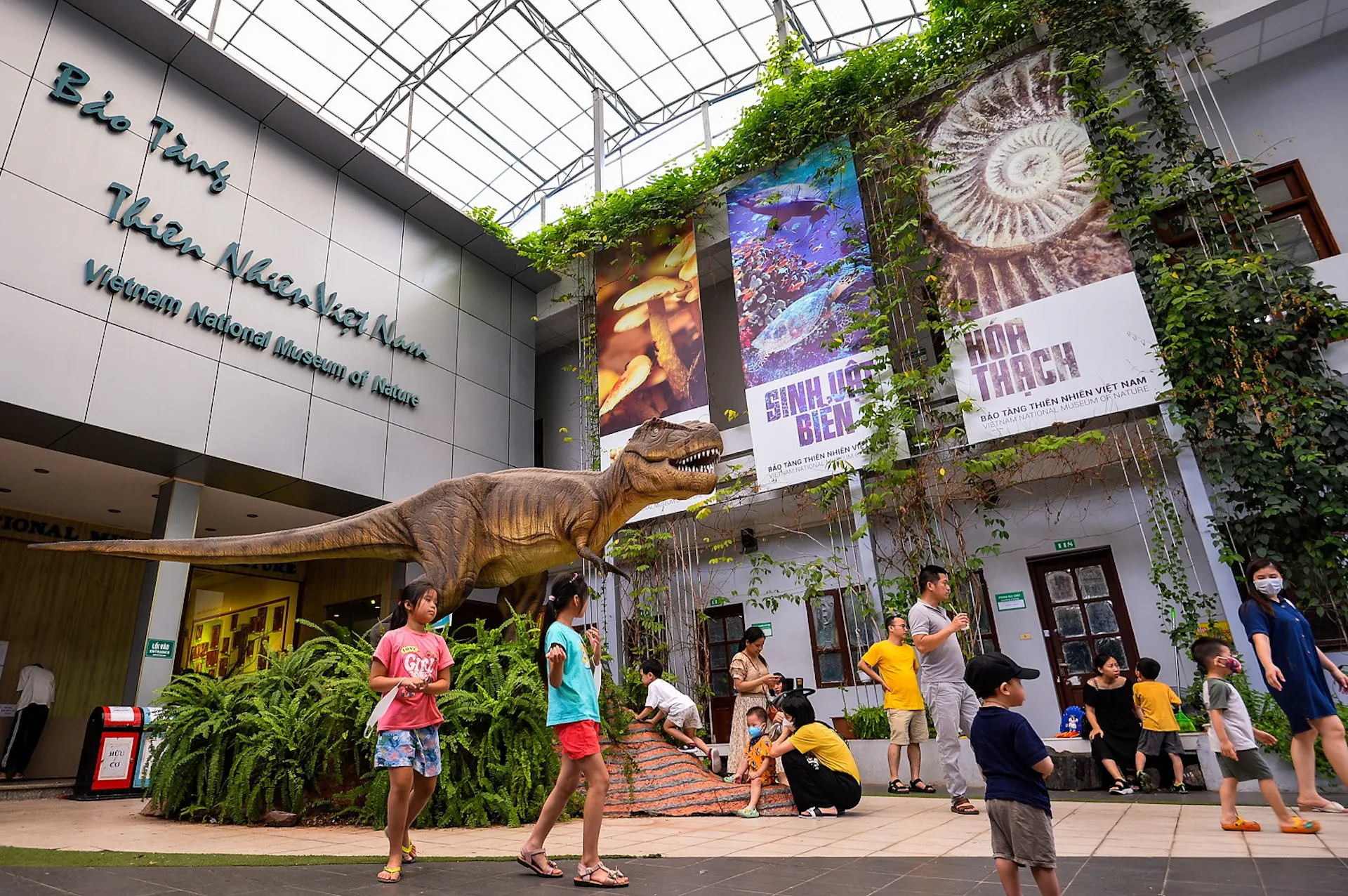
Vietnam National Museum of Nature
The Vietnam National Museum of Nature offers visitors an exciting journey through the country's incredible biodiversity, geological history, and unique ecosystems. Featuring dinosaur fossils, rare minerals, preserved wildlife specimens, and interactive scientific exhibits, the museum provides an engaging experience for families, students, and nature enthusiasts. Located in Hanoi, it introduces the fascinating evolution of life in Vietnam while promoting environmental conservation and scientific education. Go Visit Vietnam provides everything you need to plan an enjoyable and educational visit.
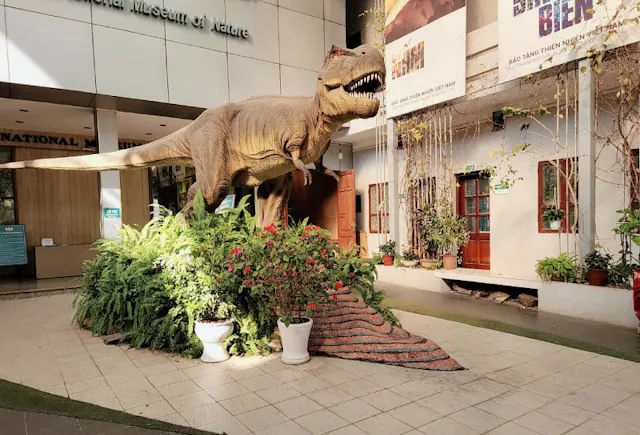
About Vietnam National Museum of Nature
Vietnam National Museum of Nature is a fascinating destination in Hanoi for travelers interested in biodiversity, geology, evolution, and the natural history of Vietnam. The museum introduces visitors to the country's diverse natural environment through collections, scientific displays, preserved specimens, and educational exhibits.
Located in Hanoi, the museum provides an opportunity to explore Vietnam's natural heritage in an indoor setting. It is particularly suitable for families, students, curious travelers, and anyone who wants to learn more about the plants, animals, fossils, minerals, and ecosystems that have shaped the country.
What Is the Vietnam National Museum of Nature?
The Vietnam National Museum of Nature is a scientific museum dedicated to researching, preserving, and presenting Vietnam's natural heritage.
Its collections cover different areas of natural science, including zoology, botany, geology, paleontology, and biodiversity.
The museum's displays help visitors understand how Vietnam's natural environment has developed over geological time and how different species have adapted to the country's diverse habitats.
Exploring Vietnam's Natural Heritage
Vietnam has an exceptionally diverse geography.
The country contains tropical forests, limestone mountains, wetlands, rivers, coastal ecosystems, islands, and marine environments.
This variety creates habitats for thousands of species.
The museum helps bring this biodiversity together through scientific collections and educational displays, giving visitors a broader understanding of the country's natural environment.
Fossils and Geological History
One of the most interesting aspects of natural history is understanding how landscapes and life have changed over millions of years.
The museum presents geological and paleontological materials that help illustrate different periods of Earth's history.
Fossils provide evidence of organisms that lived in ancient environments, while rocks and minerals reveal the geological processes that shaped Vietnam's mountains, plains, and coastlines.
These collections can make complex scientific concepts easier for visitors to understand.
Animals and Biodiversity
The museum features specimens representing different groups of animals found in Vietnam.
Visitors can learn about mammals, birds, reptiles, amphibians, fish, insects, and other forms of wildlife.
Displays provide information about animal characteristics, habitats, and biodiversity.
For international travelers who may not have the opportunity to visit Vietnam's remote national parks, the museum offers a convenient introduction to the country's wildlife.
Vietnam's Plant Life
Vietnam's natural diversity also includes an extraordinary range of plant species.
Forests, wetlands, mountains, and coastal environments support different communities of plants.
Museum collections and educational materials help visitors understand the importance of vegetation to ecosystems.
Plants provide food and shelter for wildlife, protect soil and water systems, and play an essential role in maintaining ecological balance.
Learning About Ecosystems
The museum's exhibits can help visitors understand how different organisms interact with their environments.
A forest, for example, is not simply a collection of trees and animals. It is a complex ecosystem in which plants, insects, mammals, microorganisms, soil, water, and climate interact.
Understanding these relationships can make visits to Vietnam's national parks and natural attractions more meaningful.
Conservation and Biodiversity
Conservation is an important part of understanding Vietnam's natural heritage.
The country is home to many rare and endangered species, including animals found only in particular regions.
Habitat loss, pollution, illegal wildlife trade, climate change, and other pressures can threaten biodiversity.
Museums and scientific institutions play an important role in research, education, and public awareness.
A Family-Friendly Attraction
The Vietnam National Museum of Nature can be an interesting stop for families traveling in Hanoi.
Children can see animal specimens, fossils, minerals, and other scientific displays while learning about the natural world.
The museum can also complement visits to outdoor attractions, allowing children to connect what they see in nature with scientific information.
Parents may find it particularly useful as an educational activity on a hot or rainy day.
A Different Side of Hanoi
Hanoi is widely known for historical landmarks, temples, lakes, markets, and traditional food.
The Vietnam National Museum of Nature provides a different perspective on the city by focusing on science and the natural environment.
A visit can therefore add variety to an itinerary, particularly for travelers spending several days in the capital.
Planning Your Visit
Visitors should check the museum's current opening hours, ticket information, and exhibition availability before visiting, as schedules and displays can change.
Allowing around one to two hours can provide enough time to explore the main exhibits without rushing.
The museum can also be combined with other attractions in Hanoi depending on its location and the day's itinerary.
Responsible Museum Visits
Museums depend on careful preservation of scientific specimens and collections.
Visitors should follow museum rules, avoid touching displays unless explicitly permitted, and respect photography restrictions.
Families should also supervise children around delicate exhibits.
Supporting scientific museums helps preserve natural heritage and encourages greater public interest in biodiversity and conservation.
Why Visit the Vietnam National Museum of Nature?
The Vietnam National Museum of Nature offers travelers an educational introduction to Vietnam's biodiversity, geology, fossils, wildlife, and natural history.
It provides useful context for understanding the forests, mountains, rivers, caves, and coastal ecosystems found throughout the country.
For travelers interested in science and nature, families looking for an educational activity, or visitors wanting to discover a different side of Hanoi beyond its historical landmarks, the museum is a worthwhile addition to a Vietnam itinerary.
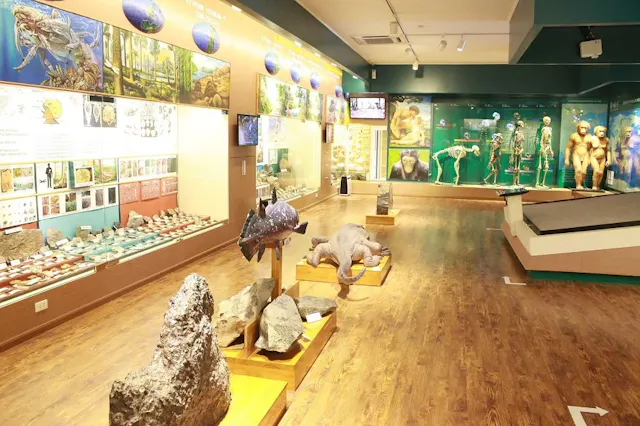
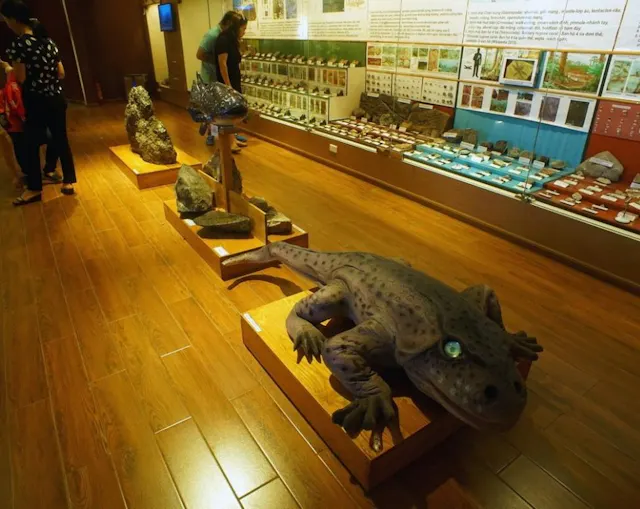
Vietnam National Museum of Nature in Pictures – Fossils, Wildlife & Natural Wonders
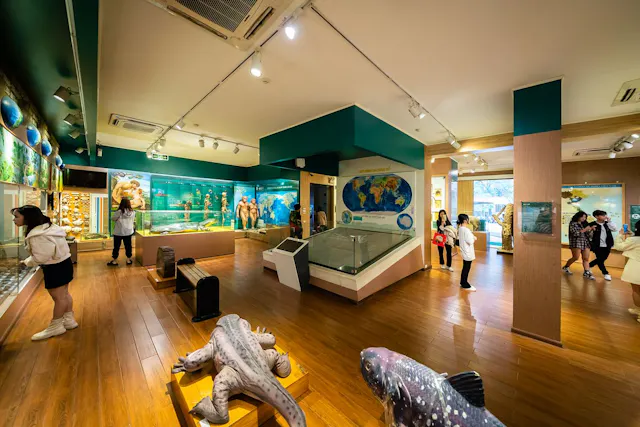
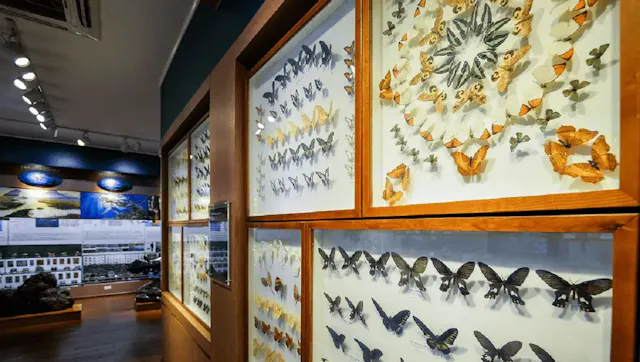
Discover the Vietnam National Museum of Nature through a collection of images showcasing dinosaur fossils, prehistoric skeletons, rare minerals, preserved wildlife specimens, insects, plants, and interactive scientific exhibits. The gallery highlights Vietnam’s incredible biodiversity and geological history, offering a fascinating visual journey through millions of years of natural evolution. From ancient fossils to modern conservation displays, explore one of Hanoi’s most educational museums dedicated to understanding and protecting the natural world.
How To Get There – Vietnam National Museum of Nature
Bus and coach
Visitors arriving in Hanoi by long-distance coach can continue from major bus terminals such as My Dinh Bus Station, Giap Bat Bus Station, or Nuoc Ngam Bus Station. Public buses, taxis, and ride-hailing services provide convenient access to the museum in Cau Giay District.
Train
The museum is approximately 8 km from Hanoi Railway Station. Visitors can reach it in around 20–30 minutes by taxi or use city bus routes that connect the railway station with Hoang Quoc Viet Street.
Driving
The museum is easily accessible by private car or motorbike via Hoang Quoc Viet Street. Parking is available within or near the campus of the Vietnam Academy of Science and Technology, where the museum is located.
Flying
The nearest airport is Noi Bai International Airport, located approximately 22 km from the museum. The journey usually takes 30–40 minutes by taxi or private transfer, depending on traffic conditions.
Frequently Asked Questions About the Vietnam National Museum of Nature
What is the Vietnam National Museum of Nature famous for?
The museum is best known for its collections of dinosaur fossils, prehistoric specimens, rare minerals, preserved wildlife, insects, plants, and exhibitions highlighting Vietnam’s rich biodiversity and geological history.
How much time should I spend at the museum?
Most visitors spend 1 to 2 hours exploring the museum. Families with children and visitors interested in natural history may wish to allow extra time to enjoy the interactive exhibits and educational displays.
Is the museum suitable for children?
Yes. The museum is a popular destination for families and school groups. Children often enjoy the dinosaur fossils, animal displays, and interactive exhibits that introduce science and nature in an engaging way.
Can I take photographs inside the museum?
Photography is generally permitted for personal use in many exhibition areas. Visitors should follow museum guidelines, avoid using flash where prohibited, and respect any photography restrictions in special exhibitions.
Why should I visit the Vietnam National Museum of Nature?
The museum offers a unique opportunity to learn about Vietnam’s extraordinary natural heritage, including its diverse wildlife, ecosystems, fossils, and geological history. It is an excellent destination for travelers interested in science, conservation, education, and family-friendly attractions in Hanoi.
Advertising box
Explore More Museums in Vietnam
Discover Vietnam's fascinating history, art, culture, and heritage through its diverse museums. From world-class history museums and war memorials to fine art galleries, ethnic culture exhibitions, and unique local collections, explore the stories that have shaped Vietnam's past and present with our comprehensive museum travel guides.

War Remnants Museum
The War Remnants Museum is one of Ho Chi Minh City’s most visited cultural attractions, offering visitors a deeper understanding of Vietnam’s modern history through powerful exhibitions, historical artifacts, military equipment, and photographic collections. The museum presents the impact of war from multiple perspectives while promoting peace and historical awareness. Located in the heart of the city, it is an essential stop for travelers interested in Vietnam’s past, culture, and resilience. Go Visit Vietnam provides everything you need to plan your visit.
Vietnam Museum of Ethnology
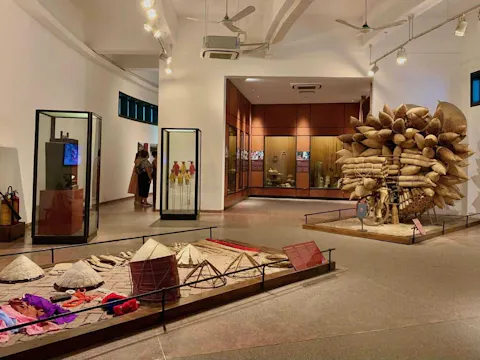
The Vietnam Museum of Ethnology is one of Hanoi’s most fascinating cultural attractions, showcasing the traditions, lifestyles, and heritage of Vietnam’s 54 officially recognized ethnic groups. Through engaging indoor exhibitions, authentic artifacts, and an impressive outdoor collection of traditional houses, visitors gain a deeper understanding of the country’s remarkable cultural diversity. Whether you are interested in history, architecture, or local traditions, the museum offers an enriching experience for travelers of all ages. Go Visit Vietnam helps you plan the perfect visit.
Vietnam National Museum of Fine Arts
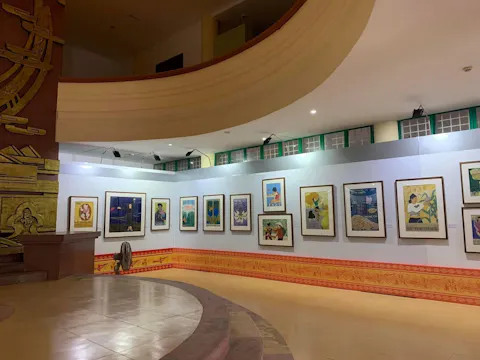
The Vietnam National Museum of Fine Arts is one of Hanoi’s leading cultural attractions, showcasing the evolution of Vietnamese art from ancient civilizations to contemporary masterpieces. Visitors can admire traditional paintings, sculptures, ceramics, lacquer art, folk artworks, and modern collections that reflect the country’s rich artistic heritage. Located near the Temple of Literature, the museum offers an inspiring experience for art lovers, history enthusiasts, and cultural travelers. Go Visit Vietnam provides everything you need to plan your visit to this remarkable museum.
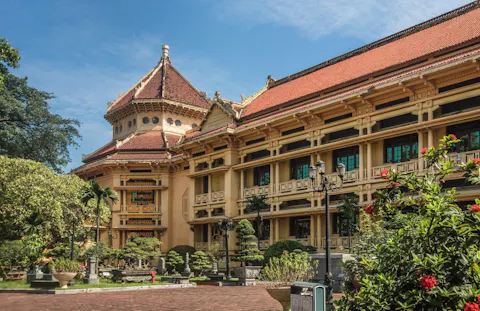
Vietnam National Museum of History
The Vietnam National Museum of History is one of Hanoi’s most important cultural landmarks, preserving the story of Vietnam from prehistoric times to the modern era. Through remarkable collections of ancient artifacts, royal treasures, ceramics, sculptures, coins, and historical documents, visitors can explore the development of Vietnamese civilization across thousands of years. Located near the Hanoi Opera House, the museum offers an enriching experience for history enthusiasts, students, and travelers. Go Visit Vietnam provides everything you need to plan your visit.
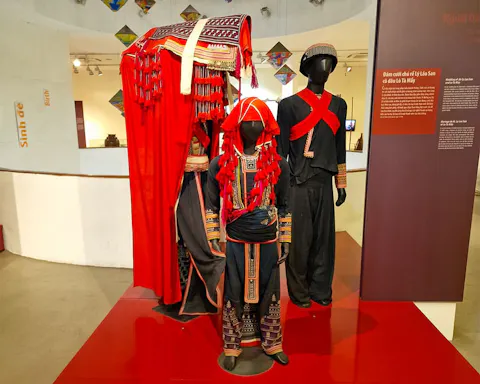
Vietnamese Women's Museum
The Vietnamese Women's Museum is one of Hanoi’s most inspiring cultural attractions, showcasing the remarkable contributions of Vietnamese women throughout history and modern society. Through engaging exhibitions, traditional costumes, personal stories, family customs, and cultural artifacts, visitors gain insight into the diverse roles women have played across Vietnam’s many communities. Located in central Hanoi, the museum offers an enriching experience for travelers interested in culture, history, and social heritage. Go Visit Vietnam provides everything you need to plan your visit.