
Vung Tau Travel Guide
Vung Tau is a popular coastal destination in southern Vietnam, known for sandy beaches, ocean views, fresh seafood, and its relaxed seaside atmosphere. Located within easy reach of Ho Chi Minh City, the city is ideal for a weekend getaway or short beach escape. Visitors can explore Back Beach, Front Beach, the Christ of Vung Tau, the Lighthouse, and local temples while enjoying coastal cuisine and sunset views. Discover the best things to do, places to visit, food, beaches, where to stay, and practical travel tips in Vung Tau.
About Vung Tau
Vung Tau is a popular coastal city in Ba Ria–Vung Tau Province, southern Vietnam, located on a peninsula overlooking the East Sea. Known for sandy beaches, seafood restaurants, coastal viewpoints, temples, and the famous Jesus Christ Statue, Vung Tau is one of the most accessible beach destinations from Ho Chi Minh City.
Its combination of beaches, religious landmarks, fresh seafood, and relaxed coastal atmosphere makes Vung Tau a popular weekend getaway for both Vietnamese travelers and international visitors.
What Is Vung Tau?
Vung Tau is a coastal city approximately 90 kilometers southeast of Ho Chi Minh City by road, although the exact travel time varies depending on traffic and transportation.
The city occupies a peninsula surrounded by the sea on several sides.
Its location has helped shape a strong maritime identity, while its proximity to Ho Chi Minh City has made it an important destination for short beach breaks.
Vung Tau's Beaches
Beaches are among the main attractions in Vung Tau.
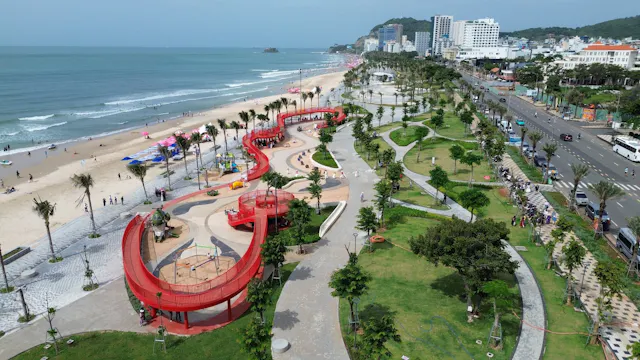
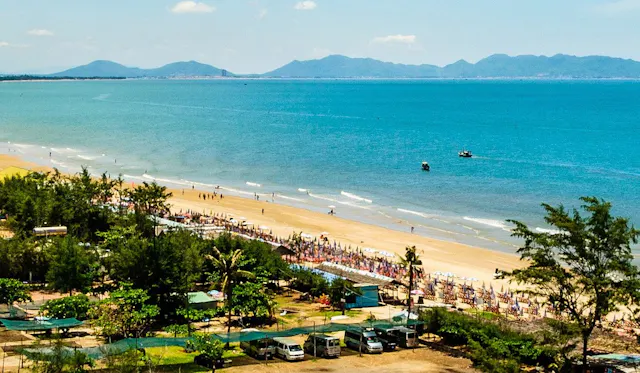
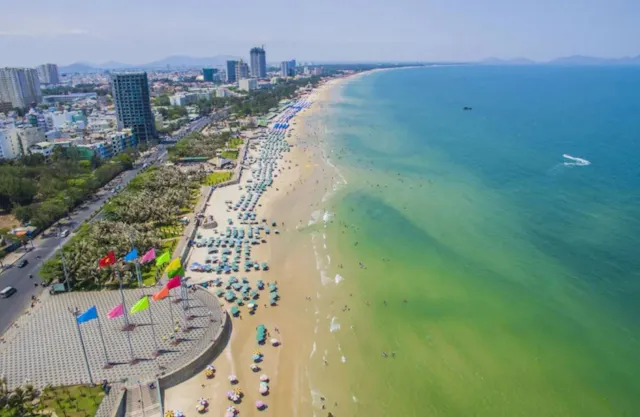
Back Beach, or Bai Sau, is one of the city's most popular beaches. Its long shoreline provides space for swimming, walking, and enjoying the sea.
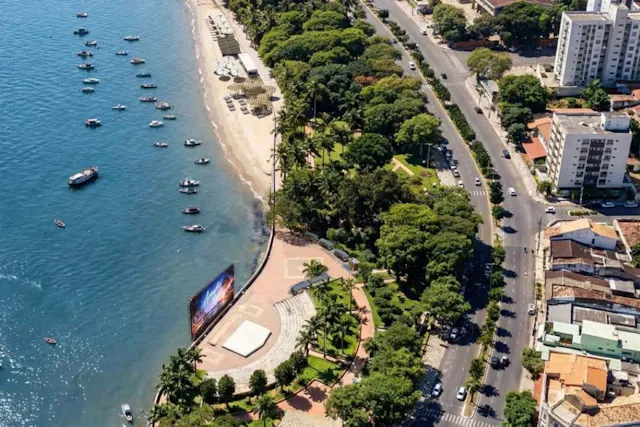
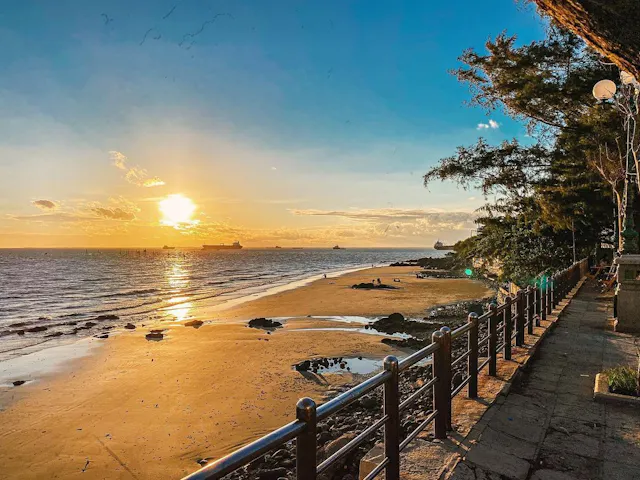
Front Beach, or Bai Truoc, is located closer to the city center and is particularly attractive for watching the sunset and enjoying views of the bay.
The beaches can become busy on weekends and public holidays, when large numbers of visitors travel from Ho Chi Minh City.
Jesus Christ Statue
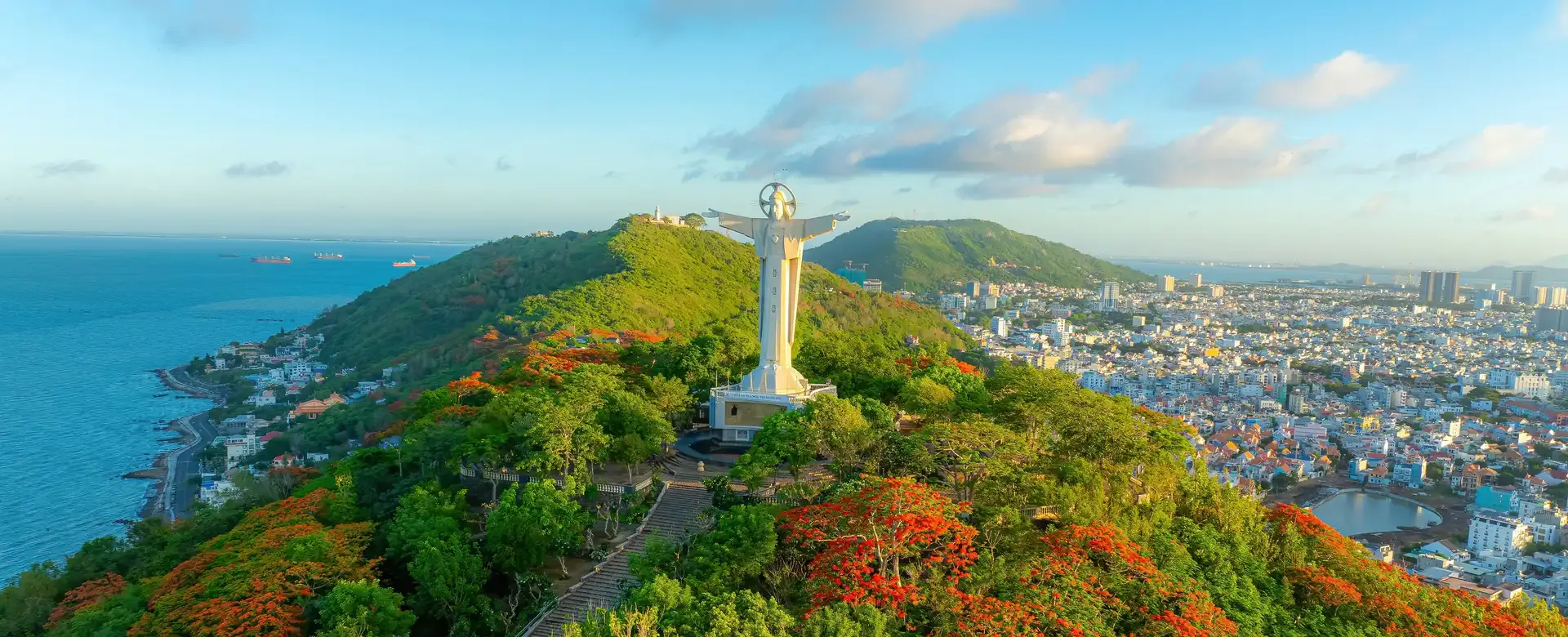
The Jesus Christ Statue is one of Vung Tau's most recognizable landmarks.
Standing on Nho Mountain, the statue overlooks the coastline and city.
Visitors can climb stairs inside the monument to reach an observation area with panoramic views of Vung Tau and the surrounding sea.
The climb requires physical effort, but the views from the top make it one of the city's most memorable sightseeing experiences.
Nho Mountain
Nho Mountain, also known as Small Mountain, is one of the two prominent hills overlooking Vung Tau.
The mountain is home to the Jesus Christ Statue and offers several viewpoints over the city.
Walking around the mountain provides opportunities to see the coastline, fishing boats, beaches, and urban landscape from different perspectives.
Vung Tau Lighthouse
Vung Tau Lighthouse is another well-known landmark located on Nho Mountain.
The lighthouse dates back to the French colonial period and remains an important navigational structure.
The surrounding road is popular with visitors because it provides elevated views over the coastline.
The lighthouse area is particularly attractive around sunset, when the city and sea are illuminated by warm evening light.
Nghinh Phong Cape
Nghinh Phong Cape is a scenic coastal viewpoint at the southern end of Vung Tau.
The cape features rocky cliffs extending into the sea and is known for strong coastal winds and panoramic ocean views.
It is a popular location for photography and sightseeing.
The combination of cliffs, waves, and open sea makes the cape one of the city's most dramatic natural attractions.
Vung Tau Seafood
Fresh seafood is central to the city's food culture.
Restaurants and seafood markets offer crab, shrimp, squid, clams, oysters, fish, and other coastal specialties.
Visitors can enjoy seafood prepared in Vietnamese styles, including grilled, steamed, stir-fried, and hotpot dishes.
The city's coastal location means seafood is readily available, making a seafood meal an essential part of a Vung Tau visit.
Local Food
Vung Tau is also known for several local dishes.
Banh Khot Vung Tau is one of the city's most famous specialties. These small crispy rice cakes are typically topped with shrimp and served with fresh herbs and dipping sauce.
Other popular choices include seafood noodles, grilled seafood, Vietnamese pancakes, and regional snacks.
Exploring local restaurants and food stalls provides another way to experience the city's coastal culture.
Vung Tau's Religious Heritage
The city has several temples, pagodas, churches, and other religious landmarks.
Niet Ban Tinh Xa, also known as Nirvana Vihara, is a Buddhist temple situated on the hillside overlooking the sea.
Thich Ca Phat Dai is another important Buddhist site, combining religious architecture with views of the surrounding city.
These sites demonstrate the diverse religious traditions found in southern Vietnam.
Weekend Destination From Ho Chi Minh City
Vung Tau's biggest advantage is its proximity to Ho Chi Minh City.
Travelers can reach the city by road or by ferry services when available.
The relatively short journey makes Vung Tau particularly popular for weekend trips.
A two-day itinerary can include beaches, viewpoints, temples, seafood restaurants, and sunset walks along the coast.
Best Time to Visit Vung Tau
Vung Tau can be visited throughout much of the year.
The period from November to April generally offers drier weather, while the rainy season can bring short but heavy showers.
For beach activities, travelers should check the weather forecast before visiting.
Weekdays are usually quieter than weekends and public holidays.
Getting Around Vung Tau
The city is relatively easy to explore.
Motorbikes, taxis, ride-hailing services, and private cars are commonly used by visitors.
Walking is enjoyable along parts of the beachfront, especially around Front Beach.
Travelers who rent motorcycles should wear helmets and follow Vietnamese traffic regulations.
Responsible Coastal Tourism
Visitors can help protect Vung Tau's coastline by reducing plastic waste and avoiding littering on beaches.
Travelers should respect religious sites by dressing appropriately and following local customs.
Supporting locally owned restaurants and businesses can also help ensure that tourism benefits the local community.
Why Visit Vung Tau?
Vung Tau offers a convenient combination of beaches, seafood, religious landmarks, coastal viewpoints, and weekend relaxation.
Its proximity to Ho Chi Minh City makes it one of southern Vietnam's easiest beach escapes.
Whether you want to swim at Back Beach, admire the coastline from the Jesus Christ Statue, explore Nghinh Phong Cape, eat fresh seafood, or enjoy Banh Khot, Vung Tau provides a relaxed introduction to Vietnam's southern coastal culture.
Vung Tau Travel Gallery
Explore the beauty of Vung Tau through a collection of coastal landscapes, sandy beaches, cultural landmarks, and vibrant local scenes. From relaxing moments along the waterfront to panoramic views from the city's iconic hills and lighthouse, discover the scenery, architecture, food, and everyday life that make Vung Tau a popular seaside destination in southern Vietnam.
How to Get There & Get Around Vung Tau
Bus and coach
Buses and coaches are among the most convenient ways to travel to Vung Tau from Ho Chi Minh City. Several services operate daily, with journey times typically taking around 2–3 hours depending on traffic. This is a practical option for budget-conscious travelers and those staying in central Ho Chi Minh City.
Train
Vung Tau does not currently have a direct passenger railway connection. Travelers arriving by train can take a train to Bien Hoa or another nearby railway station and continue the journey by road. For most visitors from Ho Chi Minh City, buses or private vehicles are generally more straightforward.
Driving
Driving to Vung Tau is convenient, particularly for travelers who want flexibility during their trip. The journey from Ho Chi Minh City generally takes around 2–3 hours by car, depending on traffic and the route. Motorbikes are also commonly used by experienced riders, although travelers should consider road conditions and traffic before choosing this option.
Flying
Vung Tau does not have a major commercial airport with regular international passenger services. The closest major airport is Tan Son Nhat International Airport (SGN) in Ho Chi Minh City. From the airport, travelers can continue to Vung Tau by private car, taxi, bus, or other road transportation.
Frequently Asked Questions About Vung Tau
What is Vung Tau known for?
Vung Tau is known for its beautiful beaches, coastal scenery, fresh seafood, and relaxed seaside atmosphere. The city is also home to landmarks such as the Christ of Vung Tau statue and Vung Tau Lighthouse, making it a popular weekend destination from Ho Chi Minh City.
How many days do you need in Vung Tau?
Two to three days is usually enough to experience Vung Tau's main attractions, beaches, local food, and coastal scenery. A weekend trip allows travelers to visit major landmarks, enjoy the beaches, try local seafood and Banh Khot, and explore the city at a relaxed pace.
What are the best things to do in Vung Tau?
Popular things to do in Vung Tau include relaxing at Back Beach, watching the sunset at Front Beach, visiting the Christ of Vung Tau statue, exploring Vung Tau Lighthouse, visiting local pagodas, enjoying fresh seafood, and trying the city's famous Banh Khot.
What is the best time to visit Vung Tau?
The best time to visit Vung Tau is generally from November to April, when the weather is often drier and more suitable for beach activities and sightseeing. Vung Tau can be visited year-round, although the rainy season may bring heavier showers and less predictable beach weather.
How do you get from Ho Chi Minh City to Vung Tau?
Travelers can reach Vung Tau from Ho Chi Minh City by bus, coach, private car, taxi, or motorbike. The journey generally takes around 2–3 hours by road, depending on traffic and the chosen route. Private transfers are convenient for groups, while buses and coaches are popular budget-friendly options.
Advertising box
Related Cities In Vietnam
Explore more cities across Vietnam and discover the local dishes, street food, cultural traditions, and culinary specialties that make each destination unique. From the historic streets of Hanoi and Hue to the vibrant food scenes of Ho Chi Minh City and Da Nang, discover where Vietnam's most iconic flavors come from and find inspiration for your next food adventure.
Phan Thiet Travel Guide
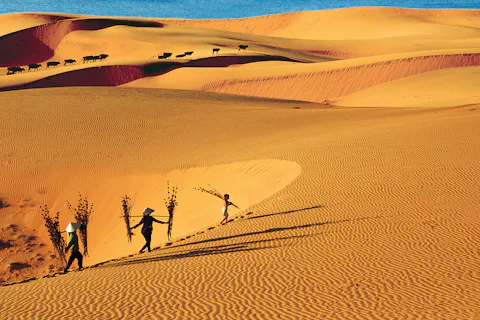
Phan Thiet is a beautiful coastal city in Binh Thuan Province, renowned for its golden beaches, fresh seafood, colorful fishing villages, and the world-famous Mui Ne. From exploring the spectacular Red and White Sand Dunes to visiting ancient Cham towers, scenic lighthouses, and peaceful seaside resorts, Phan Thiet offers the perfect blend of relaxation and adventure. This comprehensive travel guide covers the best attractions, local cuisine, travel tips, and unforgettable experiences for every traveler.
Sapa Travel Guide
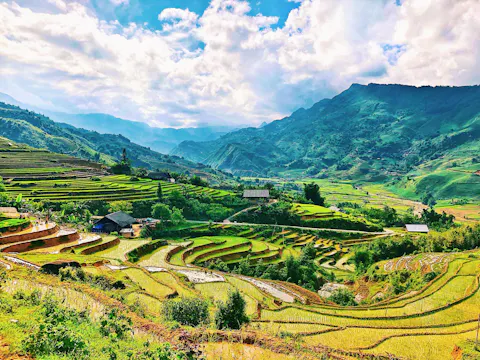
Sapa is one of Vietnam's most spectacular mountain destinations, renowned for its breathtaking rice terraces, cool climate, and rich ethnic culture. Nestled in the Hoang Lien Mountains of northern Vietnam, Sapa offers unforgettable trekking routes, panoramic viewpoints, vibrant local markets, and the iconic Fansipan Mountain—the highest peak in Indochina. Whether you're seeking outdoor adventure, cultural experiences, or stunning natural landscapes, this complete Sapa travel guide will help you discover the very best that this remarkable destination has to offer.
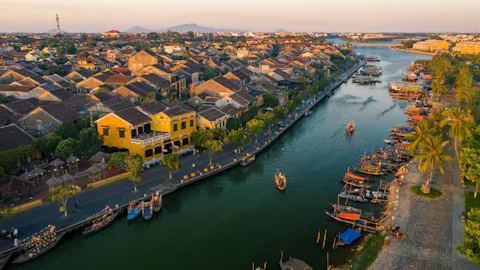
Hoi An Travel Guide
Hoi An is one of Vietnam's most enchanting destinations, renowned for its beautifully preserved Ancient Town, colorful lanterns, riverside charm, and rich cultural heritage. A UNESCO World Heritage Site, Hoi An offers visitors a unique blend of historic architecture, traditional cuisine, artisan workshops, and nearby beaches. Whether you're exploring centuries-old streets, enjoying a lantern-lit evening along the Thu Bon River, or taking a day trip to My Son Sanctuary, this comprehensive travel guide will help you experience the very best of Hoi An.
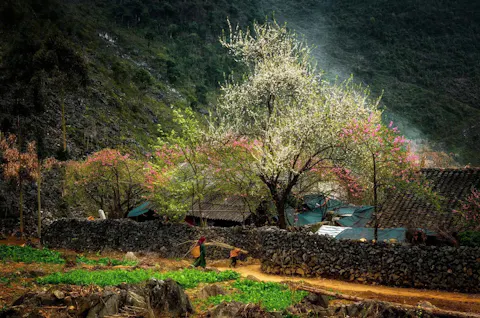
Ha Giang Travel Guide
Ha Giang is Vietnam's northernmost province, renowned for its spectacular mountain landscapes, winding roads, vibrant ethnic cultures, and the world-famous Ha Giang Loop. From conquering the breathtaking Ma Pi Leng Pass and cruising along the emerald Nho Que River to exploring traditional villages and the UNESCO-listed Dong Van Karst Plateau, Ha Giang offers unforgettable adventures. Whether you're planning a motorbike journey or a cultural escape, this complete travel guide will help you experience the very best of northern Vietnam.