
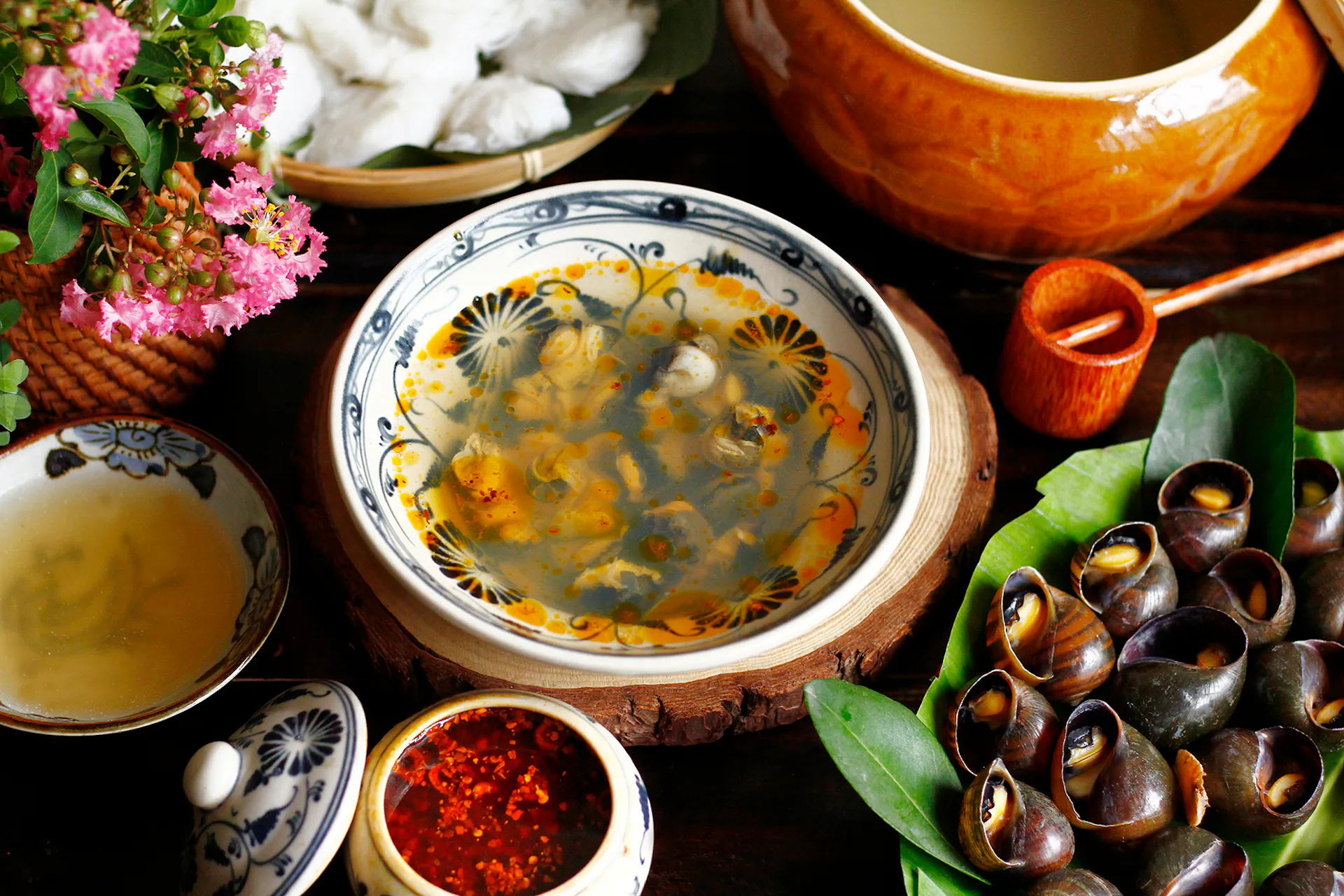
Bun Oc: Vietnam's Savory Snail Noodle Soup
Bun Oc is a traditional Vietnamese noodle soup known for its flavorful broth, tender freshwater snails, and fresh herbs. Particularly associated with Hanoi and northern Vietnam, the dish combines rice vermicelli with snails, tomatoes, herbs, and a savory broth that may have subtle sour and spicy notes. Different versions can include tofu, banana blossom, perilla, or other local ingredients. Often enjoyed as a casual breakfast or street food, Bun Oc offers travelers a distinctive introduction to Hanoi's diverse culinary traditions.
About Bun Oc
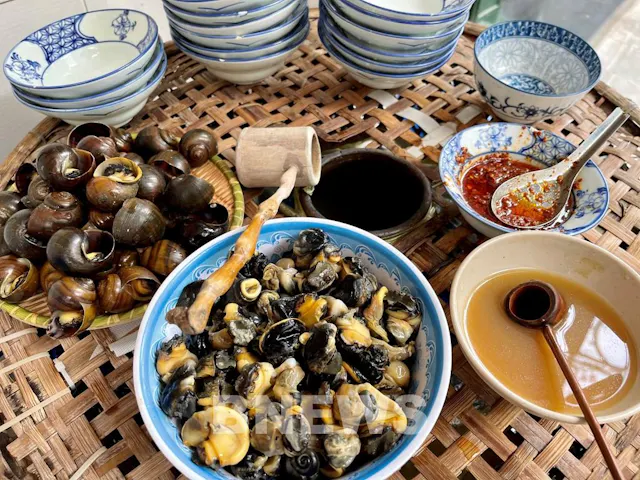
Bun Oc is a traditional Vietnamese noodle soup made with freshwater snails, rice vermicelli, herbs, and a flavorful broth. Particularly associated with Hanoi and Northern Vietnam, this humble dish is known for its combination of savory, slightly sour, aromatic, and refreshing flavors. For travelers exploring Vietnamese cuisine, Bun Oc offers an excellent introduction to the diverse food culture of the capital and northern regions.
What Is Bun Oc?
Bun Oc, written as Bún Ốc in Vietnamese, literally refers to rice vermicelli served with snails. The dish traditionally uses freshwater snails, which are cleaned carefully before being cooked and added to the noodle soup.
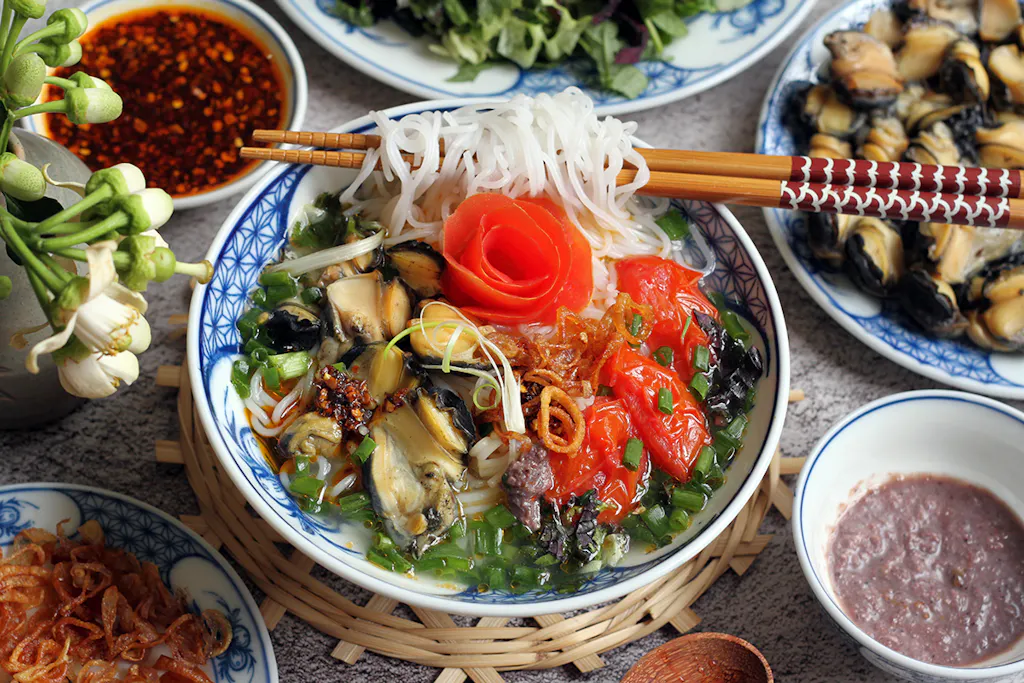
A typical bowl contains soft rice vermicelli, cooked snails, tomatoes, herbs, and a seasoned broth. Depending on the recipe, tofu, banana blossom, perilla leaves, and other vegetables may also be included.
The combination creates a dish that is filling without being overly heavy.
The Broth of Bun Oc
The broth is one of the defining elements of Bun Oc. Unlike rich meat-based noodle soups, Bun Oc often has a lighter and more refreshing character.
Tomatoes contribute a subtle acidity and natural sweetness, while vinegar or other souring ingredients may be used to create the distinctive tang associated with some northern versions.
The broth can also include chili, fish sauce, and other seasonings, allowing the final flavor to range from mild and savory to tangy and spicy.
Freshwater Snails
Freshwater snails are the defining ingredient of Bun Oc.
The snails are cleaned and prepared before being cooked, helping remove unwanted flavors and ensuring a pleasant texture. Properly prepared snails are typically tender and slightly chewy.
Their naturally mild flavor allows them to absorb the seasoning from the broth while adding a distinctive texture to the dish.
For travelers who have never tried Vietnamese snail dishes, Bun Oc provides an accessible way to experience this traditional ingredient.
Common Ingredients
Alongside snails and rice vermicelli, Bun Oc often includes tomatoes, tofu, fresh herbs, and vegetables.
Perilla leaves, Vietnamese mint, green onions, and other herbs can add fragrance and freshness.
Some regional or restaurant versions may include banana blossom, water spinach, or other seasonal vegetables.
Chili and lime or vinegar-based condiments may also be served separately, allowing diners to adjust the balance of flavors.
Bun Oc and Hanoi Food Culture
Bun Oc has a strong connection with Hanoi's everyday food culture.
It is commonly found at small neighborhood restaurants, traditional food stalls, and local markets rather than only at formal restaurants.
Like many Vietnamese noodle dishes, Bun Oc can be enjoyed at different times of the day, although it is particularly popular as a casual breakfast or lunch.
Eating it at a small local establishment can give travelers a glimpse into Hanoi's relaxed and informal dining traditions.
What Does Bun Oc Taste Like?
Bun Oc has a distinctive combination of savory, sour, fresh, and mildly spicy flavors.
The broth is often lighter than the broth used for many meat-based Vietnamese noodle soups. Tomatoes and souring ingredients provide acidity, while fish sauce and other seasonings add depth.
The tender-chewy snails contrast with soft rice noodles, while fresh herbs and vegetables add aroma and crunch.
The result is a balanced bowl that feels both flavorful and refreshing.
Where to Try Bun Oc in Vietnam
Hanoi is one of the best destinations for experiencing traditional Bun Oc.
Travelers can find the dish in local neighborhoods, markets, and small family-run eateries throughout the city. Different restaurants may prepare their own versions, so the flavor and toppings can vary.
Bun Oc can also be found in other parts of Northern Vietnam, where local ingredients and cooking traditions influence the preparation.
How to Eat Bun Oc
Bun Oc is generally served hot, with the rice noodles and snails placed in a bowl before the seasoned broth is added.
Fresh herbs and vegetables are usually added according to personal preference. Diners can also adjust the flavor with chili, lime, vinegar, or other condiments.
For the best experience, try a spoonful of broth first before adding additional seasonings. This allows you to appreciate the balance of sour, savory, and aromatic flavors in the original preparation.
Discover Bun Oc
Bun Oc is a simple but distinctive example of Northern Vietnamese cuisine. Its combination of freshwater snails, rice vermicelli, tomatoes, herbs, and tangy broth reflects the region's preference for balanced and layered flavors.
For travelers visiting Hanoi, trying Bun Oc is an opportunity to move beyond Vietnam's most internationally famous dishes and discover a traditional local specialty.
Whether enjoyed at a neighborhood food stall or a long-established local restaurant, Bun Oc offers a memorable taste of Hanoi's everyday culinary culture and the diverse traditions of Vietnamese noodle soups.
You have not enough Humanizer words left. Upgrade your Surfer plan.
Featured Ingredients in Bun Oc
Bun Oc combines simple ingredients to create a distinctive Vietnamese noodle soup with savory, tangy, and refreshing flavors. These three ingredients are central to the traditional character of the dish.
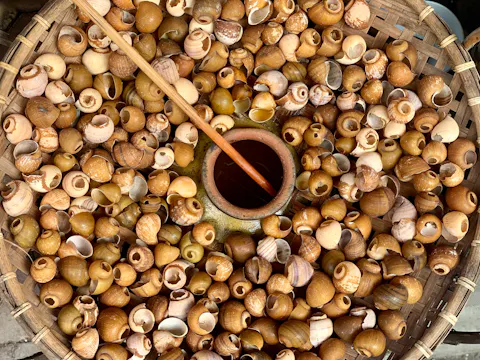
Freshwater Snails↗
Freshwater snails are the defining ingredient of Bun Oc. Carefully cleaned and cooked, they provide a tender yet slightly chewy texture and a mild seafood-like flavor. The snails absorb the savory and tangy flavors of the broth, making them the star ingredient in the bowl.
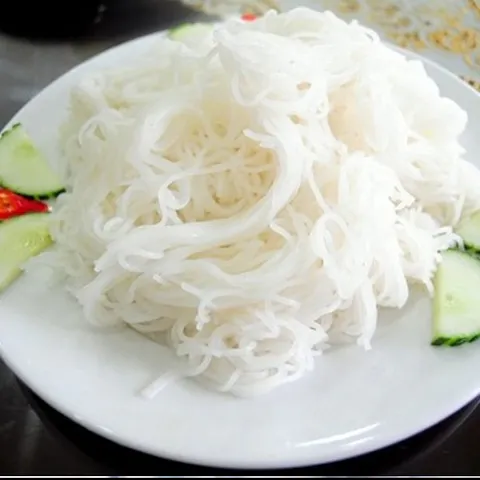
Rice Vermicelli↗
Rice vermicelli, or bun, provides the foundation of the dish. The soft, delicate noodles absorb the flavorful broth while offering a mild taste that balances the stronger flavors of the snails, tomatoes, and seasonings.
Tomatoes↗
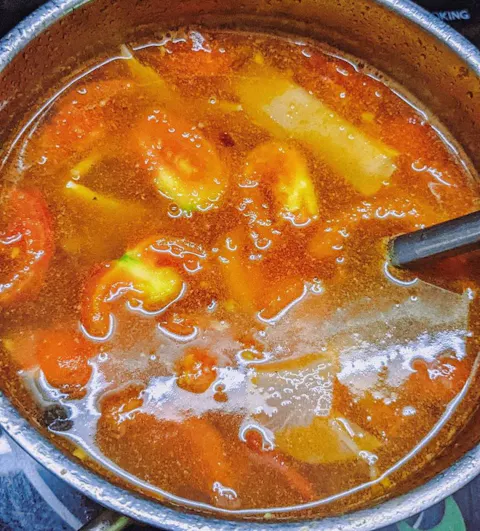
Tomatoes give Bun Oc its characteristic fresh and slightly sour flavor. They also add natural sweetness, color, and acidity to the broth. Combined with vinegar or other souring ingredients in some recipes, tomatoes help create the light and refreshing taste associated with many Northern Vietnamese versions of Bun Oc.
Frequently Asked Questions About Bun Oc
What is Bun Oc?
Bun Oc (Bún Ốc) is a traditional Vietnamese noodle soup made with freshwater snails and rice vermicelli. The broth commonly includes tomatoes and savory seasonings, while fresh herbs and vegetables add aroma and texture. The dish is particularly associated with Hanoi and Northern Vietnam.
What does Bun Oc taste like?
Bun Oc typically has a savory, tangy, and refreshing flavor. Tomatoes and souring ingredients can give the broth a pleasant acidity, while fish sauce and other seasonings add depth. The tender-chewy snails contrast with soft rice noodles, fresh herbs, and vegetables.
What kind of snails are used in Bun Oc?
Bun Oc traditionally uses freshwater snails found in Vietnam. The snails are carefully cleaned and cooked before being added to the noodle soup. Their mild flavor and slightly chewy texture work particularly well with the savory and tangy broth.
Where can I try Bun Oc in Vietnam?
Hanoi is one of the best places to experience traditional Bun Oc. The dish can be found at neighborhood eateries, local markets, and small family-run food stalls throughout the city. Regional versions are also available in other parts of Northern Vietnam.
Is Bun Oc suitable for first-time visitors to Vietnamese food?
Bun Oc can be a good choice for adventurous travelers who want to explore traditional Vietnamese cuisine. Its broth is generally lighter and more refreshing than many meat-based noodle soups. If you enjoy seafood, shellfish, or tangy soups, Bun Oc is worth trying during a visit to Hanoi.
Advertising box
Discover Vietnam's Regional Cuisine
Explore the rich diversity of Vietnamese food through regional specialties from north to south. Discover authentic local dishes, traditional recipes, street food favorites, fresh seafood, mountain delicacies, and iconic flavors that showcase the unique culinary heritage of every region across Vietnam.
Cha Muc: Vietnam's Famous Fried Squid Cake
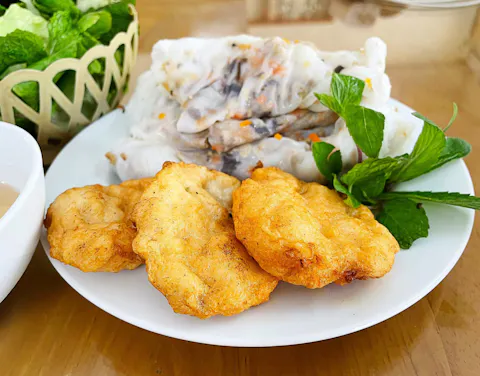
Cha Muc is a popular Vietnamese seafood specialty made from fresh squid that is finely chopped or pounded, seasoned, shaped, and deep-fried until golden and aromatic. Known for its springy texture and rich seafood flavor, the dish is particularly associated with Ha Long and Quang Ninh in northern Vietnam. Cha Muc is commonly served with sticky rice, steamed rice rolls, noodles, or a simple dipping sauce. Discover its ingredients, traditional preparation, regional origins, and why this coastal specialty is a favorite among Vietnamese food lovers.
Bun Mam: Vietnam's Bold Fermented Fish Noodle Soup
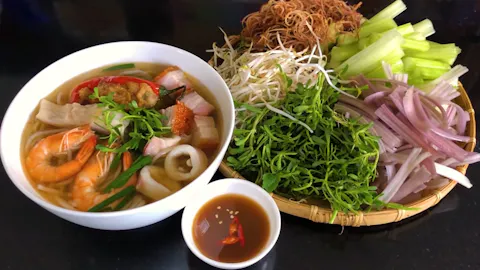
Bun Mam is a distinctive Vietnamese noodle soup from the Mekong Delta, known for its rich, savory broth made with fermented fish sauce. Often served with rice noodles, shrimp, squid, fish, pork, eggplant, and an abundance of fresh herbs and vegetables, the dish offers layers of salty, savory, and aromatic flavors. Its bold fermented-fish aroma may be unfamiliar to first-time visitors, but it is an important part of southern Vietnamese food culture. Discover Bun Mam's ingredients, origins, regional variations, and traditional way of serving.
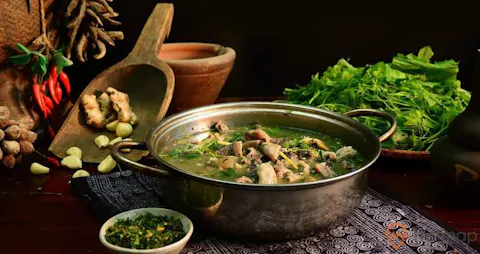
Thang Co: Vietnam's Traditional Hmong Horse Meat Stew
Thang Co is a traditional dish associated with the Hmong communities of northern Vietnam, particularly in mountainous destinations such as Ha Giang and Sapa. Traditionally prepared as a hearty stew using horse meat, offal, bones, aromatic herbs, and local spices, the dish has long been connected with communal meals and mountain markets. Its rich flavor and distinctive ingredients offer travelers an opportunity to explore the culinary traditions of Vietnam's ethnic communities. Discover the history, ingredients, preparation, regional variations, and cultural significance of Thang Co.
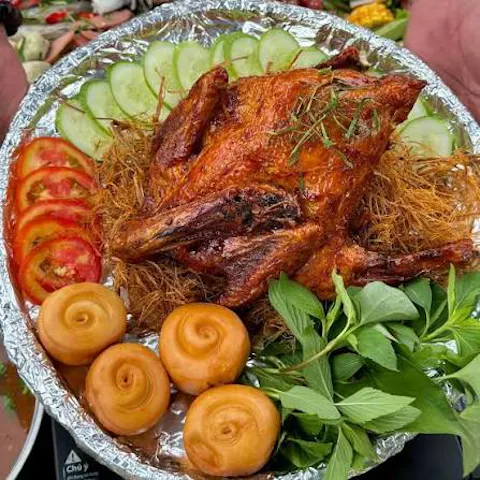
Gà Đốt Ô Thum (O Thum Burnt Chicken): A Rustic Culinary Gem of An Giang
Gà Đốt Ô Thum (O Thum Burnt Chicken) is one of An Giang's most distinctive culinary specialties, originating from the rural O Thum area in Tri Ton District. Prepared using free-range chicken roasted over high heat until the skin becomes beautifully charred and crispy, this rustic dish is celebrated for its smoky aroma, juicy meat, and rich flavor. Often served with fresh herbs, sticky rice, and flavorful dipping sauces, Gà Đốt Ô Thum offers visitors an authentic taste of the Mekong Delta's traditional countryside cuisine.