
Ben Thanh Market Bargaining Guide: How to Negotiate Prices Like a Local
Shopping at Ben Thanh Market is an essential Ho Chi Minh City experience, and bargaining is part of the tradition. While first-time visitors may feel unsure about negotiating prices, a few simple techniques can help you shop confidently and respectfully. This guide explains how bargaining works at Ben Thanh Market, how much you should negotiate, common mistakes to avoid, and practical tips that locals and experienced travelers use to secure fair prices while enjoying one of Vietnam's most iconic markets.
On this page
- The Psychology and Rules of the Game in Our Ben Thanh Market Bargaining Guide
- Mastering the Art of Friendly Negotiation in Your Ben Thanh Market Bargaining Guide
- Essential Vietnamese Phrases and Currency Tactics for the Ultimate Ben Thanh Market Bargaining Guide
- The Golden Hours – When to Shop for the Best Deals
- Practical Field Etiquette and Respectful Trading
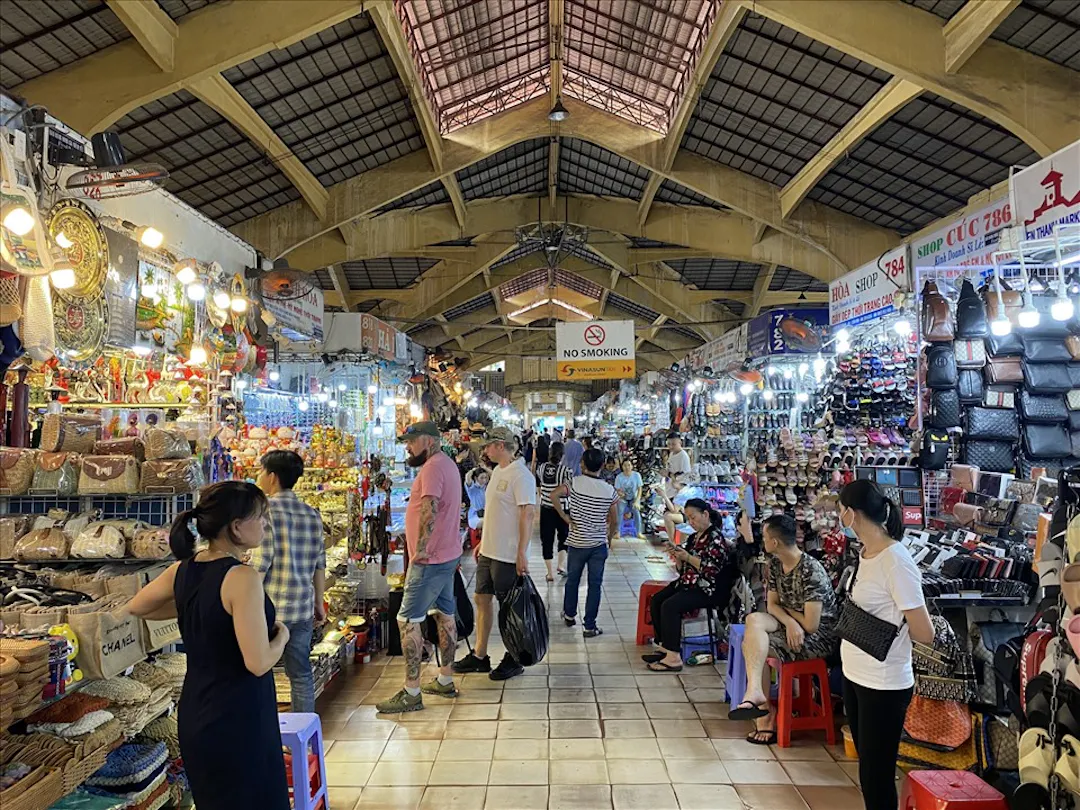
Stepping through the iconic clock-tower gates of Chợ Bến Thành, the senses are immediately enveloped in an overwhelming, vibrant symphony of Southeast Asian commerce. The humid air hums with the buzzing energy of vendors calling out to passersby, surrounded by an intricate maze of shimmering silks, hand-carved lacquerware, and aromatic spice stalls. For the uninitiated, this legendary commercial landmark in the heart of Saigon can feel like an intimidating labyrinth of inflated prices and relentless sales pitches. However, utilizing a comprehensive Ben Thanh Market bargaining guide reveals that this bustling epicenter is not a fixed-price department store, but rather a dynamic social theater. Here, the commercial dynamic dictates that negotiation is an expected, friendly, and deeply respectful dance. Learning how to bargain at Ben Thanh Market fundamentally transforms what could be a stressful tourist trap into a highly empowering cultural exchange. By mastering the local pricing psychology and understanding the unwritten social contract of this historic bazaar, you elevate your travel experience from mere consumption to authentic participation in a centuries-old trading tradition, equipping yourself with the ultimate Ben Thanh Market shopping guide for tourists.
The Psychology and Rules of the Game in Our Ben Thanh Market Bargaining Guide
Decoding the Initial Markup
To successfully navigate the intricate alleys of this historic marketplace, one must first profoundly understand the foundational economic reality governing the vendor stalls. The initial price quoted to a foreign visitor is rarely, if ever, the actual value of the item; it is merely the opening volley in a sophisticated cultural negotiation ritual. Vendors deliberately employ a steep initial markup, frequently inflating the cost by two to three times its standard local value. This pricing psychology is not a malicious attempt to deceive, but rather a structural expectation for the customary haggling process. Recognizing this inherent commercial dynamic immediately neutralizes any feelings of frustration or offense. It sets a calm, analytical foundation for a successful, stress-free negotiation. The vendor expects you to counteroffer, and accepting the first price without question is often met with internal surprise, as it bypasses the traditional social interaction that defines Vietnamese street commerce. Armed with these crucial Saigon market negotiation tips, the savvy traveler approaches the transaction not as a confrontation, but as a strategic dialogue designed to reach a mutually satisfying conclusion.
The Classic "Half-Price" Rule Explained
The cornerstone of any effective procurement strategy within this vibrant bazaar is the deployment of the legendary half-price negotiation rule. When presented with the vendor’s initial, inflated quotation, the most reliable and field-tested tactic is to counter with a baseline starting point of roughly forty to fifty percent of their asking price. This sharp reduction serves a distinct psychological purpose: it immediately signals to the merchant that you are an experienced shopper who understands the underlying economics of the market, thereby resetting the parameters of the discussion. However, issuing this counteroffer initiates a delicate push-and-pull mechanics protocol. The vendor will invariably feign shock, sigh dramatically, or insist that such a low figure will bankrupt their family—this is merely the theatrical second act of the negotiation dance. They will subsequently present a slightly lower counteroffer, and you will respond by incrementally raising your initial bid. This methodical, rhythmic exchange continues until both parties converge upon a fair, mutually satisfying middle ground, typically settling around sixty to seventy percent of the original quote. Mastering this fluid, responsive rhythm ensures that both the buyer secures a fair deal and the seller achieves a respectable margin, preserving the essential harmony of the marketplace.
Mastering the Art of Friendly Negotiation in Your Ben Thanh Market Bargaining Guide
The Power of a Smile and Humor
Within the bustling, high-stakes environment of Saigon’s premier trading hub, your most powerful and effective arsenal extends far beyond mathematical calculations; it resides entirely in your interpersonal demeanor. The psychological importance of maintaining a lighthearted, smiling disposition cannot be overstated. Southeast Asian commercial interactions place an immense cultural premium on "saving face" and preserving social harmony. Consequently, displaying visible frustration, raising your voice, or adopting an aggressive, combative stance immediately destroys the rapport necessary for a successful transaction. Instead, the elite traveler utilizes playful banter and polite gestures as their primary negotiation instruments. A broad smile, a self-deprecating laugh, and a gentle, teasing tone disarm the vendor, transforming an adversarial financial transaction into an enjoyable social interaction. When you reject an inflated price with a warm chuckle rather than a stern frown, the vendor is far more inclined to offer genuine concessions. This friendly negotiation psychology ensures that the merchant views you not as a difficult tourist to be exploited, but as a welcome conversational partner, drastically improving your chances of securing the lowest possible price while leaving both parties feeling respected and victorious.
The Walk-Away Technique
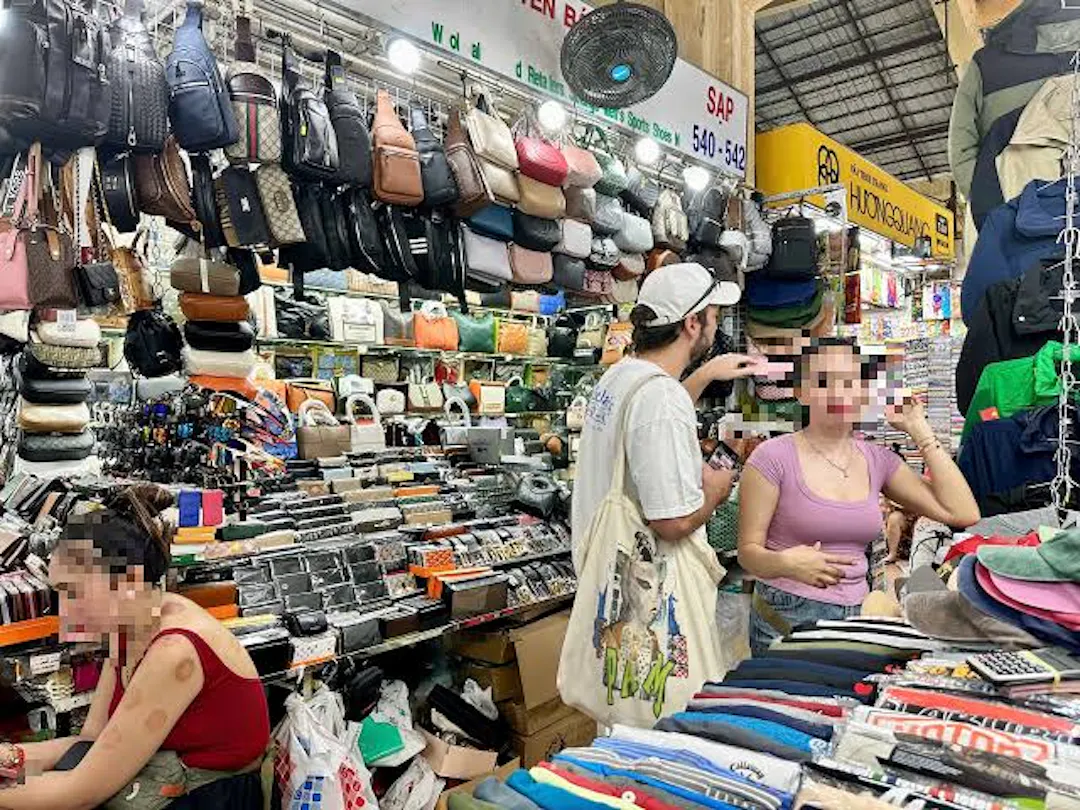
When the push-and-pull mechanics of the negotiation reach an impassable stalemate, the most decisive and effective strategy available is the classic walk-away technique. If a vendor remains stubbornly anchored to a price that exceeds your predetermined budget or the item's perceived value, the correct protocol is to express polite disappointment, thank them graciously for their time, and begin to slowly pivot away from the stall. This physical withdrawal triggers a powerful psychological mechanism within the vendor, shifting the dynamic from the potential of a high-margin sale to the absolute certainty of a lost transaction. In a highly competitive environment where dozens of adjacent stalls offer nearly identical silk scarves, wooden lacquer bowls, and souvenir garments, the prospect of losing a customer to a neighbor is deeply unappealing. More often than not, before you have taken three steps into the crowded aisle, the merchant will call you back, rapidly producing a calculator to display a newly reduced, final offer that miraculously aligns with your original demands. Knowing exactly when and how to let go preserves not only your financial budget but also your personal dignity, demonstrating an authoritative command over the commercial environment.
Essential Vietnamese Phrases and Currency Tactics for the Ultimate Ben Thanh Market Bargaining Guide
Essential Language Toolkit
Equipping yourself with a foundational repertoire of Vietnamese shopping phrases for tourists provides an immediate, transformative advantage that elevates your status from a passing tourist to an integrated, culturally aware participant. The mere attempt to utilize the native tongue instantly signals a profound respect for the local culture, frequently melting the vendor’s hardened sales exterior and unlocking preferential pricing tiers. The linguistic journey begins with the fundamental inquiry: "Bao nhiêu?" (How much?). This simple phrase replaces pointing, establishing immediate verbal engagement. When the vendor inevitably returns with an inflated figure, you deploy the critical phrases for requesting a discount: "Bớt không?" or the slightly more assertive "Bớt đi" (Can you lower the price?). Pronouncing these phrases with a gentle smile transforms the negotiation from a rigid financial demand into a culturally resonant request for fairness. Furthermore, expressing polite shock with a dramatic exclamation of "Mắc quá!" (Too expensive!) often elicits laughter from the merchant, perfectly aligning with the playful, theatrical nature of the market. Mastering these precise linguistic tools effectively breaks down the invisible barrier separating the foreigner from the local, ensuring your negotiations are infused with camaraderie and mutual respect.
Currency Management and Exact Change
Beyond linguistic proficiency, a truly authoritative approach to market negotiation requires rigorous, strategic financial preparation. The practical importance of carrying small, manageable denominations of the local currency cannot be ignored. Before stepping through the wrought-iron gates, the astute traveler ensures their wallet is adequately stocked with tiền lẻ (small change or small bills). Relying exclusively on high-denomination notes, such as five hundred thousand Dong bills, severely undermines your negotiating leverage. If you successfully battle to reduce the price of a lacquered coaster set to eighty thousand Dong, handing the vendor a massive bill immediately signals that you possess abundant wealth, frequently resulting in a sudden, mysterious lack of change or a renewed attempt to upsell additional items. By possessing exact change, you firmly control the absolute conclusion of the transaction. Once the final price is verbally agreed upon, producing the exact amount of tiền lẻ prevents any awkward cash-handling situations, abruptly closes the negotiation window, and reinforces your cultivated status as an experienced, pragmatic traveler who deeply understands the logistical realities of Southeast Asian street commerce.

The Golden Hours – When to Shop for the Best Deals
The Morning "Mo Hang" Ritual
Timing your expedition to align with the specific temporal rhythms of the marketplace is a highly sophisticated strategy that leverages local superstition for maximum economic advantage. When determining the best time to visit Ben Thanh Market, the early morning hours stand unparalleled due to the profound cultural significance of the first sale of the day, traditionally known as mở hàng. Vietnamese merchants are often deeply superstitious regarding this initial transaction, firmly believing that a swift, smooth, and successful first sale sets a positive, auspicious tone that guarantees steady foot traffic and abundant financial luck for the remainder of the operating hours. Consequently, if you are the very first customer to approach a freshly opened stall shortly after sunrise, the vendor will frequently offer aggressive, heavily discounted prices to secure your business and capture that essential good fortune. By understanding and participating in this deeply ingrained mở hàng ritual, you secure premium merchandise at a fraction of the midday cost, demonstrating a masterful comprehension of the invisible spiritual and commercial forces that silently govern the historic bazaar.
Late-Day Closures and Bargain Windows
Conversely, a secondary, highly strategic temporal window emerges in the late afternoon as the humid heat breaks and the market transitions toward its evening closure. As the heavy metal shutters begin to rattle down and the vendors meticulously pack away their sprawling displays, an urgent inventory clearance strategy takes hold of the commercial dynamic. Merchants, exhausted from the grueling daytime heat and eager to finalize their daily ledgers, are highly motivated to execute last-minute transactions. During this twilight period, the rigid pricing structures of the midday rush soften dramatically. A vendor who staunchly refused your counteroffer at noon may readily accept the exact same figure at five o'clock simply to generate a final injection of cash before retreating home. Shopping during these late-day closures provides the discerning traveler with a powerful, secondary opportunity to capitalize on vendor fatigue and inventory liquidation, offering a distinctly different but equally effective pathway to securing exceptional deals without the intense, combative energy of the peak operational hours.
Practical Field Etiquette and Respectful Trading
Maintaining Mutual Respect
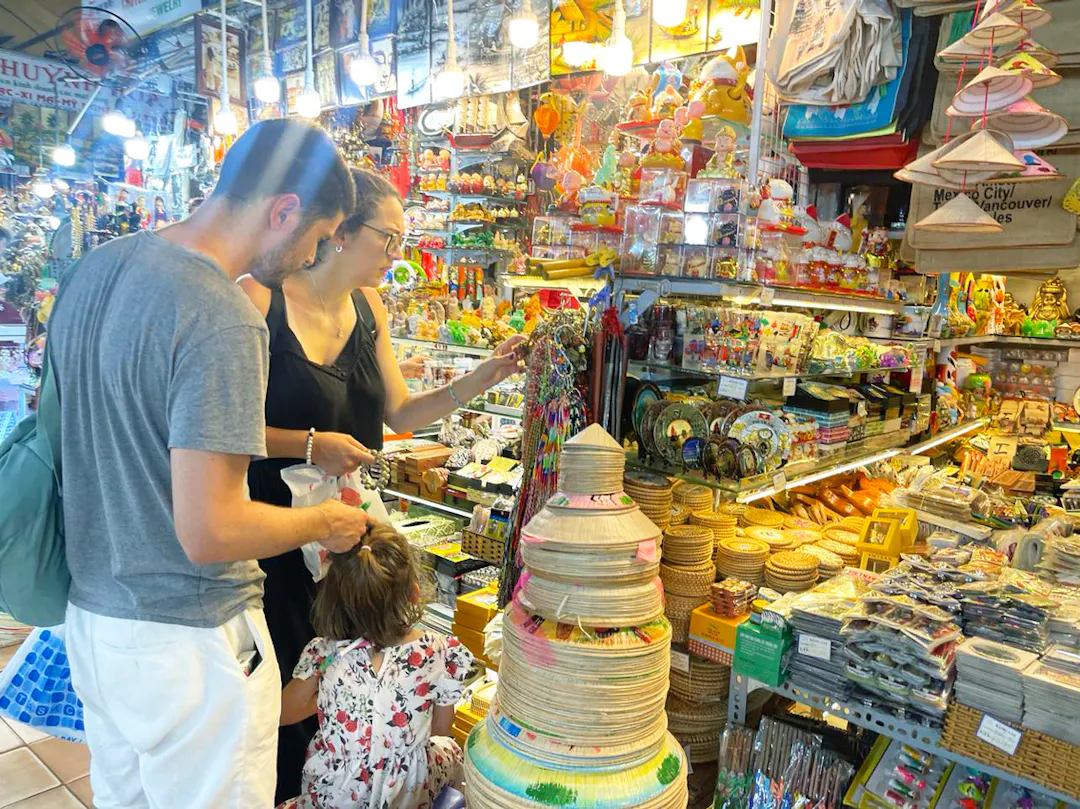
While mastering the tactical nuances of counteroffers, strategic timing, and linguistic engagement is essential, the absolute core of this entire commercial ecosystem relies entirely upon the preservation of unwavering mutual respect. It is vital to remember that for the traveler, a price difference of ten or twenty thousand Vietnamese Dong represents a negligible fraction of a dollar, yet for the hardworking vendor seated in the sweltering heat, that same margin significantly impacts their daily livelihood. Therefore, your bargaining should never cross the line into aggressive, demeaning, or relentlessly stubborn behavior over trivial amounts. The ultimate goal is not to exploit the merchant, but to arrive at a fair valuation that honors the craftsmanship of the item and the effort of the seller. By maintaining a posture of graciousness and treating the vendor as an equal partner rather than a commercial adversary, you ensure that the transaction remains a positive interaction. This deep, respectful engagement creates the most memorable, authentic travel experiences, leaving a positive, lasting impression of international visitors upon the local community and ensuring the historic market remains a welcoming space for future explorers.

Ultimately, dedicating the effort to deeply learn the intricate rules of engagement at Chợ Bến Thành turns a simple, potentially overwhelming shopping trip into a profound demonstration of cultural mastery. This definitive Ben Thanh Market bargaining guide illustrates that success relies on balancing tactical savvy with genuine warmth, transforming a financial transaction into a memorable human connection. Embrace the vibrant chaos, deploy your polite phrases, and step confidently into the historic aisles of Saigon’s most legendary bazaar to secure your treasures with absolute local expertise.
Read more: Ben Thanh Market
Frequently Asked Questions About Bargaining at Ben Thanh Market
Is bargaining expected at Ben Thanh Market?
Yes. Bargaining is a normal part of shopping at Ben Thanh Market, especially for souvenirs, clothing, accessories, and handicrafts. Vendors usually expect customers to negotiate before agreeing on a final price.
How much should I negotiate?
A good starting point is to offer 50–70% of the initial asking price, then negotiate toward a fair middle ground. Keep the conversation friendly and remember that both buyer and seller are aiming for a reasonable deal.
Should I bargain for food or drinks?
No. Bargaining is generally not appropriate for food stalls, restaurants, or beverages. Prices for meals and snacks are usually fixed and already represent good value.
What should I do if the price is still too high?
Politely thank the seller and walk away. In many cases, vendors may offer a lower price as you leave. If not, you can compare prices at nearby stalls before making a purchase.
Is it rude to bargain in Vietnam?
Not at all. As long as you negotiate politely with a smile and remain respectful, bargaining is considered a normal part of the shopping experience. Avoid aggressive tactics and always be prepared to buy if the seller accepts your offer.
Advertising box
Explore More Around Ben Thanh Market
Continue discovering the best of Ben Thanh Market and Ho Chi Minh City with more travel guides, shopping tips, local food recommendations, nearby attractions, and insider experiences. From hidden gems to must-visit landmarks, these articles will help you make the most of your visit to one of Vietnam's most iconic destinations.
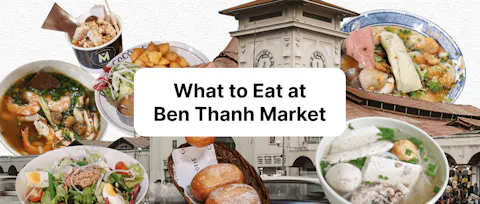
What to Eat at Ben Thanh Market: 7 Best Street Food Stalls You Must Try
Ben Thanh Market is more than a shopping destination—it's one of Ho Chi Minh City's best places to experience authentic Vietnamese street food. From steaming bowls of Pho and Bun Bo Hue to crispy Banh Xeo, fresh spring rolls, sweet desserts, and refreshing local drinks, the market offers flavors from across Vietnam under one roof. This guide highlights seven must-try food stalls and dishes that will help you enjoy an unforgettable culinary adventure at Ben Thanh Market.

Top Souvenirs to Buy at Ben Thanh Market (And What to Avoid)
Ben Thanh Market is one of Vietnam's best places to shop for souvenirs, offering everything from handcrafted lacquerware and embroidered textiles to Vietnamese coffee, spices, and local snacks. However, with hundreds of stalls and thousands of products, it can be difficult to know which items are worth buying and which are better avoided. This guide highlights the best souvenirs to bring home, practical shopping tips, and common tourist traps to help you shop confidently and get the best value.
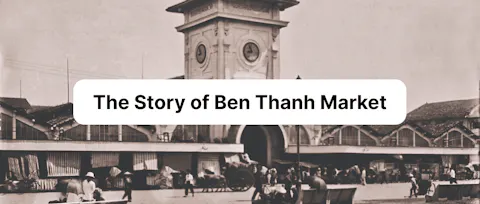
The Story of Ben Thanh Market: History and Architectural Secrets
Ben Thanh Market is far more than a bustling shopping destination—it's one of Ho Chi Minh City's most enduring historical landmarks. Established over a century ago, the market has witnessed the transformation of Saigon through colonial times, independence, and modern development. From its iconic clock tower to its unique architectural design and vibrant trading culture, Ben Thanh Market reflects the city's rich heritage. Discover the fascinating history and hidden stories behind one of Vietnam's most recognizable landmarks.