
Top Souvenirs to Buy at Ben Thanh Market (And What to Avoid)
Ben Thanh Market is one of Vietnam's best places to shop for souvenirs, offering everything from handcrafted lacquerware and embroidered textiles to Vietnamese coffee, spices, and local snacks. However, with hundreds of stalls and thousands of products, it can be difficult to know which items are worth buying and which are better avoided. This guide highlights the best souvenirs to bring home, practical shopping tips, and common tourist traps to help you shop confidently and get the best value.

On this page
- The Culinary Gold Standards – Coffee and Preserved Delights for the Best Souvenirs to Buy at Ben Thanh Market
- Artisanal Masterpieces and Cultural Wear: The Best Souvenirs to Buy at Ben Thanh Market
- Buyer Beware – What to Avoid at Ben Thanh Market When Seeking the Best Souvenirs to Buy at Ben Thanh Market
- Practical Field Logistics and Packaging Wisdom for Ben Thanh Market Shopping Tips for Americans
- Conclusion
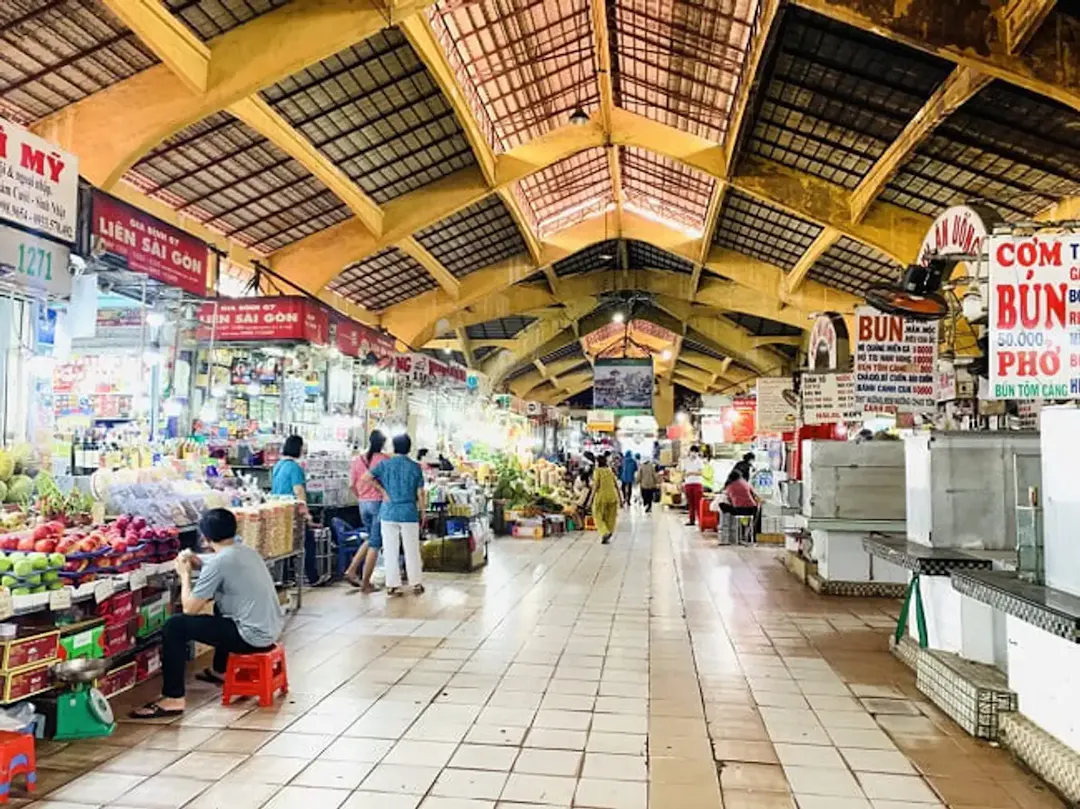
Step into the dazzling visual tapestry of Saigon’s most famous commercial hub, where the heavy, roasted aroma of robusta beans collides with the visual symphony of glittering lacquer trays and vibrantly dyed silks. This historic trading center is an overwhelming labyrinth of sensory input that demands both appreciation and caution. Determining the best souvenirs to buy at Ben Thanh Market is a refined art form requiring a discerning eye for material integrity and artisanal provenance. While the sprawling aisles offer some of the nation’s finest traditional crafts and culinary exports, the sheer volume of merchandise requires careful navigation to separate genuine cultural artifacts from low-quality, mass-produced novelties. Acquiring authentic Vietnamese gifts at Ben Thanh transcends simple retail therapy; it is an exercise in cultural preservation. By mastering the ability to identify authentic textiles, evaluate premium coffee beans, and spot the glaring red flags of counterfeit goods, discerning travelers elevate their shopping experience. This exhaustive guide provides the expertise to navigate this marketplace with absolute confidence.
The Culinary Gold Standards – Coffee and Preserved Delights for the Best Souvenirs to Buy at Ben Thanh Market
Vietnamese Coffee and Traditional Phin Culture
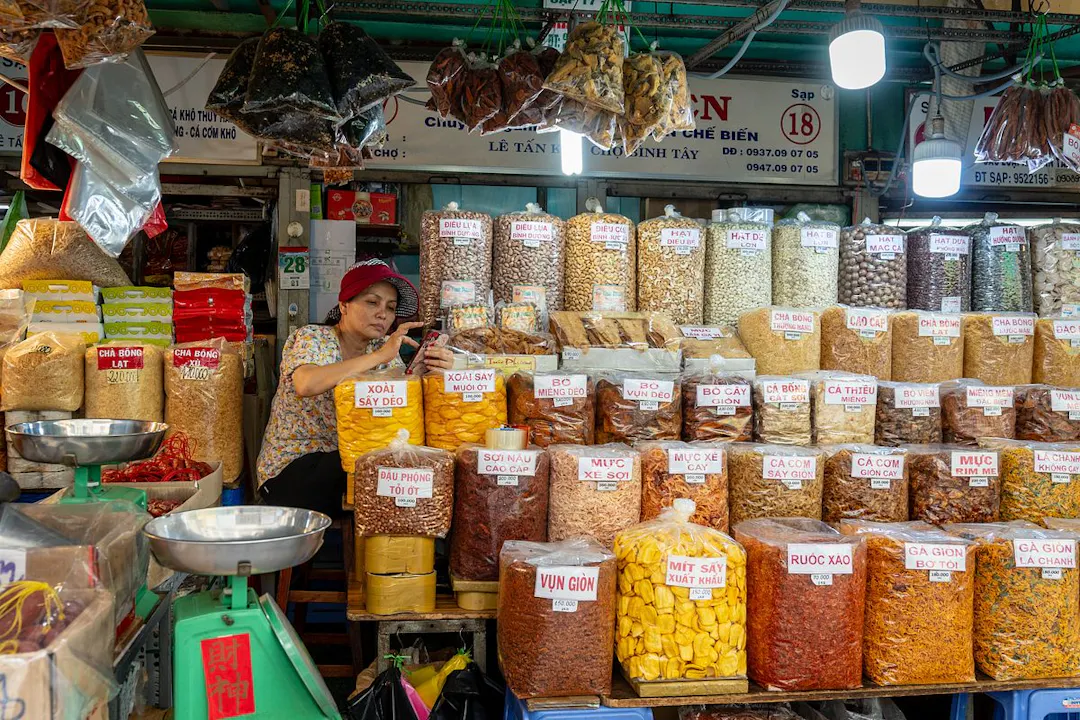
Exploring the aromatic food stalls reveals why Vietnamese coffee and lacquerware souvenirs consistently dominate traveler recommendations. The deep, chocolate-laced profile of indigenous robusta beans presents an exceptional acquisition, especially for individuals conceptualizing the complex flavor profiles for a boutique thirty-square-meter cafe space or simply upgrading their daily morning ritual. The key to securing premium cà phê phin lies in bypassing pre-ground, mass-market tourist boxes. Instead, seek out reputable, specialized vendors who proudly display whole, freshly roasted beans in massive glass jars. Request a sensory evaluation of the beans; they should smell profoundly earthy, dark, and slightly caramelized, devoid of any chemical or artificially sweet overtones. Understanding the precise roast profiles is essential for the true connoisseur. Demand to see the raw, unprocessed beans if possible, ensuring they lack the oily, over-roasted sheen that frequently masks inferior crops. Upon selection, the vendor will grind the beans to the precise coarseness required for the traditional aluminum drip filter, which you must also purchase to complete the brewing ecosystem. Insist on vacuum-sealed packaging, a mandatory step to preserve the volatile essential oils and protect the complex olfactory notes from rapid oxidation during long-haul transit.

Premium Dried Fruits and Regional Confectionery
Adjacent to the dark, roasted coffee displays, the vibrant culinary aisles explode with massive mounds of trái cây sấy (dried fruits), offering a spectacular, shelf-stable expression of the Mekong Delta’s agricultural fertility. These preserved delicacies constitute incredibly thoughtful gifts, provided the buyer exercises rigorous quality control. The stalls display towering heaps of candied ginger, crystallized lotus seeds, and sun-dried mangoes. When inspecting these goods, prioritize vendors who store their confectionery in covered, hygienic glass displays rather than open-air baskets exposed to the swirling dust of the market. Authentic regional preserves rely on the natural, concentrated fructose of the tropical fruit rather than excessive, granular white sugar coatings. Examine the structural integrity of the candied lotus seeds; they should possess a delicate, yielding exterior that gives way to a soft, starchy center, lacking any brittle or crystallized hardness. Furthermore, the vibrant green candied coconut ribbons and dense, chewy tamarind blocks provide an intense, localized flavor experience. Ensure the vendor utilizes heavy-duty, airtight plastic packaging and heat-seals the bags right before your eyes. This preserves the delicate moisture balance of the preserved fruits and creates an impenetrable barrier against humidity. Purchasing these items by weight allows for a highly customized selection, capturing the sweet-and-sour profiles of the agrarian landscape in a transportable format.
Artisanal Masterpieces and Cultural Wear: The Best Souvenirs to Buy at Ben Thanh Market
Lacquerware and Coconut Wood Craftsmanship
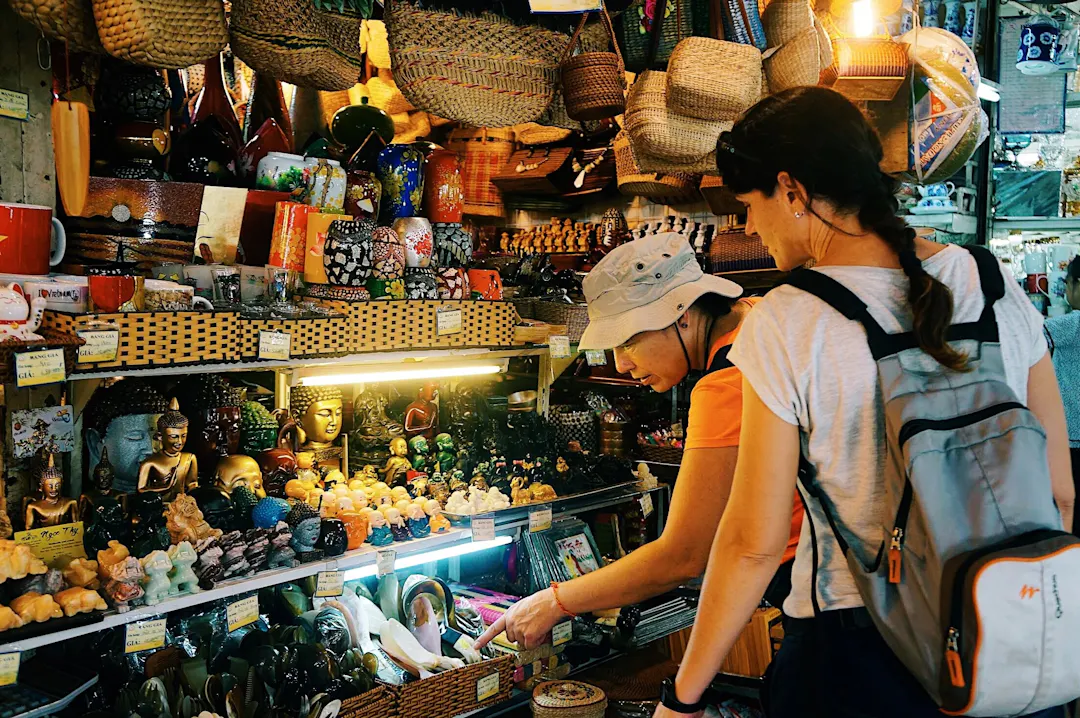
The pursuit of authentic artifacts naturally leads the aesthetically minded traveler toward the staggering displays of hàng thủ công sơn mài (traditional lacquerware) and sustainable homeware. For those with a deep appreciation for Organic Modernism and striking tropical design aesthetics, items crafted from dense, polished coconut wood—ranging from smooth, minimalist serving bowls to intricately carved chopsticks—offer unparalleled tactile warmth and material integrity. True Vietnamese lacquerware requires a grueling, multi-month process involving up to twenty successive layers of toxic resin, meticulous hand-sanding, and the delicate application of crushed duck eggshells or pure silver leaf. To verify authenticity and avoid cheap, factory-painted plastic imitations, one must physically handle the objects. Genuine lacquer possesses a distinct, substantial weight and an impossibly smooth, almost glass-like finish that never feels tacky or artificially slick. Inspect the edges and undersides of the bowls and trays; master artisans leave no rough seams, ensuring the structural lines flow seamlessly. These pieces serve as striking, sophisticated functional art, bringing the refined elegance of traditional craftsmanship directly into modern domestic spaces.
The Tradition of Custom Ao Dai and Textiles
Deep within the stifling, vibrant fabric corridors of the market lies the extraordinary opportunity to commission an áo dài, the elegant, form-fitting national garment of Vietnam. A custom ao dai Saigon market experience represents a highly personalized cultural export, far superior to purchasing poorly sized, off-the-rack synthetic garments. The narrow aisles are lined with towering bolts of raw silk, breathable linen blends, and intricate jacquard weaves. When selecting your fabric, actively prioritize lightweight, natural fibers that allow the skin to breathe, rejecting the stiff, highly reflective polyester blends that trap heat. The resident tailors operate with astonishing speed and precision, capable of transforming your selected textile into a bespoke, tailored garment within twenty-four to forty-eight hours.

The Iconic Conical Hat (Nón Lá)
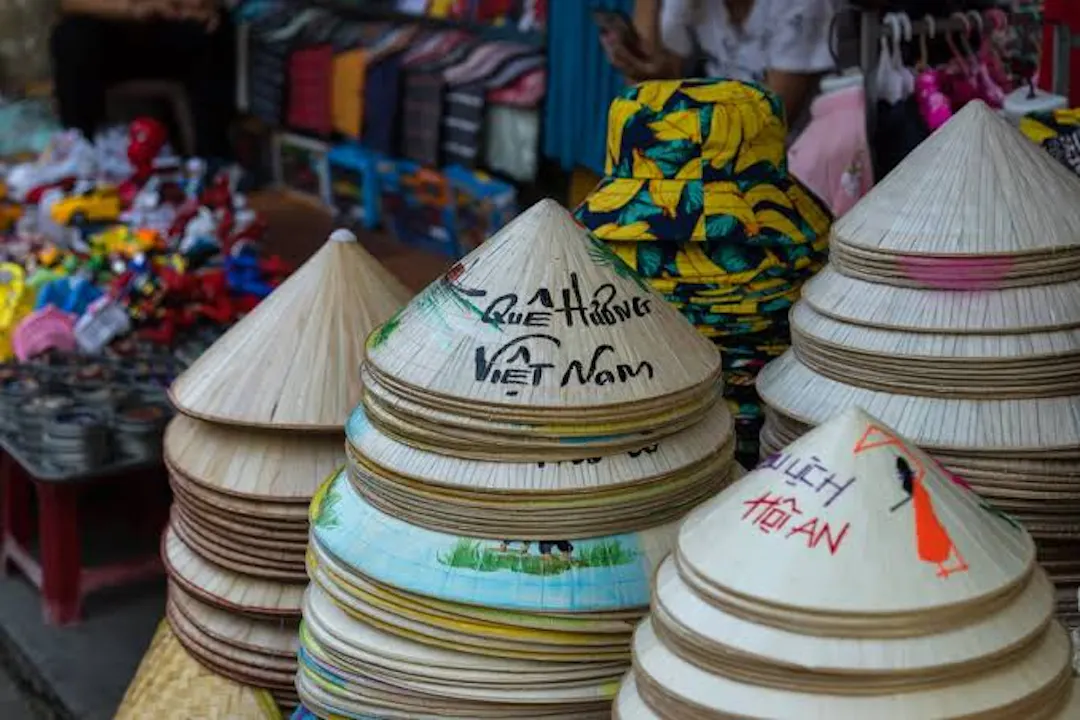
No cultural inventory is complete without acknowledging the enduring visual legacy of the nón lá (conical palm-leaf hat). This quintessential agricultural headwear has transcended its utilitarian origins to become a globally recognized symbol of the Vietnamese agrarian spirit. While seemingly ubiquitous, discerning between a flimsy tourist prop and a durable cultural artifact requires careful inspection of its structural architecture. Examine the delicate, internal woven bamboo framework; it should feel rigid and perfectly symmetrical, supporting tightly overlapped, sun-dried palm leaves stitched together with incredibly fine, nearly invisible synthetic or silk threads. Authentic hats occasionally feature subtle, poetic imagery or traditional calligraphy visible only when held up to the blinding tropical sunlight, transforming a simple piece of sun protection into a remarkable, meticulously engineered travel keepsake.
Buyer Beware – What to Avoid at Ben Thanh Market When Seeking the Best Souvenirs to Buy at Ben Thanh Market
The Illusion of Discount Electronics
Establishing exactly what to avoid buying at Ben Thanh Market just as critical as identifying its treasures, ensuring your travel budget is protected from sophisticated commercial deception. Paramount rule of engagement is to ignore the glaring, brightly lit stalls hawking discounted consumer technology. Whether you are seeking a replacement charger, high-capacity memory cards, or evaluating the regional market variations of premium mobile devices like a 1 Mark VI smartphone, this historic bazaar is absolutely the wrong venue for hardware. The market is notoriously saturated with functionally disastrous, counterfeit electronics. These cheap facsimiles often lack essential internal voltage regulators, presenting severe fire hazards when plugged into foreign outlets, and are devoid of international warranties or software support. The illusion of a staggering discount immediately evaporates when the device permanently fails during your transit home, transforming supposed bargain into frustrating, absolute loss of capital.
Low-Quality Counterfeit Apparel and Luxury Replicas
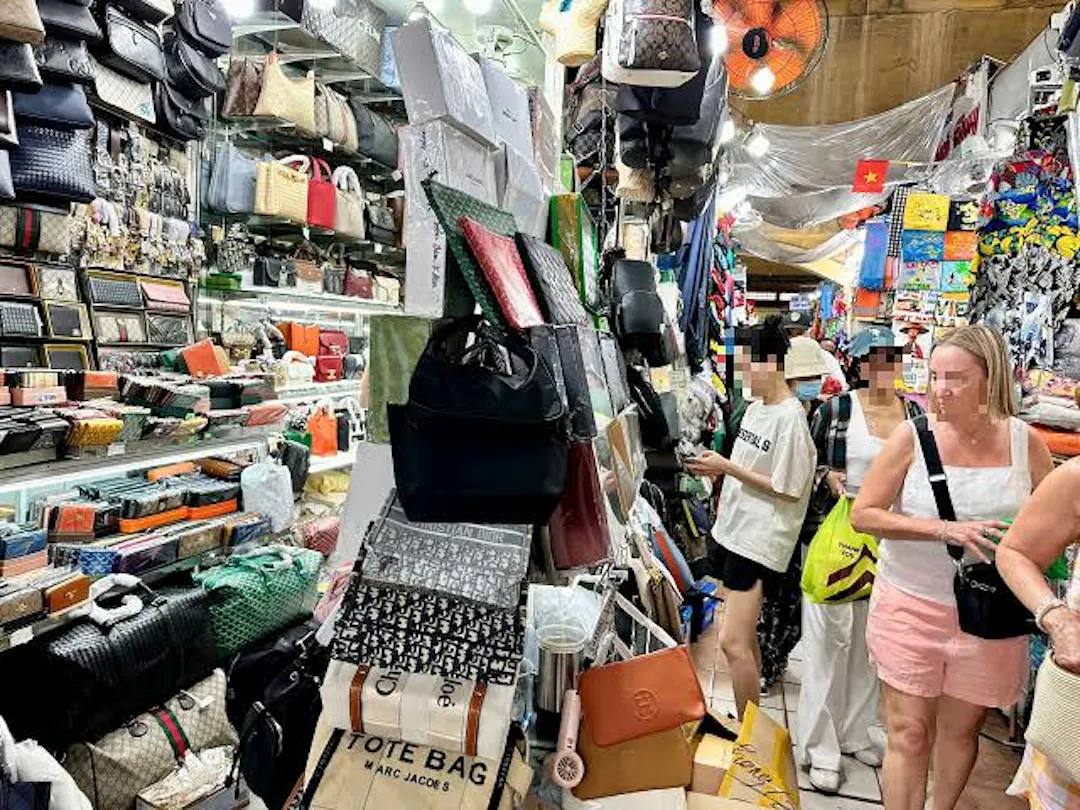
The labyrinthine corridors are equally flooded with heavily branded, low-quality counterfeit apparel and luxury leather replicas, which constitute a significant hazard for the uninformed consumer. While the initial visual presentation of these imitation handbags, watches, and athletic garments may seem passable in the dim lighting of the market, a rigorous physical inspection quickly reveals severe compromises in material integrity. The stitching is frequently erratic and prone to immediate unraveling, the synthetic leathers emit a harsh, toxic chemical odor, and the hardware snaps and zippers feel remarkably hollow and brittle. Beyond the blatant lack of craftsmanship, purchasing these illicit goods directly fuels a shadowy manufacturing sector and presents a severe legal liability. These items face incredibly strict customs scrutiny upon border re-entry, and attempting to transport obvious counterfeits can result in embarrassing, highly punitive confiscations by international border agents.
Navigating Pushy Sales Tactics
Operating within this fiercely competitive commercial environment requires the traveler to develop a thick skin and a sophisticated understanding of localized psychological sales tactics. Vendors aggressively push these low-quality, high-margin tourist novelties, frequently stepping into the aisles to physically block your path or thrusting unwanted items directly into your hands. For individuals who experience difficulty issuing direct refusals or reacting strongly to aggressive merchants, maintaining a polite, completely silent smile and a soft shake of the head provides a perfect defense mechanism. Continue walking without breaking your stride or attempting to formulate a verbal push-back. If a vendor attempts to force an item into your hands, simply refusing to make eye contact effectively neutralizes their sales leverage without requiring a confrontational response. By projecting this quiet, impenetrable demeanor, you gracefully sidestep the exhausting, high-pressure environments, reserving your energy exclusively for the true master artisans.
Practical Field Logistics and Packaging Wisdom for Ben Thanh Market Shopping Tips for Americans
Inspecting Goods and Customs Compliance
Executing a flawless shopping expedition ultimately hinges upon your mastery of field logistics and international transport regulations. For those seeking comprehensive Ben Thanh Market shopping tips for Americans, understanding the strict, uncompromising guidelines enforced by border protection agencies is absolutely paramount. When acquiring agricultural products, specifically the highly sought-after coffee beans and dried fruits, you must ensure that every single item is commercially processed, heavily dried, and securely vacuum-sealed. Fresh, unprocessed fruits, raw seeds, and untreated animal products are strictly forbidden and will be summarily confiscated upon your arrival at the port of entry. Scrutinize the packaging provided by the market vendors, verifying the absence of tiny punctures or broken heat seals that could invite moisture or pests during the long-haul flight. By proactively prioritizing these rigorous compliance checks directly at the point of sale, you guarantee a smooth, frictionless border crossing, securing absolute peace of mind as your cultural treasures make their final journey across the Pacific.
Protecting Fragile Treasures in Transit
The physical transportation of delicate artisanal masterworks requires meticulous, highly strategic packing methodologies. Authentic lacquerware, delicate ceramic coffee filters, and structured palm-leaf hats are highly susceptible to the violent, crushing forces of modern airport baggage handling systems. When purchasing fragile homeware, explicitly demand that the vendor utilizes generous layers of protective bubble wrap, heavily secured with thick packing tape, rather than relying on thin, decorative tissue paper. For the transit of a newly commissioned, bespoke silk garment, fold the textile carefully along its natural seams and seal it within a watertight plastic garment bag to prevent accidental liquid damage from shifting toiletries. The iconic conical hat presents a unique logistical challenge; it must absolutely never be crushed into a tightly packed suitcase. Instead, carry this structured, delicate woven artifact by hand as your designated personal item, carefully nesting it above your luggage in the overhead bin to preserve its flawless, symmetrical geometry until you safely arrive home.
Conclusion
Navigating the energetic, sensory-overloaded corridors of this historic trading post is a profoundly rewarding exercise in cultural discovery. By consciously prioritizing the absolute best souvenirs to buy at Ben Thanh Market—from the dark, syrupy depth of freshly roasted robusta coffee to the stunning, tactile elegance of authentic lacquerware and bespoke silk garments—you transform a simple retail excursion into a meaningful connection with Vietnamese heritage. We encourage you to shop wisely, avoid the obvious counterfeit pitfalls, and deliberately support the dedicated local master artisans preserving these timeless, beautiful traditions for future generations today.
Read more: Ben Thanh Market
Frequently Asked Questions About Shopping for Souvenirs at Ben Thanh Market
What are the best souvenirs to buy at Ben Thanh Market?
Popular souvenirs include Vietnamese coffee, tea, spices, lacquerware, embroidered textiles, bamboo products, handmade ceramics, conical hats, traditional clothing, and locally produced snacks. These items are easy to pack and make meaningful gifts.
What should I avoid buying at Ben Thanh Market?
Be cautious when purchasing luxury-brand items, expensive gemstones, antiques, or products claiming to be genuine designer goods. Many are replicas or difficult to verify. It's also wise to compare prices before buying high-value items.
How can I tell if a souvenir is authentic?
Look for products that clearly indicate local craftsmanship or Vietnamese origin. Handmade items often show unique details and slight variations. Don't hesitate to ask vendors where products are made and compare quality across different stalls.
Can I bargain when buying souvenirs?
Yes. Bargaining is common for souvenirs, clothing, handicrafts, and accessories. Politely negotiate with a smile and compare prices between stalls to ensure you're getting a fair deal.
Can I use credit cards at Ben Thanh Market?
Some larger shops accept credit cards, but many smaller stalls only accept cash. Carrying Vietnamese Dong is the most convenient option, though some vendors may also accept digital payments or foreign currency in limited cases.
Advertising box
Explore More Around Ben Thanh Market
Continue discovering the best of Ben Thanh Market and Ho Chi Minh City with more travel guides, shopping tips, local food recommendations, nearby attractions, and insider experiences. From hidden gems to must-visit landmarks, these articles will help you make the most of your visit to one of Vietnam's most iconic destinations.
Ben Thanh Market Bargaining Guide: How to Negotiate Prices Like a Local
Shopping at Ben Thanh Market is an essential Ho Chi Minh City experience, and bargaining is part of the tradition. While first-time visitors may feel unsure about negotiating prices, a few simple techniques can help you shop confidently and respectfully. This guide explains how bargaining works at Ben Thanh Market, how much you should negotiate, common mistakes to avoid, and practical tips that locals and experienced travelers use to secure fair prices while enjoying one of Vietnam's most iconic markets.
What to Eat at Ben Thanh Market: 7 Best Street Food Stalls You Must Try
Ben Thanh Market is more than a shopping destination—it's one of Ho Chi Minh City's best places to experience authentic Vietnamese street food. From steaming bowls of Pho and Bun Bo Hue to crispy Banh Xeo, fresh spring rolls, sweet desserts, and refreshing local drinks, the market offers flavors from across Vietnam under one roof. This guide highlights seven must-try food stalls and dishes that will help you enjoy an unforgettable culinary adventure at Ben Thanh Market.
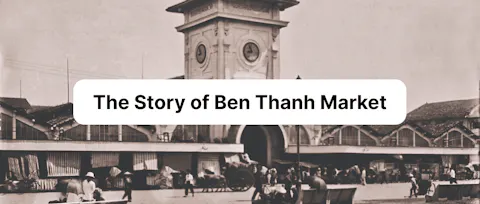
The Story of Ben Thanh Market: History and Architectural Secrets
Ben Thanh Market is far more than a bustling shopping destination—it's one of Ho Chi Minh City's most enduring historical landmarks. Established over a century ago, the market has witnessed the transformation of Saigon through colonial times, independence, and modern development. From its iconic clock tower to its unique architectural design and vibrant trading culture, Ben Thanh Market reflects the city's rich heritage. Discover the fascinating history and hidden stories behind one of Vietnam's most recognizable landmarks.