
Things to Know Before Traveling to Vietnam
Planning your first trip to Vietnam? A little preparation can make your journey much easier. From checking visa requirements and understanding Vietnamese currency to choosing the right transportation, preparing for regional weather, staying connected, and navigating local customs, there are several things worth knowing before you arrive. This practical guide covers the essentials for traveling around Vietnam, including food, safety, tipping, bargaining, packing, public holidays, and itinerary planning, helping you travel with greater confidence and make the most of your time.

On this page
- 1. Check Vietnam's Visa and Entry Requirements
- 2. Vietnam Is Bigger Than It Looks
- 3. There Is No Single Best Time to Visit Vietnam
- 4. Carry Vietnamese Dong, but Keep a Card as Backup
- 5. Get a SIM Card or eSIM
- 6. Download Useful Travel Apps
- 7. Understand Transportation in Vietnam
- 8. Be Prepared for Busy City Traffic
- 9. Street Food Is Part of the Vietnam Experience
- 10. Be Sensible About Drinking Water
- 11. Learn Basic Vietnamese Etiquette
- 12. Understand Tipping in Vietnam
- 13. Bargaining Is Not Appropriate Everywhere
- 14. Pack for the Region You Are Visiting
- 15. Check Vietnam's Public Holidays
- 16. Know What to Book in Advance
- 17. Vietnam Can Be Affordable, but Costs Vary
- 18. Is Vietnam Safe for First-Time Visitors?
- 19. Don't Try to See Everything
- 20. Leave Some Space in Your Itinerary
- Vietnam Travel Checklist Before You Leave
- Final Thoughts
Vietnam is an exciting destination, but first-time visitors may encounter a few things that are different from what they are used to at home. Visa requirements, regional weather, Vietnamese currency, busy traffic, local transportation, food, internet access, and cultural etiquette are all worth understanding before you arrive.
One of the most important things to know before traveling to Vietnam is that the country is geographically diverse. Hanoi can be cool during parts of the year while Ho Chi Minh City remains warm and tropical. Central Vietnam also has different weather patterns from both the north and south.
Vietnam is relatively easy to explore independently, especially in major tourist destinations. However, planning your route realistically is important because travel between regions can take considerable time.
This guide explains the practical things to know before visiting Vietnam, from preparing your documents and money to choosing transportation, staying connected, eating safely, understanding local customs, and building a realistic itinerary.
1. Check Vietnam's Visa and Entry Requirements
Visa requirements depend on your nationality, passport, and purpose of travel. Some visitors may enter Vietnam without a visa for an eligible period, while others need an e-visa or another type of travel authorization.
Always check the latest entry requirements before booking your trip and use official Vietnamese government sources when applying for an e-visa.
When completing an e-visa application, check your:
- Full name
- Passport number
- Date of birth
- Nationality
- Entry date
- Intended entry point
- Visa validity dates
Even a small mistake in passport information can create problems during your journey.
Keep a digital copy of your travel documents and, where practical, a printed copy as a backup.
Your passport should also meet the validity requirements that apply to your situation. Check these requirements before departure rather than relying on information from an old travel blog.

2. Vietnam Is Bigger Than It Looks
Vietnam stretches for more than 1,600 kilometers from north to south. Although destinations may look relatively close on a map, mountains, traffic, road conditions, and transfers can make journeys longer than expected.
For example, traveling from Hanoi to Ho Chi Minh City is not a short overland trip. If you want to experience both cities, flying is usually much more practical than trying to travel the entire distance by road.
A first-time visitor will usually have a better experience by choosing one or two regions rather than attempting to see the entire country.
Good combinations for a first trip
Northern Vietnam
Hanoi + Ninh Binh + Ha Long Bay
Central Vietnam
Da Nang + Hoi An + Hue
Southern Vietnam
Ho Chi Minh City + Mekong Delta
If you have two or three weeks, you can consider combining regions. With only five to seven days, focusing on one region is usually more comfortable.

3. There Is No Single Best Time to Visit Vietnam
Vietnam has several climate zones, so the best time to visit depends on where you are going.
Northern Vietnam
Northern destinations experience the greatest seasonal variation. Hanoi can have cool winters and hot, humid summers, while mountain destinations such as Ha Giang and Sa Pa can be significantly cooler.
If you plan to trek in northern mountain areas, check local weather conditions rather than relying on Hanoi's forecast.
Central Vietnam
Central Vietnam has its own seasonal weather patterns. Coastal destinations such as Da Nang and Hoi An can be hot and sunny during part of the year, while periods of heavy rain can affect central destinations later in the year.
Southern Vietnam
Southern Vietnam remains warm for most of the year. Ho Chi Minh City and the Mekong Delta generally have wet and drier periods rather than four distinct seasons.
The best approach is to check the weather for each destination on your itinerary before deciding when to travel.

4. Carry Vietnamese Dong, but Keep a Card as Backup
The official currency is the Vietnamese dong (VND).
Cash is still useful for everyday purchases, particularly at:
- Local markets
- Street-food stalls
- Small cafés
- Independent shops
- Local transportation
- Rural businesses
Credit and debit cards are widely accepted at many hotels, larger restaurants, shopping centers, and modern businesses, particularly in major cities.
For convenience, carry a combination of cash and cards.
Vietnamese banknotes have large denominations, so take a moment to check the number before handing over money. A 20,000 VND note and a 500,000 VND note are very different in value.
Using reputable bank ATMs can be a convenient way to obtain local currency. Check the displayed fees and exchange rate before confirming a withdrawal.

5. Get a SIM Card or eSIM
Mobile internet is extremely useful when traveling around Vietnam.
You may need data for:
- Google Maps
- Translation apps
- Ride-hailing
- Hotel reservations
- Online payments
- Restaurant searches
- Travel information
A local SIM or eSIM can be convenient for international visitors.
Before purchasing an eSIM, make sure your phone supports eSIM technology and is unlocked for use with another network.
If you are traveling to remote mountain areas, islands, or rural regions, remember that mobile coverage can vary.

6. Download Useful Travel Apps
A few applications can make independent travel considerably easier.
Useful categories include:
Maps: navigation and finding restaurants, attractions, and hotels.
Translation: communicating when English is not widely spoken.
Ride-hailing: booking cars and motorbike taxis in major cities.
Airline and train apps: checking schedules and managing bookings.
Keep important hotel addresses and booking confirmations available offline in case you temporarily lose internet access.

7. Understand Transportation in Vietnam
Vietnam has several transportation options, and the best choice depends on the distance.
Domestic flights
Flights are particularly useful for traveling between northern, central, and southern Vietnam.
They can save a significant amount of time on longer journeys.
Trains
Vietnam's railway network connects many major destinations. Overnight trains can be an interesting alternative to flying, particularly for travelers who prefer overland journeys.
Buses and minivans
Buses and tourist vans connect many cities and smaller destinations. Sleeper buses are common on longer routes, although comfort varies between operators.
Private transfers
Private cars can be useful for families, groups, or destinations where public transportation is less convenient.
Ride-hailing
Ride-hailing services are widely useful in major cities. They can reduce communication problems because the destination is entered through the application and the fare is generally shown before booking.

8. Be Prepared for Busy City Traffic
Traffic is one of the first things many visitors notice in Hanoi and Ho Chi Minh City.
Motorbikes are a major part of urban transportation, and roads can appear chaotic if you are seeing Vietnamese traffic for the first time.
When crossing a road:
- Use pedestrian crossings and traffic signals when available.
- Look in both directions.
- Watch the movement of motorbikes and cars.
- Avoid sudden changes in direction.
- Stay alert rather than relying entirely on drivers to stop.
If a road feels too difficult to cross, wait for a safer opportunity or cross with experienced local pedestrians.
Do not assume that every vehicle will automatically give pedestrians priority.

9. Street Food Is Part of the Vietnam Experience
Vietnamese food is one of the main reasons many travelers visit the country.
Depending on where you travel, you can try dishes such as:
- Pho
- Banh mi
- Bun cha
- Bun bo Hue
- Cao lau
- Com tam
- Banh xeo
- Fresh spring rolls
- Regional seafood
- Mekong Delta specialties
Street food can be a great way to experience local cuisine.
When choosing a food stall, look for places with regular customers and food that is prepared frequently. Freshly cooked dishes served hot are generally a practical choice.
If you have food allergies or dietary restrictions, learn the Vietnamese names of ingredients you need to avoid and communicate them clearly.

10. Be Sensible About Drinking Water
If you are uncertain about the local water supply, use sealed bottled water or reliably treated water for drinking.
Check that bottled water has an intact seal before opening it.
You may also want to use bottled or treated water when brushing your teeth if you are particularly sensitive to changes in water quality.
When ordering drinks or ice, choose established businesses if you are unsure about the source of the water.
The goal is not to avoid local food and drinks, but to make sensible choices based on the conditions around you.

11. Learn Basic Vietnamese Etiquette
You do not need to understand every aspect of Vietnamese culture before visiting, but a few simple habits will help you interact respectfully.
At temples and religious sites
Dress modestly and follow local instructions. Some places may ask visitors to remove shoes or hats in particular areas.
Avoid touching religious objects unless you are invited to do so.
When taking photographs
Ask before taking close-up photographs of people, particularly during religious ceremonies or private activities.
In everyday interactions
A calm and friendly manner is usually appreciated. If there is a misunderstanding, patience is often more productive than becoming frustrated.
Learning a few Vietnamese words can also make everyday interactions easier.
Useful phrases include:
- Xin chào — Hello
- Cảm ơn — Thank you
- Bao nhiêu tiền? — How much?
- Tính tiền — The bill, please
- Không cay — Not spicy
- Không, cảm ơn — No, thank you

12. Understand Tipping in Vietnam
Tipping is not handled exactly the same way as in the United States.
You are generally not expected to tip every time you buy a coffee, eat at a casual restaurant, or take a short ride.
However, tips can be appreciated for good service in situations such as:
- Private guides
- Drivers
- Hotel staff
- Spa services
- Tour staff
Always check whether a service charge has already been included before deciding whether to leave an additional tip.

13. Bargaining Is Not Appropriate Everywhere
Bargaining can be part of shopping at some traditional markets and informal stalls, but it is not expected everywhere.
Fixed-price businesses generally do not require negotiation.
If bargaining is appropriate, keep it friendly and reasonable. Avoid turning a small price difference into an unpleasant interaction.
The goal is to agree on a price that both sides are comfortable with.
14. Pack for the Region You Are Visiting
Vietnam's climate varies considerably, so your packing list should depend on your itinerary.
For most trips, useful items include:
- Lightweight clothing
- Comfortable walking shoes
- Sun protection
- Rain protection
- A small day bag
- Reusable water bottle
- Power adapter if needed
- Portable charger
- Basic personal medication
If you are visiting northern mountains during cooler months, bring warmer layers.
For tropical destinations, breathable clothing and sun protection are more important.
A lightweight rain jacket or compact umbrella can be useful even during periods when the weather forecast looks mostly dry.

15. Check Vietnam's Public Holidays
Vietnamese holidays can affect transportation, accommodation prices, restaurants, and attractions.
The most important holiday to understand is Tet, the Vietnamese Lunar New Year.
During Tet, many Vietnamese people travel home or take vacations. Transportation can become very busy, while some businesses may close or operate on reduced schedules.
If your trip overlaps with Tet or another major public holiday, book important transportation and accommodation earlier than usual.
16. Know What to Book in Advance
You do not need to reserve every part of a Vietnam trip months ahead.
However, booking in advance is useful for:
- International flights
- Popular hotels during peak periods
- Domestic flights
- Ha Long Bay cruises
- Popular guided tours
- Transportation during major holidays
For flexible activities such as casual restaurants, cafés, local sightseeing, and many day trips, you can often make arrangements after arriving.
This balance gives you security without making your itinerary unnecessarily rigid.
17. Vietnam Can Be Affordable, but Costs Vary
Vietnam can be a relatively affordable destination for international travelers, but your daily budget depends heavily on your travel style.
Accommodation, food, transportation, and activities can range from simple local options to high-end hotels and luxury experiences.
Major tourist cities and popular islands can also be more expensive than smaller towns.
If you want to control costs, eating local food, using public transportation, choosing mid-range accommodation, and traveling outside peak periods can make a significant difference.
18. Is Vietnam Safe for First-Time Visitors?
Vietnam is a popular destination for independent travelers, but normal travel precautions still apply.
Keep important documents and valuables secure, particularly in crowded areas.
Pay attention to your belongings at:
- Markets
- Train stations
- Bus stations
- Airports
- Busy tourist streets
When using transportation, verify the vehicle and driver details before starting the journey.
For outdoor activities such as trekking, motorbike trips, and boat excursions, follow local safety guidance and pay attention to weather conditions.
Travel insurance can also provide useful protection against unexpected transportation problems, cancellations, or other travel-related issues.
19. Don't Try to See Everything
One of the most common planning mistakes is trying to cover too much of Vietnam in one trip.
A first-time visitor may be tempted to combine Hanoi, Ha Long Bay, Ha Giang, Hue, Hoi An, Da Nang, Nha Trang, Ho Chi Minh City, and the Mekong Delta.
That itinerary can quickly become a transportation schedule rather than a vacation.
Instead, choose destinations that naturally fit together.
For 5–7 days
Focus on one region.
For 10–14 days
Consider two regions with a domestic flight between them.
For 2–3 weeks
A north-to-south itinerary becomes more realistic, although you should still allow enough time in each destination.
20. Leave Some Space in Your Itinerary
Do not plan every hour of your vacation.
Travel delays, weather, traffic, tiredness, and unexpected discoveries can all change your schedule.
Leaving some free time allows you to explore a neighborhood, spend an afternoon at a café, visit a local market, or simply rest.
Some of the most memorable experiences in Vietnam happen when you are not rushing to the next attraction.
Vietnam Travel Checklist Before You Leave
Before flying to Vietnam, check that you have:
- A valid passport
- Required visa or entry authorization
- Travel insurance
- Accommodation information
- Transportation bookings
- Vietnamese dong or access to cash
- A working payment card
- Mobile data or an eSIM
- Important documents stored digitally
- Weather-appropriate clothing
- Comfortable shoes
- Sun and rain protection
- Any regular medication you need
Also save the addresses and contact details of your first accommodation and airport transfer before leaving home.
Final Thoughts
Knowing what to expect before traveling to Vietnam can make your first visit considerably easier.
The most important preparation is not learning a long list of rules. It is understanding the basics: check your entry requirements, plan around regional weather, allow enough time for transportation, carry both cash and cards, stay connected, make sensible food and water choices, and respect local customs.
Most importantly, avoid trying to experience the entire country in a single trip. Vietnam rewards travelers who slow down and spend enough time in each region.
Whether you are exploring the historic streets of Hanoi, the landscapes of northern Vietnam, the heritage towns of Central Vietnam, or the waterways of the Mekong Delta, leave room for local food, spontaneous discoveries, and everyday experiences.
A little preparation before you arrive will allow you to spend less time worrying about logistics and more time enjoying Vietnam.

By Roy Trinh
Editor
Roy Trinh is a travel writer and destination expert at Go Visit Vietnam, dedicated to helping travelers discover the beauty, culture, and diversity of Vietnam. Through well-researched travel guides, practical itineraries, local insights, and authentic recommendations, Roy shares valuable information to inspire memorable journeys across the country. From vibrant cities and breathtaking landscapes to regional cuisine and cultural heritage, every guide is created to help visitors experience Vietnam with confidence and curiosity.
Frequently Asked Questions About Traveling to Vietnam
What should I know before traveling to Vietnam for the first time?
First-time visitors should check visa requirements, understand Vietnam's regional weather differences, carry some Vietnamese dong, prepare mobile internet, and learn basic local etiquette. It is also important to allow enough time for transportation between destinations instead of trying to see too much in one trip.
Do I need a visa to travel to Vietnam?
Visa requirements depend on your nationality, passport, and travel circumstances. Some travelers can enter Vietnam visa-free for an eligible period, while others need an e-visa or another type of visa. Always check the latest requirements through an official Vietnamese government source before traveling.
What is the best time to visit Vietnam?
There is no single best time for the entire country because Vietnam has different climate zones. Northern, Central, and Southern Vietnam experience different weather patterns. Choose your travel dates based on the regions and activities included in your itinerary.
Is Vietnam expensive to travel to?
Vietnam can be an affordable destination, but costs vary depending on your accommodation, transportation, food, activities, and destinations. Major tourist areas and luxury experiences can cost considerably more than local restaurants, budget accommodation, and public transportation.
Should I bring cash to Vietnam?
Yes. Although cards and digital payments are increasingly common, cash remains useful for local markets, street food, small cafés, independent businesses, and some rural destinations. Carry Vietnamese dong in addition to a payment card.
Can I use credit cards in Vietnam?
Credit and debit cards are widely accepted at many hotels, larger restaurants, shopping centers, and modern businesses. Smaller local businesses may accept only cash, so it is useful to have Vietnamese dong available.
Do I need a SIM card or eSIM in Vietnam?
A local SIM or eSIM can be very useful for navigation, translation, ride-hailing, online bookings, and communication. Check whether your phone is unlocked and supports eSIM before purchasing a plan.
Is it easy to get around Vietnam?
Yes, Vietnam has a wide range of transportation options, including domestic flights, trains, buses, private cars, and ride-hailing services. Domestic flights are particularly useful when traveling between northern, central, and southern destinations.
Is Vietnam safe for first-time visitors?
Vietnam is a popular destination for independent travelers, but normal precautions are still important. Keep valuables secure in crowded areas, verify transportation details, follow local safety guidance, and take extra care during outdoor activities and road travel.
Is Vietnamese street food safe for tourists?
Street food can be an excellent part of a Vietnam trip. Choose busy stalls with regular customers and food that is prepared and served frequently. Travelers with allergies or dietary restrictions should clearly communicate the ingredients they need to avoid.
Advertising box
Vietnam Travel Tips & Advice
Travel smarter with expert tips designed to help you make the most of your journey through Vietnam. From money-saving advice and cultural etiquette to transportation, packing guides, safety recommendations, and local insights, these articles provide everything you need for a smooth, enjoyable, and unforgettable travel experience across Vietnam.

Vietnam Travel Tips for First-Time Visitors
Planning your first trip to Vietnam is easier when you understand the country’s regional weather, transportation, money, food, safety, and cultural customs. This practical guide covers essential Vietnam travel tips, from preparing travel documents and managing Vietnamese dong to using local transportation, staying connected, choosing food and water, and visiting temples respectfully. You’ll also learn how to plan around Vietnam’s long distances and different regional climates. Use these tips alongside destination-specific guides to build a comfortable, flexible, and rewarding Vietnam itinerary.
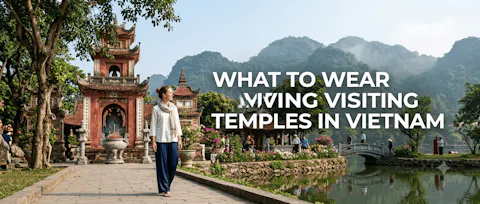
What to Wear When Visiting Temples in Vietnam: The Ultimate Dress Code Guide
Visiting temples is an important part of experiencing Vietnam’s rich cultural and spiritual heritage. Wearing appropriate clothing shows respect for local customs and creates a more meaningful travel experience. This guide explains what to wear when visiting temples in Vietnam, including recommended outfits, cultural etiquette, items to avoid, and practical tips for exploring religious sites comfortably. Whether you visit ancient pagodas, Buddhist temples, or historic shrines, Go Visit Vietnam helps you prepare with confidence and respect for local traditions.
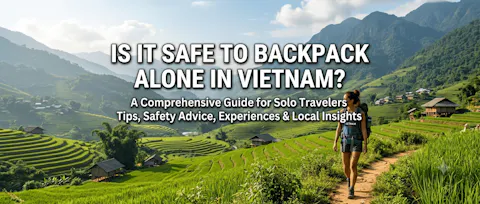
Is It Safe to Backpack Alone in Vietnam? An Honest Solo Travel Guide
Vietnam is one of Southeast Asia’s most popular backpacking destinations, attracting independent travelers from around the world. This honest guide explores what it’s really like to backpack alone in Vietnam, covering personal safety, transportation, accommodation, local customs, scams to avoid, and practical travel advice. Whether you are traveling on a budget, exploring mountain villages, visiting bustling cities, or relaxing on tropical beaches, Go Visit Vietnam helps you prepare for a safe, enjoyable, and unforgettable solo backpacking adventure.
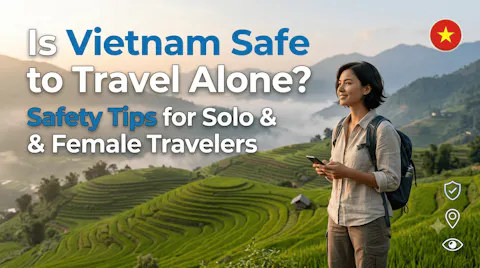
Is Vietnam Safe to Travel Alone? Safety Tips for Solo & Female Travelers
Vietnam is considered one of Southeast Asia’s most welcoming destinations for solo travelers, including women exploring the country independently. This guide covers personal safety, transportation, accommodation, scams to avoid, cultural etiquette, and practical advice for traveling confidently across Vietnam. Whether you are backpacking through the mountains, visiting vibrant cities, or relaxing on tropical islands, understanding local customs and basic safety tips can help you enjoy a smooth and memorable journey. Go Visit Vietnam helps you travel independently with confidence.