
Vietnam Travel Tips for First-Time Visitors
Planning your first trip to Vietnam is easier when you understand the country’s regional weather, transportation, money, food, safety, and cultural customs. This practical guide covers essential Vietnam travel tips, from preparing travel documents and managing Vietnamese dong to using local transportation, staying connected, choosing food and water, and visiting temples respectfully. You’ll also learn how to plan around Vietnam’s long distances and different regional climates. Use these tips alongside destination-specific guides to build a comfortable, flexible, and rewarding Vietnam itinerary.

On this page
Vietnam is an easy country to explore once you understand a few practical differences in how people travel, pay, eat, move around, and interact with local communities. For first-time visitors, the biggest adjustment is often not the language but the pace of daily life, busy city traffic, regional weather, and the long distances between destinations.
Vietnam also varies considerably from north to south. A cool morning in Hanoi or the mountains can feel very different from a hot afternoon in Ho Chi Minh City or a beach destination in Central Vietnam. Planning around these regional differences can make your trip much more comfortable.
Before you travel, take care of your entry documents, prepare a practical mix of cash and cards, arrange mobile connectivity, and check transportation between destinations. Once you arrive, give yourself time to adjust to local routines, try regional food, and learn a few simple Vietnamese phrases.
This guide covers practical travel tips for Vietnam, including money, transportation, weather, food, safety, local etiquette, connectivity, and itinerary planning.
Before You Travel to Vietnam
Check Visa and Entry Requirements
Visa requirements depend on your nationality, passport, and travel circumstances, so check the latest requirements before booking your trip. If you need an e-visa, use Vietnam's official immigration portal and carefully enter your passport details exactly as they appear on your travel document.
Check your visa dates, entry type, permitted ports of entry, and passport validity before departure. Keep a digital and offline copy of your approved visa or other relevant entry documents.
Do not rely on old travel information found on blogs or social media, as Vietnam's entry policies can change.
Prepare Vietnamese Dong and a Payment Backup
The Vietnamese dong (VND) is the country's official currency. Cash remains useful for small purchases, especially at traditional markets, street-food stalls, local cafés, small shops, and businesses outside major tourist areas.
Cards are widely accepted at hotels, larger restaurants, shopping centers, and many established businesses in major cities. However, it is useful to carry some cash rather than depending entirely on a card.
Keep smaller denominations available for everyday purchases. When receiving change, check the banknotes carefully because Vietnamese currency has several large denominations that can initially look similar.
Using reputable bank ATMs is generally a practical way to obtain Vietnamese dong. Check the withdrawal fee and exchange-rate information before confirming a transaction.
Arrange Mobile Internet
A reliable internet connection can make independent travel much easier. Maps, translation tools, ride-hailing applications, hotel bookings, and travel information are all useful when you are exploring an unfamiliar city.
Visitors can consider a local SIM or eSIM depending on their phone and travel plans. If you use an eSIM, check that your device is compatible and unlocked before purchasing a plan.
Download important maps, booking confirmations, and travel documents before leaving your hotel, particularly if you are heading into mountainous or rural areas where connectivity may be less reliable.

Getting Around Vietnam
Choose Transportation According to Distance
Vietnam is a long country, so transportation can have a major effect on your itinerary.
Domestic flights are useful when traveling between distant regions. Trains can be a comfortable option for some longer journeys, while buses and private transfers are practical for many shorter routes.
Do not assume that two destinations that look close on a map can be visited quickly. Mountain roads, traffic, road conditions, and transfers can significantly increase travel time.
For detailed routes and transportation options, use a dedicated Vietnam transportation guide when planning your itinerary.
Use Ride-Hailing Services in Major Cities
Ride-hailing applications can be convenient in Hanoi, Ho Chi Minh City, Da Nang, and other larger urban areas. They allow you to enter your destination digitally and, depending on the service, see an estimated or upfront fare.
Before getting into a vehicle, confirm that the driver, vehicle, and destination match the booking shown in the application.
Motorbike taxis can be convenient for short urban journeys, but travelers should consider traffic conditions, weather, luggage, and their own comfort level before choosing this option.
Crossing Busy Streets
Traffic can be one of the biggest cultural adjustments for first-time visitors.
When crossing a busy road, use a pedestrian crossing or traffic signal when available. Where crossing requires moving through flowing traffic, stay alert, walk steadily, and avoid sudden changes in direction.
Do not assume that every motorbike, car, or taxi will stop for you. Watch the surrounding traffic rather than focusing on only one approaching vehicle.
If you are uncomfortable crossing a particularly busy road, wait and follow experienced local pedestrians when it is safe to do so.

Food and Water in Vietnam
Try Local Food
Food is one of the best ways to experience different parts of Vietnam. Hanoi, Hue, Hoi An, Ho Chi Minh City, the Mekong Delta, and the Central Highlands all have their own culinary traditions.
Street food can be an excellent way to experience local dishes. When choosing a stall, look for places with regular customers and food that is prepared frequently. Watching how ingredients are handled and cooked can also help you make a more informed choice.
If you have allergies or dietary restrictions, learn the Vietnamese words for the ingredients you need to avoid. Do not assume that a dish is free from an allergen simply because it is not obvious from its appearance.
Be Sensible About Drinking Water
If you are unsure about the local water supply, choose sealed bottled water or reliably treated water for drinking.
This is particularly useful when traveling between different regions or staying in smaller towns and rural areas.
When buying bottled water, check that the seal is intact. Travelers who are sensitive to changes in food and water may also want to be cautious during the first few days while adjusting to local conditions.

Vietnamese Culture and Etiquette
Dress Appropriately at Religious Sites
Everyday clothing in Vietnam is generally relaxed, but religious and cultural sites require more consideration.
When visiting temples, pagodas, shrines, and other sacred places, choose clothing that covers your shoulders and knees. Follow signs and instructions at each location because customs can vary.
Some religious sites may require visitors to remove shoes or hats in particular areas. Rather than assuming that one rule applies everywhere, observe local visitors and follow posted guidance.
Ask Before Photographing People
Vietnam is highly photogenic, but people should not be treated as tourist attractions.
Ask permission before taking close-up photographs of individuals, particularly older people, children, religious practitioners, or people participating in ceremonies. Be especially considerate in rural communities and during private religious or family events.
A simple smile and gesture asking permission can go a long way.
Learn a Few Vietnamese Phrases
English is commonly used in hotels and tourist-oriented businesses, but learning a few Vietnamese expressions can make everyday interactions easier.
Useful phrases include:
- Xin chào — Hello
- Cảm ơn — Thank you
- Bao nhiêu tiền? — How much is it?
- Tính tiền — The bill, please
- Không cay — Not spicy
- Tôi không ăn... — I don't eat...
- Không, cảm ơn — No, thank you
You do not need to speak Vietnamese fluently. Even a few basic expressions can make interactions more pleasant.

Weather and What to Pack
Vietnam does not have one single travel climate. Weather can vary substantially between Northern, Central, and Southern Vietnam, as well as between coastal, lowland, and mountain destinations.
Northern Vietnam
Northern destinations can experience cooler weather, particularly during the winter months. Mountain areas such as Ha Giang and Sa Pa can be considerably cooler than Hanoi.
If you are visiting northern mountains, pack layers that can be added or removed according to changing temperatures.
Central Vietnam
Central Vietnam has its own seasonal patterns, and conditions can vary between destinations. Coastal areas can be hot and sunny, while periods of heavy rain can affect some destinations.
Check the forecast for the specific cities on your itinerary rather than relying only on a general Vietnam weather forecast.
Southern Vietnam
Southern Vietnam is generally warm throughout the year, with distinct wet and drier periods. Lightweight clothing, sun protection, and rain protection can all be useful.
For any region, comfortable walking shoes are valuable because many attractions involve walking through markets, historic areas, temples, parks, or uneven paths.

Plan Your Itinerary Around Travel Time
One of the most useful Vietnam travel tips for first-time visitors is to avoid putting too many destinations into one trip.
Vietnam may look relatively compact on a map, but traveling between regions can take much longer than expected.
Instead of trying to visit Hanoi, Ha Long Bay, Ha Giang, Hue, Hoi An, Da Nang, Nha Trang, Ho Chi Minh City, and the Mekong Delta in a short trip, choose a smaller number of destinations that work well together.
For example:
Northern itinerary:
Hanoi + Ninh Binh + Ha Long Bay
Central itinerary:
Da Nang + Hoi An + Hue
Southern itinerary:
Ho Chi Minh City + Mekong Delta
You can always return to Vietnam rather than trying to see the entire country in one visit.
Leave Room for Delays
Do not schedule every hour of your trip.
Traffic, weather, transportation delays, late arrivals, and unexpected discoveries can all change your plans. Leaving some free time between major activities makes the trip less stressful.
A flexible itinerary also gives you opportunities to spend more time at a local café, explore a neighborhood, visit a market, or return to a place you enjoyed.
Staying Safe While Traveling
Vietnam is a popular destination for independent travelers, but normal travel precautions still matter.
Keep your passport, cash, cards, and important documents secure. Carry only what you need when exploring busy areas.
In crowded markets and transportation hubs, pay attention to your belongings. When using taxis or ride-hailing services, check the vehicle and driver information before starting the journey.
For outdoor activities such as trekking, motorbike trips, or boat excursions, follow local safety instructions and consider weather and road conditions.
If you encounter a problem, remain calm and seek assistance from your accommodation, tour operator, transportation provider, or relevant local authority.
A Simple Vietnam Travel Checklist
Before leaving home, make sure you have:
- A valid passport and required entry documents
- Copies of important travel documents
- Some Vietnamese dong
- A payment card and backup payment method
- A working phone and mobile data plan
- Accommodation and transportation details
- Comfortable walking shoes
- Clothing appropriate for the expected weather
- Rain protection
- Sun protection
- Any personal medication you normally require
Most importantly, check information specific to your destinations rather than relying entirely on a general Vietnam checklist.
Vietnam Travel Tips by Region
Northern Vietnam
Prepare for greater seasonal variation, especially if your trip includes mountain destinations. Allow additional travel time for areas such as Ha Giang and Sa Pa.
Central Vietnam
Check seasonal weather carefully and plan your route around the destinations you want to visit. Beach destinations, heritage towns, and mountain areas can have different conditions.
Southern Vietnam
Expect warmer conditions and prepare for tropical rain. Ho Chi Minh City is a major transportation hub, while the Mekong Delta offers a slower-paced experience with waterways, markets, farms, and rural communities.
Final Thoughts
A successful first trip to Vietnam does not require following a complicated checklist. The most useful preparation is understanding the country's regional differences, planning realistic travel times, carrying an appropriate mix of cash and cards, staying connected, and respecting local customs.
Give yourself time to adjust to the traffic, food, climate, and pace of daily life. Use destination-specific information when planning each part of your journey, and leave enough flexibility for unexpected changes.
Vietnam is best experienced at a comfortable pace. Rather than trying to see everything in one trip, choose destinations that fit together and leave time to experience the food, neighborhoods, landscapes, and everyday life along the way.

By Roy Trinh
Editor
Roy Trinh is a travel writer and destination expert at Go Visit Vietnam, dedicated to helping travelers discover the beauty, culture, and diversity of Vietnam. Through well-researched travel guides, practical itineraries, local insights, and authentic recommendations, Roy shares valuable information to inspire memorable journeys across the country. From vibrant cities and breathtaking landscapes to regional cuisine and cultural heritage, every guide is created to help visitors experience Vietnam with confidence and curiosity.
Frequently Asked Questions About Traveling to Vietnam
What should I know before traveling to Vietnam for the first time?
First-time visitors should prepare their entry documents, check the weather for each destination, carry some Vietnamese dong, arrange mobile connectivity, and plan realistic travel times. Vietnam is a long country with significant regional differences, so avoid trying to visit too many destinations in a short trip.
Do I need a visa to travel to Vietnam?
Visa requirements depend on your nationality, passport, and travel circumstances. Some travelers can enter Vietnam visa-free, while others need an e-visa or another type of visa. Check the latest requirements through Vietnam's official immigration information before traveling.
Should I carry cash in Vietnam?
Yes. Cash is useful for street food, local markets, small cafés, independent shops, and some businesses outside major tourist areas. Cards are commonly accepted at hotels, larger restaurants, and modern businesses, so carrying both cash and a payment card is a practical approach.
What currency is used in Vietnam?
Vietnam uses the Vietnamese dong (VND). Banknotes have relatively large numbers, so check the denomination carefully when paying or receiving change.
Is it easy to get around Vietnam?
Yes, but travel times can be longer than they appear on a map. Domestic flights are useful for long distances, while trains, buses, private transfers, and ride-hailing services are practical for different types of journeys. Plan transportation around your actual destinations rather than treating Vietnam as one compact travel area.
Is street food safe to eat in Vietnam?
Street food can be an important part of the Vietnam travel experience. Choose vendors with regular customers and food that is prepared and cooked frequently. Travelers with food allergies should communicate their requirements clearly and avoid assuming that a dish is free from a particular ingredient.
Can I drink tap water in Vietnam?
If you are unsure about the local water supply, choose sealed bottled water or reliably treated water for drinking. Check that bottled water has an intact seal, particularly when purchasing it from small shops or roadside businesses.
How should I cross busy streets in Vietnam?
Use pedestrian crossings and traffic signals where available. When crossing roads with flowing traffic, stay alert, move steadily, and avoid sudden changes in direction. Never assume that vehicles will automatically stop for pedestrians.
What should I wear when visiting temples in Vietnam?
Wear respectful clothing that covers your shoulders and knees when visiting temples, pagodas, shrines, and other sacred places. Follow local signs and instructions, as footwear and other requirements can vary between locations.
Is English widely spoken in Vietnam?
English is commonly used in hotels, tour companies, airports, and businesses serving international travelers, particularly in major tourist destinations. In smaller towns and rural areas, communication may be more limited. Learning a few Vietnamese phrases and using a translation app can be helpful.
Advertising box
Vietnam Travel Tips & Advice
Travel smarter with expert tips designed to help you make the most of your journey through Vietnam. From money-saving advice and cultural etiquette to transportation, packing guides, safety recommendations, and local insights, these articles provide everything you need for a smooth, enjoyable, and unforgettable travel experience across Vietnam.
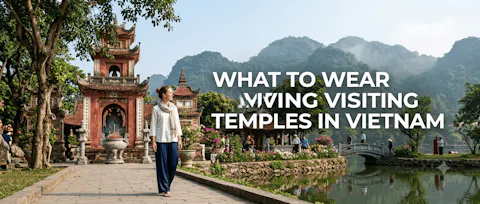
What to Wear When Visiting Temples in Vietnam: The Ultimate Dress Code Guide
Visiting temples is an important part of experiencing Vietnam’s rich cultural and spiritual heritage. Wearing appropriate clothing shows respect for local customs and creates a more meaningful travel experience. This guide explains what to wear when visiting temples in Vietnam, including recommended outfits, cultural etiquette, items to avoid, and practical tips for exploring religious sites comfortably. Whether you visit ancient pagodas, Buddhist temples, or historic shrines, Go Visit Vietnam helps you prepare with confidence and respect for local traditions.
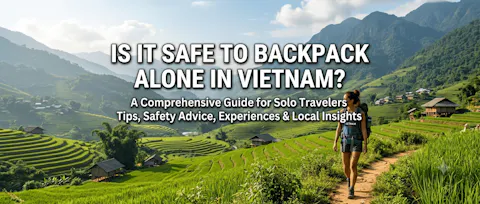
Is It Safe to Backpack Alone in Vietnam? An Honest Solo Travel Guide
Vietnam is one of Southeast Asia’s most popular backpacking destinations, attracting independent travelers from around the world. This honest guide explores what it’s really like to backpack alone in Vietnam, covering personal safety, transportation, accommodation, local customs, scams to avoid, and practical travel advice. Whether you are traveling on a budget, exploring mountain villages, visiting bustling cities, or relaxing on tropical beaches, Go Visit Vietnam helps you prepare for a safe, enjoyable, and unforgettable solo backpacking adventure.
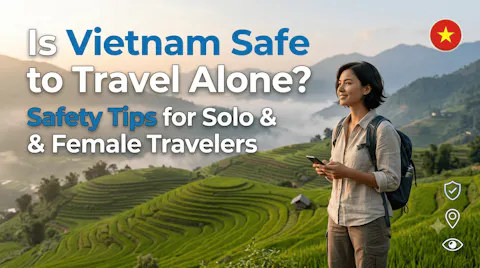
Is Vietnam Safe to Travel Alone? Safety Tips for Solo & Female Travelers
Vietnam is considered one of Southeast Asia’s most welcoming destinations for solo travelers, including women exploring the country independently. This guide covers personal safety, transportation, accommodation, scams to avoid, cultural etiquette, and practical advice for traveling confidently across Vietnam. Whether you are backpacking through the mountains, visiting vibrant cities, or relaxing on tropical islands, understanding local customs and basic safety tips can help you enjoy a smooth and memorable journey. Go Visit Vietnam helps you travel independently with confidence.
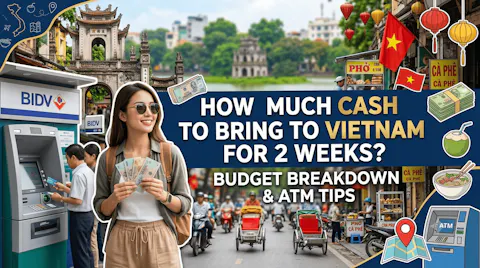
How Much Cash to Bring to Vietnam for 2 Weeks? Budget Breakdown & ATM Tips
Planning a 2-week trip to Vietnam? This guide helps you estimate how much cash to bring, based on daily travel costs, accommodation, food, transportation, and activities. It also explains ATM usage, currency exchange tips, and whether you should rely on cash or cards while traveling in Vietnam. Understanding your budget in advance helps you avoid overspending and travel with confidence. Go Visit Vietnam provides a practical breakdown to help you manage your money efficiently during your Vietnam adventure.