
Bun Thang: Hanoi's Delicate Chicken & Rice Noodle Soup
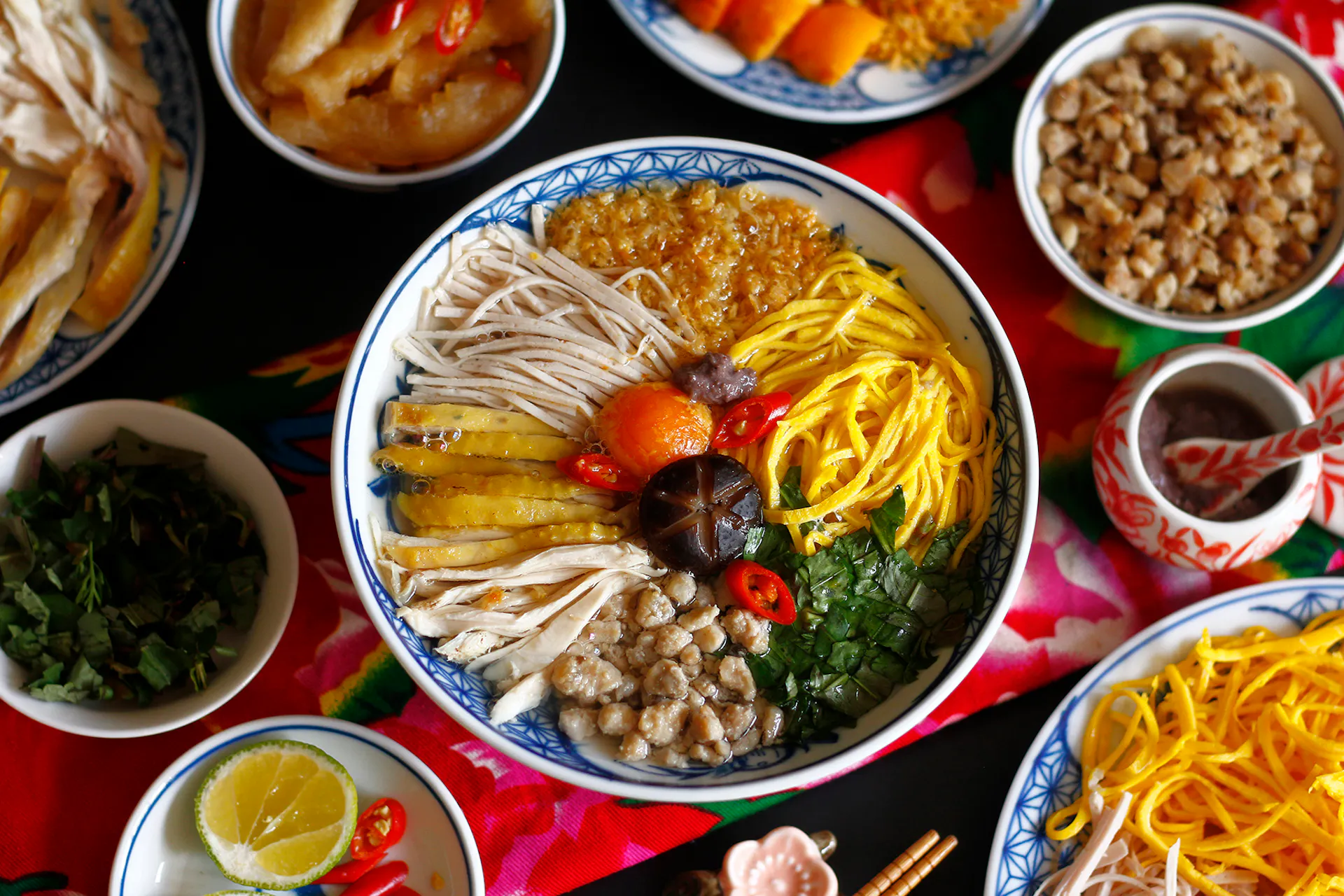
Bun Thang is a traditional Hanoi noodle soup known for its delicate flavors, colorful toppings, and carefully prepared broth. The dish typically combines thin rice vermicelli with shredded chicken, Vietnamese pork sausage, thin strips of egg, dried shrimp, mushrooms, and fresh herbs. Its clear, aromatic broth is seasoned to create a subtle balance rather than an overpowering taste. Closely associated with Hanoi's culinary heritage, Bun Thang offers travelers a refined introduction to Northern Vietnamese cuisine and the city's traditional food culture.
About Bun Thang
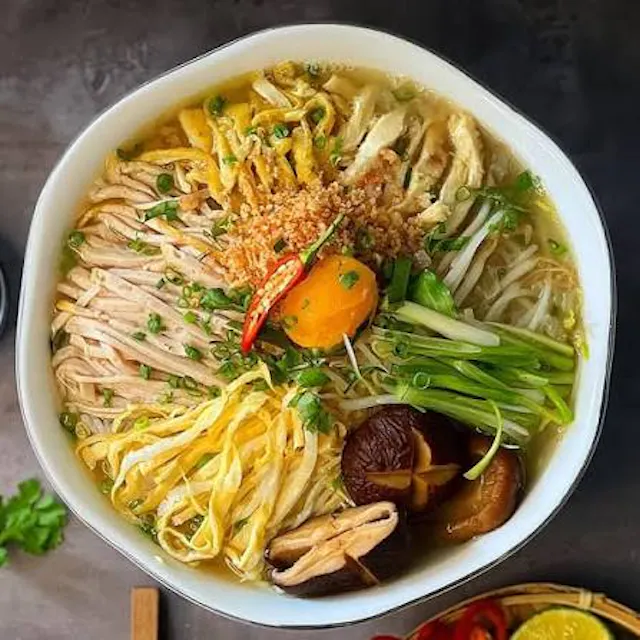
Bun Thang is a traditional Vietnamese noodle soup closely associated with Hanoi and the culinary heritage of Northern Vietnam. Known for its delicate broth, finely sliced toppings, and carefully balanced flavors, Bun Thang is considered one of Hanoi's more refined traditional dishes.
Unlike hearty noodle soups with large pieces of meat or seafood, Bun Thang is characterized by precision. Its ingredients are usually prepared separately, sliced into thin strips, and arranged carefully over rice vermicelli before being served with a clear, aromatic broth.
What Is Bun Thang?
Bun Thang, written as Bún Thang in Vietnamese, is a rice noodle soup traditionally made with thin rice vermicelli, chicken, Vietnamese pork sausage, egg, herbs, and a flavorful broth.
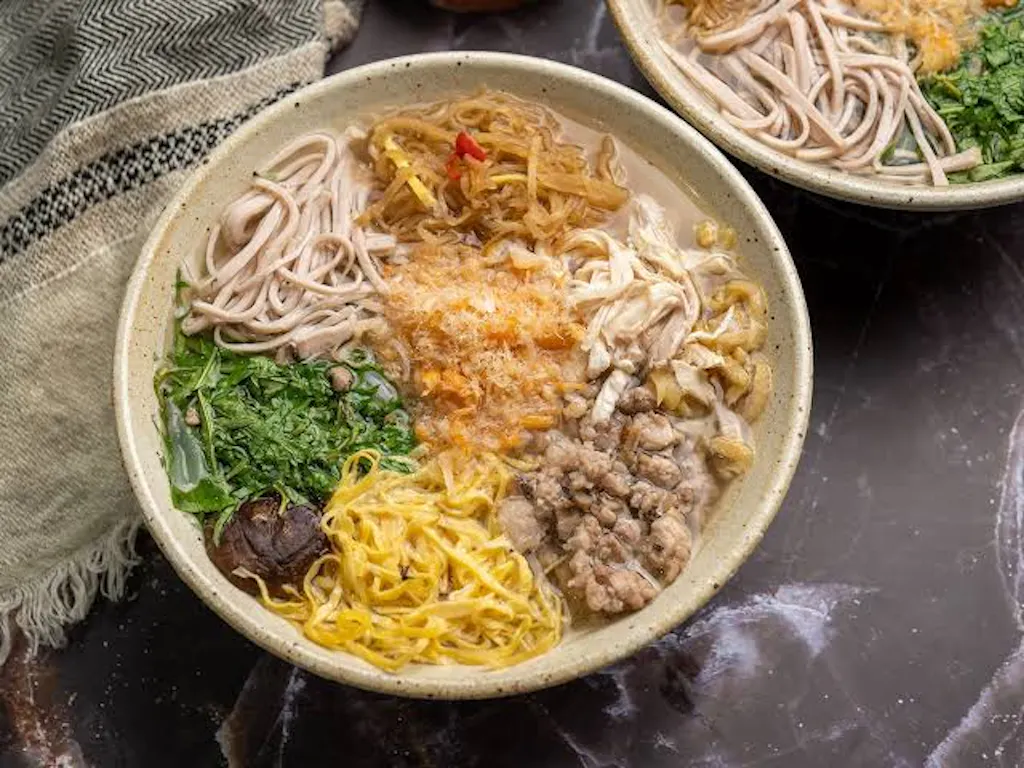
The dish is often described as colorful because its toppings are arranged in separate, delicate strips. Yellow egg, white noodles, pale chicken, pinkish Vietnamese pork sausage, green herbs, and other ingredients create an attractive presentation.
Its refined appearance reflects the careful preparation traditionally associated with Hanoi cuisine.
The Broth
The broth is one of the most important parts of Bun Thang.
Traditionally, the broth is made from chicken bones and other ingredients that are slowly simmered to develop a clear and fragrant base. Dried shrimp and other seasonings may be used to add depth and umami.
The goal is generally a clean, balanced flavor rather than an intensely rich broth.
Some traditional preparations may also use ca cuong, an aromatic ingredient historically associated with Bun Thang. It is increasingly uncommon today, but it is part of the dish's culinary history.
Common Ingredients
Bun Thang typically brings together several ingredients with different textures and flavors.
Rice vermicelli provides the soft foundation of the soup.
Chicken, usually shredded, adds savory flavor and protein.
Vietnamese pork sausage, or cha lua, contributes a firm and mildly savory texture.
Egg is commonly beaten, cooked into a thin omelet, and sliced into delicate strips.
Dried shrimp, mushrooms, Vietnamese herbs, scallions, and other garnishes may also be included depending on the recipe.
Each ingredient is prepared separately before being combined in the final bowl.
What Does Bun Thang Taste Like?
Bun Thang has a delicate, savory, and aromatic flavor.
Its broth is generally light and clear, while the combination of chicken, pork sausage, egg, dried shrimp, and herbs creates layers of subtle umami.
Fresh herbs and scallions add brightness, while chili or other condiments can provide additional heat.
The flavor profile is often less intense than dishes such as Bun Mam or Bun Bo Hue, making Bun Thang appealing to travelers who prefer lighter Vietnamese soups.
Bun Thang and Hanoi Food Culture
Bun Thang is strongly connected with Hanoi's traditional food culture.
Historically, the dish was associated with careful home cooking and the creative use of leftover ingredients after festive meals. Different components could be prepared and arranged into a new noodle dish rather than being wasted.
Over time, Bun Thang became recognized as a distinctive Hanoi specialty.
Today, it can be found at traditional restaurants and local eateries throughout the city.
How Is Bun Thang Served?
A typical bowl begins with rice vermicelli, followed by carefully arranged strips of chicken, egg, Vietnamese pork sausage, mushrooms, and other toppings.
Hot broth is then poured over the ingredients.
Fresh herbs and scallions are added before serving, while diners may adjust the flavor with chili, lime, or other condiments.
The combination of finely prepared toppings and clear broth makes Bun Thang visually distinctive as well as flavorful.
Where to Try Bun Thang
Hanoi is the best destination for travelers who want to experience traditional Bun Thang.
Local restaurants and long-established noodle shops offer different interpretations of the dish, with variations in toppings, broth, and seasoning.
For a more authentic experience, look for small restaurants specializing in traditional Hanoi cuisine rather than heavily adapted versions aimed at tourists.
Why Try Bun Thang?
Bun Thang offers a different perspective on Vietnamese noodle soup.
Instead of relying on one dominant ingredient, it combines several carefully prepared components into a harmonious bowl. Its thinly sliced toppings, fragrant broth, and fresh herbs demonstrate the attention to detail found in traditional Hanoi cooking.
For travelers interested in food culture, Bun Thang is particularly valuable because it represents not only a local dish but also the culinary traditions and resourcefulness of Hanoi.
Discover Bun Thang
Bun Thang is a refined expression of Northern Vietnamese cuisine, bringing together rice vermicelli, chicken, egg, Vietnamese pork sausage, herbs, and a delicately seasoned broth.
Its colorful presentation and subtle flavor make it a memorable dish to try while exploring Hanoi.
Whether enjoyed at a traditional noodle shop or a local neighborhood restaurant, Bun Thang provides travelers with an authentic taste of Hanoi's culinary heritage and a deeper understanding of the city's diverse food traditions.
You have not enough Humanizer words left. Upgrade your Surfer plan.
Featured Ingredients in Bun Thang
Bun Thang is built around a delicate combination of rice noodles, savory toppings, and a carefully seasoned broth. These three ingredients are central to the dish's traditional flavor, texture, and colorful presentation.
Chicken↗
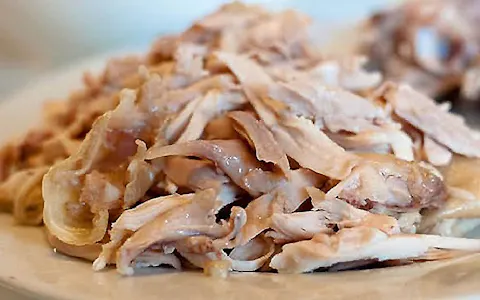
Shredded chicken is one of the main toppings in Bun Thang. Tender cooked chicken adds a mild, savory flavor and a satisfying texture that pairs well with the delicate broth and soft rice vermicelli. Thinly shredded chicken also contributes to the dish's distinctive presentation.
Egg↗
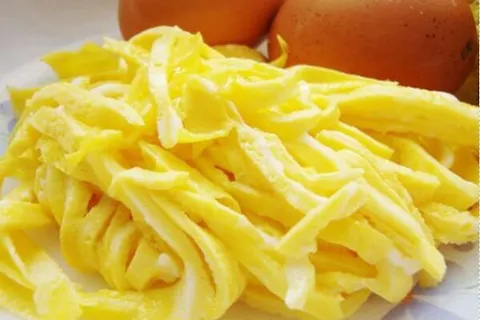
Egg is traditionally cooked into a very thin omelet and sliced into fine strips before being arranged over the noodles. Its soft texture and subtle richness provide a pleasant contrast to the savory chicken and Vietnamese pork sausage while adding a distinctive golden color to the bowl.
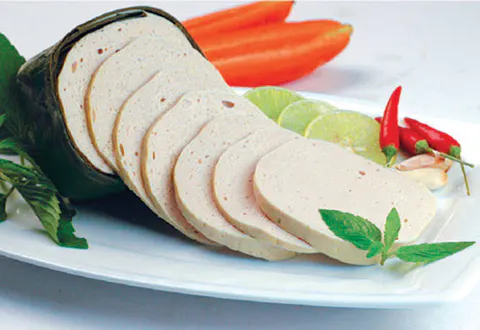
Vietnamese Pork Sausage↗
Vietnamese pork sausage, or cha lua, adds a firm, slightly chewy texture and mild savory flavor to Bun Thang. It is typically sliced into thin strips and arranged alongside the chicken and egg, contributing both flavor and visual balance to this traditional Hanoi noodle soup.
Frequently Asked Questions About Bun Thang
What is Bun Thang?
Bun Thang (Bún Thang) is a traditional Hanoi noodle soup made with thin rice vermicelli, shredded chicken, Vietnamese pork sausage, egg, herbs, and a delicately seasoned broth. The ingredients are usually sliced into thin strips and carefully arranged, giving the dish its distinctive colorful appearance.
What does Bun Thang taste like?
Bun Thang has a light, delicate, and savory flavor. Its clear broth is typically aromatic and mildly seasoned, while chicken, egg, Vietnamese pork sausage, and dried shrimp contribute layers of subtle umami. Fresh herbs and scallions add brightness, creating a balanced and refined taste.
What ingredients are used in Bun Thang?
Common ingredients include rice vermicelli, shredded chicken, Vietnamese pork sausage, thinly sliced egg, dried shrimp, mushrooms, scallions, and fresh Vietnamese herbs. The broth is often prepared with chicken bones and other aromatics. Traditional recipes and modern restaurant versions can vary.
Where can I try Bun Thang in Vietnam?
Hanoi is the best-known destination for Bun Thang. The dish can be found at traditional Vietnamese restaurants, local noodle shops, and neighborhood eateries throughout the city. Trying it in Hanoi allows travelers to experience the dish in the region where its culinary traditions are most strongly rooted.
Is Bun Thang spicy?
Bun Thang itself is generally not considered a strongly spicy dish. Its broth has a delicate savory flavor rather than the intense chili heat found in some Vietnamese noodle soups. Chili and other condiments may be served separately, allowing diners to add spice according to their preference.
Advertising box
Discover Vietnam's Regional Cuisine
Explore the rich diversity of Vietnamese food through regional specialties from north to south. Discover authentic local dishes, traditional recipes, street food favorites, fresh seafood, mountain delicacies, and iconic flavors that showcase the unique culinary heritage of every region across Vietnam.
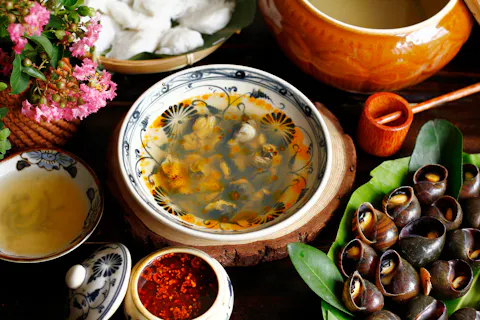
Bun Oc: Vietnam's Savory Snail Noodle Soup
Bun Oc is a traditional Vietnamese noodle soup known for its flavorful broth, tender freshwater snails, and fresh herbs. Particularly associated with Hanoi and northern Vietnam, the dish combines rice vermicelli with snails, tomatoes, herbs, and a savory broth that may have subtle sour and spicy notes. Different versions can include tofu, banana blossom, perilla, or other local ingredients. Often enjoyed as a casual breakfast or street food, Bun Oc offers travelers a distinctive introduction to Hanoi's diverse culinary traditions.
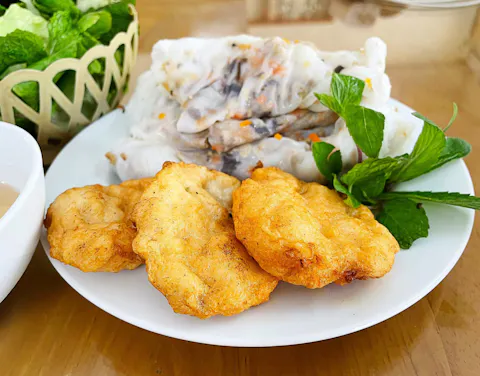
Cha Muc: Vietnam's Famous Fried Squid Cake
Cha Muc is a popular Vietnamese seafood specialty made from fresh squid that is finely chopped or pounded, seasoned, shaped, and deep-fried until golden and aromatic. Known for its springy texture and rich seafood flavor, the dish is particularly associated with Ha Long and Quang Ninh in northern Vietnam. Cha Muc is commonly served with sticky rice, steamed rice rolls, noodles, or a simple dipping sauce. Discover its ingredients, traditional preparation, regional origins, and why this coastal specialty is a favorite among Vietnamese food lovers.
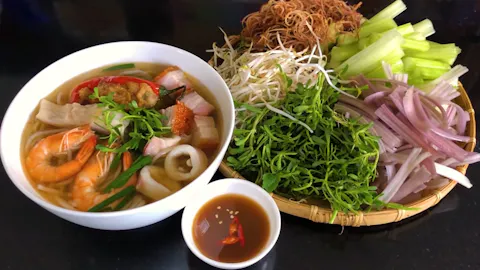
Bun Mam: Vietnam's Bold Fermented Fish Noodle Soup
Bun Mam is a distinctive Vietnamese noodle soup from the Mekong Delta, known for its rich, savory broth made with fermented fish sauce. Often served with rice noodles, shrimp, squid, fish, pork, eggplant, and an abundance of fresh herbs and vegetables, the dish offers layers of salty, savory, and aromatic flavors. Its bold fermented-fish aroma may be unfamiliar to first-time visitors, but it is an important part of southern Vietnamese food culture. Discover Bun Mam's ingredients, origins, regional variations, and traditional way of serving.
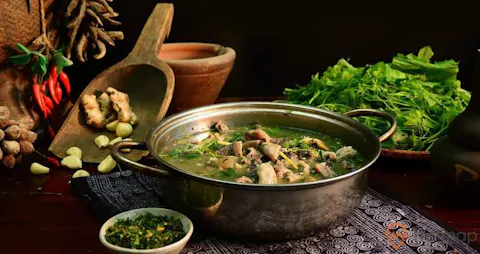
Thang Co: Vietnam's Traditional Hmong Horse Meat Stew
Thang Co is a traditional dish associated with the Hmong communities of northern Vietnam, particularly in mountainous destinations such as Ha Giang and Sapa. Traditionally prepared as a hearty stew using horse meat, offal, bones, aromatic herbs, and local spices, the dish has long been connected with communal meals and mountain markets. Its rich flavor and distinctive ingredients offer travelers an opportunity to explore the culinary traditions of Vietnam's ethnic communities. Discover the history, ingredients, preparation, regional variations, and cultural significance of Thang Co.