

Bánh Căn: Vietnamese Mini Savory Rice Cakes Explained
Bánh Căn is a popular Vietnamese street food made from small rice-flour cakes cooked in round clay molds until lightly crisp on the outside and soft inside. Often topped with quail eggs, shrimp, squid, or pork, these bite-sized cakes are served with dipping sauces, green onions, and fresh herbs. Especially popular in Central and South Vietnam, Bánh Căn is closely associated with destinations such as Nha Trang and Phan Thiet. Discover its ingredients, flavors, origins, preparation, and traditional serving styles.
About Bánh Căn
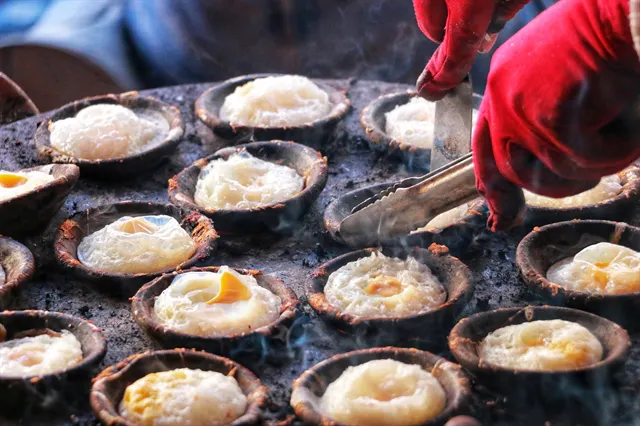
Bánh Căn is a popular Vietnamese street food made from small, round rice-flour cakes cooked in traditional molds until the edges become lightly crisp while the center remains soft and tender. Often topped with quail eggs, shrimp, squid, or pork, Bánh Căn is known for its simple preparation, savory flavor, and variety of dipping sauces.
The dish is particularly associated with Central and South Central Vietnam, especially coastal destinations such as Nha Trang and Phan Thiet. For travelers, trying Bánh Căn at a small local stall is a great way to experience the casual food culture of Vietnam.
What Is Bánh Căn?
Bánh Căn, written as bánh căn in Vietnamese, consists of small rice-flour cakes traditionally cooked in a round clay or metal mold.
The rice batter is poured into individual cavities in the mold and cooked over heat. Depending on the recipe and location, toppings are added while the cakes cook.
The finished cakes are usually served in pairs or small portions, making them ideal for sharing or enjoying as a light meal or snack.
What Does Bánh Căn Taste Like?
Bánh Căn has a mild, slightly nutty flavor from the rice batter.
The exterior can develop lightly crisp edges while the center remains soft and chewy. Toppings add additional savory flavors, while herbs and dipping sauces provide freshness, sweetness, saltiness, or spice.
The final flavor depends heavily on the toppings and sauce used, which can vary between cities and individual vendors.
Bánh Căn Ingredients
The basic batter is usually made from rice flour and water, with some recipes using additional ingredients to create the desired texture.
Common toppings include quail eggs, chicken eggs, shrimp, squid, pork, and green onions.
Fresh herbs and vegetables are often served alongside the cakes, while dipping sauces provide much of the dish's distinctive flavor.
Because Bánh Căn is cooked to order, the ingredients are typically assembled immediately before serving.
How Is Bánh Căn Made?
Traditional Bánh Căn is prepared using a special mold containing several small round cavities.
The mold is heated before rice batter is poured into each cavity. The cakes are then cooked until the batter sets and the edges begin to develop a lightly crisp texture.
Toppings such as eggs or seafood can be added during cooking. The cakes are covered or cooked until the toppings are fully prepared.
Once ready, the small cakes are removed from the mold and served immediately while they are still warm.
Bánh Căn Toppings
One of the most enjoyable aspects of Bánh Căn is choosing different toppings.
Quail eggs are particularly popular and create a rich, savory center. Seafood versions may include shrimp or squid, reflecting the dish's strong connection with Vietnam's coastal regions.
Some vendors also serve Bánh Căn with pork, scallions, or other local ingredients.
The toppings can vary significantly from one restaurant or street stall to another.
Bánh Căn in Nha Trang
Nha Trang is one of the best-known destinations for Bánh Căn.
The coastal city has a strong seafood culture, and local versions frequently incorporate shrimp, squid, fish, and other ingredients from the surrounding waters.
Bánh Căn is commonly enjoyed as an affordable breakfast, snack, or casual evening meal.
For visitors exploring Nha Trang, finding a small local Bánh Căn stall can be a rewarding alternative to eating at larger tourist restaurants.
Bánh Căn in Phan Thiet
Phan Thiet and the surrounding coastal area are also closely associated with Bánh Căn.
Local versions often feature eggs and seafood and are served with distinctive dipping sauces.
The dish is particularly enjoyable in the evening when small food stalls become busy with local diners.
How Is Bánh Căn Served?
Bánh Căn is usually served hot and accompanied by one or more dipping sauces.
Depending on the region, the sauce may include fish sauce, chili, garlic, green onions, or other seasonings.
Some versions are served with a savory broth or a sauce containing meatballs, while others are paired with fresh herbs and vegetables.
The combination of warm rice cakes, flavorful toppings, fresh herbs, and dipping sauce creates a satisfying contrast of textures and flavors.
Bánh Căn and Vietnamese Street Food Culture
Bánh Căn represents the casual and highly regional nature of Vietnamese street food.
The dish is inexpensive, cooked fresh in front of customers, and commonly prepared by small family-run vendors.
Its cooking process is also part of the experience. Watching the vendor pour batter into the hot mold, add toppings, and remove the cakes one by one gives visitors a glimpse into everyday Vietnamese food culture.
Why Try Bánh Căn?
Bánh Căn is worth trying because it combines simple rice batter, fresh toppings, traditional cooking techniques, and regional Vietnamese flavors.
Its small size makes it easy to sample several variations in one meal, while the combination of crisp edges and soft centers gives the dish an appealing texture.
Whether you discover it at a street stall in Nha Trang, a local eatery in Phan Thiet, or another coastal destination, Bánh Căn offers a delicious introduction to the diverse street-food traditions of Central Vietnam.
Featured Ingredients of Bánh Căn
Bánh Căn is made with a simple rice-flour batter and a variety of savory toppings. The combination of soft rice cakes, fresh seafood or eggs, and flavorful dipping sauces gives this Vietnamese street food its distinctive taste and texture.

Rice Flour↗
Rice flour forms the foundation of Bánh Căn. Mixed with water to create a smooth batter, it produces small cakes with lightly crisp edges and a soft, tender center. The simple rice base also provides a mild flavor that allows the toppings and dipping sauce to stand out.
Eggs & Seafood↗
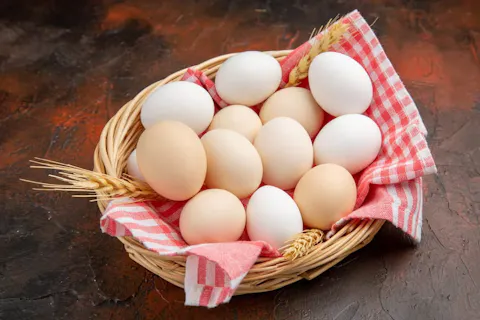
Eggs and seafood are among the most popular Bánh Căn toppings. Quail eggs or chicken eggs add richness, while shrimp and squid provide a naturally sweet, savory seafood flavor. The toppings vary by region and vendor, particularly in coastal cities such as Nha Trang and Phan Thiet.

Fish Sauce & Fresh Herbs↗
Fish sauce-based dipping sauces add saltiness, sweetness, acidity, and spice to Bánh Căn. They may be combined with chili, garlic, green onions, or other seasonings. Fresh herbs and vegetables provide a refreshing contrast to the warm rice cakes and savory toppings.
Related Articles About Bánh Căn
Explore more articles about Bánh Căn and Vietnam's diverse street-food culture. Discover guides covering Bánh Căn's regional variations, popular toppings, traditional cooking methods, and differences from similar Vietnamese dishes such as Bánh Khọt. These related articles offer more insight into the flavors, traditions, and local food culture surrounding one of Central Vietnam's most popular savory rice cakes.
Bánh Căn FAQs
What is Bánh Căn?
Bánh Căn is a Vietnamese savory rice cake made from a simple rice-flour batter cooked in small round molds. The cakes are usually topped with eggs, shrimp, squid, pork, or green onions and served with flavorful dipping sauces. The outside is lightly crisp while the inside remains soft and tender.
Where is Bánh Căn from?
Bánh Căn is particularly associated with Central and South Central Vietnam, especially coastal areas. It is commonly found in destinations such as Nha Trang and Phan Thiet, where local versions often feature seafood and regional dipping sauces.
What are the main ingredients in Bánh Căn?
The main ingredient is rice flour, which is mixed with water to create the batter. Popular toppings include quail eggs, chicken eggs, shrimp, squid, pork, and green onions. Bánh Căn is typically served with fish sauce-based dipping sauces, herbs, and other fresh accompaniments.
What does Bánh Căn taste like?
Bánh Căn has a mild, slightly nutty rice flavor with lightly crisp edges and a soft center. Eggs add richness, while shrimp and squid provide savory and naturally sweet seafood flavors. The dipping sauce adds additional salty, sweet, sour, spicy, or aromatic notes.
How is Bánh Căn traditionally served?
Bánh Căn is served hot, usually immediately after being cooked in the small round molds. The cakes are accompanied by dipping sauces and may be served with fresh herbs, green onions, vegetables, or other local toppings. Diners typically dip each small cake into the sauce before eating.
Advertising box
Related Vietnamese Dishes
Explore more of Vietnam's rich culinary heritage with these delicious regional specialties. From comforting noodle soups and fresh seafood dishes to iconic street food favorites, discover authentic flavors that perfectly complement your journey beyond Banh Mi.
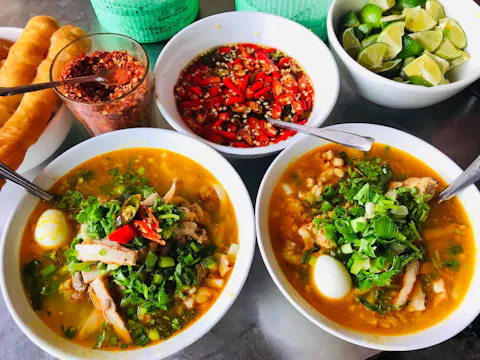
Banh Khot: Vietnam's Crispy Mini Savory Pancakes
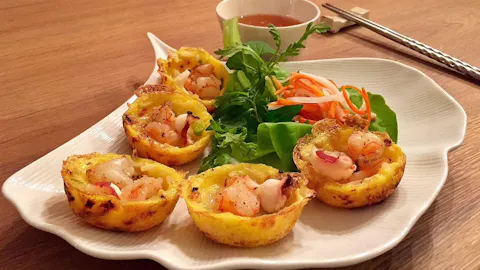
Banh Khot is a popular Vietnamese street food made from small, crispy rice flour pancakes cooked in special round molds. Traditionally topped with shrimp, green onions, and other savory ingredients, these golden bites are served with fresh herbs, lettuce, pickled vegetables, and a flavorful dipping sauce. Popular in southern and central Vietnam, Banh Khot offers a delicious contrast of crispy edges, soft centers, savory seafood, and fresh herbs. Discover its ingredients, preparation, regional variations, and the best ways to enjoy this Vietnamese specialty.
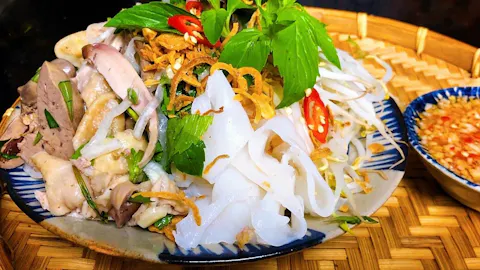
Banh Uot: Vietnam's Soft Steamed Rice Paper Dish
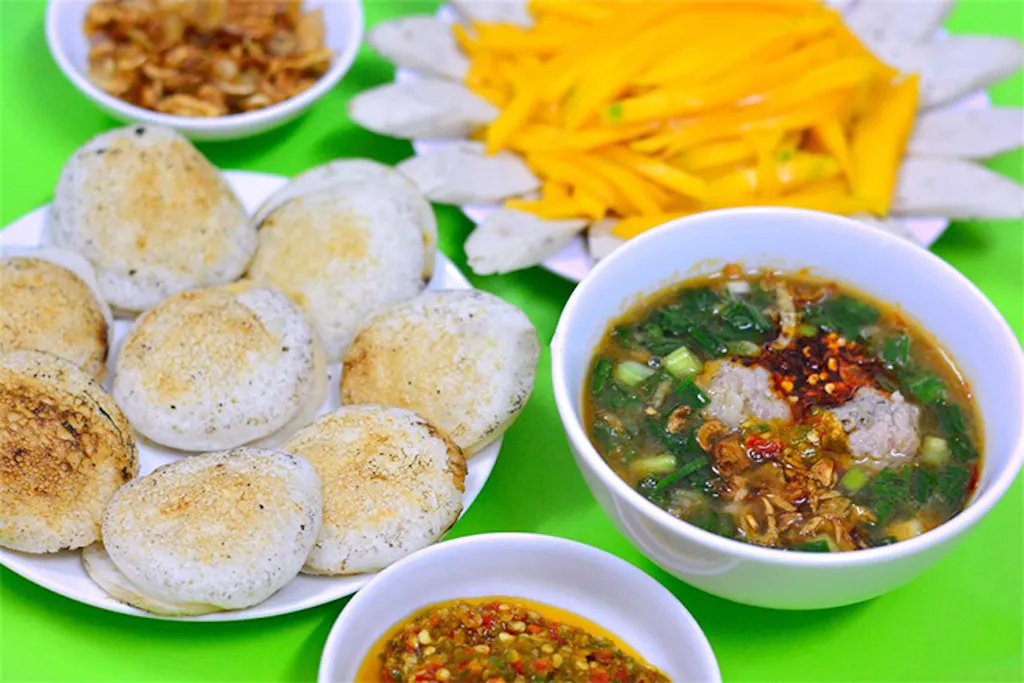
Banh Uot is a traditional Vietnamese dish made from thin, soft sheets of steamed rice batter. Similar to fresh rice paper, these delicate sheets are typically served with herbs, vegetables, savory toppings, and a flavorful dipping sauce. Depending on the region, Banh Uot may be enjoyed with grilled pork, Vietnamese ham, fried shallots, mung beans, or other local ingredients. Its soft texture and subtle rice flavor make it a popular breakfast, street food, and everyday dish across Vietnam.
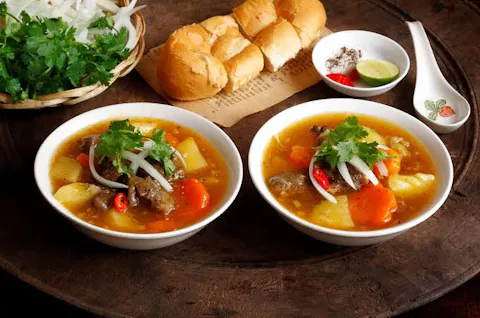
Bò Kho: Vietnamese Beef Stew with Aromatic Spices
Bò Kho is a rich and aromatic Vietnamese beef stew made with tender pieces of beef, carrots, lemongrass, garlic, chili, and fragrant spices. Slow-cooked until the meat becomes tender, the dish develops a flavorful broth with savory, spicy, sweet, and aromatic notes. Bò Kho can be enjoyed in several ways, commonly served with Vietnamese baguette for dipping or rice noodles for a heartier meal. Popular throughout Vietnam, this comforting dish reflects the country's distinctive combination of fresh herbs, spices, and slow-cooked flavors.
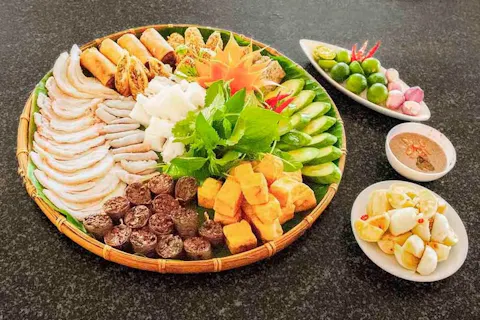
Bún Đậu Mắm Tôm: Vietnam's Fermented Shrimp Paste Noodle Platter
Bún Đậu Mắm Tôm is a popular Vietnamese street food platter featuring fresh rice vermicelli, crispy fried tofu, herbs, and savory pork served with fermented shrimp paste. Traditionally associated with Hanoi and northern Vietnamese cuisine, the dish is known for its contrasting textures and bold, salty, umami-rich dipping sauce. Other ingredients may include pork belly, Vietnamese sausage, fried pork intestines, or crispy pork. For travelers exploring Vietnamese food, Bún Đậu Mắm Tôm offers a distinctive local experience and an introduction to Vietnam's love of fermented flavors.