
Best Things to Do in Ca Mau
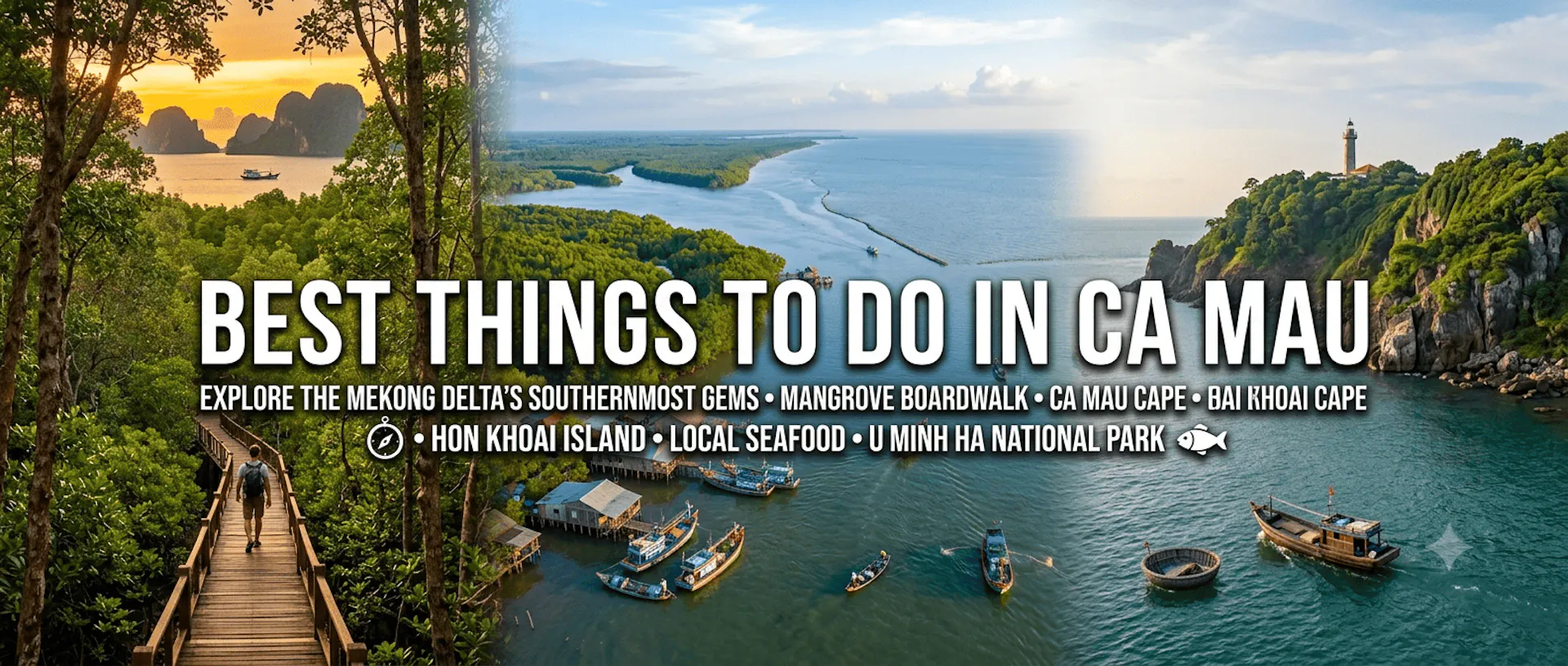
Ca Mau offers unforgettable experiences where nature, adventure, and local culture come together at the southern tip of Vietnam. Cruise through vast mangrove forests, stand at the iconic Cape Ca Mau landmark, explore U Minh Ha National Park, enjoy fresh seafood, and discover traditional fishing communities along the coast. Whether you're seeking wildlife, eco-tourism, photography, or authentic Mekong Delta culture, this guide showcases the best things to do in Ca Mau for an unforgettable journey through Vietnam's southernmost province.
On this page
- The Iconic Expedition: Reaching the Southernmost Tip – Among the Best Things to Do in Ca Mau
- Deep Wilderness: U Minh Ha Forest Adventures – Unique Best Things to Do in Ca Mau
- Urban Immersion & Local Flavors: Essential Best Things to Do in Ca Mau
- The Ultimate Ca Mau Activity Matrix
- Essential Field Notes for Travelers
- Conclusion: Finalizing the Best Things to Do in Ca Mau
Arriving at the southernmost extremity of the Indochinese peninsula is not merely a matter of crossing geographic boundaries; it is a profound sensory immersion into an environment where the land has not quite finished forming. Ca Mau is a frontier constructed entirely of alluvial silt, salt, and relentlessly flowing water. Here, the heavy, briny air settles over vast, canopied waterways, and the slow, deliberate pace of the delta dictates the rhythm of daily life. If you are seeking manufactured luxury resorts or curated tourist traps, you must recalibrate your compass. This is a destination reserved for ecological researchers, architectural observers, and cultural anthropologists.
Navigating this volatile landscape requires an authoritative Ca Mau travel guide that understands the shifting tides and deep-water logistics of the alluvial delta. The province demands active participation rather than passive observation. Thus, compiling a master itinerary of the best things to do in Ca Mau means prioritizing immersive eco-activities, deeply rooted culinary traditions, and rugged exploration. In this exhaustive field manual, we will dissect the province’s most vital ecological landmarks and cultural practices, providing the concrete logistics necessary for an unforgettable expedition into the heart of Mekong Delta eco-tourism.
The Iconic Expedition: Reaching the Southernmost Tip – Among the Best Things to Do in Ca Mau
No journey to the edge of the delta is complete without physically standing where the terrestrial world surrenders to the ocean. Đất Mũi (Cape Dat Mui) is an active, living ecosystem, a marvel of continuous coastal reclamation where sediment deposits push the shoreline further into the sea by nearly 50 meters annually.
1. Navigating Cape Dat Mui National Park
The anchor of this UNESCO-recognized World Biosphere Reserve is the deeply symbolic Km 2436 milestone, marking the official terminus of the Ho Chi Minh Highway. However, the true draw of the park lies just beyond the concrete monuments, within the intricate, deeply evolved root systems of the mangrove forest.
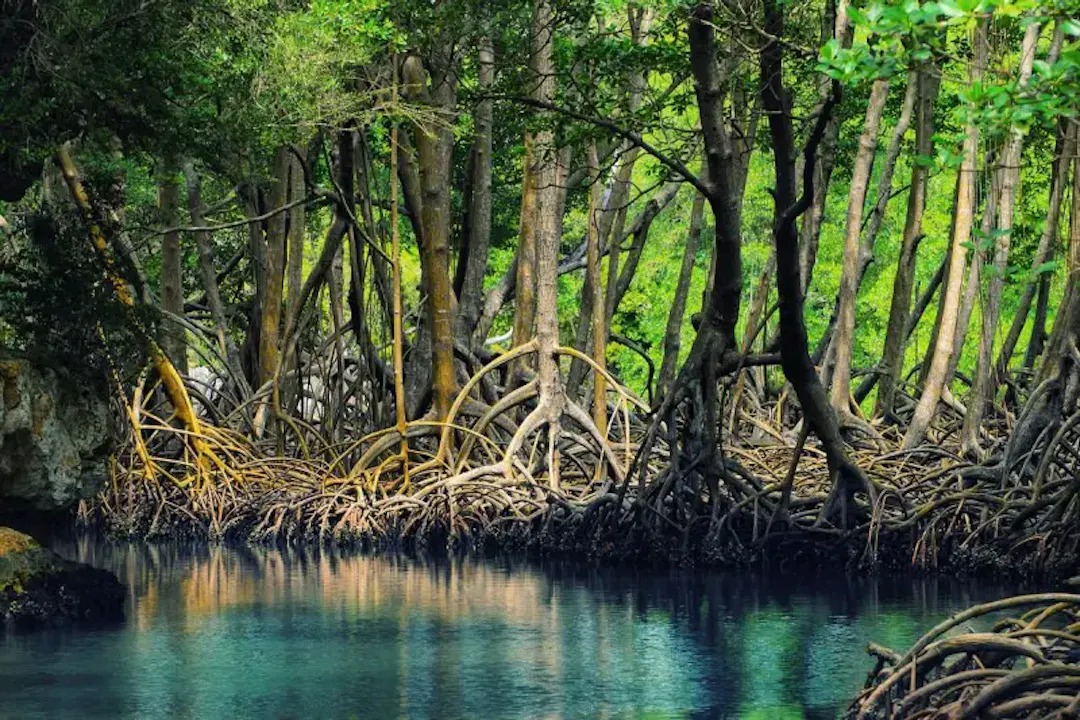
One of the essential things to do in Dat Mui is to traverse the elevated wooden boardwalks that wind through the dense coastal wilderness. These pathways are a masterclass in adapting human infrastructure to volatile environments. Instead of fighting the shifting mudflats, the stilted timber walkways integrate seamlessly into the landscape, reflecting an inherent sense of organic modernism where structural design bows to natural topography. As you walk, you will observe the pioneer species: the mắm (white mangrove), which extends its aerial pneumatophores upward through the anaerobic mud to breathe. Standing behind them are the formidable đước (Rhizophora apiculata) trees, utilizing their massive, arching stilt roots to lock the newly deposited alluvial soil in place.
2. Sunset at the Geographic Landmark
To comprehend the sheer scale of this coastal bio-reserve, ascending the Vọng canh (observation tower) is mandatory. Standing high above the canopy, this structure offers an unobstructed, 360-degree panorama of the frontier.
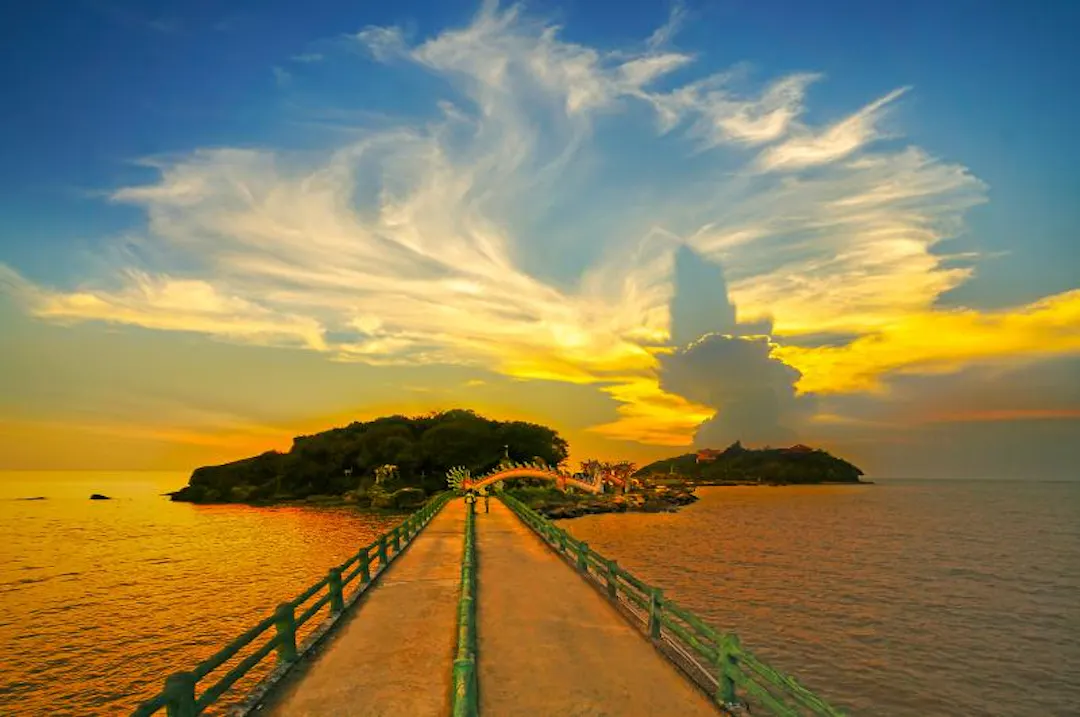
From a logistical standpoint, timing your ascent is critical. Positioning yourself here during the late afternoon is arguably the most visually rewarding experience in the province. Because of its unique geographic curvature, Cape Dat Mui is the only location on the Vietnamese mainland where you can watch the sun rise over the East Sea and set directly into the Gulf of Thailand. When capturing this horizon, rely on manual camera controls—adjusting the shutter speed and dialing in the white balance to capture the high-contrast silhouettes of the distant fishing fleets against the metallic sheen of the mudflats. The golden hour here produces an optical clarity that high-end mobile sensors, particularly those designed with advanced manual photography suites, can render with breathtaking precision.
3. The Mangrove Tunnel Boat Experience
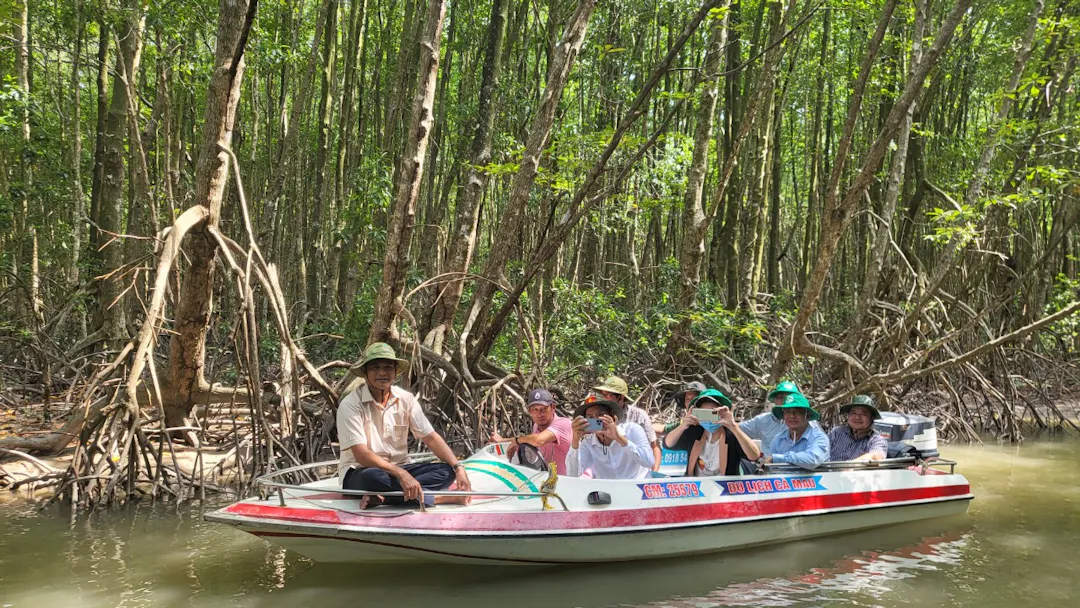
While the terrestrial boardwalks offer an excellent introduction, understanding the true aquatic reality of the cape requires chartering a traditional vỏ lãi (narrow composite speedboat). You can arrange these deep-water charters directly from the Nam Can port or the Dat Mui tourist center.
Navigating these mangrove tunnels is an exercise in profound sensory isolation. As the boatman cuts the engine, you drift through narrow, canopied waterways where the intertwined branches of ancient đước trees completely block out the equatorial sun, dropping the ambient temperature by several degrees. You will move silently through core conservation zones, observing the sudden flashes of migratory birds and listening to the rhythmic clicking of fiddler crabs in the mud. This is not a passive river cruise; it is a direct confrontation with one of the most resilient ecosystems on the planet.
Deep Wilderness: U Minh Ha Forest Adventures – Unique Best Things to Do in Ca Mau
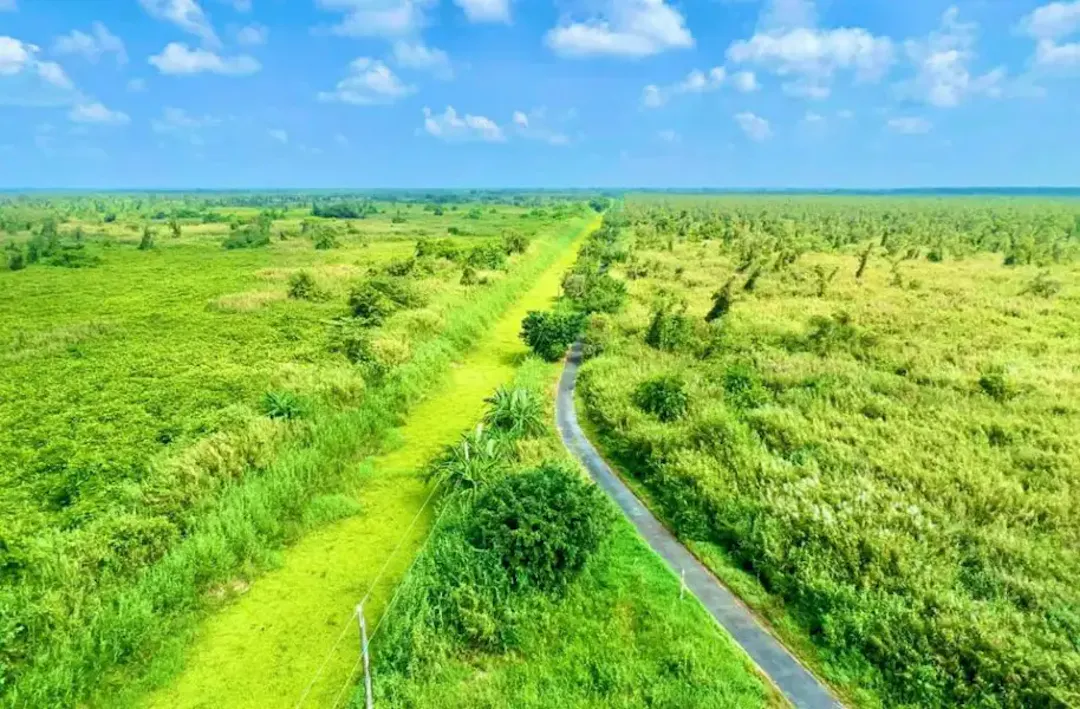
If Dat Mui represents the aggressive, salt-dominated expansion of the coast, the inland territory of U Minh Ha represents the ancient, primeval heart of the lower Mekong. Translating roughly to "Lower Darkness," this massive expanse of freshwater wetlands is characterized by its highly acidic peat soil and dense, aromatic vegetation.
1. Exploring U Minh Ha National Park
Covering over 8,500 hectares of strictly protected land, this national park is a sanctuary for the Rừng tràm (Melaleuca forest). The ecosystem here is entirely distinct from the coastal mangroves. The water, stained a deep, dark tea color by decaying organic matter, weaves through forests that smell strongly of eucalyptus.
When mapping out U Minh Ha Forest activities, understanding the seasonal divide is your most crucial logistical asset. During the dry season (December to April), the receding waters expose elevated dirt paths, allowing for deep-forest trekking and access to the 24-meter observation deck. Conversely, during the wet season (May to November), the forest floor completely floods. Trekking becomes physically impossible, and exploration must be conducted via shallow-draft wooden boats. Drifting over the mirror-like, black water beneath a canopy of melaleuca is mesmerizing, though it requires meticulous preparation for the intense insect activity of the monsoon months.
2. The Traditional "Gác Kèo Ong" (Honey Hunting) Masterclass
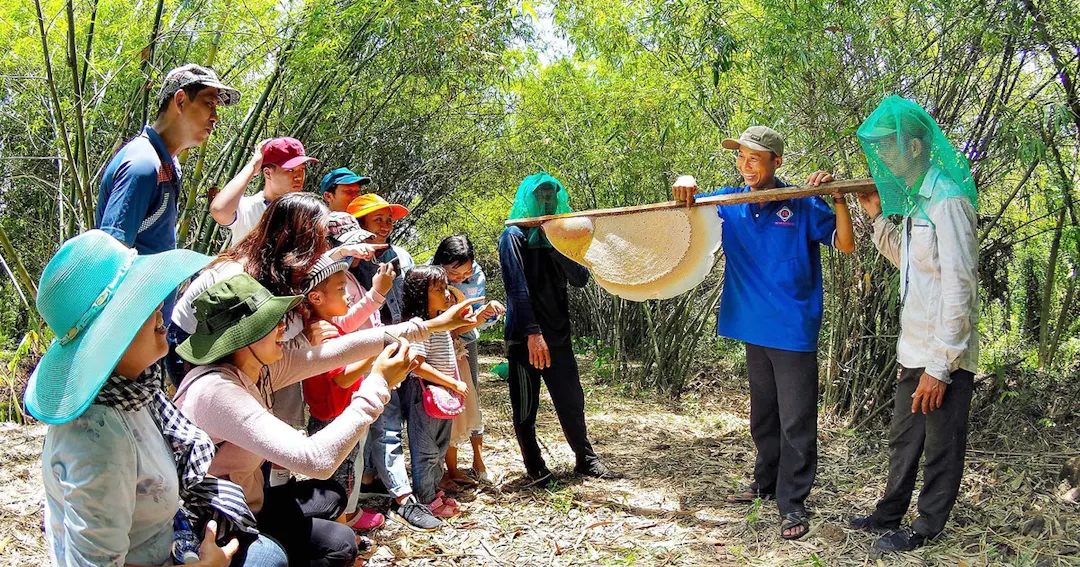
For the cultural anthropologist, the true triumph of U Minh Ha is the ancient craft of gác kèo ong (traditional wild beekeeping). Unlike conventional apiaries that use boxed hives, local woodsmen utilize the natural behavior of Asiatic honeybees. They strategically place wooden rafters (kèo) at a precise 45-degree angle among the melaleuca branches, mimicking the exact structural slope the bees favor in the wild.
Joining a master honey hunter on an expedition into the acidic swamps is an unparalleled cultural experience. Outfitted in protective netting, you will wade through the brush to witness the harvesting of massive, exposed combs dripping with amber liquid. U Minh melaleuca honey is highly prized across Vietnam—it is distinctly robust, earthy, and slightly tangy. Participating in a raw tasting session in the middle of the forest, often paired with the smoky flavors of freshly caught, grilled snakehead fish, elevates this from a mere excursion to a profound gastronomic ritual.
Urban Immersion & Local Flavors: Essential Best Things to Do in Ca Mau
While the untamed wilderness dictates the province’s overarching reputation, Ca Mau City acts as the necessary staging ground and cultural hub for any serious expedition. It is a rapidly developing urban center that still retains deep, unbreakable ties to the surrounding wetlands, offering crucial ethnographic insights before you depart into the deep delta.
1. The Bird Garden Hub
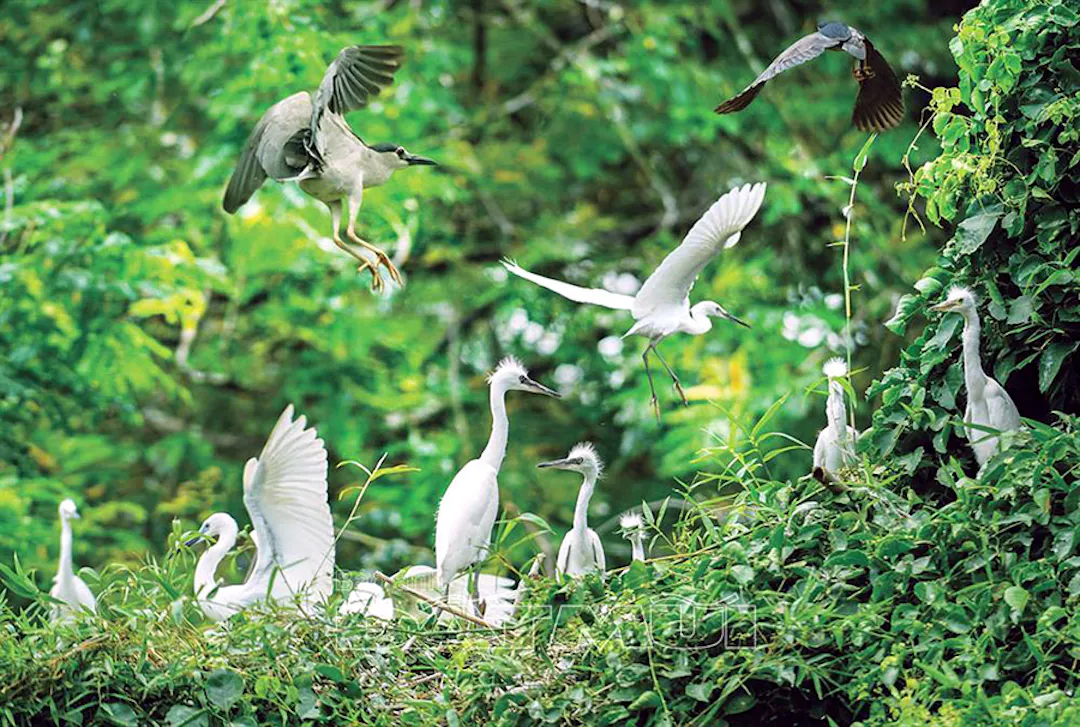
Urban wildlife integration is rarely executed on this scale, making the Sân chim Cà Mau (Ca Mau Bird Garden) a phenomenal anomaly and a highly accessible highlight. Located directly within the parameters of the Ca Mau Cultural Park in the city center, this protected grove serves as a dense nesting ground for tens of thousands of avian species, including painted storks, egrets, and cormorants. The ecological paradox of a massive, raucous bird sanctuary thriving adjacent to roaring urban motorbike traffic is fascinating. Plan your visit precisely at dusk (around 5:30 PM), when the sky darkens as massive flocks return from their coastal hunting grounds to roost in the city.
2. The Culinary Hunt: Savoring Ca Mau Mud Crabs
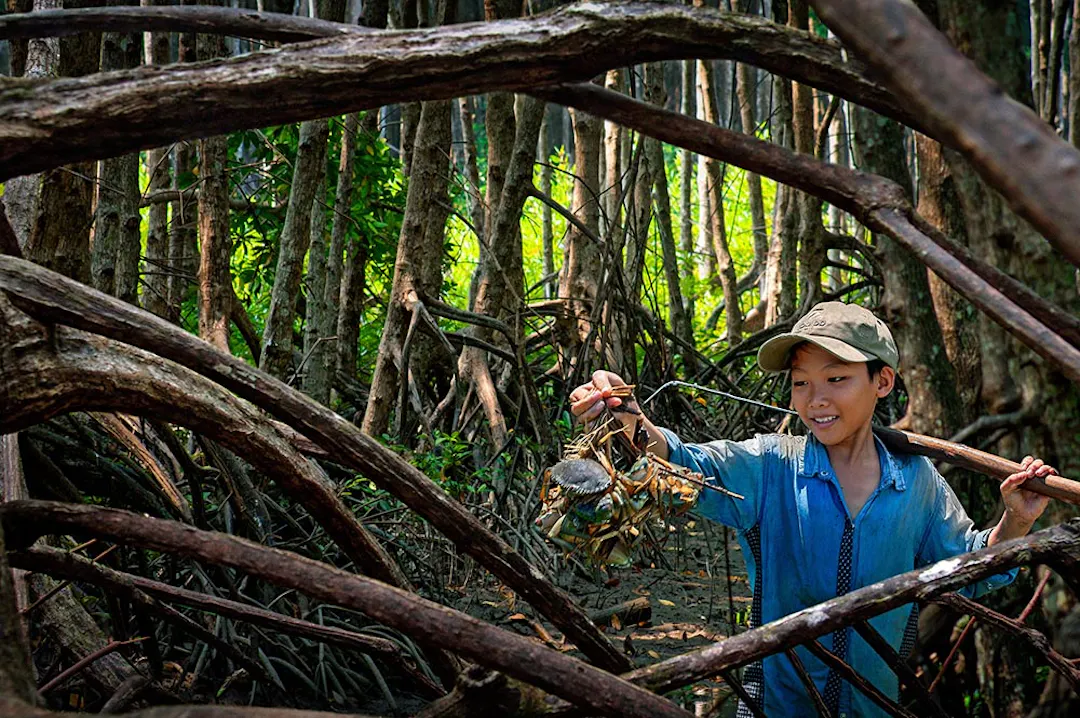
To understand the economic lifeblood of the province, one must look to its aquaculture. The undisputed king of the local economy is the Cua Cà Mau (Ca Mau mud crab). Reared in the brackish, nutrient-dense waters of the coastal districts, particularly around Nam Can, these crabs are famous nationwide for their incredibly dense, sweet flesh and rich, bright orange roe.
Distinguishing an authentic, wild-reared Ca Mau mud crab from a farmed substitute is a required skill. Authentic specimens have a darker, harder shell coated in a fine layer of alluvial silt, and their claws are disproportionately muscular. Sitting at a local quayside eatery to consume a platter of crabs steamed in local beer, or roasted with a thick, tangy tamarind glaze (cua rang me), is a non-negotiable culinary directive for any visitor.
3. Market Logistics & Delta Cafe Culture
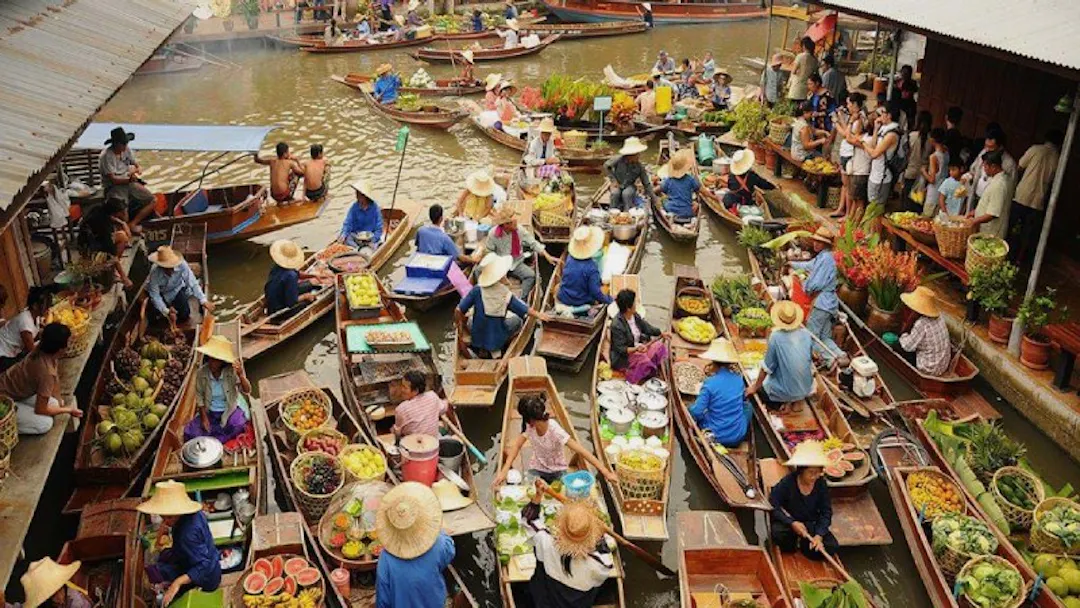
While the highly romanticized floating markets of the Mekong Delta are slowly fading due to the rapid expansion of concrete road infrastructure, Ca Mau maintains hyper-active land markets, such as Ward 7 Market. Here, you must navigate stalls piled high with khô mực (sun-dried squid) and pungent fermented seafood pastes that define extreme southern Vietnamese cuisine.
After navigating the intense sensory overload of the market, taking refuge in the local cafe culture is highly recommended. The architectural footprint of the delta is defined by spatial efficiency. Seek out a compact, meticulously designed local coffee shop—often occupying a footprint no larger than 30 square meters. Sitting in these highly optimized spaces, sipping a slow-dripped, incredibly potent robusta coffee over crushed ice, allows you to observe the seamless flow of delta commerce and appreciate the ingenuity of local urban design.
The Ultimate Ca Mau Activity Matrix
To execute a flawless itinerary, travelers must map out their destinations based on ecological type, physical difficulty, and seasonal accessibility. Use the following breakdown to strategically prioritize the best things to do in Ca Mau:
Sunset Photography & Landmark Visit
- Location: Cape Dat Mui National Park (Ngoc Hien District).
- Physical Difficulty: Low (Accessible via paved paths and wooden boardwalks).
- Best Time of Year: Year-round (Late afternoon for optimal lighting).
Deep Mangrove Speedboat Expedition
- Location: Nam Can to Dat Mui Waterways.
- Physical Difficulty: Medium (Requires navigating small boats and fluctuating tides).
- Best Time of Year: November to April (Calmer coastal winds).
Wild Honey Hunting (Gác Kèo Ong)
- Location: U Minh Ha National Park (U Minh District).
- Physical Difficulty: High (Requires wading through mud and dense brush).
- Best Time of Year: December to April (Dry season accessibility).
Urban Avian Observation
- Location: Ca Mau City Bird Garden (City Center).
- Physical Difficulty: Low (City park walking paths).
- Best Time of Year: Year-round (Strictly at dusk).
Aquaculture & Culinary Exploration
- Location: Ward 7 Market & Nam Can District eateries.
- Physical Difficulty: Low.
- Best Time of Year: Year-round (Crabs are heavily harvested before Lunar New Year).
Remote Island Trekking
- Location: Hon Khoai Island.
- Physical Difficulty: High (Steep inclines and remote logistics).
- Best Time of Year: March to May (Requires calm seas and prior border guard approval).
Essential Field Notes for Travelers
Accessing the deepest extremities of the Mekong Delta requires shifting your expectations from standard tourist infrastructure to frontier transit realities.
Logistical Access: While the QL1A Highway connects Ho Chi Minh City directly to Ca Mau City, the 350-kilometer journey via sleeper bus takes a grueling 7 to 8 hours due to the sheer volume of delta traffic and the bottleneck of narrow canal bridges. For those prioritizing efficiency, flying is the superior option. Local carriers operate short, daily turboprop flights directly from Ho Chi Minh City to Ca Mau Airport (CAH), cutting transit time down to a mere 55 minutes and preserving your energy for field exploration.
Environmental Preparedness: The intertwined canal arteries and stagnant swamp waters make this province an intense breeding ground for mosquitoes, particularly in the melaleuca forests. High-DEET insect repellent, lightweight, breathable long-sleeved clothing, and rugged water-resistant footwear are non-negotiable survival tools. Furthermore, the humidity here is oppressive; pack moisture-wicking fabrics and ensure all sensitive electronic equipment is stored in dry bags during speedboat transits.
Conclusion: Finalizing the Best Things to Do in Ca Mau
Ca Mau is a destination that demands physical engagement and rewards the intrepid. From navigating the sprawling, root-choked waterways of the coastal cape to witnessing the ancient, smoke-filled rituals of melaleuca honey harvesting, curating an itinerary of the best things to do in Ca Mau guarantees an unparalleled encounter with Vietnam’s most resilient environments. This edge-of-the-world province offers a masterclass in geographical evolution and cultural endurance. The only question remaining for your expedition is this: are you more compelled by a rugged, deeply isolated trek through the acidic swamps of U Minh, or an adrenaline-fueled speedboat run to watch the sun sink into the ocean at the absolute Southernmost tip of the continent?
Read more: Ca Mau Travel Guide
Frequently Asked Questions About the Best Things to Do in Ca Mau
What are the best things to do in Ca Mau?
Some of the best activities include visiting Cape Ca Mau, exploring U Minh Ha National Park, taking a boat tour through mangrove forests, birdwatching, visiting local fishing villages, enjoying fresh seafood, and experiencing authentic Mekong Delta life.
Is Ca Mau good for eco-tourism?
Yes. Ca Mau is one of Vietnam's leading eco-tourism destinations thanks to its extensive mangrove forests, wetlands, protected national parks, and diverse wildlife. Visitors can enjoy nature tours, kayaking, wildlife observation, and sustainable tourism experiences.
Can I visit Vietnam's southernmost point in Ca Mau?
Absolutely. Cape Ca Mau is the southernmost point of mainland Vietnam and one of the province's most iconic attractions. Visitors can see the famous national landmark, observation tower, coastal forests, and enjoy panoramic views over the East Sea and Gulf of Thailand.
How many days should I spend in Ca Mau?
Two to three days are enough to visit the main attractions, including Cape Ca Mau, U Minh Ha National Park, local seafood restaurants, and nearby fishing communities. Travelers interested in nature and photography may wish to stay longer.
Is Ca Mau suitable for family travel?
Yes. Families can enjoy scenic boat trips, wildlife experiences, national parks, seafood dining, educational eco-tourism activities, and peaceful natural surroundings. Ca Mau offers a relaxing atmosphere that appeals to travelers of all ages while providing a unique glimpse into life in Vietnam's southernmost province.
Advertising box
Read More About Ca Mau Travel Guide
Continue exploring Ca Mau through our in-depth travel guides featuring top attractions, hidden gems, national parks, islands, local cuisine, transportation tips, suggested itineraries, cultural experiences, and practical travel advice. Discover everything you need to plan an unforgettable journey to Vietnam's southernmost province.

Best Places to Visit in Ca Mau
Ca Mau, Vietnam's southernmost province, is a fascinating destination known for its vast mangrove forests, rich biodiversity, and unique coastal landscapes. Visitors can stand at the iconic Cape Ca Mau, explore national parks, cruise through winding waterways, observe diverse wildlife, and experience authentic Mekong Delta culture. Whether you're interested in eco-tourism, birdwatching, seafood, or discovering Vietnam's southern tip, this guide highlights the best places to visit in Ca Mau for an unforgettable travel experience.

Ca Mau Food Guide
Ca Mau is a paradise for seafood lovers and one of the Mekong Delta's most exciting culinary destinations. Surrounded by rivers, mangrove forests, and coastal waters, the province is famous for fresh crab, shrimp, mudskippers, grilled seafood, and flavorful regional specialties. Visitors can enjoy authentic dishes at floating restaurants, local markets, and family-run eateries while discovering the rich food culture of Vietnam's southernmost province. This Ca Mau Food Guide introduces the must-try dishes and unforgettable flavors waiting to be explored.
Best Time to Visit Ca Mau
Ca Mau welcomes visitors throughout the year with its tropical climate, diverse ecosystems, and spectacular coastal scenery. The dry season offers comfortable conditions for exploring Cape Ca Mau and national parks, while the rainy season transforms the mangrove forests into lush green landscapes filled with wildlife. Whether you're planning an eco-tourism adventure, birdwatching excursion, seafood experience, or cultural journey through the Mekong Delta, this guide helps you choose the best time to visit Ca Mau based on weather and seasonal highlights.

How to Get to Ca Mau
Located at the southernmost tip of Vietnam, Ca Mau is a fascinating destination known for its mangrove forests, coastal landscapes, and the iconic Ca Mau Cape. Although it lies far from the country's major tourism hubs, reaching Ca Mau is easier than many travelers expect. Whether you choose a domestic flight, a comfortable long-distance bus, a scenic road trip, or a motorbike adventure through the Mekong Delta, several transportation options make visiting this unique province convenient and rewarding.

Hidden Gems in Ca Mau
Beyond the famous Ca Mau Cape lies a world of hidden treasures waiting to be explored. Discover tranquil mangrove forests, quiet fishing villages, peaceful bird sanctuaries, untouched waterways, and authentic local communities that reveal the true charm of Vietnam's southernmost province. These lesser-known destinations offer unique cultural encounters, spectacular natural scenery, and unforgettable experiences far from the crowds. Explore Ca Mau's hidden gems and experience one of the Mekong Delta's most authentic and rewarding travel destinations.