
Best Time to Visit Ca Mau
Ca Mau welcomes visitors throughout the year with its tropical climate, diverse ecosystems, and spectacular coastal scenery. The dry season offers comfortable conditions for exploring Cape Ca Mau and national parks, while the rainy season transforms the mangrove forests into lush green landscapes filled with wildlife. Whether you're planning an eco-tourism adventure, birdwatching excursion, seafood experience, or cultural journey through the Mekong Delta, this guide helps you choose the best time to visit Ca Mau based on weather and seasonal highlights.
On this page
- The Two Core Seasons: Dry vs. Wet for the Best Time to Visit Ca Mau
- The Month-by-Month Ca Mau Climate & Activity Matrix: Finding the Best Time to Visit Ca Mau
- Timing for Specific Eco-Experiences: The Best Time to Visit Ca Mau for Nature
- Cultural & Event Timing: Human Rhythms in the Best Time to Visit Ca Mau
- Conclusion: Securing the Best Time to Visit Ca Mau
Ca Mau is the geographic anomaly of Vietnam. Positioned at the extreme southern tip of the Indochinese peninsula, the earth here does not simply end; it dissolves into a complex, shifting matrix of tidal mudflats, interlaced river systems, and dense, impenetrable mangrove canopies. Deciding on the best time to visit Ca Mau is fundamentally different from planning a trip to the standard coastal resorts of Southeast Asia. You are not tracking sunshine for beach lounging; you are observing the complex hydrological cycle of the lower Mekong Delta. The province is completely dictated by fluctuating water levels, the seasonal monsoon rhythm, and the aggressive alluvial sedimentation that literally expands the coastline further into the Gulf of Thailand every year.
Therefore, determining the optimal window for your expedition is a calculated trade-off. You must choose between the logistical comfort and terrestrial accessibility of the dry months versus witnessing the raw, overwhelming ecological spectacle of the flooded wilderness. This exhaustive guide, rooted in deep hydrological logic and field-tested delta expertise, will meticulously dissect the Mekong Delta travel seasons. By analyzing the weather patterns, wildlife migrations, and agricultural cycles, we will ensure you arrive perfectly synced with the natural phenomena you wish to observe at the edge of the continent.
The Two Core Seasons: Dry vs. Wet for the Best Time to Visit Ca Mau
To accurately pinpoint the best time to visit Ca Mau, one must first understand the fundamental binary of the region's climate. The delta does not experience the traditional four seasons of temperate zones; instead, it is governed by a dramatic dichotomy of water. This is a landscape where the rivers breathe, expanding and contracting with the monsoon cycle, completely rewriting the topography every six months.
The Dry Season (December – April) - The Explorer’s Window
Spanning from December through late April, the dry season represents the most logistically sound period for travelers prioritizing mobility, comfort, and terrestrial exploration. During this window, the average temperatures hover between 26°C and 33°C, accompanied by a significant and welcome drop in atmospheric humidity. As the monsoon rains retreat, the elevated dirt paths and concrete arterial roads connecting the rural districts become fully navigable.
This is arguably the definitive best time for U Minh Ha Forest trekking. The deeply acidic peat soil of the melaleuca (rừng tràm) woodland solidifies during these months. This dry, hardened earth allows visitors to hike the interior trails and climb the 24-meter forest observation towers without sinking into the anaerobic mud. Furthermore, the arid conditions drastically reduce the mosquito population, making extended outdoor observation significantly more tolerable. For road-trippers and architectural observers interested in the structural ingenuity of the stilted coastal communities, the dry season ensures unhindered access to the outermost limits of the province without the threat of sudden, road-washing localized floods.
The Flooding Season (September – November) - The Ecological Spectacle
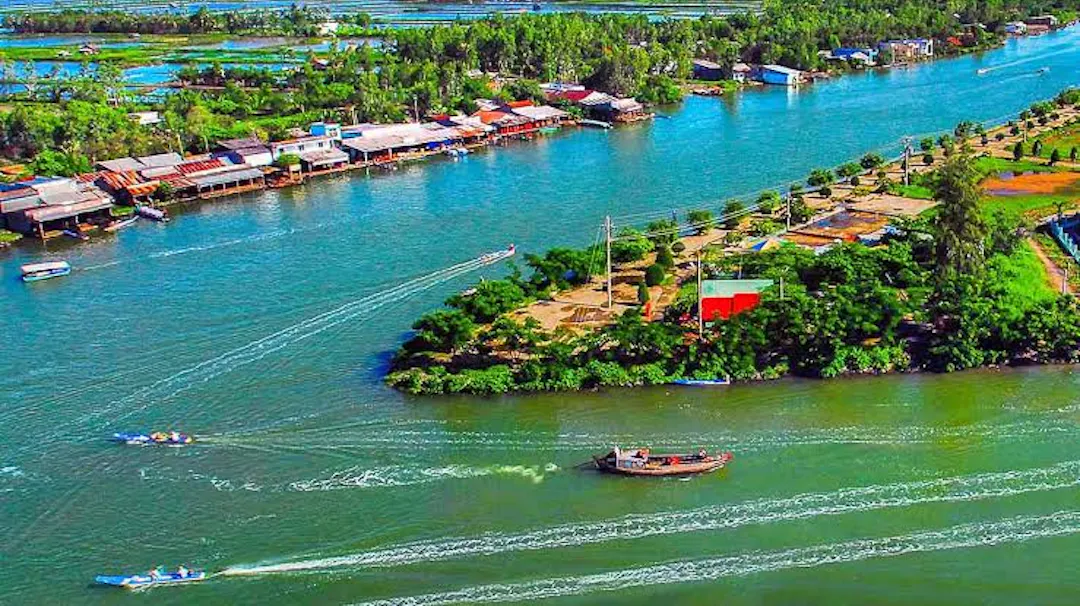
In stark contrast, the late autumn months usher in Mùa nước nổi, literally translated as the "floating water season," or the Ca Mau flooding season. Triggered by the immense volume of water surging down the Mekong River from the Tibetan Plateau, combined with heavy localized rainfall, the delta transforms into a vast, navigable inland sea.
While standard tourism logic might warn against visiting during a flood, ecological researchers and intrepid travelers understand that this is when the delta is most vibrantly alive. The average rainfall peaks dramatically, often exceeding 300mm per month. The nutrient-rich alluvial waters flush the mangrove root pneumatophores, triggering a massive bloom in aquatic life and rendering the landscape a hyper-saturated, brilliant green. This period is the ultimate window for eco-tourists to charter shallow-draft wooden boats (vỏ lãi) and penetrate the deepest, normally inaccessible mangrove tunnels of the coastal bio-reserves. During these months, you are not walking the forest; you are floating directly through its canopy.
The Transitional Months (May – August)
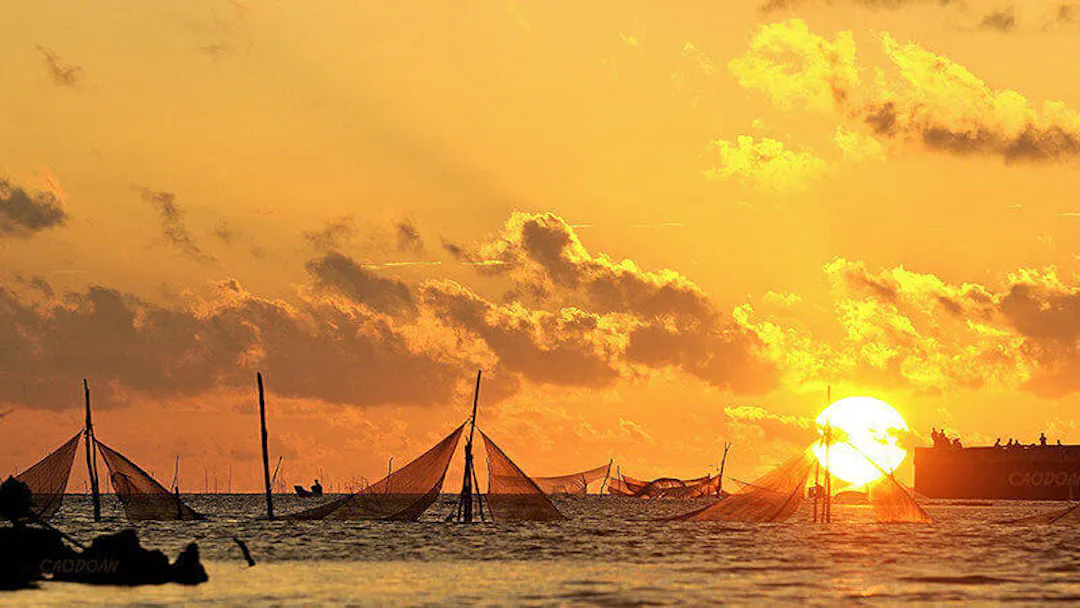
The period between May and August is the delta’s transitional phase, characterized by the onset of the southwest monsoon. While not as fully inundated as the peak flooding season, these months introduce a volatile, unpredictable daily weather pattern. Travelers can expect sudden, torrential afternoon downpours that typically last for one to two hours, followed immediately by intense, steaming humidity as the equatorial sun rapidly evaporates the surface water.
The temperatures often peak at an oppressive 34°C, making the atmosphere feel heavy. However, this transitional period holds its own distinct ecological advantages. The initial rains wash away the dry season dust, revitalizing the agricultural zones and prompting the rapid blooming of the inland melaleuca forests. It is a period of aggressive, accelerated growth. Traveling during this window requires a highly flexible itinerary, as boat charters and deep-forest treks may be suddenly delayed by passing squalls, but the reward is a landscape transitioning into its most fertile state.
The Month-by-Month Ca Mau Climate & Activity Matrix: Finding the Best Time to Visit Ca Mau
For granular itinerary planning, analyzing the Ca Mau weather by month is absolutely essential. The province operates on a strict biological and meteorological calendar. The following hydrological breakdown details the precise environmental conditions, corresponding ideal activities, and travel verdicts for each month:
- January (Peak): 26°C with low rainfall. Expect dry dirt paths and clear skies, making this the perfect time for Cape Dat Mui photography and bird watching.
- February (Peak): 27°C with low rainfall. The melaleuca blooming begins, creating the optimal window for honey hunting and mangrove trekking.
- March (Peak): 28°C with low rainfall. Characterized by high salinity and arid peat. Ideal for attending the Nghinh Ong festival and seafood tasting.
- April (Shoulder): 29°C with low rainfall. The forest soil is fully hardened, providing excellent conditions for U Minh Ha trekking and temple visits.
- May (Shoulder): 30°C with rising rainfall. Transitional showers begin, making it a great time for boat chartering and exploring local market tours.
- June (Off-Peak): 31°C with high rainfall. Afternoon downpours become frequent. Best suited for urban cultural touring and experiencing local cafe culture.
- July (Off-Peak): 32°C with high rainfall. The mangrove canopy growth is incredibly lush. An excellent time for deep mangrove tunnel boating.
- August (Off-Peak): 32°C with high rainfall. River levels are steadily rising, offering prime conditions for mud crab harvesting and studying wetland ecology.
- September (Peak - Eco): 31°C with extreme rainfall. Inland flooding officially begins. The absolute best time for flooded forest boat tours and fishing.
- October (Peak - Eco): 30°C with extreme rainfall. The soil becomes hyper-saturated. Ideal for deep delta river cruising and enjoying local hotpots.
- November (Shoulder): 29°C with extreme rainfall. Water depth reaches its peak, making it the perfect time for Lẩu mắm dining and aquatic wetland exploration.
- December (Peak): 27°C with dropping rainfall. Floodwaters begin receding, creating prime conditions for avian migration watching and terrestrial trekking.
Timing for Specific Eco-Experiences: The Best Time to Visit Ca Mau for Nature
Beyond the general climatological shifts, the province's specialized ecosystems operate on precise biological clocks. Aligning your arrival with these natural cycles elevates a standard tourist trip into a profound ecological encounter, allowing you to witness the delta exactly as it functions.
The U Minh Ha Honey-Hunting Window
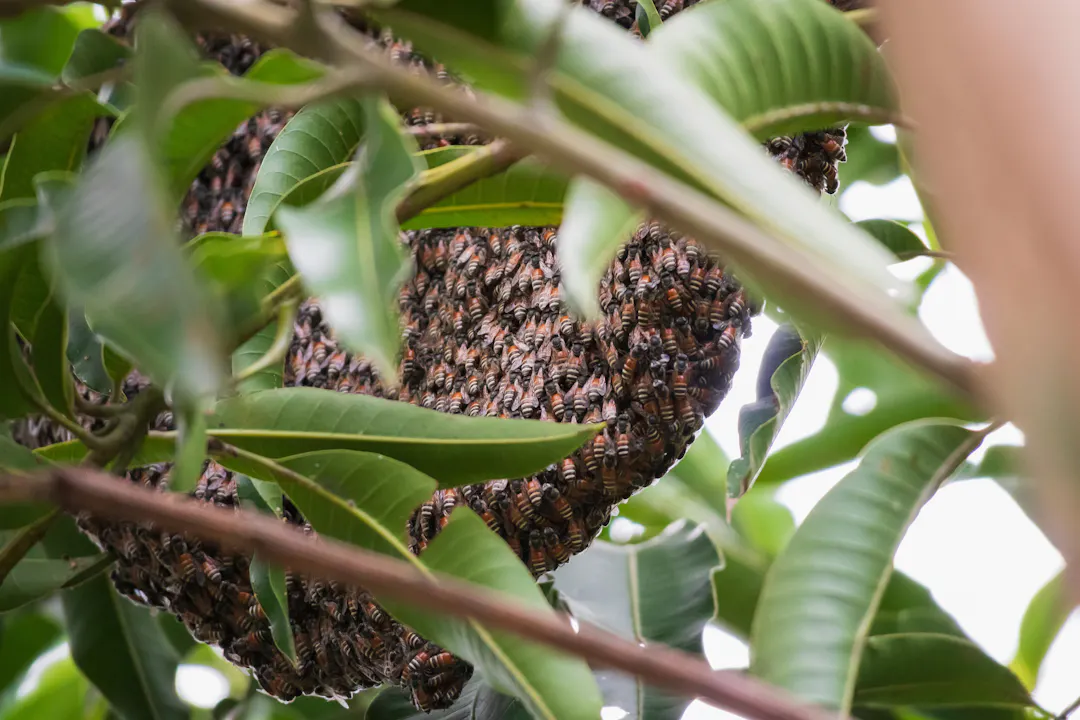
The ancient craft of gác kèo ong (wild honey hunting) is deeply tied to the blooming cycle of the melaleuca forest. The prime honey-hunting window aligns directly with the peak dry season, specifically from late February to April. During these months, the rừng tràm erupts in fragrant white blossoms, attracting massive swarms of Asiatic wild bees.
Because the peat forest floor is completely dry, local woodsmen can easily navigate the dense underbrush to position their wooden rafters at the precise 45-degree angle required to attract the colonies. For travelers, joining a honey-hunting expedition during this time is not only safer due to stable footing, but it guarantees the highest yield. This is when you can harvest and taste the most robust, tannin-rich fresh honey and the highly prized, protein-dense bee larvae (ong non). Attempting this during the wet season is nearly impossible due to flooded paths and the lack of floral blooms.
Bird Migration Peaks at Dat Mui
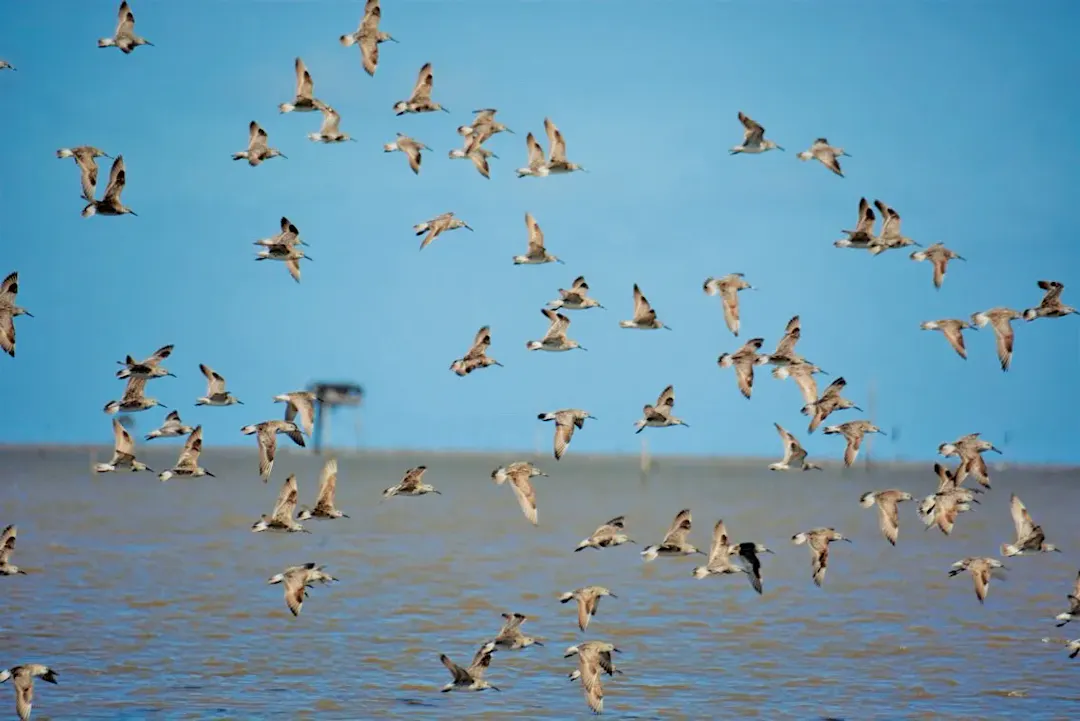
The coastal mudflats and the inland bird gardens (sân chim) of Ca Mau serve as critical, nutrient-dense waystations for migratory avian species traveling along the East Asian-Australasian Flyway. To witness the maximum density of avian life, the optimal timing spans from December through March.
As the northern hemisphere cools, massive flocks of painted storks, egrets, ibises, and rare cormorants descend upon the mangrove canopies to roost and feed in the shallow tidal zones. The early dry season provides the optical clarity required for high-grade wildlife photography, entirely devoid of the atmospheric haze and torrential downpours that obscure the horizon later in the year. Arriving at the Dat Mui observation tower precisely at dusk during these dry months guarantees a staggering visual of thousands of silhouettes returning from the ocean to the safety of the dense forest canopy.
Seafood Harvest Seasons
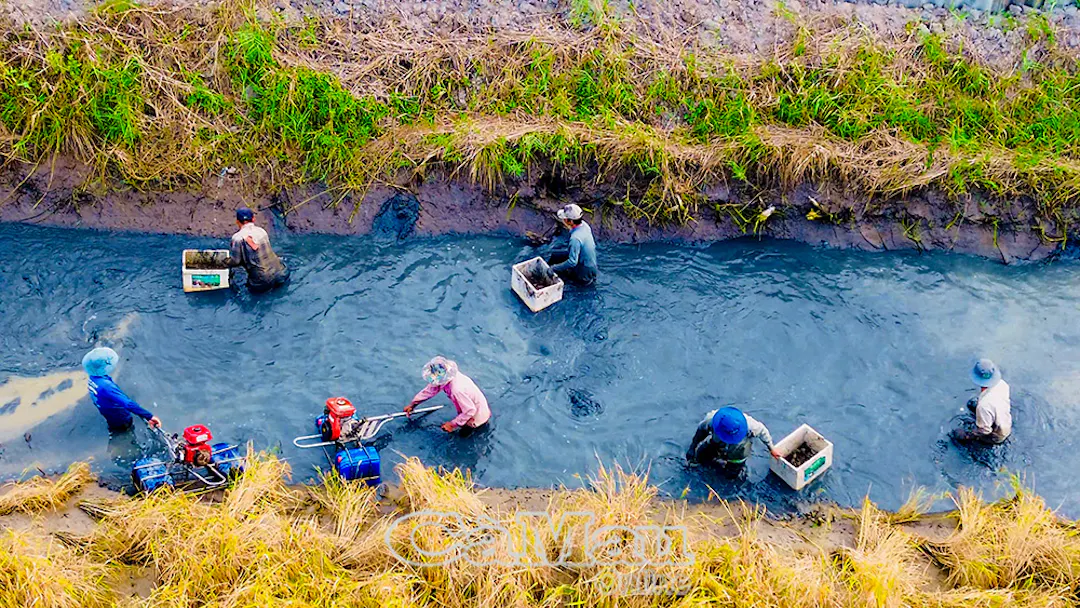
Ca Mau is the undisputed epicenter of extreme southern Vietnamese aquaculture, and its defining export is the Cua Cà Mau (Ca Mau mud crab). While these crabs are farmed and available year-round, genuine wild-caught mangrove crabs reach their absolute peak of muscular density and roe richness during the months leading up to the Lunar New Year, typically falling in January or early February.
The shifting salinity levels as the dry season begins create the perfect environmental stress for the crabs to build up their firm, sweet flesh and buttery orange roe (gạch). Conversely, the Ca Mau flooding season (September to November) is the absolute optimal time to harvest and consume wild freshwater fish. The flooded plains provide abundant food sources for species like the snakehead fish (cá lóc). These aggressively feeding fish become exceptionally plump during the flood, making autumn the perfect time to sit in a stilted restaurant and consume a boiling pot of Lẩu mắm (fermented fish hotpot) while watching the rain lash against the river.
Cultural & Event Timing: Human Rhythms in the Best Time to Visit Ca Mau
While the untamed wilderness dominates the itinerary, synchronizing your visit with the human rhythm of the delta provides invaluable ethnographic insight. The cultural landscape of Ca Mau is shaped by the centuries-old coexistence of Kinh (Vietnamese), Khmer, and Hoa (Chinese) communities, each governed by distinct lunar, tidal, and agricultural calendars.
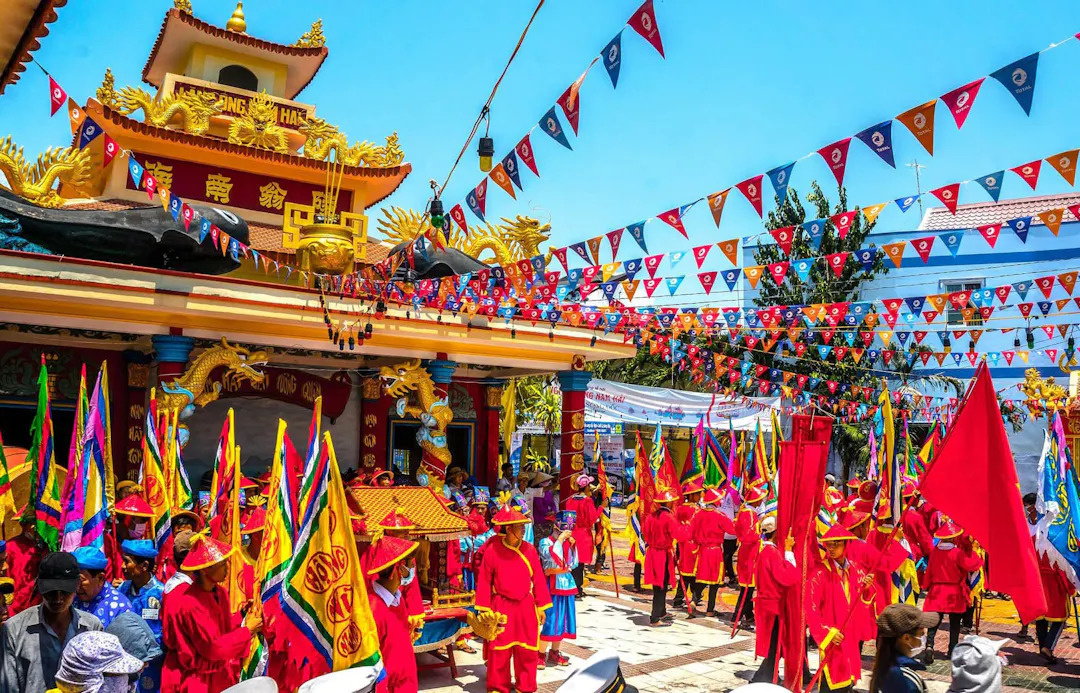
The most significant coastal event is the Nghinh Ong Festival (Whale Worship Festival), held in the intense fishing enclave of Song Doc. Typically occurring on the 14th to 16th days of the second lunar month (usually aligning with the dry heat of late March), this massive maritime celebration involves hundreds of heavily decorated fishing vessels sailing out to the East Sea to pray to the Cetacean deity for safe passage and bountiful catches. Witnessing this requires securing local transport well in advance, as the sheer density of coastal traffic spikes dramatically. It is a raw, chaotic, and incredibly authentic display of the animistic beliefs that govern the delta's deep-sea fishing fleets.
Inland, the Khmer community celebrates Chol Chnam Thmay (the traditional New Year) in mid-April. Visiting the highly ornate, Theravada Buddhist temples during this time provides a brilliant visual contrast of vibrant silk garments, water-blessing rituals, and traditional pentatonic music against the backdrop of the severe dry delta heat.
Logistical Warning for the Tet Holiday: The national Lunar New Year (usually late January or early February) is the most challenging period for standard travel in the province. While the cultural energy is undeniably immense, domestic transit networks are severely overwhelmed, local cafes, artisan workshops, and rural markets shut down completely for several days, and accommodation prices surge. Unless you have secured a direct invitation to a local family’s home, independent travel during the immediate days of Tet is highly discouraged for foreign visitors seeking reliable services and open ecological parks.
Conclusion: Securing the Best Time to Visit Ca Mau
Determining the best time to visit Ca Mau ultimately depends on your tolerance for the natural elements and your specific expeditionary goals. The dry season (December to April) offers the unhindered mobility required for deep forest trekking, pristine coastal photography, and accessible honey harvesting. Conversely, the intense flooding season (September to November) strips away the ease of terrestrial travel but rewards the intrepid eco-tourist with the ultimate, hyper-saturated vision of the delta's aquatic life and thriving mangrove waterways.
Ca Mau is a landscape that demands adaptation and respect for its hydrological cycles. It does not bend to the convenience of the traveler; rather, the traveler must bend to the rhythm of the tide. As you prepare to navigate the intertwined canals and dense forests of the southernmost frontier of Vietnam, you must ask yourself: do you prefer the stable, sun-baked pathways of the dry season for maximum exploration, or are you drawn to the chaotic, vibrant waterways of the monsoon flood to witness the delta at its most raw and powerful?
Read more: Ca Mau Travel Guide
Frequently Asked Questions About the Best Time to Visit Ca Mau
What is the best time to visit Ca Mau?
The best time to visit Ca Mau is during the dry season from December to April, when the weather is sunny and ideal for exploring Cape Ca Mau, mangrove forests, national parks, and coastal attractions.
Is the rainy season a good time to visit Ca Mau?
Yes. The rainy season, which typically lasts from May to November, brings lush green landscapes and abundant wildlife. It is an excellent time for eco-tourism, birdwatching, photography, and experiencing the rich biodiversity of Ca Mau's wetlands.
When is the best time to visit Cape Ca Mau?
Cape Ca Mau can be visited year-round, but the dry season offers the most comfortable conditions for sightseeing, walking along coastal trails, and enjoying panoramic views of Vietnam's southernmost point.
What season is best for wildlife and birdwatching?
The flood and rainy seasons, particularly from July to November, are excellent for birdwatching and observing wildlife in U Minh Ha National Park and the province's extensive mangrove forests, when water levels support diverse ecosystems.
Can I travel to Ca Mau throughout the year?
Absolutely. Every season offers unique experiences. The dry season is perfect for sightseeing and outdoor activities, while the rainy season showcases the province's natural beauty with flourishing mangrove forests, vibrant wetlands, and exceptional opportunities for eco-tourism and nature photography.
Advertising box
Read More About Ca Mau Travel Guide
Continue exploring Ca Mau through our in-depth travel guides featuring top attractions, hidden gems, national parks, islands, local cuisine, transportation tips, suggested itineraries, cultural experiences, and practical travel advice. Discover everything you need to plan an unforgettable journey to Vietnam's southernmost province.

Best Places to Visit in Ca Mau
Ca Mau, Vietnam's southernmost province, is a fascinating destination known for its vast mangrove forests, rich biodiversity, and unique coastal landscapes. Visitors can stand at the iconic Cape Ca Mau, explore national parks, cruise through winding waterways, observe diverse wildlife, and experience authentic Mekong Delta culture. Whether you're interested in eco-tourism, birdwatching, seafood, or discovering Vietnam's southern tip, this guide highlights the best places to visit in Ca Mau for an unforgettable travel experience.

Best Things to Do in Ca Mau
Ca Mau offers unforgettable experiences where nature, adventure, and local culture come together at the southern tip of Vietnam. Cruise through vast mangrove forests, stand at the iconic Cape Ca Mau landmark, explore U Minh Ha National Park, enjoy fresh seafood, and discover traditional fishing communities along the coast. Whether you're seeking wildlife, eco-tourism, photography, or authentic Mekong Delta culture, this guide showcases the best things to do in Ca Mau for an unforgettable journey through Vietnam's southernmost province.

Ca Mau Food Guide
Ca Mau is a paradise for seafood lovers and one of the Mekong Delta's most exciting culinary destinations. Surrounded by rivers, mangrove forests, and coastal waters, the province is famous for fresh crab, shrimp, mudskippers, grilled seafood, and flavorful regional specialties. Visitors can enjoy authentic dishes at floating restaurants, local markets, and family-run eateries while discovering the rich food culture of Vietnam's southernmost province. This Ca Mau Food Guide introduces the must-try dishes and unforgettable flavors waiting to be explored.

How to Get to Ca Mau
Located at the southernmost tip of Vietnam, Ca Mau is a fascinating destination known for its mangrove forests, coastal landscapes, and the iconic Ca Mau Cape. Although it lies far from the country's major tourism hubs, reaching Ca Mau is easier than many travelers expect. Whether you choose a domestic flight, a comfortable long-distance bus, a scenic road trip, or a motorbike adventure through the Mekong Delta, several transportation options make visiting this unique province convenient and rewarding.

Hidden Gems in Ca Mau
Beyond the famous Ca Mau Cape lies a world of hidden treasures waiting to be explored. Discover tranquil mangrove forests, quiet fishing villages, peaceful bird sanctuaries, untouched waterways, and authentic local communities that reveal the true charm of Vietnam's southernmost province. These lesser-known destinations offer unique cultural encounters, spectacular natural scenery, and unforgettable experiences far from the crowds. Explore Ca Mau's hidden gems and experience one of the Mekong Delta's most authentic and rewarding travel destinations.